Case Study: How a Hammer Shredder Helped a Factory Handle Heavy Metal Waste

Introduction
In the modern landscape of metal fabrication, the efficiency of a facility is measured not just by its output, but by its ability to manage the byproduct of production. For many factories, heavy metal waste represents a significant logistical bottleneck. Bulky scrap, off-cuts, and discarded components occupy valuable floor space, increase transportation costs, and complicate recycling efforts. This article explores a real-world scenario where a HARSLE industrial solution transformed operational efficiency.
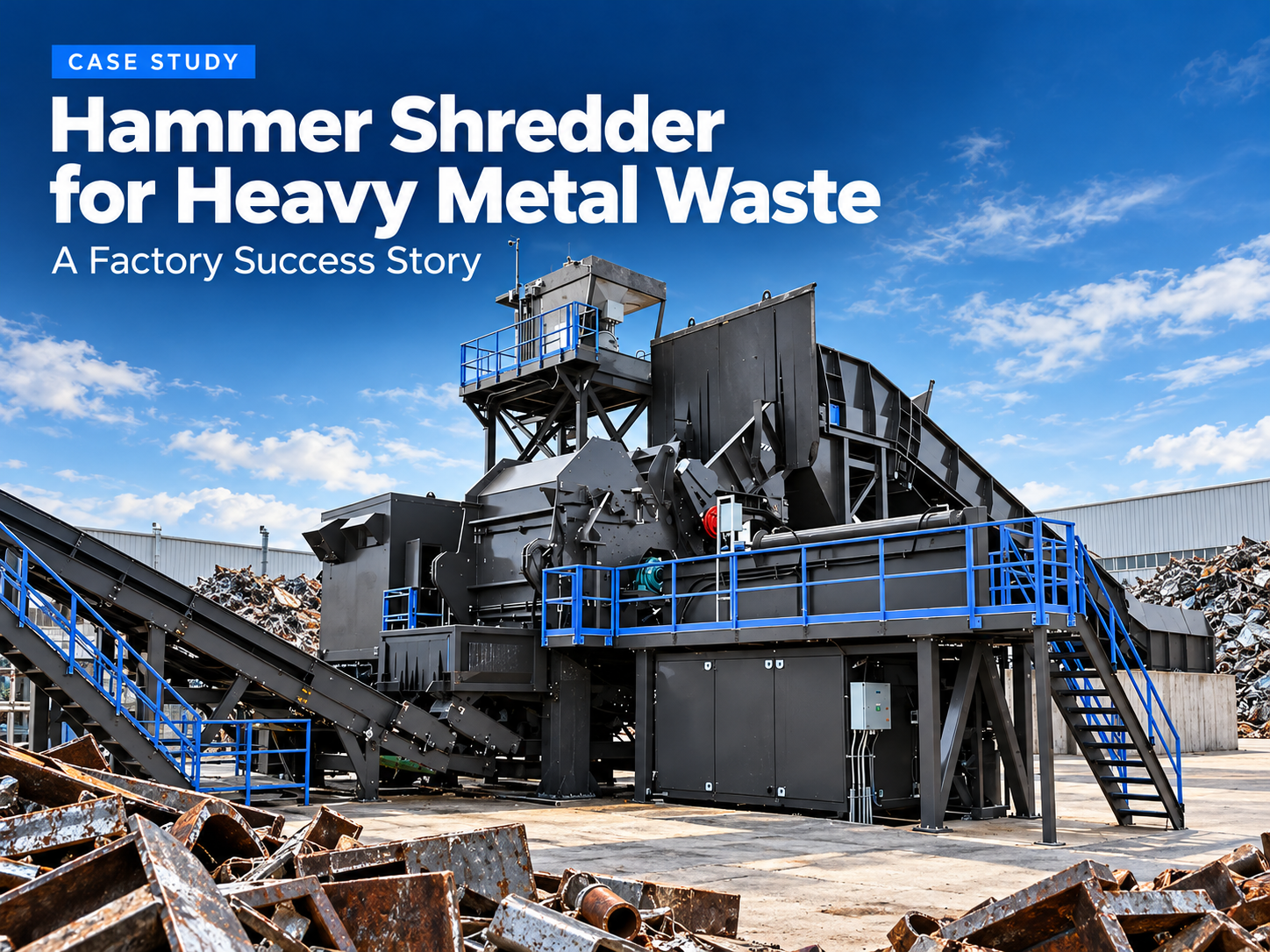
The central focus of this narrative is the implementation of advanced shredding technology. By examining the question, “How a hammer shredder helped a factory handle heavy metal waste,” we can uncover the specific technical advantages that high-torque shredding brings to the shop floor. This case study serves as a blueprint for facility managers looking to streamline their waste management protocols and improve their bottom line.
Metal fabrication generates diverse waste streams, ranging from thin sheet metal skeletons to thick, hardened steel remnants. Without proper volume reduction, these materials are difficult to transport and even harder to sell to recyclers at premium rates. The integration of a hammer shredder into the production line allows for the conversion of chaotic scrap piles into uniform, high-density material that is ready for immediate processing or smelting.
As we delve into the technical and operational aspects of this case study, we will highlight how HARSLE machinery bridges the gap between raw waste and valuable secondary raw materials. This transformation is not merely about cleanup; it is about reclaiming space, reducing labor costs, and maximizing the return on investment for every kilogram of metal processed within the factory walls.
Key Considerations for Heavy Metal Waste Management
Before selecting a shredding solution, factory managers must conduct a thorough audit of their waste stream. The primary consideration is the physical composition of the scrap. Is the waste primarily ferrous or non-ferrous? Does it contain contaminants like plastics, oils, or rubber? Understanding these variables is critical because a hammer shredder must be configured with the correct hammer weight, rotor speed, and screen size to handle the specific material density.
Another vital consideration is the volume of throughput required. A factory operating on a 24/7 basis has vastly different requirements than a job shop that processes scrap intermittently. The capacity of the shredder must align with the factory’s peak production periods to prevent bottlenecks. If the shredder is undersized, it will lead to equipment fatigue and downtime; if it is oversized, the energy costs may become prohibitive.
Safety and environmental compliance are non-negotiable factors. Shredding metal is a high-energy process that generates noise, dust, and vibration. Modern industrial facilities must ensure that their shredding equipment is equipped with dust suppression systems, noise-dampening enclosures, and emergency stop mechanisms that meet international safety standards. Furthermore, the ability to separate ferrous from non-ferrous materials post-shredding is a significant value-add that should be considered during the planning phase.
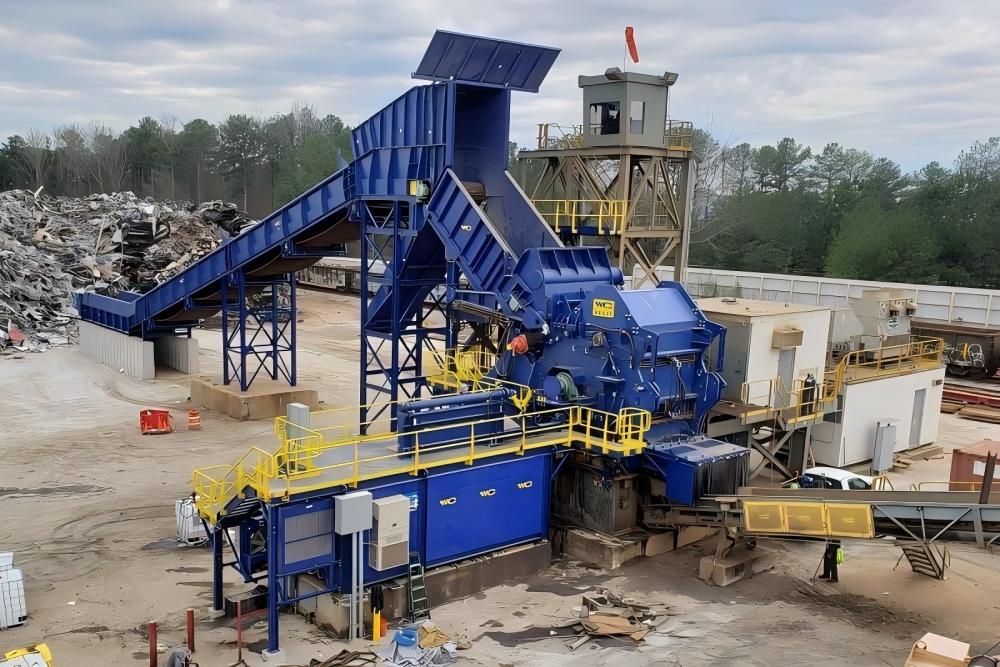
Finally, the integration of the shredder into the existing material handling workflow is essential. Will the scrap be fed via a conveyor belt, a forklift, or a crane? The layout of the facility must accommodate the footprint of the shredder and the necessary clearance for maintenance. By addressing these considerations upfront, a factory can ensure that the installation of a hammer shredder is a seamless transition rather than a disruptive event.
Technical Details of the HARSLE Hammer Shredder Solution
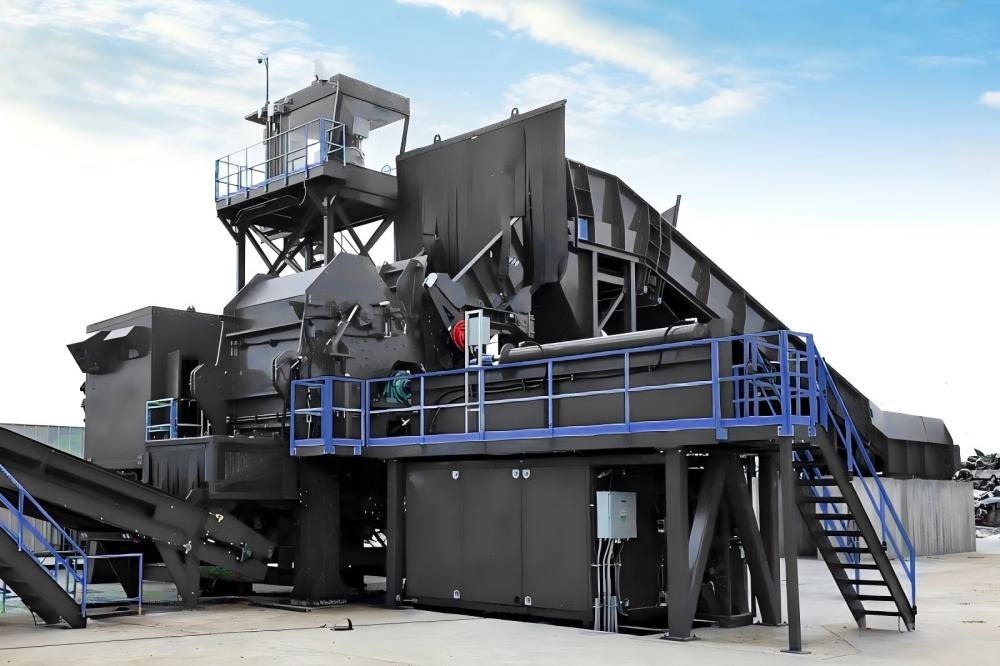
The core of the solution implemented in our case study was a high-performance HARSLE hammer shredder, engineered for durability and precision. The machine features a heavy-duty rotor assembly equipped with hardened, alloy-steel hammers. These hammers are designed to swing freely, allowing them to strike the metal with immense kinetic energy while minimizing the risk of damage if an un-shreddable object, such as a solid tool steel block, enters the chamber.
The shredding chamber is lined with replaceable wear plates made from manganese steel, which work-hardens upon impact. This design choice is critical for longevity, as the constant abrasion of metal scrap would otherwise degrade the chamber walls rapidly. The motor power is transmitted through a high-torque gearbox, ensuring that the machine maintains consistent RPM even when processing dense, irregular shapes that would stall lesser equipment.
One of the most impressive technical features is the modular screen system. By changing the screen size at the discharge point, the factory can control the output size of the shredded metal. For high-density recycling, a smaller screen produces a finer, more uniform product that is easier to melt. For general scrap volume reduction, a larger screen allows for faster throughput. This flexibility allows the factory to adapt to changing market demands for scrap metal.
The control system of the HARSLE shredder includes advanced load-sensing technology. If the shredder detects a surge in torque, it automatically adjusts the feed rate to prevent overloading. This intelligent feedback loop protects the motor and the drive train, significantly extending the service life of the machine. Additionally, the integration of a magnetic separator at the discharge end allows for the automatic sorting of ferrous materials, further increasing the purity and value of the scrap output.
Selection Advice: Choosing the Right Equipment
When evaluating how a hammer shredder can help your factory, the selection process should be guided by a clear understanding of your specific scrap profile. Do not simply purchase the largest machine available. Instead, analyze the maximum thickness of the metal you intend to shred. A machine designed for thin-gauge sheet metal will fail if subjected to thick plate steel, regardless of its motor power.
Consider the maintenance requirements as part of your selection criteria. A hammer shredder is a high-wear machine. Look for models that offer easy access to the rotor and hammers. The ability to perform routine maintenance, such as flipping or replacing hammers, without extensive disassembly is a major advantage that will save hundreds of man-hours over the life of the machine. HARSLE provides comprehensive documentation and support to ensure that maintenance schedules are optimized for peak performance.
Energy efficiency is another factor that often goes overlooked. Modern shredders should feature variable frequency drives (VFDs) that allow the motor to operate at optimal efficiency based on the load. This not only reduces electricity consumption but also minimizes the mechanical stress on the machine during startup and shutdown. When comparing quotes, always ask for the energy consumption per ton of processed material to get a true picture of the operational cost.
Finally, partner with a manufacturer that provides robust after-sales support. The installation of a hammer shredder is a significant capital investment. You need a partner who can assist with commissioning, operator training, and the supply of genuine spare parts. A machine is only as good as the support behind it, and HARSLE prides itself on providing end-to-end service that ensures your equipment remains a productive asset for years to come.
FAQ: Frequently Asked Questions
1. How does a hammer shredder differ from a shear shredder?
A hammer shredder uses high-speed rotating hammers to impact and break material, making it ideal for brittle or thin-gauge metals. A shear shredder uses low-speed, high-torque blades to cut and tear material, which is better for thick, ductile metals. The choice depends on your specific scrap type.
2. What is the typical lifespan of the hammers in a shredder?
The lifespan depends on the hardness and volume of the material processed. However, with proper maintenance and the use of high-quality alloy steel hammers, you can expect thousands of hours of operation before needing a replacement or hard-facing repair.
3. Can a hammer shredder handle non-metal contaminants?
While designed for metal, most industrial hammer shredders can handle small amounts of non-metallic contaminants. However, excessive contamination can lead to increased wear and potential fire hazards. It is always best to pre-sort scrap whenever possible.
4. How much space is required for a typical installation?
The footprint varies by model, but you must account for the shredder itself, the in-feed conveyor, the discharge system, and sufficient clearance for maintenance access. A typical industrial setup usually requires a dedicated area of at least 50-100 square meters.
5. Is the shredded metal ready for sale immediately?
Yes, in most cases, the shredded output is considered “prepared scrap,” which commands a higher price from recyclers and foundries compared to raw, bulky scrap because it is easier to handle and melt.
Wniosek
The case study of how a hammer shredder helped a factory handle heavy metal waste demonstrates that industrial efficiency is often found in the details of waste management. By transitioning from a manual, space-consuming scrap handling process to an automated, high-density shredding system, the factory was able to reclaim valuable floor space, reduce labor costs, and increase the market value of its scrap metal. The HARSLE hammer shredder proved to be the catalyst for this transformation, providing the necessary power, durability, and flexibility to handle diverse metal waste streams.
Investing in the right metal fabrication equipment is about more than just the production line; it is about optimizing the entire lifecycle of your materials. As factories continue to face pressure to improve sustainability and reduce operational overhead, the role of advanced shredding technology will only become more prominent. We encourage facility managers to evaluate their current waste management practices and consider the long-term benefits of integrating a professional-grade hammer shredder.
Ultimately, the success of this implementation highlights the importance of choosing equipment that is tailored to your specific operational needs. Whether you are dealing with thin sheet metal off-cuts or heavy structural steel remnants, there is a solution that can turn your waste into a revenue stream. HARSLE remains committed to providing the machinery and expertise necessary to help factories worldwide achieve these operational milestones, ensuring that your facility remains competitive, efficient, and ready for the challenges of the future.