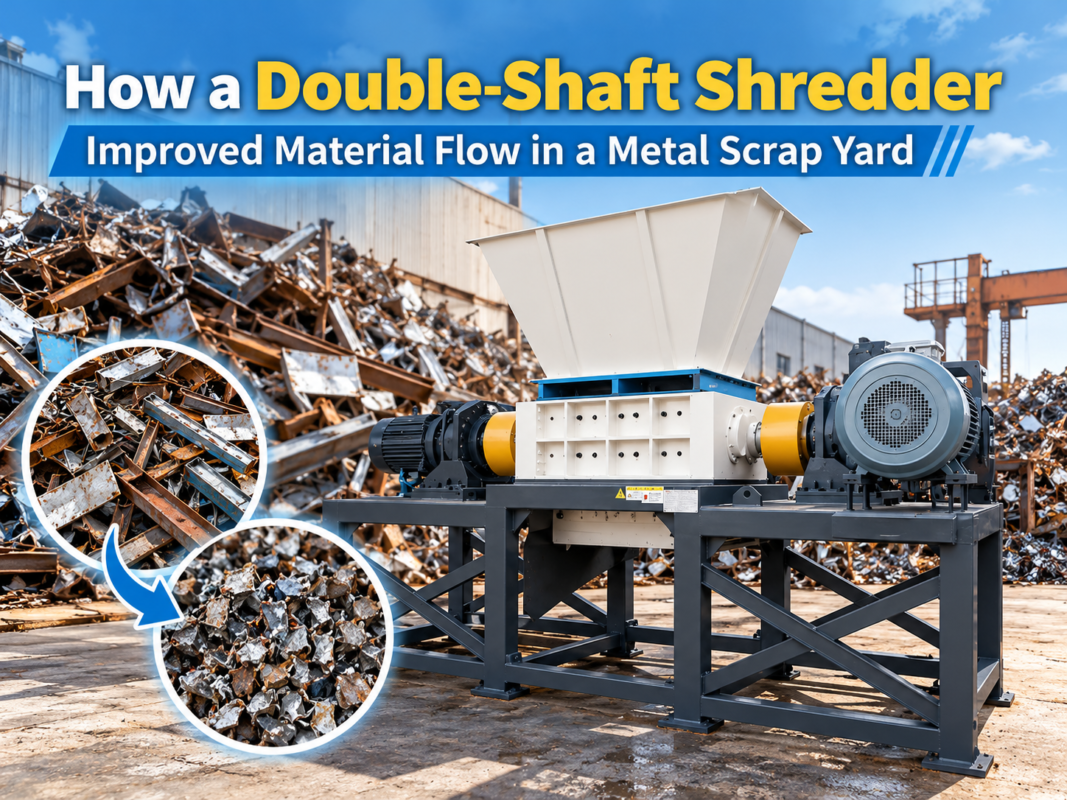
Case Study: Solving Jam Issues in a Metal Processing Line with a Double-Shaft Shredder

Introduction
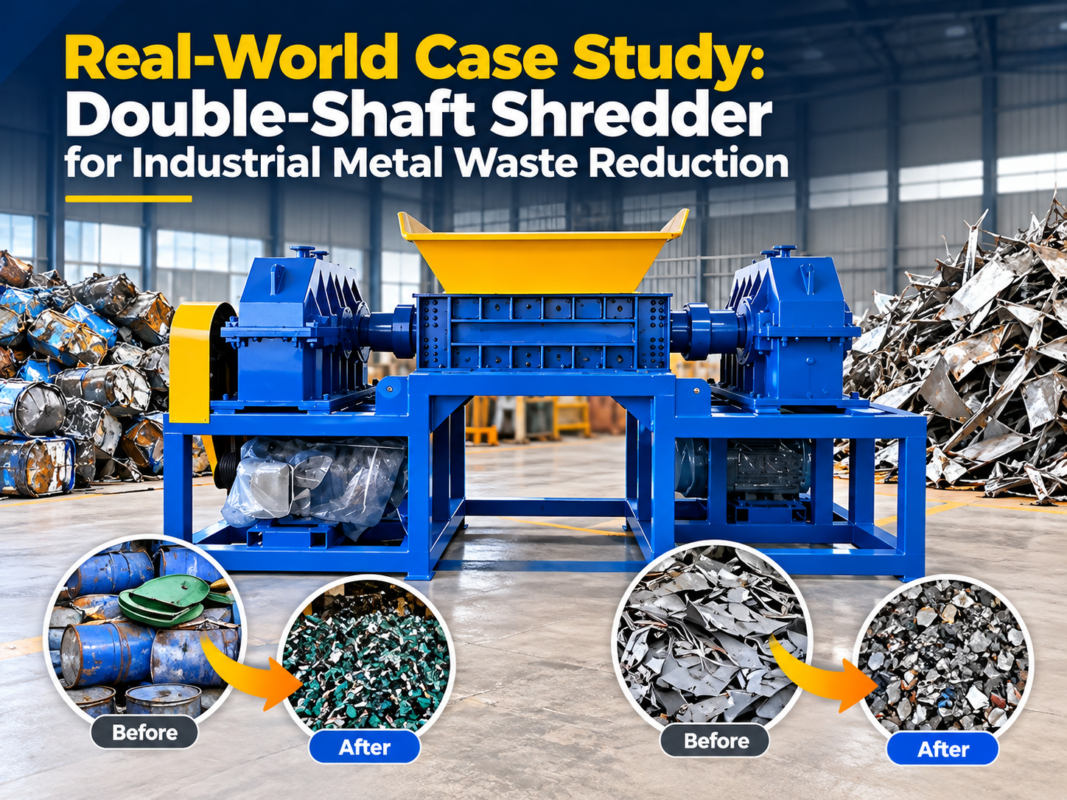
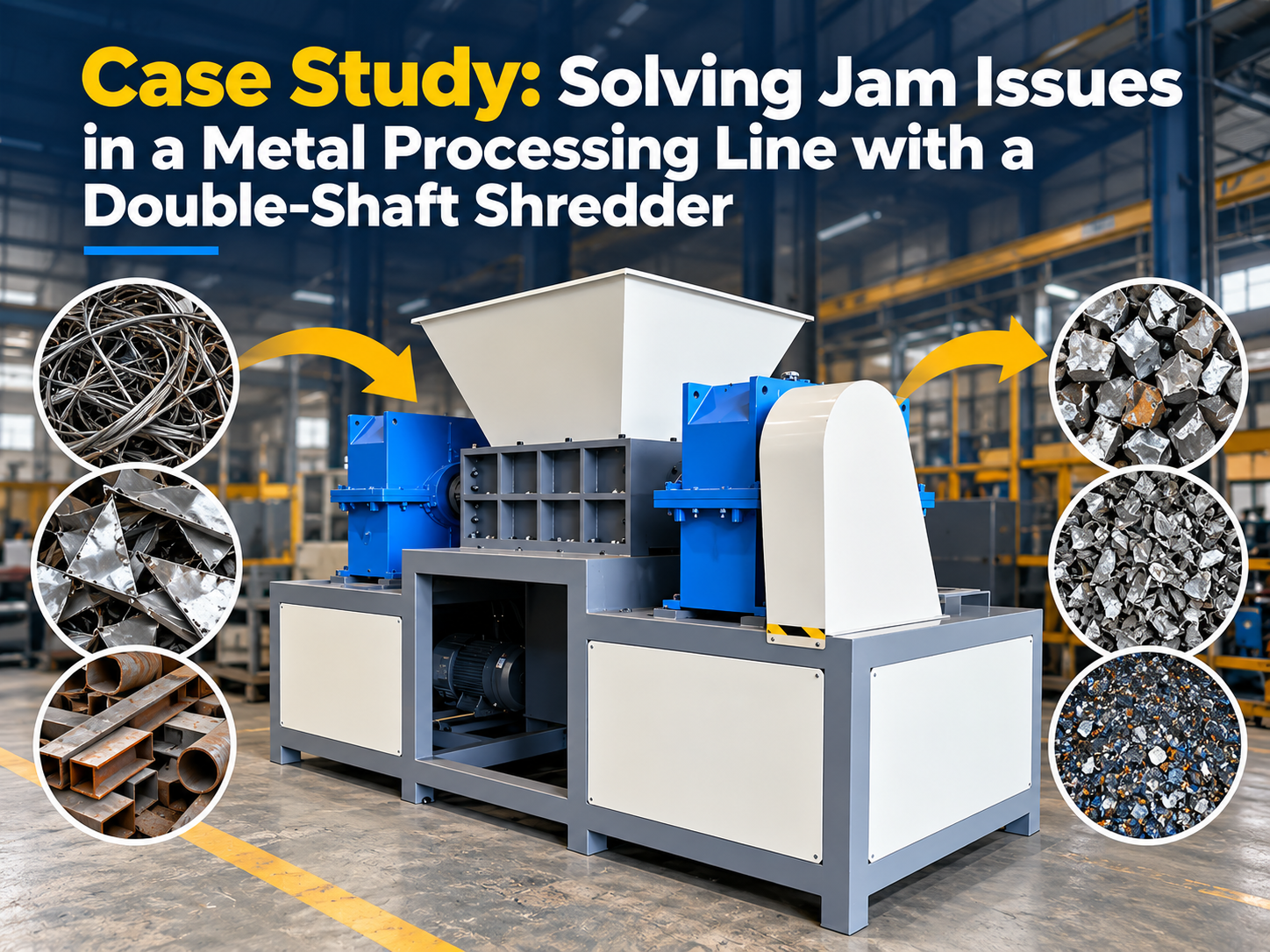
In the high-stakes environment of modern metal fabrication, efficiency is the primary driver of profitability. For many facilities, the metal processing line is the heart of the operation, yet it is often plagued by a persistent and costly problem: material jamming. When scrap metal, oversized offcuts, or tangled swarf enter a processing line, they can cause catastrophic downtime, damage downstream equipment, and create significant safety hazards. This article explores a comprehensive Case Study: Solving Jam Issues In A Metal Processing Line With A Double-Shaft Shredder, demonstrating how HARSLE’s engineering solutions transform chaotic scrap management into a streamlined, automated process.
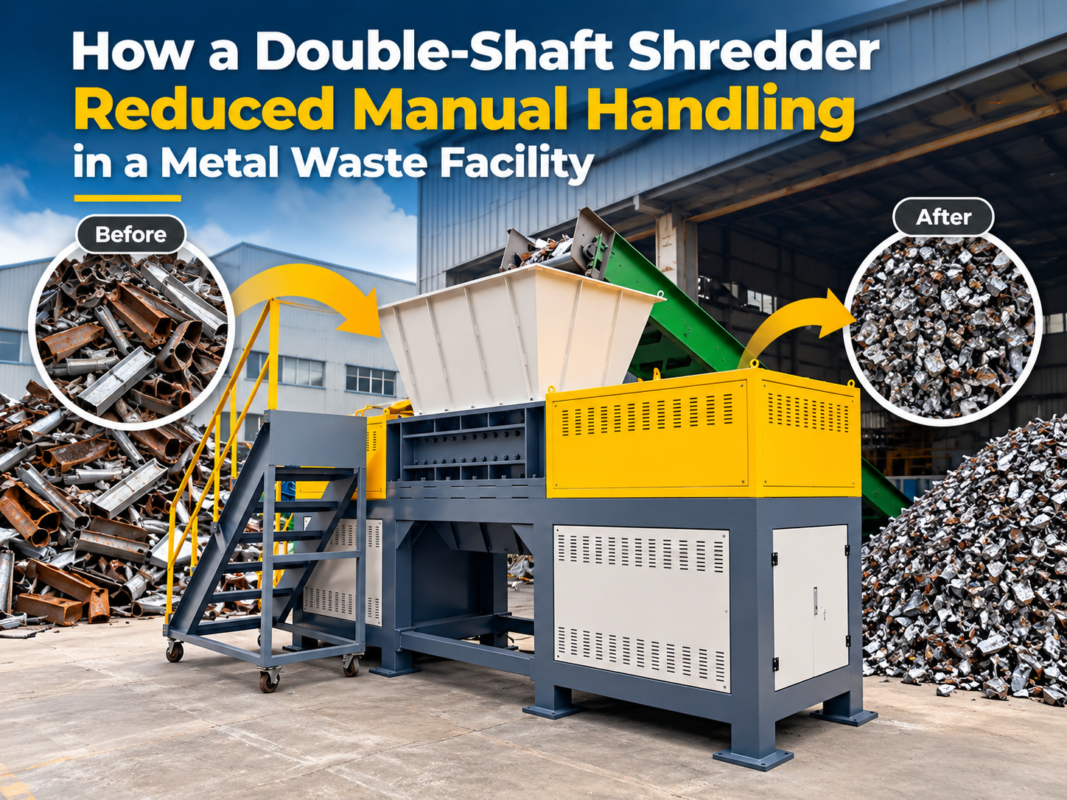
The challenge of managing metal waste is not merely about disposal; it is about preparation. Downstream equipment such as balers, briquetting presses, and smelting furnaces require consistent, uniform material sizes to operate at peak efficiency. When raw scrap is fed directly into these systems, the risk of jamming increases exponentially. By integrating a high-performance double-shaft shredder, manufacturers can pre-process material, ensuring that the input stream is predictable and manageable. This case study highlights the transition from manual, jam-prone workflows to a high-throughput, automated shredding solution.
HARSLE has long been at the forefront of providing robust metal fabrication equipment, and our experience with shredding technology has proven that the right mechanical intervention can solve even the most stubborn production bottlenecks. Throughout this analysis, we will examine the technical mechanics of double-shaft shredders, the criteria for selecting the right model for your facility, and the long-term operational benefits of implementing this technology. Whether you are dealing with aluminum profiles, steel sheets, or complex alloy scrap, understanding the role of the shredder is essential for modern industrial success.
As we delve into this Case Study: Solving Jam Issues In A Metal Processing Line A Double-Shaft Shredder, it is important to recognize that the solution is not just about the machine itself, but about the integration of the machine into the existing production ecosystem. We will explore how HARSLE’s design philosophy focuses on torque, blade geometry, and intelligent control systems to prevent the very jams that once crippled production lines. By the end of this guide, you will have a clear understanding of how to optimize your metal processing line for maximum uptime and output.
Key Considerations for Metal Processing Efficiency
The primary reason for jams in a metal processing line is the inconsistency of the raw material. Metal scrap comes in various shapes, sizes, and thicknesses, which can easily bridge or tangle in conveyor systems and feeding hoppers. When a facility relies on manual sorting or feeding, the risk of human error and mechanical obstruction is high. A key consideration in solving these issues is the implementation of a primary shredding stage that acts as a gatekeeper, ensuring that only material of a specific, manageable size proceeds to the next stage of the line.
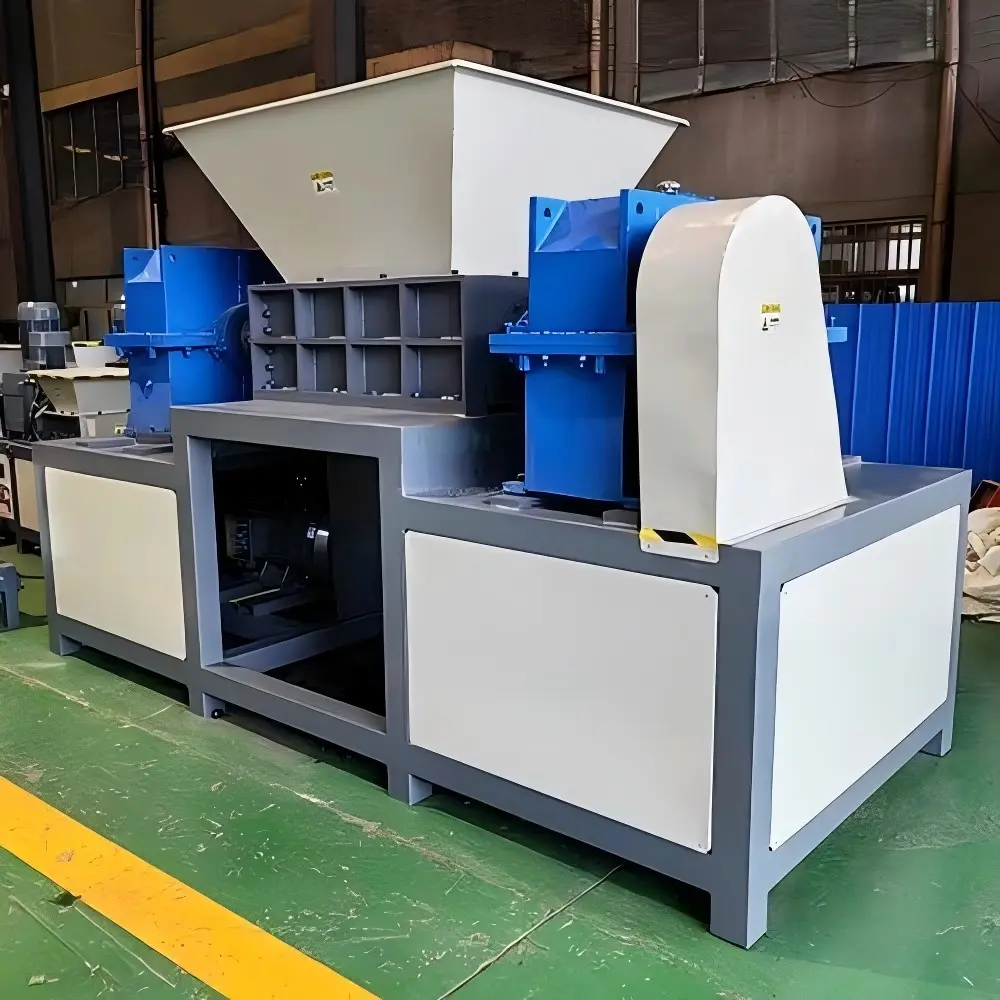
Another critical factor is the throughput capacity of the shredder. If the shredder is undersized for the volume of scrap generated, it will become a bottleneck itself. Conversely, an oversized unit may lead to unnecessary energy consumption and capital expenditure. HARSLE engineers conduct thorough site assessments to determine the optimal throughput requirements, taking into account the peak scrap generation rates and the density of the materials being processed. This balance is essential for maintaining a smooth, continuous flow of material through the entire processing line.
Material composition also plays a significant role in jam prevention. Different metals have varying levels of ductility and hardness. For instance, aluminum scrap behaves very differently from hardened steel offcuts. A double-shaft shredder must be configured with the correct blade material and tooth profile to handle these variations without stalling. HARSLE’s approach involves customizing the shredder’s cutting chamber to match the specific metallurgical properties of the client’s waste stream, ensuring that the machine can handle the toughest materials without frequent maintenance interventions.
Finally, the integration of intelligent control systems is paramount. Modern shredders are equipped with sensors that monitor motor load and shaft speed. If the system detects a potential jam—often indicated by a sudden spike in torque—the controller can automatically reverse the shafts to clear the obstruction before it becomes a full-scale jam. This proactive approach to jam management is a hallmark of HARSLE’s advanced machinery, turning a potential hour-long maintenance task into a split-second automated correction.
Technical Details of the Double-Shaft Shredder
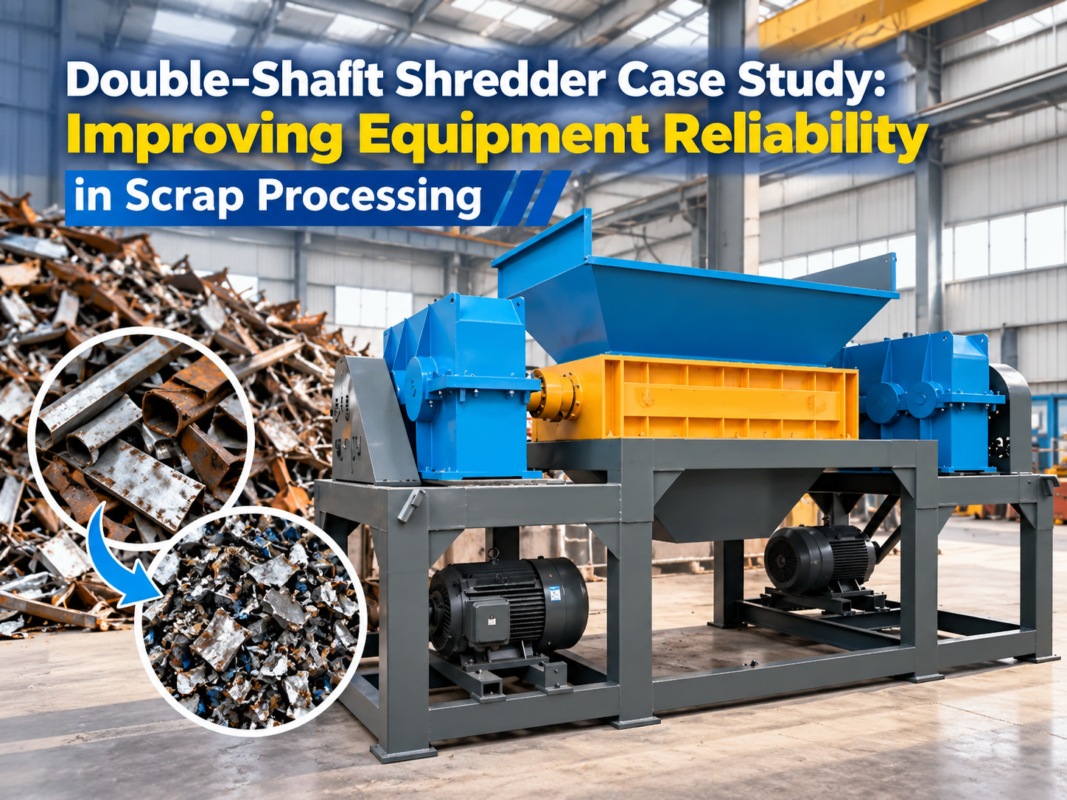
The core of the double-shaft shredder lies in its low-speed, high-torque design. Unlike high-speed granulators that rely on impact, the double-shaft shredder utilizes a shearing action. Two parallel shafts, equipped with interlocking blades, rotate at low speeds to pull material into the cutting chamber and tear it apart. This shearing mechanism is significantly more effective at processing bulky, tangled metal scrap because it provides the necessary force to cut through thick sections without the risk of high-speed projectiles or excessive noise.
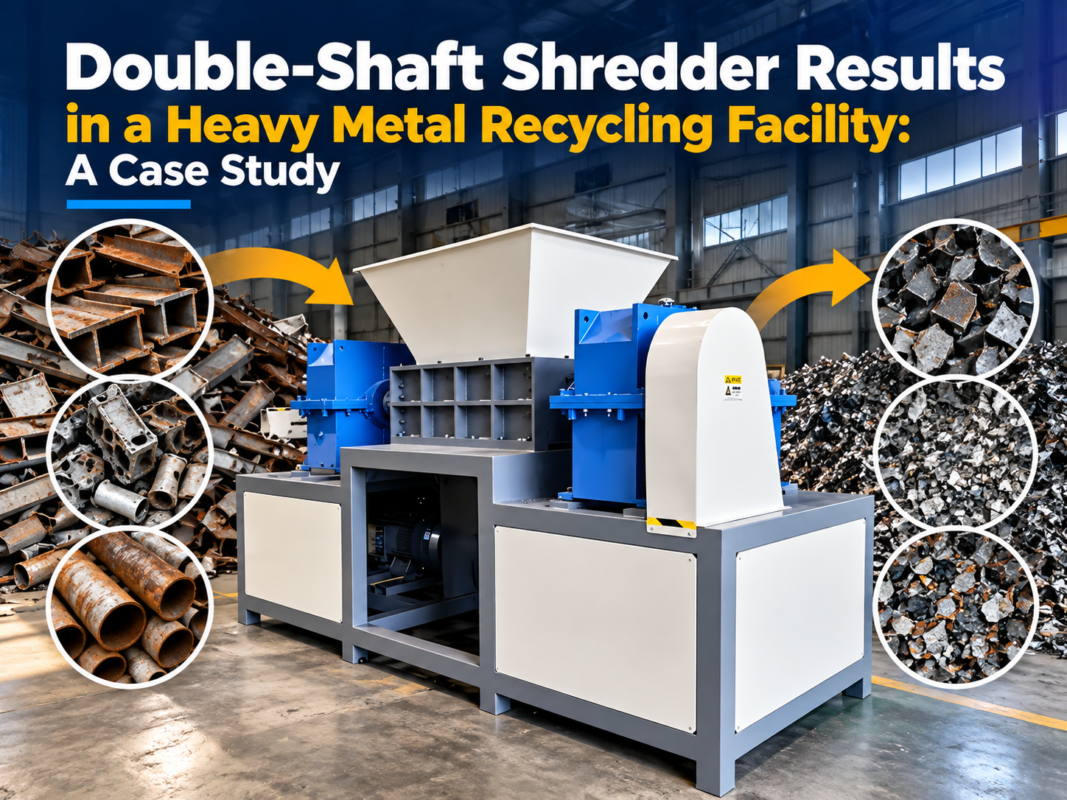
The blade geometry is perhaps the most important technical component. HARSLE utilizes high-alloy steel blades that are heat-treated for maximum wear resistance. The teeth are designed to grip the material and pull it into the cutting zone, where the shearing force is at its maximum. The gap between the blades is precisely calibrated to ensure that the output size is consistent. By controlling the blade thickness and the number of hooks on each blade, HARSLE can tailor the shredder to produce anything from coarse strips to fine, uniform chips, depending on the requirements of the downstream equipment.
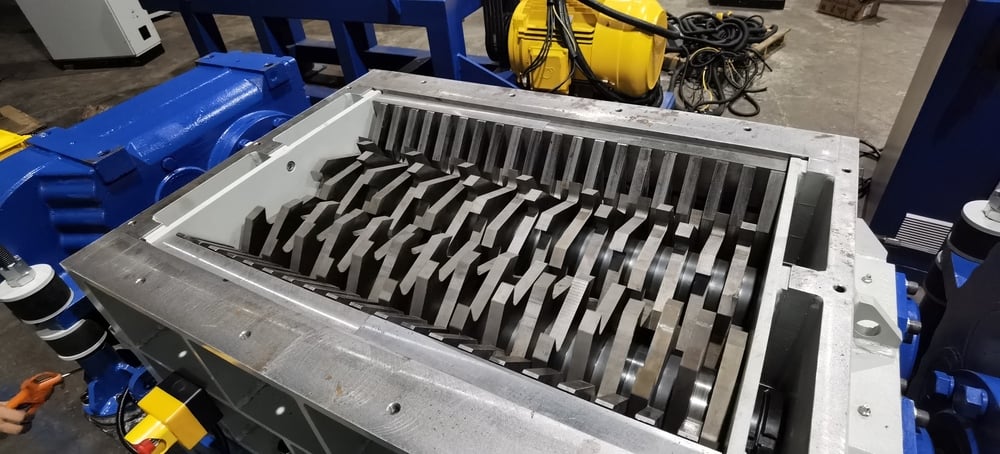
The drive system is another area where HARSLE excels. We employ heavy-duty gearboxes coupled with high-efficiency motors to deliver consistent torque even under heavy loads. This is crucial for preventing jams; when the shredder encounters a particularly dense piece of metal, the gearbox ensures that the motor does not stall. The mechanical advantage provided by the gear reduction is what allows the shredder to process materials that would otherwise require massive amounts of energy or cause the machine to seize up.
Maintenance and accessibility are also built into the technical design. HARSLE shredders feature modular cutting chambers, allowing for easier inspection and replacement of blades. The shafts are supported by heavy-duty bearings that are sealed against metal dust and debris, ensuring a long service life even in harsh industrial environments. By prioritizing durability and ease of maintenance, HARSLE ensures that the shredder remains a reliable component of the metal processing line rather than a source of additional downtime.
Selection Advice: Choosing the Right Shredder
When selecting a double-shaft shredder for your metal processing line, the first step is to perform a detailed audit of your scrap material. You must categorize your waste by type (e.g., aluminum, steel, copper), form (e.g., sheets, profiles, turnings), and volume. This data will dictate the required motor power, shaft length, and blade configuration. A common mistake is selecting a machine based solely on price, which often leads to underpowered units that struggle to handle the actual workload, resulting in frequent jams and premature wear.
Consider the downstream requirements of your line. If you are feeding a briquetting press, you need a shredder that produces a consistent, small particle size to ensure the density of the resulting briquettes. If you are simply reducing the volume of scrap for transport, a coarser shred may be sufficient. HARSLE’s technical team works closely with clients to define these output specifications, ensuring that the shredder is perfectly matched to the rest of the equipment in the facility. This holistic approach is essential for achieving true operational efficiency.
Space constraints and integration requirements are also vital. A shredder is rarely a standalone unit; it must be integrated with conveyors, hoppers, and discharge systems. HARSLE provides comprehensive layout planning services to ensure that the shredder fits seamlessly into your existing footprint. We consider factors such as material feed height, discharge clearance, and maintenance access to ensure that the entire system is ergonomic and safe for operators to manage on a daily basis.
Finally, look for a manufacturer that offers robust after-sales support and spare parts availability. A shredder is a heavy-duty machine that will eventually require blade sharpening or replacement. Choosing a partner like HARSLE means you have access to a reliable supply chain for wear parts and expert technical support to troubleshoot any issues that may arise. Investing in a high-quality machine from a reputable manufacturer is the best way to ensure that your investment pays off in the form of increased productivity and reduced downtime over the long term.
FAQ: Frequently Asked Questions
- Q: How does a double-shaft shredder prevent jams compared to other types?
A: The low-speed, high-torque shearing action of a double-shaft shredder is designed to pull material into the blades rather than relying on impact. If a jam is detected, the intelligent control system automatically reverses the shafts to clear the obstruction, a feature not typically found in high-speed impact mills. - Q: Can a double-shaft shredder handle mixed metal scrap?
A: Yes, HARSLE shredders are designed to handle a variety of metal types. However, it is important to ensure that the blade material and tooth configuration are specified for the hardest material in your mix to prevent excessive wear. - Q: How often do the blades need to be replaced?
A: Blade life depends on the volume and hardness of the material processed. HARSLE uses high-wear-resistant alloys, and we provide a maintenance schedule based on your specific throughput to ensure you can plan for blade sharpening or replacement during scheduled downtime. - Q: Is it possible to integrate a HARSLE shredder into an existing conveyor line?
A: Absolutely. Our engineering team specializes in retrofitting shredders into existing metal fabrication lines. We provide custom-designed hoppers and support structures to ensure a seamless transition. - Q: What safety features are included with the shredder?
A: HARSLE shredders come equipped with emergency stop buttons, overload protection, and safety interlocks on the access panels to ensure operator safety during operation and maintenance.
Wniosek
Solving jam issues in a metal processing line is a critical step toward achieving operational excellence. As demonstrated in this case study, the integration of a HARSLE double-shaft shredder provides a reliable, automated solution that eliminates the bottlenecks caused by inconsistent scrap material. By leveraging high-torque shearing technology, intelligent control systems, and custom-configured blade geometries, manufacturers can transform their scrap management from a source of frustration into a streamlined, value-added process.
The benefits of this investment extend far beyond simply preventing jams. Improved material consistency leads to better performance in downstream equipment, reduced energy consumption, and higher quality output. Furthermore, the durability and ease of maintenance associated with HARSLE’s industrial machinery ensure that your investment remains productive for years to come. When you choose HARSLE, you are not just buying a machine; you are partnering with an expert team dedicated to optimizing your metal fabrication capabilities.
If your facility is struggling with production bottlenecks, frequent equipment jams, or inefficient scrap handling, it is time to consider the impact of a professional-grade shredding solution. We invite you to contact HARSLE to discuss your specific requirements and learn how our double-shaft shredders can be tailored to your unique production environment. Together, we can build a more efficient, productive, and profitable future for your metal processing operations.