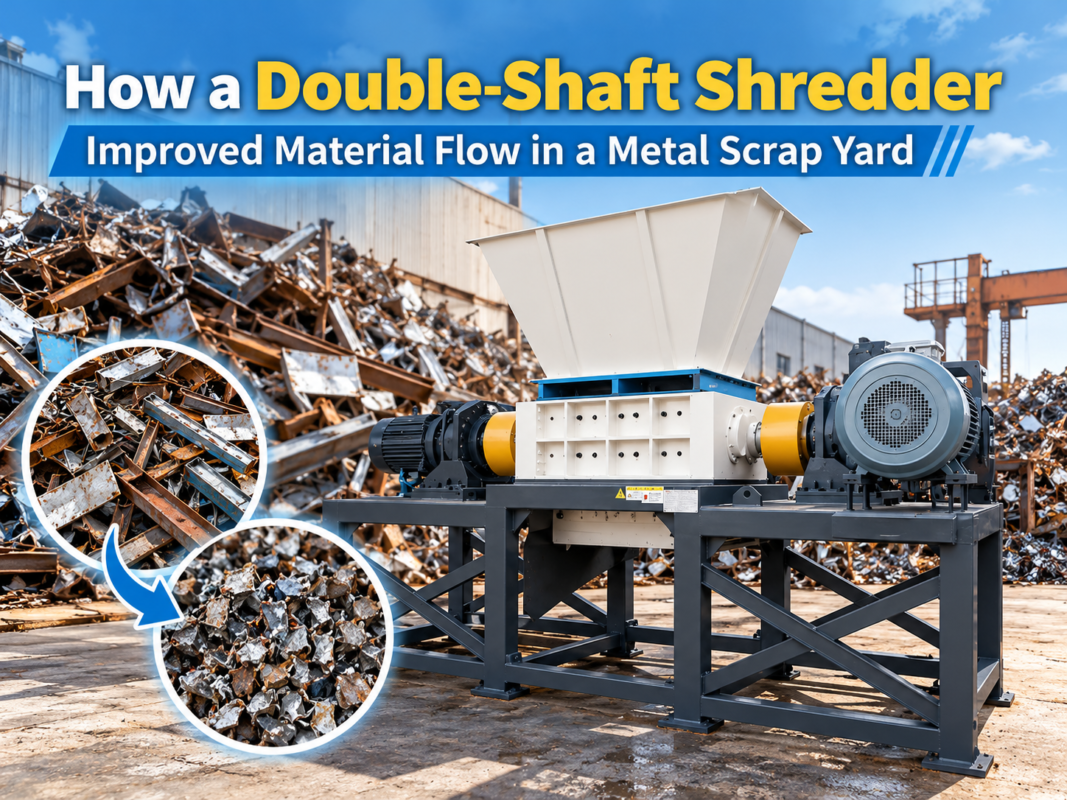
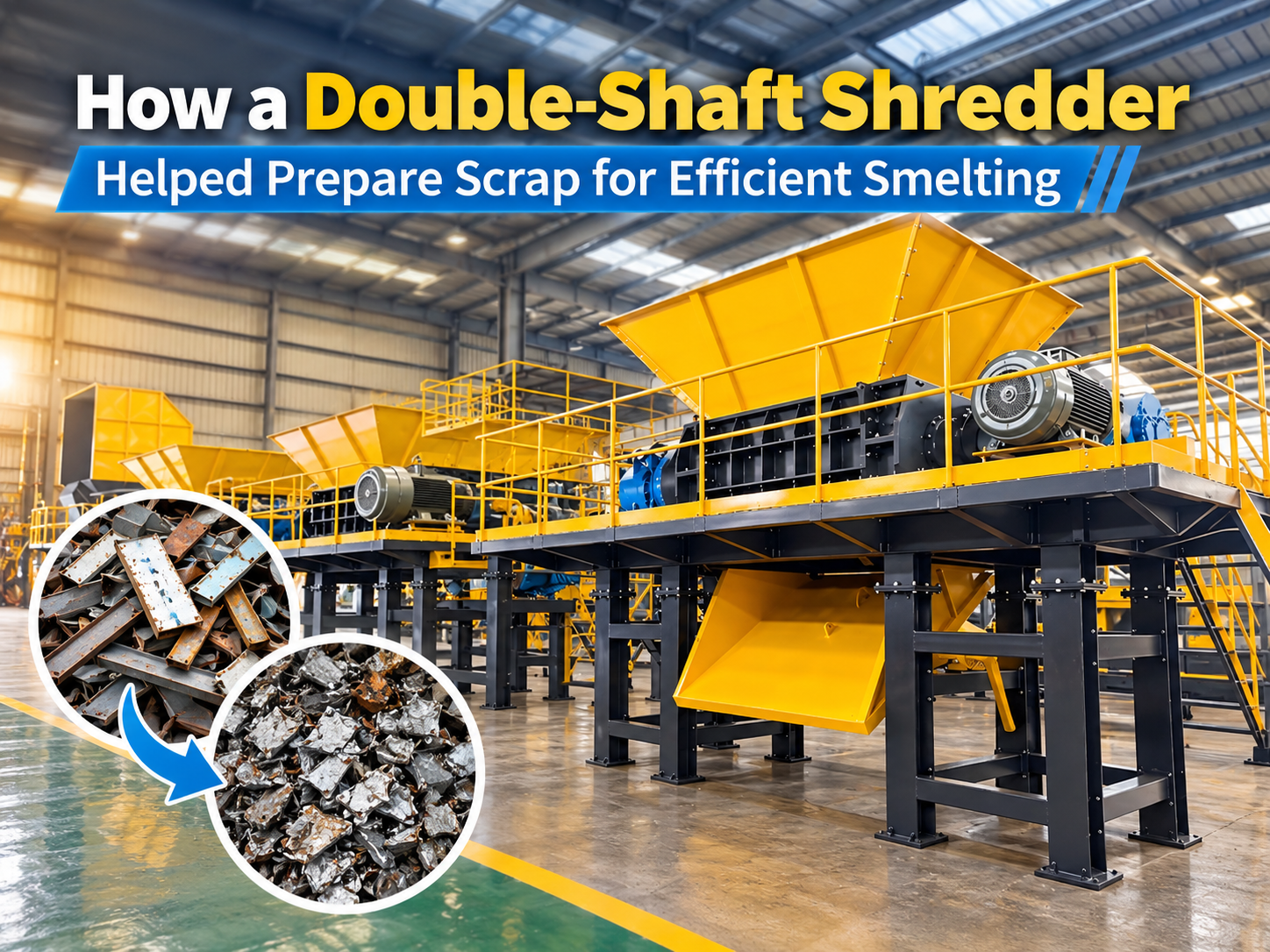
How a Double-Shaft Shredder Helped Prepare Scrap for Efficient Smelting: A Comprehensive Industrial Guide

Introduction
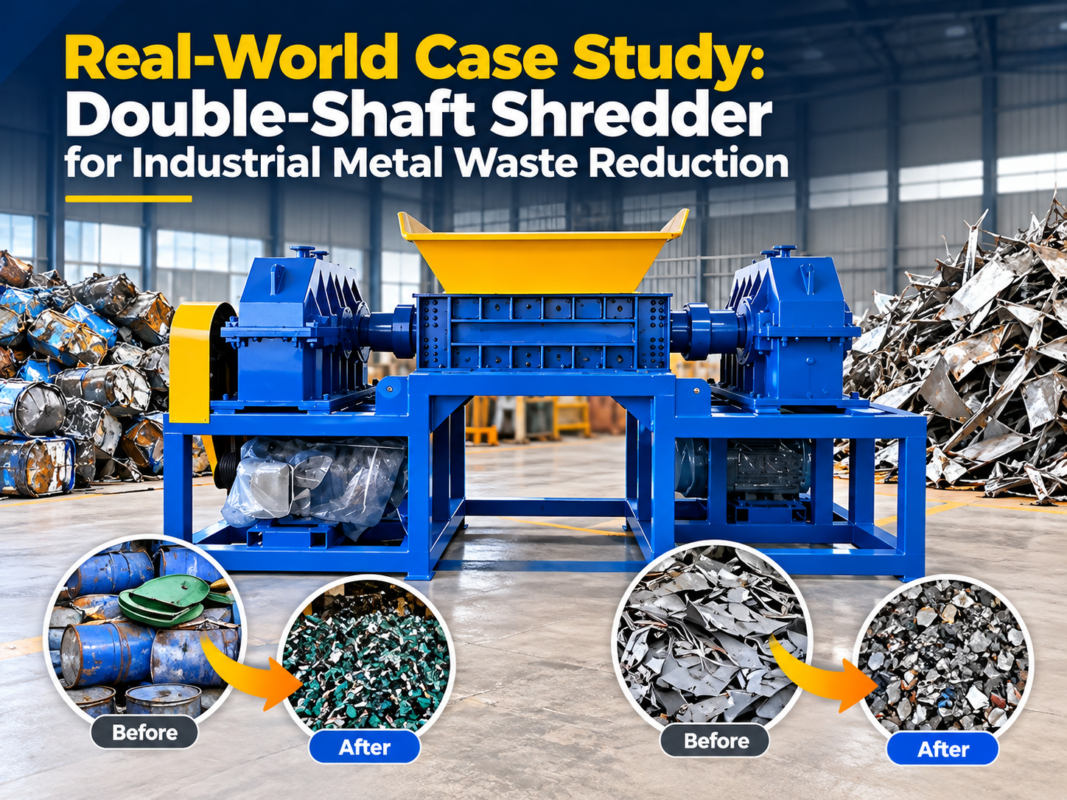
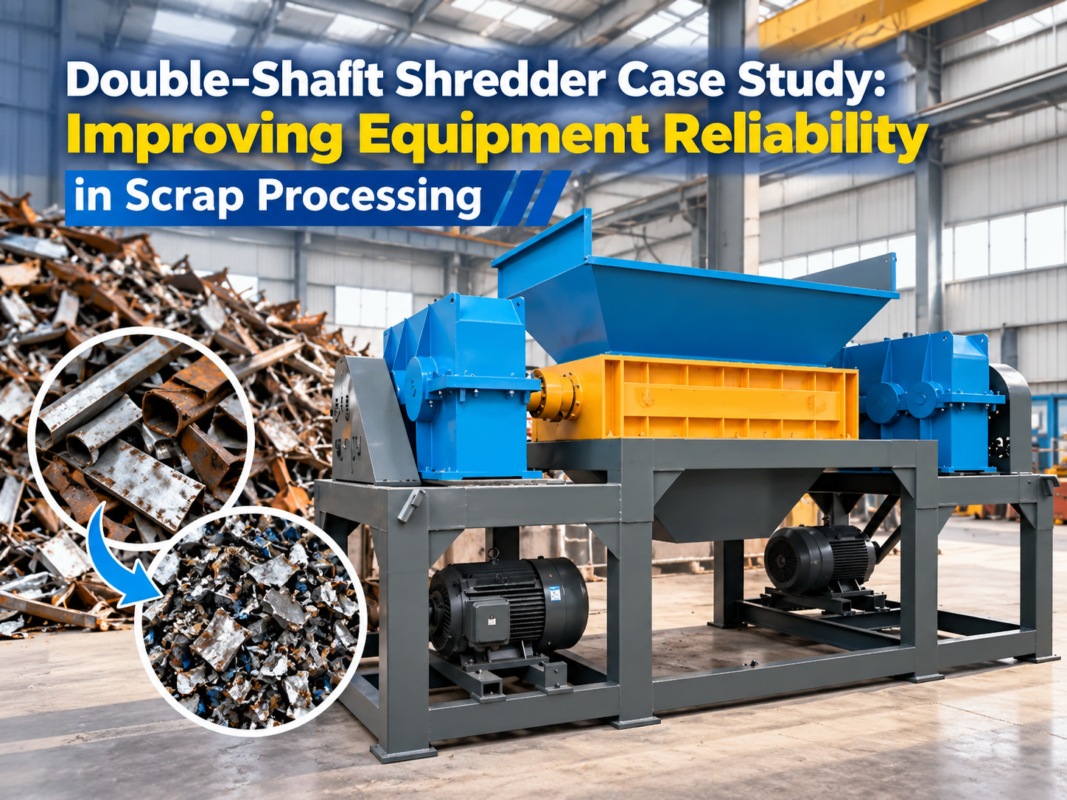
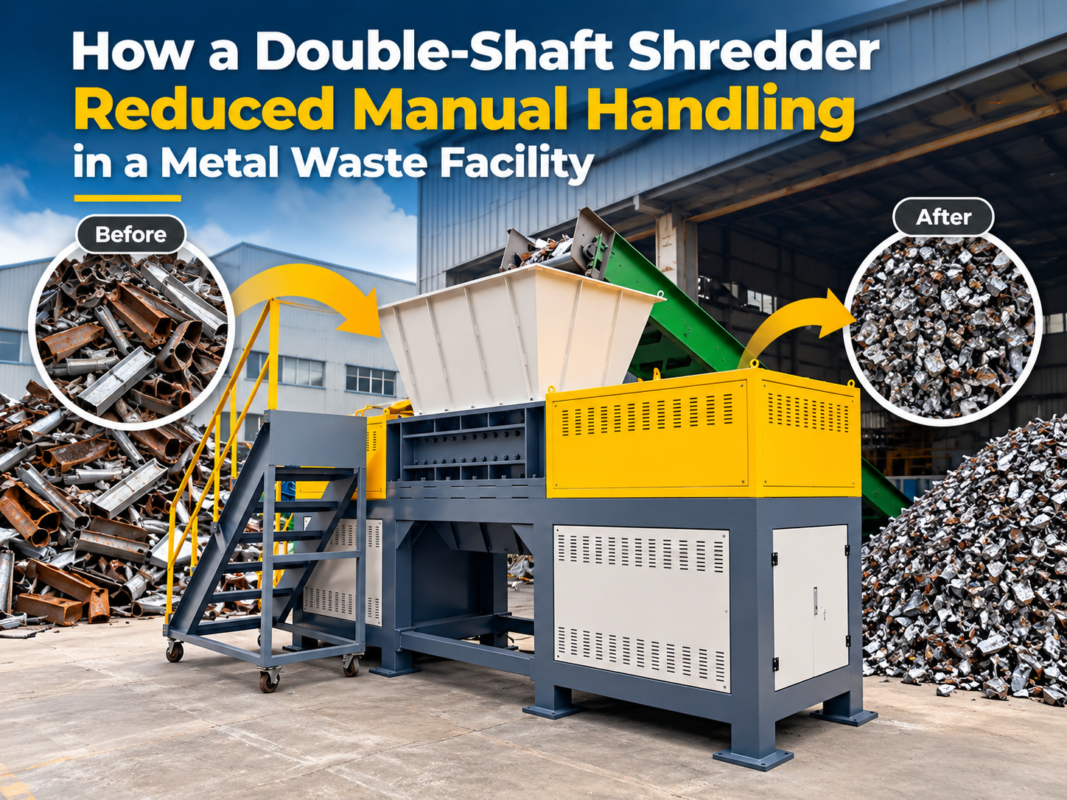
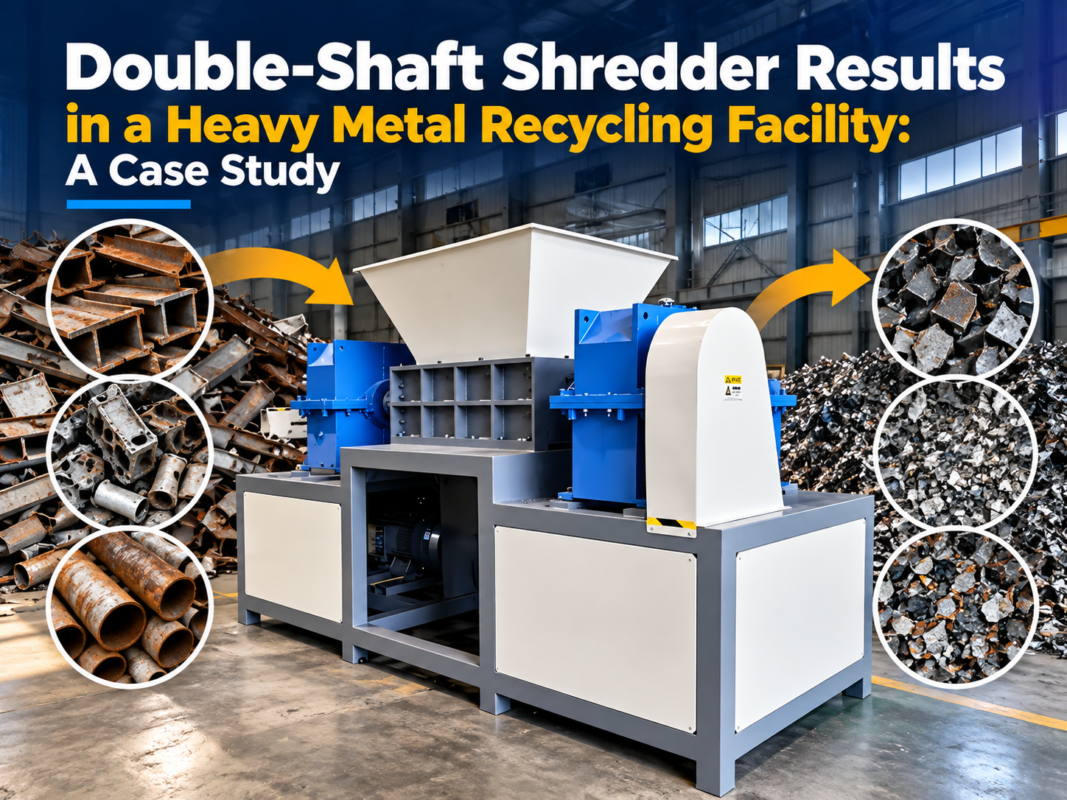
In the modern metal fabrication and recycling industry, the transition from raw scrap to high-quality furnace-ready material is a critical bottleneck. For many facilities, the question of how to optimize throughput while maintaining energy efficiency is paramount. This is where the implementation of advanced machinery becomes essential. Specifically, how a double-shaft shredder helped prepare scrap for efficient smelting has become a benchmark case study for facilities looking to modernize their operations.
The smelting process is inherently energy-intensive. When scrap metal is fed into a furnace in its raw, bulky, or irregular form, the furnace efficiency drops significantly. Air gaps, inconsistent density, and improper sizing lead to longer melt times and increased fuel consumption. By utilizing a high-torque double-shaft shredder, operators can transform heterogeneous scrap into uniform, high-density feedstock that melts faster and more predictably.
HARSLE has observed that the integration of these shredders is not merely about size reduction; it is about metallurgical preparation. By controlling the particle size and density of the scrap, facilities can achieve a more consistent chemical composition in the melt, reducing the need for extensive refining and alloying adjustments later in the production cycle. This article explores the technical nuances and operational advantages of this essential equipment.
As global environmental regulations tighten and the cost of energy rises, the ability to process scrap efficiently is no longer a luxury—it is a competitive necessity. This guide delves into the mechanics, selection criteria, and operational benefits of double-shaft shredders, providing a roadmap for facilities aiming to maximize their smelting output.

Key Considerations for Scrap Preparation
Before investing in shredding technology, it is vital to understand the physical characteristics of the scrap being processed. Different metals—ranging from aluminum extrusions and copper wiring to heavy steel plate—require different cutting forces and blade configurations. A double-shaft shredder is uniquely suited for this because of its low-speed, high-torque design, which allows it to tackle tough materials that would stall high-speed hammer mills.
One of the primary considerations is the bulk density of the output. For efficient smelting, the scrap must be dense enough to sink into the melt quickly but porous enough to allow for uniform heat distribution. If the scrap is too fine, it may oxidize before melting; if it is too coarse, it creates “bridging” in the furnace, which can damage refractory linings and cause dangerous pressure build-ups. Achieving the ‘sweet spot’ in particle size is the primary goal of the shredding stage.
Contamination management is another critical factor. Scrap metal is rarely pure. It often contains plastics, rubber, oils, or non-metallic impurities. A double-shaft shredder acts as a primary stage in the separation process. By breaking down the material, it loosens these impurities, making them easier to remove via magnetic separators or eddy current systems before the material reaches the furnace. This pre-processing step significantly reduces slag formation during the smelting process.
Operational safety and maintenance cycles must also be considered. Because shredding is a high-stress activity, the machine must be built with robust components. HARSLE emphasizes the importance of wear-resistant alloys in the cutting blades and heavy-duty gearboxes that can handle the shock loads associated with shredding thick metal sections. A well-maintained shredder ensures that the smelting furnace receives a consistent flow of material, preventing the costly downtime associated with furnace idling.
Technical Details: The Mechanics of Efficiency
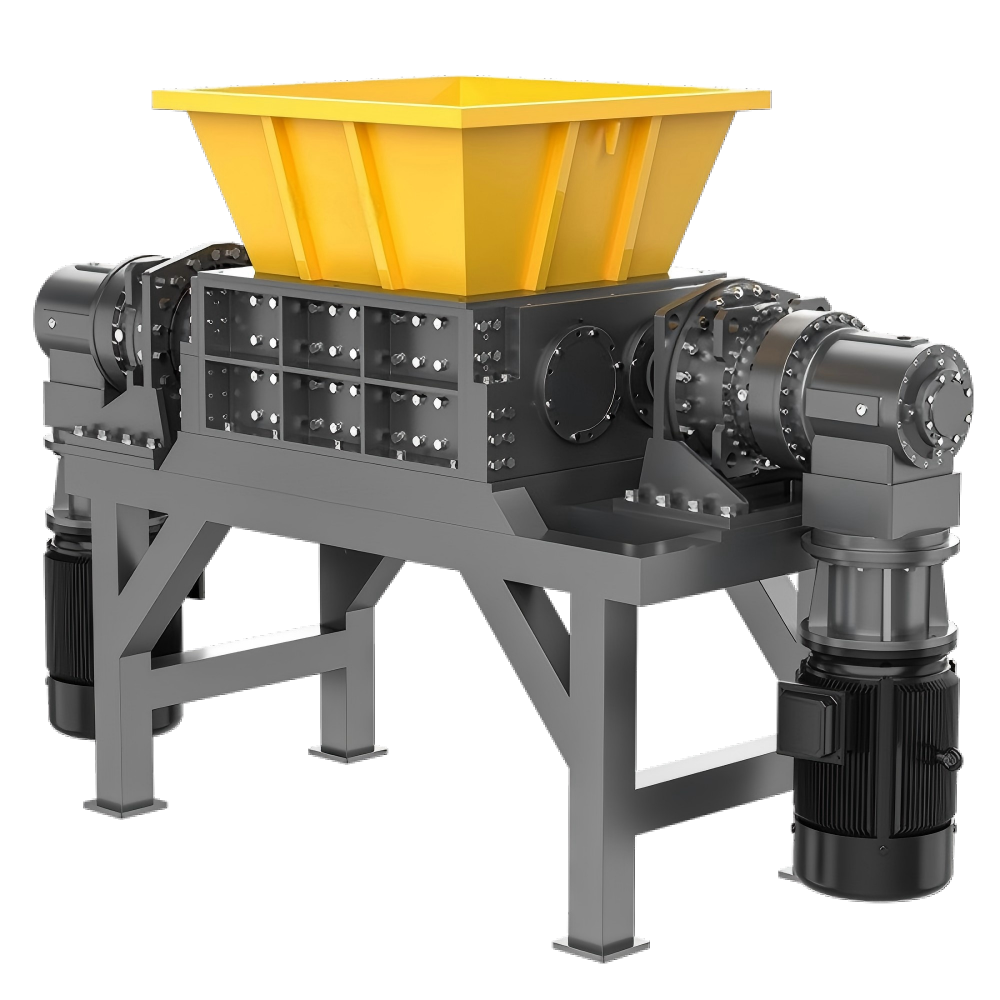
The core of a double-shaft shredder lies in its counter-rotating shafts, which are equipped with interlocking blades. Unlike single-shaft shredders that rely on a screen to control output size, double-shaft shredders use the geometry of the blades to shear and tear material. This design is particularly effective for ductile metals that might otherwise wrap around a high-speed rotor.
The torque-to-speed ratio is the defining technical specification. By operating at low speeds (typically 10-30 RPM), the machine generates immense cutting force. This allows the shredder to process thick-walled pipes, automotive components, and heavy structural steel without the need for excessive power consumption. The low speed also minimizes dust generation and noise, creating a safer working environment for plant personnel.
Advanced control systems are now standard in modern shredders. These systems monitor the load on the motors in real-time. If the shredder encounters an un-shreddable object, such as a solid block of hardened steel, the shafts will automatically reverse to clear the obstruction. This “auto-reverse” feature prevents motor burnout and protects the internal components from catastrophic failure, ensuring that the scrap preparation line remains operational.
The blade material and profile are customizable based on the specific application. For example, a shredder intended for aluminum scrap will utilize a different blade hook profile than one designed for steel. The hardness of the blades, often treated with specialized heat-treatment processes, determines the longevity of the cutting edge. Regular inspection and hard-facing of these blades are essential to maintain the efficiency of the shredding process over the long term.
Selection Advice: Choosing the Right Equipment
When selecting a double-shaft shredder, the first step is to conduct a thorough audit of your scrap stream. You must define the maximum dimensions of the input material and the desired throughput (measured in tons per hour). A machine that is undersized will lead to bottlenecks, while an oversized machine represents an unnecessary capital expenditure and higher energy costs.
Consider the power requirements and the electrical infrastructure of your facility. High-torque shredders require significant starting current. Ensure that your power supply can handle the load, or consider soft-start technology to mitigate the impact on your electrical grid. HARSLE recommends evaluating the drive system—whether hydraulic or electric—based on your specific operational environment. Hydraulic drives offer superior shock load protection, while electric drives are generally more energy-efficient for continuous, steady-state operations.
The integration of the shredder into your existing workflow is equally important. Will the scrap be fed via a conveyor belt, a crane, or a front-end loader? The feed hopper design must be compatible with your loading method to prevent bridging at the intake. Additionally, consider the downstream equipment. Does the shredded material need to be conveyed directly to the furnace, or does it need to be stored in a bunker? The layout of your facility will dictate the footprint and discharge height of the shredder.
Finally, prioritize after-sales support and the availability of spare parts. Because the shredder is a high-wear machine, you will inevitably need replacement blades, shafts, and bearings. Partnering with a manufacturer that provides comprehensive technical support and maintains a local inventory of critical components is essential for minimizing downtime. A double-shaft shredder is a long-term investment; choose a partner who views the relationship as a long-term partnership.
FAQ: Common Questions About Scrap Shredding
1. How does a double-shaft shredder improve smelting efficiency?
By increasing the surface-area-to-volume ratio of the scrap, the shredder allows for faster heat transfer. Furthermore, it creates a uniform density that prevents furnace bridging and reduces the time required for the metal to reach a molten state, directly lowering energy consumption.
2. Can a double-shaft shredder handle mixed metal scrap?
Yes, double-shaft shredders are designed to handle heterogeneous materials. Their high-torque, low-speed operation allows them to process a mix of steel, aluminum, and copper without stalling, provided the machine is properly sized for the toughest material in the mix.
3. What is the difference between a single-shaft and a double-shaft shredder?
A single-shaft shredder uses a screen to control particle size and is better for uniform, smaller materials. A double-shaft shredder uses interlocking blades to shear material, making it superior for large, bulky, or high-strength scrap that requires high torque to break down.
4. How often should the blades be sharpened or replaced?
The frequency depends on the abrasiveness and hardness of the material being shredded. Regular inspections should be performed every 500-1000 operating hours. Hard-facing the blades can significantly extend their service life.
5. Is the shredding process noisy?
Compared to high-speed hammer mills, double-shaft shredders are relatively quiet. However, they still produce noise during operation. Proper installation on vibration-dampening pads and the use of sound-attenuating enclosures can further reduce noise levels in the facility.
Wniosek
The journey toward a more efficient smelting operation begins long before the metal enters the furnace. By understanding how a double-shaft shredder helped prepare scrap for efficient smelting, facility managers can unlock significant gains in productivity, energy savings, and material quality. The transition from raw, unmanaged scrap to a high-density, uniform feedstock is the hallmark of a modern, competitive metal fabrication facility.
HARSLE remains committed to providing the industrial machinery necessary to bridge the gap between raw material and finished product. Whether you are upgrading an existing line or designing a new recycling facility, the double-shaft shredder stands as a cornerstone of efficient scrap processing. By focusing on robust design, proper selection, and diligent maintenance, you can ensure that your smelting operations remain profitable and sustainable for years to come.
As you evaluate your options, remember that the goal is not just to shred metal, but to create a value-added product that optimizes your entire production chain. With the right equipment and a clear understanding of the technical requirements, you can transform your scrap processing from a logistical challenge into a strategic advantage.