Optimizing Waste Management: A Single-Shaft Shredder Application Case Study for Foam and Soft Material Waste

Introduction to Industrial Shredding Solutions
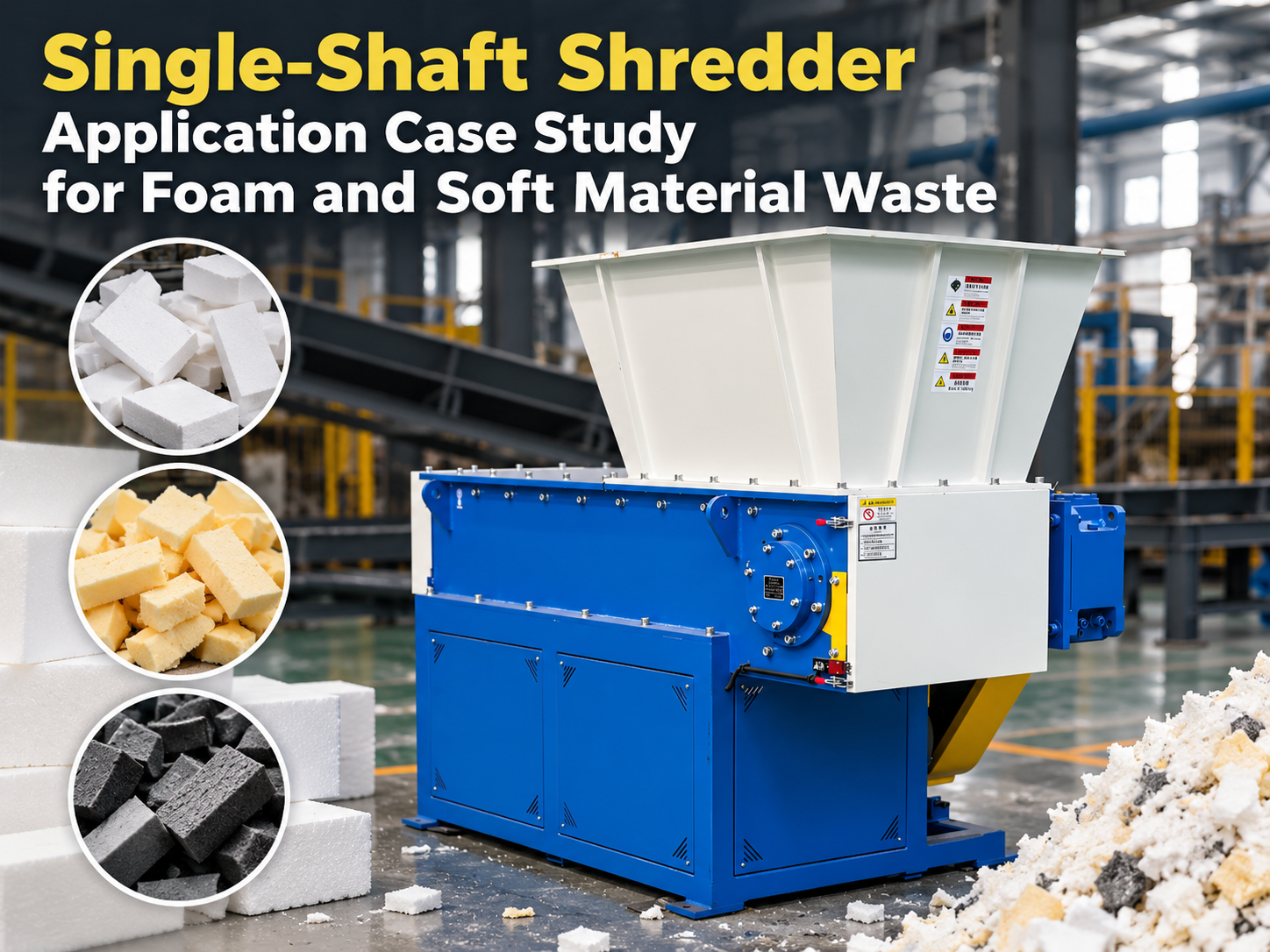
In the modern landscape of industrial manufacturing, waste management has transitioned from a logistical burden to a critical component of operational efficiency. For companies dealing with high volumes of foam, textiles, and soft plastics, the challenge lies in volume reduction and material recovery. This Single-Shaft Shredder Application Case Study for Foam and Soft Material Waste examines how HARSLE industrial machinery addresses these specific challenges, providing a scalable solution for businesses aiming to optimize their circular economy practices.
The processing of soft, bulky materials like expanded polystyrene (EPS), polyurethane foam, and synthetic fibers presents unique mechanical difficulties. Unlike rigid metals, these materials tend to compress, wrap, or clog standard shredding equipment. A high-performance single-shaft shredder is engineered to overcome these hurdles through precise rotor speed control, specialized blade geometry, and intelligent feeding systems. By implementing the right technology, facilities can reduce waste volume by up to 80%, significantly lowering transportation and disposal costs.
HARSLE has long been a leader in metal fabrication equipment, and our expertise in heavy-duty engineering translates directly into the durability required for industrial shredders. This article explores the technical nuances of applying single-shaft technology to soft materials, offering insights into how manufacturers can select the right equipment to meet their specific throughput requirements while maintaining long-term reliability.
As global regulations regarding industrial waste become more stringent, the adoption of efficient shredding technology is no longer optional. It is a strategic investment in sustainability and cost-control. Through this case study, we will dissect the operational parameters that define success in soft material processing, ensuring that your facility can achieve maximum uptime and consistent output quality.

Key Considerations for Soft Material Processing
When evaluating a Single-Shaft Shredder Application Case Study for Foam and Soft Material Waste, the primary consideration is the physical nature of the feedstock. Foam is notoriously lightweight but occupies vast amounts of space. To process it effectively, the shredder must be equipped with a hydraulic ram that pushes the material against the rotor with consistent pressure. This ensures that the material is not merely pushed around the chamber but is actively engaged by the cutting teeth.
Another critical factor is the rotor configuration. For soft materials, a rotor with a specific tooth pattern is required to prevent the material from ‘bridging’ or ‘nesting.’ Bridging occurs when foam blocks the hopper, preventing it from reaching the cutting zone. HARSLE engineers utilize advanced CAD modeling to design rotor profiles that promote continuous flow, ensuring that the shredder operates at peak capacity without requiring constant manual intervention.
Dust control and fire safety are also paramount when dealing with foam waste. Many foam materials are highly flammable and generate significant static electricity during the shredding process. An industrial-grade shredder must include integrated dust extraction ports and, in some cases, spark detection systems. These safety features are not just add-ons; they are essential components of a robust waste management strategy that protects both the facility and the workforce.
Finally, the output size requirement dictates the screen selection. For foam recycling, the goal is often to create a uniform particle size that can be easily transported or re-processed into new products. The screen size must be carefully matched to the downstream equipment, such as briquetting machines or pneumatic conveying systems. A well-designed shredding line considers the entire material flow, from the initial intake to the final storage or processing stage.
Technical Details of HARSLE Shredding Technology
The core of the HARSLE single-shaft shredder lies in its robust drive system and high-torque gearbox. Unlike dual-shaft shredders that rely on shear force, the single-shaft design uses a high-speed rotor combined with a counter-knife to achieve a clean, precise cut. This is particularly effective for soft materials, as it minimizes the ‘tearing’ effect that can lead to excessive dust generation and instead produces a clean-cut particle that is easier to handle.
The control system is the ‘brain’ of the operation. HARSLE shredders feature PLC-based controls that monitor the motor load in real-time. If the material density increases or a blockage is detected, the system automatically reverses the rotor to clear the obstruction before resuming operation. This ‘auto-reverse’ feature is vital for preventing motor burnout and reducing the need for operator intervention, which is a common pain point in lower-quality shredding equipment.
Material of construction is another area where HARSLE excels. The cutting teeth are manufactured from high-alloy, wear-resistant steel, which is heat-treated to maintain sharpness over extended periods. Even though foam is soft, the sheer volume processed in an industrial environment can lead to rapid wear on standard components. By using premium materials, we ensure that the maintenance intervals are extended, providing a lower total cost of ownership for our clients.
The hydraulic system is designed for high-frequency operation. The ram movement is synchronized with the rotor speed to ensure that the cutting chamber is always optimally filled. This synchronization is what allows HARSLE shredders to achieve such high throughput rates compared to competitors. The hydraulic power unit is also designed for energy efficiency, utilizing variable frequency drives (VFDs) to adjust power consumption based on the actual load, further reducing operational costs.
Selection Advice: Choosing the Right Shredder
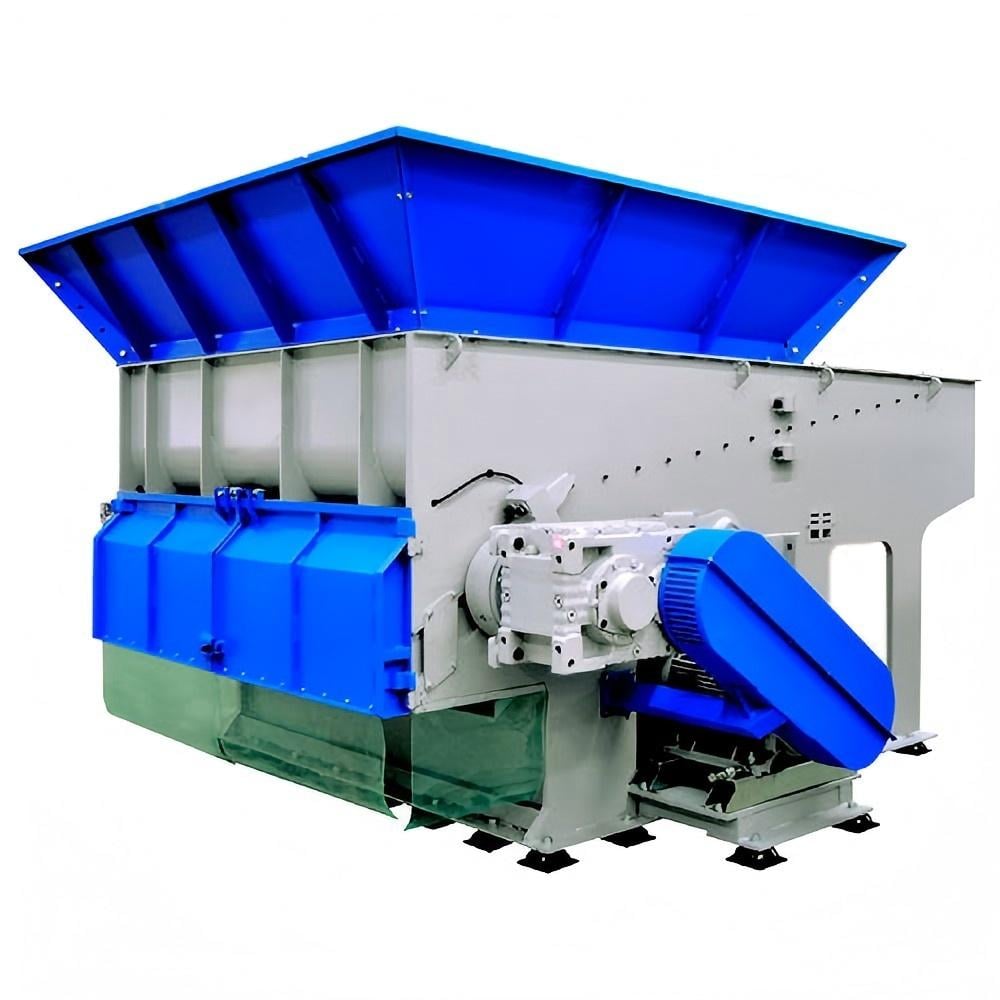
Selecting the correct shredder for your facility requires a thorough analysis of your waste stream. Start by categorizing your foam waste: is it rigid EPS, soft polyurethane, or a mix of materials? The density and moisture content of the material will dictate the required motor power and the type of rotor teeth needed. A common mistake is undersizing the motor, which leads to frequent stalls and reduced throughput.
Consider the throughput requirements of your facility. Are you processing waste in batches, or is the shredder integrated into a continuous production line? For continuous lines, the shredder must be paired with an automated feeding system, such as a conveyor belt or a specialized hopper. HARSLE offers custom engineering services to integrate our shredders into existing production lines, ensuring a seamless transition from waste generation to volume reduction.
Maintenance accessibility is a crucial factor that is often overlooked during the procurement phase. A shredder that is difficult to clean or service will inevitably lead to downtime. HARSLE designs its shredders with large, easily accessible maintenance doors and modular components. This allows for quick blade changes and screen replacements, ensuring that your team can perform routine maintenance without specialized heavy machinery or extensive training.
Finally, look for a partner, not just a vendor. The purchase of industrial machinery is a long-term commitment. HARSLE provides comprehensive after-sales support, including spare parts availability, remote technical assistance, and on-site training. When evaluating a Single-Shaft Shredder Application Case Study for Foam and Soft Material Waste, prioritize manufacturers who can demonstrate a history of successful installations and provide references from similar industries.
Często zadawane pytania (FAQ)
What is the main advantage of a single-shaft shredder over a dual-shaft shredder for foam?
Single-shaft shredders provide a more uniform particle size and are generally more energy-efficient for soft, bulky materials. The combination of a hydraulic ram and a screen ensures that material is only discharged once it has reached the desired size, which is critical for downstream processing.
How often do the blades need to be sharpened or replaced?
This depends on the volume and the abrasiveness of the material. However, because foam is relatively non-abrasive, HARSLE blades typically last significantly longer than those used for metal or wood. We recommend a quarterly inspection to ensure optimal cutting performance.
Can this shredder handle mixed waste?
Yes, HARSLE single-shaft shredders are highly versatile. While they are optimized for foam, they can handle various soft plastics, textiles, and paper products. If you plan to process a highly diverse waste stream, please consult with our engineering team to select the appropriate rotor configuration.
What safety features are included?
Our shredders include emergency stop buttons, safety interlocks on all access panels, motor overload protection, and optional fire suppression systems for high-risk environments.
Wniosek
The implementation of a high-quality shredding solution is a transformative step for any facility looking to improve its waste management efficiency. As demonstrated in this Single-Shaft Shredder Application Case Study for Foam and Soft Material Waste, the right equipment—when properly selected and maintained—can turn a logistical burden into a streamlined, cost-effective process. HARSLE remains committed to providing the industrial machinery necessary to meet these challenges, combining robust engineering with intelligent design.
By focusing on the specific needs of your material, such as density, volume, and downstream requirements, you can ensure that your investment delivers consistent value for years to come. Whether you are looking to reduce disposal costs, prepare material for recycling, or simply optimize your floor space, HARSLE has the expertise and the technology to support your goals. We invite you to contact our technical team to discuss your specific application and discover how our shredding solutions can be tailored to your unique operational environment.
In the evolving world of industrial fabrication and waste management, staying ahead of the curve requires reliable partners and proven technology. HARSLE continues to set the standard for performance and reliability in the industrial machinery sector. Let us help you take the next step in optimizing your waste management strategy, ensuring that your facility operates at the highest level of efficiency and sustainability.