Case Study: Improving Production Line Waste Management A Single-Shaft Shredder

Introduction
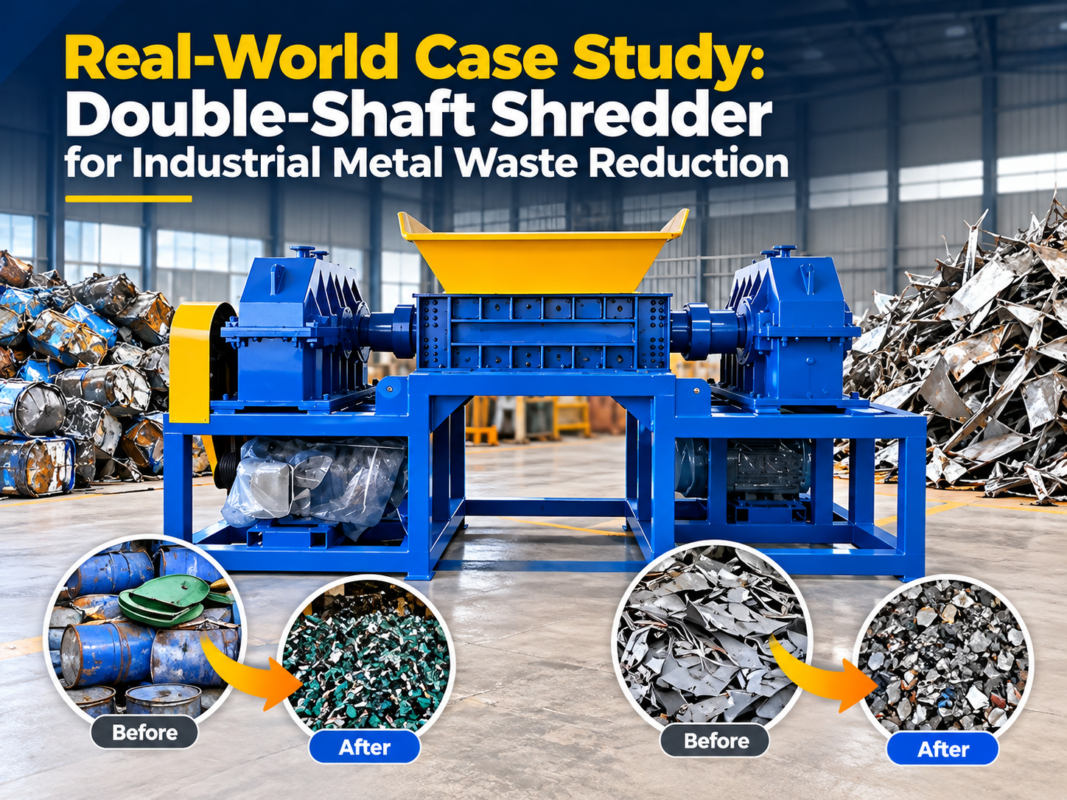
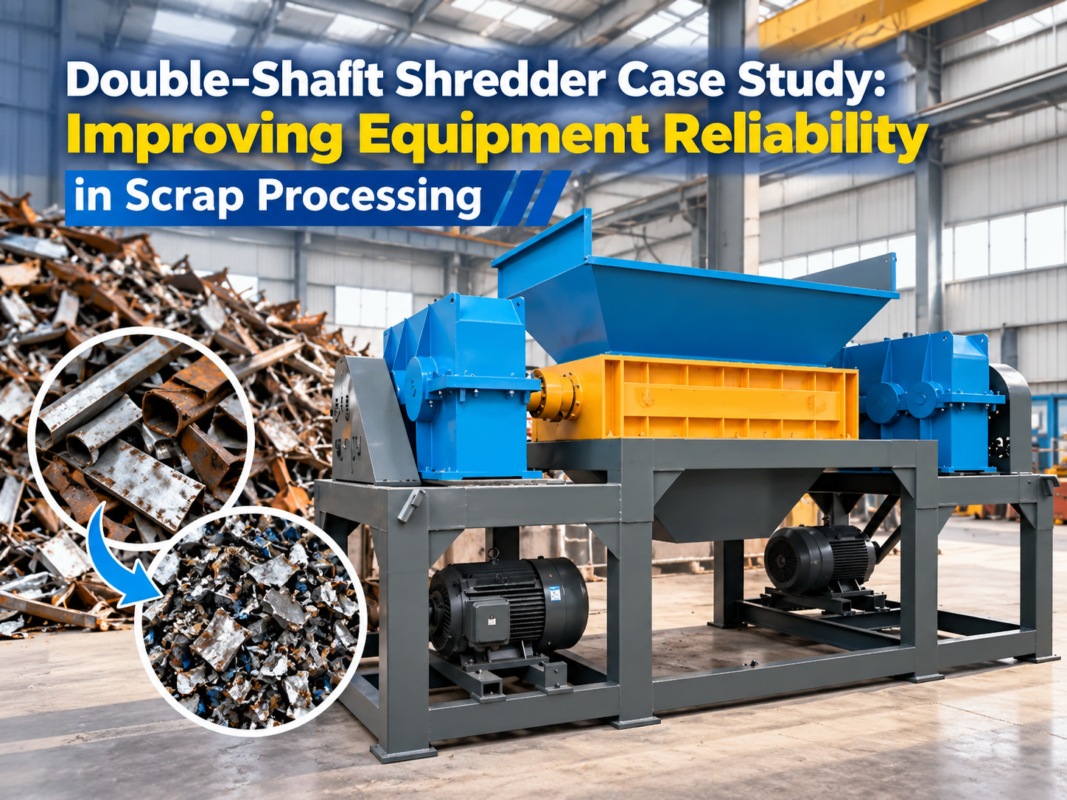
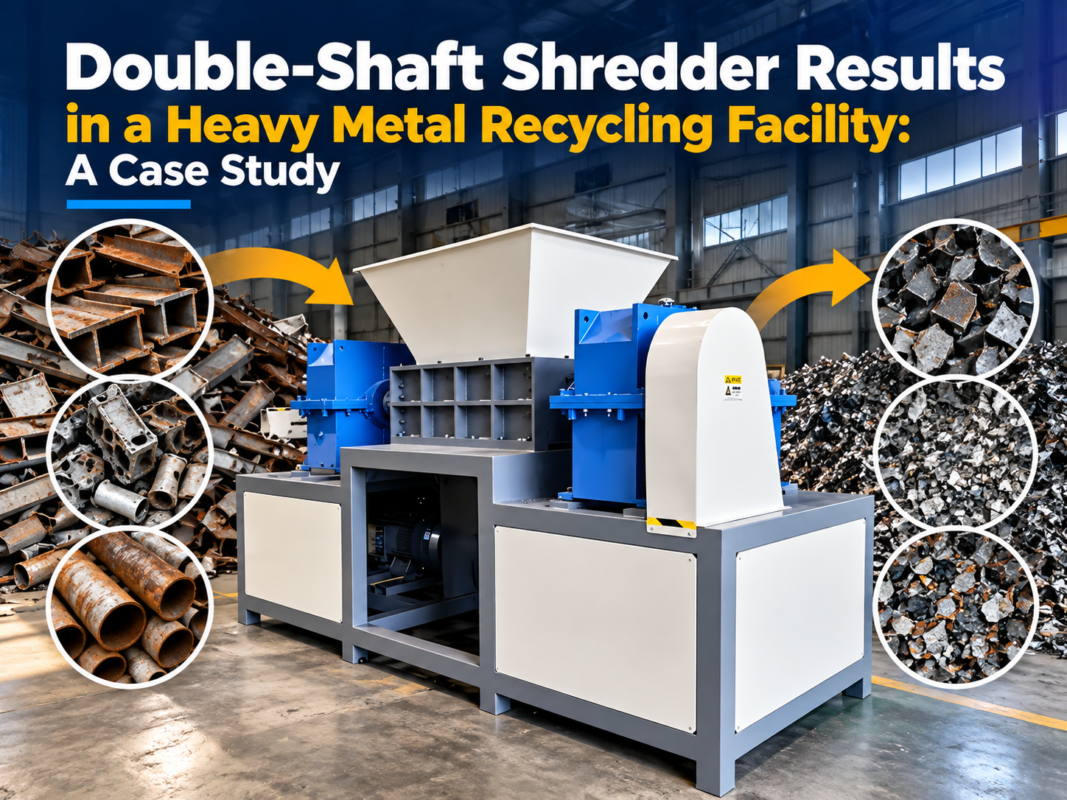
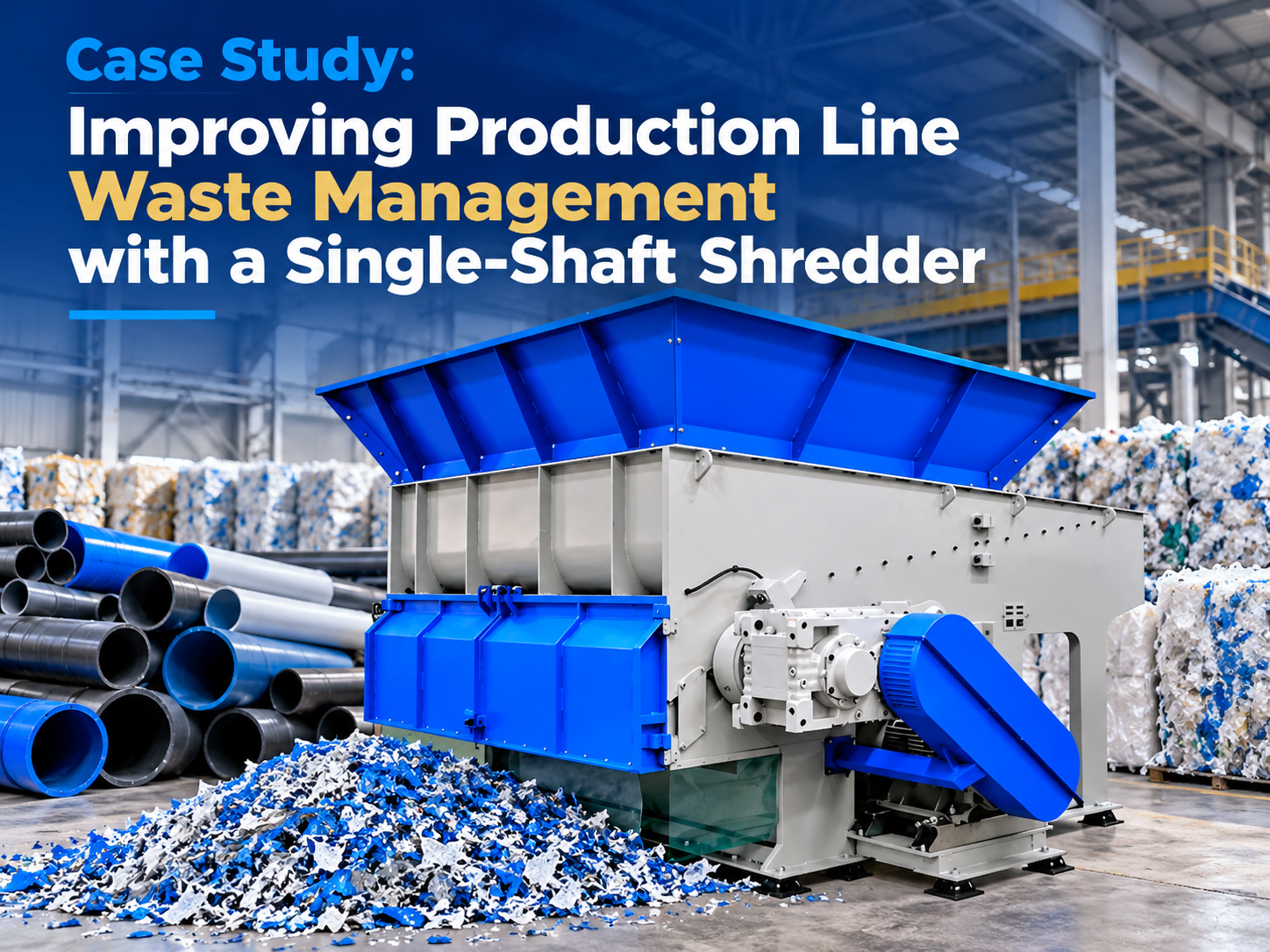
In the modern landscape of metal fabrication and industrial manufacturing, the management of production waste is no longer just a logistical necessity—it is a critical component of operational profitability. As factories scale their output, the accumulation of scrap metal, offcuts, and industrial byproducts creates significant bottlenecks. This article explores a comprehensive Case Study: Improving Production Line Waste Management A Single-Shaft Shredder, detailing how HARSLE machinery transforms chaotic waste streams into streamlined, manageable, and profitable assets.
Waste management is often viewed as a secondary concern, yet it directly impacts floor space, labor costs, and environmental compliance. When production lines are cluttered with bulky scrap, the flow of materials slows down, leading to increased downtime and safety hazards. By integrating a high-performance single-shaft shredder, manufacturers can reduce the volume of their waste by up to 80%, significantly lowering transportation costs and increasing the value of recyclable materials.
This case study focuses on a mid-sized metal fabrication facility that struggled with excessive scrap accumulation. By implementing a HARSLE industrial shredding solution, the facility was able to reclaim valuable floor space and create a more sustainable production cycle. We will delve into the technical specifications, the decision-making process, and the long-term benefits of adopting advanced shredding technology in a high-output environment.
Understanding the role of a single-shaft shredder requires looking beyond the machine itself and viewing it as a vital link in the circular economy of manufacturing. Whether you are dealing with aluminum profiles, steel sheets, or complex composite materials, the right shredder provides the consistency required for downstream processing, such as smelting or compacting. This guide serves as a roadmap for facility managers looking to optimize their waste management strategies.
Key Considerations for Waste Management Optimization
Before investing in industrial machinery, facility managers must conduct a thorough audit of their current waste streams. The primary consideration is the physical nature of the waste: is it ductile, brittle, bulky, or tangled? A single-shaft shredder is uniquely suited for materials that require a uniform output size, as the interaction between the rotor knives and the counter-knife ensures a precise cut that is difficult to achieve with dual-shaft or granulator systems.
Space utilization is another critical factor. In many fabrication shops, scrap bins occupy prime real estate that could otherwise be used for additional workstations or inventory storage. By shredding waste at the source, companies can utilize compact storage solutions, such as briquetting presses or smaller, high-density containers. This shift not only improves the aesthetics of the shop floor but also enhances safety by reducing the risk of trips and falls associated with loose scrap.
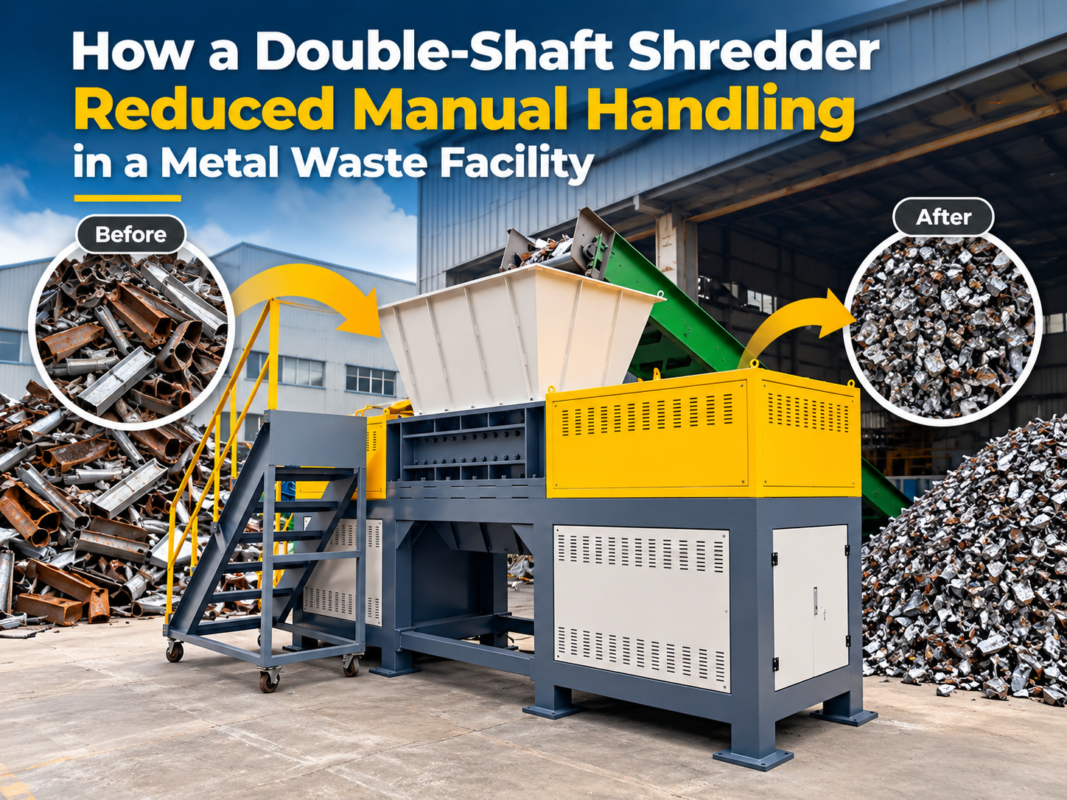
Labor efficiency is often overlooked in waste management discussions. Manual handling of bulky scrap is labor-intensive and poses significant ergonomic risks to employees. Automating the waste reduction process with a single-shaft shredder allows staff to focus on high-value production tasks rather than moving, sorting, and loading heavy scrap. This transition leads to a more motivated workforce and a reduction in workplace injuries related to material handling.
Environmental compliance and corporate social responsibility (CSR) are increasingly important for modern manufacturers. Many regions now impose strict regulations on industrial waste disposal. By shredding and properly categorizing scrap, companies can ensure that their waste is processed through certified recycling channels, thereby reducing their carbon footprint and potentially qualifying for tax incentives or sustainability certifications.
Finally, the economic return on investment (ROI) must be evaluated. While the initial cost of a single-shaft shredder is a significant capital expenditure, the reduction in waste disposal fees, combined with the increased market value of shredded, uniform scrap, often leads to a payback period of less than 24 months. When calculating ROI, managers should also factor in the reduced wear and tear on transport vehicles and the improved logistics of material handling.
Technical Details of HARSLE Single-Shaft Shredders
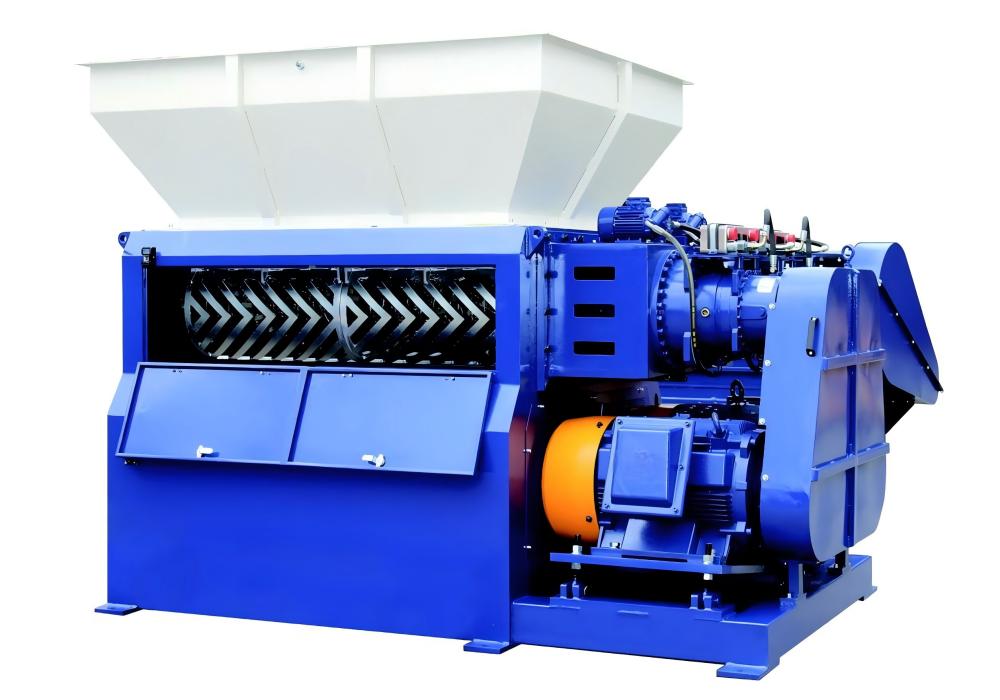
The HARSLE single-shaft shredder is engineered for durability and precision. At its core is a heavy-duty rotor equipped with high-grade, wear-resistant cutting knives. These knives are arranged in a specific pattern to ensure maximum throughput and consistent particle size. The rotor is driven by a high-torque motor, which allows the machine to handle tough, dense materials without stalling or overheating, even under continuous operation.
One of the standout features of our shredders is the hydraulic ram system. This system pushes the material toward the rotor at a controlled speed, ensuring that the shredding process remains consistent regardless of the material density. The hydraulic pressure can be adjusted based on the specific requirements of the scrap, allowing for versatility across different production lines. This level of control is essential for preventing machine jams and ensuring the longevity of the cutting components.
The screen system is another critical technical component. Located beneath the rotor, the screen determines the final size of the shredded material. HARSLE offers a variety of screen sizes, allowing operators to customize the output to meet the requirements of downstream equipment, such as magnetic separators or briquetting machines. Changing the screen is a straightforward process, designed to minimize downtime during maintenance or product changeovers.
Safety and control are integrated into the machine’s PLC (Programmable Logic Controller) system. The HARSLE control panel provides real-time data on motor load, hydraulic pressure, and rotor speed. In the event of an overload, the system automatically reverses the rotor to clear the jam, protecting the drive train from damage. This intelligent automation reduces the need for constant operator supervision and ensures that the machine operates within its optimal parameters at all times.
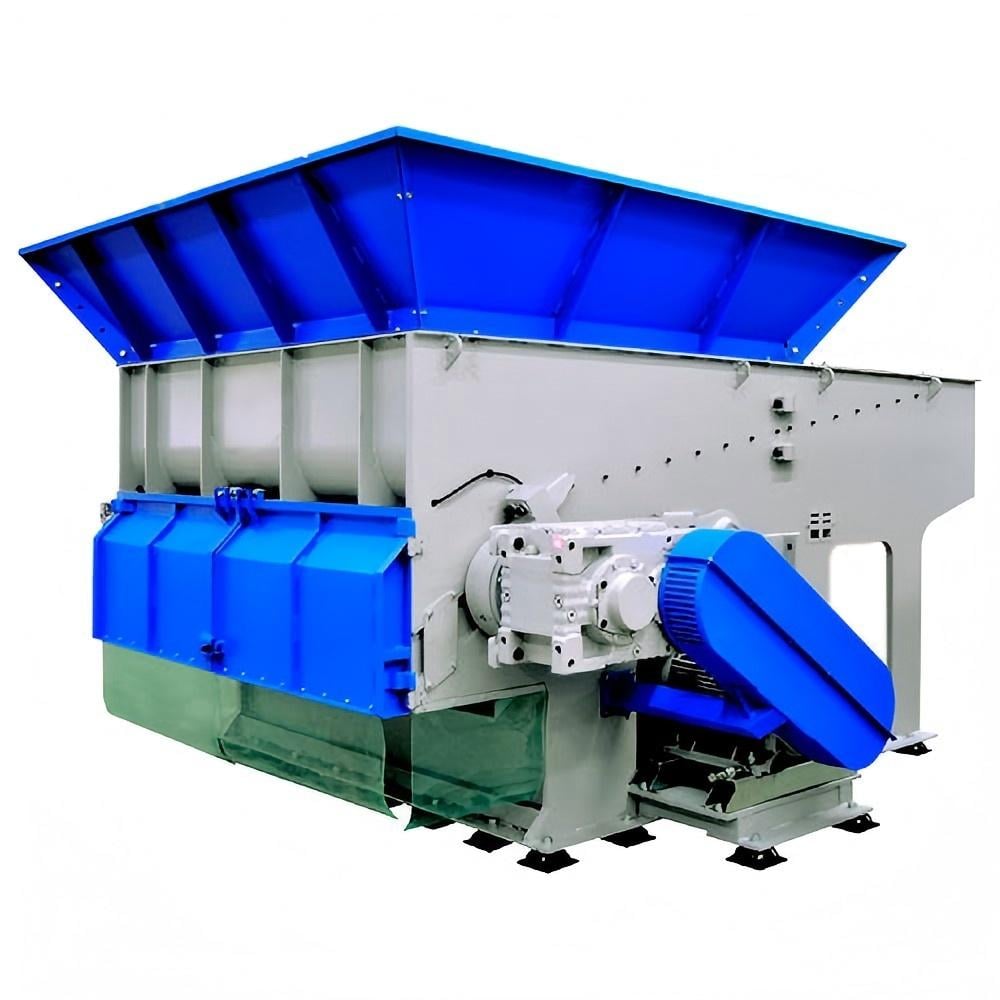
Maintenance accessibility is a hallmark of HARSLE design. The housing is constructed with easy-access panels, allowing technicians to inspect the rotor, knives, and hydraulic components without extensive disassembly. We utilize high-quality bearings and seals to ensure that the machine can withstand the harsh, dusty environments typical of metal fabrication shops. By prioritizing modular design, we ensure that spare parts are easily replaceable, keeping the machine operational for years to come.
Selection Advice: Matching the Machine to Your Needs
Choosing the right single-shaft shredder requires a deep understanding of your specific waste profile. Not all scrap is created equal; thin-gauge aluminum sheets require a different knife configuration than thick steel plates. When consulting with HARSLE experts, be prepared to provide samples of your waste material and information regarding your daily throughput requirements. This data allows us to recommend the correct motor power, rotor diameter, and knife material.
Consider the integration of the shredder into your existing workflow. Will the material be fed manually, via a conveyor belt, or through a robotic arm? The feed system is just as important as the shredder itself. A well-designed feeding mechanism prevents bottlenecks and ensures that the shredder operates at its maximum capacity. We often recommend a customized hopper design to accommodate the specific geometry of your scrap, ensuring a smooth and continuous flow of material.
Think about the future scalability of your operations. If you anticipate an increase in production volume, it is often wise to invest in a machine with slightly higher capacity than your current needs. This “headroom” allows the machine to operate at a lower stress level, extending its service life and providing the flexibility to handle unexpected spikes in waste production. HARSLE offers a range of models, from compact units for small workshops to heavy-duty industrial systems for large-scale manufacturing plants.
Evaluate the support and service network of the manufacturer. Industrial machinery is a long-term investment, and the availability of technical support, training, and spare parts is crucial. HARSLE provides comprehensive after-sales support, including remote diagnostics and on-site training for your maintenance team. Choosing a partner who understands your industry ensures that you are not just buying a machine, but a solution that evolves with your business.
Często zadawane pytania (FAQ)
What is the primary advantage of a single-shaft shredder over a dual-shaft shredder?
A single-shaft shredder offers a more uniform output size due to the screen system, which is ideal for recycling processes that require consistent material dimensions. Dual-shaft shredders are better for high-volume, coarse shredding but lack the precision of a single-shaft system.
How often do the knives on a HARSLE shredder need to be sharpened?
The frequency of sharpening depends on the material being shredded and the daily throughput. Generally, our high-grade knives are designed for long intervals between maintenance, but we recommend a quarterly inspection to ensure optimal cutting efficiency.
Can a single-shaft shredder handle mixed metal scrap?
Yes, HARSLE single-shaft shredders are designed to handle a variety of metals. However, it is important to avoid non-metallic contaminants like large rocks or concrete, which can damage the cutting edges. Our team can help you set up pre-sorting protocols to protect your equipment.
What safety features are included in HARSLE shredders?
Our machines include emergency stop buttons, automatic reverse functions for jam clearing, safety interlocks on access panels, and overload protection for the motor, all managed by a sophisticated PLC system.
Is it possible to integrate the shredder into an automated production line?
Absolutely. HARSLE shredders are designed for seamless integration. We can provide custom PLC interfaces to communicate with your existing conveyor systems and robotic cells, allowing for a fully automated waste management process.
Wniosek
The Case Study: Improving Production Line Waste Management A Single-Shaft Shredder demonstrates that waste is not merely a byproduct to be discarded, but a resource to be managed. By implementing a HARSLE single-shaft shredder, the facility in our study transformed its waste management from a costly burden into an efficient, value-added process. The reduction in scrap volume, the improvement in floor space utilization, and the increased revenue from high-quality shredded scrap highlight the tangible benefits of modern industrial technology.
As the metal fabrication industry continues to evolve, the focus on efficiency and sustainability will only intensify. Companies that proactively address their waste management challenges will find themselves with a competitive advantage, characterized by lower operational costs and a smaller environmental footprint. HARSLE remains committed to providing the machinery and expertise necessary to support this transition, ensuring that our clients can focus on what they do best: creating high-quality products.
We invite you to evaluate your current production line and consider the impact that a dedicated shredding solution could have on your bottom line. Whether you are looking to streamline your scrap handling or meet new environmental standards, HARSLE is your partner in industrial excellence. Contact our team today to discuss your specific requirements and take the first step toward a more efficient, profitable, and sustainable future.