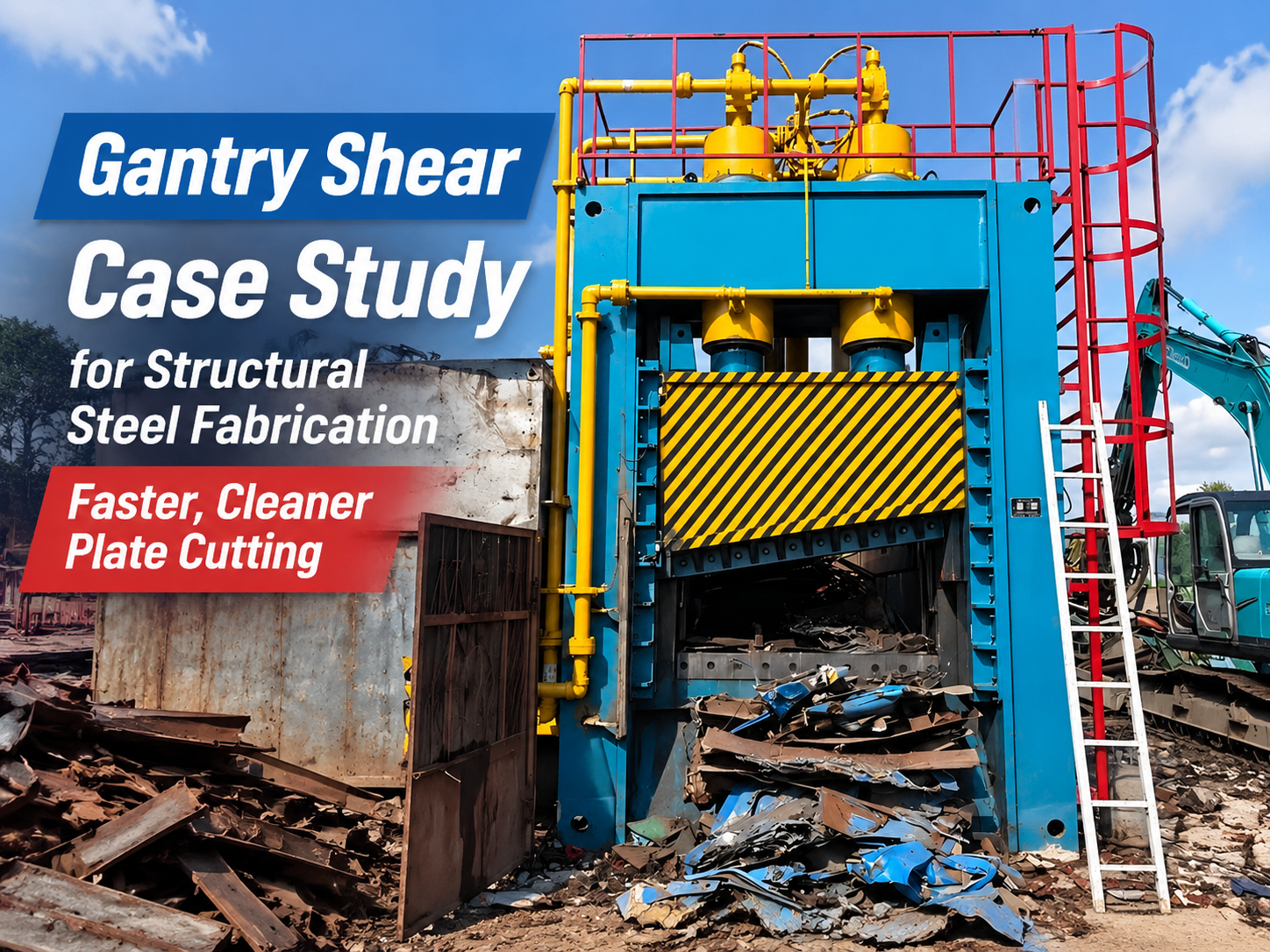
Gantry Shear Case Study for Structural Steel Fabrication: Faster, Cleaner Plate Cutting

Introduction to High-Efficiency Structural Steel Processing
In the demanding world of structural steel fabrication, the ability to process heavy-gauge plates with precision and speed is the primary differentiator between a profitable operation and one plagued by bottlenecks. As global infrastructure projects grow in complexity, fabricators are increasingly turning to advanced machinery to maintain competitive edges. This Gantry Shear Case Study for Structural Steel Fabrication: Faster, Cleaner Plate Cutting examines how HARSLE’s heavy-duty shearing solutions transform raw material handling into a streamlined, high-output workflow.
Structural steel fabrication involves working with materials that are not only thick but often vary in tensile strength and surface condition. Traditional cutting methods, such as manual torch cutting or outdated mechanical shears, often result in significant material waste, heat-affected zones, and secondary grinding requirements. By integrating a modern gantry shear, fabricators can achieve clean, burr-free edges that meet stringent international structural standards without the need for extensive post-processing.
The transition to automated gantry shearing represents a fundamental shift in how workshops manage their throughput. Unlike smaller, localized shears, a gantry shear provides the structural rigidity and force required to handle massive steel plates across their entire width. This article explores the technical nuances, operational benefits, and strategic advantages of implementing HARSLE’s gantry shearing technology in a modern fabrication environment.
Through this case study, we will analyze the specific challenges faced by a mid-sized structural steel firm and how the deployment of HARSLE equipment solved these issues. We will delve into the mechanical advantages of gantry designs, the importance of blade clearance, and the long-term ROI associated with upgrading to high-performance shearing systems.
Key Considerations for Structural Steel Fabrication
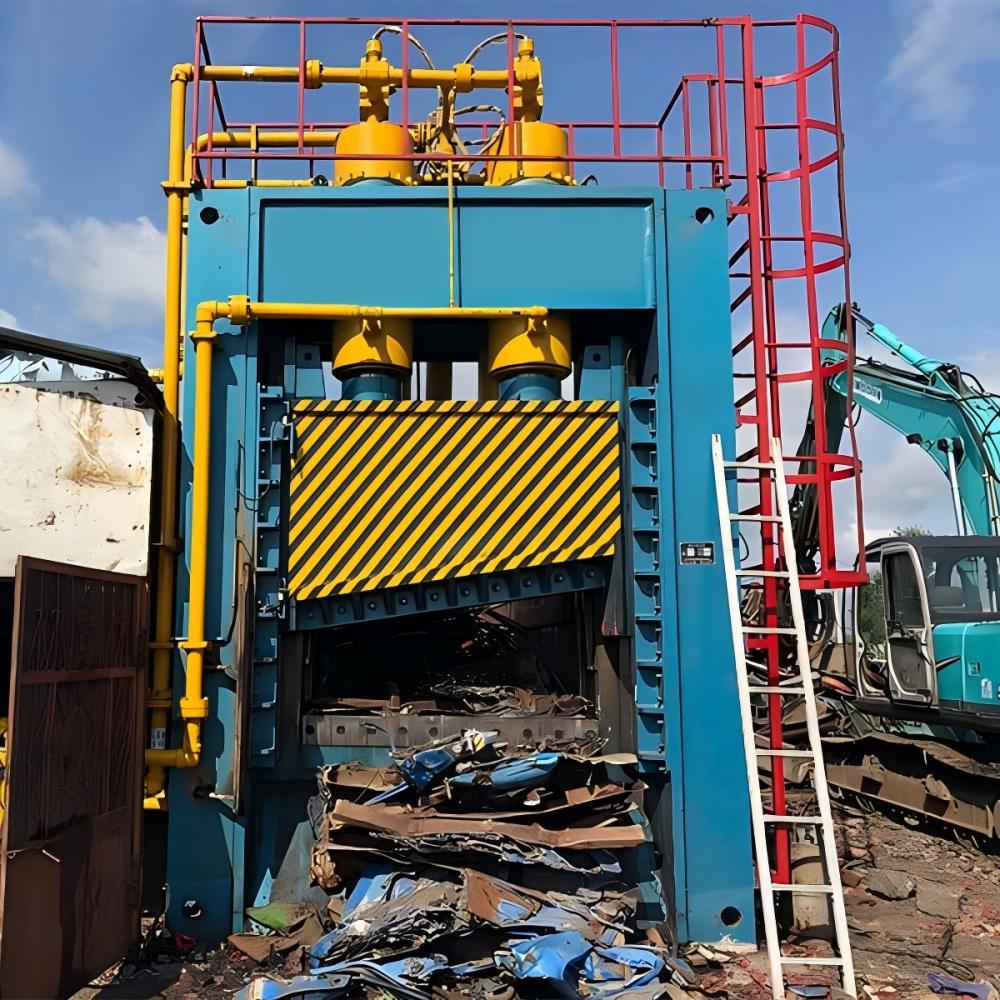
When evaluating the requirements for structural steel fabrication, the first consideration is the material thickness and shear strength. Structural steel, typically categorized under grades like A36, S235, or S355, requires immense force to achieve a clean cut. If the shearing force is insufficient, the material will deform, leading to work hardening and potential structural integrity issues in the final component. HARSLE engineers prioritize high-tonnage hydraulic systems to ensure that the shear force remains consistent across the entire stroke.
Another critical factor is the accuracy of the cut. In structural projects, components must fit together with millimeter-level precision to ensure that welding and bolting processes proceed without delays. A gantry shear provides a stable, guided cutting action that prevents the plate from twisting or bowing during the shearing process. This stability is essential for maintaining the squareness of the cut, which is a non-negotiable requirement for load-bearing structural members.
Operational safety and ergonomics also play a vital role in the selection of fabrication equipment. Modern gantry shears are equipped with advanced safety light curtains, emergency stop systems, and automated material feeding mechanisms that keep operators away from the cutting zone. By reducing the manual handling of heavy steel plates, fabricators can significantly lower the risk of workplace injuries while simultaneously increasing the speed of the production cycle.
Finally, the long-term maintenance and durability of the machine must be considered. Structural steel fabrication environments are notoriously harsh, characterized by dust, vibration, and heavy usage. HARSLE machines are built with reinforced frames and high-quality hydraulic components designed to withstand years of continuous operation. Choosing a machine that offers easy access to wear parts, such as blades and hydraulic seals, ensures that downtime is kept to an absolute minimum.
Technical Details of HARSLE Gantry Shearing Systems
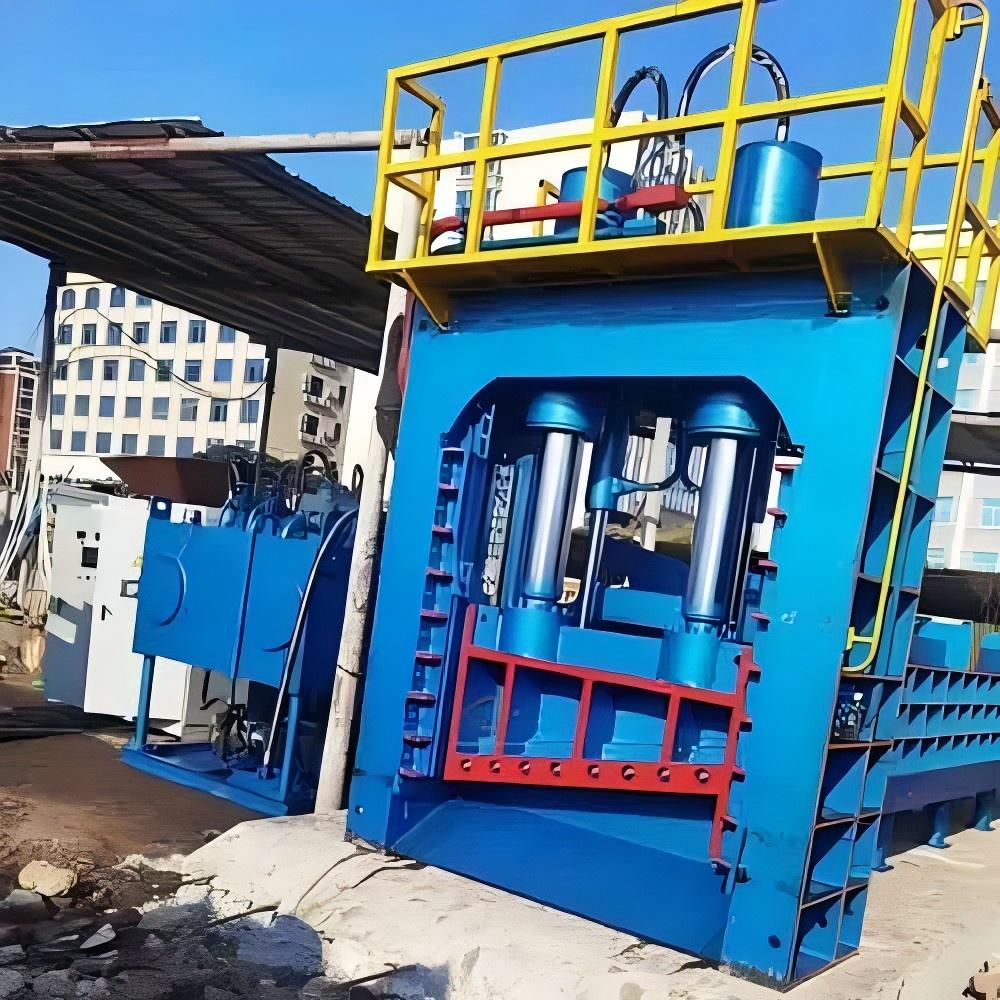
The core of HARSLE’s gantry shear technology lies in its robust hydraulic architecture. Unlike standard guillotine shears, the gantry design utilizes a top-mounted hydraulic cylinder arrangement that distributes force evenly across the blade length. This prevents the “blade gap opening” phenomenon often seen in lighter machines, ensuring that the clearance between the upper and lower blades remains constant throughout the entire cutting cycle. This precision is the secret to achieving cleaner, burr-free edges on thick structural plates.
The blade material and geometry are equally critical. HARSLE utilizes high-chromium, high-carbon tool steel for its shearing blades, which are heat-treated to achieve optimal hardness and toughness. These blades are designed for multi-edge usage, allowing operators to rotate or flip them to extend their service life before requiring professional regrinding. The blade clearance adjustment system is another technical highlight, allowing for quick, precise calibration based on the thickness of the material being processed.
Automation integration is a hallmark of modern HARSLE gantry shears. Many units are equipped with CNC controllers that allow for pre-programmed cutting sequences. This reduces the reliance on operator skill and ensures that every piece cut is identical to the last. By integrating with CAD/CAM software, fabricators can optimize their nesting patterns, significantly reducing scrap rates and maximizing the yield from every steel plate.
The hydraulic system itself is designed for energy efficiency. HARSLE employs variable-displacement pumps and intelligent pressure-sensing valves that adjust the power output based on the resistance encountered during the cut. This not only saves electricity but also reduces the thermal load on the hydraulic oil, extending the life of the seals and valves. The result is a machine that is not only faster and cleaner but also more sustainable and cost-effective to operate over its lifespan.
Selection Advice: Choosing the Right Equipment
Selecting the right gantry shear for your structural steel fabrication shop requires a thorough assessment of your current and future production needs. Start by analyzing your maximum plate thickness and width. While it may be tempting to purchase a machine that exactly matches your current requirements, it is often more cost-effective to choose a model with a 15-20% capacity buffer. This allows you to handle occasional larger projects without overstressing the machine, effectively future-proofing your investment.
Consider the material handling infrastructure surrounding the shear. A gantry shear is only as fast as the material being fed into it. Investing in motorized roller tables, magnetic lifters, or automated conveyor systems will ensure that the shear is never waiting for the next plate. HARSLE offers modular material handling solutions that can be customized to fit the specific layout of your workshop, ensuring a smooth, linear flow of production.
Evaluate the quality of the support and service provided by the manufacturer. A gantry shear is a long-term capital investment, and the availability of spare parts, technical support, and training is paramount. HARSLE provides comprehensive documentation, remote diagnostic capabilities, and a global network of service technicians to ensure that your equipment remains operational. Always ask for a detailed maintenance schedule and ensure that your team is trained in basic preventative maintenance tasks.
Finally, look for versatility. While your primary focus may be structural steel, consider whether the machine can handle other materials or shapes. Some HARSLE gantry shears are designed with multi-functionality in mind, allowing for the shearing of profiles, angles, and bars in addition to flat plates. This versatility can open up new revenue streams for your fabrication business, allowing you to take on a wider variety of projects with a single piece of equipment.
Często zadawane pytania (FAQ)
What is the primary advantage of a gantry shear over a standard guillotine shear?
The primary advantage is the structural rigidity provided by the gantry design. It prevents blade deflection during heavy-duty cutting, which is essential for achieving clean, square edges on thick structural steel plates that standard shears might struggle to process accurately.
How often should the blades on a HARSLE gantry shear be sharpened?
The frequency of sharpening depends on the material type, thickness, and daily volume. However, because HARSLE blades are made from high-grade tool steel and are reversible, they offer a significantly longer service life. We recommend a visual inspection of the cutting edge every 500 hours of operation.
Can a gantry shear be integrated into an automated production line?
Yes, HARSLE gantry shears are designed for seamless integration. They feature PLC interfaces that can communicate with automated feeding systems, conveyors, and even robotic loading arms to create a fully autonomous fabrication cell.
What maintenance is required to keep the hydraulic system in top condition?
Regular oil analysis, filter changes, and checking for hydraulic leaks are the most important tasks. HARSLE machines include built-in monitoring systems that alert operators to pressure drops or temperature spikes, allowing for proactive maintenance before a failure occurs.
Is specialized training required for operators?
While HARSLE machines are designed with user-friendly interfaces, we recommend professional training for all operators. This ensures that they understand the safety protocols, the correct use of the CNC controller, and the basic maintenance procedures required to keep the machine running at peak efficiency.
Conclusion: Investing in Future-Ready Fabrication
The Gantry Shear Case Study for Structural Steel Fabrication: Faster, Cleaner Plate Cutting highlights a clear path forward for fabricators looking to modernize their operations. By moving away from inefficient, manual cutting processes and embracing the precision, speed, and reliability of HARSLE gantry shearing technology, companies can significantly reduce their production costs while improving the quality of their output. The structural steel industry is evolving, and the tools you choose today will define your capacity to compete in the market tomorrow.
HARSLE remains committed to providing the heavy-duty machinery necessary to meet these challenges. Our gantry shears are more than just tools; they are the backbone of a high-performance fabrication shop. By focusing on robust engineering, intuitive control systems, and comprehensive support, we ensure that our clients can tackle the most demanding structural projects with confidence. Whether you are upgrading an existing line or setting up a new facility, the right shearing solution is the foundation of your success.
As you evaluate your options, remember that the true cost of machinery is measured over its entire lifecycle. A HARSLE gantry shear offers a superior return on investment through reduced scrap, lower energy consumption, and minimal downtime. We invite you to contact our technical team to discuss your specific fabrication requirements and discover how our solutions can be tailored to help you achieve faster, cleaner, and more profitable plate cutting.