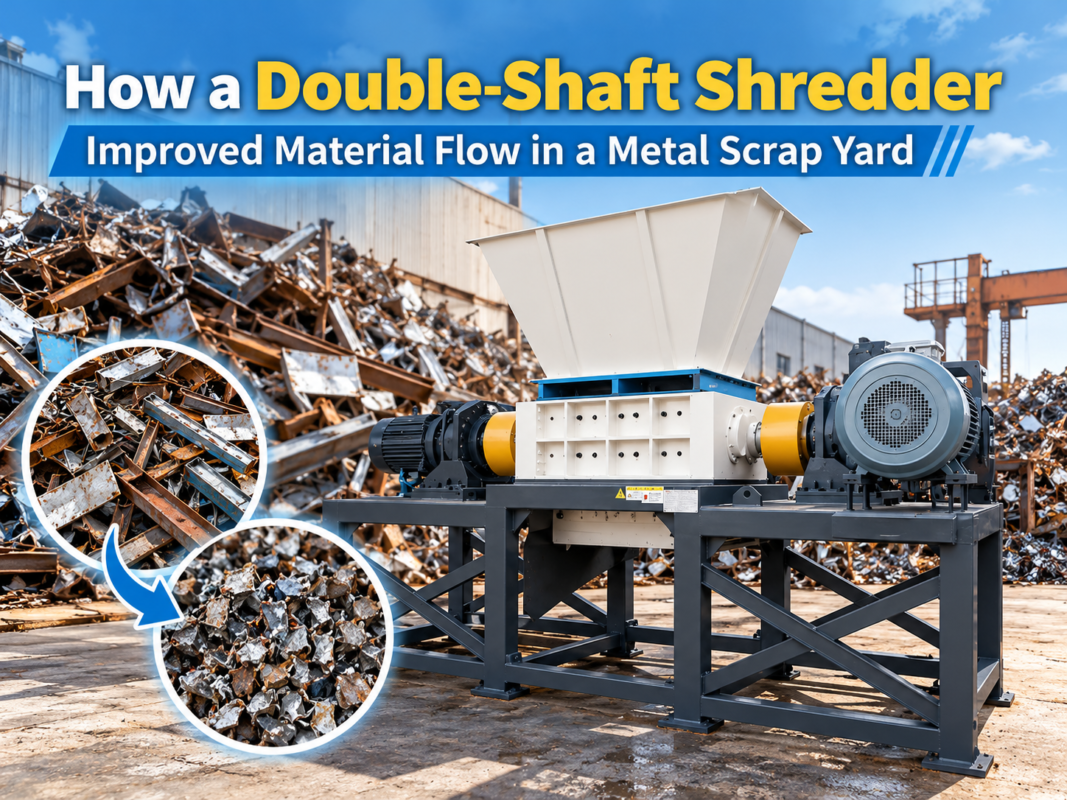
How a Metal Fabrication Shop Cut Scrap Costs with a Gantry Shear: A Case Study

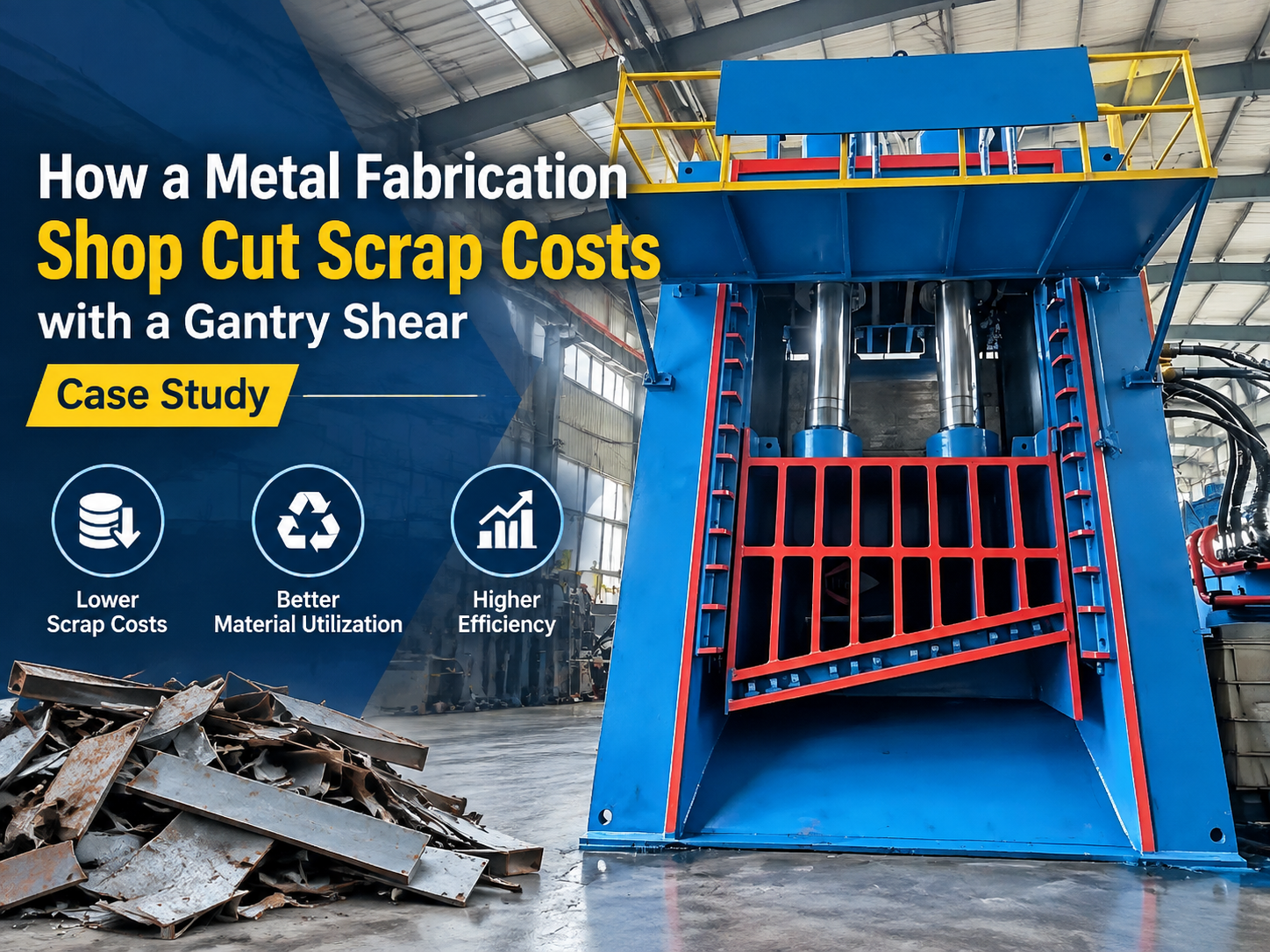
Introduction
In the competitive landscape of modern metal fabrication, the difference between a profitable operation and one struggling with overhead often comes down to material utilization. For many shops, scrap metal is viewed as an inevitable byproduct of production—a necessary evil that eats into margins. However, a recent implementation of HARSLE technology has proven that this narrative is outdated. This article explores how a metal fabrication shop cut scrap costs with a gantry shear, providing a comprehensive case study on operational efficiency.
The facility in question, a mid-sized structural steel fabricator, was facing mounting pressure from rising raw material costs and tightening project deadlines. Their legacy cutting methods resulted in significant off-cut waste and inconsistent edge quality, requiring secondary processing that further increased labor costs. By integrating a high-performance gantry shear, the shop transformed its workflow, turning waste into value and significantly improving its bottom line.
This case study serves as a blueprint for shop owners and plant managers looking to optimize their cutting processes. We will examine the technical challenges the shop faced, the specific advantages of the gantry shear, and the strategic steps taken to ensure a successful transition. By understanding these dynamics, you can better evaluate whether your own facility is ready to make the leap toward more efficient metal processing.
The transition was not merely about purchasing a new machine; it was about rethinking the entire material flow. Through precise nesting, automated feeding, and the high-force capabilities of the HARSLE gantry shear, the shop was able to reduce its scrap rate by nearly 22% within the first six months of operation. This article breaks down the “how” and “why” behind these impressive results.
Key Considerations for Scrap Reduction
Before diving into the technical specifications, it is essential to understand the primary drivers of scrap in a fabrication environment. Most shops lose money due to poor nesting strategies, inaccurate cutting, and the inability to process remnant materials effectively. When a metal fabrication shop cut scrap costs with a gantry shear, they first had to audit their existing waste streams to identify where the most significant losses were occurring.
One of the most critical factors is the “kerf” or the width of the material removed during the cutting process. Traditional methods like plasma or oxy-fuel cutting often leave large heat-affected zones and wide kerfs, which limit the ability to nest parts closely together. A gantry shear, by contrast, utilizes a mechanical shearing action that produces a clean, narrow cut with zero heat-affected zone, allowing for tighter nesting and higher material yield.
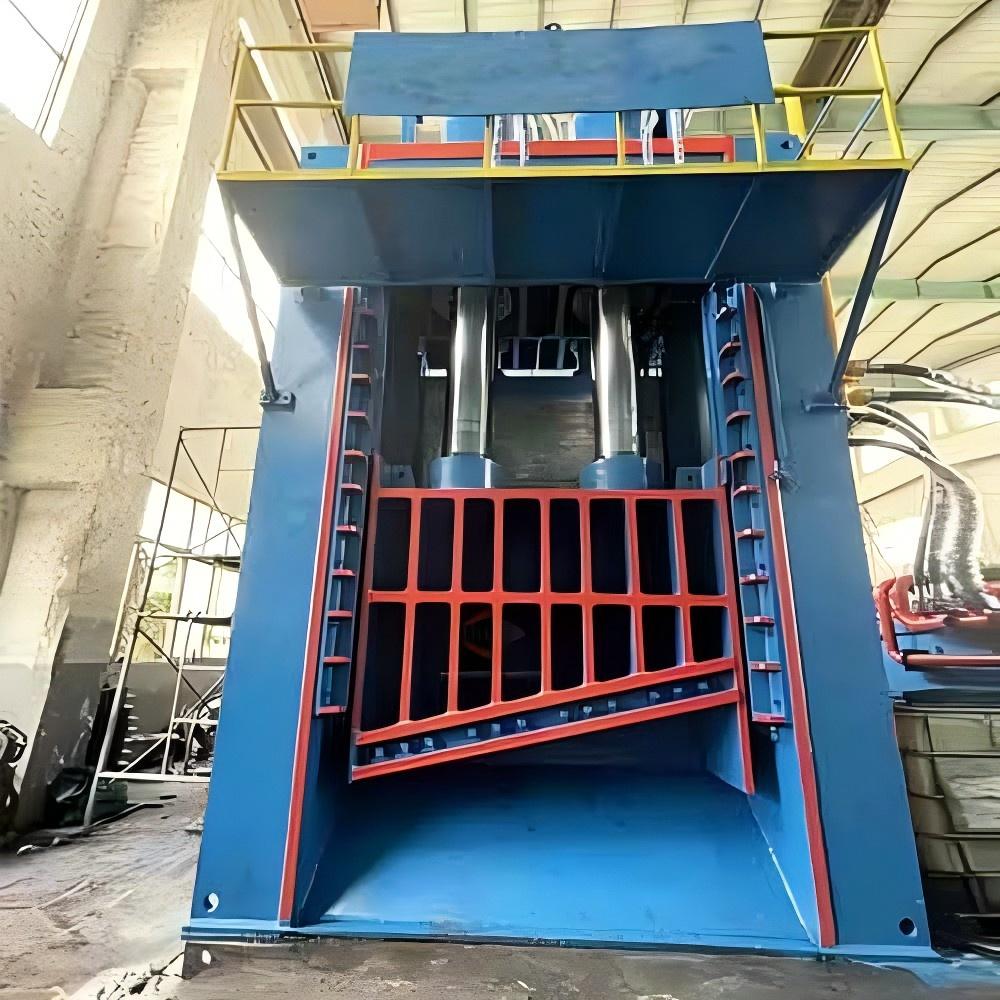
Another consideration is the handling of remnant materials. In many shops, off-cuts are relegated to the scrap bin because they are too small or irregularly shaped to be used for subsequent projects. The gantry shear allows for the rapid, precise trimming of these remnants into usable stock sizes. By standardizing the output of the shear, the shop was able to create a “remnant inventory” that could be utilized for smaller brackets, gussets, and plates, effectively eliminating the need to purchase new stock for these components.
Operational consistency is also a major factor. Human error in manual cutting or poorly calibrated semi-automated systems leads to dimensional inaccuracies. These inaccuracies often render a part unusable, forcing the operator to scrap the entire piece. The gantry shear, equipped with programmable back-gauges and high-precision hydraulic systems, ensures that every cut is identical to the last, drastically reducing the rate of rework and scrap due to human error.
Finally, the shop had to consider the labor-to-scrap ratio. By automating the shearing process, the shop reduced the time spent on manual layout and marking. When operators spend less time measuring and more time processing, the overall throughput increases, and the likelihood of mis-marking—a common cause of scrap—is minimized. This holistic approach to efficiency is what allowed the shop to achieve such a significant reduction in waste.
Technical Details of the Gantry Shear Implementation
The core of the solution was the installation of a HARSLE hydraulic gantry shear. Unlike traditional guillotine shears, the gantry design offers superior rigidity and stability, which is crucial when processing thick, high-tensile steel plates. The machine features a heavy-duty welded frame that minimizes deflection under load, ensuring that the blade gap remains consistent across the entire length of the cut.
The hydraulic system is the heart of the machine. By utilizing a multi-cylinder configuration, the gantry shear provides uniform pressure distribution. This is vital for preventing material distortion during the shearing process. When metal is sheared with uneven pressure, it tends to bow or twist, which can lead to parts that do not meet tolerance specifications. The HARSLE system’s ability to adjust rake angles and blade clearances allows the operator to optimize the cut for different material thicknesses and grades, further reducing the risk of deformation.
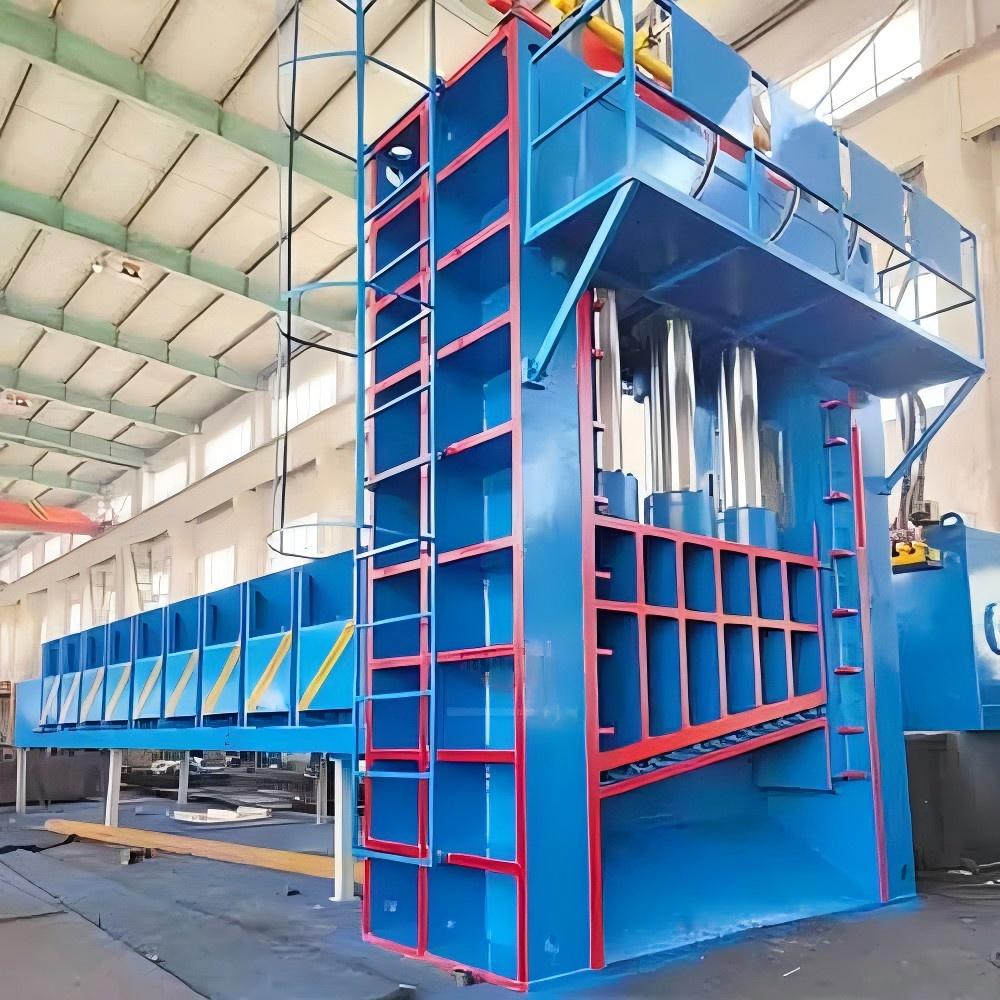
Integration with CNC software was another technical milestone. The shop implemented a nesting software package that communicates directly with the gantry shear’s controller. This allows the system to automatically calculate the most efficient cutting path, minimizing the distance between parts and maximizing the use of the sheet. The software also tracks remnant sizes, allowing the operator to see exactly what is available for future jobs before cutting into a fresh sheet.
Maintenance of the shear blades is a critical technical aspect that cannot be overlooked. The shop implemented a strict blade-sharpening schedule based on the number of cycles and the type of material being processed. Dull blades are a leading cause of burrs and edge deformation, which often necessitate secondary grinding or milling. By keeping the blades in peak condition, the shop ensured that every cut was “ready to weld” or “ready to assemble,” eliminating the need for post-cut processing.
Safety and ergonomic features also played a role in the technical success. The gantry shear is equipped with light curtains and interlocked guarding, which protects the operator while allowing for efficient material loading and unloading. This safety-first design reduces fatigue and allows the operator to maintain a high level of focus throughout the shift, which indirectly contributes to lower scrap rates by reducing the likelihood of accidents or misaligned material placement.
Selection Advice: Choosing the Right Equipment
When evaluating how a metal fabrication shop cut scrap costs with a gantry shear, it becomes clear that the selection process is just as important as the operation itself. Not all shears are created equal, and choosing the wrong machine can lead to increased maintenance costs and poor performance. The first step is to define your material requirements: what is the maximum thickness, width, and tensile strength of the material you process most frequently?
You must also consider the flexibility of the machine. If your shop handles a wide variety of materials, from thin aluminum sheets to thick structural steel, you need a shear with adjustable rake angles and blade gaps. A fixed-rake shear might be cheaper, but it will struggle to provide high-quality cuts across a broad range of thicknesses, leading to increased scrap when the machine is pushed outside its optimal range.
The control system is another major differentiator. Look for a gantry shear that offers an intuitive, user-friendly interface. If the machine is too complex to program, operators will revert to manual methods, which defeats the purpose of the investment. HARSLE’s controllers are designed for rapid setup, allowing operators to switch between jobs in minutes rather than hours, which is essential for shops that handle high-mix, low-volume production.
Consider the support and service infrastructure provided by the manufacturer. A gantry shear is a long-term investment, and you need a partner who can provide spare parts, technical support, and training. HARSLE provides comprehensive documentation and remote diagnostic capabilities, ensuring that downtime is kept to an absolute minimum. When evaluating a supplier, ask about their lead times for replacement blades and hydraulic components.
Finally, look at the total cost of ownership rather than just the initial purchase price. A machine that is slightly more expensive upfront but offers higher energy efficiency, lower maintenance requirements, and better material yield will almost always provide a better return on investment. Calculate the potential savings from reduced scrap and increased throughput to justify the capital expenditure to stakeholders.
FAQ: Common Questions About Gantry Shears
- How does a gantry shear differ from a standard guillotine shear? A gantry shear is designed for larger, heavier plates and offers superior structural rigidity. Its design allows for better support of the material during the cut, resulting in less distortion and higher precision.
- Can a gantry shear handle different types of metal? Yes, provided the machine has adjustable rake angles and blade clearances. These settings allow the shear to be optimized for materials ranging from mild steel to stainless steel and aluminum.
- How much maintenance does a gantry shear require? Regular maintenance includes blade sharpening, hydraulic fluid checks, and lubrication of the guide ways. Following the manufacturer’s maintenance schedule is key to longevity.
- Does the gantry shear require specialized operator training? While the machines are designed for ease of use, proper training on the CNC controller and safety protocols is essential to maximize efficiency and ensure operator safety.
- How quickly can I expect a return on investment? ROI depends on your current scrap rates and production volume. Many shops see a return within 18 to 24 months due to material savings and increased labor productivity.
Wniosek
The case study of how a metal fabrication shop cut scrap costs with a gantry shear demonstrates that waste reduction is not just about being “green”; it is a fundamental business strategy. By investing in the right technology—specifically a high-precision, robust gantry shear—the shop was able to turn a significant cost center into a competitive advantage. The combination of tighter nesting, reduced kerf, and improved edge quality allowed them to do more with less, ultimately strengthening their market position.
For any fabrication shop looking to improve its bottom line, the path forward is clear: audit your current waste, analyze your cutting processes, and consider the long-term benefits of modern shearing technology. The HARSLE gantry shear represents a proven solution for shops that are ready to move beyond the status quo and embrace a more efficient, profitable future. By prioritizing precision and material utilization, you can ensure that your shop remains a leader in the industry for years to come.
As you move forward with your equipment evaluation, remember that the goal is to create a seamless workflow where every piece of metal is accounted for and utilized to its fullest potential. Whether you are a small job shop or a large-scale manufacturer, the principles outlined in this article remain the same. Invest in quality, prioritize training, and never stop looking for ways to optimize your production. The journey to zero-waste fabrication begins with a single, well-executed cut.