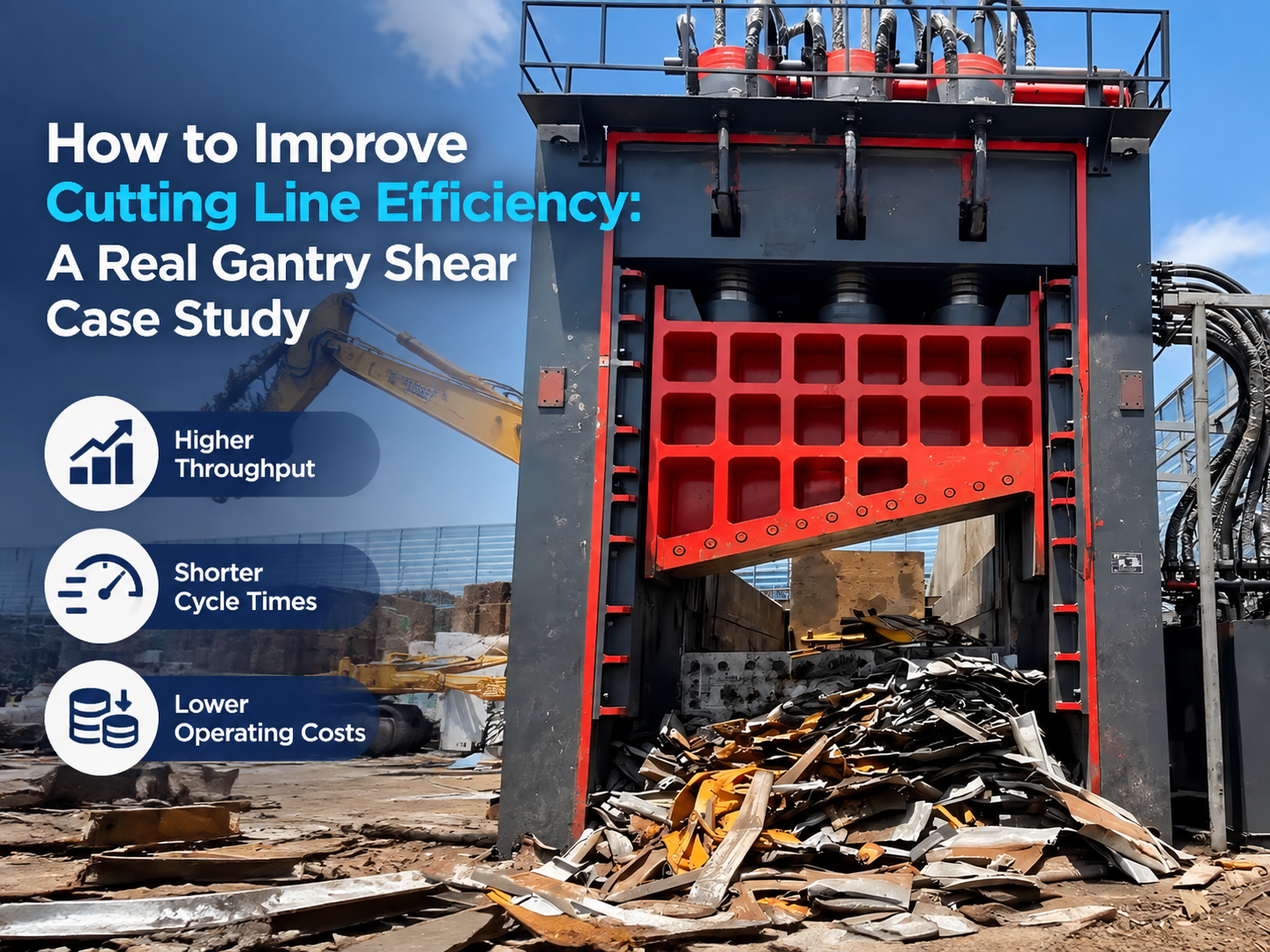
How to Improve Cutting Line Efficiency: A Real Gantry Shear Case Study

Introduction: The Challenge of Modern Metal Fabrication
In the competitive landscape of modern metal fabrication, the ability to process raw materials with speed, precision, and minimal waste is the primary differentiator between market leaders and those struggling to keep up. For many heavy-duty facilities, the bottleneck often lies in the primary cutting stage. When dealing with thick plates, structural steel, or large-scale scrap recycling, the gantry shear becomes the heartbeat of the operation. However, simply owning a high-capacity machine is not enough; the true challenge lies in how to improve cutting line efficiency.
This article explores a comprehensive case study involving a mid-sized steel processing plant that faced significant downtime and inconsistent output. By analyzing their workflow, upgrading their machinery, and implementing systematic operational changes, they were able to transform their production metrics. We will dissect the technical, operational, and strategic shifts required to achieve peak performance in a high-volume shearing environment.
Understanding the nuances of gantry shear operation requires more than just pushing buttons. It involves a deep dive into material handling, blade maintenance, hydraulic pressure management, and operator training. Throughout this guide, we will provide actionable insights that can be applied to your own facility, regardless of the specific brand of machinery you currently utilize.
By the end of this analysis, you will have a clear roadmap for evaluating your current cutting line, identifying hidden inefficiencies, and implementing solutions that drive long-term profitability. Let us look at the real-world application of these principles through the lens of HARSLE’s engineering expertise.
Key Considerations for Optimizing Cutting Lines
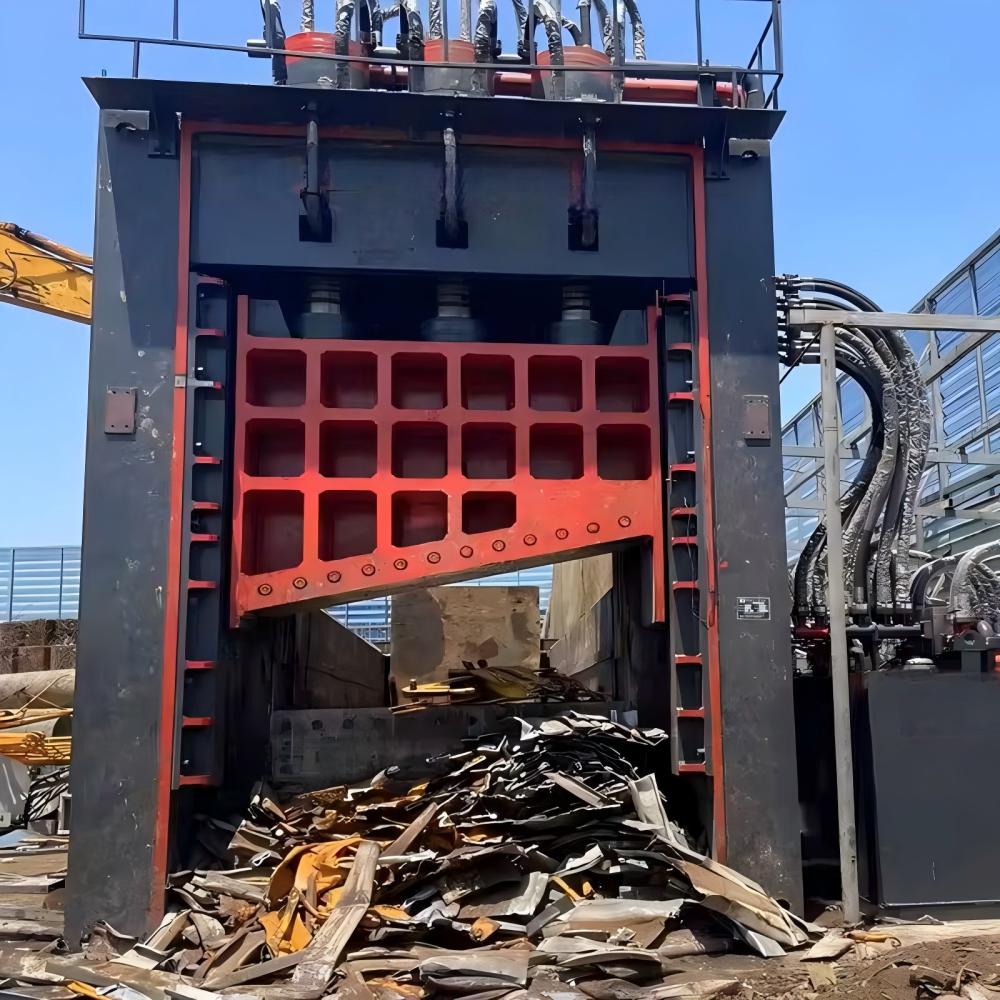
The first step in any efficiency improvement project is a thorough audit of the existing workflow. Many facilities suffer from ‘micro-stoppages’—small, frequent delays that, when added up over a shift, result in significant production losses. These delays often stem from inefficient material loading, poor staging areas, or lack of synchronization between the shear and the downstream sorting process.
Material flow is the most critical factor. If your gantry shear is capable of processing 20 tons per hour, but your loading crane can only deliver 15 tons, you have an immediate bottleneck. Improving efficiency starts with balancing the input capacity with the machine’s output capacity. This often requires investing in automated feeding systems or conveyor belts that keep the shear blade constantly engaged with material.
Another key consideration is the quality of the material being processed. Variations in steel hardness, thickness, and surface condition can force operators to constantly adjust shear settings, leading to downtime. Standardizing the input material or implementing a pre-sorting process can significantly reduce the time spent on manual adjustments, allowing the machine to run at its optimal cycle speed.
Finally, the human element cannot be ignored. Operator fatigue and inconsistent technique are common causes of inefficiency. Implementing standardized operating procedures (SOPs) and providing comprehensive training ensures that every shift operates the machine with the same level of precision and speed. When operators understand the ‘why’ behind the settings, they become proactive in identifying potential issues before they cause a stoppage.
Technical Details: A Real Gantry Shear Case Study
In this specific case study, a client operating a scrap metal recycling facility was struggling with a 30% drop in throughput over a six-month period. Their existing gantry shear was experiencing frequent hydraulic pressure drops and blade dulling, which forced them to slow down the cutting cycle to prevent structural damage to the machine. Upon inspection, it was discovered that the hydraulic fluid was contaminated, and the blade gap was not being adjusted for varying material thicknesses.
The HARSLE engineering team implemented a three-phase improvement plan. Phase one involved a complete overhaul of the hydraulic filtration system and the installation of a real-time pressure monitoring sensor. This allowed the maintenance team to track the health of the pump and valves, preventing sudden failures. By maintaining cleaner fluid, the system operated more smoothly, reducing the energy consumption per cut by approximately 12%.
Phase two focused on the cutting geometry. We introduced a precision blade adjustment system that allowed the operator to calibrate the clearance between the upper and lower blades in seconds rather than minutes. By ensuring the clearance was perfectly matched to the material thickness, we reduced the force required for each cut, which in turn extended the lifespan of the blades by 40% and significantly improved the quality of the cut edges.
Phase three was the integration of a PLC-based automation system. This system tracked the number of cycles and provided automated alerts for maintenance intervals. It also allowed for the storage of ‘cut recipes’ for different material types. Instead of guessing the pressure and speed settings, the operator simply selected the material profile from the touchscreen, and the machine automatically adjusted its parameters. This reduced setup time between different jobs by 65%.
Selection Advice: Choosing the Right Equipment
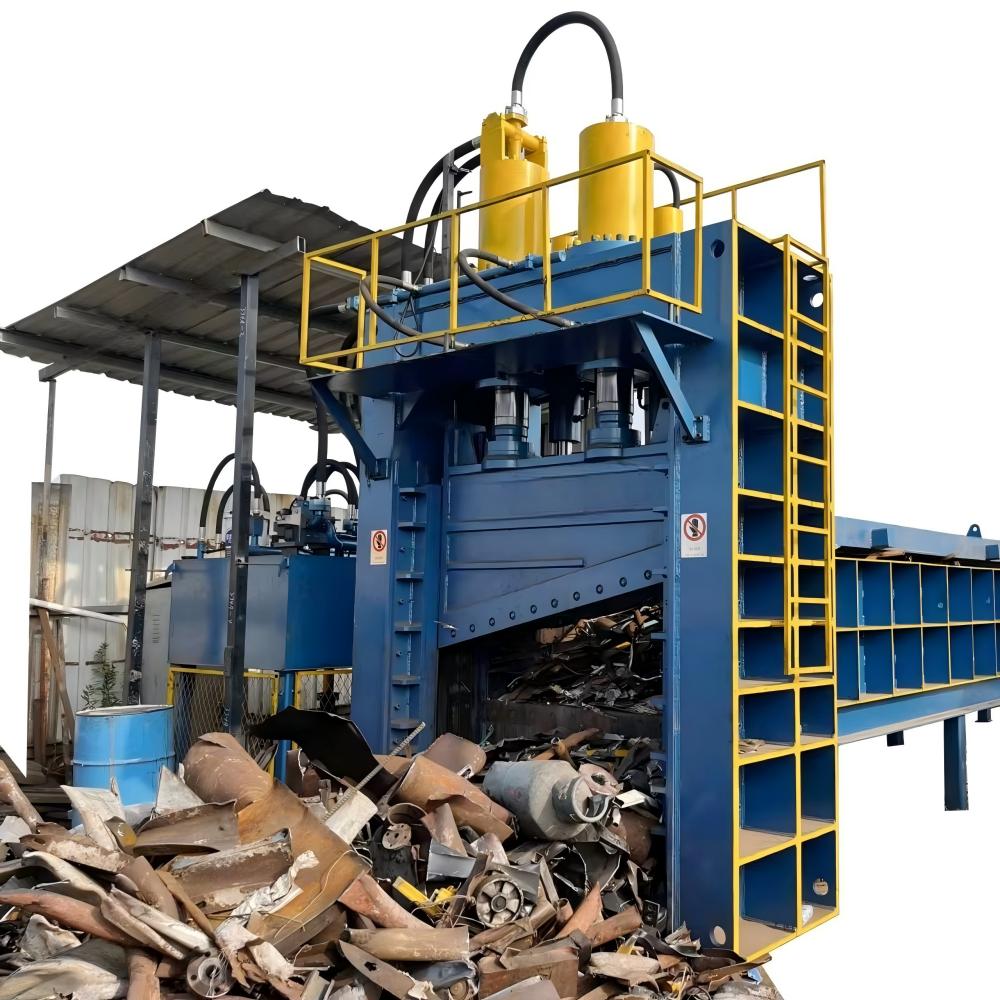
When looking to improve cutting line efficiency, the choice of equipment is paramount. Not all gantry shears are created equal, and selecting a machine that is underpowered for your specific application will lead to constant maintenance headaches and poor efficiency. You must first define your ‘worst-case’ material—the thickest, hardest steel you intend to process regularly—and size your machine accordingly.
Look for machines that offer robust structural integrity. A gantry shear experiences immense forces during the cutting process; if the frame flexes even slightly, the blade alignment will be compromised. HARSLE machines are designed with reinforced steel frames to ensure rigidity, which is a critical factor in maintaining long-term precision and reducing the frequency of blade adjustments.
Consider the availability of spare parts and local service support. An efficient cutting line is only efficient if it is running. If a critical component fails, you need a manufacturer that can provide rapid support and readily available parts. Investing in a brand with a strong global service network is an insurance policy for your production uptime.
Finally, evaluate the control interface. Modern industrial machinery should be intuitive. If your operators require weeks of training just to understand the basic controls, you are losing efficiency. Look for systems that offer user-friendly touchscreens, clear diagnostic feedback, and the ability to save custom cutting programs. A machine that empowers the operator is a machine that will consistently outperform the competition.
Checklist for Selecting a Gantry Shear:
- Assess maximum material thickness and tensile strength requirements.
- Verify the rigidity of the machine frame and guide systems.
- Check the speed of the hydraulic cycle and return stroke.
- Ensure the presence of an automated blade clearance adjustment system.
- Confirm the availability of local technical support and spare parts.
- Review the energy efficiency ratings of the hydraulic pump and motor.
- Evaluate the ease of integration with existing material handling conveyors.
Maintenance Strategies for Long-Term Efficiency
Efficiency is not a one-time achievement; it is a continuous process of maintenance and optimization. A well-maintained gantry shear will operate at peak efficiency for decades, while a neglected machine will lose its edge within a few years. The most effective maintenance strategy is a combination of daily checks and scheduled preventative maintenance.
Daily maintenance should include cleaning the blade area, checking for debris buildup, and inspecting the hydraulic hoses for any signs of wear or leaks. Even minor leaks can lead to pressure drops that affect the cutting force. Keeping the machine clean also makes it easier to spot potential issues before they escalate into major failures.
Lubrication is the lifeblood of any heavy-duty machine. Ensure that all moving parts, especially the guides and the main cylinder pins, are properly greased according to the manufacturer’s schedule. Using high-quality lubricants can significantly reduce friction and wear, allowing the machine to operate with less energy and less heat generation.
Blade maintenance is perhaps the most critical aspect of gantry shear performance. Dull blades require more force to cut, which puts unnecessary strain on the entire hydraulic system. Establish a strict schedule for blade sharpening or replacement. Many operators wait until the cut quality is visibly poor before changing blades, but by that point, the machine has already been working harder than necessary for days or weeks.
FAQ: Common Questions About Gantry Shear Efficiency
How often should I sharpen the blades on my gantry shear?
The frequency depends on the material type and volume. However, as a rule of thumb, you should inspect the blades weekly. If you notice burrs on the cut edge or an increase in the force required to complete a cut, it is time for sharpening.
Can I improve the efficiency of an older gantry shear?
Yes. Many older machines can be retrofitted with modern PLC controls, improved hydraulic filtration systems, and better blade adjustment mechanisms. A professional audit can determine if a retrofit is cost-effective compared to a new purchase.
What is the most common cause of gantry shear downtime?
Hydraulic system issues and blade-related problems are the most frequent causes. Both are largely preventable through consistent maintenance and proper operator training.
How does material handling affect shear efficiency?
If the shear is waiting for material, it is losing money. Efficient material handling, such as using conveyors, automated loaders, or pre-staging areas, ensures the shear is always working, which is the definition of high efficiency.
Conclusion: Sustaining Competitive Advantage
Improving cutting line efficiency is a multifaceted endeavor that requires a commitment to both technology and process. As demonstrated in our case study, the path to higher throughput involves identifying bottlenecks, upgrading critical components, and fostering a culture of proactive maintenance. By focusing on the integration of smart controls, precise blade management, and optimized material flow, facilities can drastically reduce downtime and increase their bottom-line profitability.
HARSLE remains dedicated to providing the metal fabrication industry with the tools and knowledge necessary to excel. Whether you are looking to upgrade your existing line or invest in a new, high-capacity gantry shear, the principles outlined in this guide serve as a foundation for success. Remember that efficiency is not merely about speed; it is about the consistent, reliable, and cost-effective transformation of raw materials into high-quality finished products.
As you move forward, continue to monitor your production data, listen to your operators, and stay informed about the latest advancements in shearing technology. The metal fabrication industry is constantly evolving, and those who prioritize efficiency will always be the ones setting the pace for the rest of the market. If you have questions about your specific application or need assistance in optimizing your current setup, our team of experts is always ready to provide the support you need to reach your production goals.