Why Is My Briquetting Machine Output Falling? Performance Troubleshooting Tips

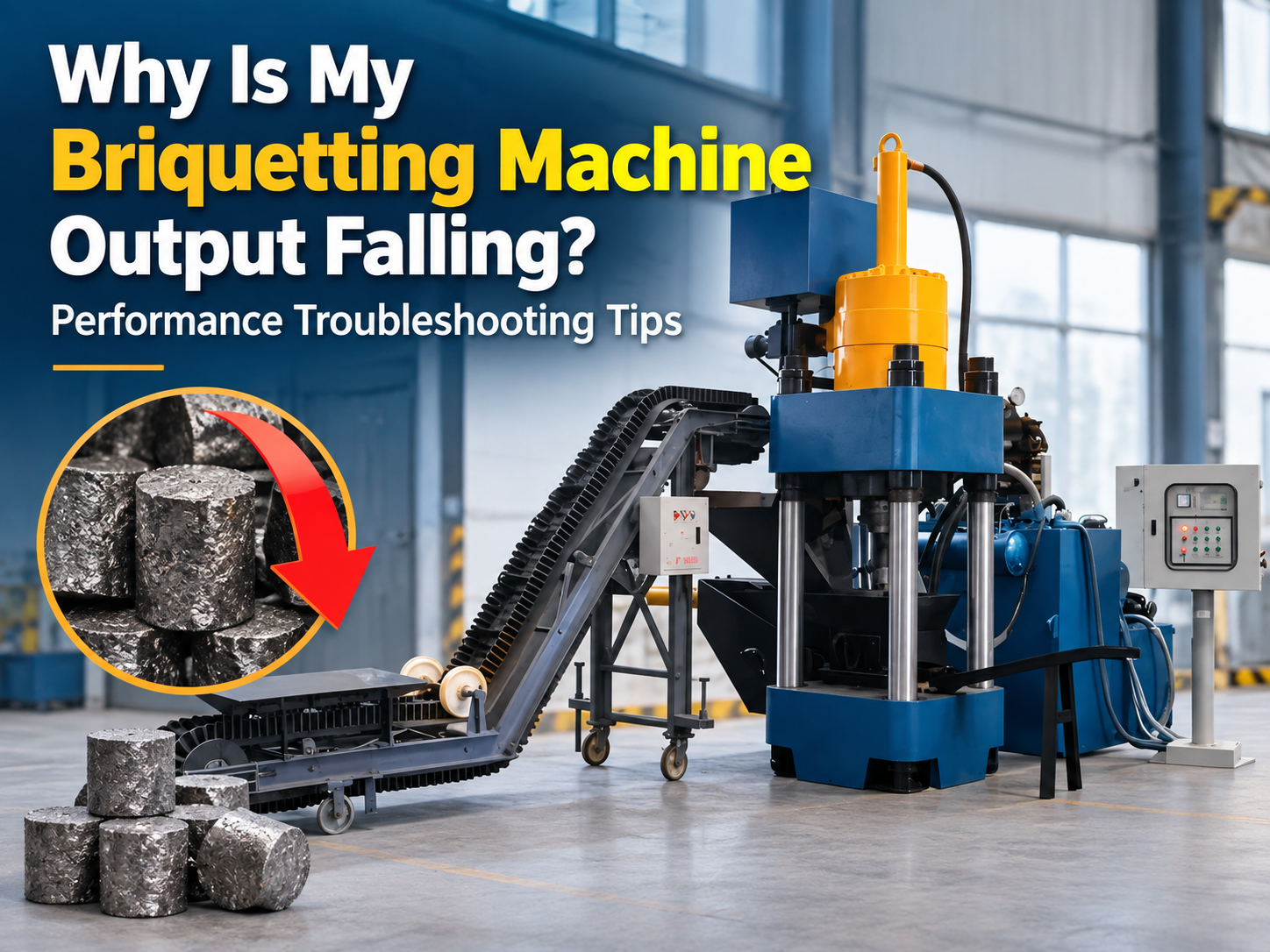
Introduction: Understanding Briquetting Machine Efficiency
In the high-stakes world of metal fabrication, efficiency is the lifeblood of profitability. When you ask, “Is my briquetting machine output falling? Performance troubleshooting tips are essential to getting your operations back on track.” A briquetting machine is a sophisticated piece of industrial equipment designed to compress metal chips, swarf, and turnings into dense, manageable pucks. When the throughput of these machines begins to decline, it is rarely due to a single catastrophic failure; rather, it is usually the result of gradual wear, improper material handling, or neglected maintenance schedules.
At HARSLE, we understand that downtime is not just an inconvenience—it is a direct hit to your bottom line. Whether you are processing aluminum, steel, or copper, the consistency of your briquette density and the speed of your cycle times are critical indicators of machine health. A drop in output can manifest as slower cycle times, lower density in the finished briquettes, or frequent system alarms that halt production entirely.
This comprehensive guide is designed to help plant managers and maintenance technicians diagnose the root causes of production drops. By systematically evaluating your hydraulic systems, material feed mechanisms, and wear components, you can identify the specific bottlenecks hindering your performance. We will explore the technical nuances of hydraulic briquetting presses and provide actionable advice to ensure your equipment operates at peak capacity.
Understanding the relationship between material characteristics and machine settings is the first step in troubleshooting. If your input material has changed—perhaps a shift in chip size or moisture content—your machine may be struggling to maintain its previous output levels. By the end of this article, you will have a clear roadmap for diagnosing performance issues and implementing long-term solutions to keep your HARSLE equipment running smoothly.
Key Considerations: Why Is My Briquetting Machine Output Falling? Performance Troubleshooting Tips
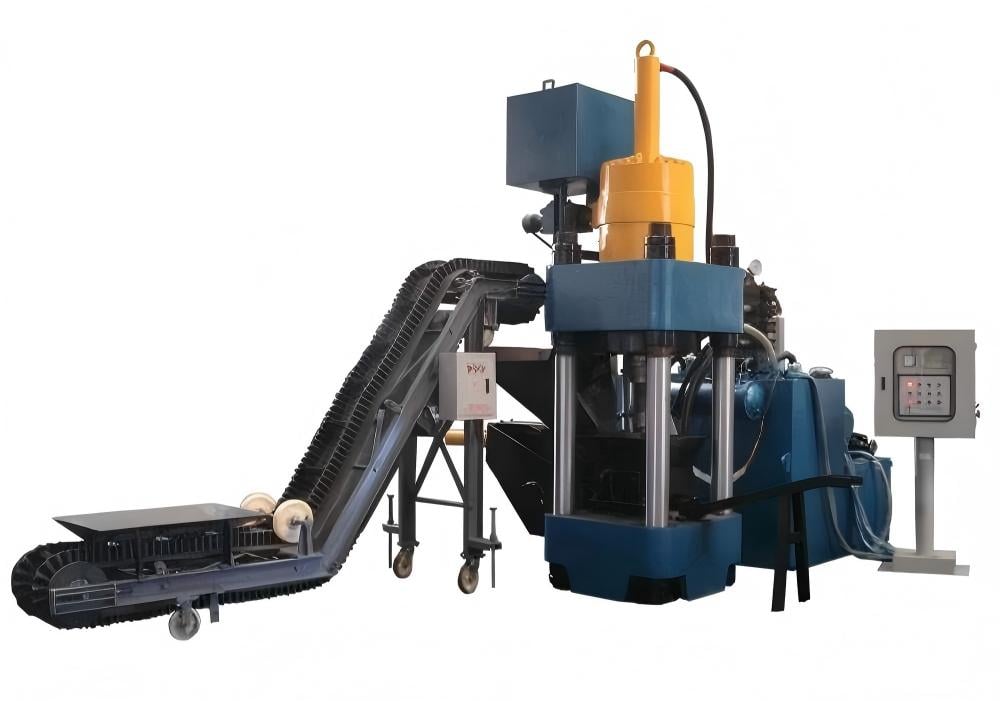
When you notice a decline in output, the first step is to perform a systematic audit of the machine’s environment and operational parameters. One of the most common culprits is the quality and consistency of the raw material. If your metal chips are too long or stringy, they can create “bridging” in the hopper, preventing a steady flow into the compression chamber. This inconsistent feeding directly results in lower cycle counts per hour.
Another critical factor is the hydraulic system’s health. Hydraulic oil viscosity, temperature, and pressure are the pillars of briquetting performance. If your oil has degraded or if the hydraulic pump is struggling to reach peak pressure, the compression force applied to the metal will be insufficient. This leads to “soft” briquettes that may fall apart, forcing the machine to work harder and longer to achieve the desired density, thereby reducing overall throughput.
Electrical and sensor issues also play a significant role in performance drops. Modern briquetting machines rely on a network of proximity sensors and limit switches to coordinate the movement of the feed ram and the main compression ram. If a sensor is misaligned or covered in metal dust, the PLC (Programmable Logic Controller) may experience delays in signal processing. These micro-delays, when multiplied over thousands of cycles, result in a significant drop in daily output.
Finally, consider the human element and operational settings. Have the machine parameters been adjusted recently? Sometimes, operators may tweak pressure settings to accommodate a specific material, but fail to reset them for standard production. Additionally, the lack of a rigorous preventative maintenance schedule often leads to the accumulation of fines and debris in critical areas, which increases friction and slows down mechanical components.
Technical Details: Deep Dive into Mechanical and Hydraulic Failures
To truly answer “Is my briquetting machine output falling? Performance troubleshooting tips must address the mechanical wear of the die and punch assembly. The compression chamber is the heart of the machine. Over time, the internal walls of the die can become scored or worn, increasing the friction between the metal being compressed and the die wall. This friction requires more force to overcome, slowing down the ejection process and potentially causing the machine to stall or cycle more slowly.
Hydraulic pressure fluctuations are another technical area that requires scrutiny. Check your pressure gauges during the compression stroke. If the pressure builds up too slowly, it could indicate a failing hydraulic pump or a leaking internal valve. Furthermore, the hydraulic oil cooler must be functioning correctly. If the oil temperature rises too high, the oil loses its viscosity, which can lead to internal leakage within the hydraulic cylinders, significantly reducing the force applied to the briquette.
The feed system, often overlooked, is a common source of output drops. If the auger or the pre-compression ram is worn, it will not push the material into the main chamber with the necessary force. This results in an under-filled chamber, which triggers the machine’s safety protocols or requires the main ram to travel further than necessary, wasting valuable seconds in every cycle. Inspect the auger flights for wear and ensure the drive motor is operating at the correct RPM.
Electrical components, specifically the solenoid valves, should be tested for response time. If a valve is sticking due to varnish buildup from old oil, the hydraulic fluid will not be directed to the cylinders as quickly as required. This creates a lag in the machine’s cycle. Regular cleaning of the hydraulic block and replacing seals in the solenoid valves can often restore the machine to its original factory-rated speed.
Selection Advice: Choosing the Right Equipment for Your Throughput Needs
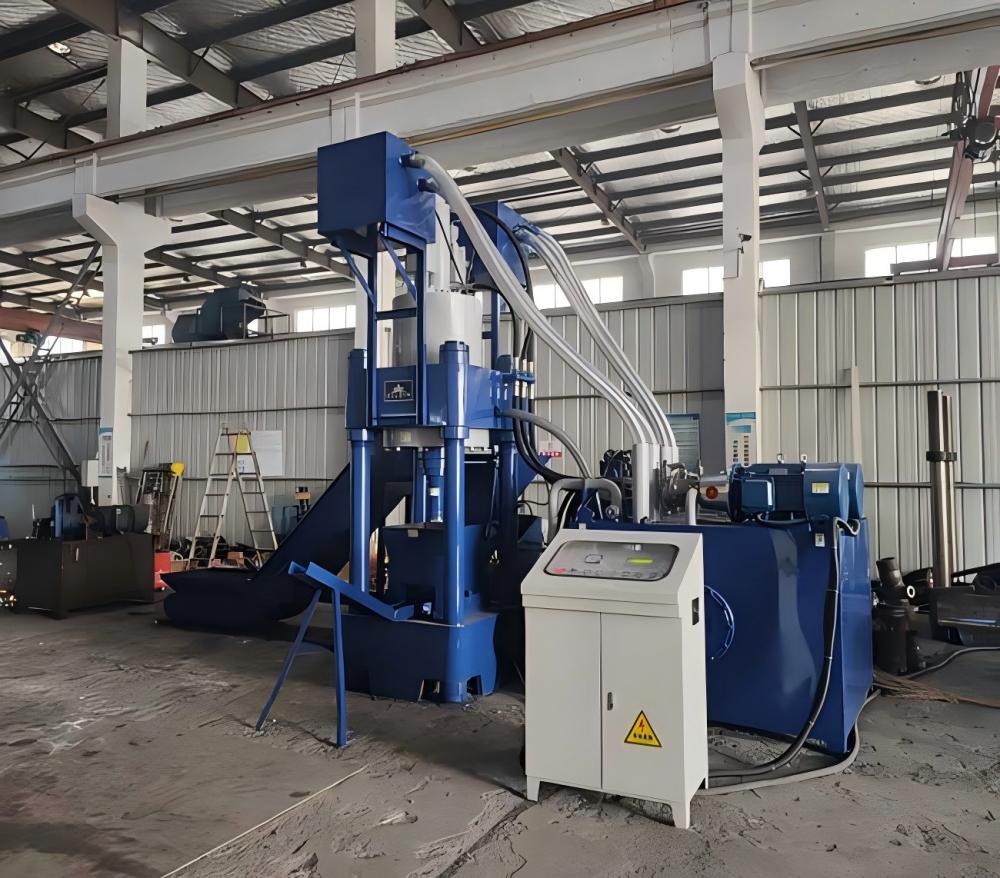
If you find that your current briquetting machine is consistently struggling to keep up with your production volume, it may be time to evaluate whether your equipment is sized correctly for your application. When selecting a briquetting machine, it is vital to match the machine’s capacity to the volume of scrap generated by your CNC machines or lathes. A machine that is constantly running at 100% capacity will experience faster wear and more frequent performance drops than one that is sized with a 20-30% buffer.
Consider the material type when selecting your next press. Aluminum, for instance, is easier to compress than hardened steel. If your facility has transitioned to processing tougher alloys, your existing machine may simply be underpowered for the task. HARSLE offers a range of briquetting presses with varying compression forces, and selecting the right tonnage is critical for maintaining long-term output stability.
Automation features should also be a priority. Modern briquetting systems can be integrated with chip conveyors and automatic feeding systems. By reducing the manual labor required to feed the machine, you ensure a constant, uniform flow of material, which is the best way to prevent the “bridging” issues that cause output drops. Investing in a system with advanced PLC diagnostics can also help you identify performance issues before they result in a total production halt.
Finally, look for manufacturers that provide robust after-sales support and readily available spare parts. A machine is only as good as the support behind it. When you choose HARSLE, you are investing in a partnership that includes technical training for your staff and access to high-quality replacement parts, ensuring that your machine remains a reliable asset for years to come.
FAQ: Common Questions Regarding Briquetting Machine Performance
- Q: How often should I change the hydraulic oil to maintain output?
A: Generally, hydraulic oil should be changed every 2,000 to 4,000 operating hours, depending on the environment. Always check the oil’s clarity and viscosity regularly. - Q: Why do my briquettes come out loose or crumbling?
A: This is usually due to insufficient compression pressure or a worn die. Check your pressure settings and inspect the die for internal wear. - Q: Can the type of chip affect my machine’s speed?
A: Absolutely. Long, stringy chips are harder to feed and can cause blockages. Using a chip shredder before the briquetting process can significantly improve throughput. - Q: What is the most common cause of a sudden drop in production?
A: A sudden drop is often caused by a sensor failure or a blockage in the feed hopper. Check your PLC logs for error codes first. - Q: Does ambient temperature affect my briquetting machine?
A: Yes, high ambient temperatures can cause hydraulic oil to overheat, leading to a loss of pressure and slower cycle times. Ensure your machine is in a well-ventilated area.
Conclusion: Maintaining Peak Performance
Addressing the question, “Is my briquetting machine output falling? Performance troubleshooting tips are the key to restoring your operational efficiency,” requires a proactive approach to maintenance and a deep understanding of your equipment. By monitoring your hydraulic health, keeping your feed systems clear, and ensuring your operators are trained on the nuances of material handling, you can mitigate most performance issues before they become critical.
Remember that a briquetting machine is a precision tool. Regular inspections, timely replacement of wear parts, and adherence to the manufacturer’s maintenance schedule are not optional—they are essential investments in your company’s productivity. When you prioritize the health of your HARSLE machinery, you are ensuring that your facility remains competitive, efficient, and capable of handling the demands of modern metal fabrication.
If you have exhausted these troubleshooting steps and are still experiencing performance issues, do not hesitate to contact the HARSLE technical support team. Our experts are ready to help you diagnose complex issues and provide the guidance needed to get your production back to full capacity. With the right care and the right equipment, your briquetting operation will continue to be a cornerstone of your recycling and waste management strategy.