Why This Scrap Yard Chose a Car Body Baler for Safer, Faster Car Body Compression

Introduction: The Evolution of Scrap Metal Processing
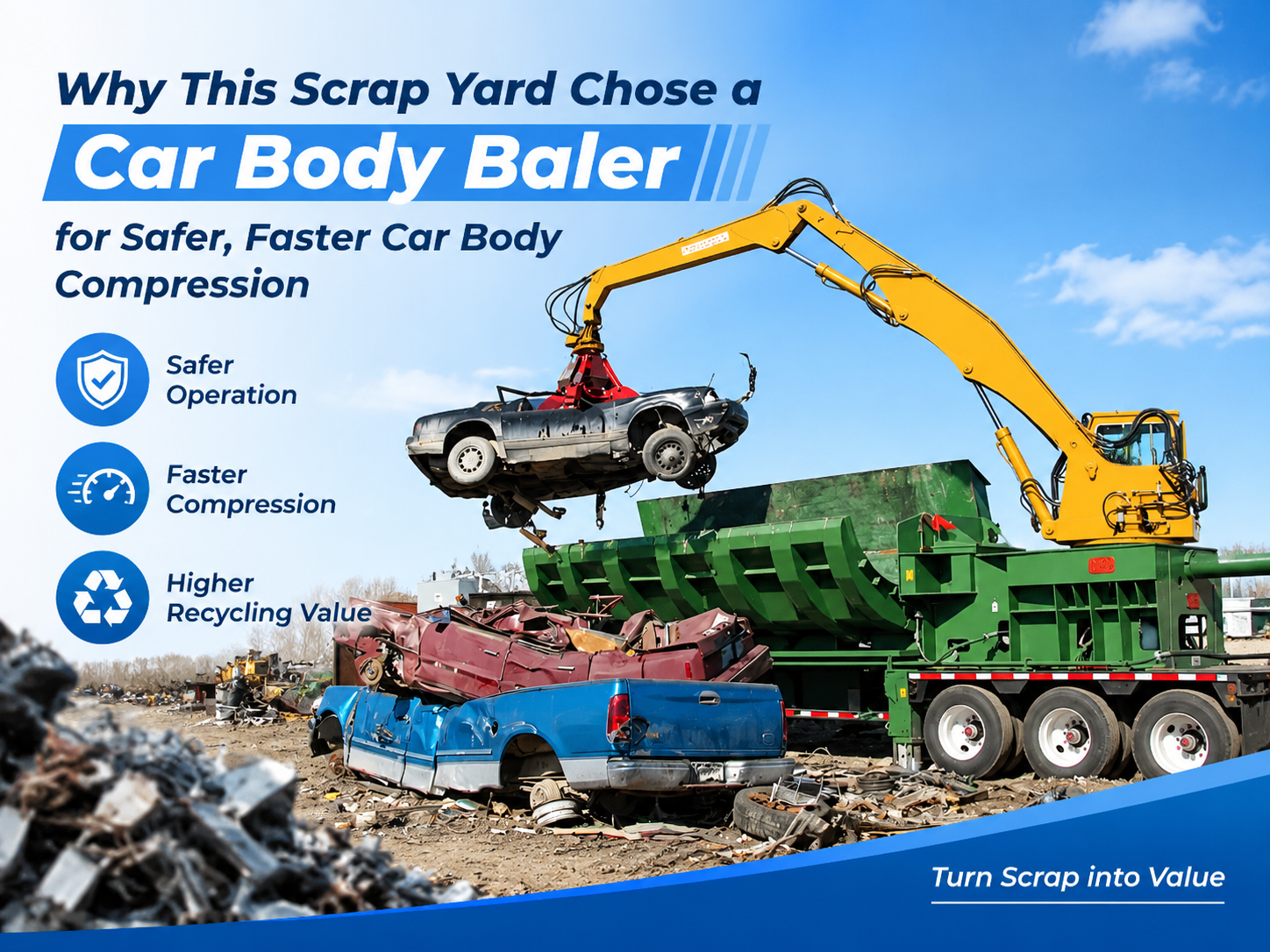
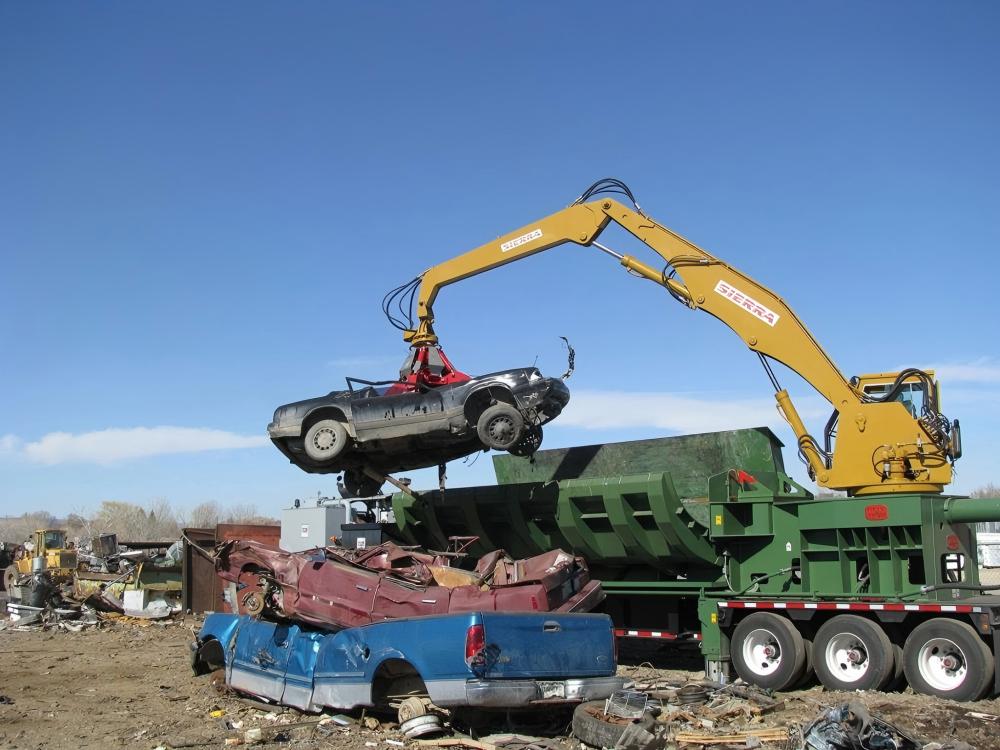
In the modern metal recycling industry, efficiency is no longer just a competitive advantage; it is a fundamental requirement for survival. As scrap yards face increasing volumes of end-of-life vehicles (ELVs), the traditional methods of manual cutting or inefficient shearing are becoming obsolete. This is where the integration of advanced industrial machinery, specifically the car body baler, has revolutionized the workflow. When we ask, “Why this scrap yard chose a car body baler for safer, faster car body compression,” we are looking at a shift toward automation, safety, and profitability.
HARSLE has been at the forefront of this transition, providing robust, high-performance hydraulic balers designed to handle the rigors of heavy-duty scrap processing. For many facility managers, the decision to invest in a dedicated car body baler is driven by the need to reduce logistics costs, minimize environmental impact, and protect workers from the hazards associated with manual vehicle dismantling. This article explores the technical and operational reasons behind this strategic equipment upgrade.
The transition from manual processing to automated baling represents a significant capital investment, but one that pays dividends in throughput and safety. By compressing entire vehicle bodies into dense, uniform bales, scrap yards can maximize their shipping capacity, significantly lowering the cost per ton for transportation to steel mills. This case study approach highlights the tangible benefits that HARSLE machinery brings to the table.
Furthermore, the regulatory landscape for scrap yards is becoming increasingly stringent. Environmental agencies now demand cleaner, more efficient processing methods that prevent fluid leakage and soil contamination. A car body baler is not just a tool for volume reduction; it is a critical component of a modern, compliant, and sustainable scrap metal facility. In the following sections, we will delve into the specific considerations that lead scrap yard owners to choose HARSLE solutions.
Key Considerations for Scrap Yard Modernization
When a scrap yard evaluates its operational bottlenecks, the primary concern is often the sheer volume of space occupied by unprocessed vehicle hulks. Unprocessed cars are essentially “shipping air,” which makes transportation costs prohibitive. Choosing a car body baler allows the facility to transform these bulky items into compact, stackable blocks. This density is the key to unlocking higher profit margins in the recycling supply chain.
Safety is the second, and perhaps most critical, consideration. Manual cutting with torches or shears exposes workers to fire hazards, sharp edges, and the risk of falling debris. By utilizing a fully automated or semi-automated car body baler, the operator remains safely behind a control panel, away from the compression zone. This separation of human and machine is a cornerstone of modern industrial safety protocols.
Operational speed is another factor that cannot be overlooked. A HARSLE car body baler can process a vehicle in a fraction of the time it takes for manual dismantling. This increased throughput allows the scrap yard to accept more inventory, process it faster, and turn over their capital more frequently. The ability to clear the yard quickly also improves site organization and reduces the risk of accidents caused by cluttered workspaces.
Finally, the quality of the output is a major factor for downstream buyers. Steel mills and smelters prefer high-density, clean bales that are free of non-metallic contaminants. A high-quality baler ensures that the resulting bale is uniform in size and density, which makes it easier to handle, store, and transport. This consistency builds trust with buyers and often leads to better pricing for the scrap yard.
Technical Details: Why HARSLE Stands Out
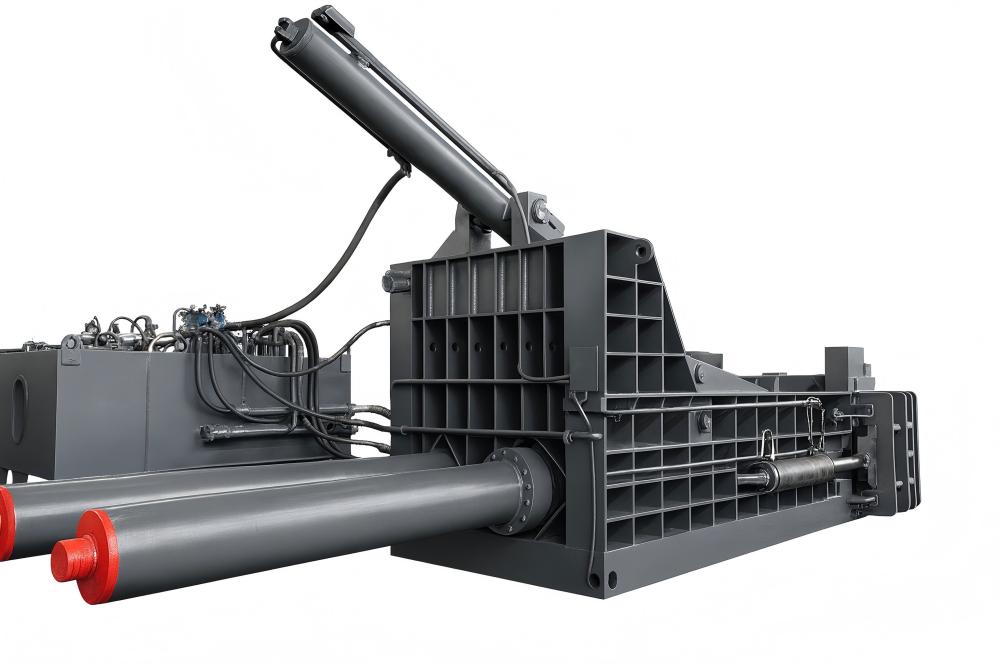
HARSLE car body balers are engineered with high-strength steel structures capable of withstanding the immense pressures required to compress a vehicle. The hydraulic systems are designed for longevity, featuring high-capacity pumps and precision-engineered cylinders that ensure consistent performance even under continuous operation. The integration of PLC (Programmable Logic Controller) systems allows for precise control over the baling cycle, ensuring that every bale meets the required specifications.
The compression mechanism in a HARSLE baler utilizes a multi-stage hydraulic process. First, the side wings fold the vehicle body, followed by the main ram that compresses the material into a dense block. This multi-directional pressure ensures that the bale is structurally sound and maintains its shape during transport. The design also incorporates features to handle the varying thicknesses of automotive steel, from the chassis to the thinner body panels.
Maintenance is a critical aspect of industrial machinery, and HARSLE has focused on accessibility. The hydraulic components are positioned for easy inspection and service, reducing downtime. Furthermore, the use of wear-resistant liners in the compression chamber significantly extends the life of the machine, even when processing abrasive materials. These technical features are why this scrap yard chose a car body baler for safer, faster car body compression.
Energy efficiency is another hallmark of modern HARSLE balers. By optimizing the hydraulic flow and using energy-efficient motors, these machines reduce the overall power consumption per bale. This not only lowers operational costs but also aligns with the sustainability goals of modern recycling facilities. The combination of power, precision, and efficiency makes HARSLE a preferred partner for scrap yards worldwide.
Selection Advice: Choosing the Right Baler for Your Facility
Selecting the right car body baler requires a thorough assessment of your current and projected throughput. A small, family-run scrap yard may have different requirements than a large-scale industrial processing center. Factors such as the number of vehicles processed per day, the available space for the machine, and the power supply infrastructure must be carefully evaluated before making a purchase.
Consider the dimensions of the compression chamber. If your facility frequently processes larger vehicles, such as SUVs or light trucks, you need a baler with a chamber large enough to accommodate these without excessive pre-cutting. HARSLE offers a range of sizes, and our technical team works closely with clients to ensure the machine footprint fits perfectly within their existing yard layout.
The level of automation is another key decision point. While fully automated systems offer the highest throughput, they require a higher initial investment. Semi-automated systems provide a balance of cost and performance, making them an excellent choice for growing businesses. We recommend discussing your specific operational goals with a HARSLE consultant to determine the most cost-effective configuration for your needs.
Finally, look at the support and service network. A baler is a long-term asset, and you need a manufacturer that provides comprehensive after-sales support, including spare parts availability and technical training for your operators. HARSLE prides itself on its global support network, ensuring that your machinery remains operational and productive for years to come.
Domande frequenti (FAQ)
- Q: How long does it take to compress a car body with a HARSLE baler?
A: Depending on the model and the type of vehicle, a complete cycle typically takes between 3 to 5 minutes, significantly faster than manual methods. - Q: What kind of maintenance is required for a car body baler?
A: Regular maintenance includes checking hydraulic fluid levels, inspecting hoses for leaks, lubricating moving parts, and cleaning the compression chamber. HARSLE provides a detailed maintenance schedule with every machine. - Q: Can these balers handle other types of scrap metal?
A: Yes, while designed for car bodies, these balers are versatile enough to process various types of light-gauge scrap metal, white goods, and industrial waste. - Q: Is special training required to operate the machine?
A: Yes, operators should be trained on the specific controls and safety protocols of the baler. HARSLE offers training resources to ensure your team operates the equipment safely and efficiently. - Q: How does a car body baler improve safety?
A: It removes the need for manual cutting, keeps operators away from the compression zone, and reduces the risk of fires or injuries associated with traditional scrap processing.
Conclusion: Investing in the Future of Recycling
The decision to upgrade to a car body baler is a transformative step for any scrap yard. As we have explored, the reasons why this scrap yard chose a car body baler for safer, faster car body compression are rooted in the fundamental needs of the industry: increased efficiency, enhanced safety, and improved profitability. By choosing HARSLE, facilities gain access to world-class engineering and a commitment to long-term operational success.
In an industry that is constantly evolving, staying ahead of the curve is essential. Whether you are looking to reduce your logistics costs, improve your site safety, or increase your daily processing capacity, a HARSLE car body baler provides the reliability and performance you need. We invite you to contact our team to discuss how our solutions can be tailored to your specific scrap yard requirements and help you achieve your business goals.
The future of metal recycling is automated, safe, and efficient. By investing in the right equipment today, you are positioning your scrap yard for sustained growth and success in the years to come. Let HARSLE be your partner in this journey toward a more productive and profitable recycling operation.