
How a Hammer Shredder Improved Scrap Metal Recovery in a High-Volume Recycling Plant

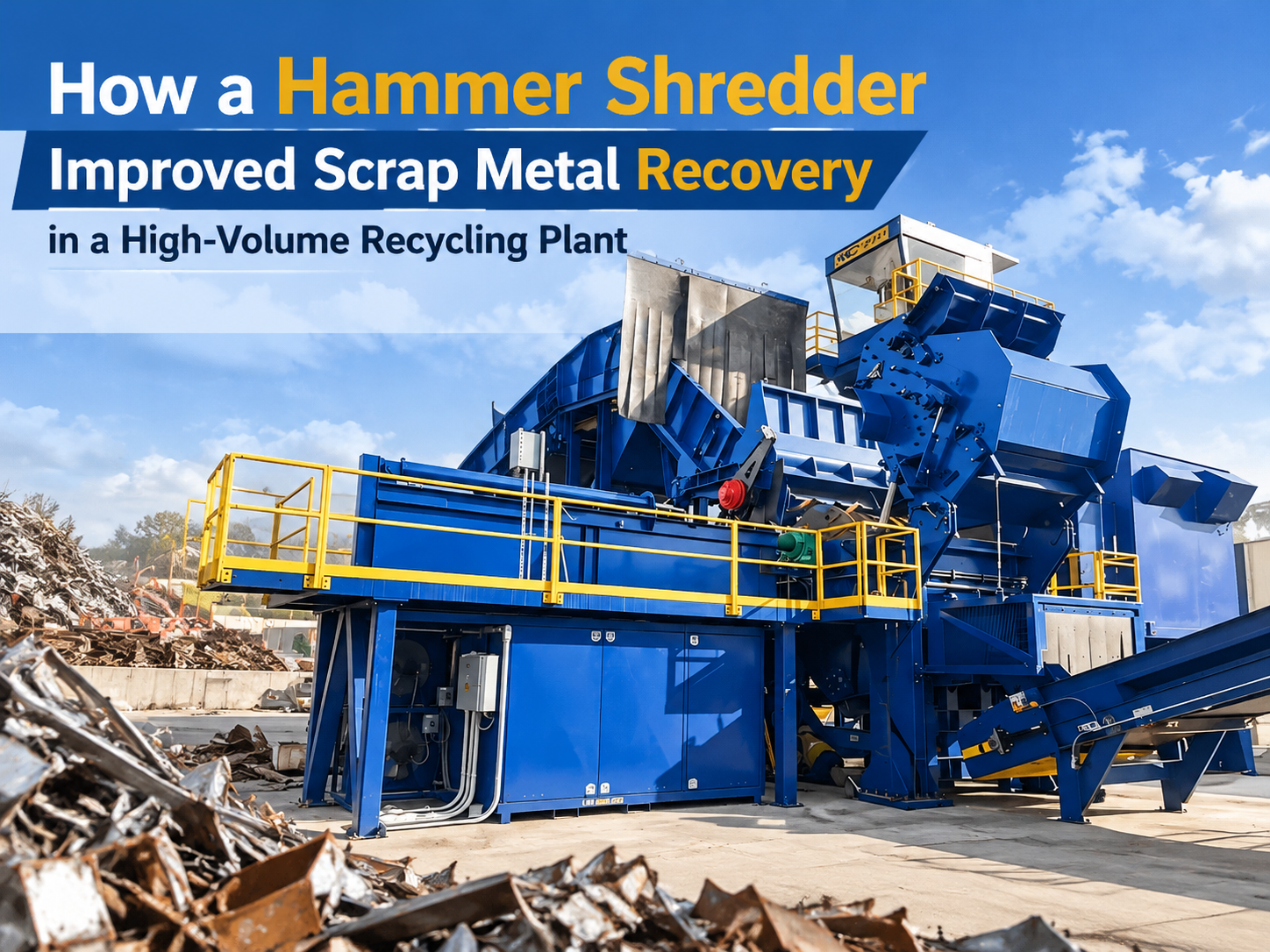
Introduction: The Evolution of Scrap Metal Processing
In the modern industrial landscape, the efficiency of a recycling facility is measured by its throughput and the purity of its output. For high-volume recycling plants, the challenge lies in transforming bulky, heterogeneous scrap metal into high-density, clean commodities. This is where the integration of advanced technology becomes critical. Specifically, how a hammer shredder improved scrap metal recovery in a high-volume recycling plant has become a benchmark for operational success in the metal fabrication equipment sector.
HARSLE has observed that as global demand for recycled steel and non-ferrous metals rises, facilities must move away from manual sorting and low-capacity shearing. The hammer shredder represents a leap forward, utilizing high-speed kinetic energy to break down complex assemblies into manageable, uniform fragments. This process not only increases the volume of material processed per hour but also significantly enhances the downstream separation of contaminants.
This article explores the technical mechanics, the operational benefits, and the strategic advantages of implementing a hammer shredder. By analyzing a real-world case study, we demonstrate how this machinery serves as the backbone of modern circular economy initiatives. Whether you are upgrading an existing line or designing a new facility, understanding the role of the hammer shredder is essential for maximizing your return on investment.
As we delve into the specifics, we will examine how the reduction of material size directly correlates to higher market prices for scrap. When metal is shredded to a uniform size, it allows for more effective magnetic separation and eddy current sorting, ensuring that your plant delivers the highest quality product to smelters and foundries. Let us explore the transformative power of this industrial workhorse.
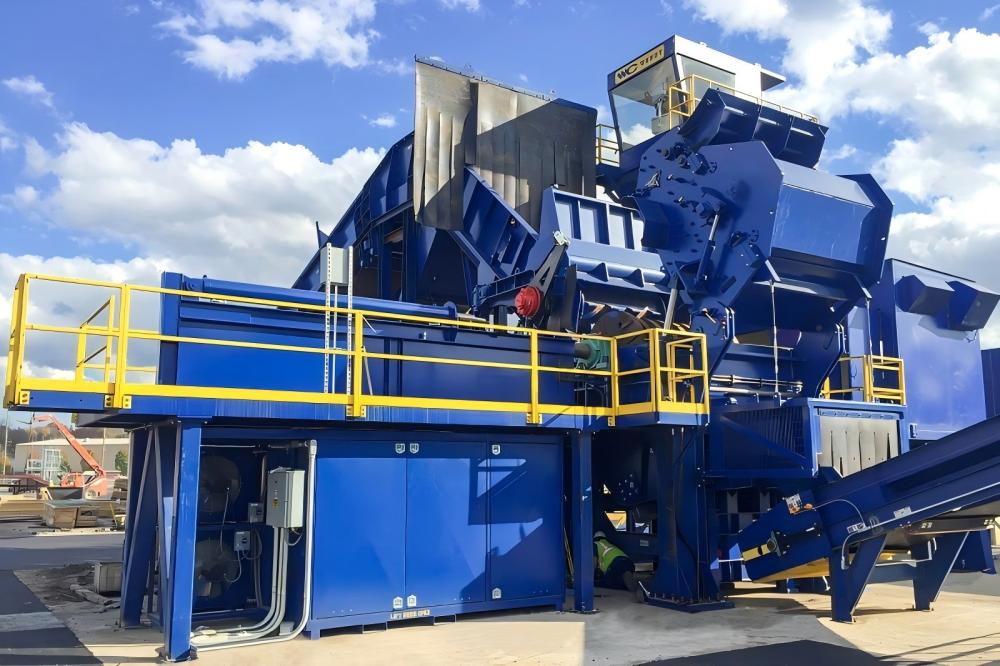
Key Considerations for High-Volume Recycling
Before investing in heavy-duty shredding equipment, plant managers must evaluate several operational variables. The primary consideration is the feed material composition. A high-volume plant often deals with a mix of light-gauge sheet metal, automotive bodies, and industrial offcuts. The shredder must be robust enough to handle these variations without constant downtime for maintenance or clearing jams.
Throughput requirements are another critical factor. A hammer shredder is designed for continuous operation, but its efficiency is tied to the motor power and the rotor design. In a high-volume environment, the goal is to minimize the “residence time” of the material within the shredding chamber. This requires a balance between the hammer weight, the rotor speed, and the screen size, which dictates the final output dimensions.
Environmental and safety regulations also play a significant role. Modern recycling plants must manage dust, noise, and vibration. A well-engineered hammer shredder includes integrated dust suppression systems and sound-dampening enclosures. These features not only protect the workforce but also ensure compliance with local environmental standards, which is vital for the long-term viability of any industrial operation.
Finally, the integration of the shredder into the existing material handling system is paramount. The shredder should not be an isolated unit; it must be part of a cohesive flow that includes pre-sorting conveyors, magnetic separators, and output storage systems. By considering the entire plant layout, managers can ensure that the hammer shredder acts as a catalyst for efficiency rather than a bottleneck.
Technical Details: The Mechanics of Shredding
The core of the hammer shredder lies in its rotor assembly, which is equipped with a series of heavy-duty, swinging hammers. As the rotor spins at high velocity, these hammers strike the incoming scrap metal, shattering it against the anvil and the grate bars. This impact-based reduction is far more effective than shearing for brittle or complex materials, as it helps to liberate different metal types from one another.
The grate bars at the bottom of the shredding chamber act as a sizing mechanism. Material remains in the chamber until it is small enough to pass through the openings. This ensures a consistent output size, which is crucial for downstream processing. HARSLE-recommended shredders often feature adjustable grate configurations, allowing operators to switch between different output sizes depending on the specific requirements of the end-user or the commodity market.
Motor power is the engine of the shredder. For high-volume plants, high-torque, energy-efficient motors are essential. These motors must be capable of handling sudden load spikes that occur when particularly dense or oversized pieces of metal enter the chamber. Advanced control systems now allow for real-time monitoring of motor load, automatically adjusting the feed rate to prevent stalls and optimize energy consumption.
Maintenance of the hammers is a technical detail that cannot be overlooked. Because the hammers are the primary point of contact, they are subject to significant wear. Modern shredders utilize replaceable, high-manganese steel hammer tips that can be easily swapped out. This modular design minimizes downtime and ensures that the shredder maintains peak performance throughout its operational life.
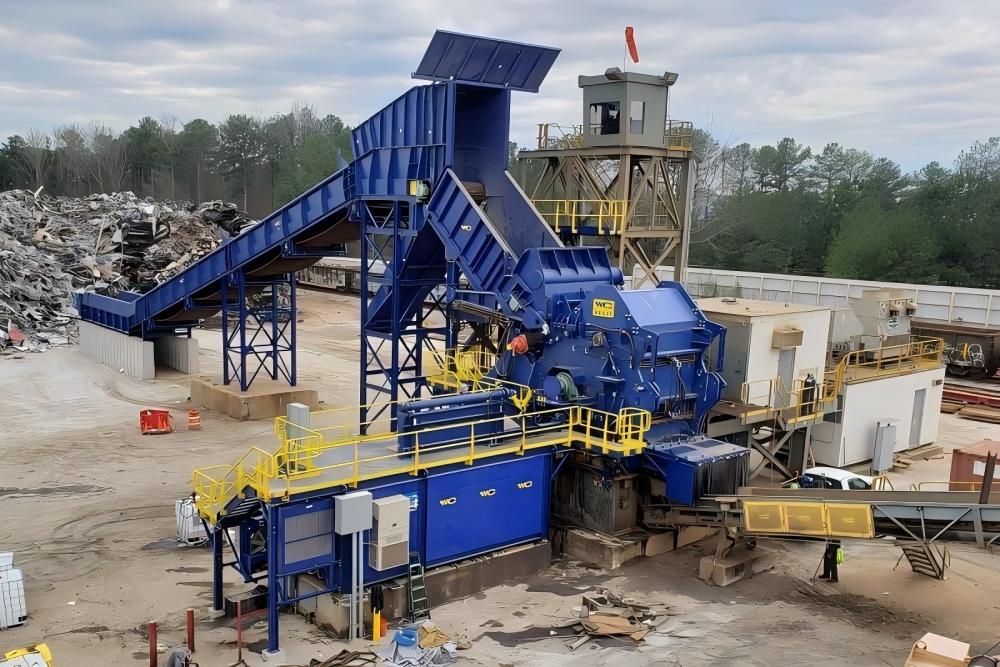
Case Study: How A Hammer Shredder Improved Scrap Metal Recovery In A High-Volume Recycling Plant
In a recent project, a mid-sized recycling facility faced a plateau in their recovery rates. They were processing approximately 500 tons of mixed scrap per month but were losing significant value due to poor separation of ferrous and non-ferrous materials. The manual sorting process was slow, and the output was inconsistent, leading to lower-than-average market prices for their scrap.
The facility decided to implement a high-capacity hammer shredder as the primary processing unit. Within the first three months, the plant saw a 40% increase in throughput. By shredding the material to a uniform 50mm size, the facility was able to utilize high-intensity magnetic separators more effectively. The shredder effectively “liberated” the steel from the non-ferrous contaminants, allowing for a much cleaner ferrous stream.
Furthermore, the recovery of non-ferrous metals like aluminum and copper improved significantly. Because the hammer shredder broke down the complex assemblies, the downstream eddy current separators could identify and eject non-ferrous pieces that were previously trapped inside larger scrap items. This resulted in a higher purity level for all recovered commodities, which directly translated to a 25% increase in revenue per ton.
The operational impact was equally impressive. The plant reduced its reliance on manual labor for sorting, reallocating those workers to quality control and logistics. The consistency of the shredded output also allowed the plant to secure long-term contracts with premium smelters, as they could now guarantee the chemical and physical specifications of their product. This case study perfectly illustrates how a hammer shredder improved scrap metal recovery in a high-volume recycling plant.
Selection Advice: Choosing the Right Equipment
When selecting a hammer shredder, the first step is to conduct a thorough audit of your current and projected waste stream. Are you processing mostly light-gauge steel, or do you have a significant amount of heavy industrial scrap? The thickness and density of your material will dictate the required hammer weight and the structural integrity of the shredder housing.
Consider the power source and energy efficiency. While diesel-powered shredders offer mobility, electric-powered units are generally more cost-effective and easier to maintain in a stationary, high-volume plant. Look for machines with variable frequency drives (VFDs), which allow for precise control over rotor speed, helping to save energy during periods of lower throughput.
After-sales support is a critical, yet often overlooked, selection criterion. A hammer shredder is a significant investment, and you need a partner who provides readily available spare parts, such as hammers, grates, and liners. HARSLE emphasizes the importance of choosing a manufacturer that offers comprehensive training for your maintenance team, as proper daily care is the best way to extend the life of the machine.
Finally, evaluate the safety features. Look for systems that include automatic fire suppression, vibration sensors, and emergency stop protocols. A high-volume plant is a high-risk environment; therefore, the machinery you choose must prioritize the safety of the operators. Investing in a machine with advanced diagnostic capabilities will also allow you to predict maintenance needs before a failure occurs, saving you thousands in potential downtime costs.
FAQ: Common Questions About Hammer Shredders
What is the primary benefit of using a hammer shredder over a shear?
While shears are excellent for cutting long, heavy beams, hammer shredders are superior for volume reduction and material liberation. The impact force of the hammers breaks apart complex assemblies, which is essential for separating different metals and increasing the purity of the final product.
How often should the hammers be replaced?
The lifespan of the hammers depends on the abrasiveness and hardness of the material being processed. In a high-volume plant, a regular inspection schedule is recommended. Most operators find that rotating or replacing hammer tips every 500 to 1,000 hours of operation is standard, though this varies based on the specific scrap composition.
Can a hammer shredder handle non-metallic contaminants?
Hammer shredders are designed to process metal, but they can handle incidental non-metallic materials like plastic or rubber. However, it is best to pre-sort as much as possible to prevent excessive wear on the hammers and to ensure the purity of the final metal output.
How does a hammer shredder affect the market value of scrap?
By producing a uniform, high-density product, you make your scrap more attractive to smelters. Clean, shredded scrap is easier to melt and has a predictable chemical composition, which allows you to command a premium price compared to unsorted, bulky scrap.
Conclusion: Investing in the Future of Recycling
The transition to high-volume, automated recycling is no longer a luxury; it is a necessity for survival in the competitive scrap metal industry. As demonstrated by the case study of how a hammer shredder improved scrap metal recovery in a high-volume recycling plant, the right equipment can turn a struggling facility into a highly profitable operation. By focusing on material liberation, consistent output, and operational efficiency, the hammer shredder serves as the cornerstone of modern metal recovery.
HARSLE remains committed to providing the industrial machinery necessary to drive these advancements. Whether you are looking to increase your throughput, improve your commodity purity, or reduce your operational costs, the implementation of a high-performance hammer shredder is a strategic move that pays dividends. We encourage plant managers to evaluate their current processes and consider how this technology can elevate their recycling capabilities.
As the industry continues to evolve, the focus will remain on sustainability and resource efficiency. Hammer shredders are at the heart of this shift, enabling the circular economy by ensuring that metal is recovered, processed, and returned to the manufacturing cycle with minimal loss. By investing in quality machinery today, you are securing the future of your recycling business and contributing to a more sustainable industrial world.












