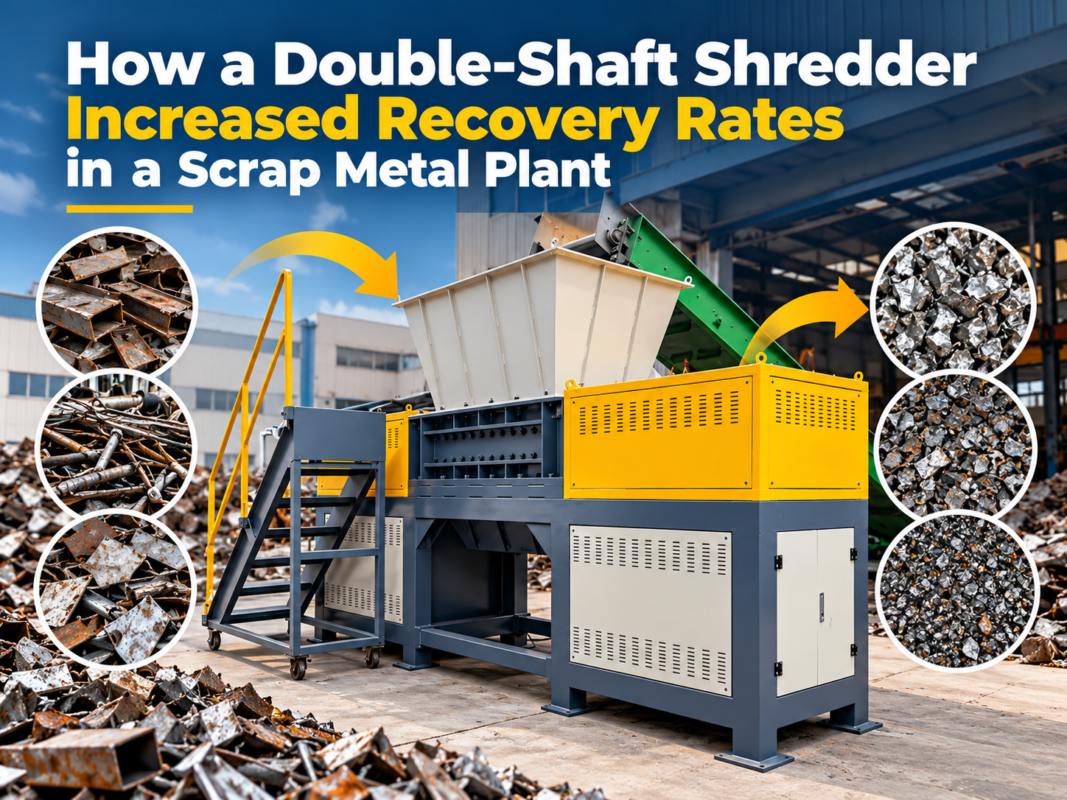
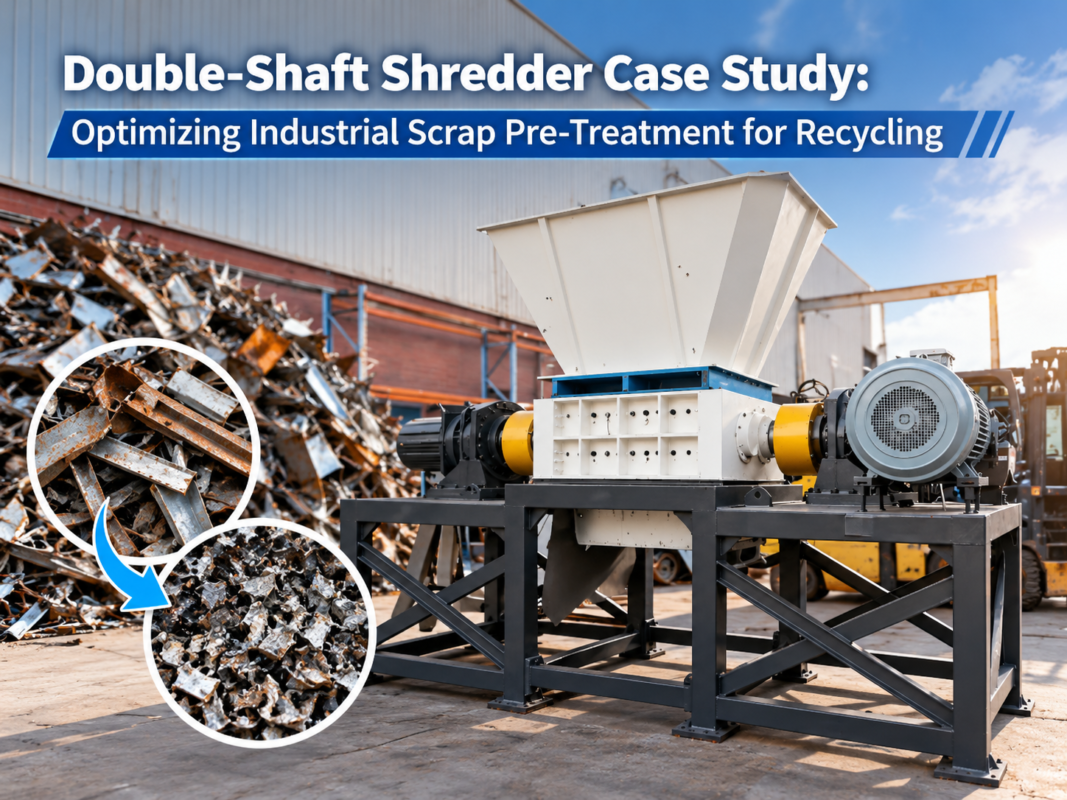
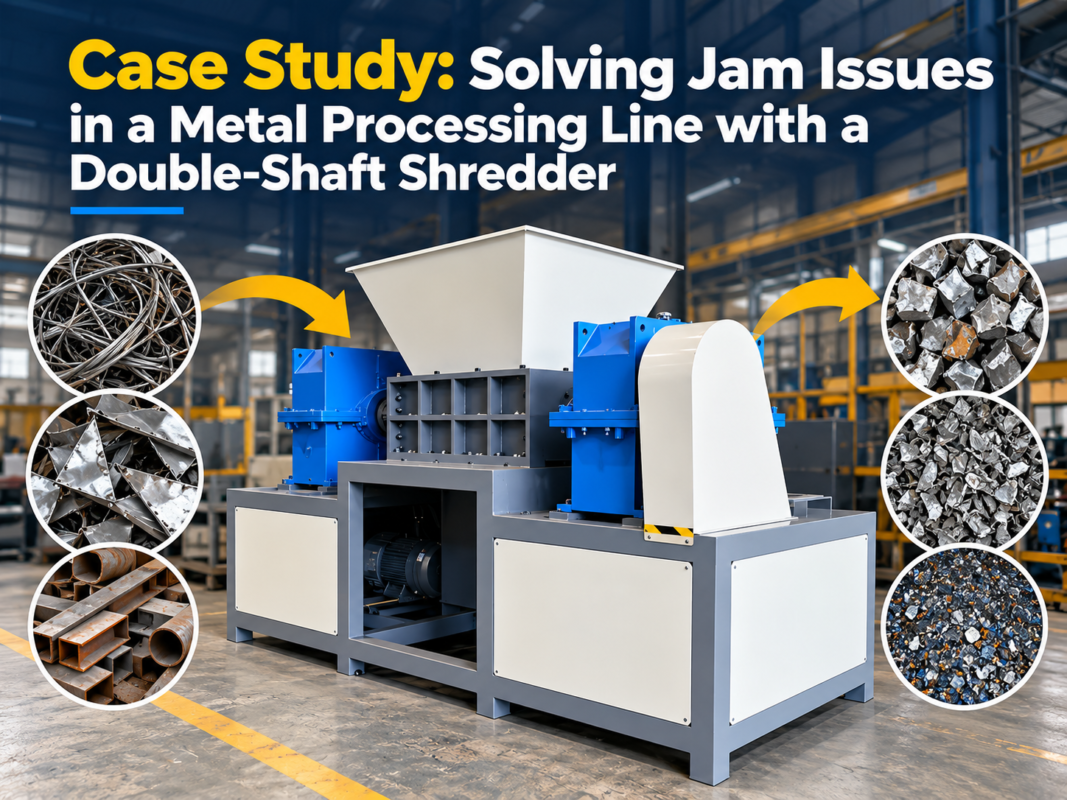
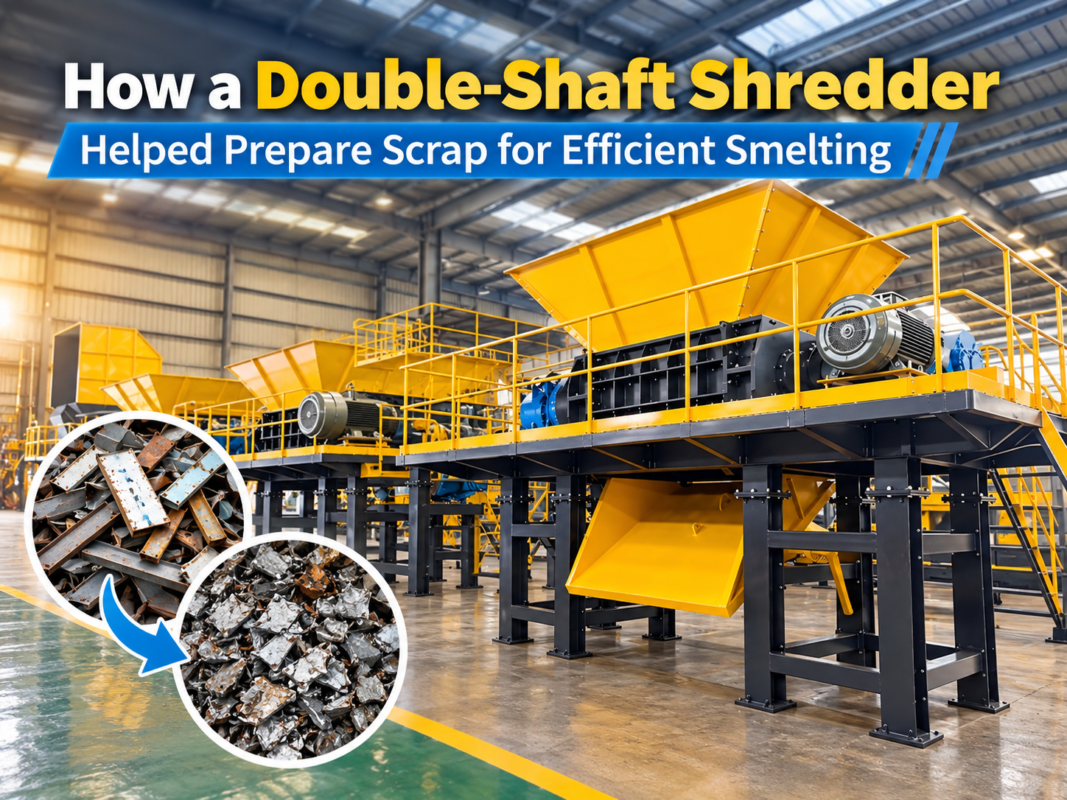
How a Double-Shaft Shredder Improved Scrap Metal Processing Efficiency in a Fabrication Plant

Introduction
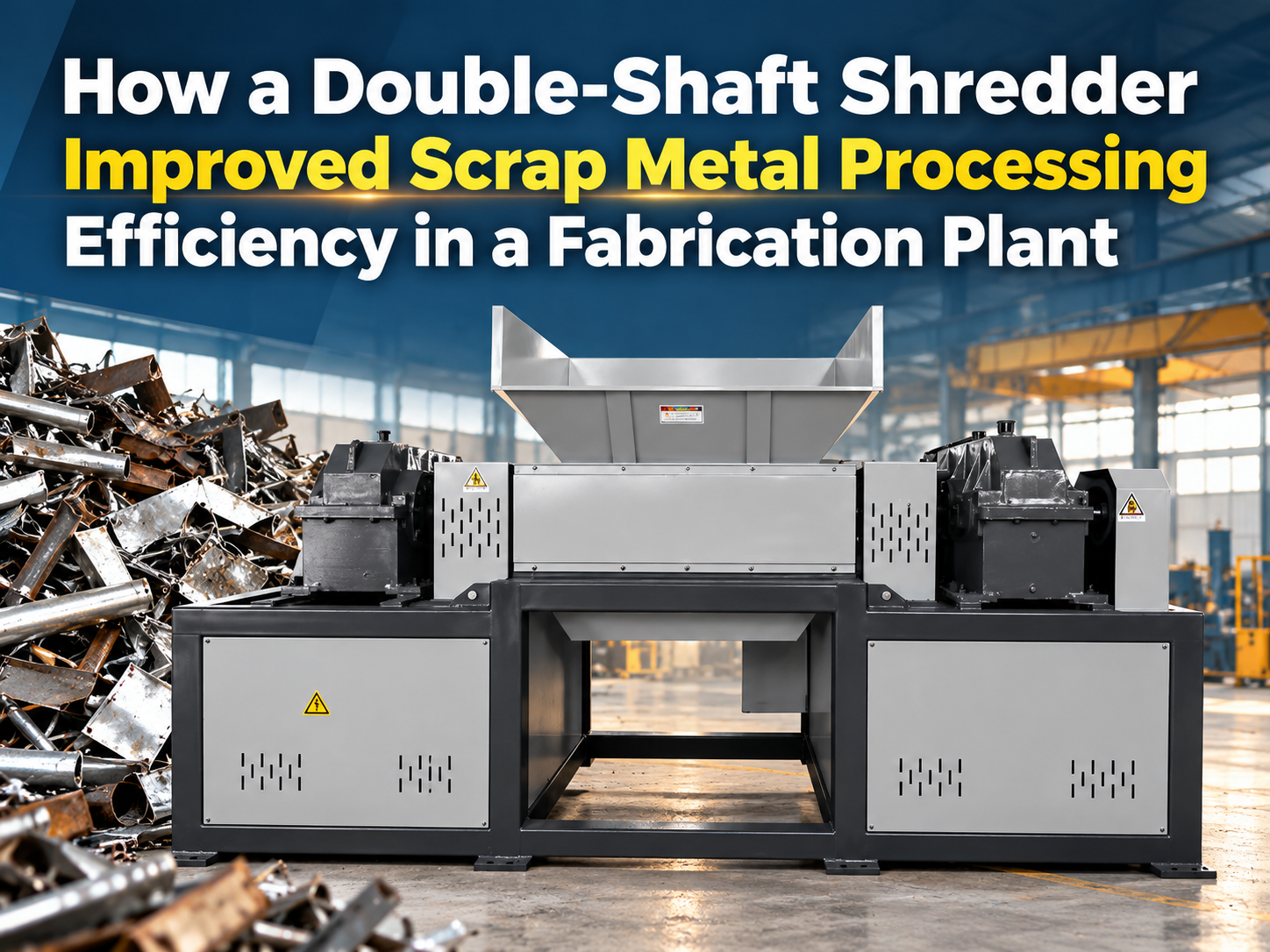
In the modern metal fabrication landscape, the management of scrap metal is no longer just a byproduct of production—it is a critical operational component that dictates profitability and environmental compliance. For many facilities, the accumulation of bulky, irregular scrap metal creates logistical bottlenecks, increases transport costs, and complicates recycling efforts. This is where the integration of advanced machinery becomes a game-changer. Specifically, how a double-shaft shredder improved scrap metal processing efficiency in a fabrication plant serves as a blueprint for modern industrial optimization.
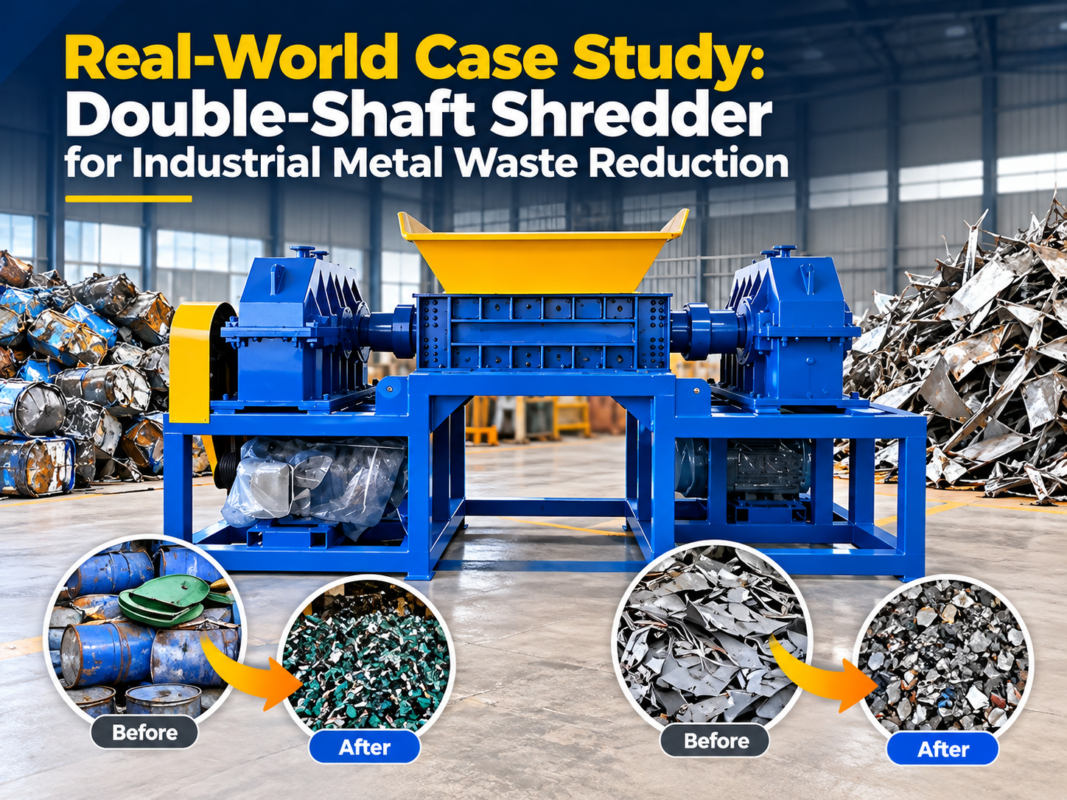
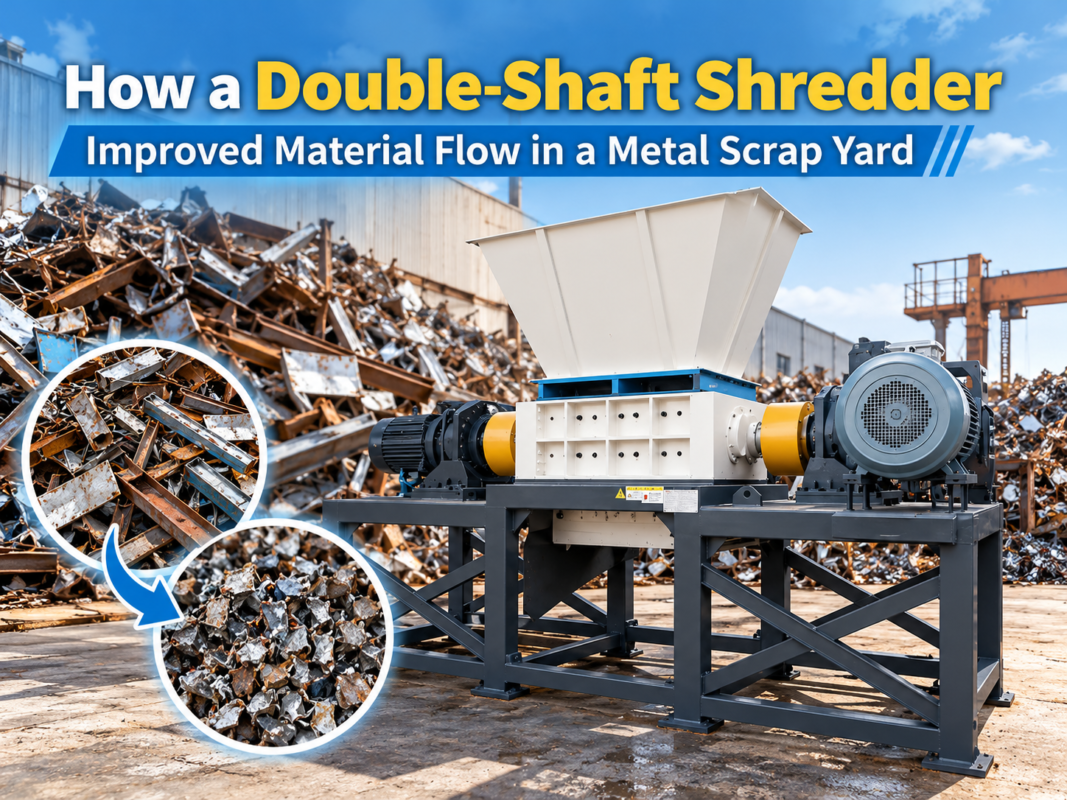
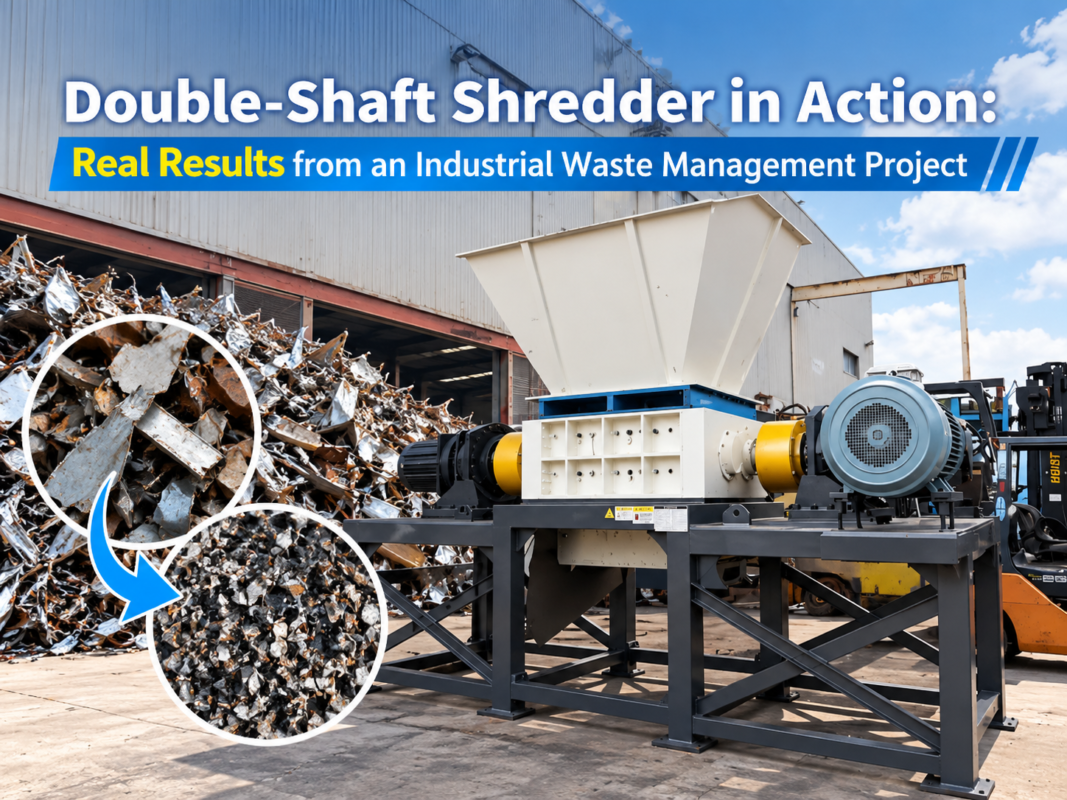
HARSLE has observed that fabrication plants often struggle with the sheer volume of waste generated by laser cutting, punching, and shearing processes. When scrap is left in its raw, bulky form, it occupies valuable floor space and requires frequent, costly pickups. By implementing a high-torque double-shaft shredder, plants can transform this waste into uniform, high-density material that is easier to store, transport, and sell to recycling facilities at a premium price.
This article explores the technical and operational shifts that occur when a facility transitions from manual scrap handling to automated shredding. We will examine the mechanical advantages of double-shaft technology, the economic impact on bottom-line profitability, and the strategic considerations for plant managers looking to modernize their waste management workflows.
As we delve into the specifics of how a double-shaft shredder improved scrap metal processing efficiency in a fabrication plant, it becomes clear that the investment is not merely in a machine, but in a more streamlined, sustainable, and profitable production cycle. From reducing labor hours to enhancing safety protocols, the benefits are multifaceted and immediate.
Key Considerations for Scrap Metal Management
Before integrating a shredder, plant managers must evaluate their current waste stream. The volume, material type, and physical dimensions of the scrap dictate the necessary power and torque requirements. A fabrication plant processing thin-gauge stainless steel will have vastly different requirements than one handling heavy-duty structural steel beams or thick aluminum plates. Understanding these variables is essential for selecting the right equipment.
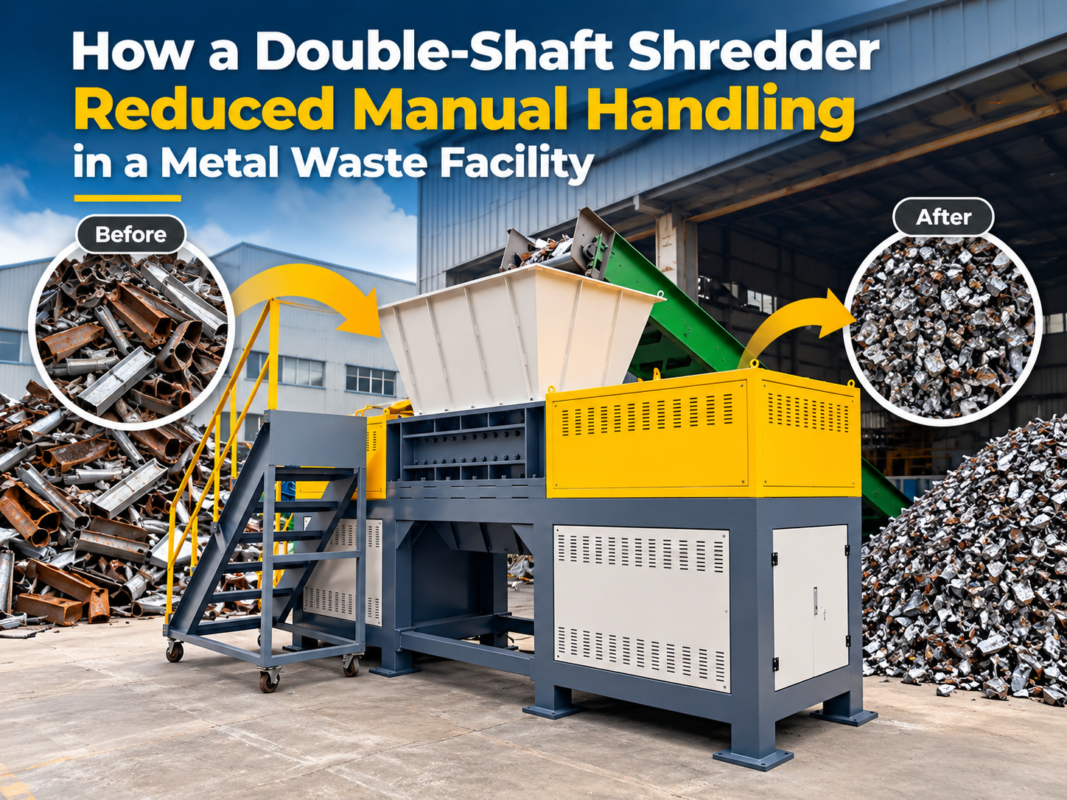
Space optimization is another critical consideration. In a busy fabrication environment, every square foot of floor space is dedicated to production. A double-shaft shredder must be positioned to minimize material handling while ensuring that the flow of scrap from the production line to the shredder is seamless. HARSLE recommends conducting a workflow audit to identify the most efficient placement, often integrating conveyor systems to automate the feeding process.
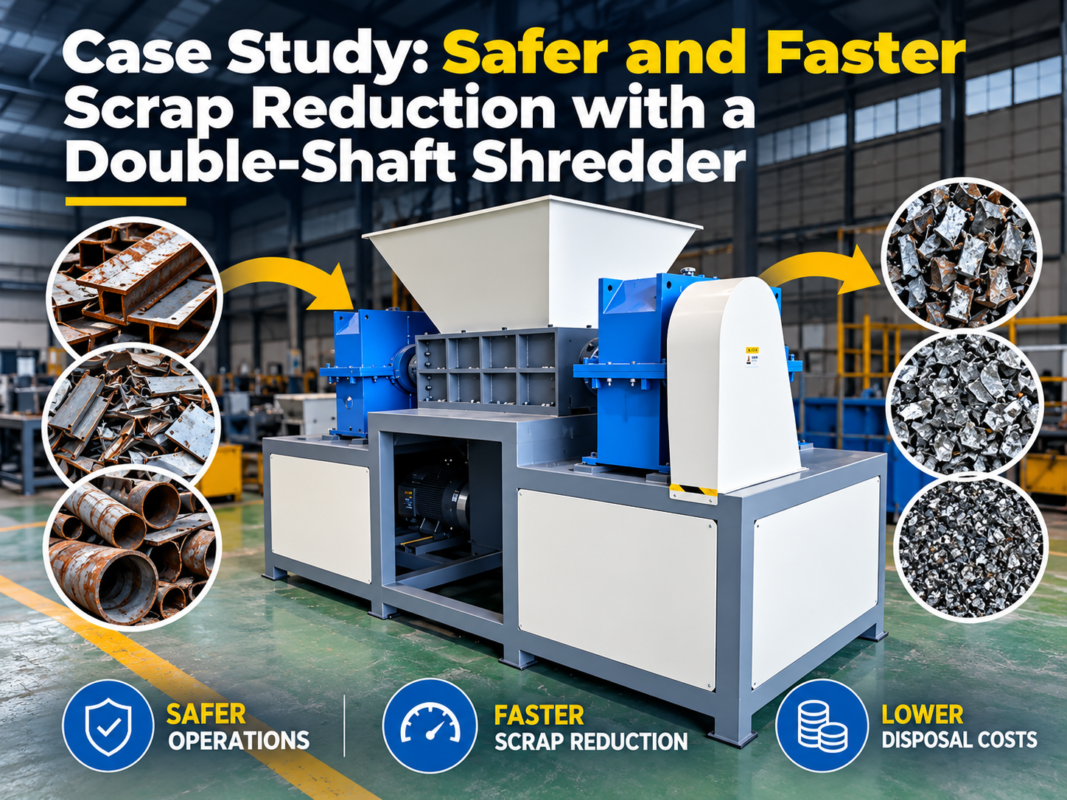
Safety and environmental compliance are paramount. Manual handling of sharp, jagged scrap metal poses a significant risk to workers. By automating the shredding process, plants can drastically reduce the frequency of manual interactions with hazardous materials. Furthermore, shredding allows for better separation of materials, which is vital for meeting increasingly stringent environmental regulations regarding industrial waste disposal and recycling.
Finally, the economic return on investment (ROI) must be analyzed. Beyond the immediate reduction in waste disposal fees, plants often find that shredded metal commands a higher market price from recyclers due to its purity and density. When calculating the impact of how a double-shaft shredder improved scrap metal processing efficiency in a fabrication plant, one must account for labor savings, reduced logistics costs, and the potential for increased revenue from scrap sales.
Technical Details of Double-Shaft Shredders
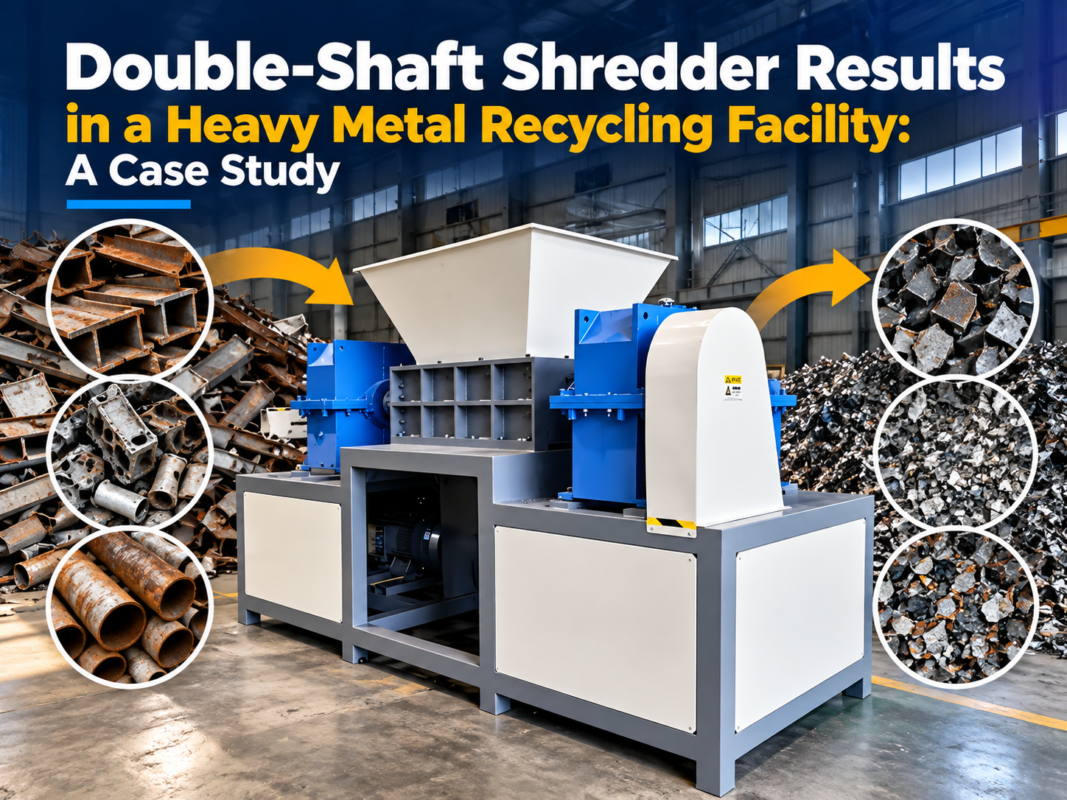
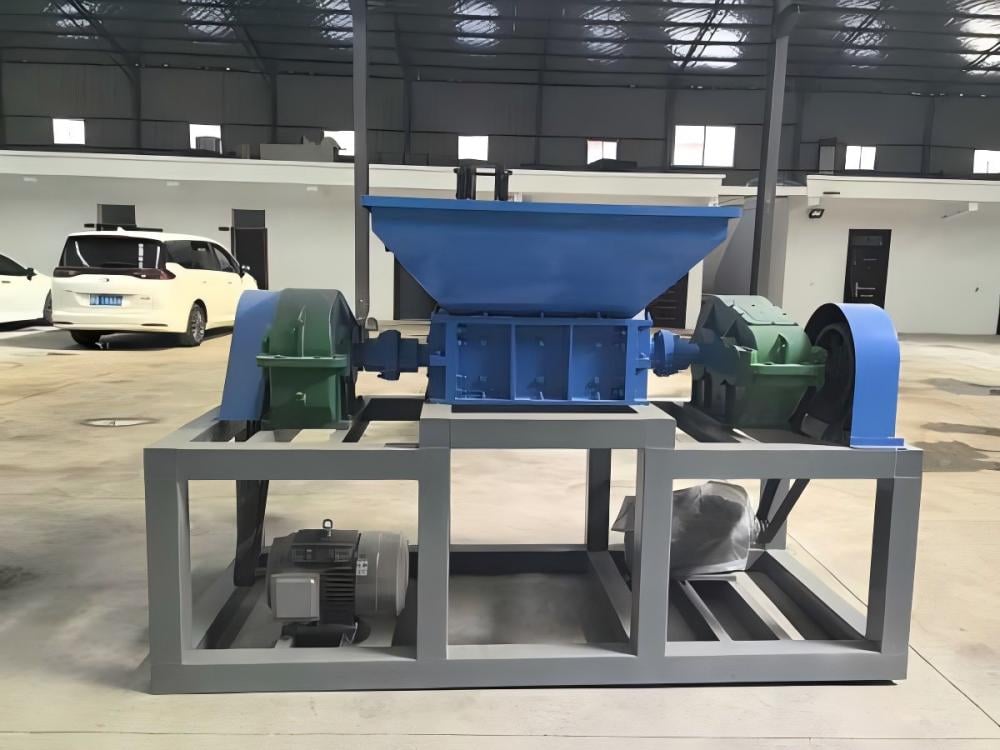
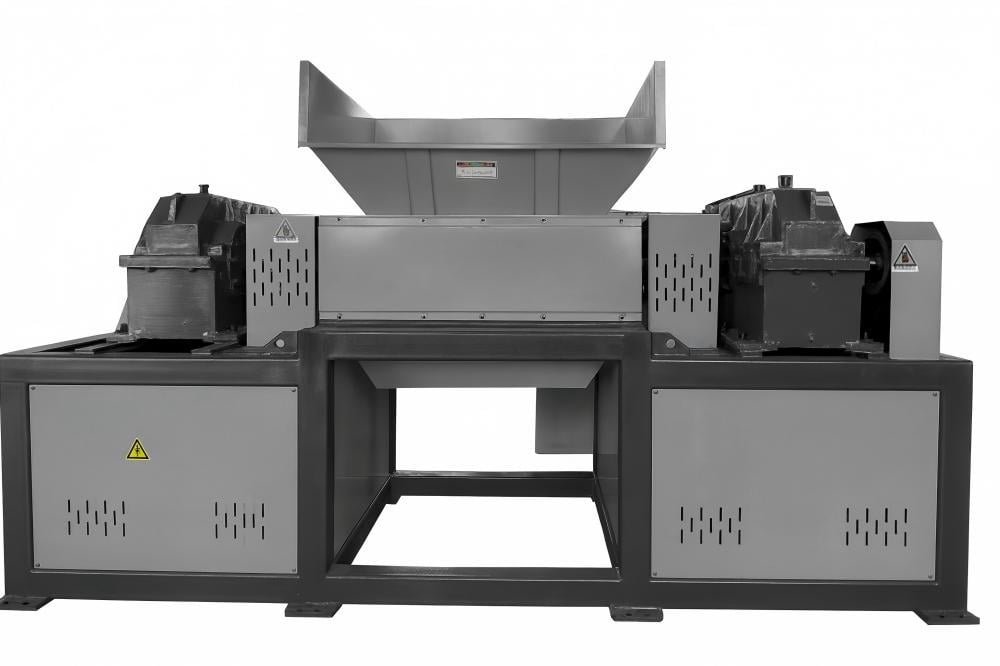
The core of the double-shaft shredder lies in its low-speed, high-torque design. Unlike high-speed granulators, these machines are engineered to process tough, bulky materials by utilizing two counter-rotating shafts equipped with hardened steel blades. These blades intermesh to shear, tear, and crush the material, providing a consistent output size that is ideal for downstream processing or direct transport.
HARSLE’s double-shaft shredders feature advanced PLC control systems that monitor the load on the motors. If a particularly dense piece of metal is encountered, the system automatically reverses the shafts to clear the obstruction before resuming the shredding process. This intelligent operation prevents motor burnout and minimizes downtime, ensuring that the shredder remains a reliable workhorse in the production line.
The construction of the cutting chamber is equally important. High-grade alloy steel is used for the blades to ensure longevity and resistance to wear. In a fabrication plant, where metal scrap can be abrasive, the ability to easily replace or sharpen these blades is a significant maintenance advantage. The modular design of the cutting unit allows for quick servicing, keeping the plant running at peak capacity.
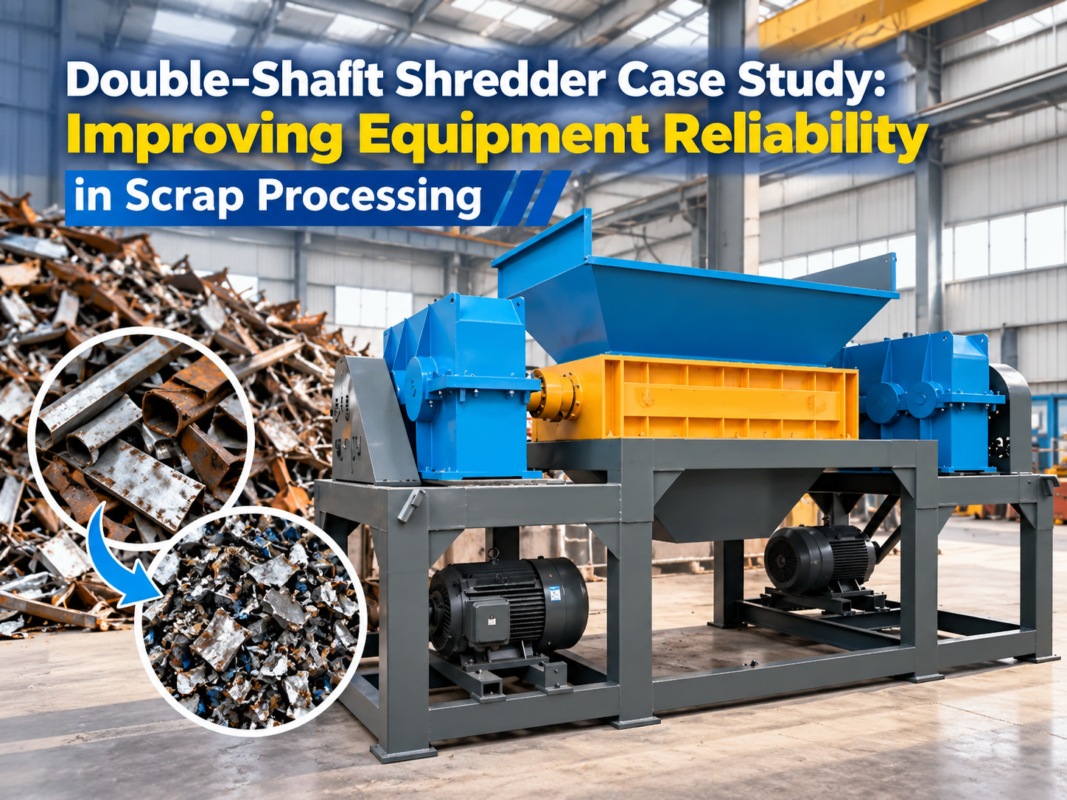
Furthermore, the drive system—typically consisting of high-efficiency motors and heavy-duty gearboxes—is designed to handle the shock loads associated with shredding metal. This robust engineering is the primary reason why a double-shaft shredder improved scrap metal processing efficiency in a fabrication plant; it provides the consistent, reliable power needed to turn a chaotic pile of scrap into a manageable, uniform product without constant mechanical failure.
Selection Advice for Fabrication Plants
When selecting a shredder, the first step is to define the throughput requirements. How many tons of scrap does the plant generate per week? A machine that is undersized will become a bottleneck, while an oversized machine represents unnecessary capital expenditure. HARSLE suggests choosing a model that offers a 20-30% buffer above your current peak production volume to accommodate future growth.
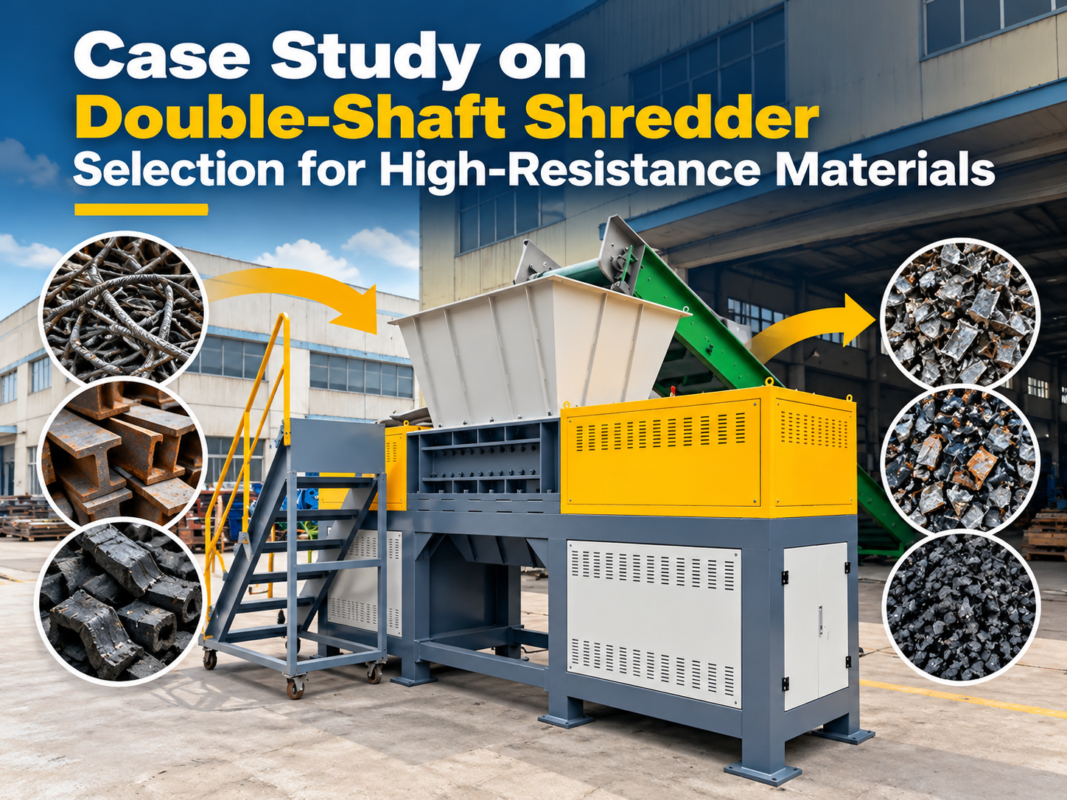
Material compatibility is the next filter. Ensure that the shredder’s blade configuration is suitable for the specific alloys you process. Some shredders are optimized for thin, sheet-metal offcuts, while others are designed for heavy-duty profiles. Discussing your specific scrap profile with a HARSLE technical representative can help you select the blade geometry and shaft speed that will yield the best results for your specific application.
Consider the integration capabilities. A standalone shredder is useful, but a fully integrated system—including in-feed conveyors, magnetic separators for ferrous/non-ferrous sorting, and discharge conveyors—is where the real efficiency gains are realized. Automation reduces the need for human intervention, further increasing the safety and speed of the entire scrap management process.
Lastly, look at the manufacturer’s support network. Industrial machinery requires periodic maintenance, and the availability of spare parts and technical expertise is crucial. A shredder is a long-term investment; choosing a partner like HARSLE, which provides comprehensive after-sales support, ensures that your equipment remains operational and productive for years to come.
Checklist for Buyers:
- Assess daily/weekly scrap volume.
- Identify the primary material types (steel, aluminum, copper, etc.).
- Evaluate available floor space and power supply.
- Determine the required output size for recycling requirements.
- Check for safety features like emergency stops and overload protection.
- Verify the availability of local service and spare parts.
FAQ: Understanding Shredder Efficiency
Q: How does a double-shaft shredder differ from a single-shaft shredder?
A: A double-shaft shredder uses two counter-rotating shafts to tear and shear material, making it ideal for bulky, irregular scrap. A single-shaft shredder typically uses a rotor and a counter-blade, which is better suited for more uniform, smaller-scale waste.
Q: Can a double-shaft shredder handle all types of metal?
A: While highly versatile, they are primarily designed for metal. However, the hardness of the metal matters. Extremely hardened alloys may require specialized blade materials to prevent premature wear.
Q: How much maintenance does a double-shaft shredder require?
A: Regular maintenance includes checking blade wear, lubricating bearings, and inspecting the gearbox. HARSLE provides a maintenance schedule that, if followed, ensures the machine operates at peak efficiency for years.
Q: Does shredding metal increase its recycling value?
A: Yes. Shredded metal is easier to sort, transport, and melt down. Recyclers often pay a premium for shredded, high-density scrap compared to loose, bulky material.
Q: Is the shredding process noisy?
A: Industrial shredders do produce noise, but modern designs include sound-dampening features and enclosures to keep noise levels within acceptable workplace safety limits.
Conclusione
The transition to automated scrap processing is a hallmark of a mature, efficient fabrication facility. As we have explored, the question of how a double-shaft shredder improved scrap metal processing efficiency in a fabrication plant is answered through the lens of increased throughput, reduced labor costs, and enhanced material value. By investing in robust, high-torque technology, plant managers can turn a logistical burden into a streamlined revenue stream.
HARSLE remains committed to providing the metal fabrication industry with the tools necessary to thrive in a competitive market. Our double-shaft shredders are designed not just to process metal, but to optimize the entire production ecosystem. Whether you are looking to save on disposal costs, improve workplace safety, or maximize the value of your scrap, the integration of a professional-grade shredder is a strategic move that pays dividends.
If you are ready to take the next step in optimizing your fabrication plant, we invite you to consult with our technical team. Together, we can analyze your specific scrap management challenges and design a solution that ensures your facility operates at the highest level of efficiency. The future of fabrication is lean, automated, and sustainable—and it starts with the right equipment.