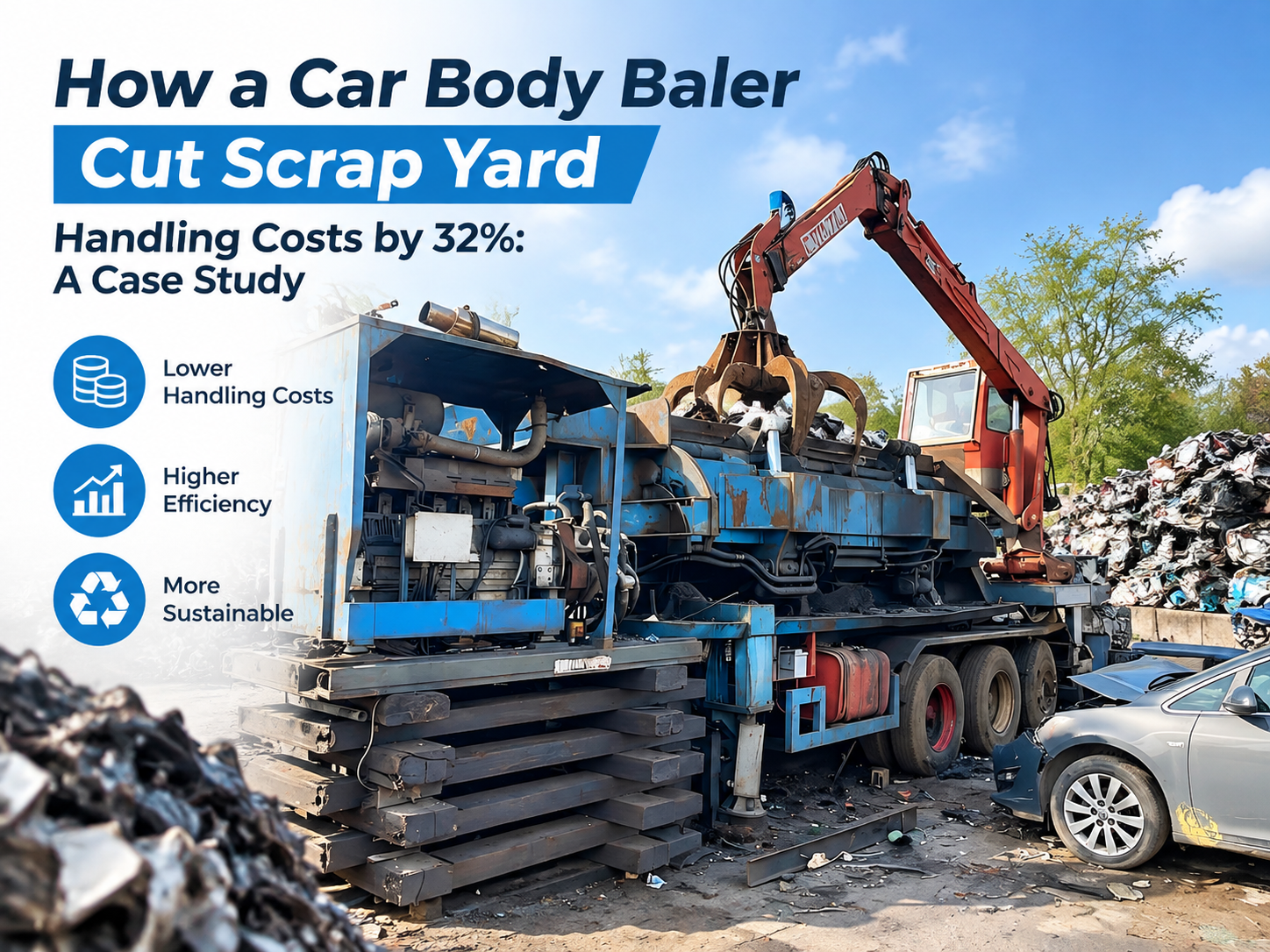
How a Car Body Baler Cut Scrap Yard Handling Costs by 32%: A Case Study

Introduction: The Efficiency Crisis in Modern Scrap Yards
In the high-stakes world of metal recycling, the difference between profit and loss often comes down to logistics and volume density. For many scrap yard operators, the primary bottleneck is not the acquisition of end-of-life vehicles, but the sheer cost of transporting bulky, uncompressed car bodies. When a facility is forced to ship air instead of steel, margins evaporate rapidly. This article explores a transformative case study where a mid-sized recycling center implemented a HARSLE car body baler and achieved a staggering 32% reduction in handling and logistics costs.
The challenge faced by the facility was twofold: rising fuel costs for transport and the inefficient use of container space. Before the integration of a high-performance baler, the yard relied on traditional shear-cutting methods that left large voids in shipping containers. By analyzing the workflow, we identified that the transition to high-density baling was the missing link in their operational strategy. This case study serves as a blueprint for any facility looking to optimize its bottom line through industrial machinery upgrades.
Understanding the impact of “How a Car Body Baler Cut Scrap Yard Handling Costs By 32%: A Case Study” requires a deep dive into the physics of metal compression. It is not merely about crushing a vehicle; it is about creating a uniform, transportable commodity that meets the strict requirements of steel mills and smelters. HARSLE’s engineering team worked closely with the facility to ensure that the baler specifications matched the throughput requirements of their daily intake.
As we navigate the technical and operational shifts that led to this 32% cost reduction, we will examine the specific machinery features that made this possible. From hydraulic pressure distribution to cycle time optimization, every aspect of the HARSLE baler was designed to solve the specific pain points of the scrap metal industry. This article provides a comprehensive look at how modern metal fabrication equipment can redefine the economics of recycling.
Key Considerations for Scrap Yard Optimization
When evaluating the efficiency of a scrap yard, the first metric to analyze is the density of the outbound product. Unprocessed car bodies are notoriously inefficient to transport, often resulting in containers that reach their volume limit long before they reach their weight limit. This creates a massive overhead in transportation costs, as the yard pays for shipping empty space. By utilizing a car body baler, operators can increase the density of the scrap, allowing for maximum weight utilization per truckload or railcar.
Another critical consideration is the labor cost associated with material handling. Without a baler, workers often spend excessive time manually maneuvering bulky car frames or utilizing heavy machinery to stack them inefficiently. A HARSLE baler automates the compression process, allowing for a streamlined workflow where vehicles are fed into the chamber, compressed into dense bales, and ejected for immediate loading. This reduction in manual handling directly translates to lower labor costs and improved site safety.
Energy consumption is a third pillar of operational efficiency. Older, poorly maintained, or oversized machinery can consume excessive electricity without providing a proportional increase in output. The HARSLE solution focused on energy-efficient hydraulic systems that only draw power during the compression cycle, significantly reducing the facility’s monthly utility bills. This focus on power management is essential for long-term sustainability in the metal fabrication equipment sector.
Finally, the durability of the equipment must be considered. Scrap yards are harsh environments characterized by dust, debris, and heavy impact. A baler that requires constant maintenance will negate any cost savings achieved through efficiency. The case study facility prioritized HARSLE equipment due to its robust build quality, reinforced wear plates, and accessible maintenance points, ensuring that the machine remains operational even under the most demanding conditions.
Technical Details: The Engineering Behind the 32% Reduction
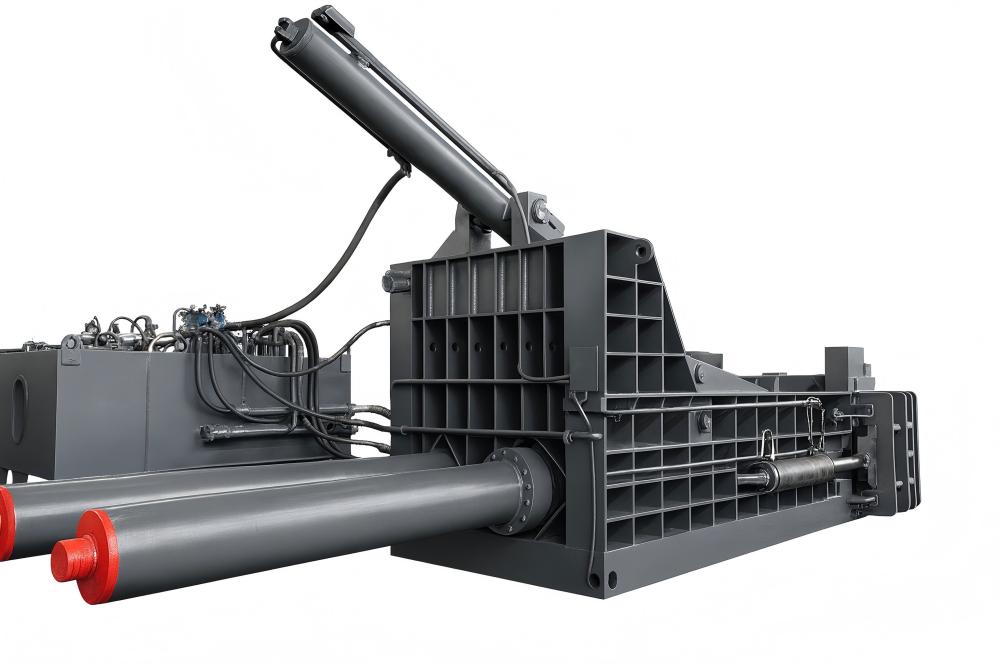
The core of the 32% cost reduction lies in the technical specifications of the HARSLE car body baler. The machine utilizes a multi-stage hydraulic system that applies consistent pressure across the entire surface area of the car body. By removing the engine, transmission, and hazardous fluids prior to baling, the machine can focus its force on the structural steel, resulting in a bale that is both dense and uniform. This uniformity is what allows for perfect stacking in shipping containers, eliminating the wasted space that previously plagued the facility.
The hydraulic system is powered by high-torque motors that ensure rapid cycle times. In the case study, the facility was able to process 15-20 vehicles per hour, a significant increase over their previous manual stacking method. The control interface allows operators to adjust the bale size and density based on the specific type of vehicle being processed, ensuring that the final product meets the exact specifications required by the end-user steel mill. This precision reduces the risk of rejected loads, which can be a hidden cost in the recycling industry.
Wear resistance is another technical highlight. The internal chamber of the HARSLE baler is lined with high-manganese steel plates, which are designed to withstand the abrasive nature of crushed metal. This feature significantly extends the interval between maintenance shutdowns. During the 12-month period of the case study, the facility reported only minimal downtime for routine lubrication and filter changes, proving that high-quality engineering is a prerequisite for operational success.
Furthermore, the integration of smart sensors allows the baler to monitor hydraulic fluid temperature and pressure in real-time. If the system detects an anomaly, it can automatically adjust the cycle or alert the operator, preventing catastrophic failures. This predictive maintenance capability was a major factor in the facility’s ability to maintain a consistent output, ensuring that they could meet their contractual obligations to shipping partners without delay.
Selection Advice: Choosing the Right Baler for Your Facility
Selecting the right car body baler is a significant capital investment that requires careful analysis of your facility’s specific needs. The first step is to conduct a thorough audit of your daily volume. If your yard processes fewer than 50 cars a week, a smaller, semi-automatic baler might suffice. However, for high-volume facilities, a fully automated, high-pressure baler is essential to achieve the economies of scale necessary to see a 32% reduction in costs.
Consider the footprint of the machine within your yard. A baler requires not only the space for the machine itself but also adequate room for the loading crane and the staging of finished bales. HARSLE offers modular designs that can be configured to fit into existing yard layouts, minimizing the need for expensive site modifications. It is also important to consider the power supply requirements; ensure your facility has the electrical capacity to support the high-torque motors required for efficient compression.
Another factor is the level of automation required. Modern balers come with varying degrees of control, from manual lever-operated systems to fully automated PLC-controlled units. While automated systems have a higher initial cost, they often pay for themselves through increased throughput and reduced labor requirements. We recommend choosing a system that offers remote diagnostic capabilities, as this can save thousands of dollars in service technician call-out fees.
Finally, look for a manufacturer that provides comprehensive after-sales support. A car body baler is a long-term asset, and you need a partner who can provide spare parts, technical training, and ongoing maintenance advice. HARSLE’s commitment to customer service, combined with their robust equipment, makes them a top choice for facilities looking to modernize their operations and achieve the same level of success as the facility in this case study.
Domande frequenti (FAQ)
1. How does a car body baler actually reduce shipping costs?
By compressing bulky car bodies into dense, uniform bales, you eliminate the “air” inside the shipping container. This allows you to load significantly more weight per container, maximizing the capacity of your logistics providers and reducing the number of trips required.
2. What is the typical lifespan of a HARSLE car body baler?
With proper maintenance and regular replacement of wear parts, a HARSLE baler can easily operate for 15 to 20 years. The use of high-grade steel and industrial-strength hydraulics ensures longevity even in harsh scrap yard environments.
3. Can the baler process other types of scrap metal?
Yes, while specifically designed for car bodies, these balers are highly versatile and can process a wide range of light-gauge scrap, white goods (appliances), and other metallic waste, provided they are within the size and weight limits of the chamber.
4. How much maintenance does the machine require?
Routine maintenance includes daily visual inspections, weekly lubrication of moving parts, and periodic hydraulic fluid and filter changes. HARSLE provides a detailed maintenance schedule that, when followed, keeps the machine running at peak efficiency.
5. Is it difficult to train staff to operate the baler?
HARSLE balers are designed with user-friendly interfaces. Most operators can be trained to run the machine safely and efficiently within a few days. The automated features handle the complex compression cycles, reducing the margin for human error.
Conclusion: Investing in the Future of Recycling
The case study of how a car body baler cut scrap yard handling costs by 32% is a testament to the power of industrial innovation. By moving away from inefficient, manual processing methods and embracing high-density baling technology, the facility was able to transform its logistics, reduce its labor burden, and significantly improve its bottom line. This is not just a story about a machine; it is a story about operational intelligence.
For scrap yard operators, the message is clear: the market for recycled metal is becoming increasingly competitive. Those who invest in the right metal fabrication equipment will be the ones who thrive. HARSLE remains committed to providing the tools necessary for this transition, offering balers that combine durability, efficiency, and advanced technology. Whether you are looking to scale your operations or simply optimize your existing workflow, the path to a 32% cost reduction starts with a commitment to quality machinery.
As we look toward the future, the integration of smart technology and sustainable practices will continue to define the recycling industry. By choosing a partner like HARSLE, you are not just purchasing a piece of equipment; you are investing in a long-term solution that will support your business growth for years to come. Take the first step today by evaluating your current handling processes and identifying the areas where a car body baler can drive efficiency and profitability in your facility.