Hammer Shredder Success Story: Faster Size Reduction for Complex Metal Scrap

Introduction: The Evolution of Metal Scrap Processing
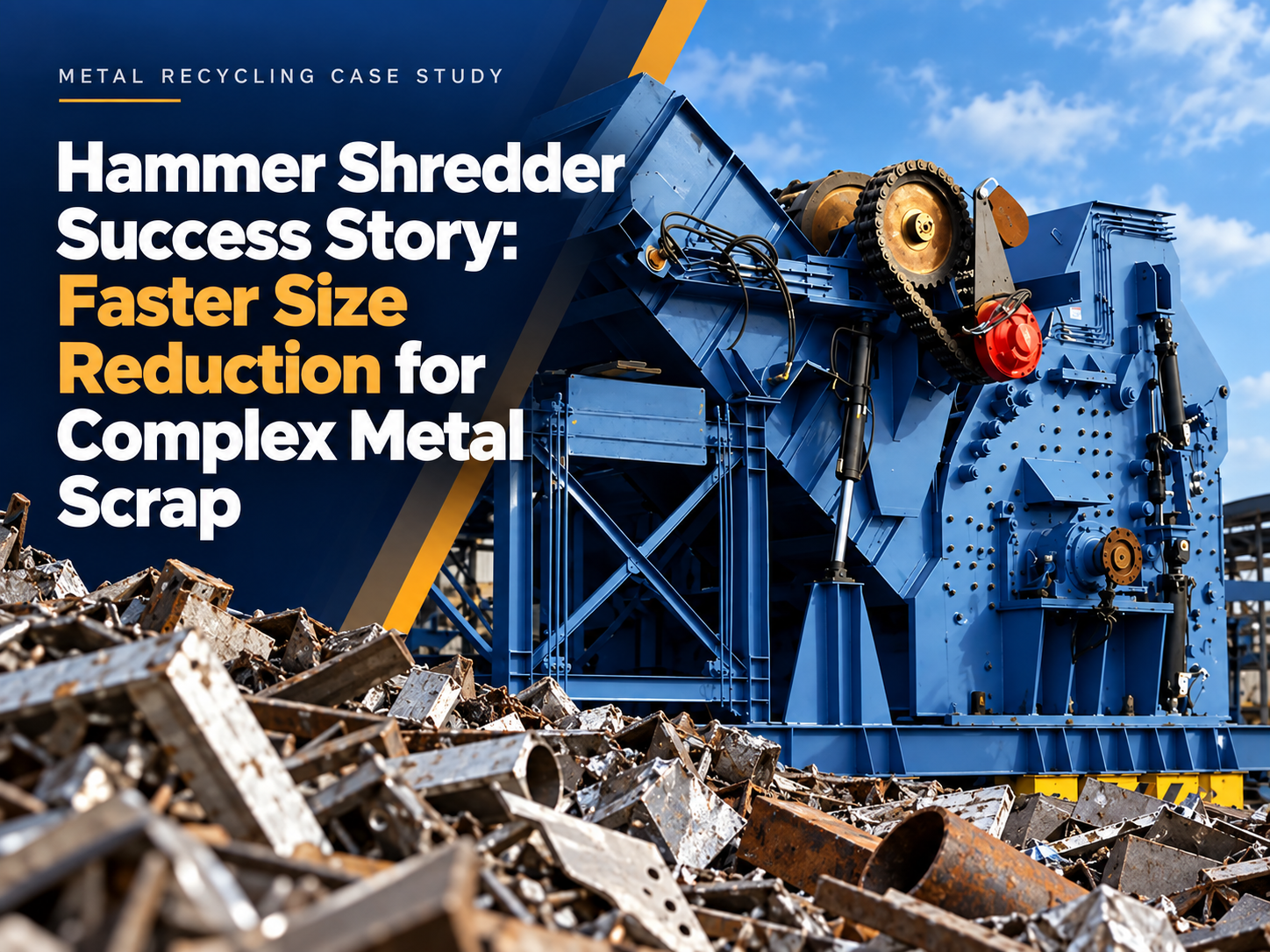
In the modern landscape of metal fabrication and recycling, the ability to process complex scrap efficiently is not just an advantage—it is a necessity. As industries push toward circular economy models, the demand for high-performance size reduction machinery has skyrocketed. This Hammer Shredder Success Story: Faster Size Reduction Complex Metal Scrap highlights how HARSLE’s advanced engineering has enabled facilities to transform bulky, heterogeneous metal waste into high-value, furnace-ready feedstock with unprecedented speed and reliability.
The challenge with complex metal scrap—ranging from automotive components and mixed alloy offcuts to industrial machinery remnants—lies in its density and material diversity. Traditional shearing methods often fail to achieve the uniform particle size required for efficient smelting or sorting. HARSLE’s hammer shredder technology addresses these pain points by utilizing high-impact kinetic energy to break down materials that would otherwise stall conventional equipment.
By integrating robust hammer mills into their production lines, metal recycling centers and fabrication plants have reported significant improvements in throughput. This article explores the technical nuances, operational benefits, and strategic considerations involved in deploying these machines. Whether you are managing a large-scale scrap yard or a specialized fabrication facility, understanding the mechanics of high-speed size reduction is key to optimizing your bottom line.
As we delve into this Hammer Shredder Success Story: Faster Size Reduction Complex Metal Scrap, we will examine how HARSLE has helped clients overcome the limitations of legacy equipment. From reducing energy consumption per ton to increasing the purity of the output, the transition to modern hammer shredders represents a pivotal shift in industrial metal processing.
Key Considerations for High-Efficiency Shredding
When evaluating the implementation of a hammer shredder, the first consideration must be the nature of the feedstock. Complex metal scrap is rarely uniform; it contains varying thicknesses, hardness levels, and contaminants. A successful installation requires a machine capable of handling these fluctuations without frequent downtime. HARSLE’s design philosophy focuses on adaptive impact technology, ensuring that the shredder maintains consistent performance regardless of the material mix.
Another critical factor is the desired output size and density. For many downstream processes, such as magnetic separation or eddy current sorting, the particle size must be tightly controlled. If the scrap is too large, it may contain trapped contaminants; if it is too fine, it may result in excessive material loss. HARSLE’s hammer shredders allow for adjustable grate configurations, enabling operators to fine-tune the output to meet specific metallurgical requirements.
Operational safety and maintenance accessibility are equally important. Shredding metal is a high-stress process that generates significant heat and vibration. A well-designed system must include advanced monitoring sensors to detect potential jams or overheating before they lead to catastrophic failure. HARSLE integrates smart diagnostic tools that provide real-time feedback, allowing maintenance teams to perform predictive servicing rather than reactive repairs.
Finally, the environmental impact and energy efficiency of the shredding operation cannot be overlooked. Modern facilities are under increasing pressure to reduce their carbon footprint. HARSLE’s hammer shredders are engineered with high-efficiency motors and optimized rotor dynamics that minimize energy waste. By achieving faster size reduction, these machines reduce the total runtime required to process a given volume of scrap, directly contributing to lower operational costs and improved sustainability metrics.
Technical Details: How HARSLE Hammer Shredders Work
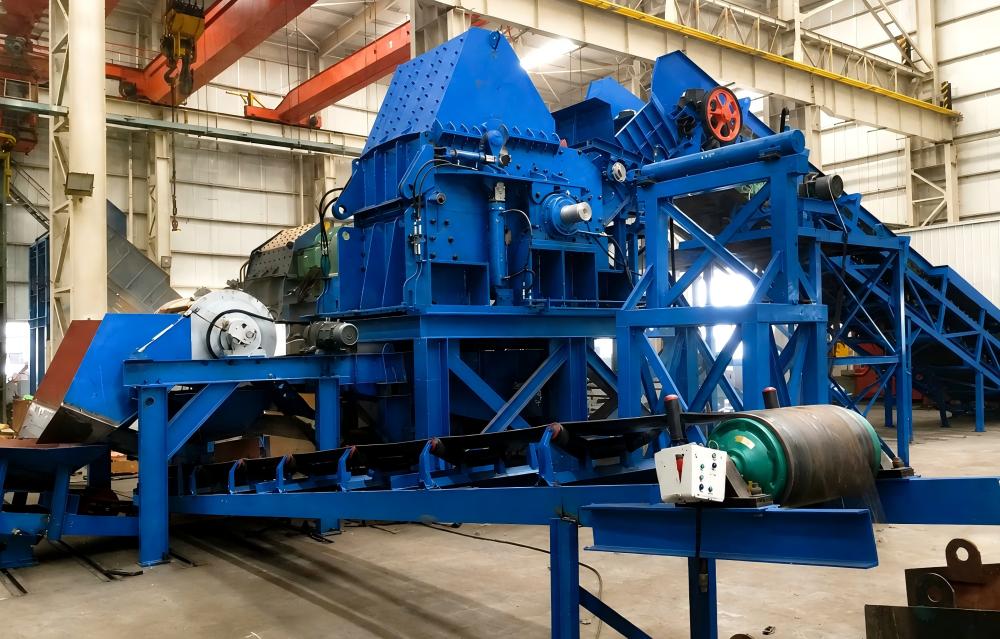
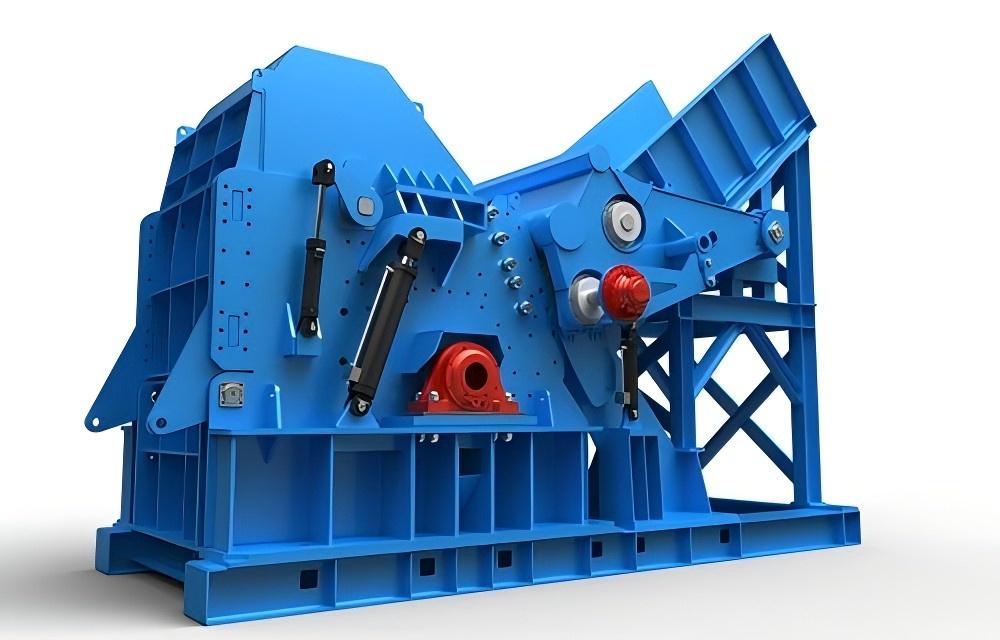
The core of a HARSLE hammer shredder lies in its heavy-duty rotor assembly, which is equipped with high-manganese steel hammers. These hammers are designed to swing freely, allowing them to retract upon hitting an uncrushable object, such as a solid steel block, thereby protecting the rotor from severe damage. This kinetic energy transfer is what makes the hammer shredder so effective at breaking down complex metal structures.
Inside the shredding chamber, the material is subjected to a combination of impact, shear, and attrition. As the rotor spins at high velocity, the hammers strike the scrap, shattering it against the anvil and the internal grate system. This multi-stage reduction process ensures that even the most stubborn metal components are reduced to a uniform size in a single pass. The internal liners are made from wear-resistant alloys, ensuring that the chamber can withstand the abrasive nature of metal scrap over thousands of hours of operation.
The discharge mechanism is another technical highlight. HARSLE utilizes a sophisticated grate system that acts as a sizing screen. Only material that has been reduced to the target dimensions is allowed to pass through the grate. Any oversized material is recirculated within the chamber until it meets the required specifications. This closed-loop system is the secret behind the consistent output quality that defines our Hammer Shredder Success Story: Faster Size Reduction Complex Metal Scrap.
Furthermore, the drive system is engineered for high torque and consistent speed. By utilizing variable frequency drives (VFDs), HARSLE shredders can adjust their power output based on the load. When processing lighter scrap, the machine operates at an energy-saving pace; when encountering dense, complex materials, the VFD ramps up the torque to ensure the shredder powers through without stalling. This level of control is essential for modern, high-throughput metal fabrication environments.
Selection Advice: Choosing the Right Shredder for Your Facility
Selecting the right hammer shredder is a significant capital investment that requires a thorough analysis of your current and future needs. Start by auditing your scrap stream. Are you processing mostly thin-gauge sheet metal, or are you dealing with heavy, cast-iron engine blocks? The density and volume of your material will dictate the required horsepower and rotor mass of the shredder you choose.
Consider the integration with your existing material handling equipment. A hammer shredder is only as efficient as the conveyor system feeding it. If your input rate is inconsistent, you will experience bottlenecks. HARSLE recommends a holistic approach, where the shredder is part of a fully automated line that includes magnetic separators, dust collection systems, and output conveyors. This ensures that the high-speed reduction capability of the shredder is fully utilized.
Think about the long-term cost of ownership. While the initial purchase price is a factor, the cost of wear parts—such as hammers, grates, and liners—will be your primary ongoing expense. HARSLE’s equipment is designed for ease of maintenance, with quick-access doors and modular components that allow for rapid replacement of wear parts. Choosing a machine that minimizes downtime during routine maintenance is often more cost-effective than choosing the cheapest unit on the market.
Finally, consult with the manufacturer’s engineering team regarding site-specific requirements. Factors such as power availability, space constraints, and local noise regulations can influence the final configuration of your shredder. HARSLE provides comprehensive support, from initial site assessment to installation and operator training, ensuring that your investment delivers the performance promised in this Hammer Shredder Success Story: Faster Size Reduction Complex Metal Scrap.
FAQ: Common Questions About Hammer Shredders
What makes a hammer shredder better than a shear for complex scrap?
Hammer shredders excel at breaking down complex, heterogeneous scrap into a uniform, high-density product. While shears are excellent for cutting long, linear materials, they often struggle with bulky, irregular shapes. The hammer shredder’s impact-based reduction is more effective at liberating contaminants and creating a consistent feedstock for downstream processing.
How often do the hammers need to be replaced?
The lifespan of the hammers depends on the abrasiveness and hardness of the material being processed. HARSLE uses high-grade, wear-resistant alloys to maximize service life. We recommend a regular inspection schedule based on tonnage processed, and our diagnostic systems can provide alerts when wear reaches a critical threshold.
Can a hammer shredder handle non-metallic contaminants?
Yes, but it is important to manage them. While the shredder can process small amounts of plastic, rubber, or wood mixed with metal, excessive non-metallic content can reduce efficiency and increase wear. We recommend pre-sorting or using magnetic separation to remove as much non-metallic material as possible before the shredding stage.
What is the typical power requirement for these machines?
Power requirements vary based on the model and the throughput capacity. HARSLE offers a range of hammer shredders, from compact units for smaller fabrication shops to massive industrial systems for large-scale recycling plants. Our team will help you calculate the necessary power based on your specific material throughput goals.
Conclusion: Driving Future Success in Metal Processing
The transition to high-performance size reduction technology is a defining characteristic of successful modern metal fabrication and recycling businesses. As demonstrated in this Hammer Shredder Success Story: Faster Size Reduction Complex Metal Scrap, the right equipment can transform operational bottlenecks into competitive advantages. By choosing HARSLE, you are investing in a legacy of engineering excellence, robust design, and a commitment to your long-term productivity.
Efficiency in metal processing is not just about speed; it is about the quality of the output, the reliability of the system, and the ability to adapt to changing market demands. HARSLE’s hammer shredders provide the versatility needed to handle the complexities of modern scrap while maintaining the high throughput required to stay ahead of the competition. Whether you are looking to increase your recycling yield or improve the consistency of your furnace feedstock, our solutions are designed to meet the challenge.
We invite you to reach out to our technical team to discuss your specific requirements. By analyzing your scrap stream and operational goals, we can help you design a shredding solution that maximizes your ROI and sets a new standard for efficiency in your facility. Join the ranks of industry leaders who have leveraged HARSLE technology to achieve faster, more reliable size reduction and take your metal processing capabilities to the next level.
In conclusion, the journey toward optimized metal fabrication starts with the right tools. With the insights provided in this guide, you are now better equipped to evaluate your needs and make an informed decision. Let HARSLE be your partner in innovation, helping you turn complex scrap into valuable resources with the power and precision of our advanced hammer shredder technology.