Gantry Shear Installation Case Study: Faster and Cleaner Scrap Metal Cutting

Introduction to High-Efficiency Scrap Processing
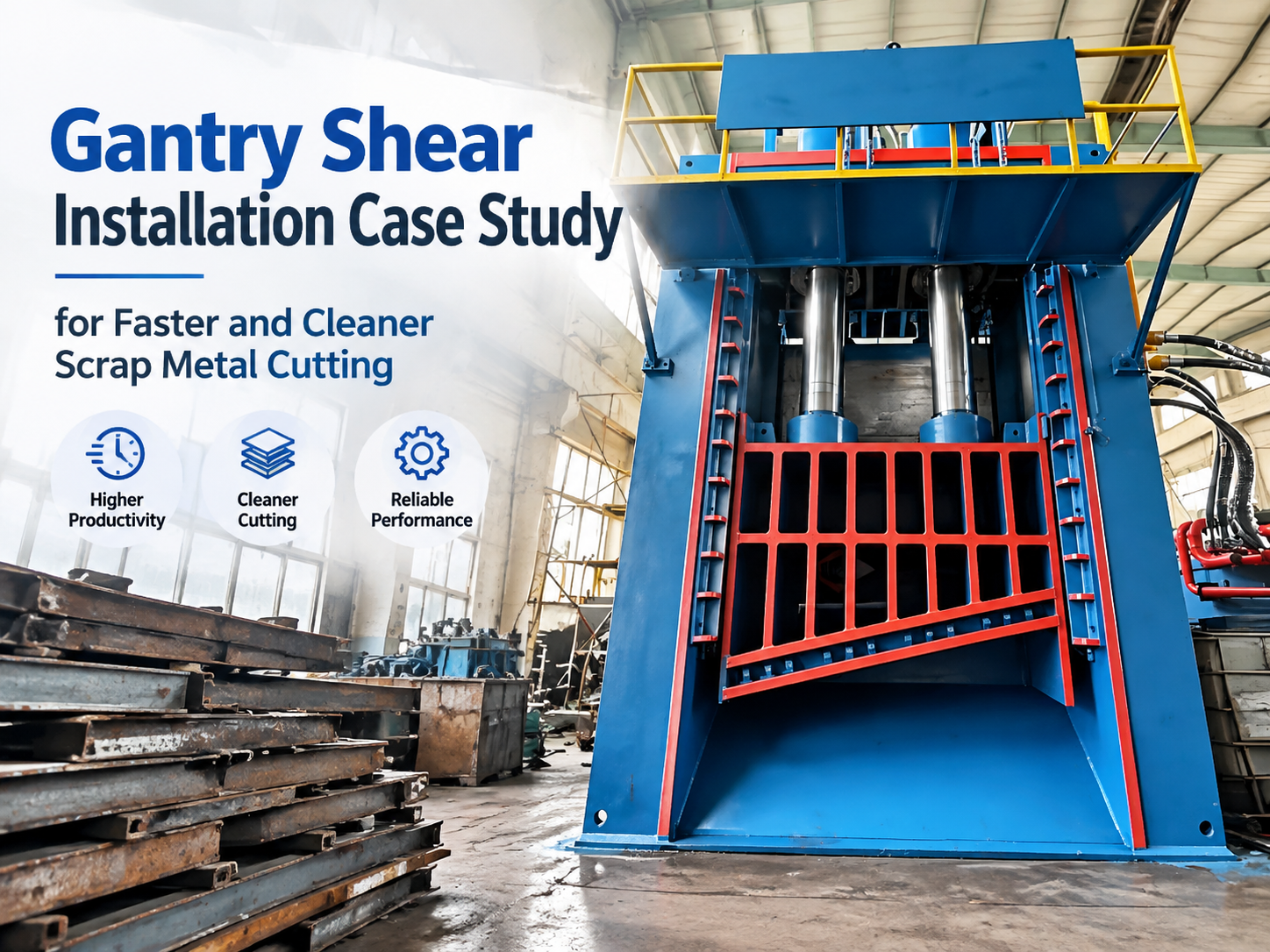
In the modern metal recycling industry, the demand for high-throughput, precision-engineered machinery has never been greater. As global sustainability goals push for more efficient material recovery, scrap yards and metal fabrication facilities are moving away from outdated, labor-intensive cutting methods. This Gantry Shear Installation Case Study: Faster and Cleaner Scrap Metal Cutting highlights how HARSLE’s advanced hydraulic technology transforms operational workflows, turning bulky scrap into high-density, furnace-ready material with unprecedented speed.
The transition to a gantry shear system is not merely an equipment upgrade; it is a fundamental shift in how a facility manages its material flow. By integrating a robust gantry shear, operators can process diverse metal profiles—from heavy structural steel beams to thin-gauge sheet metal—with a single, automated solution. This case study examines a recent installation where a mid-sized recycling plant achieved a 40% increase in processing speed while significantly reducing the environmental footprint of their cutting operations.
HARSLE’s approach to gantry shear design focuses on the synergy between hydraulic force and structural rigidity. When scrap metal is processed, the sheer force required to penetrate thick alloys can cause vibration and structural fatigue in inferior machines. Our installation process ensures that the foundation, the hydraulic power unit, and the shearing blade geometry are perfectly aligned to minimize energy loss and maximize the cleanliness of the cut, ensuring that the resulting scrap is free from jagged edges and contaminants.
Throughout this article, we will explore the technical nuances that make HARSLE gantry shears the industry standard. From the initial site assessment to the final commissioning, we provide a comprehensive look at how proper installation dictates the long-term success of your scrap metal processing line. Whether you are looking to optimize your current yard or planning a new facility, understanding these technical requirements is essential for maintaining a competitive edge in the scrap metal market.
Key Considerations for Gantry Shear Integration
Before any machinery is bolted to the floor, a thorough site assessment is mandatory. The integration of a gantry shear requires careful planning regarding material handling, power supply, and safety protocols. One of the primary considerations is the layout of the feeding system. A gantry shear is only as fast as its feed rate; therefore, the installation must account for conveyor systems or crane-fed loading zones that keep the shear blades constantly engaged with material.
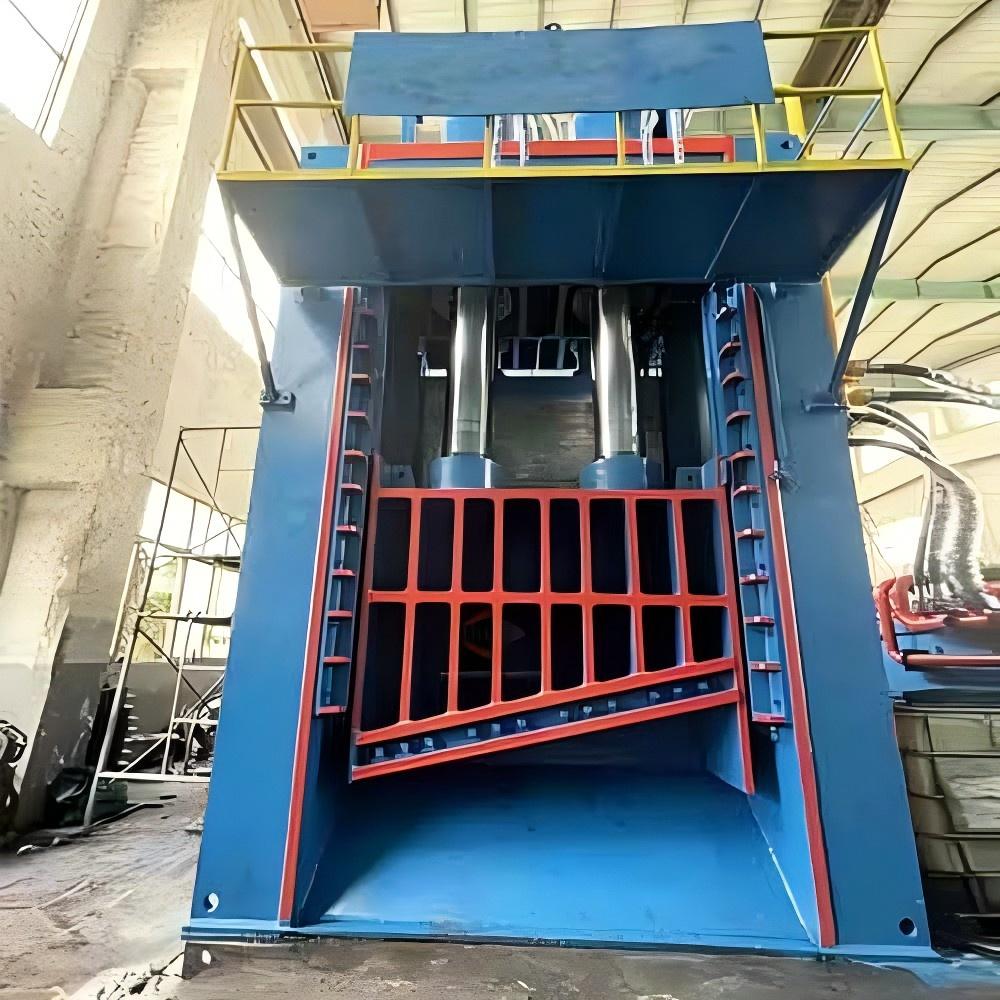
Another critical factor is the foundation design. Because gantry shears exert massive downward and lateral forces, the concrete pad must be engineered to withstand dynamic loads. In our recent case study, we worked closely with the client’s civil engineers to pour a reinforced foundation that dampened vibrations, which in turn protected the machine’s sensitive hydraulic seals and electronic sensors. A stable foundation is the silent partner in achieving cleaner cuts and extending the lifespan of the shear blades.
Power consumption and hydraulic efficiency are also paramount. Modern gantry shears utilize variable frequency drives (VFDs) to manage energy usage based on the thickness of the material being cut. During the installation phase, we calibrate these systems to ensure that the machine does not draw excessive power during idle periods, while providing instantaneous torque when the blades encounter heavy-duty steel. This balance is what allows for faster processing times without escalating utility costs.
Finally, safety and environmental compliance must be integrated into the installation design. Scrap metal processing is inherently dangerous, and the installation of light curtains, emergency stop zones, and noise-dampening enclosures is non-negotiable. By prioritizing these safety features during the setup phase, the facility not only protects its workforce but also ensures compliance with local industrial regulations, preventing costly downtime due to safety audits or accidents.
Technical Details of HARSLE Gantry Shears
The technical superiority of HARSLE gantry shears lies in the precision of the blade gap adjustment and the force distribution across the shear head. Unlike traditional alligator shears, which rely on a pivot point that can lose accuracy over time, our gantry shears utilize a vertical, guided motion that ensures the blade remains perfectly parallel to the anvil throughout the entire stroke. This parallel action is the secret to achieving a “clean” cut, as it prevents the metal from twisting or tearing during the shearing process.
The hydraulic system is the heart of the machine. HARSLE utilizes high-pressure, multi-stage pumps that allow for rapid approach speeds and high-force cutting strokes. In our case study, the client noted that the ability to adjust the stroke length was a game-changer. By limiting the stroke to the exact width of the material being processed, the machine completes more cycles per minute, directly contributing to the “faster” aspect of the installation’s success.
Blade material and maintenance are also critical technical components. We utilize high-carbon, high-chromium tool steel for our blades, which are heat-treated to withstand the abrasive nature of scrap metal. During the installation, we train the client’s maintenance team on the proper shimming techniques to maintain the optimal blade gap. A gap that is too wide results in bent metal, while a gap that is too tight causes excessive blade wear and potential machine binding.
Furthermore, the control system integrated into HARSLE gantry shears allows for automated diagnostic monitoring. Sensors track hydraulic oil temperature, pressure levels, and cycle counts. This data is fed back to the operator interface, allowing for predictive maintenance. Instead of waiting for a failure, the system alerts the team when a filter needs changing or when the blade requires rotation, ensuring that the machine remains in peak operating condition for years to come.
Selection Advice: Choosing the Right Shear for Your Yard
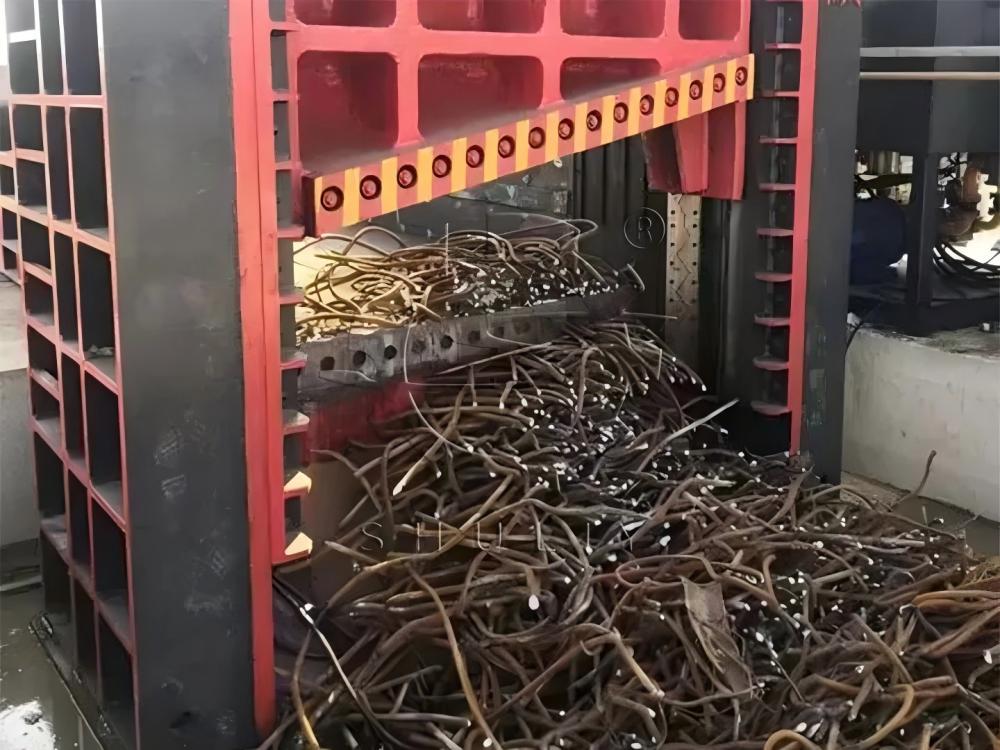
Selecting the right gantry shear involves matching the machine’s capacity to your specific material stream. If your facility primarily processes light-gauge automotive scrap, a smaller, high-speed shear is ideal. However, if you are handling heavy structural beams, rail tracks, or thick plate steel, you will require a machine with a higher cutting force and a larger throat opening. Our selection process begins with a detailed audit of the materials you intend to process over the next five to ten years.
Consider the automation level required for your operations. Many modern facilities are moving toward fully automated feeding and discharge systems. While these systems represent a higher initial investment, the return on investment is realized through reduced labor costs and increased throughput. We advise clients to look for modular systems that can be upgraded as their business grows, ensuring that the initial investment remains relevant as market demands change.
Another factor is the availability of spare parts and technical support. A gantry shear is a long-term asset, and you need a partner who provides responsive support. HARSLE prides itself on a global service network, ensuring that whether you are in North America, Europe, or Asia, you have access to the parts and expertise required to keep your machine running. When evaluating suppliers, always ask about their lead times for critical components like hydraulic cylinders and shear blades.
Finally, don’t overlook the importance of training. The most advanced machine in the world will underperform if the operators are not trained to use it correctly. Our installation packages include comprehensive training sessions that cover everything from daily safety checks to advanced troubleshooting. Investing in your team’s knowledge is just as important as investing in the hardware itself, as it ensures that the “faster and cleaner” results are sustained over the long term.
Domande frequenti (FAQ)
1. What is the main advantage of a gantry shear over an alligator shear?
Gantry shears provide a vertical, parallel cutting action that is far more stable and precise than the pivoting motion of an alligator shear. This results in cleaner cuts, less machine vibration, and the ability to process much larger, heavier pieces of scrap metal with higher efficiency.
2. How often should I sharpen the blades on my gantry shear?
Blade life depends on the type of material being cut and the volume of throughput. Generally, we recommend inspecting the blade gap weekly and sharpening or rotating the blades every 3-6 months depending on usage. Proper lubrication and gap adjustment can significantly extend the time between sharpenings.
3. Can a gantry shear be integrated into an existing conveyor line?
Yes, HARSLE gantry shears are designed with modularity in mind. We can customize the in-feed and out-feed tables to integrate seamlessly with your existing conveyor systems, ensuring a smooth flow of material from the yard to the shear and onto the sorting area.
4. What kind of maintenance does the hydraulic system require?
The hydraulic system requires regular oil analysis, filter changes, and seal inspections. We recommend a full system flush every 2,000 operating hours to remove contaminants and ensure the hydraulic fluid maintains its viscosity and protective properties.
5. How does a gantry shear improve the value of my scrap metal?
By producing clean, uniform, and high-density cuts, your scrap metal becomes more desirable to steel mills and foundries. High-quality, processed scrap commands a higher market price compared to raw, un-sheared material, directly increasing your facility’s profitability.
Conclusion: Investing in Future-Proof Scrap Processing
The Gantry Shear Installation Case Study: Faster and Cleaner Scrap Metal Cutting demonstrates that success in the recycling industry is built on the foundation of reliable, high-performance machinery. By choosing HARSLE, you are not just purchasing a piece of equipment; you are investing in a solution that enhances your operational efficiency, improves the quality of your output, and ensures the safety of your workforce. The transition to a gantry shear system is a proven path toward higher profitability and sustainable growth in a competitive market.
As we have explored, the combination of robust structural design, precise hydraulic control, and proper installation practices creates a synergy that allows for faster processing speeds and cleaner, more valuable scrap. Whether you are upgrading an existing yard or starting a new venture, the technical insights provided here serve as a guide to making informed decisions that will pay dividends for years to come. We invite you to contact the HARSLE team to discuss your specific requirements and learn how we can tailor a gantry shear solution to meet your unique production goals.
In conclusion, the scrap metal industry is evolving, and the tools you use today will define your success tomorrow. With HARSLE’s commitment to innovation and quality, you can be confident that your facility is equipped with the best technology available. Let us help you streamline your operations, reduce your environmental impact, and maximize your returns through the power of advanced gantry shearing technology.