Container Shear Case Study: Solving Bottlenecks In Scrap Size Reduction

Introduction
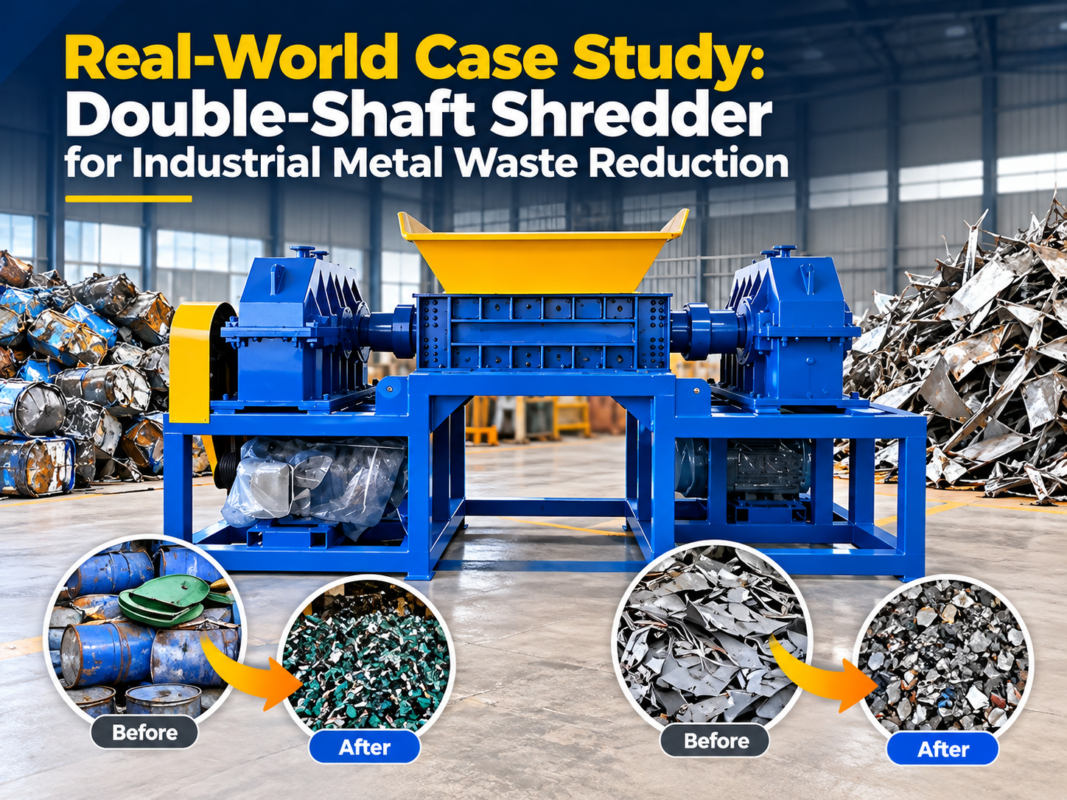
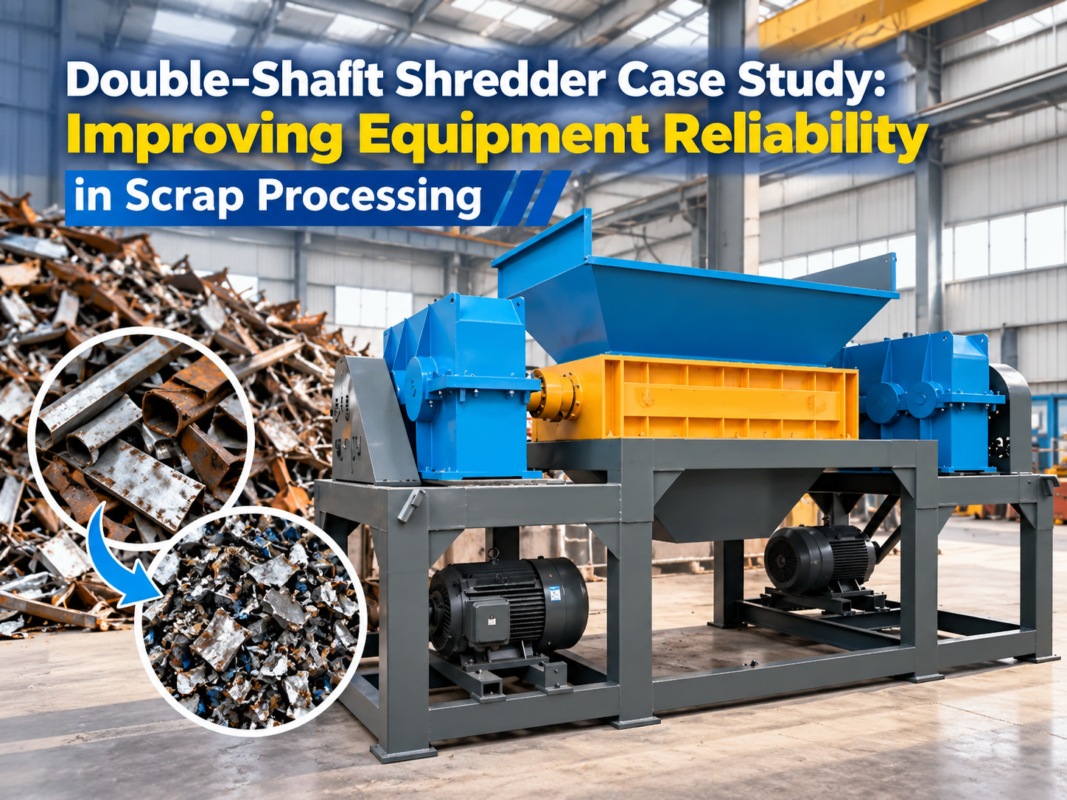
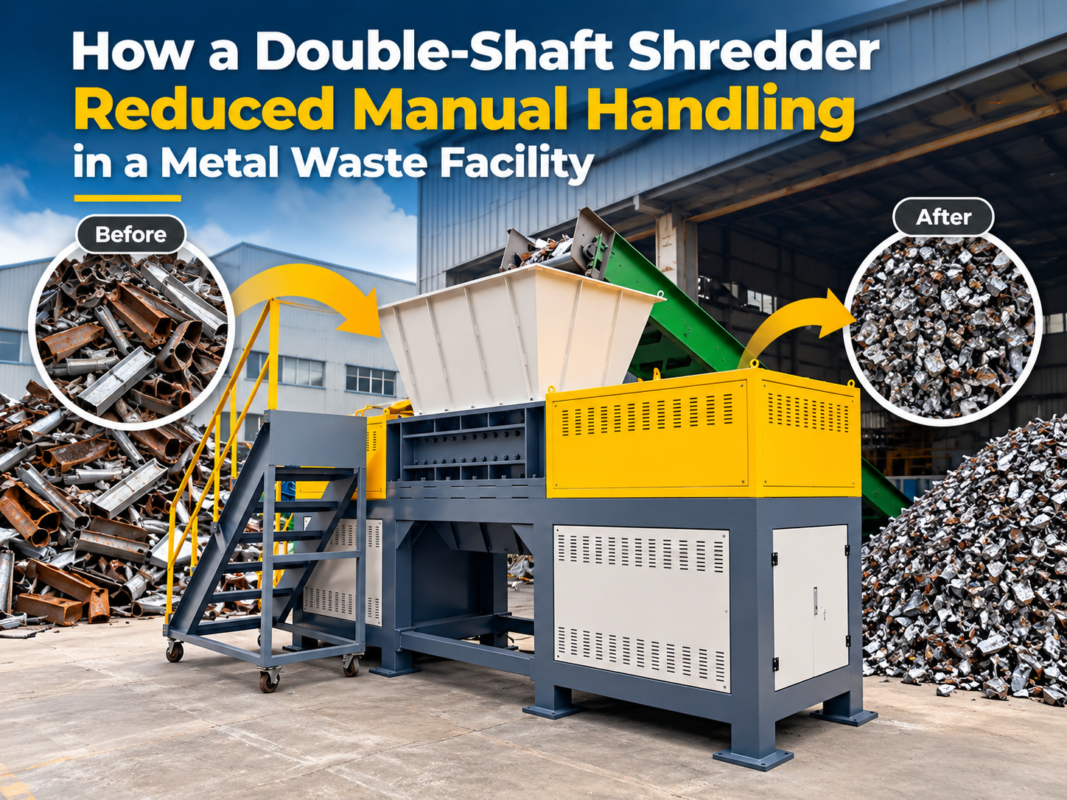
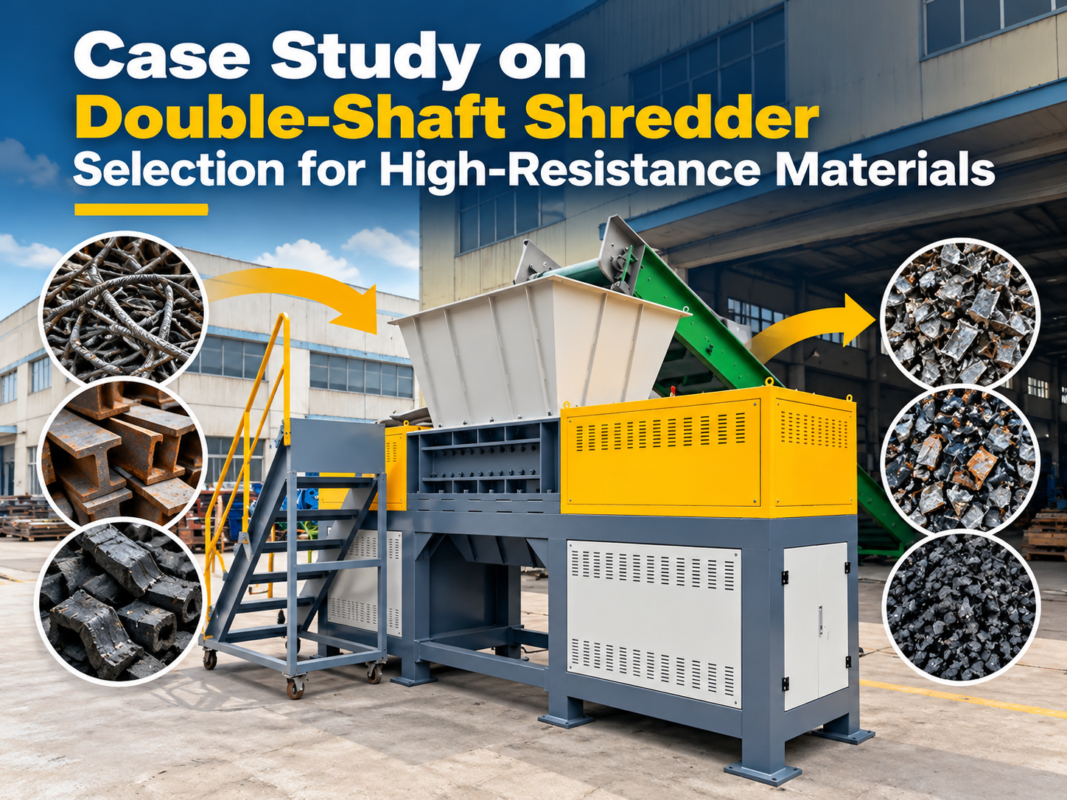
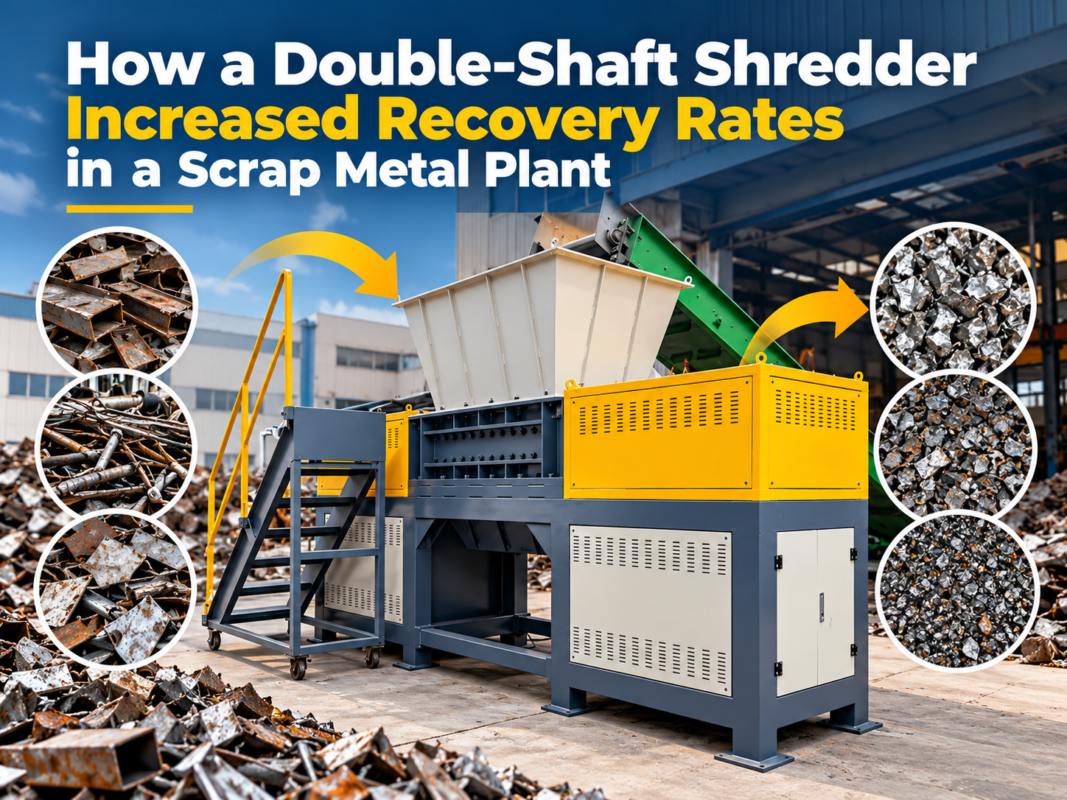
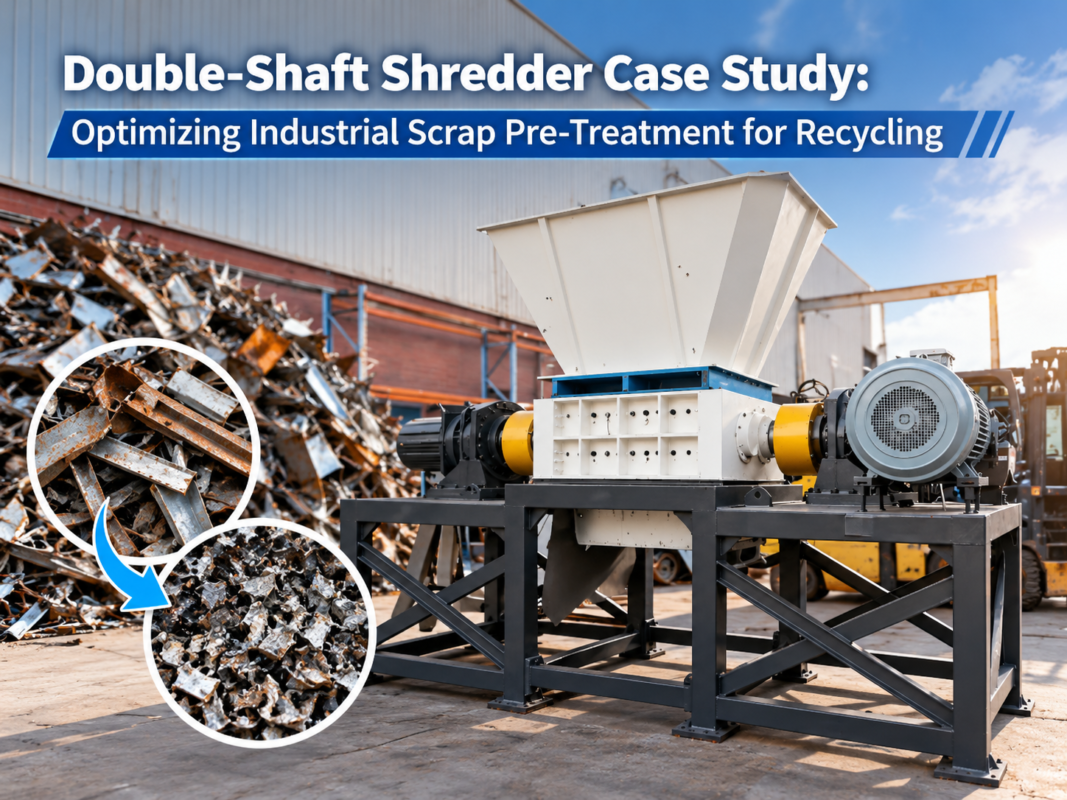
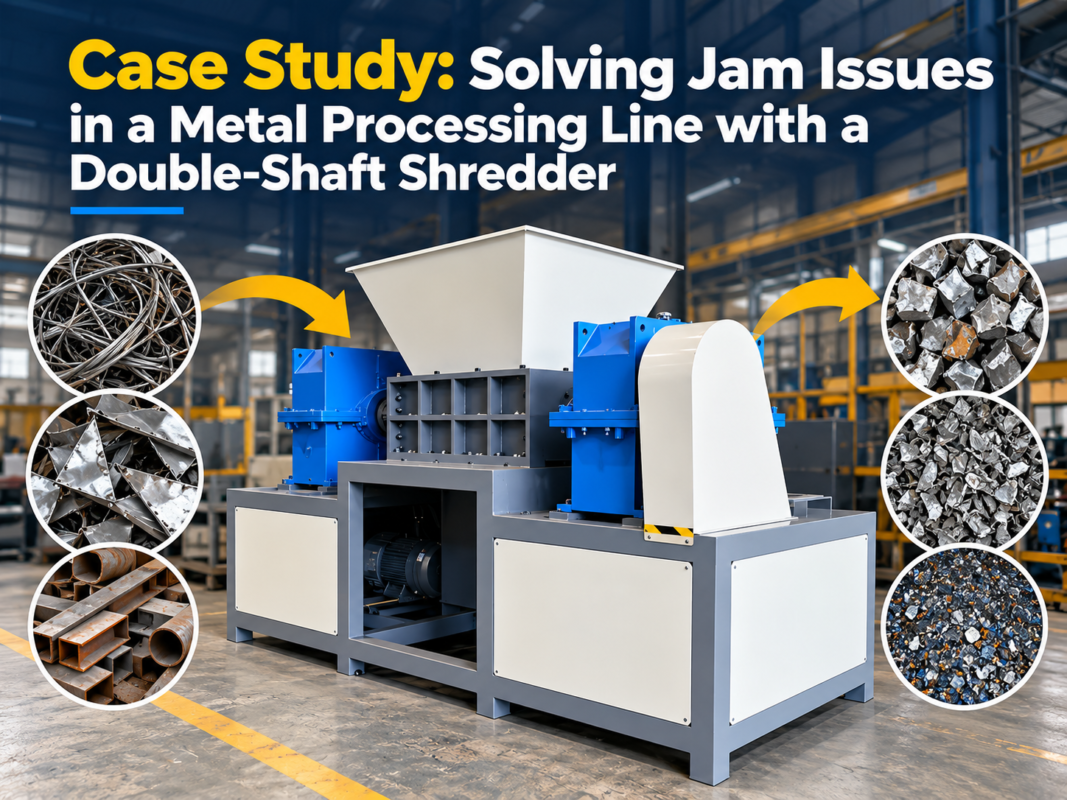
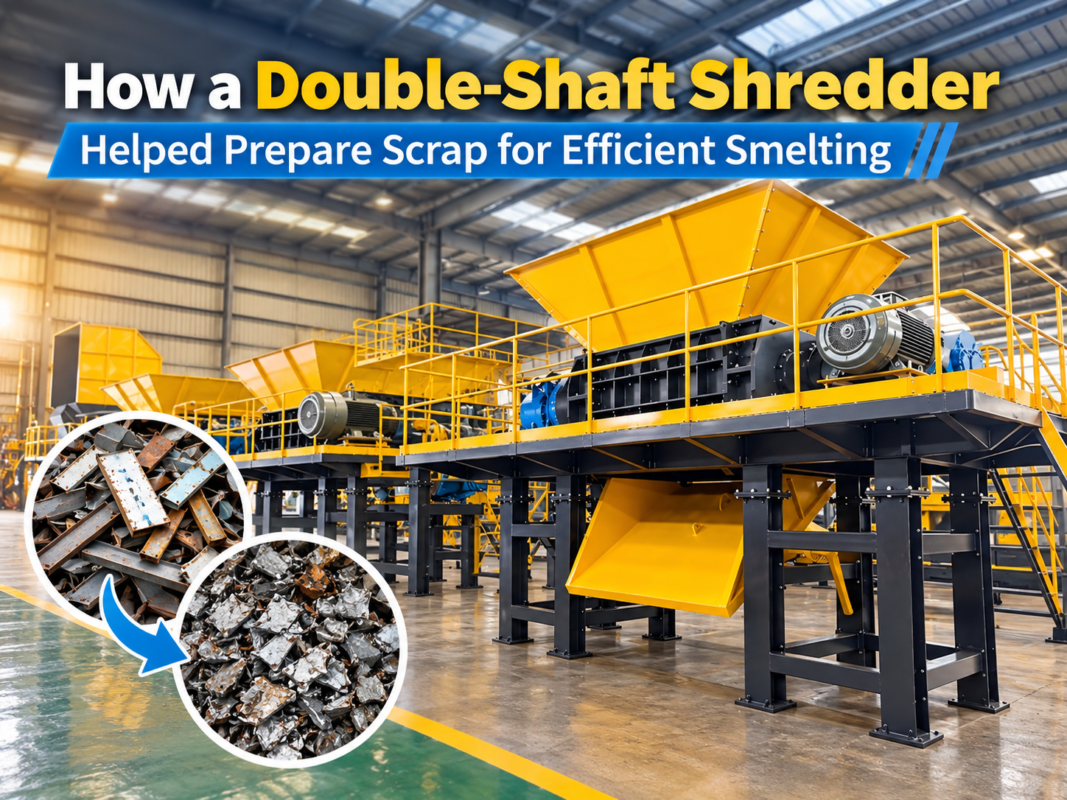
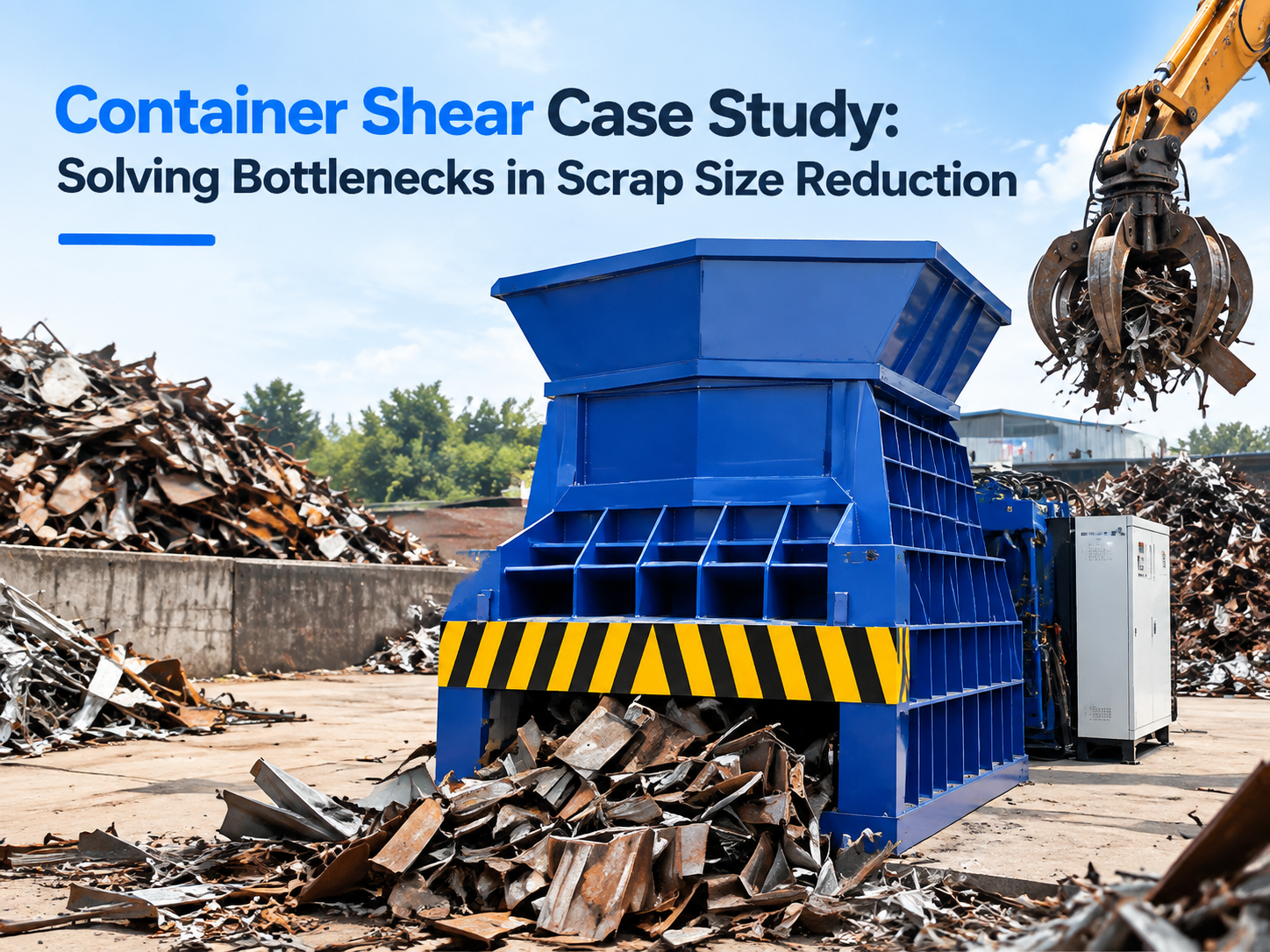
In the high-stakes world of metal recycling and scrap processing, efficiency is the primary driver of profitability. As global demand for processed scrap metal rises, facilities are increasingly finding that their legacy equipment cannot keep pace with the volume and density of modern industrial waste. This is where the implementation of advanced machinery becomes critical. Our latest Container Shear Case Study: Solving Bottlenecks In Scrap Size Reduction explores how HARSLE’s engineering solutions transform operational workflows.
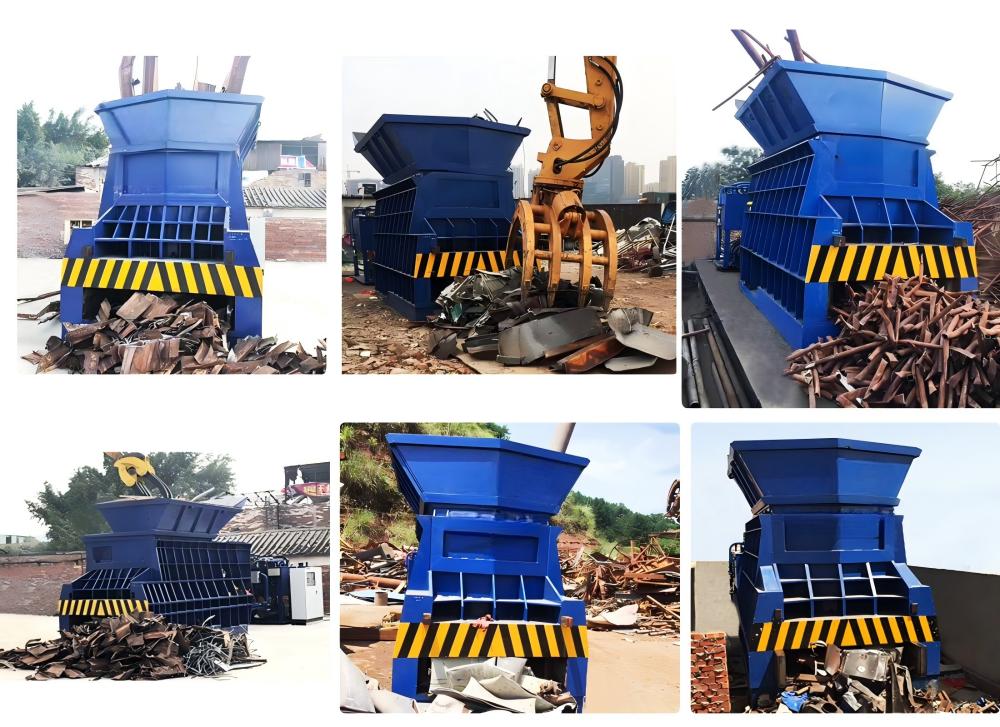
Scrap yards and metal fabrication plants often face a common bottleneck: the inability to process oversized, irregular metal structures quickly enough to maintain a steady output. When material piles up, labor costs skyrocket, and the value of the scrap decreases due to inefficient handling. By integrating a high-performance container shear, businesses can automate the reduction process, ensuring that every piece of scrap meets the precise dimensional requirements of downstream smelting or transport.
This article provides a comprehensive look at the technical advantages of container shears, the specific challenges they solve, and how HARSLE supports industrial facilities in optimizing their scrap management. Whether you are managing a mid-sized recycling center or a large-scale fabrication plant, understanding the mechanics of size reduction is essential for scaling your operations effectively.
Key Considerations for Scrap Size Reduction
Before investing in heavy-duty shearing equipment, facility managers must evaluate the specific nature of their scrap stream. Not all scrap is created equal; the density, alloy composition, and physical dimensions of the material dictate the force requirements of the shear. A common mistake is underestimating the shear force needed for heavy structural steel, which leads to premature wear and frequent machine downtime.
Another critical factor is the throughput requirement. If your facility processes hundreds of tons per day, a manual or semi-automated approach will inevitably create a bottleneck. The goal is to achieve a continuous flow where the loading, shearing, and discharge phases are synchronized. HARSLE’s container shears are designed to handle this continuous cycle, minimizing the time the machine spends idling between cuts.
Space constraints also play a significant role in equipment selection. Many scrap yards are limited by their footprint, making it difficult to install massive, stationary shearing lines. Container shears offer a distinct advantage here, as they are often designed as compact, integrated units that can be positioned strategically within a yard to optimize material flow without requiring extensive infrastructure changes.
Finally, safety and maintenance must be at the forefront of the decision-making process. Scrap metal processing is inherently dangerous, involving heavy, sharp, and unpredictable materials. Modern container shears incorporate advanced safety interlocks, remote operation capabilities, and automated lubrication systems that reduce the need for human intervention in the danger zone, thereby protecting your workforce while extending the lifespan of the equipment.
Technical Details of HARSLE Container Shears
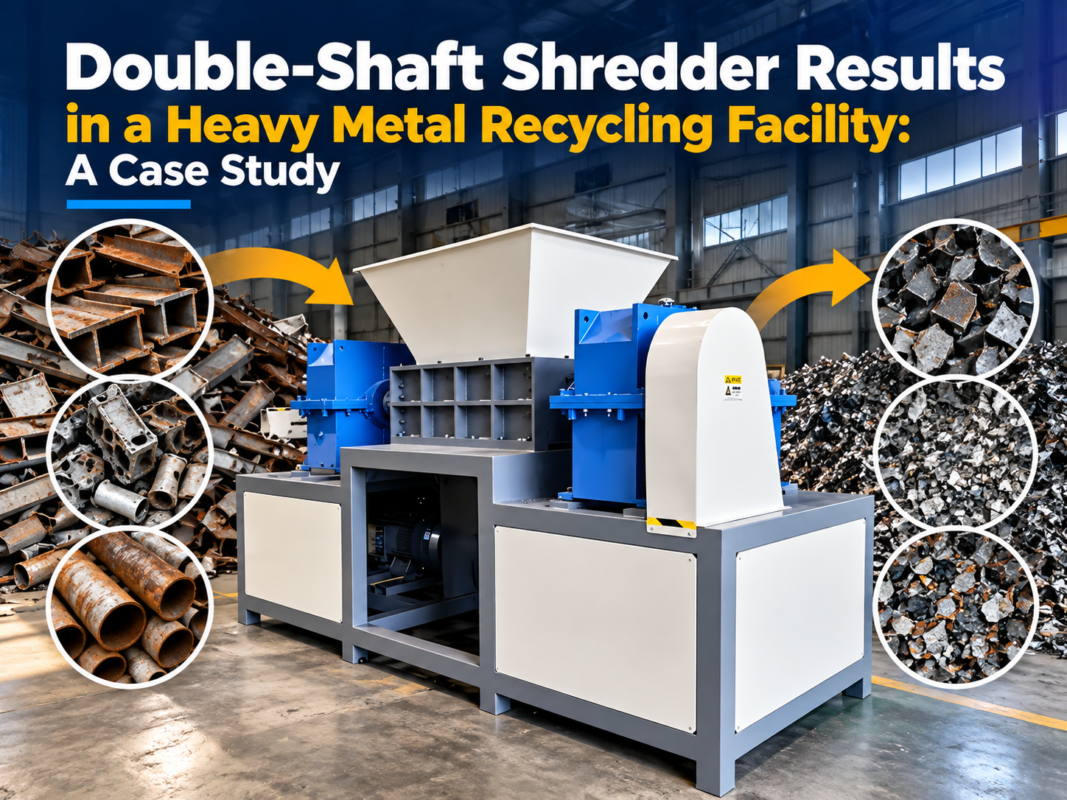
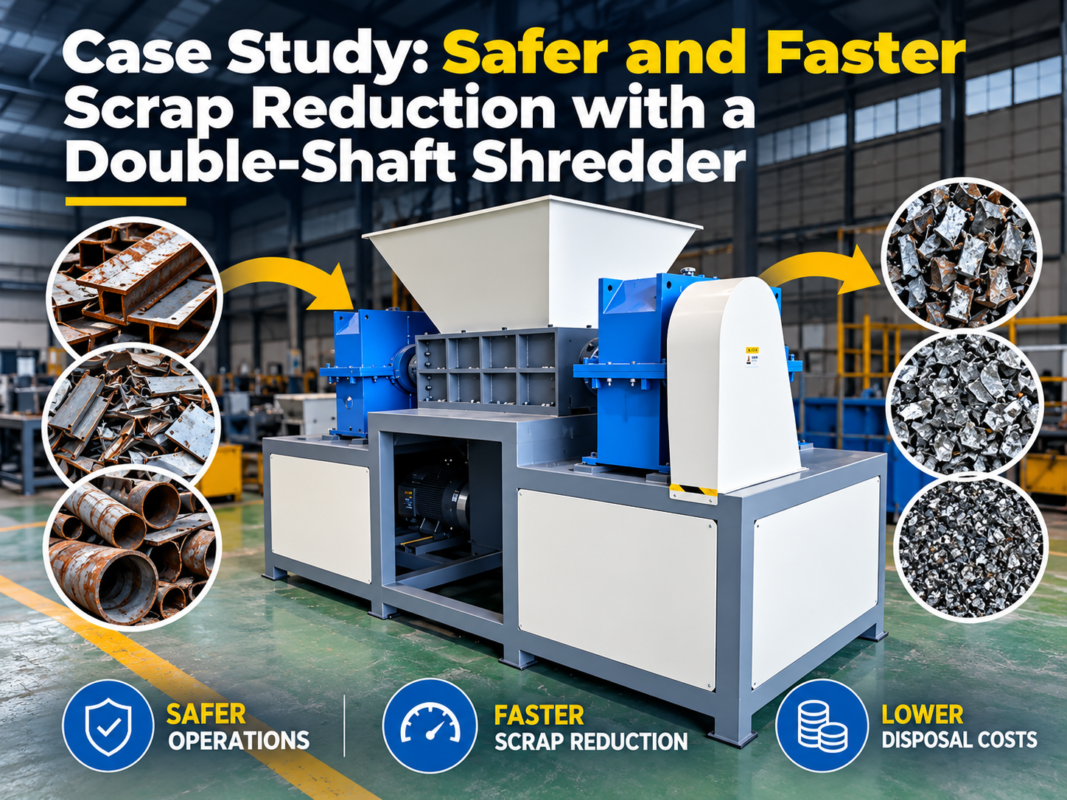
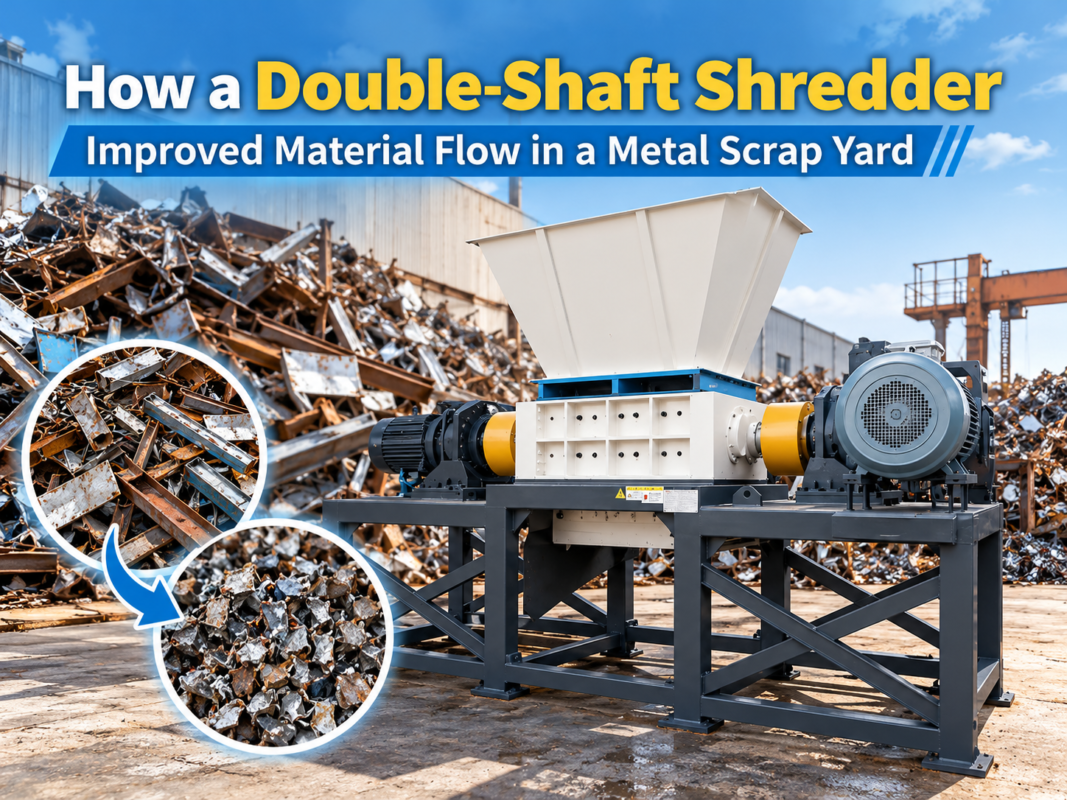
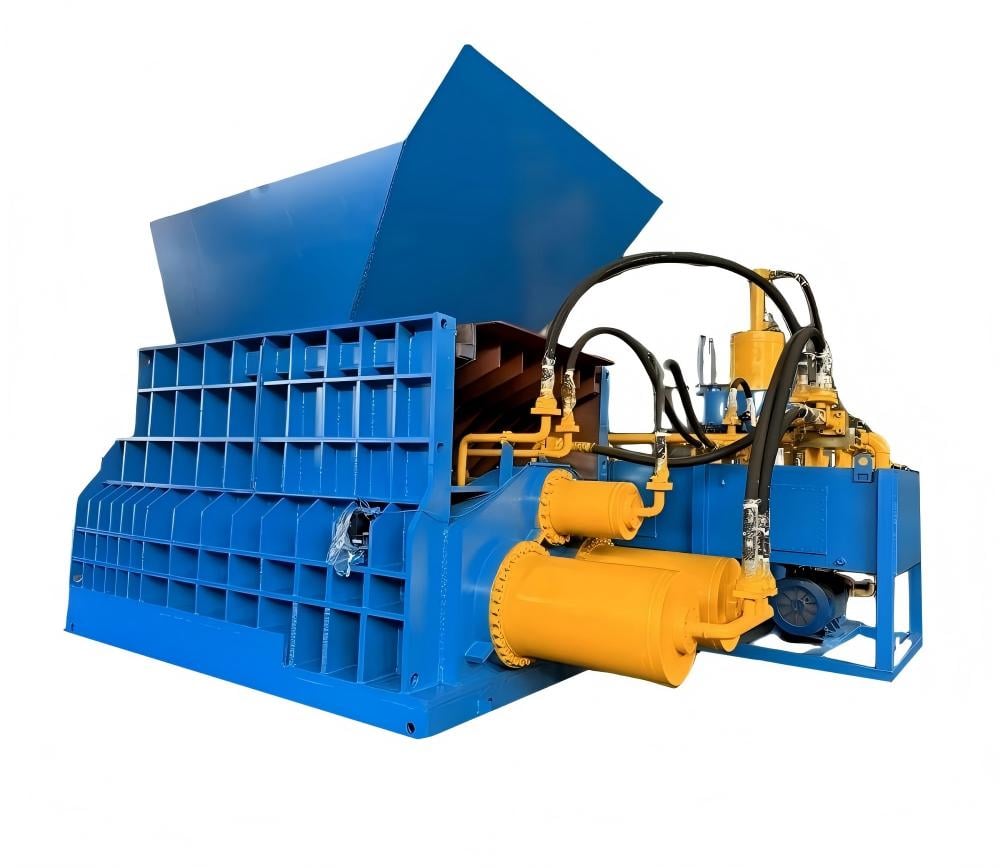
The core of a HARSLE container shear is its robust hydraulic system, which provides the immense force required to slice through thick steel beams, pipes, and plates. Unlike traditional alligator shears, which are limited in their opening size and cutting capacity, container shears utilize a large, box-like chamber that compresses the material before the blade descends. This compression is vital for ensuring a clean, efficient cut every time.
The cutting blade geometry is another technical highlight. HARSLE utilizes high-grade, wear-resistant alloys for its blades, which are engineered to maintain their edge even when processing abrasive or high-tensile materials. The blade clearance is adjustable, allowing operators to fine-tune the machine based on the specific type of metal being processed, which prevents jamming and ensures that the shear force is applied optimally.
Automation is the engine of efficiency in these systems. HARSLE’s container shears feature programmable logic controllers (PLCs) that allow for automated cutting cycles. Operators can set specific cut lengths, and the machine will automatically feed, compress, and shear the material to those dimensions. This level of precision is impossible to achieve with manual labor and significantly reduces the amount of scrap that needs to be re-processed.
Energy efficiency is also a major technical focus. By utilizing variable-frequency drives (VFDs) and intelligent hydraulic management, HARSLE shears consume power only when necessary. During the compression phase, the system optimizes pressure to match the resistance of the material, preventing energy waste and reducing the overall operating costs of the facility. This makes the equipment not only more productive but also more sustainable in the long term.
Selection Advice: Choosing the Right Shear
When selecting a container shear, the first step is to conduct a thorough audit of your material stream. Are you processing mostly light-gauge sheet metal, or are you dealing with heavy structural steel? The shear force (measured in tons) must be matched to the thickest material you intend to process regularly. Choosing a machine that is “just enough” for your current needs is a recipe for future bottlenecks; it is always better to have a 20% buffer in capacity.
Consider the loading method. Will you be using a crane, a grapple, or a conveyor belt to feed the shear? The design of the feed opening and the chamber size must accommodate your existing loading equipment. If the opening is too small, your crane operator will spend more time maneuvering material than actually processing it, which defeats the purpose of the upgrade.
Evaluate the after-sales support and parts availability. A container shear is a long-term investment, and you need a partner who can provide technical support, spare parts, and maintenance training. HARSLE prides itself on a global support network, ensuring that if a component needs replacement, the downtime is kept to an absolute minimum. Always ask for a list of references or a case study similar to your own operational scale.
Finally, look at the integration capabilities. Can the shear be integrated with your existing inventory management software? Modern scrap yards are moving toward digital tracking, where every ton processed is logged in real-time. A container shear that provides data output on cycle times and throughput can be a valuable tool for management to track productivity and identify further areas for improvement.
FAQ: Common Questions About Container Shears
- What is the primary benefit of a container shear over an alligator shear? Container shears offer a much larger processing chamber and automated compression, allowing for the handling of bulky, irregular scrap that would be impossible or unsafe to feed into an alligator shear.
- How often does the shear blade require sharpening? This depends on the material being processed. However, HARSLE blades are designed for high durability. We recommend a daily inspection and a scheduled maintenance interval based on your specific throughput volume.
- Can these machines handle non-ferrous metals? Yes, container shears are highly effective for both ferrous and non-ferrous metals, provided the machine is calibrated correctly for the material’s density and hardness.
- What is the typical lifespan of a HARSLE container shear? With proper maintenance and regular lubrication, these machines are built to provide decades of reliable service in demanding industrial environments.
- Does the shear require a specialized foundation? Most HARSLE container shears are designed to be relatively mobile or require only a standard reinforced concrete pad, making installation significantly easier than traditional heavy-duty shearing lines.
Conclusione
Solving bottlenecks in scrap size reduction is not just about buying a bigger machine; it is about choosing the right technology that aligns with your operational goals. As demonstrated in this Container Shear Case Study: Solving Bottlenecks In Scrap Size Reduction, the transition to automated, high-force shearing can dramatically increase throughput, reduce labor costs, and improve the overall quality of your scrap output. HARSLE remains committed to providing the metal fabrication industry with the tools necessary to stay competitive in an evolving market.
By focusing on technical precision, robust construction, and intelligent automation, HARSLE’s container shears represent the gold standard for scrap processing. Whether you are looking to replace an aging system or scale up your facility’s capacity, our team is ready to assist you in selecting the perfect solution. Investing in the right equipment today ensures that your facility remains a leader in efficiency and profitability for years to come.
We encourage you to reach out to our technical team for a personalized consultation regarding your scrap processing needs. Together, we can analyze your current bottlenecks and design a workflow that maximizes your return on investment. With HARSLE, you are not just buying a machine; you are investing in a partnership dedicated to your operational success.