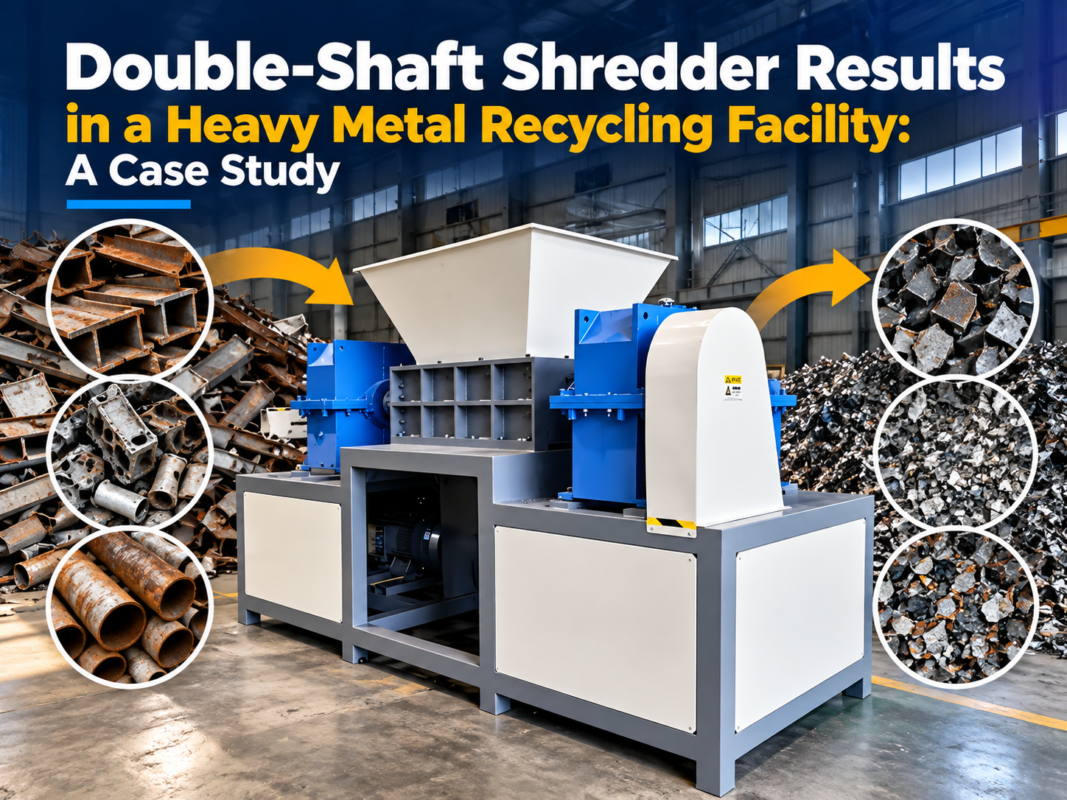
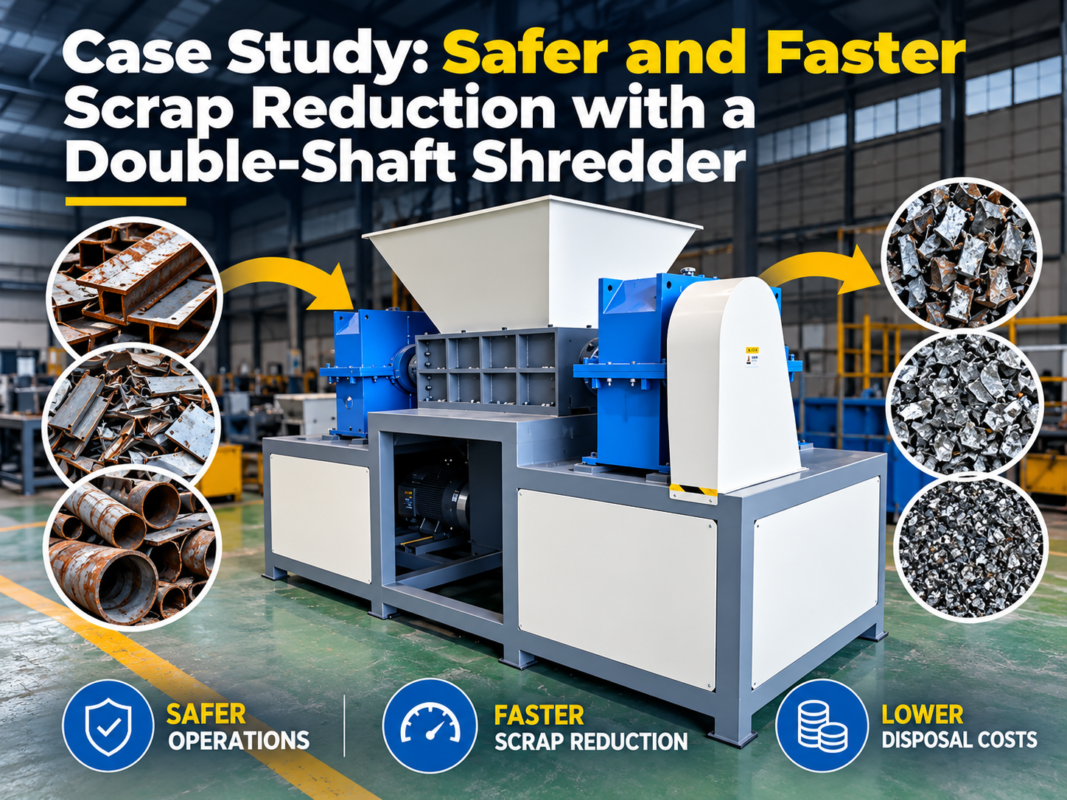
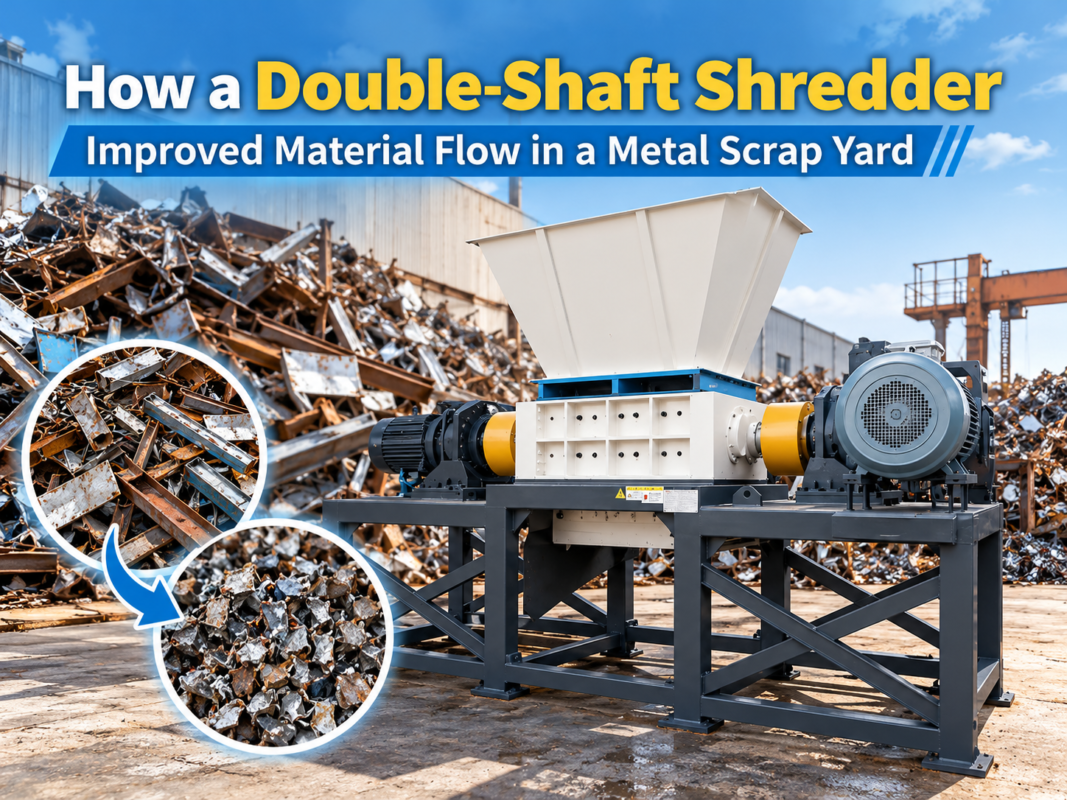
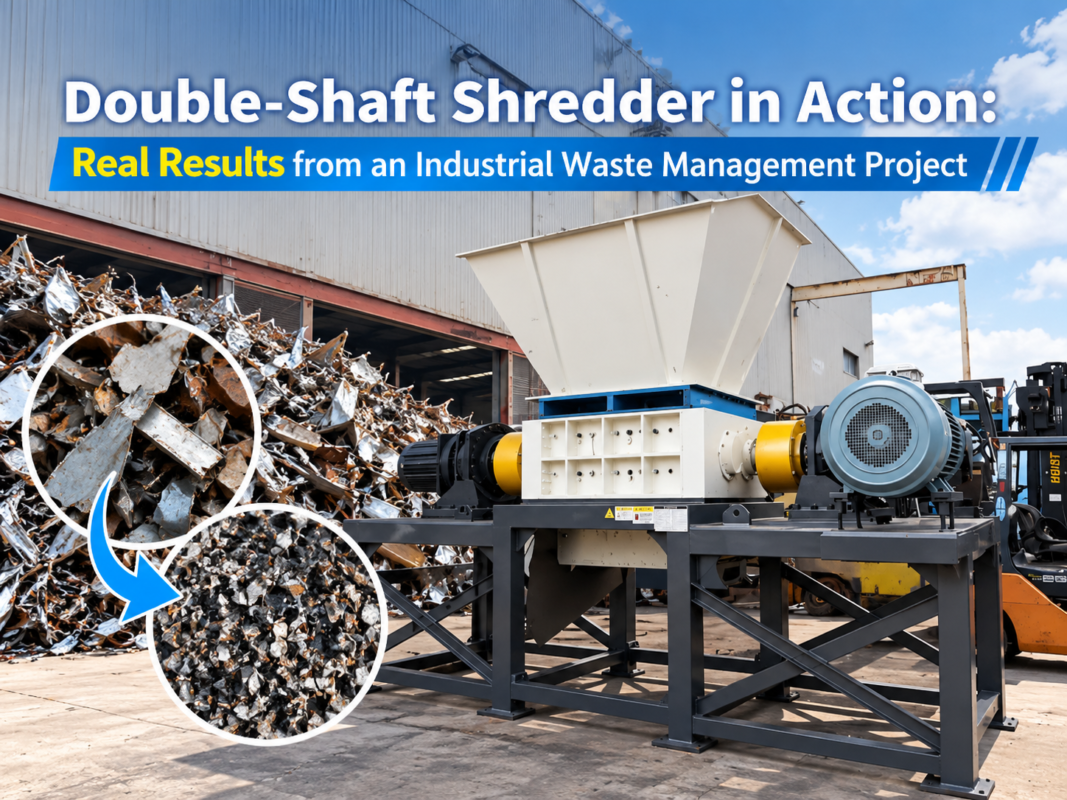
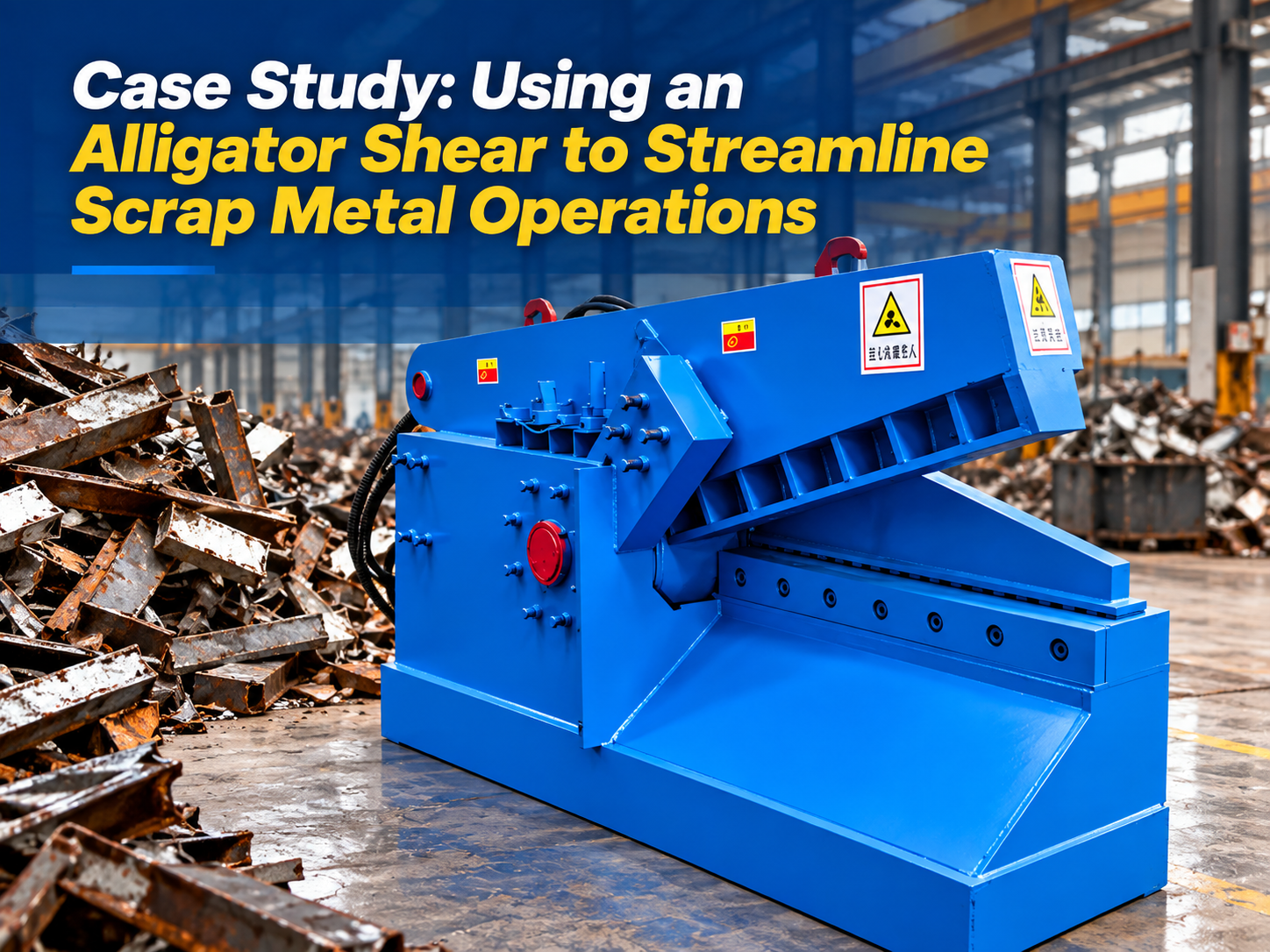
Case Study: Using An Alligator Shear Streamline Scrap Metal Operations

Introduction: The Evolution of Scrap Metal Processing
In the modern landscape of metal fabrication and recycling, efficiency is the primary driver of profitability. For facilities handling high volumes of ferrous and non-ferrous scrap, the bottleneck often lies in the initial size reduction phase. This case study explores the transformative impact of integrating HARSLE alligator shears into a mid-sized recycling operation, demonstrating how targeted investment in industrial machinery can streamline workflows and maximize throughput.
Scrap metal processing is inherently labor-intensive and dangerous. Traditional methods, such as manual torch cutting or low-capacity hydraulic shears, often lead to inconsistent output, high energy consumption, and significant safety risks for operators. By transitioning to a high-performance alligator shear, facilities can achieve precise, rapid cutting that prepares materials for downstream processing or direct sale to smelters.
The focus of this article, “Case Study: Using An Alligator Shear Streamline Scrap Metal Operations,” highlights the operational shift experienced by a regional recycling center. We will examine the technical specifications, the integration process, and the long-term economic benefits of adopting HARSLE’s advanced shearing technology. Whether you are a scrap yard owner or a fabrication shop manager, understanding these dynamics is essential for staying competitive.
HARSLE has long been at the forefront of metal fabrication equipment, providing robust solutions that withstand the rigors of heavy-duty industrial environments. As we delve into this case study, we will uncover how the right equipment selection—specifically the alligator shear—serves as the backbone of a lean, efficient, and profitable scrap metal operation.

Key Considerations for Scrap Metal Operations
Before implementing any new machinery, facility managers must conduct a thorough audit of their current processes. The primary consideration is material throughput. Are you processing light-gauge sheet metal, or are you dealing with heavy structural steel, I-beams, and thick-walled pipes? The alligator shear must be sized appropriately to handle the maximum cross-sectional area of your typical scrap stream.
Safety is the second critical pillar. Manual torch cutting introduces fire hazards, toxic fumes, and the risk of operator fatigue. An alligator shear provides a cold-cutting solution that eliminates these risks, creating a safer working environment. Furthermore, the ergonomic design of HARSLE shears allows for better operator positioning, reducing the physical strain associated with handling heavy scrap pieces.
Space optimization is another factor often overlooked. Unlike massive shredders or balers, alligator shears are relatively compact, making them ideal for facilities with limited floor space. They offer a high power-to-footprint ratio, allowing operators to process large volumes of material without requiring a massive infrastructure overhaul. This makes them a versatile choice for both dedicated recycling yards and integrated fabrication shops.
Finally, consider the downstream requirements of your scrap. Smelters and foundries often have strict specifications regarding the size and cleanliness of the scrap they purchase. By using an alligator shear, you can ensure that your output meets these specifications consistently, thereby commanding a higher price per ton. This quality control aspect is a major driver of ROI in the scrap metal industry.
Technical Details of HARSLE Alligator Shears
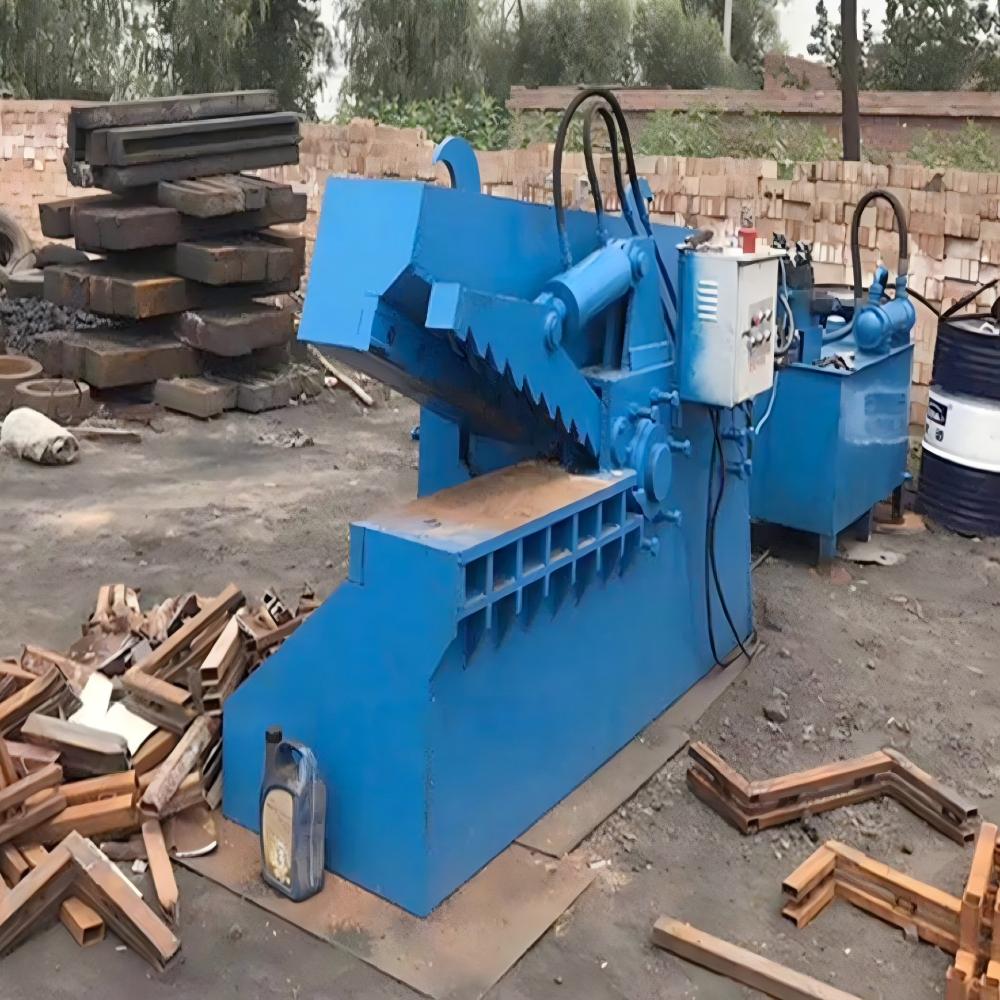
HARSLE alligator shears are engineered for durability and precision. At the heart of these machines is a high-pressure hydraulic system that delivers consistent force throughout the entire cutting stroke. Unlike mechanical shears, hydraulic alligator shears offer overload protection, preventing damage to the blade or the frame if an operator attempts to cut material beyond the machine’s rated capacity.
The blade geometry is another technical highlight. HARSLE utilizes high-grade, wear-resistant tool steel for its blades, which are reversible and adjustable. This design feature significantly extends the service life of the blades, reducing downtime for maintenance and replacement. The jaw opening is specifically calibrated to allow for the efficient feeding of bulky scrap, ensuring that the machine remains productive throughout the shift.
Control systems in modern HARSLE shears are designed for both manual and semi-automatic operation. Operators can utilize foot pedals for hands-free control, allowing them to manipulate the scrap material with both hands for better alignment. This level of control is essential for achieving clean, straight cuts that minimize waste and maximize the value of the processed metal.
Maintenance is simplified through modular design. HARSLE machines feature accessible hydraulic manifolds and lubrication points, ensuring that routine maintenance can be performed quickly without specialized tools. This focus on serviceability is a hallmark of HARSLE’s commitment to industrial reliability, ensuring that your investment remains operational for years to come.
Selection Advice: Choosing the Right Equipment
Selecting the right alligator shear requires a balance between current needs and future growth. Start by analyzing your material mix. If your operation primarily handles rebar and small pipes, a smaller, high-speed model may be sufficient. However, if you are processing heavy structural steel, you will need a machine with a larger jaw opening and higher cutting force.
Consider the power source. While electric motors are standard, some remote locations or mobile operations might benefit from diesel-powered hydraulic units. HARSLE offers a range of configurations to suit different power requirements, ensuring that you don’t overspend on unnecessary capacity while still meeting your production targets.
Evaluate the build quality of the frame. The stress exerted during the shearing of thick steel is immense. HARSLE uses reinforced, stress-relieved steel frames to ensure structural integrity over thousands of cycles. When comparing equipment, look for the weight of the machine; a heavier, more robust frame is generally indicative of better durability and less vibration during operation.
Finally, look for a manufacturer that provides comprehensive support. HARSLE is known for its responsive technical support and availability of spare parts. When you invest in industrial machinery, you are not just buying a tool; you are entering a partnership. Ensure that your supplier can provide training, maintenance schedules, and rapid troubleshooting assistance to keep your operations running smoothly.
Operational Efficiency: A Case Study Perspective
In our featured case study, the recycling facility initially relied on a team of four workers using handheld plasma cutters. This process was slow, expensive due to gas consumption, and created a significant safety hazard. After installing a HARSLE alligator shear, the facility reduced its processing time by 60% and eliminated the need for expensive consumables like oxygen and acetylene.
The transition allowed the facility to reallocate two of the four workers to other value-added tasks, such as sorting non-ferrous metals, which increased the overall revenue of the yard. The consistency of the cuts meant that the scrap was more densely packed in shipping containers, reducing logistics costs by 15% per shipment. This is a prime example of how “Case Study: Using An Alligator Shear Streamline Scrap Metal Operations” translates into tangible financial gains.
Furthermore, the noise levels were significantly reduced compared to the previous cutting methods. This improved the working environment, leading to higher employee morale and lower turnover rates. The facility also noted a decrease in insurance premiums due to the improved safety profile of the cold-cutting process compared to open-flame cutting.
The long-term reliability of the HARSLE equipment meant that maintenance costs were predictable and manageable. By following the recommended maintenance schedule, the facility avoided major breakdowns and kept the machine running at peak performance for over 2,000 hours of operation in the first year alone. This level of reliability is the ultimate goal for any industrial operation.
FAQ: Common Questions About Alligator Shears
- What materials can an alligator shear cut? HARSLE alligator shears are designed to cut a wide variety of metals, including rebar, angle iron, pipes, plates, and various structural steel shapes.
- How often should the blades be sharpened? Blade life depends on the hardness and volume of the material being cut. Generally, blades should be inspected weekly and sharpened or flipped when the cutting edge shows signs of dulling or chipping.
- Is special training required to operate the machine? While the machines are user-friendly, proper training on safety protocols, material handling, and emergency stop procedures is essential for all operators.
- Can the shear be used for non-ferrous metals? Yes, alligator shears are highly effective for cutting copper, aluminum, and brass, often used to clean up bulky scrap for better recycling value.
- What is the typical lifespan of a HARSLE alligator shear? With proper maintenance and lubrication, these machines are built to last for decades in demanding industrial environments.
Conclusion: Investing in the Future of Your Scrap Yard
The decision to integrate an alligator shear into your scrap metal operations is a strategic move that pays dividends in efficiency, safety, and profitability. As demonstrated in this case study, the transition from manual or outdated methods to HARSLE’s advanced shearing technology provides a clear path to optimizing your workflow. By focusing on the right equipment, proper maintenance, and operational best practices, you can transform your facility into a high-output, competitive player in the metal recycling market.
HARSLE continues to lead the industry by providing metal fabrication equipment that meets the evolving needs of modern businesses. Whether you are looking to reduce labor costs, improve material quality, or simply increase your daily throughput, an alligator shear is an essential asset. We encourage you to evaluate your current processes and consider how this technology can help you achieve your production goals.
Remember that the success of your scrap metal operation is built on the reliability of your machinery. By choosing HARSLE, you are investing in quality, performance, and a partner dedicated to your long-term success. Explore our full range of alligator shears and other metal fabrication solutions today to take the next step in streamlining your operations.