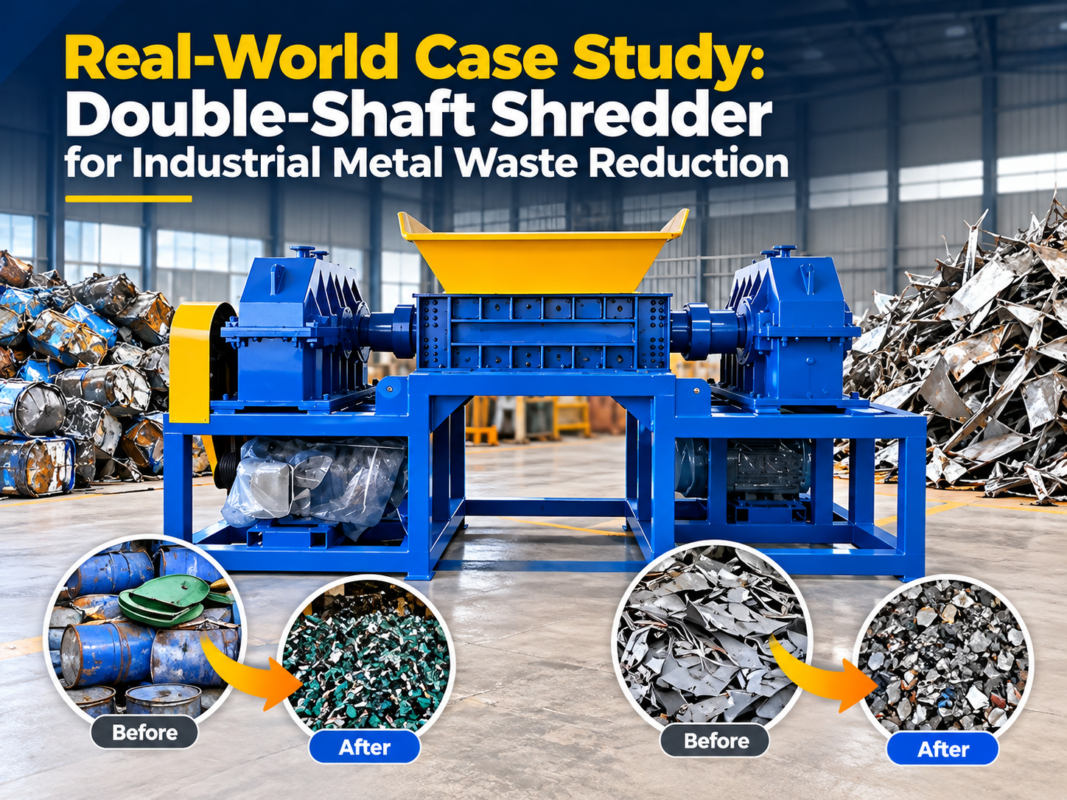
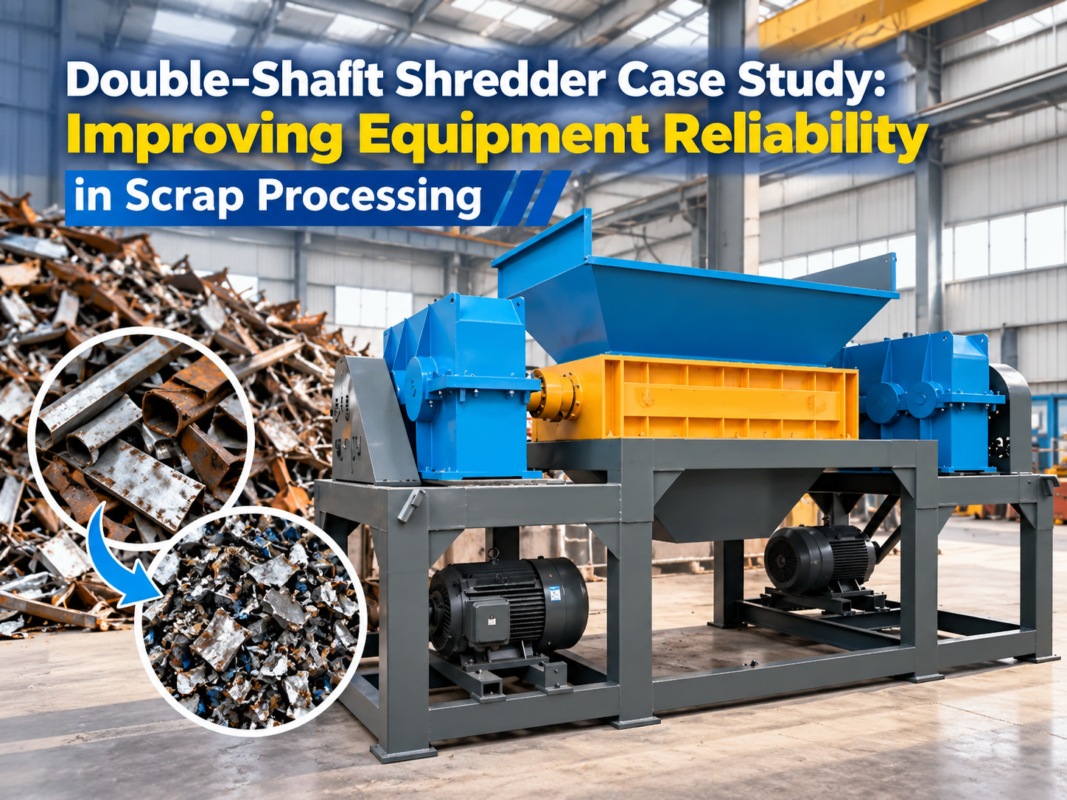
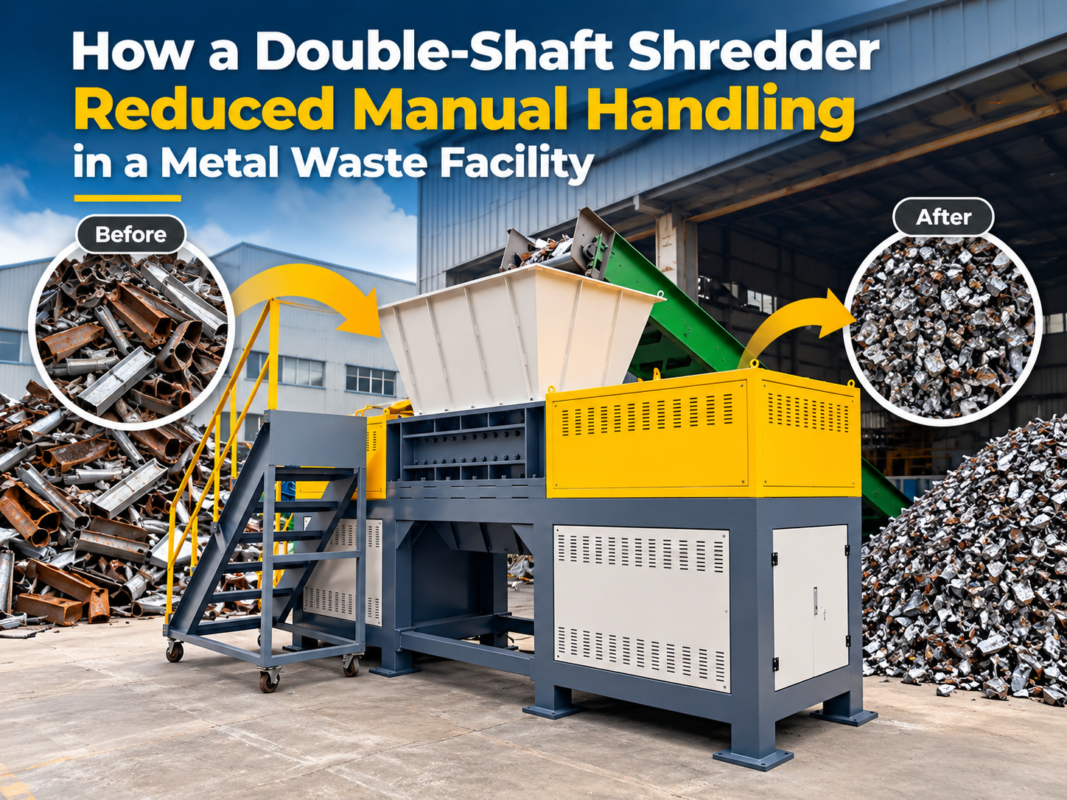
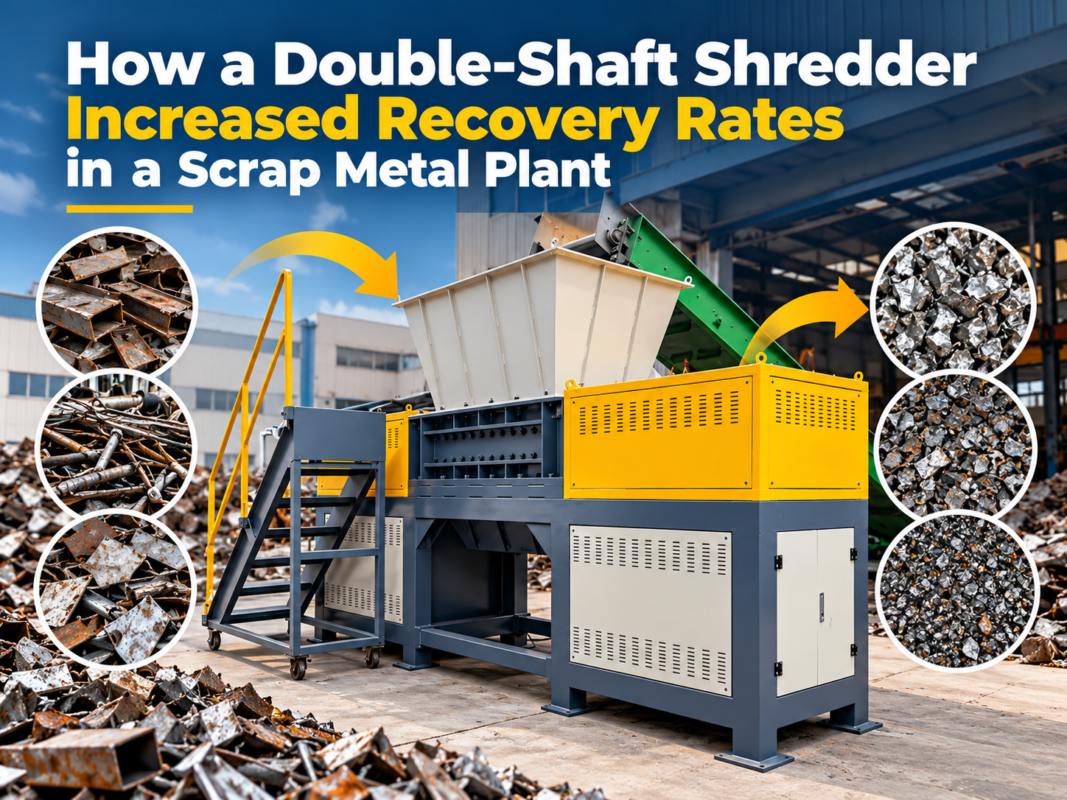
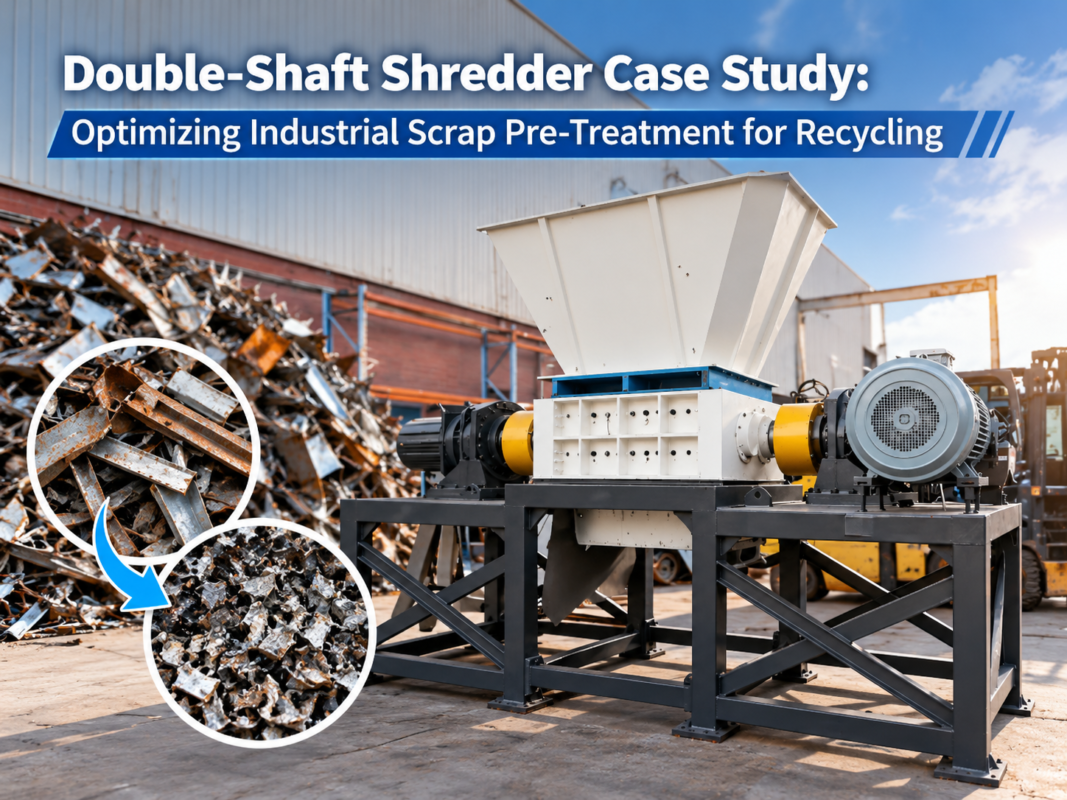
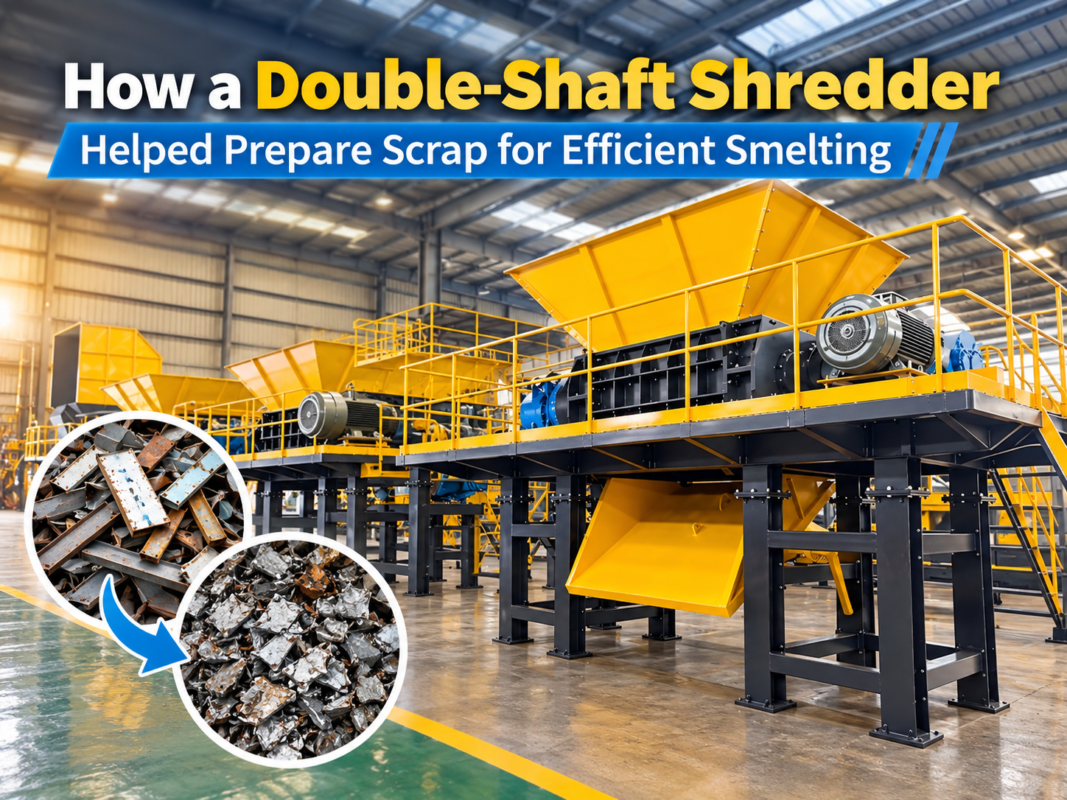
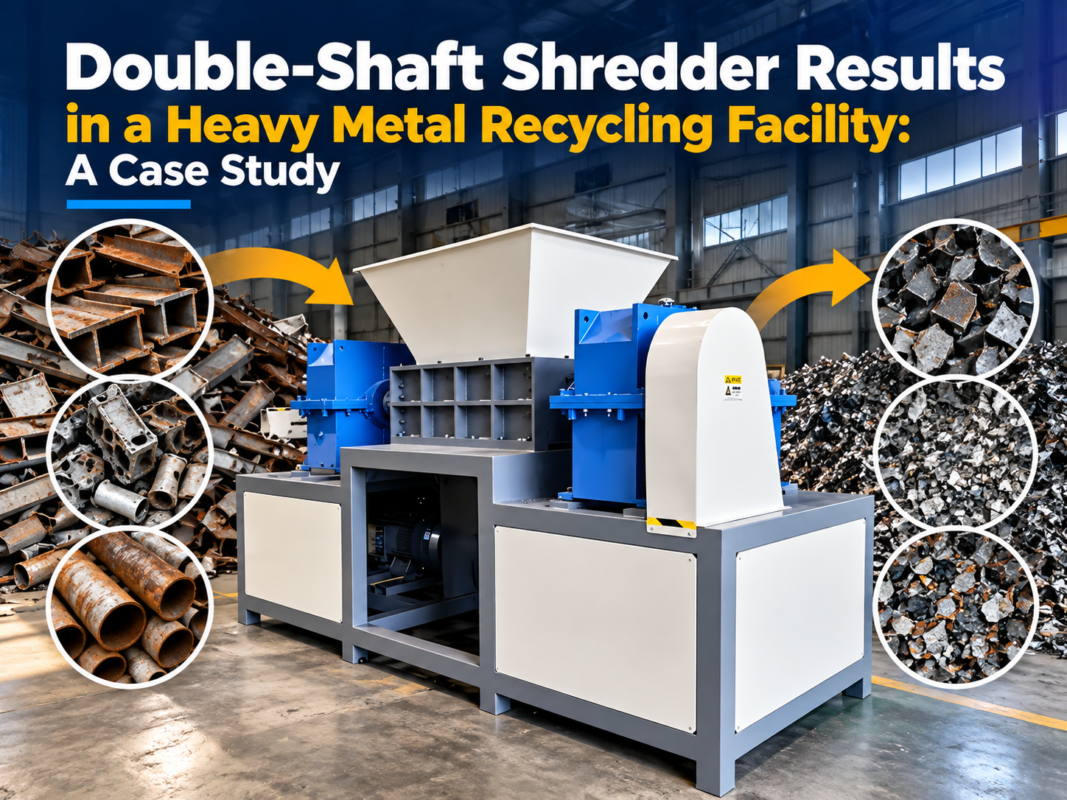
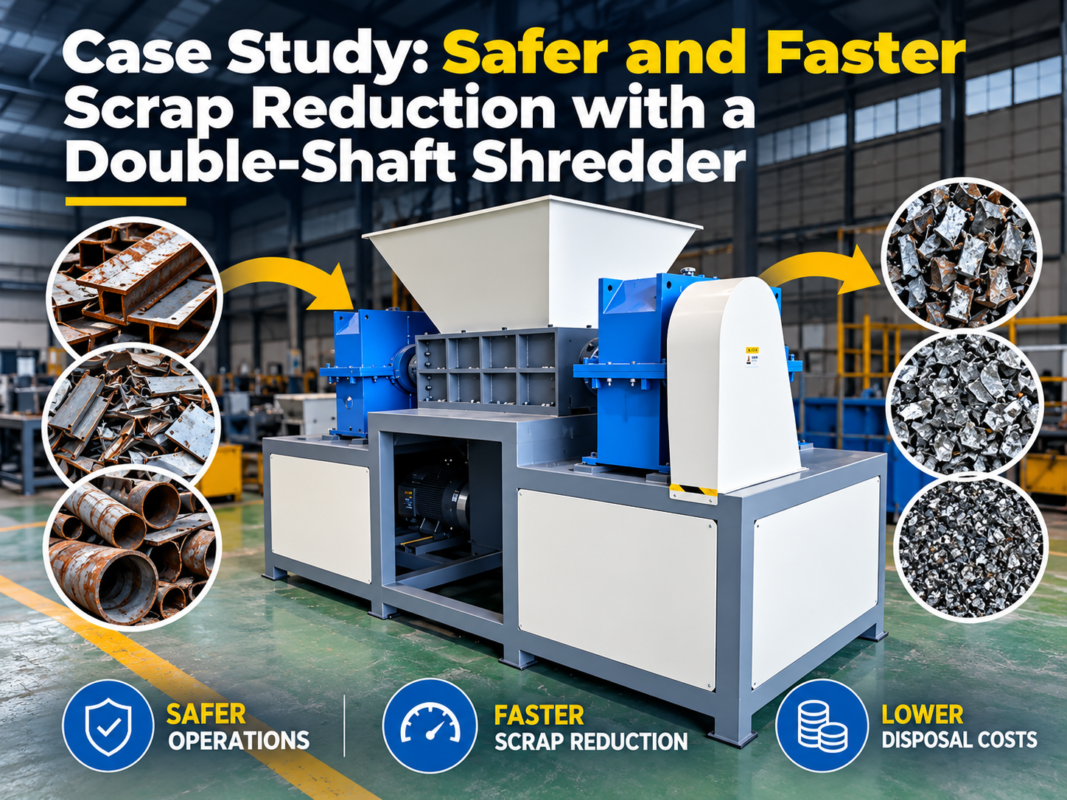
Case Study: Single-Shaft Shredder for Barrel, Drum, and Container Recycling

Introduction to Industrial Recycling Challenges
In the modern landscape of metal fabrication and industrial manufacturing, the efficient management of waste materials is no longer just an environmental responsibility—it is a critical operational necessity. Facilities dealing with large volumes of metal barrels, plastic drums, and industrial containers often face significant logistical hurdles. These bulky items consume vast amounts of floor space, increase transportation costs, and complicate the recycling process. This article presents a comprehensive Case Study: Single-Shaft Shredder Barrel, Drum, Container Recycling, illustrating how HARSLE machinery transforms waste management into a streamlined, profitable workflow.
The primary challenge for many industrial plants is the sheer volume of empty containers that accumulate daily. Whether these are steel drums used for chemical storage or plastic containers for raw materials, their rigid structure makes them difficult to handle. Traditional disposal methods, such as manual crushing or off-site removal, are labor-intensive and costly. By integrating a high-performance single-shaft shredder, companies can reduce the volume of these materials by up to 80%, significantly lowering logistics costs and preparing the scrap for secondary processing or smelting.
HARSLE has engineered its single-shaft shredder series to address the specific physical properties of barrels and drums. Unlike lighter-duty shredders, our industrial-grade systems are built to withstand the high torque required to pierce and tear through thick-gauge steel and reinforced high-density polyethylene (HDPE). This case study explores the technical implementation of these machines, the operational benefits observed in real-world environments, and the strategic advantages of choosing the right shredding technology for your facility.
As we delve into the technical specifications and operational workflows, it is important to understand that the goal of a shredding system is not merely size reduction. It is about creating a uniform output that can be easily sorted, cleaned, and recycled. By achieving a consistent particle size, manufacturers can increase the value of their scrap metal or plastic, turning a waste stream into a secondary revenue source. This article serves as a guide for facility managers and engineers looking to optimize their recycling infrastructure.

Key Considerations for Industrial Shredding
When evaluating a Case Study: Single-Shaft Shredder Barrel, Drum, Container Recycling, one must first consider the material composition. Metal barrels, often made of carbon steel or stainless steel, require a shredder with high-torque gearboxes and hardened alloy steel blades. Plastic drums, conversely, may require different rotor speeds to prevent melting due to friction. HARSLE’s modular design allows for the adjustment of rotor speed and screen size, ensuring that the machine can be tuned to the specific material being processed.
Another critical factor is the throughput requirement. High-volume facilities need a system that can handle continuous feeding without overheating or jamming. Our shredders feature advanced PLC control systems that monitor motor load in real-time. If the shredder detects an overload, it automatically reverses the rotor to clear the obstruction before resuming operation. This “auto-reverse” feature is essential for preventing downtime and protecting the drive train from catastrophic failure during the shredding of thick-walled containers.
Safety and environmental compliance are also paramount. Shredding metal drums can generate significant noise and dust. HARSLE integrates sound-dampening enclosures and dust extraction ports into its shredding lines. Furthermore, when dealing with containers that previously held chemicals, it is vital to ensure that the shredding process is integrated into a larger system that includes cleaning or decontamination stages. Our engineering team works closely with clients to design a layout that prioritizes operator safety and adheres to local environmental regulations.
Finally, the long-term cost of ownership must be evaluated. A cheap shredder may seem attractive initially, but the cost of frequent blade replacements and motor repairs can quickly exceed the initial investment. HARSLE shredders are built with high-wear-resistant materials and feature easily replaceable cutting inserts. By choosing a robust system, facilities can ensure a longer service life, lower maintenance frequency, and a better return on investment over the machine’s operational lifespan.
Technical Details of HARSLE Shredding Systems
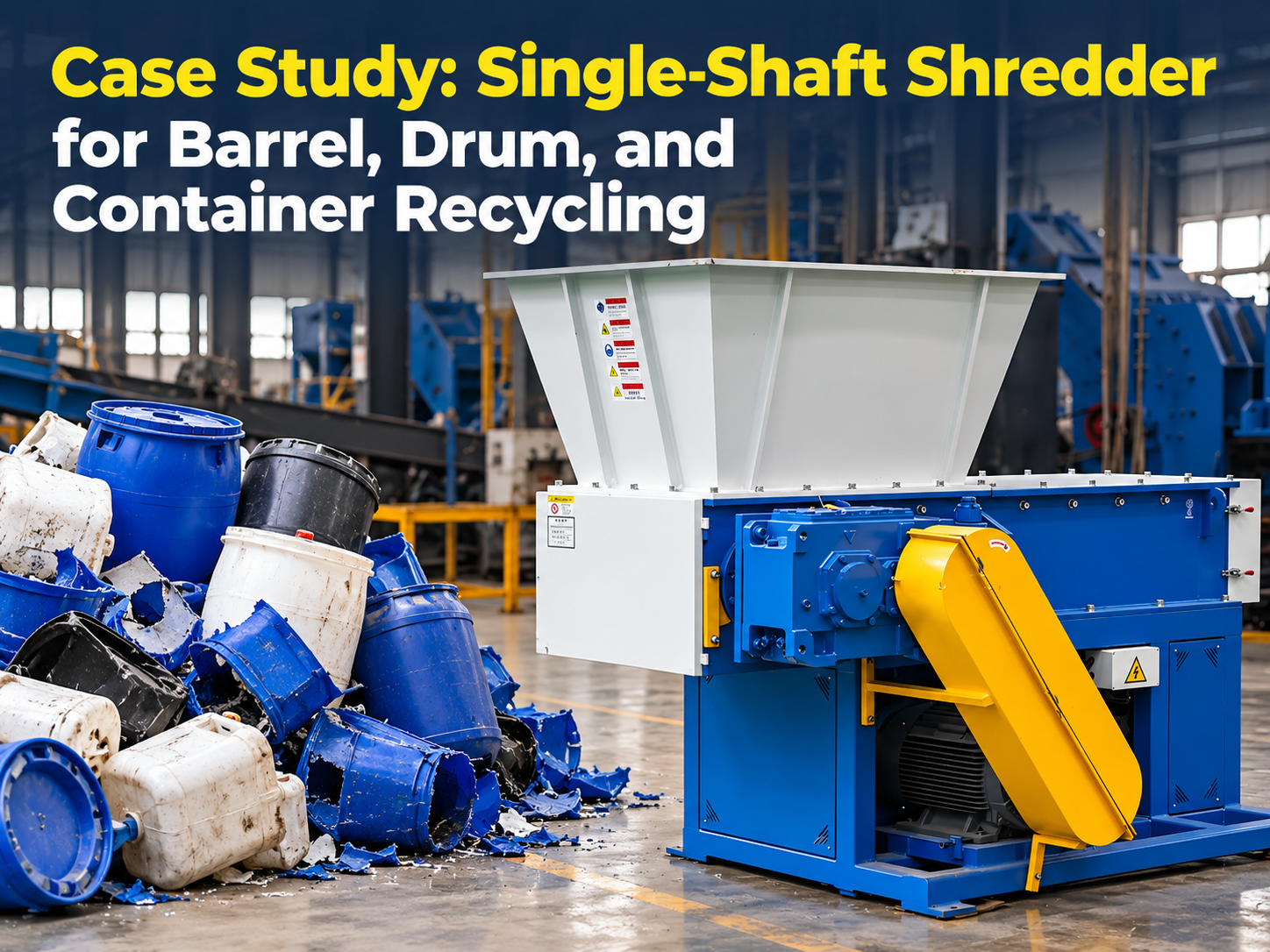
The core of the HARSLE single-shaft shredder is its heavy-duty rotor, which is precision-machined to provide maximum cutting force. The rotor is equipped with specialized cutting knives that are arranged in a specific pattern to ensure efficient “grab and pull” action. This design is particularly effective for barrels and drums, which are often too large to be fed into smaller shredders. The large feed hopper allows for the direct loading of drums via forklift or conveyor, minimizing manual handling.
The drive system utilizes a high-torque planetary gearbox, which provides the necessary power to tear through heavy-gauge steel. This is coupled with a high-efficiency motor that ensures consistent performance even under heavy loads. The hydraulic ram system is another critical component; it pushes the material against the rotor at a controlled pressure, ensuring that the shredder is always working at its optimal capacity without being overwhelmed. This hydraulic control is adjustable, allowing operators to fine-tune the shredding force based on the thickness and material of the containers.
Below is a summary of the technical specifications that make HARSLE shredders ideal for this application:
- Rotor Diameter: Optimized for large-diameter containers to prevent bridging.
- Cutting Knives: Made from D2 or equivalent high-alloy steel for maximum durability.
- Screen Size: Interchangeable screens allow for precise control over output particle size.
- PLC Control: Siemens or Schneider-based systems for intelligent load management.
- Hydraulic Ram: Variable pressure settings for different material densities.
- Safety Features: Emergency stop buttons, safety interlocks, and overload protection.
The integration of these components results in a machine that is both powerful and reliable. The modular nature of the cutting chamber means that if a specific part of the machine experiences wear, it can be replaced without requiring a complete overhaul of the system. This modularity is a hallmark of HARSLE’s commitment to sustainable and maintainable industrial design.

Selection Advice: Choosing the Right Machine
Selecting the right shredder for your facility requires a clear understanding of your current and future waste streams. Start by conducting a waste audit to determine the average volume and type of containers you process daily. If you are primarily shredding thin-walled plastic containers, a lower-torque, higher-speed machine might be sufficient. However, if your facility handles a mix of steel drums and heavy-duty plastic, a high-torque, low-speed single-shaft shredder is the only viable option.
Consider the space constraints of your facility. HARSLE offers various configurations, including compact units for smaller workshops and large-scale, integrated systems for industrial recycling centers. Ensure that your floor space can accommodate the shredder, the in-feed conveyor, and the discharge system. It is also important to consider the electrical requirements of the machine; high-torque shredders require significant power, and your facility’s electrical infrastructure must be capable of supporting the peak load during startup and heavy shredding cycles.
Another aspect of selection is the level of automation required. For high-volume operations, we recommend a fully automated system with a conveyor belt and an out-feed system that deposits shredded material directly into a bin or baler. This minimizes human intervention and maximizes throughput. If your operation is smaller, a semi-automated system where operators manually load the hopper may be more cost-effective. HARSLE provides customized solutions to match your specific operational scale.
Finally, don’t overlook the importance of after-sales support. A shredder is a significant investment, and having access to spare parts, technical support, and maintenance training is crucial. HARSLE prides itself on its global support network, ensuring that our clients receive the assistance they need to keep their operations running smoothly. When choosing a supplier, always ask about their lead times for spare parts and their availability for on-site technical consultations.
Domande frequenti (FAQ)
What is the main advantage of a single-shaft shredder for drums?
The primary advantage is the combination of high torque and controlled feeding. The hydraulic ram ensures that the drum is consistently pushed against the rotor, preventing it from bouncing or sliding, which allows for efficient shredding of even the most rigid containers.
Can this shredder handle both metal and plastic containers?
Yes, HARSLE single-shaft shredders are designed to be versatile. By adjusting the rotor speed and the screen size, you can effectively process both steel drums and various types of plastic containers. We recommend consulting with our engineers to select the correct blade material for your specific mix of materials.
How often do the blades need to be replaced?
Blade life depends on the material being shredded and the volume of throughput. For standard steel drum recycling, our hardened alloy blades typically last for thousands of hours. We provide a maintenance schedule that includes regular inspections to ensure the blades are sharpened or replaced before they impact the machine’s performance.
Is the shredder noisy during operation?
While all industrial shredders generate noise, HARSLE incorporates sound-dampening features into our designs. We also offer optional acoustic enclosures for facilities that require strict noise control. Proper installation and maintenance also play a significant role in minimizing operational noise.
What happens if a non-shreddable object enters the machine?
Our PLC-controlled system is designed to detect sudden spikes in motor current, which occur when a non-shreddable object (like a solid steel block) is encountered. The machine will automatically reverse the rotor to eject the object or stop the system to prevent damage, alerting the operator to the issue.
Conclusione
The implementation of a HARSLE single-shaft shredder represents a significant upgrade in how industrial facilities handle waste. As demonstrated in this Case Study: Single-Shaft Shredder Barrel, Drum, Container Recycling, the transition from manual disposal to automated shredding yields immediate benefits in space efficiency, labor reduction, and material recovery. By reducing the volume of bulky containers, businesses can optimize their logistics and increase the value of their scrap.
HARSLE remains committed to providing high-quality, durable, and efficient metal fabrication and recycling equipment. Our single-shaft shredders are more than just machines; they are integral components of a modern, sustainable industrial strategy. We invite you to contact our technical team to discuss your specific recycling needs and to see how our solutions can be tailored to your facility’s unique requirements. Investing in the right technology today ensures a more productive and profitable tomorrow.