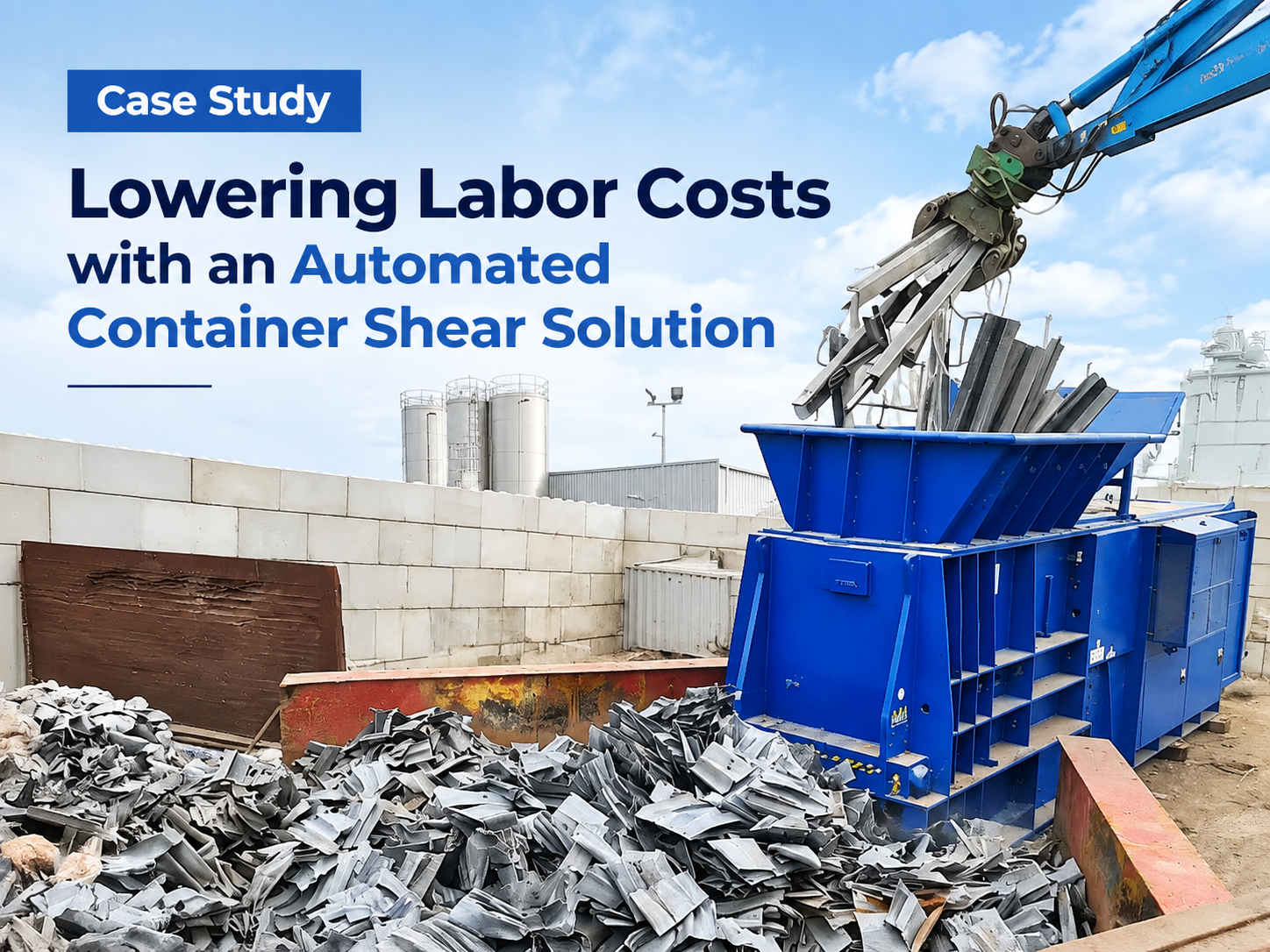
Case Study: Lowering Labor Costs An Automated Container Shear Solution

Introduction: The Evolution of Scrap Processing
In the modern metal recycling industry, the pressure to maintain profitability amidst fluctuating commodity prices and rising operational expenses has never been higher. For many scrap yards and metal fabrication facilities, labor costs represent the single largest variable expense. Manual cutting, sorting, and feeding processes are not only time-consuming but also pose significant safety risks to personnel. This is where the implementation of advanced technology becomes a strategic necessity rather than a luxury.
This article explores a comprehensive Case Study: Lowering Labor Costs An Automated Container Shear Solution, focusing on how HARSLE’s engineering innovations are transforming the scrap metal landscape. By transitioning from manual labor-intensive operations to automated shearing, businesses can achieve higher throughput, improved material density, and a significant reduction in man-hours per ton of processed metal.
The shift toward automation is driven by the need for consistency. Manual shearing is subject to human fatigue, varying skill levels, and inconsistent output quality. An automated container shear, by contrast, provides a standardized, high-speed solution that operates continuously, ensuring that the facility meets its production targets regardless of external labor market fluctuations.
Throughout this analysis, we will examine the technical specifications, operational advantages, and strategic considerations that make HARSLE container shears a benchmark in the industry. Whether you are a small-scale recycler or a large industrial fabrication plant, understanding the ROI of these systems is critical for long-term growth.
Key Considerations for Implementing Automated Shearing
When evaluating the transition to an automated system, facility managers must first assess their current material flow. The primary goal of a container shear is to reduce the volume of scrap metal into manageable, transportable sizes. If your current workflow involves multiple manual handling steps—such as moving scrap from a pile to a cutting station and then to a container—you are losing efficiency at every touchpoint.
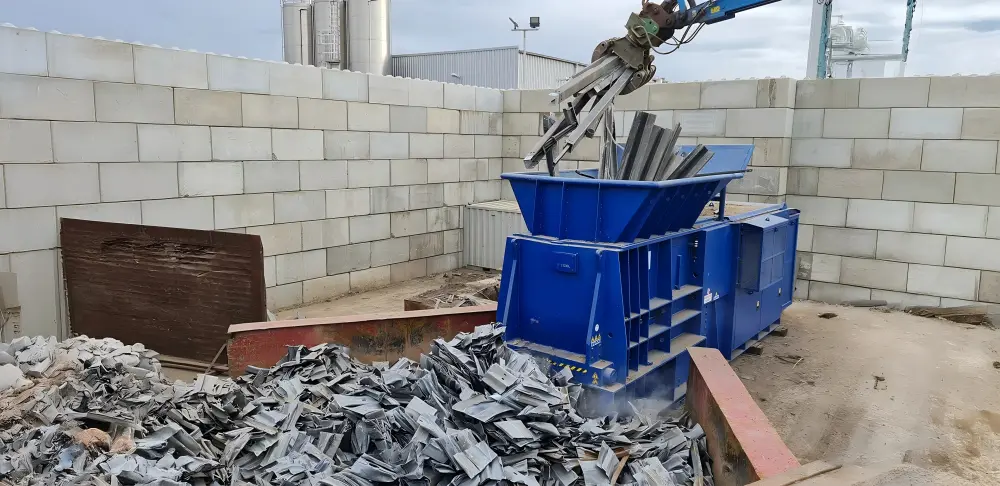
Labor cost reduction is achieved by minimizing these touchpoints. An automated container shear acts as a centralized processing hub. By integrating conveyor systems or grab cranes directly into the shear’s feed mechanism, the need for manual loading is virtually eliminated. This allows a single operator to manage the entire process from a climate-controlled, safe cabin, effectively replacing a team of three to four manual laborers.
Safety is another critical consideration. Scrap metal processing is inherently dangerous, with sharp edges, heavy falling objects, and high-pressure hydraulic systems. Automating the shear process removes workers from the immediate danger zone. This not only reduces the likelihood of workplace accidents but also lowers insurance premiums and long-term liability costs, which are often overlooked in traditional labor cost calculations.
Finally, consider the scalability of the solution. A container shear is not just a tool; it is a long-term investment. HARSLE designs its equipment with modularity in mind, allowing facilities to upgrade their feed systems or integrate smart sensors as their volume requirements grow. This forward-thinking approach ensures that the initial capital expenditure is justified by years of sustained productivity gains.
Technical Details: Engineering Excellence in HARSLE Systems
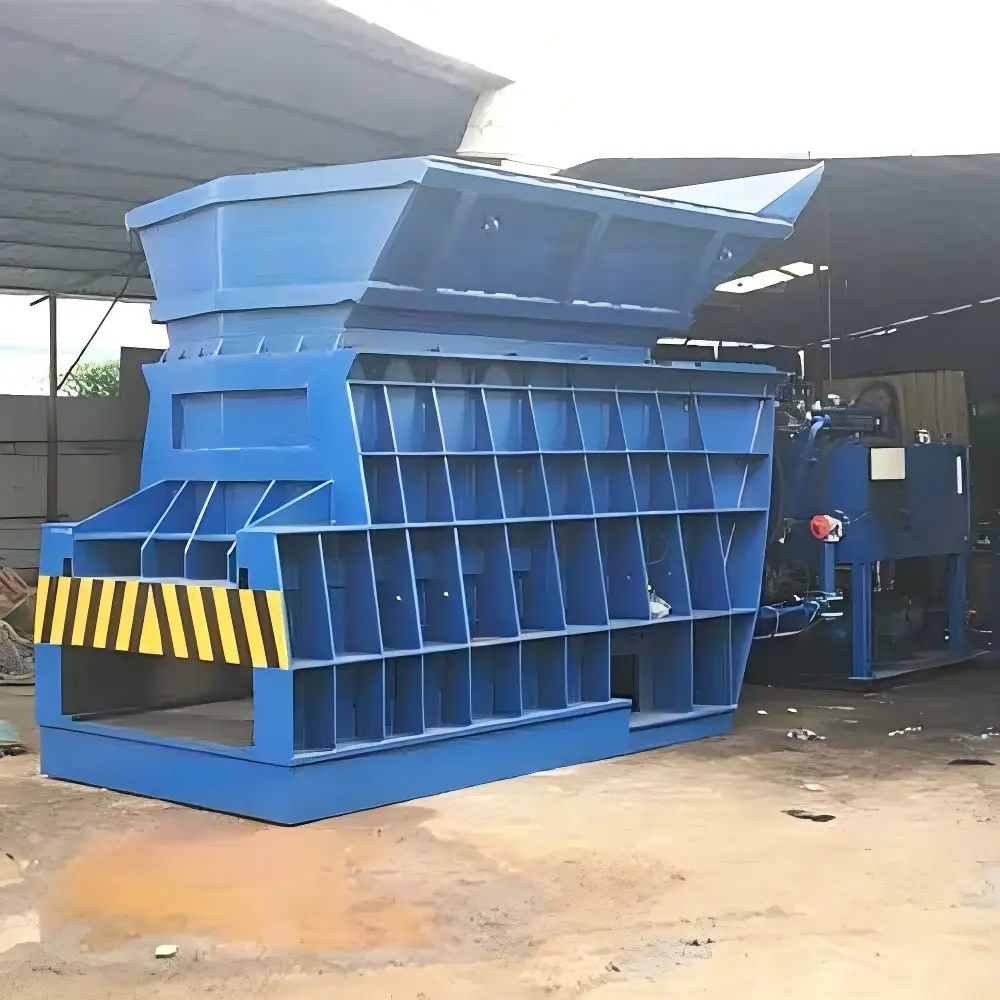
The core of the HARSLE container shear lies in its robust hydraulic architecture. These machines are engineered to handle high-tensile steel, heavy structural beams, and mixed scrap with ease. The shear force is generated by high-pressure hydraulic cylinders, which are controlled by a sophisticated PLC (Programmable Logic Controller) system. This ensures that the cutting force is applied precisely where needed, maximizing blade life and minimizing energy consumption.
One of the standout features of our automated solutions is the integrated container design. Unlike traditional shears that require a separate discharge area, the container shear is built into a standard shipping container frame. This design offers unparalleled mobility and ease of installation. It can be transported to a job site, set up within hours, and begin processing immediately, making it ideal for temporary demolition projects or large-scale industrial cleanups.
The cutting blades are manufactured from high-alloy tool steel, heat-treated to withstand the extreme stresses of continuous operation. HARSLE’s blade geometry is optimized to provide a clean, shearing action rather than a crushing one, which reduces the power required for each cut and prevents the machine from jamming. This technical refinement is a key factor in the overall efficiency of the system.
Furthermore, the automation software allows for remote diagnostics and real-time monitoring. Operators can track cycle times, hydraulic pressure, and oil temperature, allowing for predictive maintenance. By addressing potential issues before they lead to downtime, the system ensures that the facility maintains a consistent output, which is essential for meeting contractual obligations with steel mills and foundries.
Selection Advice: Choosing the Right Shear for Your Facility
Selecting the correct container shear requires a thorough analysis of your material mix. Are you primarily processing light-gauge sheet metal, or are you dealing with heavy structural steel? The shear force requirements vary significantly between these two applications. A 500-ton shear might be sufficient for light scrap, but heavy-duty industrial demolition may require a 1000-ton capacity system to maintain efficiency.
Consider the feed opening dimensions. The size of the scrap you intend to process dictates the size of the feed box. If your material is bulky or irregularly shaped, a larger feed opening will prevent bottlenecks and reduce the need for pre-cutting. HARSLE offers a range of feed box sizes to accommodate diverse operational needs, ensuring that the machine is perfectly matched to your specific scrap profile.
Operational environment is another factor. If you are operating in extreme temperatures or dusty environments, you must ensure that the hydraulic and electrical components are adequately protected. HARSLE’s containerized designs provide an enclosed, climate-controlled environment for the sensitive control systems, which significantly extends the lifespan of the electronics compared to open-air installations.
Finally, do not overlook the importance of after-sales support. A container shear is a complex piece of industrial machinery. Choosing a manufacturer that provides comprehensive training, readily available spare parts, and responsive technical support is as important as the machine’s specifications. HARSLE prides itself on a global support network, ensuring that our clients receive the assistance they need to keep their operations running smoothly.
FAQ: Domande frequenti
- How much labor can I actually save with a container shear? Most facilities report a 60-70% reduction in labor requirements for the shearing process, as the machine automates the feeding, cutting, and discharging stages.
- Is the container shear easy to move? Yes, the containerized design is specifically engineered for transport. It can be loaded onto a standard flatbed truck and relocated to different sites with minimal effort.
- What kind of maintenance does the shear require? Routine maintenance includes checking hydraulic fluid levels, inspecting blade sharpness, and cleaning the feed sensors. HARSLE provides a detailed maintenance schedule with every unit.
- Can the shear handle mixed scrap? Absolutely. The hydraulic system is designed to handle a wide range of materials, from aluminum and copper to heavy steel beams, without requiring constant adjustments.
- How long does it take to install? Because the system is pre-assembled in the container, installation is typically a matter of connecting the power supply and performing a brief calibration, often taking less than a day.
Conclusion: Investing in the Future of Metal Fabrication
The Case Study: Lowering Labor Costs An Automated Container Shear Solution demonstrates that the path to higher profitability in the scrap metal industry lies in the intelligent application of technology. By replacing manual, labor-intensive processes with HARSLE’s automated container shears, businesses can achieve a level of efficiency and safety that was previously unattainable.
The initial investment in an automated system is quickly offset by the reduction in labor costs, increased material throughput, and the ability to produce higher-quality, denser scrap that commands a premium price from mills. As the industry continues to evolve, those who embrace automation will find themselves at a distinct competitive advantage.
HARSLE remains committed to providing the metal fabrication industry with the tools necessary to succeed. Our container shears are more than just equipment; they are a strategic asset designed to optimize your operations, protect your workforce, and drive long-term growth. We invite you to contact our engineering team to discuss how a customized container shear solution can transform your facility’s productivity.