Briquetting Machine Vibration Problems: Causes and Solutions

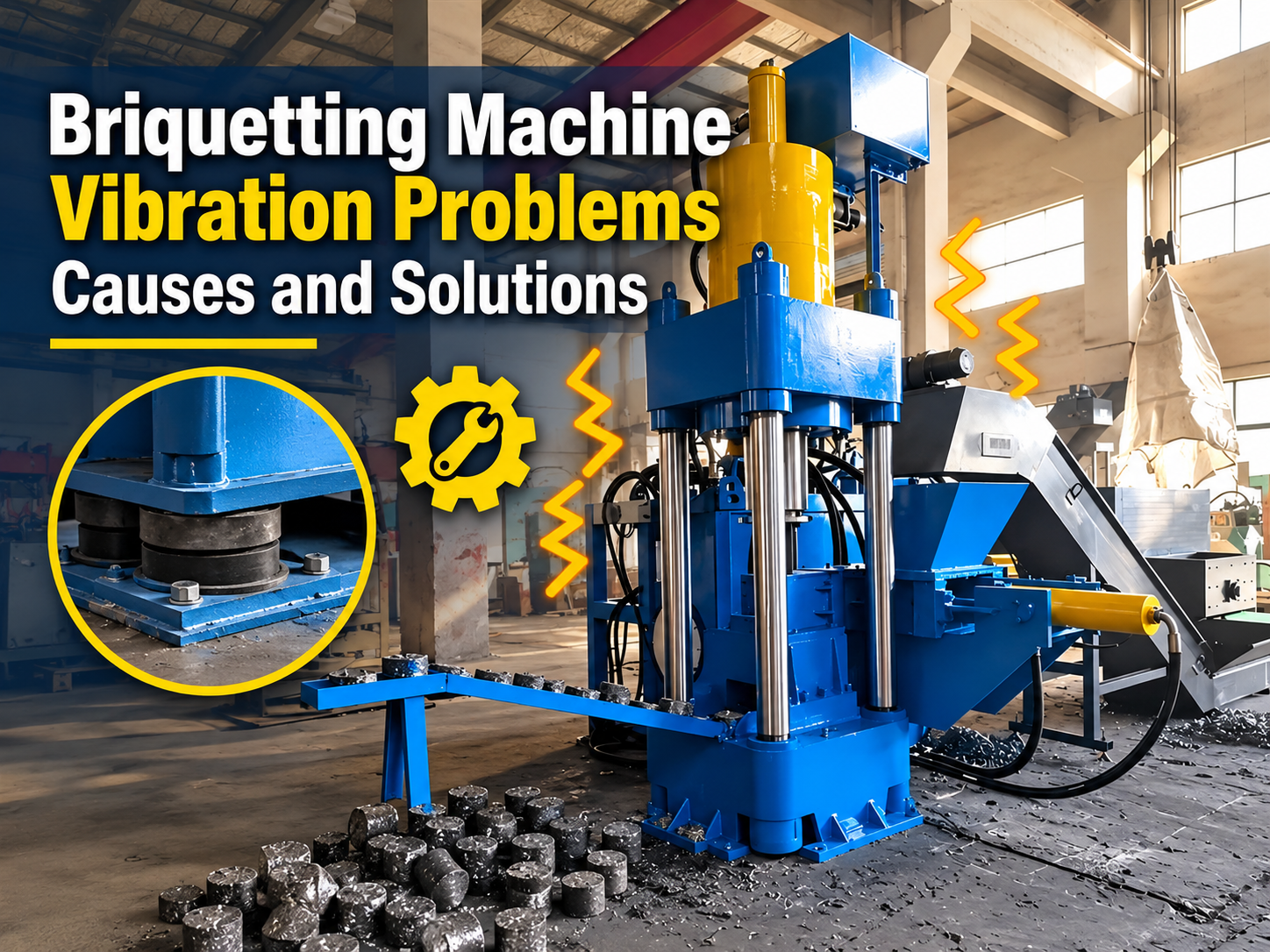
Introduction to Briquetting Machine Vibration Problems: Causes and Solutions
In the high-stakes environment of modern metal fabrication, efficiency and precision are paramount. Briquetting machines play a critical role in waste management by compressing metal chips and swarf into dense, manageable briquettes. However, like any heavy-duty industrial equipment, these machines are susceptible to operational anomalies. Among the most common and concerning issues are Briquetting Machine Vibration Problems: Causes and Solutions. When a machine begins to vibrate excessively, it is not merely a nuisance; it is a diagnostic signal that something within the mechanical or hydraulic system is failing.
Understanding the root causes of these vibrations is essential for plant managers and maintenance engineers. Unchecked vibration can lead to premature wear of bearings, structural fatigue, hydraulic leaks, and, in severe cases, catastrophic failure of the main press cylinder. By addressing Briquetting Machine Vibration Problems: Causes and Solutions early, facilities can extend the lifespan of their equipment, improve the quality of the output briquettes, and ensure a safer working environment for operators.
This comprehensive guide explores the technical intricacies behind vibration in briquetting systems. We will delve into mechanical imbalances, hydraulic pressure fluctuations, and foundation issues that often plague industrial presses. Whether you are operating a high-capacity HARSLE briquetting system or a smaller unit, the principles of vibration mitigation remain consistent. Through systematic troubleshooting and proactive maintenance, you can restore your equipment to optimal performance levels.
Key Considerations for Vibration Diagnosis
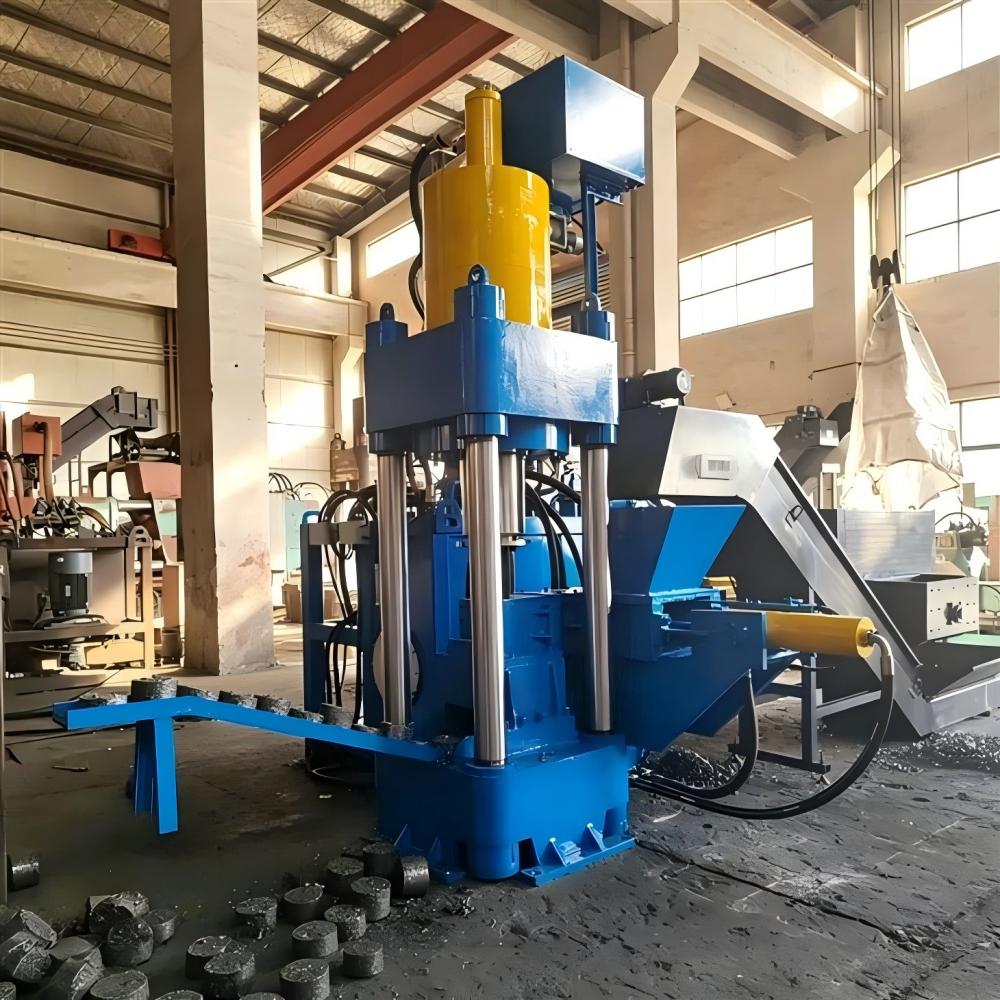
Before diving into specific mechanical fixes, it is important to establish a diagnostic framework. Vibration is rarely the result of a single factor; it is often a cumulative effect of multiple minor issues. The first step in addressing Briquetting Machine Vibration Problems: Causes and Solutions is to observe the vibration pattern. Is it constant, or does it occur only during the compression stroke? Is it accompanied by unusual noises like grinding, knocking, or high-pitched whining? These observations provide the necessary clues to narrow down the source.
Environmental factors also play a significant role. Industrial floors, especially in older facilities, may not provide the rigid foundation required for high-tonnage briquetting presses. If the machine is not properly anchored, the energy generated during the compression cycle will dissipate into the floor, causing the entire unit to oscillate. Checking the anchor bolts and the leveling of the machine should be the first item on your maintenance checklist.
Furthermore, the material being processed significantly influences vibration levels. Variations in chip size, material density, and moisture content can cause uneven loading in the compression chamber. If the material feed is inconsistent, the ram may encounter resistance at different points, leading to jerky movements and vibration. Ensuring a consistent feed rate and material homogeneity is a fundamental operational requirement for minimizing mechanical stress.
Finally, consider the age and maintenance history of the machine. Wear and tear on internal components, such as guide rails and seals, can create play in the system. As parts loosen, the machine loses its structural integrity, making it more susceptible to harmonic vibrations. Keeping a detailed maintenance log allows you to track these changes over time, enabling predictive maintenance rather than reactive repairs.
Technical Details: Analyzing Mechanical and Hydraulic Causes
When investigating Briquetting Machine Vibration Problems: Causes and Solutions, we must look at the two primary systems: mechanical and hydraulic. Mechanically, the most common culprit is misalignment. If the main ram is not perfectly aligned with the die, the force of compression will be applied unevenly. This creates a lateral force that causes the machine to shake as it attempts to compensate for the misalignment. Regular inspection of the ram guides and the die assembly is critical to ensure everything remains centered.
Hydraulic systems are another major source of vibration. Air trapped in the hydraulic fluid is a frequent cause of “spongy” operation and vibration. When air bubbles are compressed and released, they cause pressure spikes that travel through the hoses and cylinders, resulting in erratic movement. Bleeding the hydraulic system regularly is a simple yet effective solution. Additionally, check for cavitation in the hydraulic pump, which occurs when the pump cannot draw enough fluid, leading to internal collapsing of bubbles and intense vibration.
The hydraulic pump itself can be a source of vibration if it is worn or if the mounting bolts have loosened. A pump that is not securely fastened will vibrate against its housing, transmitting that energy to the rest of the machine. Furthermore, check the hydraulic hoses and piping. If they are not properly secured with clamps, the high-pressure fluid pulses can cause them to whip or vibrate against the machine frame. Installing vibration-dampening mounts for the pump and securing all hydraulic lines can significantly reduce noise and vibration.
Lastly, consider the electrical and control systems. Modern briquetting machines use sophisticated PLC systems to manage the compression cycle. If the solenoid valves are opening and closing with incorrect timing, it can cause pressure surges that manifest as vibration. Ensuring that the control software is updated and that the valve response times are calibrated correctly is a technical step that often goes overlooked but is vital for smooth operation.
Selection Advice: Choosing the Right Equipment
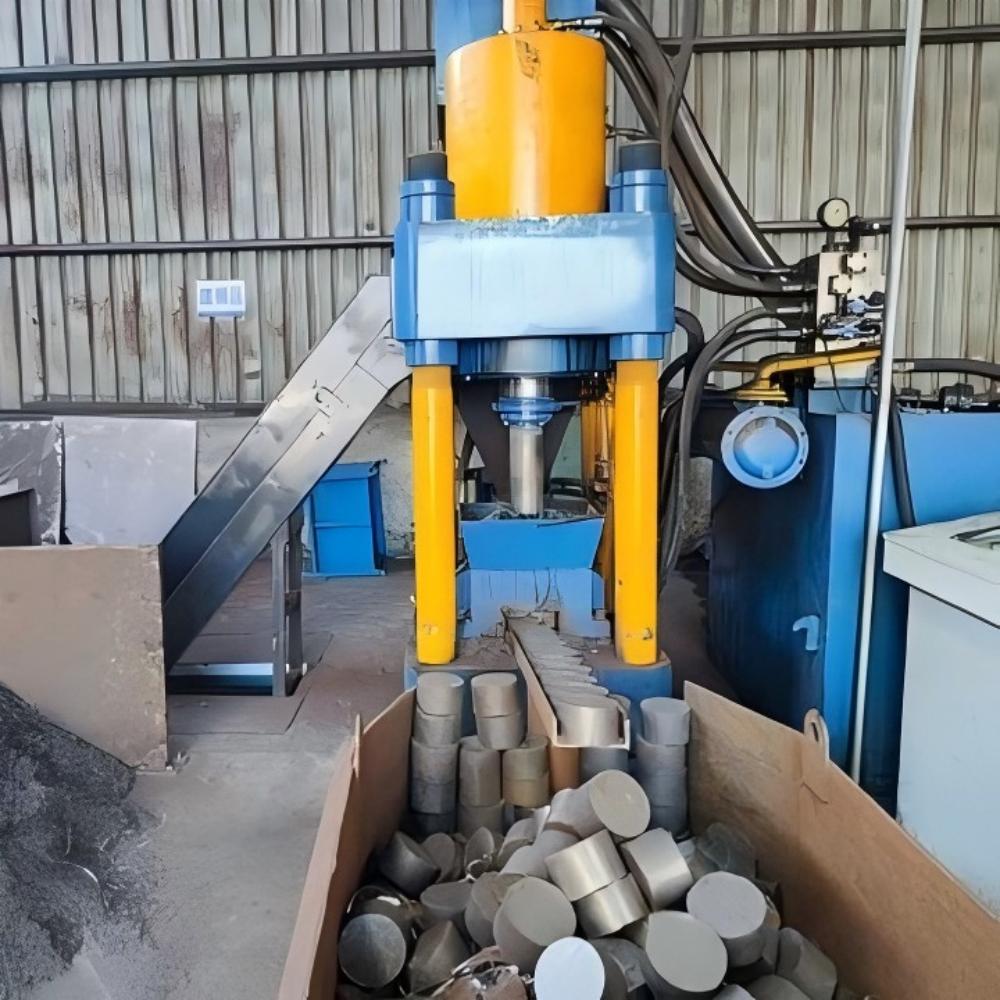
Preventing Briquetting Machine Vibration Problems: Causes and Solutions starts long before the machine is installed. When selecting a briquetting machine, it is crucial to match the machine’s capacity to your specific application. A machine that is undersized for the volume or hardness of the material will be constantly pushed to its limits, leading to excessive vibration and premature component failure. Always consult with HARSLE experts to determine the correct tonnage and throughput requirements for your specific metal waste stream.
Look for machines that feature heavy-duty, reinforced frames. A robust, rigid structure is the best defense against vibration. During the selection process, inquire about the vibration-dampening features integrated into the design. High-quality machines often include rubberized mounting pads, precision-machined guide rails, and advanced hydraulic dampening systems that absorb energy before it can manifest as harmful vibration.
Consider the ease of maintenance when evaluating different models. A machine that is difficult to access for routine inspections will inevitably be neglected, leading to the very vibration problems you are trying to avoid. Look for designs that offer easy access to the hydraulic power unit, the ram assembly, and the control panel. A well-designed machine should facilitate quick checks of fluid levels, filter conditions, and bolt tightness.
Finally, prioritize manufacturers that provide comprehensive support and documentation. Understanding the specific maintenance intervals for your machine is key to preventing vibration. A manufacturer that offers detailed manuals, training for your operators, and readily available spare parts will help you maintain the machine in peak condition. Investing in quality equipment from a reputable source like HARSLE is the most effective way to ensure long-term, vibration-free operation.
FAQ: Common Questions on Briquetting Machine Vibration
- Q: Why does my briquetting machine vibrate only during the final compression stage?
A: This is usually due to high pressure causing the hydraulic system to reach its limit or a slight misalignment in the die assembly that becomes more pronounced under maximum load. Check your hydraulic relief valve settings and inspect the ram guides for wear. - Q: Can loose floor bolts cause permanent damage to the machine?
A: Yes. If the machine is not anchored securely, the vibration can cause structural stress fractures in the frame and lead to premature failure of hydraulic seals and bearings. Always ensure your machine is bolted to a level, high-strength concrete pad. - Q: How often should I bleed the hydraulic system to prevent vibration?
A: You should bleed the system whenever you notice erratic movement, spongy operation, or after any maintenance that involves opening the hydraulic lines. Regular oil changes and filter replacements also help prevent air and debris from entering the system. - Q: Is it normal for the hydraulic pump to make a humming noise?
A: A low-level hum is normal, but a loud, irregular, or high-pitched noise indicates a problem. This could be cavitation, air in the system, or a failing pump bearing. Investigate immediately to prevent further damage. - Q: Does the type of metal scrap affect vibration?
A: Absolutely. Processing harder metals or inconsistent chip sizes requires more force and can cause the machine to work harder. Ensure your machine is rated for the specific material you are processing to avoid overloading.
Conclusione
Addressing Briquetting Machine Vibration Problems: Causes and Solutions is a fundamental aspect of industrial maintenance that directly impacts your bottom line. By understanding the mechanical and hydraulic origins of vibration, you can implement effective strategies to mitigate these issues. From ensuring a solid foundation and proper alignment to maintaining a clean hydraulic system and consistent material feed, every step taken to reduce vibration is a step toward a more efficient and reliable production line.
Remember that vibration is a symptom, not the disease. By treating the root cause—whether it is a loose bolt, trapped air, or an overloaded system—you protect your investment and ensure the longevity of your HARSLE equipment. Regular inspections, proactive maintenance, and informed decision-making during the selection process are the pillars of a successful metal fabrication operation. If you encounter persistent vibration issues that cannot be resolved through standard troubleshooting, do not hesitate to contact professional support to prevent further damage to your machinery.
In the competitive world of metal fabrication, the reliability of your equipment is your greatest asset. By staying vigilant and addressing Briquetting Machine Vibration Problems: Causes and Solutions with a systematic approach, you ensure that your facility remains productive, safe, and profitable. Keep your machines running smoothly, and they will continue to provide the high-quality output your business demands for years to come.