Best Value Gantry Shear Prices for Heavy-Duty Metal Cutting Operations: A Comprehensive HARSLE Guide

Price Range Overview: Understanding the Market for Gantry Shears
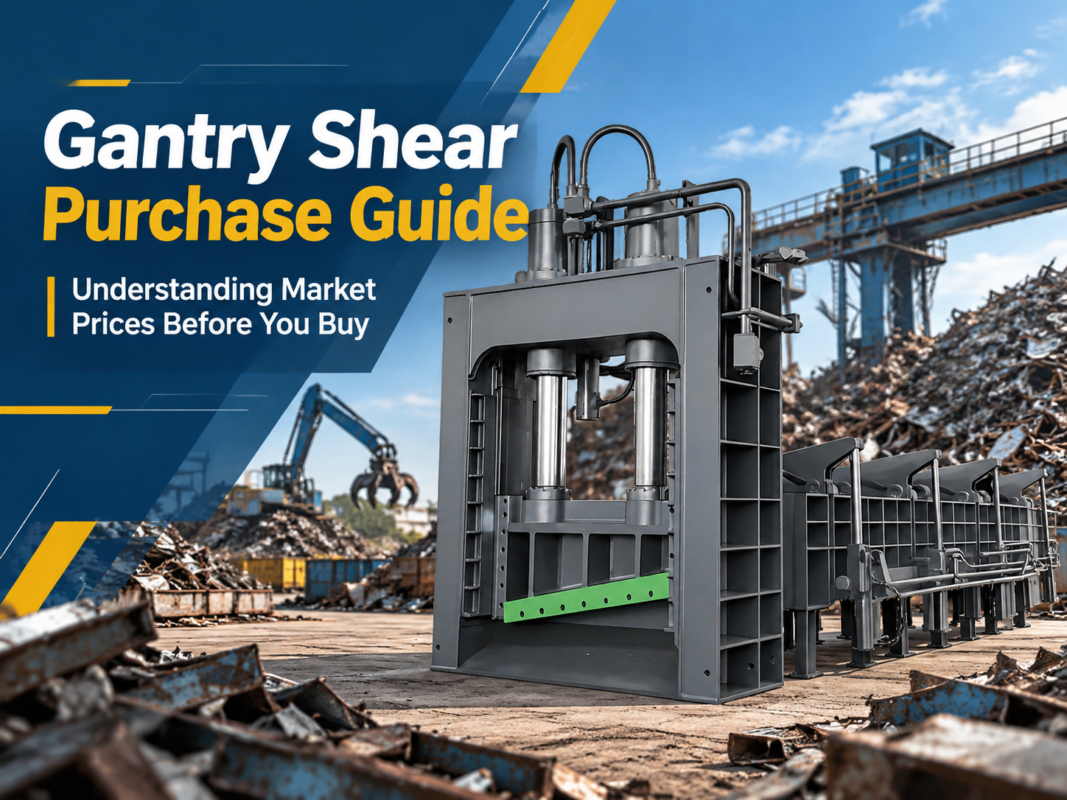
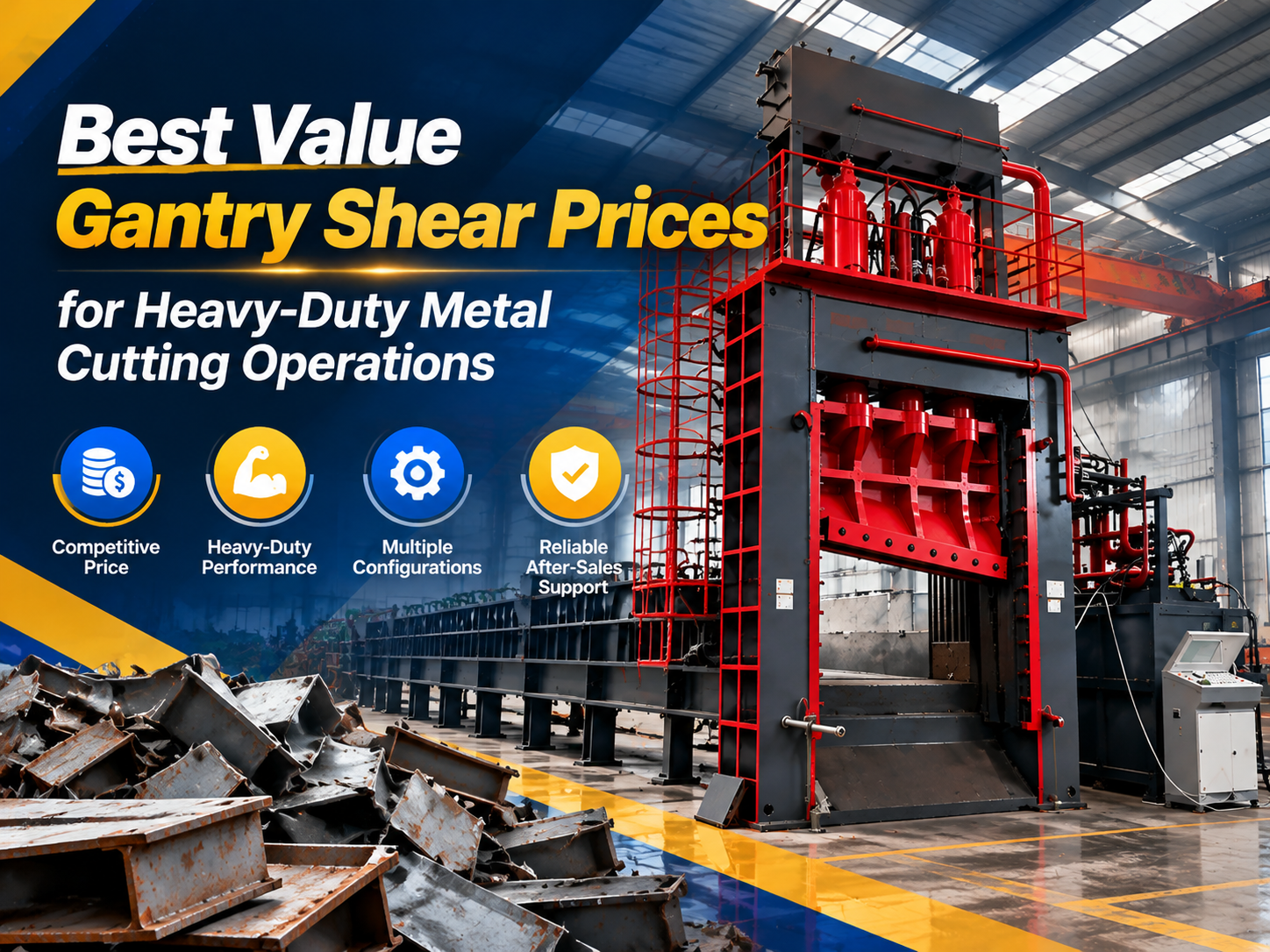
When investing in industrial metal fabrication equipment, understanding the price landscape is the first step toward making an informed decision. Gantry shears represent a significant capital expenditure, typically ranging from $50,000 for entry-level, smaller-capacity models to upwards of $500,000 for fully automated, high-tonnage systems designed for continuous heavy-duty metal cutting operations. The “best value” is not necessarily the lowest price, but rather the machine that offers the lowest total cost of ownership over its operational lifespan.
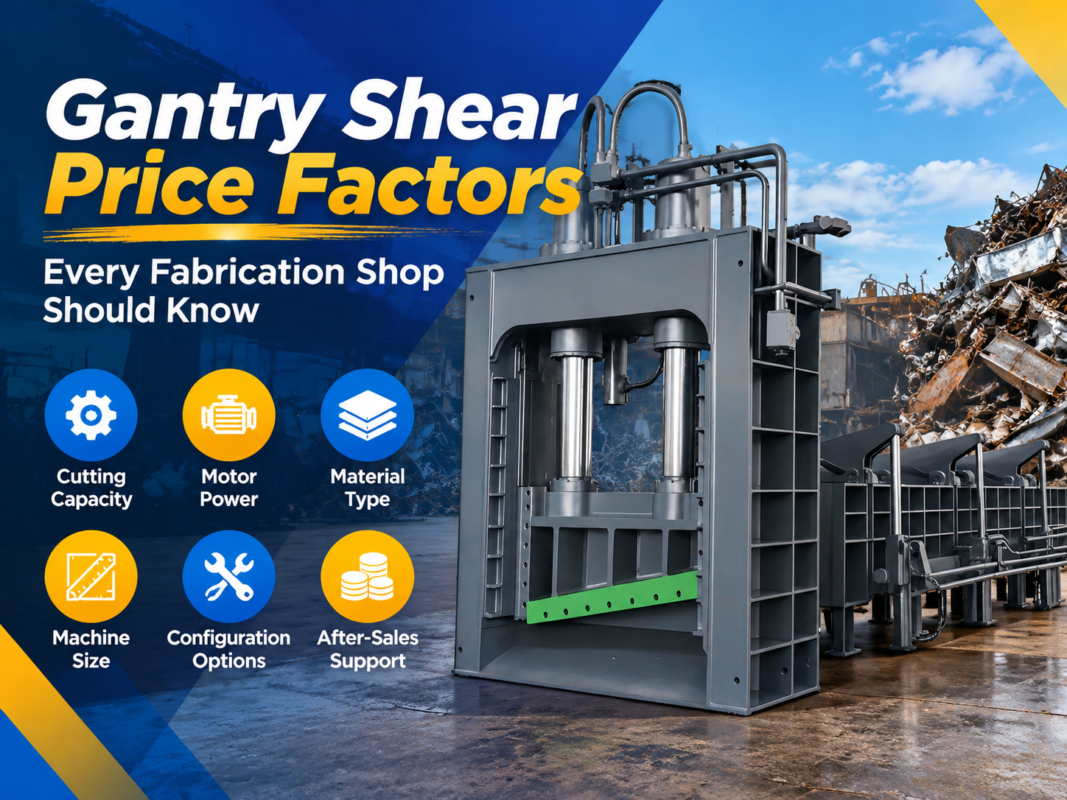
For heavy-duty applications, manufacturers often look for machines that can handle thick plate steel, scrap metal, or structural profiles. The price range is heavily influenced by the cutting force (measured in tons) and the blade length. A standard gantry shear for medium-heavy plate processing usually sits in the $120,000 to $250,000 bracket. This range provides a balance between robust construction and advanced hydraulic control systems necessary for precision.
HARSLE emphasizes that when evaluating the best value gantry shear prices for heavy-duty metal cutting operations, buyers must look beyond the initial invoice. A machine priced at the lower end of the spectrum may lack the structural rigidity required for high-cycle environments, leading to increased maintenance costs and downtime. Conversely, premium machines often include advanced automation features that reduce labor costs, effectively lowering the long-term price per cut.
Market volatility in steel prices and hydraulic components also impacts current pricing. As global demand for heavy-duty fabrication equipment rises, lead times and shipping costs have become significant variables. It is essential to request quotes that include freight, installation, and commissioning to get a true picture of the investment required for your facility.
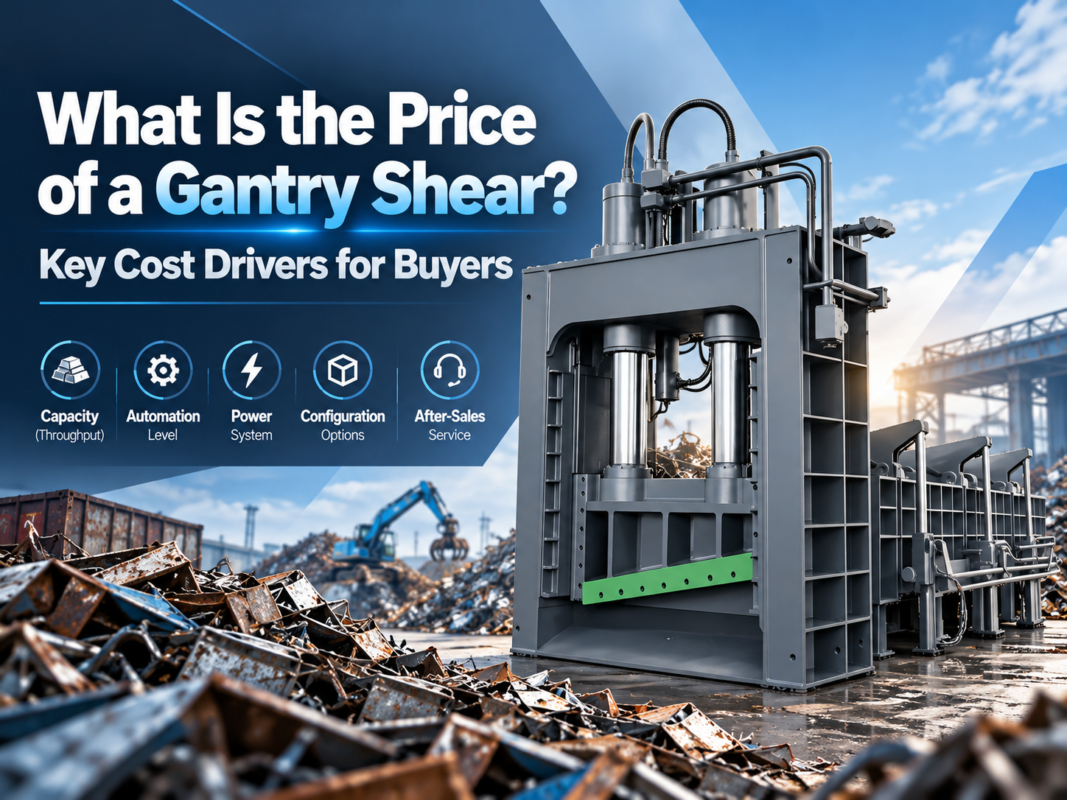
Main Cost Drivers in Gantry Shear Manufacturing
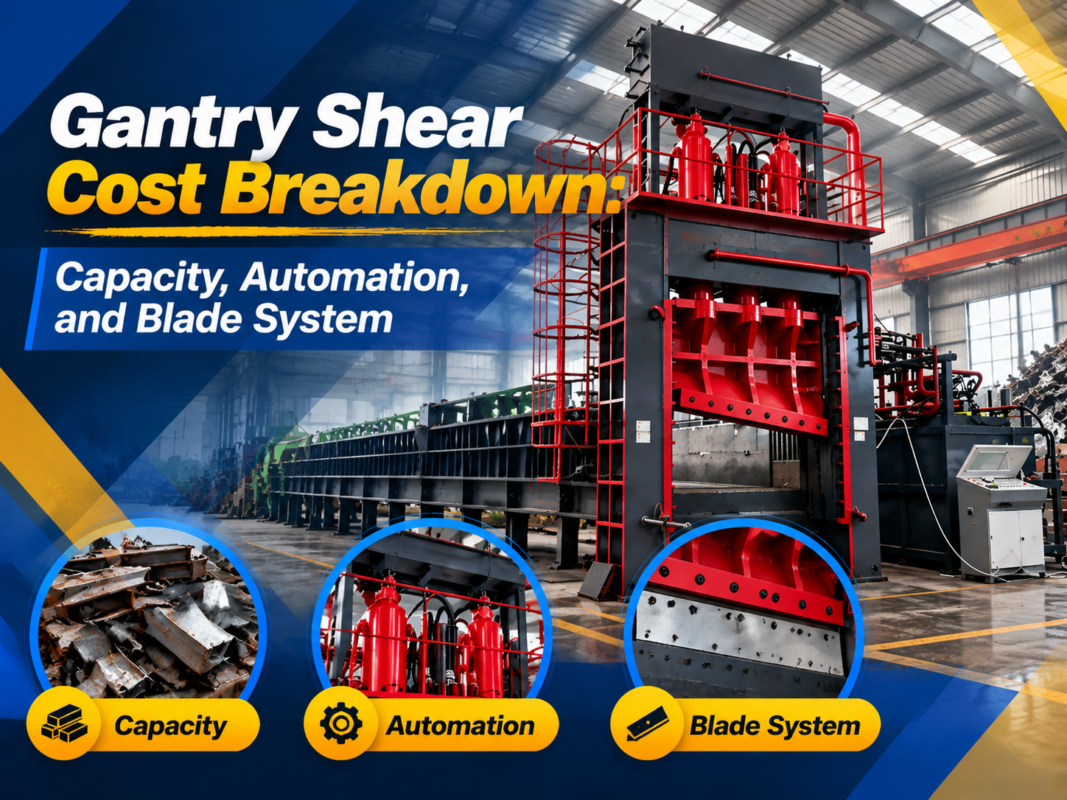
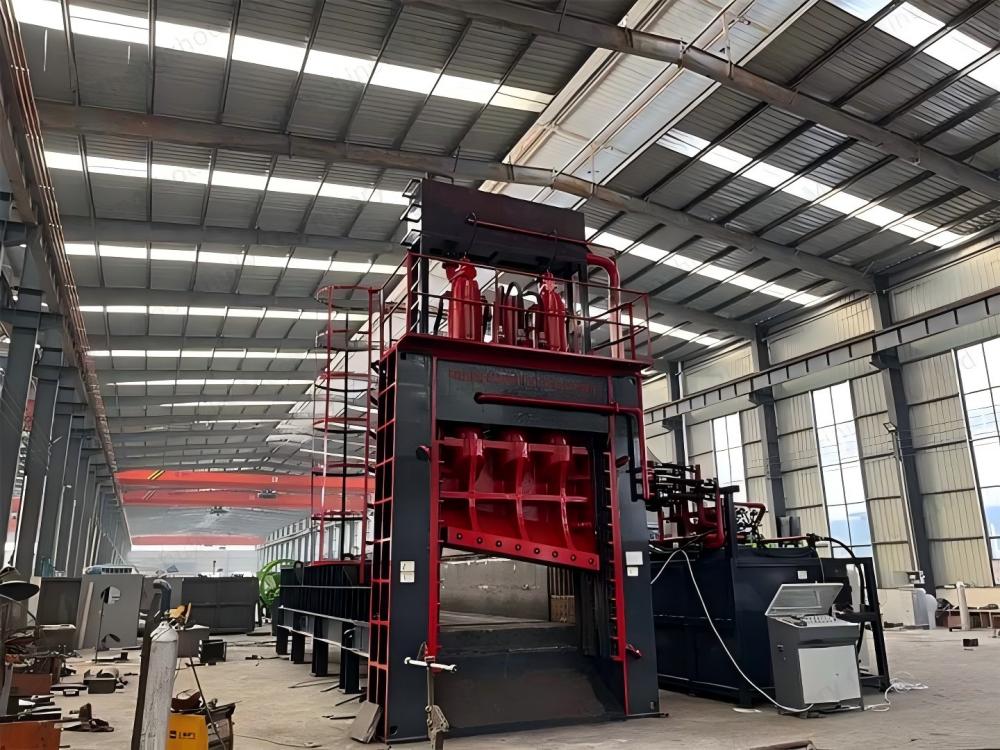
The cost of a gantry shear is primarily driven by the quality of its structural components. The frame, or gantry, must be engineered to withstand immense stress without flexing. High-grade, stress-relieved steel is the industry standard for these machines. The thickness of the steel plates used in the frame construction directly correlates to the machine’s longevity and the accuracy of the cuts it produces over time.
Hydraulic systems represent the second major cost driver. High-performance gantry shears utilize sophisticated hydraulic pumps, valves, and cylinders that must operate under extreme pressure. The integration of energy-efficient hydraulic systems, such as variable frequency drives (VFDs), adds to the initial cost but provides substantial savings in electricity consumption over the machine’s life. Cheap, off-the-shelf hydraulic components often fail under the continuous load of heavy-duty metal cutting.
Control systems and software integration also play a pivotal role in pricing. Modern gantry shears are no longer just mechanical cutters; they are integrated digital systems. CNC (Computer Numerical Control) interfaces that allow for programmable cut lengths, batch processing, and remote diagnostics increase the machine’s price. However, these features are critical for modern fabrication shops aiming to minimize waste and maximize throughput.
Finally, the cutting blades themselves are a significant factor. High-carbon, high-chromium tool steel blades are expensive but necessary for cutting heavy-duty alloys. The heat treatment process applied to these blades determines how long they stay sharp. Investing in premium blade materials reduces the frequency of sharpening and replacement, which is a hidden cost that many buyers overlook when comparing initial purchase prices.
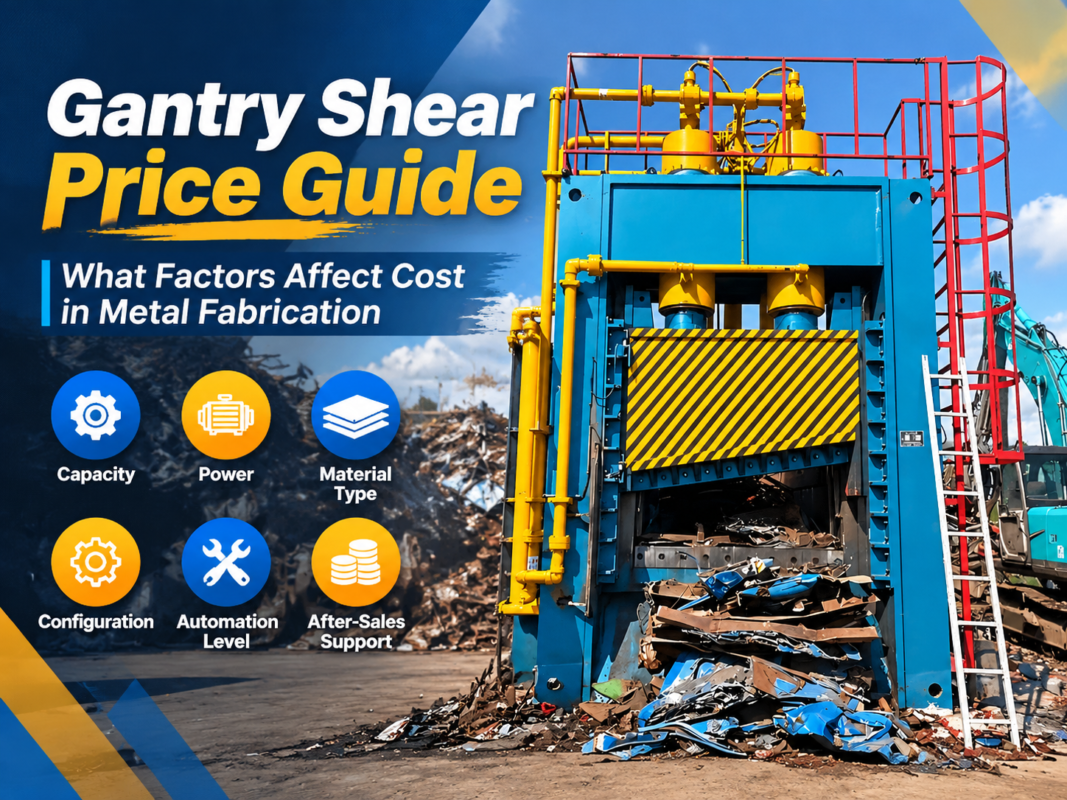
Configuration Impact on Performance and Price
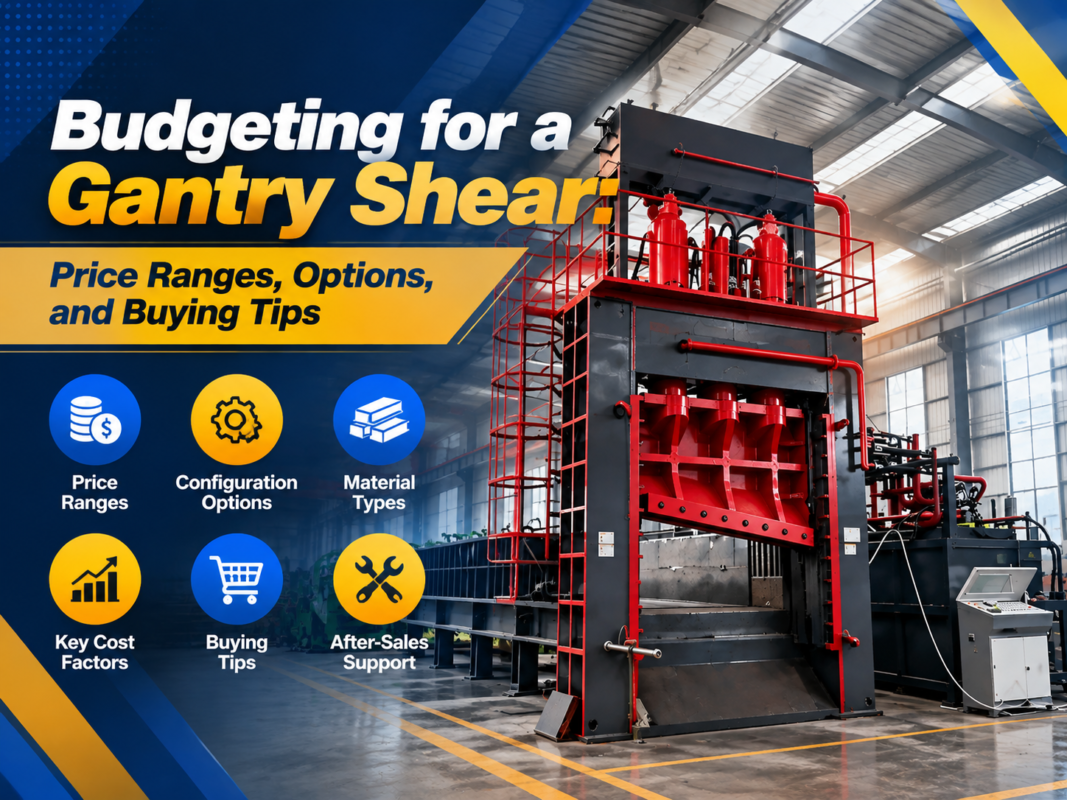
The configuration of a gantry shear is highly customizable, and each addition or modification impacts the final price. A basic configuration might include a manual feed system and a standard blade gap adjustment. While this is the most affordable option, it may not be suitable for high-volume, heavy-duty metal cutting operations where speed and precision are paramount.
Automated feeding systems are a common upgrade. These systems use conveyors or hydraulic pushers to move heavy material into the cutting zone, significantly reducing the manual labor required and increasing safety. While adding an automated feed system can increase the price by 15-30%, the increase in production capacity often justifies the expense within the first year of operation.
Another configuration factor is the blade gap adjustment mechanism. Manual adjustment is standard, but motorized, CNC-controlled blade gap adjustment is a game-changer for shops that process varying thicknesses of metal. This feature ensures that the shear always provides a clean, burr-free cut regardless of the material gauge, reducing the need for secondary grinding or finishing processes.
Safety configurations, such as light curtains, laser scanners, and emergency stop zones, are non-negotiable in modern industrial environments. While these add to the overall cost, they are essential for compliance with international safety standards. HARSLE recommends prioritizing these safety features, as the cost of a workplace accident far outweighs the initial investment in protective technology.
Hidden Costs: Beyond the Sticker Price
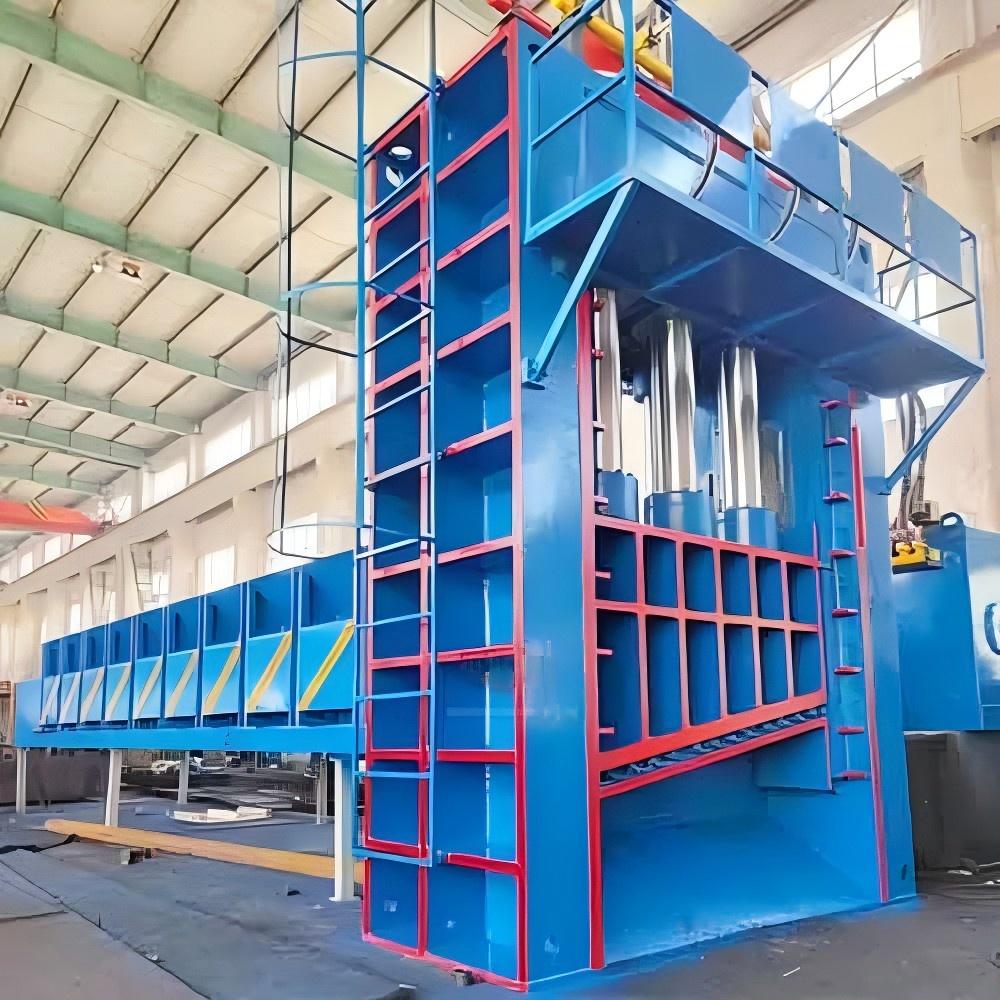
When searching for the best value gantry shear prices for heavy-duty metal cutting operations, it is easy to focus solely on the machine’s purchase price. However, hidden costs can quickly inflate the total project budget. Installation is the most immediate hidden cost. Gantry shears are massive pieces of equipment that often require specialized foundations, reinforced concrete pads, and professional rigging services to be installed correctly.
Maintenance and spare parts represent ongoing hidden costs. A machine that requires proprietary, hard-to-source parts will cost significantly more to maintain than one that uses standard, globally available components. HARSLE designs its machinery with modularity in mind, ensuring that common wear parts are easily accessible, which helps keep long-term maintenance costs predictable and manageable.
Energy consumption is another factor that is often ignored during the buying process. A heavy-duty shear running eight to ten hours a day consumes a significant amount of electricity. Machines equipped with energy-saving hydraulic circuits or standby modes can save thousands of dollars annually. When calculating the total cost of ownership, energy efficiency should be a primary metric for comparison.
Training and operational downtime are also costs to consider. If a machine is overly complex, the time required to train staff to operate it safely and efficiently can lead to a drop in productivity. Choosing a machine with an intuitive user interface and reliable support from the manufacturer can mitigate these costs. Always factor in the cost of a service contract or extended warranty to protect against unexpected failures.
ROI Calculation for Industrial Shears
Calculating the Return on Investment (ROI) for a gantry shear involves analyzing the increase in production capacity against the total cost of ownership. Start by determining the current cost per cut, including labor, electricity, blade wear, and scrap material waste. Then, estimate the potential output of the new machine based on its cycle time and automation capabilities.
For example, if a new gantry shear reduces the time per cut by 30% and minimizes material waste by 5% through better precision, the cumulative savings can be substantial. If the machine processes 500 tons of material per month, a 5% reduction in waste alone could save thousands of dollars in material costs annually. These savings should be projected over a five-to-ten-year period to determine the true ROI.
Labor savings are another critical component. If the new machine allows one operator to do the work that previously required two, the labor cost savings can be significant. When calculating ROI, include the reduction in secondary processing time. If the shear produces a clean edge that eliminates the need for grinding, the labor hours saved on finishing are a direct contribution to the machine’s profitability.
Finally, consider the resale value. High-quality, well-maintained gantry shears from reputable manufacturers like HARSLE retain their value much better than generic or low-quality alternatives. When you eventually decide to upgrade or expand, the ability to sell the old machine for a significant percentage of its original cost is a major factor in the overall financial success of the investment.
Buying Advice: How to Choose the Right Machine
Choosing the right gantry shear requires a clear understanding of your specific cutting requirements. Start by defining the maximum thickness and length of the material you intend to process. Buying a machine that is “over-spec” for your current needs can be a waste of capital, but buying one that is “under-spec” will lead to premature machine failure and poor cut quality.
Always request a demonstration or a video of the machine cutting the specific materials you use in your daily operations. This is the best way to verify the machine’s performance and the quality of the cut. If possible, visit the manufacturer’s facility or talk to existing customers who have purchased the same model to get honest feedback on reliability and support.
Evaluate the manufacturer’s support network. A gantry shear is a long-term investment, and you need a partner who can provide technical support, spare parts, and maintenance advice throughout the machine’s life. HARSLE prides itself on providing comprehensive after-sales service, ensuring that our clients’ operations remain productive and profitable.
Finally, do not rush the decision. Take the time to compare quotes from multiple suppliers, but ensure you are comparing “apples to apples.” Look at the specifications, the quality of the components, the warranty terms, and the level of support provided. The best value gantry shear prices for heavy-duty metal cutting operations are found when you balance initial cost with long-term reliability and performance.
FAQ: Domande frequenti
- What is the typical lifespan of a heavy-duty gantry shear? With proper maintenance and regular blade sharpening, a high-quality gantry shear can last 15 to 25 years or more.
- How often should I sharpen the blades? This depends on the material type and thickness. Generally, blades should be inspected every 500-1000 operating hours.
- Can I cut stainless steel with a standard gantry shear? Yes, but you must ensure the shear has the appropriate cutting force and that the blades are suitable for the hardness of stainless steel.
- What is the most important factor when choosing a gantry shear? Structural rigidity and hydraulic system reliability are the two most critical factors for long-term performance.
- Does HARSLE offer custom configurations? Yes, we specialize in tailoring our gantry shears to meet the specific production requirements of our clients, including custom feed systems and control interfaces.
- How do I calculate the required cutting force? The required force depends on the tensile strength of the material and the thickness of the plate. Our engineering team can assist you in calculating the exact tonnage needed for your specific applications.