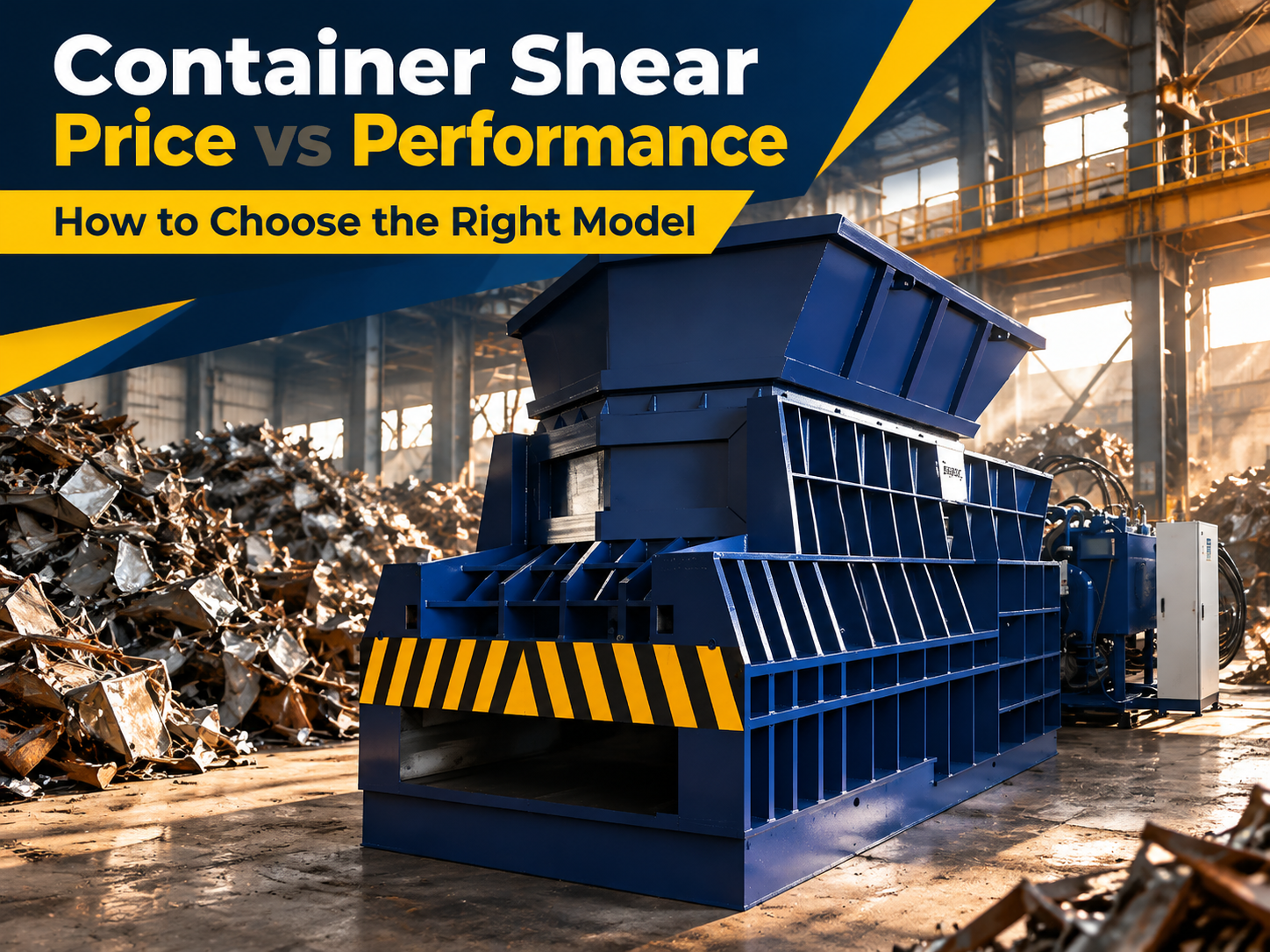
Container Shear Price Vs Performance: How to Choose the Right Model

Container Shear Price Overview: Understanding the Market Landscape
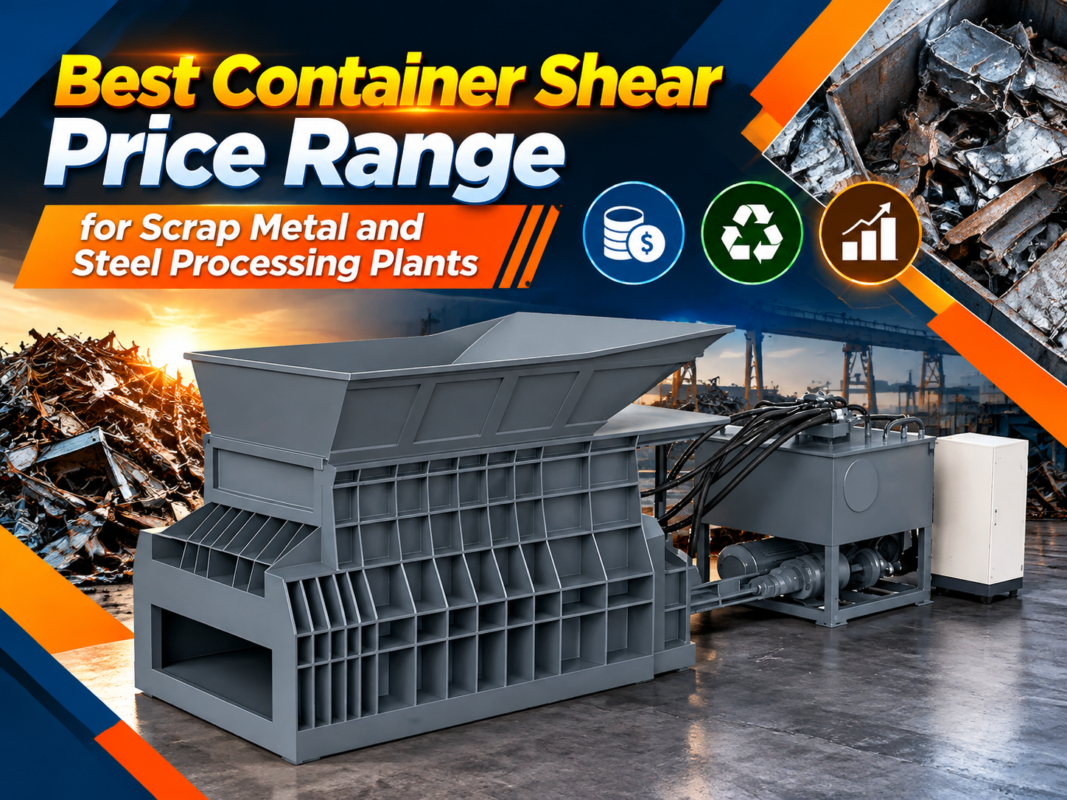
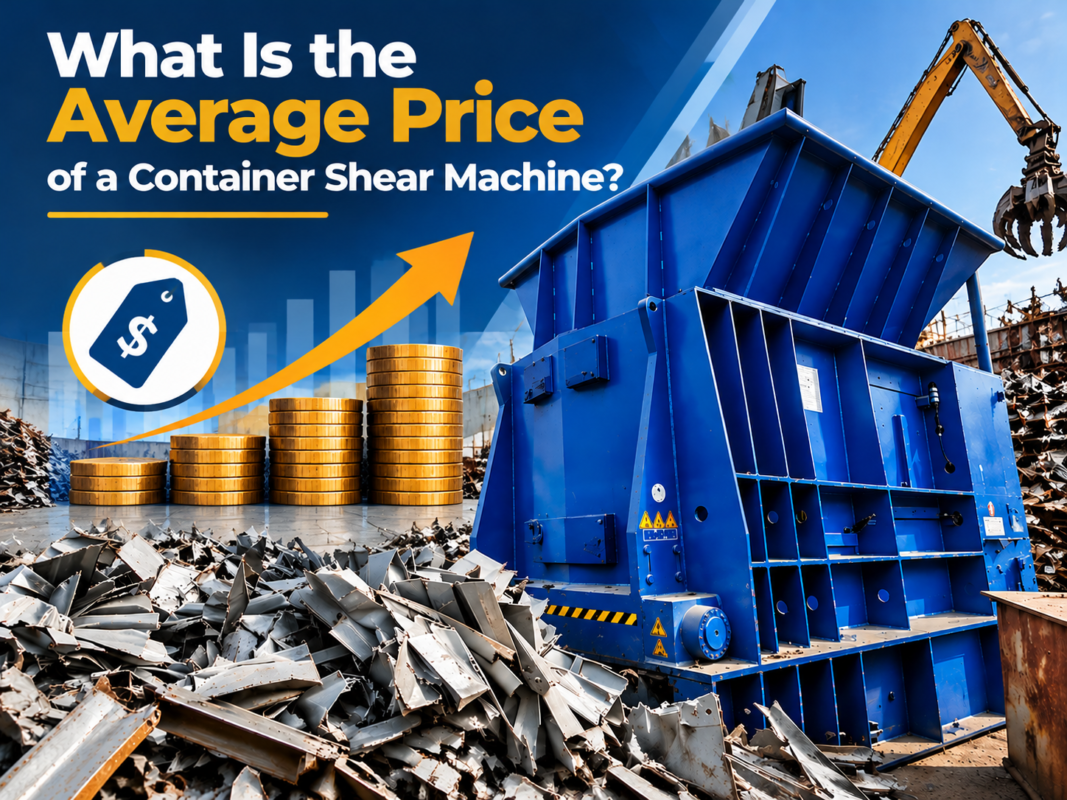
In the competitive world of metal recycling and heavy-duty fabrication, the container shear stands as a cornerstone of operational efficiency. When evaluating the container shear price vs performance: choose model strategy, it is essential to recognize that these machines are not one-size-fits-all commodities. Prices typically range from entry-level mobile units starting at $80,000 to high-capacity, stationary industrial giants exceeding $450,000. Understanding this spectrum is the first step in making an informed capital investment.
The price of a container shear is fundamentally tied to its shearing force, measured in tons. A 400-ton shear will naturally command a lower price point than a 1000-ton model, but the performance gap is significant. Buyers must look beyond the sticker price and consider the total cost of ownership, which includes energy consumption, maintenance intervals, and the expected lifespan of the hydraulic components. HARSLE emphasizes that the cheapest machine often leads to the highest long-term operational costs due to frequent downtime.
Market volatility in steel prices and hydraulic component availability also influences the current pricing landscape. When you are assessing the container shear price vs performance: choose model, consider the lead times and the availability of localized support. A machine that is priced competitively but lacks a robust spare parts supply chain can quickly become a liability rather than an asset. Investing in a reputable brand ensures that your initial capital expenditure is protected by long-term reliability.
Furthermore, the distinction between mobile and stationary container shears creates a major price divide. Mobile units, designed for flexibility and site-to-site operations, incorporate complex chassis and transport systems that add to the manufacturing cost. Stationary units, while requiring more site preparation and foundation work, often offer higher throughput and more robust structural integrity for the same price point. Deciding between these two configurations is the first major hurdle in your procurement process.
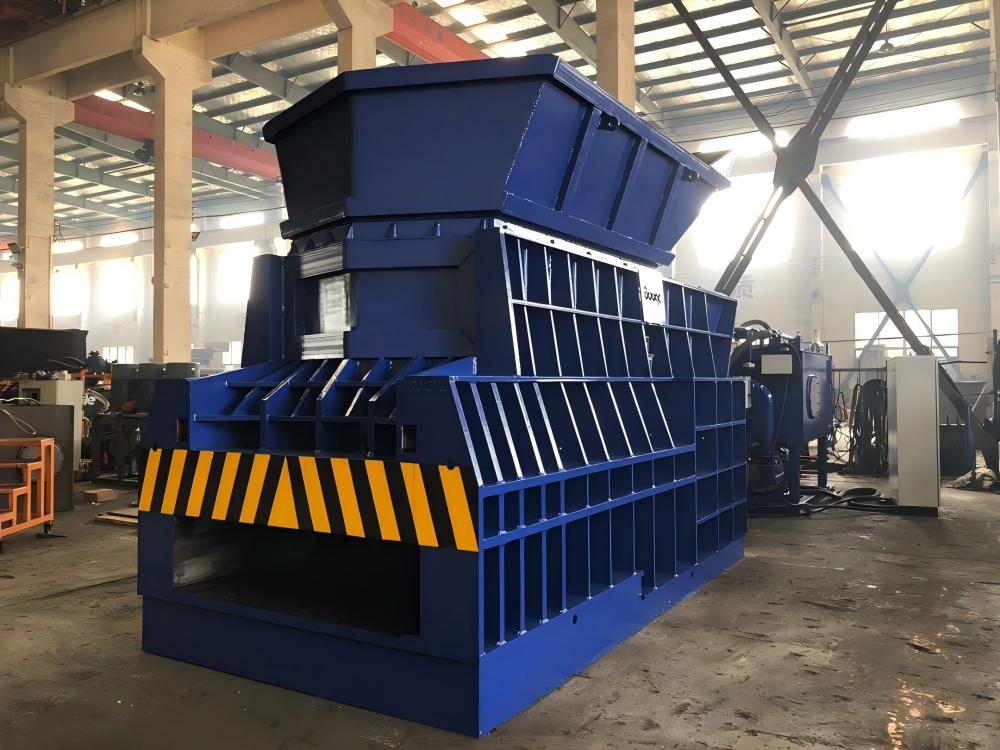
Main Cost Drivers in Container Shear Manufacturing
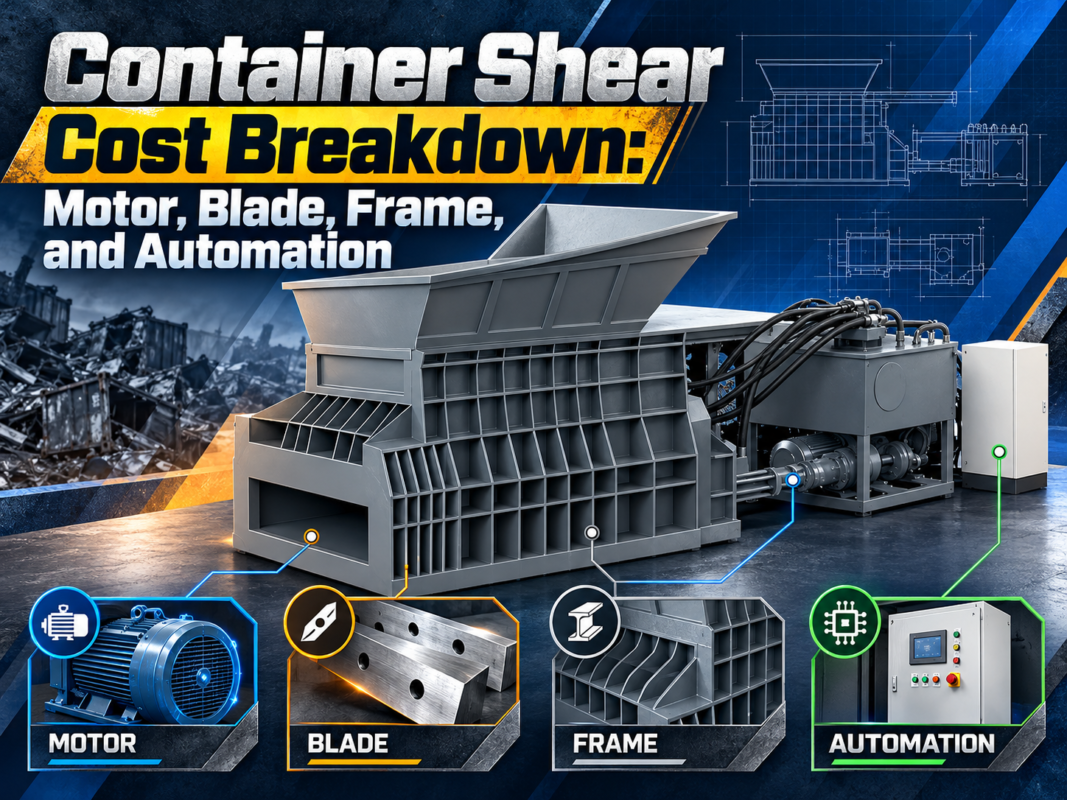
The primary cost driver for any container shear is the hydraulic system. High-pressure pumps, precision-engineered cylinders, and advanced valve blocks are the heart of the machine. When analyzing the container shear price vs performance: choose model, you will find that premium brands utilize high-grade, internationally sourced hydraulic components that offer superior cycle times and longevity. Cheaper alternatives often use lower-spec pumps that struggle under continuous load, leading to overheating and premature failure.
Structural steel quality and fabrication precision represent the second major cost factor. A container shear must withstand immense mechanical stress during the cutting process. Manufacturers that use high-tensile steel plates and employ advanced welding techniques (such as robotic submerged arc welding) produce machines that resist fatigue and cracking. The cost of this structural integrity is reflected in the final price, but it is a non-negotiable requirement for facilities processing heavy-gauge scrap metal.
Control systems and automation technology also play a significant role in the price. Modern container shears are equipped with PLC (Programmable Logic Controller) systems that optimize cutting cycles, monitor oil temperature, and provide diagnostic feedback. While these systems increase the initial investment, they significantly improve performance by reducing cycle times and preventing operator error. Choosing a model with advanced automation is a strategic move for high-volume operations.
Finally, the shear blade quality and the design of the cutting chamber are critical cost drivers. Hardened, wear-resistant steel alloys used for the blades ensure that the machine maintains its cutting efficiency over thousands of cycles. A low-cost machine might save money on the blade material, but the resulting downtime for frequent blade sharpening or replacement will quickly negate any initial savings. Always prioritize high-quality metallurgy in the cutting zone.
Configuration Impact: Tailoring the Machine to Your Needs
When you approach the container shear price vs performance: choose model decision, you must evaluate the specific configuration requirements of your facility. The size of the charging box is perhaps the most critical configuration variable. A larger charging box allows for the processing of bulky scrap without the need for extensive pre-cutting, which saves labor costs and increases throughput. However, a larger box requires a more powerful hydraulic system, which increases the machine’s footprint and price.
The shearing force capacity should be matched to the type of material you process. If your facility primarily handles light-gauge sheet metal and aluminum, a lower-tonnage shear is sufficient and more cost-effective. If you are processing heavy structural steel, I-beams, or thick plate, you must invest in a high-tonnage model. Over-specifying your machine leads to unnecessary capital expenditure, while under-specifying leads to mechanical failure and poor performance.
Consider the integration of auxiliary equipment such as conveyor systems, automatic feeding mechanisms, and remote control interfaces. These additions can significantly enhance the performance of your container shear by streamlining the workflow. While they add to the total price, the increase in productivity often results in a faster return on investment. HARSLE recommends a modular approach where you can add these features as your operational volume grows.
Another configuration factor is the power source. While most container shears are electric-hydraulic, some mobile models offer diesel-hydraulic options for remote sites. Electric models are generally more efficient and have lower maintenance requirements, making them the preferred choice for permanent facilities. Evaluate your site’s power infrastructure before finalizing your model selection to avoid costly electrical upgrades later.
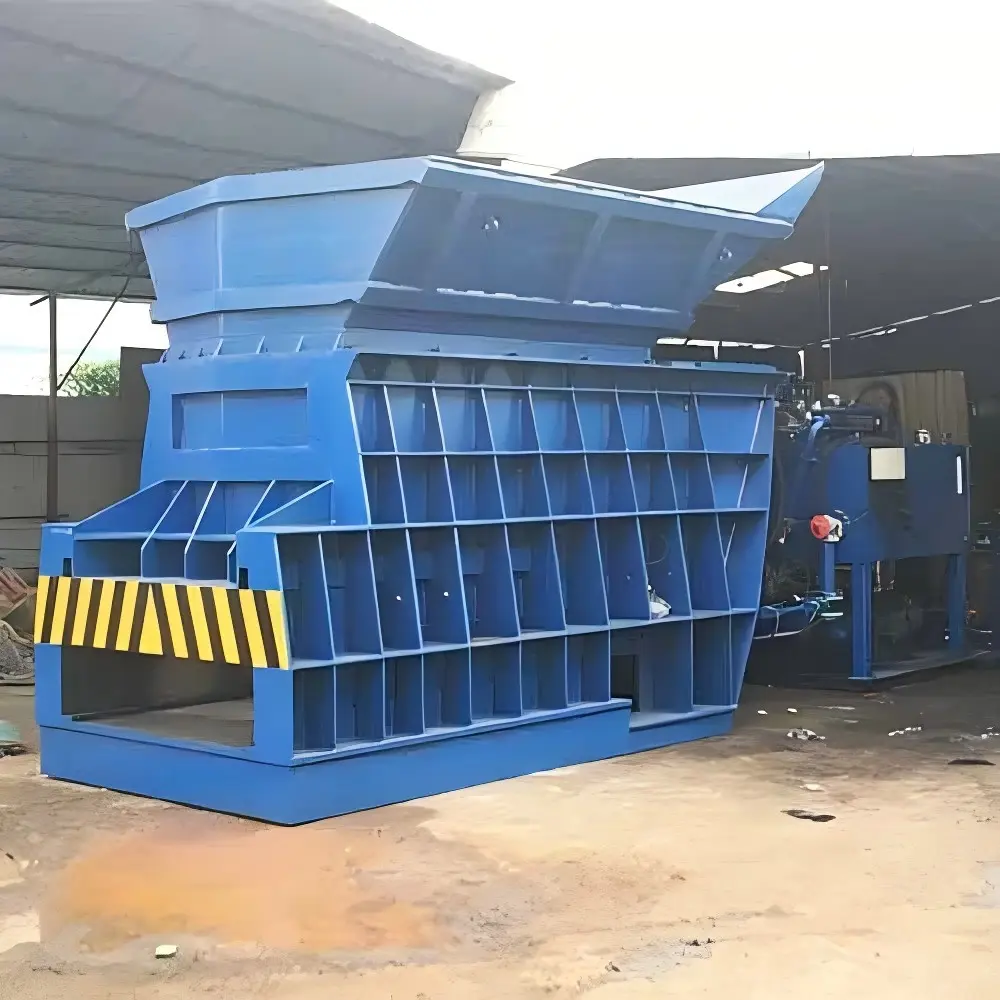
Hidden Costs: Beyond the Initial Purchase Price
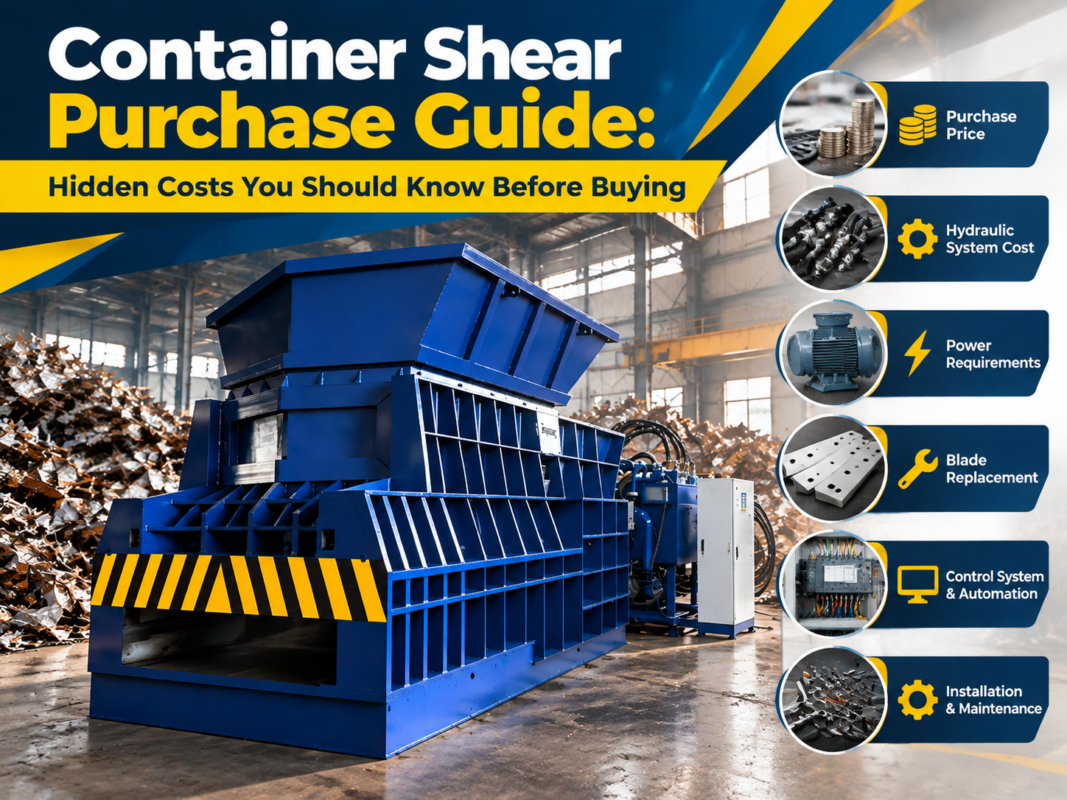
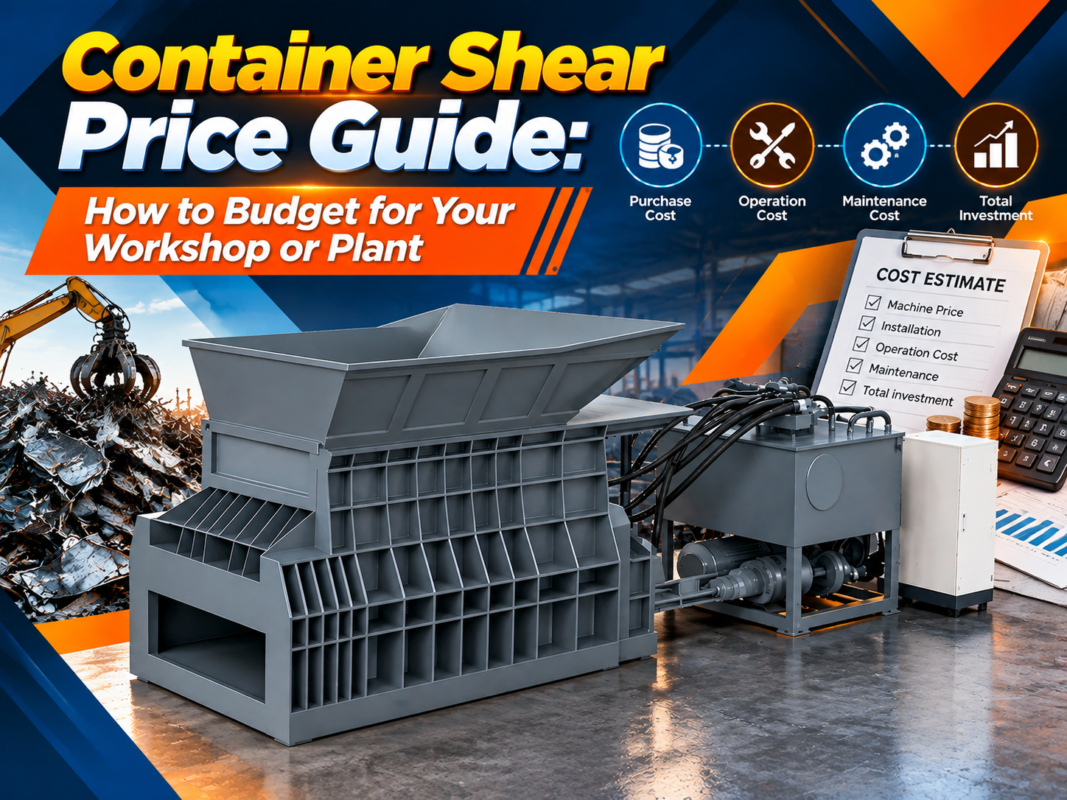
Many buyers fall into the trap of focusing solely on the purchase price, ignoring the hidden costs that emerge during the machine’s lifecycle. Installation and foundation preparation are significant initial expenses. A heavy-duty container shear requires a reinforced concrete foundation to dampen vibrations and ensure structural stability. Neglecting this requirement can lead to uneven wear on the machine’s frame and potential safety hazards.
Energy consumption is a recurring hidden cost that varies significantly between models. Advanced hydraulic systems with variable frequency drives (VFDs) can reduce energy usage by up to 30% compared to older, fixed-speed systems. Over the course of five to ten years, these energy savings can amount to a substantial portion of the machine’s original cost. When evaluating the container shear price vs performance: choose model, always request energy efficiency data from the manufacturer.
Maintenance and spare parts availability constitute another major hidden cost. A machine that requires proprietary, hard-to-source parts will keep you hostage to the manufacturer’s pricing and lead times. Choose a model that utilizes standardized, globally available hydraulic and electrical components. Furthermore, consider the ease of access for routine maintenance tasks like oil changes, filter replacements, and blade adjustments. A machine designed for easy maintenance will have lower labor costs throughout its life.
Operator training and safety compliance are often overlooked expenses. A container shear is a powerful piece of industrial equipment that requires skilled operation. Investing in comprehensive training programs for your staff reduces the risk of accidents and equipment damage. Additionally, ensure that the model you choose complies with local safety regulations, as retrofitting a machine to meet new safety standards can be prohibitively expensive.
ROI Calculation: Justifying the Investment
Calculating the Return on Investment (ROI) for a container shear requires a holistic view of your operational data. Start by calculating the potential increase in throughput. If a new, more efficient shear allows you to process 20% more scrap per shift, calculate the additional revenue generated by this volume. Compare this to the total cost of the machine, including financing, installation, and maintenance.
Factor in the reduction in labor costs. A high-performance container shear with automated features requires less manual intervention for loading and material positioning. By reducing the number of man-hours required to process a ton of scrap, you directly improve your profit margins. This efficiency gain is one of the most compelling arguments for investing in a higher-performance model rather than a budget-friendly one.
Consider the improvement in scrap quality. A clean, well-sheared product commands a higher price in the secondary metal market. If your current equipment produces jagged, poorly cut scrap, you are likely losing money on every sale. A high-performance shear produces uniform, dense bales that are easier to transport and more desirable to steel mills. This price premium on your output can significantly shorten the payback period for your investment.
Finally, account for the reduction in downtime. Calculate the cost of your current machine’s downtime, including lost production, idle labor, and emergency repair costs. A reliable, high-quality container shear minimizes these losses. When you compare the container shear price vs performance: choose model, remember that the cost of a machine that is “always running” is far lower than the cost of a cheaper machine that is frequently under repair.
Buying Advice: A Checklist for Success
Before finalizing your purchase, conduct a thorough site assessment. Ensure that your facility has the necessary power supply, space for material handling, and the structural capacity to support the machine. Discuss your specific material types and volume requirements with the manufacturer’s technical team. They can provide valuable insights into which model will best suit your long-term goals.
Request a demonstration or visit a facility where the machine is currently in operation. Seeing the container shear in a real-world environment is the best way to gauge its performance, noise levels, and ease of operation. Ask the current owner about their experience with maintenance and the manufacturer’s support team. This peer-to-peer feedback is often more reliable than any marketing brochure.
Review the warranty and service agreement in detail. A comprehensive warranty that covers major components for an extended period is a sign of the manufacturer’s confidence in their product. Ensure that the manufacturer has a local service network or a clear plan for remote technical support. In the event of a breakdown, you need to know that help is readily available.
Finally, consider the future scalability of your operation. If you anticipate growth, choose a model that can be integrated into a larger system or upgraded with additional automation features. Investing in a machine that can grow with your business is a smarter financial decision than buying a machine that will need to be replaced in a few years. Use this guide to navigate the container shear price vs performance: choose model landscape with confidence.
FAQ: Domande frequenti
- What is the typical lifespan of a container shear? With proper maintenance and regular blade replacement, a high-quality container shear can last 15 to 20 years in a standard industrial environment.
- How often should I sharpen the shear blades? This depends on the volume and hardness of the material being processed. Generally, blades should be inspected weekly and sharpened or replaced every 3 to 6 months.
- Can I process non-ferrous metals in a standard container shear? Yes, but you must ensure the shear force and blade clearance are adjusted appropriately to prevent jamming or damage to the cutting chamber.
- What are the most important safety features to look for? Look for emergency stop buttons, light curtains, safety interlocks on the charging box, and remote operation capabilities to keep operators away from the cutting zone.
- Is it better to buy a new or used container shear? While used machines offer a lower initial price, they often come with hidden maintenance issues and lack modern efficiency features. For long-term reliability and ROI, new machines are generally recommended.