Horizontal Baler Price Guide for Small Workshops: Budget Options and Key Features

Horizontal Baler Price Range Overview for Small Workshops
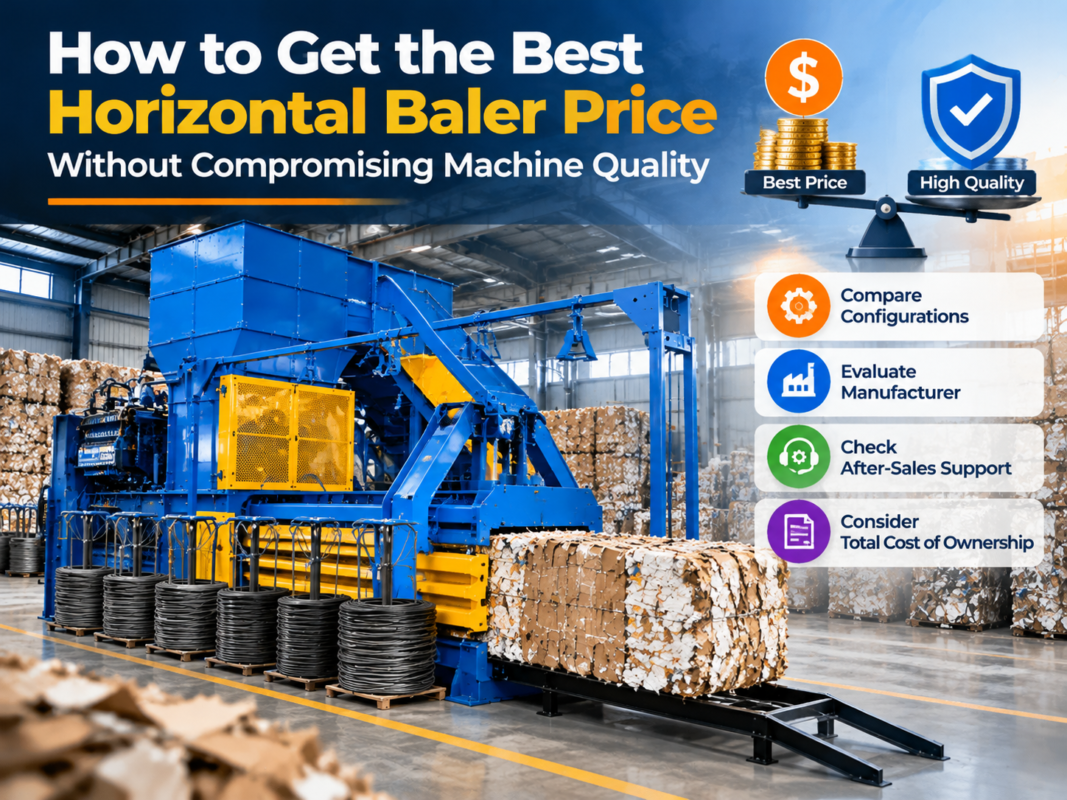
For small to medium-sized metal fabrication workshops, the decision to invest in a horizontal baler is often driven by the need to manage scrap metal volume efficiently. Understanding the Horizontal Baler Price Small Workshops Budget Options Key Features is the first step toward optimizing your facility’s operational workflow. Generally, entry-level horizontal balers designed for smaller footprints range from $8,000 to $25,000, depending on automation levels and throughput capacity.
At the lower end of the price spectrum, you will find semi-automatic machines that require manual intervention for tying and bale ejection. These units are ideal for workshops with moderate scrap output that do not require 24/7 continuous operation. While the initial investment is lower, these machines provide a significant upgrade over manual labor or loose scrap storage, which often consumes valuable floor space.
Mid-range options, typically priced between $25,000 and $50,000, offer enhanced features such as automatic wire tying systems and higher compaction forces. These machines are designed for workshops that generate a consistent stream of metal offcuts, aluminum shavings, or copper wiring. Investing in this tier often results in higher bale density, which translates into better pricing from scrap metal recyclers.
It is important to note that the price of a horizontal baler is not just a reflection of the steel used to build it, but the sophistication of the hydraulic system and the safety protocols integrated into the design. HARSLE emphasizes that for small workshops, the goal is to balance the capital expenditure with the long-term savings gained from reduced waste disposal fees and improved scrap resale value.
Main Cost Drivers in Horizontal Baler Selection
When analyzing the Horizontal Baler Price Small Workshops Budget Options Key Features, several technical factors directly influence the final quote. The primary cost driver is the compaction force, measured in tons. Higher tonnage allows for the processing of denser materials, such as thick steel offcuts, but requires a more robust hydraulic pump and reinforced structural frame, which increases the manufacturing cost.
Another significant cost factor is the throughput capacity, or how many bales the machine can produce per hour. For small workshops, a machine that processes 1-2 tons per hour is usually sufficient. However, if your production cycle involves high-speed shearing or punching, you may need a baler with a faster cycle time, which necessitates a more powerful motor and advanced cooling systems to prevent hydraulic fluid overheating.
The level of automation is a major price differentiator. Manual tie balers are the most affordable but require an operator to manually feed the wire through the bale. Automatic tie systems, while more expensive, significantly reduce labor costs and improve safety by keeping the operator away from the compaction chamber during the tying process. For a small workshop, this is often the most critical trade-off to evaluate.
Material compatibility also dictates price. A baler designed specifically for light aluminum cans will be significantly cheaper than a heavy-duty baler capable of processing stainless steel or hardened alloy scrap. The wear-resistant liners and reinforced ram faces required for harder metals add to the production cost of the machine, ensuring longevity in demanding fabrication environments.
Configuration Impact on Operational Efficiency
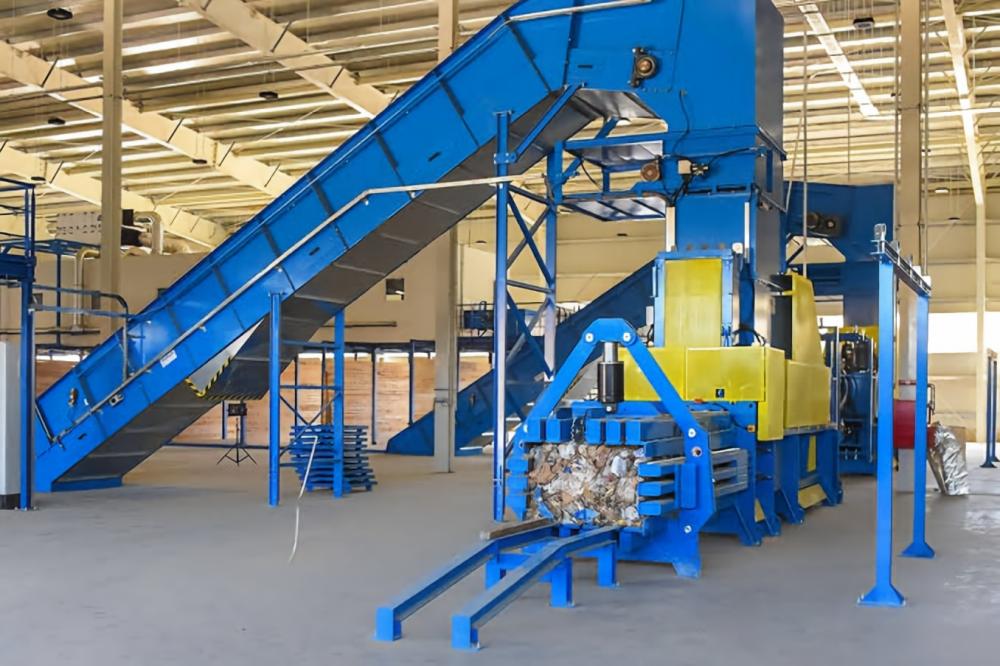
The configuration of your horizontal baler significantly impacts how it integrates into your existing production line. Small workshops often face space constraints, making the footprint of the machine a key feature. Compact horizontal balers are designed to fit into tight corners while still providing the necessary feed opening to accept standard scrap bins or conveyor belts.
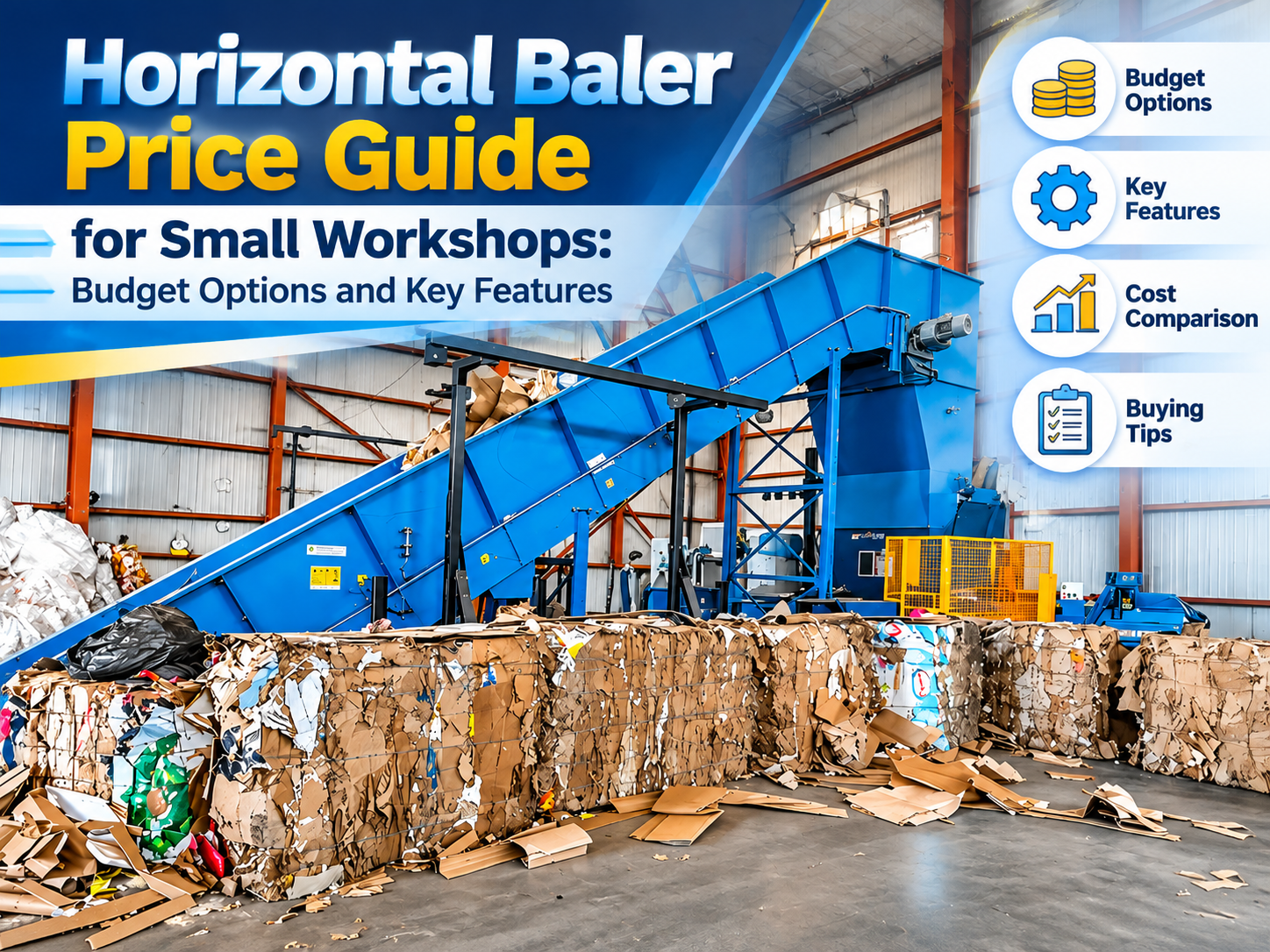
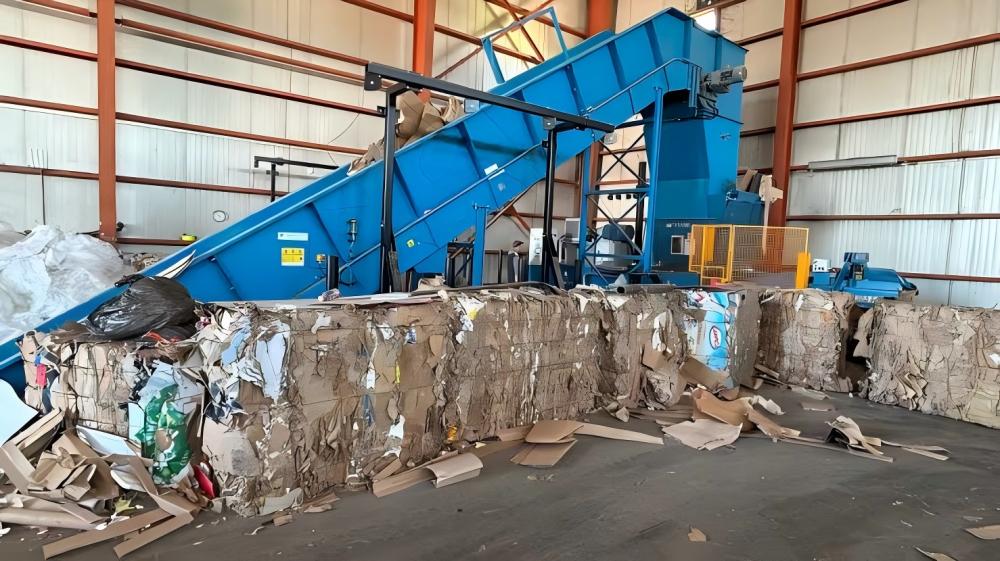
Infeed systems are another configuration choice that affects the price and utility. A simple hopper feed is the most budget-friendly option, requiring manual loading or a small forklift. However, integrating a conveyor belt system allows for a continuous flow of scrap, which is essential for high-volume workshops. While this adds to the initial investment, it drastically reduces the time employees spend handling waste.
The bale size and weight are also critical configuration parameters. Small workshops should aim for bale dimensions that are compatible with standard transport logistics. If your bales are too large for a standard flatbed truck or too heavy for your forklift to move, you will incur additional logistical costs. Customizing the bale size to fit your specific shipping requirements is a feature that HARSLE can assist with during the procurement process.
Finally, consider the electrical configuration. Most small workshops operate on standard 3-phase power, but some high-performance balers may require specific voltage or amperage setups. Ensuring your facility’s electrical infrastructure can support the baler without requiring expensive upgrades is a hidden factor that should be assessed before finalizing your purchase.
Costi nascosti di gestione
When budgeting for a horizontal baler, the purchase price is only the beginning. Small workshops must account for the total cost of ownership, which includes installation, maintenance, and energy consumption. Installation costs can vary based on whether the machine requires a concrete foundation or if it can be placed directly on a reinforced workshop floor.
Maintenance is a recurring expense that should not be overlooked. Hydraulic systems require regular oil changes, filter replacements, and seal inspections to prevent leaks. Additionally, the wear plates inside the compaction chamber will eventually need to be replaced due to the abrasive nature of metal scrap. Factoring in a yearly maintenance budget of 5-10% of the machine’s purchase price is a prudent approach for any small business owner.
Energy consumption is another factor. Modern balers with variable frequency drives (VFDs) are more energy-efficient than older models, as they adjust the motor speed based on the load. While these machines might have a higher upfront cost, the savings on electricity bills over a five-year period can be substantial, making them a better long-term investment for a growing workshop.
Consumables such as baling wire or strapping are also ongoing costs. The type of wire required depends on the density of the bale and the material being processed. High-tensile steel wire is more expensive but necessary for heavy metal bales. Calculating the cost per bale, including wire and electricity, will give you a clearer picture of your actual operational expenses.
ROI Calculation for Small Workshops
Calculating the Return on Investment (ROI) for a horizontal baler involves comparing the cost of the machine against the savings generated from waste management. The first area of savings is the reduction in waste disposal fees. By compacting your scrap, you reduce the number of dumpster pickups required, which can save thousands of dollars annually in hauling fees.
The second, and often more significant, source of ROI is the increased value of your scrap metal. Recyclers pay a premium for dense, uniform bales compared to loose, mixed scrap. A horizontal baler allows you to segregate your metals—such as separating aluminum from steel—which further increases the resale value of your waste stream.
Labor savings should also be included in your ROI calculation. If your team spends several hours a week manually breaking down scrap or managing overflowing bins, a baler can reclaim that time for more productive fabrication tasks. By automating the waste management process, you improve the overall efficiency of your shop floor.
To calculate your ROI, use the following formula: (Annual Savings from Disposal + Annual Revenue from Scrap Sales – Annual Operating Costs) / Initial Investment = ROI. Most small workshops find that a well-chosen horizontal baler pays for itself within 18 to 36 months, depending on the volume of scrap generated and the local market prices for recycled metals.
Buying Advice: Selecting the Right Machine
When navigating the Horizontal Baler Price Small Workshops Budget Options Key Features, start by conducting a thorough audit of your scrap output. Measure the volume of waste generated per week and identify the types of metal you are processing. This data will help you determine the necessary compaction force and the ideal feed opening size for your specific needs.
Always prioritize safety features. A high-quality baler should include emergency stop buttons, interlocked safety gates, and light curtains to protect operators. Never compromise on safety to save money; the cost of a workplace accident far outweighs the savings from a cheaper, less secure machine. HARSLE provides comprehensive safety documentation and training support for all our equipment.
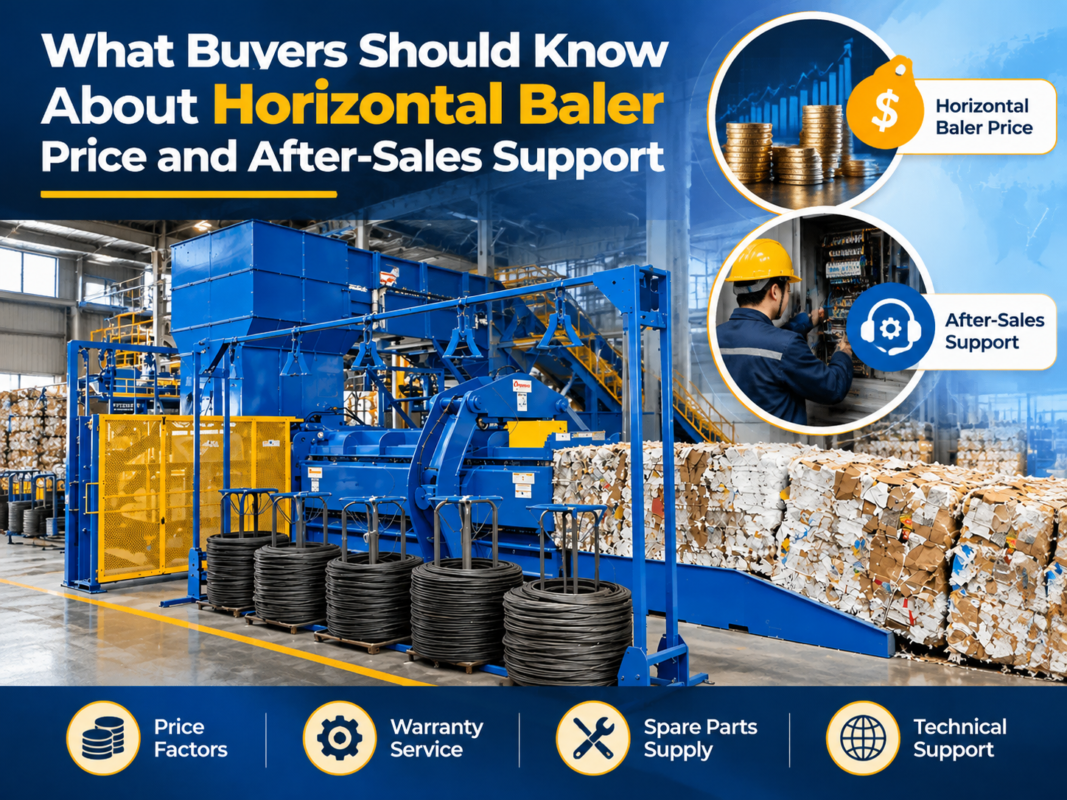
Consider the manufacturer’s support network. A baler is a long-term asset, and you will eventually need spare parts or technical assistance. Choose a supplier that offers reliable after-sales service, readily available parts, and remote diagnostic capabilities. This ensures that if a minor issue arises, your production line won’t be stalled for weeks waiting for a technician.
Finally, ask for references from other workshops that have purchased similar equipment. Speaking with other business owners about their experience with a specific model can provide invaluable insights into the machine’s reliability and ease of use. A reputable manufacturer will be happy to connect you with existing customers who can vouch for the quality of their machinery.
Domande frequenti (FAQ)
- What is the typical lifespan of a horizontal baler in a metal shop? With proper maintenance, a high-quality horizontal baler can last 10 to 15 years or more.
- Can a horizontal baler handle mixed metal scrap? While they can handle mixed scrap, it is highly recommended to segregate metals to maximize the resale value of your bales.
- How much space do I need for a small horizontal baler? Most compact models require a footprint of approximately 100 to 150 square feet, including space for loading and maintenance access.
- Is it better to buy a new or used baler? For small workshops, new machines offer warranties and the latest safety features, which often outweigh the initial savings of a used unit that may have hidden mechanical issues.
- How often should I change the hydraulic oil? Generally, hydraulic oil should be changed every 1,000 to 2,000 operating hours, or as recommended by the manufacturer’s maintenance schedule.
- Do I need a special permit to operate a baler? Most regions do not require a special permit, but you must ensure the installation complies with local electrical and safety codes.