Used Vertical Baler Price Guide: What to Pay and What to Check Before Buying

Price Range Overview: Understanding the Market
Investing in a used vertical baler is a strategic move for businesses looking to optimize waste management and generate revenue from recyclable materials without the steep capital expenditure of brand-new equipment. However, navigating the used vertical baler price: pay check before buying landscape requires a clear understanding of market valuations. Generally, used vertical balers can range from $2,500 for older, smaller units to upwards of $15,000 for heavy-duty, high-capacity machines that have been refurbished or are of recent vintage.
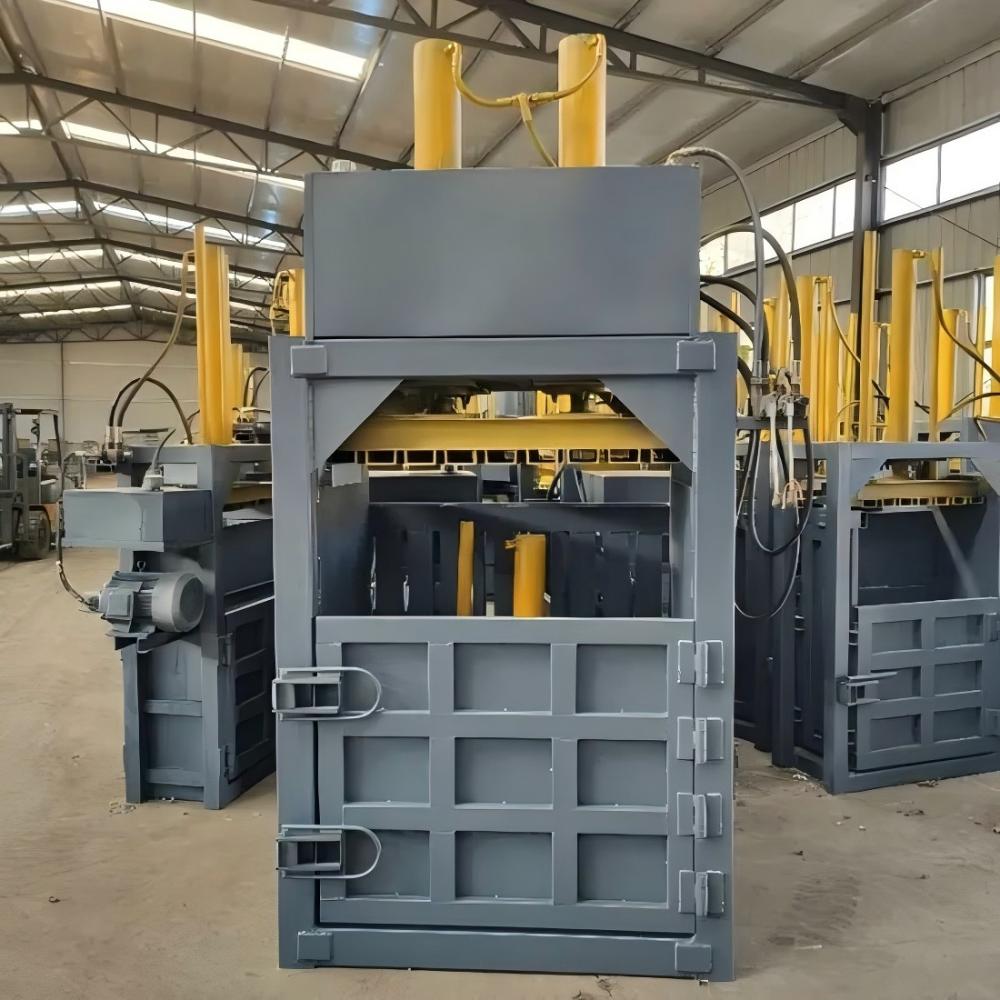
Entry-level units, often used for cardboard or light plastic, typically fall in the $2,500 to $5,000 range. These machines are usually manual-tie systems with lower force ratings. They are ideal for small retail stores or businesses with moderate waste output. When you see prices in this bracket, it is crucial to verify the age of the hydraulic seals and the condition of the motor, as these are the most common points of failure for aging entry-level equipment.
Mid-range vertical balers, priced between $5,000 and $10,000, represent the sweet spot for many mid-sized manufacturing facilities. These units often feature semi-automatic bale ejection systems and higher compaction forces. At this price point, you should expect a machine that has been well-maintained, potentially with documented service history. These machines are designed for higher throughput and can handle denser materials, making them a reliable workhorse for daily operations.
High-end or heavy-duty vertical balers, ranging from $10,000 to $15,000+, are typically industrial-grade machines capable of processing large volumes of metal scrap, heavy plastics, or high-density cardboard. These units often include advanced safety features, programmable logic controllers (PLCs), and reinforced structural steel frames. When investing at this level, the used vertical baler price: pay check before buying process must involve a professional inspection to ensure the structural integrity of the ram and the precision of the hydraulic system.
Main Cost Drivers: Why Prices Vary
The primary factor influencing the cost of a used vertical baler is the compaction force, measured in tons. A machine capable of exerting 50 tons of force will naturally command a higher price than one exerting 20 tons. The force determines the density of the bale, which directly impacts transportation costs and the market value of the recycled material. Buyers must assess their specific material requirements to avoid overpaying for unnecessary force or under-buying for their volume needs.
Age and brand reputation are secondary but significant cost drivers. Established manufacturers like HARSLE maintain higher resale values due to the availability of spare parts, robust engineering, and long-term reliability. A 10-year-old machine from a reputable brand may cost more than a 5-year-old machine from an obscure manufacturer, and for good reason: the longevity and support network provided by top-tier brands significantly reduce the total cost of ownership over the machine’s remaining lifespan.
The condition of the hydraulic system is perhaps the most critical technical cost driver. Hydraulic pumps, cylinders, and hoses are the heart of the baler. If a machine has been sitting idle in a damp environment, the hydraulic fluid may be contaminated, or the seals may have dried out. A machine that requires a full hydraulic overhaul can quickly become a money pit, effectively negating any savings gained from the lower initial purchase price.
Finally, the inclusion of modern safety features and automation technology significantly impacts the price. Newer models often come equipped with light curtains, emergency stop systems, and automated bale-tie indicators. While these features increase the upfront cost, they also reduce labor requirements and improve workplace safety, which are vital considerations for any industrial facility. When analyzing the used vertical baler price: pay check before buying, always weigh the cost of these features against the potential for increased operational efficiency.
Configuration Impact: Tailoring to Your Needs
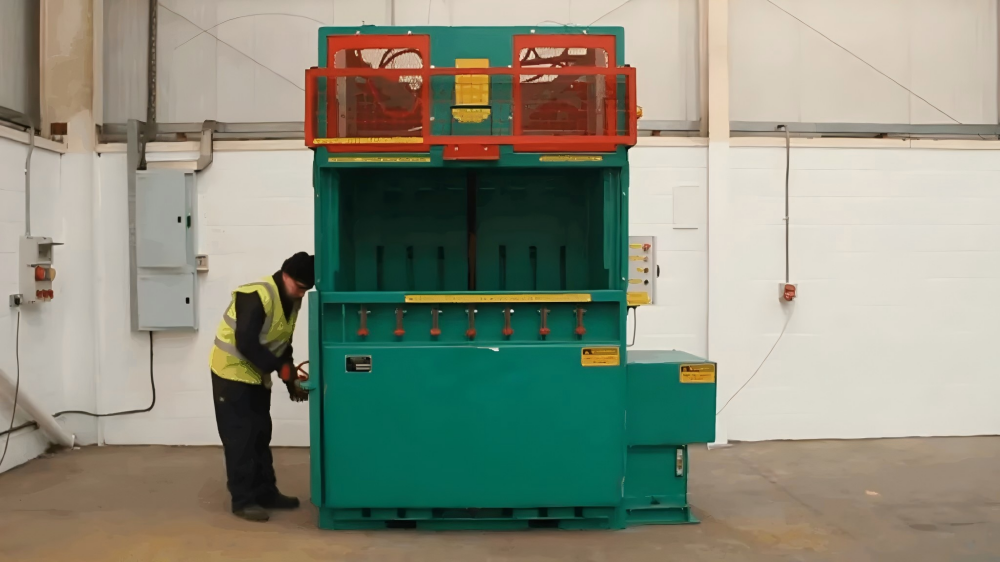
The configuration of a vertical baler—specifically the loading door design and the bale ejection method—will dictate how the machine fits into your workflow. Front-loading doors are standard, but some models offer side-loading or sliding doors to accommodate specific floor layouts. If your facility has tight space constraints, a machine with a specialized door configuration might be worth a premium, as it saves valuable square footage and improves operator ergonomics.
Bale ejection systems come in various forms, including manual, semi-automatic, and fully automatic. Manual ejection requires significant physical labor and time, which can become a bottleneck in high-volume operations. Semi-automatic systems, which use a hydraulic or mechanical assist to push the bale out, are the industry standard for most mid-sized businesses. Investing in a machine with a reliable ejection system is essential for maintaining a steady workflow and preventing operator fatigue.
The size of the feed opening is another critical configuration factor. If you are baling large, bulky items, a small feed opening will force your team to break down materials manually, increasing labor costs and slowing down the process. A larger feed opening allows for faster loading and higher throughput. When looking at the used vertical baler price: pay check before buying, ensure the feed opening dimensions align with the physical size of your waste stream.
Lastly, consider the electrical requirements. Some heavy-duty balers require three-phase power, which may necessitate an electrical upgrade in your facility if you only have single-phase power available. While the baler itself might be priced competitively, the cost of electrical installation can be substantial. Always verify the power requirements of the machine before finalizing your purchase to avoid unexpected infrastructure expenses.
Hidden Costs: Beyond the Sticker Price
When calculating the total investment, many buyers overlook the costs associated with logistics and installation. Transporting a heavy industrial baler often requires specialized rigging and flatbed trucking services. Depending on the distance and the weight of the machine, shipping can add several thousand dollars to the final cost. Always obtain multiple quotes from specialized machinery movers rather than relying on standard freight carriers.
Installation and commissioning are another layer of hidden costs. Even if you have an in-house maintenance team, a professional technician should verify the hydraulic pressure settings, electrical connections, and safety interlocks before the machine is put into full production. Improper installation can lead to premature wear or, worse, catastrophic failure. Budgeting for a professional setup is a form of insurance for your investment.
Maintenance supplies and spare parts should also be factored into your budget. Used machines often require an immediate service, including an oil change, filter replacement, and a thorough inspection of the wear plates. Additionally, you will need a steady supply of baling wire or strapping. While these are recurring operational costs, having a stock of essential spare parts—such as limit switches or hydraulic seals—on hand can prevent costly downtime in the future.
Finally, consider the cost of training. Operating a vertical baler involves specific safety protocols to prevent injury. If your staff is not properly trained, the risk of accidents increases, which can lead to legal liabilities and insurance premium hikes. Investing in a comprehensive training program for your employees is not just a safety requirement; it is a critical component of maximizing the efficiency and longevity of your used vertical baler.
ROI Calculation: Justifying the Investment
To determine the return on investment (ROI) for a used vertical baler, start by calculating the current cost of waste disposal. If you are paying for multiple dumpster pickups per week, you are likely paying for the transport of air. By compacting your waste into dense bales, you can significantly reduce the number of pickups required, leading to immediate savings on waste hauling fees.
Next, evaluate the potential revenue from the baled material. Clean, sorted cardboard or metal scrap has a market value. By baling these materials, you transform a waste stream into a revenue stream. Contact local recycling centers to understand the current market rates for baled materials. Even a modest revenue stream can help offset the monthly costs of the machine and contribute to a faster payback period.
Labor savings are another key metric. While a baler requires an operator, the time spent managing waste is often reduced compared to manual breakdown and disposal methods. Calculate the hourly rate of your employees and estimate the time saved per week. When you multiply these savings over the course of a year, the efficiency gains often justify the initial used vertical baler price: pay check before buying.
Finally, consider the environmental impact and corporate sustainability goals. Many businesses are now required to report on their waste reduction efforts. A vertical baler is a tangible asset that demonstrates your commitment to sustainability, which can improve your brand image and potentially qualify you for green business incentives or tax credits. When you combine reduced hauling costs, material revenue, and operational efficiency, the ROI of a well-chosen used baler is often realized within 12 to 24 months.
Buying Advice: The Inspection Checklist
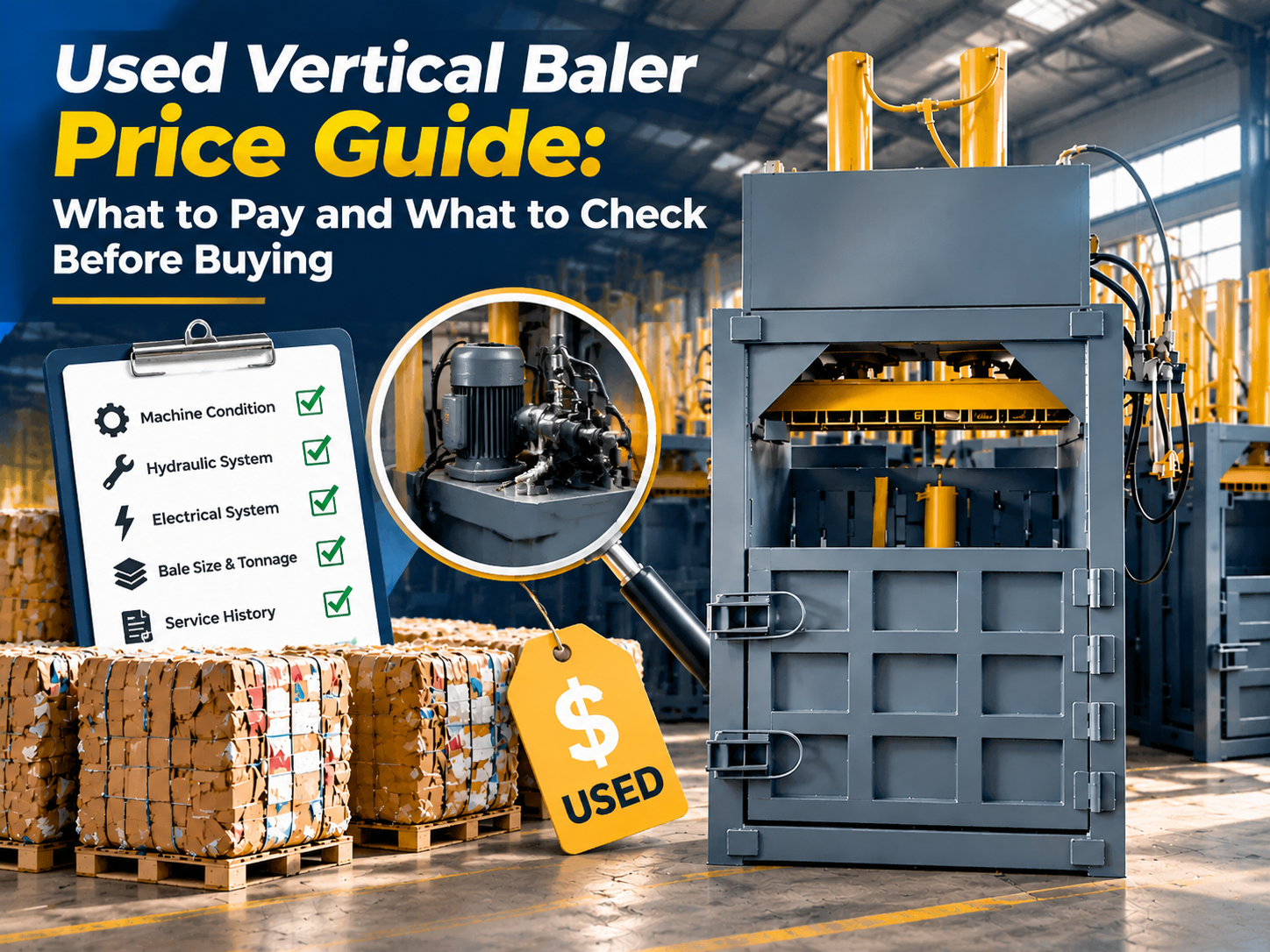
Before committing to a purchase, perform a rigorous physical inspection. Start with the hydraulic system: look for leaks around the cylinder, hoses, and valves. Check the hydraulic fluid level and color; milky fluid indicates water contamination, while burnt-smelling fluid suggests the pump has been overworked. A clean, well-maintained hydraulic system is the best indicator of a machine’s overall health.
Inspect the structural integrity of the ram and the chamber. Look for signs of metal fatigue, cracks in the welds, or significant deformation of the chamber walls. A baler that has been overloaded repeatedly will show signs of stress in the corners and along the door hinges. Ensure the door locking mechanisms are secure and that the safety interlocks function correctly; these are non-negotiable for operator safety.
Test the machine under load if possible. If the seller cannot demonstrate the machine, be extremely cautious. During operation, listen for unusual noises from the motor or pump, such as grinding or high-pitched whining. Observe the cycle time; if it is significantly slower than the manufacturer’s specifications, it may indicate a failing pump or a blockage in the hydraulic lines.
Finally, request all available maintenance records. A seller who has kept a log of service intervals, repairs, and part replacements is likely to have taken good care of the equipment. If records are unavailable, ask for the serial number and contact the manufacturer to see if there is any history of recalls or major service bulletins. By following this checklist, you can confidently navigate the used vertical baler price: pay check before buying process and secure a machine that will serve your business for years to come.
FAQ: Common Questions
- What is the most important factor when buying a used baler? The most important factor is the condition of the hydraulic system and the structural integrity of the frame. These are the most expensive components to repair.
- How long do used vertical balers typically last? With proper maintenance, a high-quality industrial baler can last 15 to 20 years or more.
- Should I buy from a dealer or a private seller? Dealers often provide a warranty and have inspected the machine, which reduces risk. Private sellers may be cheaper but offer no guarantees.
- What materials can I bale with a vertical baler? Most vertical balers are designed for cardboard, plastic film, and light metal scrap. Always check the manufacturer’s specifications for material compatibility.
- How do I know if I need a baler? If your waste disposal costs are high and you have a consistent volume of recyclable material, a baler will likely pay for itself.