How Much Does a Vertical Baler Cost? Complete Price Guide for Factories

Price Range Overview: Understanding the Investment
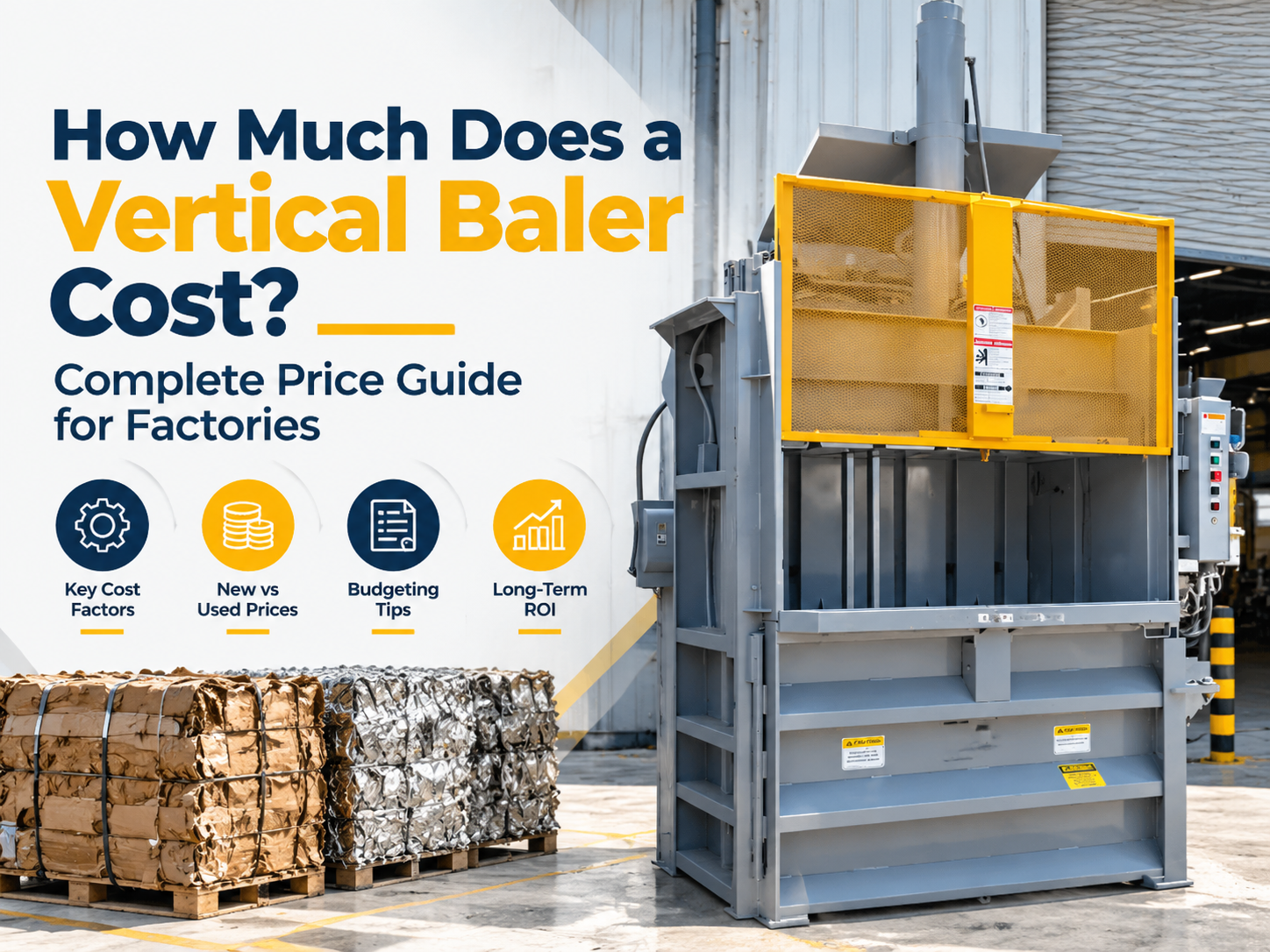
When factory managers and procurement officers ask, “How Much Does A Vertical Baler Cost? Complete Price Factories,” they are often met with a wide spectrum of figures. The investment for a vertical baler is not a one-size-fits-all number; it is a reflection of the machine’s capacity, build quality, and automation level. Generally, entry-level vertical balers designed for light-duty retail or small workshop environments start at approximately $4,000 to $7,000. These machines are typically manual and handle smaller volumes of cardboard or plastic.
Moving into the mid-range industrial sector, where factories require higher throughput and more robust construction, prices typically climb to the $8,000 to $18,000 range. These units often feature semi-automatic bale ejection systems and higher compaction forces, making them suitable for medium-sized manufacturing facilities that generate consistent waste streams. At this level, the focus shifts from mere affordability to operational efficiency and durability.
For heavy-duty industrial applications, high-capacity vertical balers can range from $20,000 to upwards of $45,000. These machines are engineered for continuous operation, handling dense materials like scrap metal, heavy-gauge plastics, or large volumes of industrial waste. When evaluating these costs, it is essential to consider the total cost of ownership rather than just the initial purchase price, as high-end machines often offer lower maintenance costs and longer service lives.
It is also important to note that the market for vertical balers is global. HARSLE and other leading manufacturers provide varying price points based on shipping logistics, import duties, and local installation support. When budgeting, always request a comprehensive quote that includes delivery, commissioning, and initial operator training to avoid unexpected financial burdens during the setup phase.
Main Cost Drivers: What Influences the Price Tag?
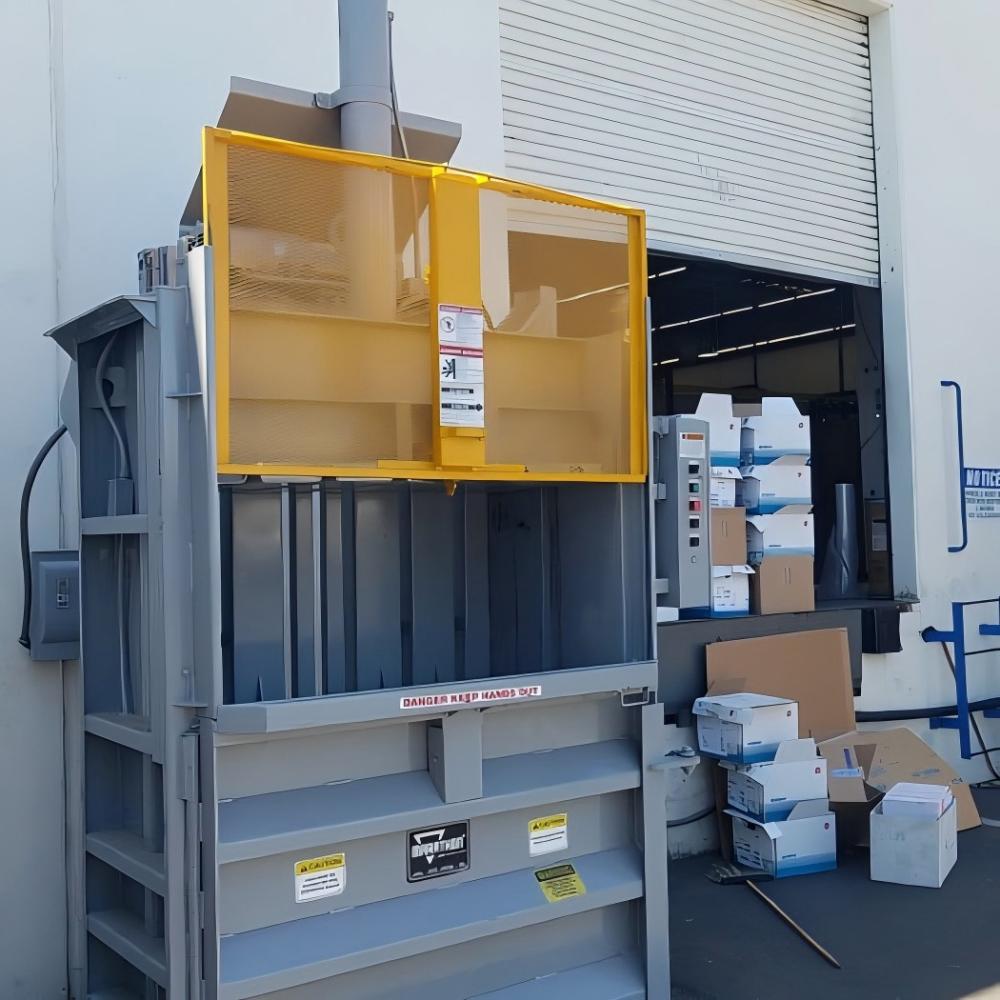
The primary driver of cost in a vertical baler is the compaction force, measured in tons. A machine capable of exerting 50 tons of pressure will naturally cost significantly more than a 10-ton unit. This force is generated by the hydraulic system, which includes the motor, pump, and cylinder. Higher tonnage requires more powerful motors and reinforced structural steel to prevent the machine from warping under pressure, directly impacting the manufacturing cost.
Material throughput capacity is another critical factor. Factories that generate tons of waste per day require machines with larger feed openings and faster cycle times. The engineering required to ensure safety and efficiency at high speeds adds to the complexity of the machine. Manufacturers must invest in high-grade hydraulic valves, advanced PLC (Programmable Logic Controller) systems, and robust safety interlocks, all of which contribute to the final price.
Build quality and material specifications are often overlooked by buyers focusing solely on the lowest price. A high-quality vertical baler utilizes thick-gauge steel for the chamber walls and reinforced door hinges. Cheaper alternatives may use thinner steel that can fatigue over time, leading to structural failure. Investing in a machine built to industrial standards ensures that the baler can withstand the rigors of a multi-shift factory environment without requiring frequent repairs.
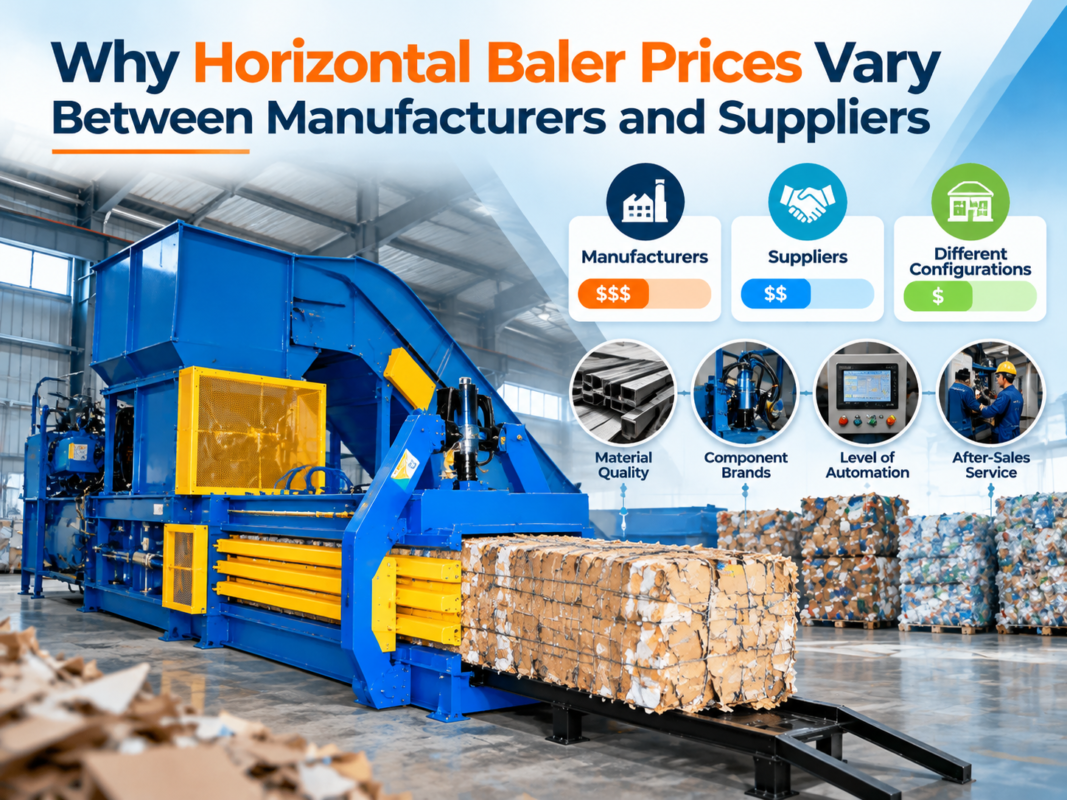
Finally, the brand reputation and support network play a significant role in pricing. Established manufacturers like HARSLE provide not just a machine, but a guarantee of parts availability, technical support, and engineering expertise. While a generic or unbranded machine might appear cheaper initially, the lack of support and proprietary parts can lead to extended downtime, which is far more expensive than the initial savings on the purchase price.
Configuration Impact: Customization and Features
Beyond the base model, specific configurations can significantly alter the cost. For instance, the inclusion of an automatic bale ejection system—where the machine pushes the finished bale out onto a pallet—can add several thousand dollars to the price. However, this feature is often essential for factories looking to reduce labor costs and improve workplace safety by minimizing manual handling of heavy bales.
Another configuration factor is the feed door design. Standard sliding doors are cost-effective, but vertical-lift or swing-out doors may be required depending on the factory floor layout and available ceiling height. Customizing the feed opening size to accommodate specific waste materials, such as large appliance boxes or long metal scraps, requires additional engineering and fabrication, which is reflected in the final invoice.
Safety features are non-negotiable in modern industrial settings. While basic safety interlocks are standard, advanced features like light curtains, dual-hand controls, and emergency stop systems that meet international safety standards (such as CE or UL) add to the cost. These features are critical for protecting employees and ensuring compliance with local labor and safety regulations, which can prevent costly fines and insurance premiums.
Integration with existing waste management systems is another layer of configuration. Some factories require conveyor-fed balers or specialized chutes to streamline the waste collection process. These peripheral systems require custom design work and integration with the baler’s control system. While these additions increase the upfront investment, they often provide the highest return on investment by drastically reducing the time and labor required to manage factory waste.
Hidden Costs: Beyond the Sticker Price
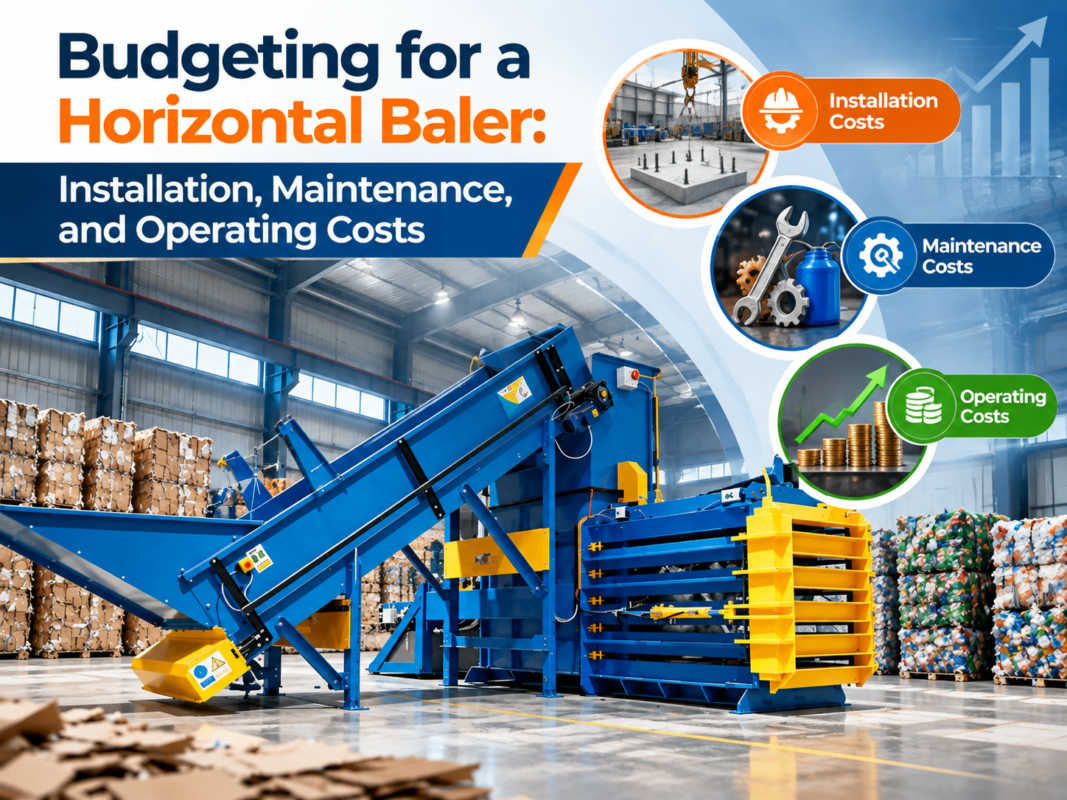
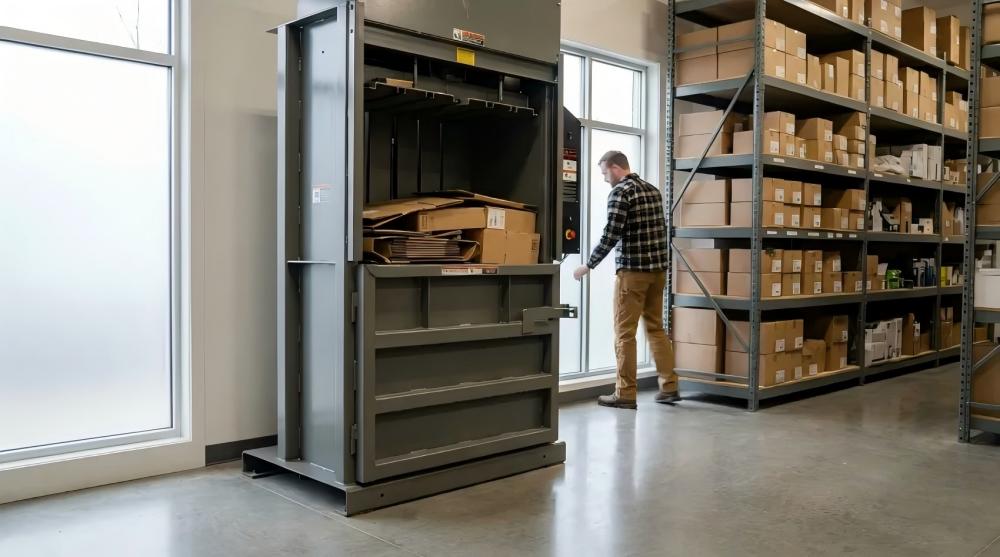
When calculating “How Much Does A Vertical Baler Cost? Complete Price Factories,” many buyers forget to account for installation and site preparation. A heavy-duty vertical baler requires a reinforced concrete pad to handle the weight and the vibration during the compaction cycle. If the factory floor is not suitable, the cost of pouring a new foundation can be substantial.
Electrical requirements are another hidden cost. Industrial balers often require three-phase power, which may not be readily available in all areas of a facility. Upgrading the electrical panel, installing dedicated circuits, and hiring a certified electrician to perform the wiring can add thousands of dollars to the project. It is crucial to consult with the machine manufacturer regarding the specific power requirements before finalizing the purchase.
Maintenance and consumables are ongoing costs that must be factored into the budget. Hydraulic oil, replacement seals, baling wire or strapping, and regular service visits are necessary to keep the machine running efficiently. Some manufacturers offer service contracts that bundle these costs, providing a predictable monthly expense. Ignoring these maintenance requirements will inevitably lead to premature machine failure and expensive emergency repairs.
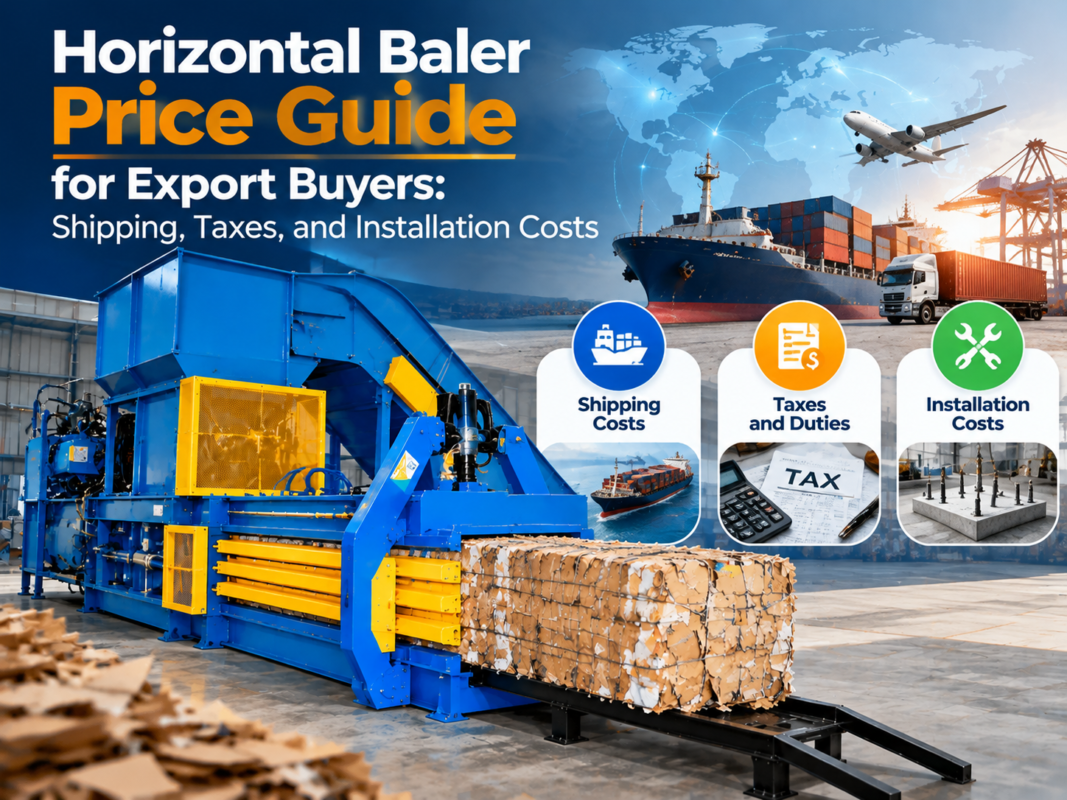
Shipping and logistics should never be underestimated, especially for heavy machinery. The cost of freight, rigging, and crane services to move the baler into its final position within the factory can be significant. Always obtain a detailed logistics quote that covers the entire journey from the factory floor of the manufacturer to the installation point in your facility to avoid mid-transit surprises.
ROI Calculation: Justifying the Investment
The return on investment (ROI) for a vertical baler is realized through three main channels: reduced waste disposal fees, revenue from baled recyclables, and labor savings. Most factories pay for waste removal based on the number of pickups or the volume of the dumpster. By compacting waste into dense, manageable bales, a factory can reduce the frequency of dumpster pickups by 70% to 90%, leading to immediate and recurring savings.
Furthermore, baled material is a commodity. Clean, sorted cardboard or plastic bales can often be sold to recycling centers. While the market price for recyclables fluctuates, the ability to sell waste rather than paying to have it hauled away turns a cost center into a potential revenue stream. When calculating ROI, use conservative estimates for commodity prices to ensure the investment remains viable even during market downturns.
Labor savings are perhaps the most significant, though often the hardest to quantify. Without a baler, employees spend hours breaking down boxes, stacking them, and managing overflowing dumpsters. A vertical baler streamlines this process, allowing staff to focus on core production tasks. By reducing the time spent on waste management, the machine effectively pays for itself through increased productivity in other areas of the factory.
To calculate the ROI, divide the total cost of the machine (including installation and training) by the sum of the monthly savings on waste hauling, the monthly revenue from recyclables, and the value of the labor hours saved. Most industrial vertical balers achieve a full return on investment within 12 to 24 months, making them one of the most effective capital improvements a factory can make.
Buying Advice: A Checklist for Success
Before purchasing, conduct a thorough waste audit. Measure the volume and type of waste your factory generates daily. This data is critical for selecting the right size and tonnage of the baler. Buying a machine that is too small will lead to bottlenecks, while buying one that is too large is a waste of capital. Consult with HARSLE experts to match your waste profile with the appropriate machine specifications.
Always prioritize safety and compliance. Ensure that the machine is certified by recognized safety bodies. Ask the manufacturer for documentation regarding safety interlocks and emergency stop systems. A machine that is not compliant with local safety regulations is a liability that no factory should accept, regardless of the price savings.
Request references and case studies from the manufacturer. Speaking with other factory managers who have purchased the same model can provide invaluable insights into the machine’s reliability, ease of use, and the quality of after-sales support. A reputable manufacturer will be happy to provide these contacts, as they stand behind their equipment.
Finally, consider the long-term partnership. A vertical baler is a long-term asset that will be part of your facility for a decade or more. Choose a manufacturer that offers comprehensive training for your operators, clear maintenance manuals, and a responsive parts department. The relationship you build with your equipment supplier is just as important as the machine itself in ensuring the long-term success of your waste management program.
FAQ: Domande frequenti
- How long does a vertical baler typically last? With proper maintenance, a high-quality industrial vertical baler can last 10 to 15 years or more.
- Do I need a special floor for a vertical baler? Most units require a level, reinforced concrete floor capable of supporting the machine’s weight and the dynamic forces during operation.
- Can one baler handle different types of materials? Yes, but you must ensure the baler is rated for the density of the materials. For example, a baler designed for cardboard may not be suitable for heavy metal scrap.
- Is it better to buy new or used? While used balers are cheaper, they often lack warranties and may have hidden mechanical issues. New machines offer reliability, modern safety features, and manufacturer support.
- How often does a vertical baler need maintenance? Routine inspections should be performed monthly, with professional servicing recommended every 6 to 12 months depending on usage intensity.