Best Budget Scrap Metal Baler Machines and Their Price Ranges: A Comprehensive Guide

Price Range Overview
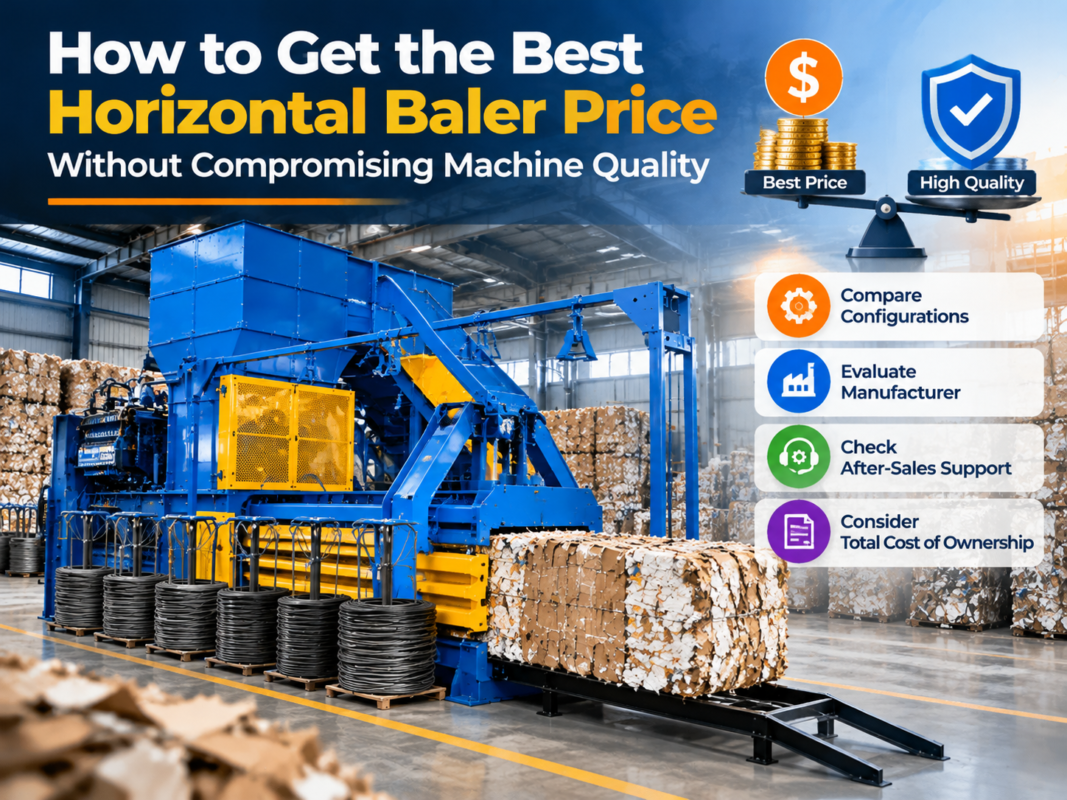
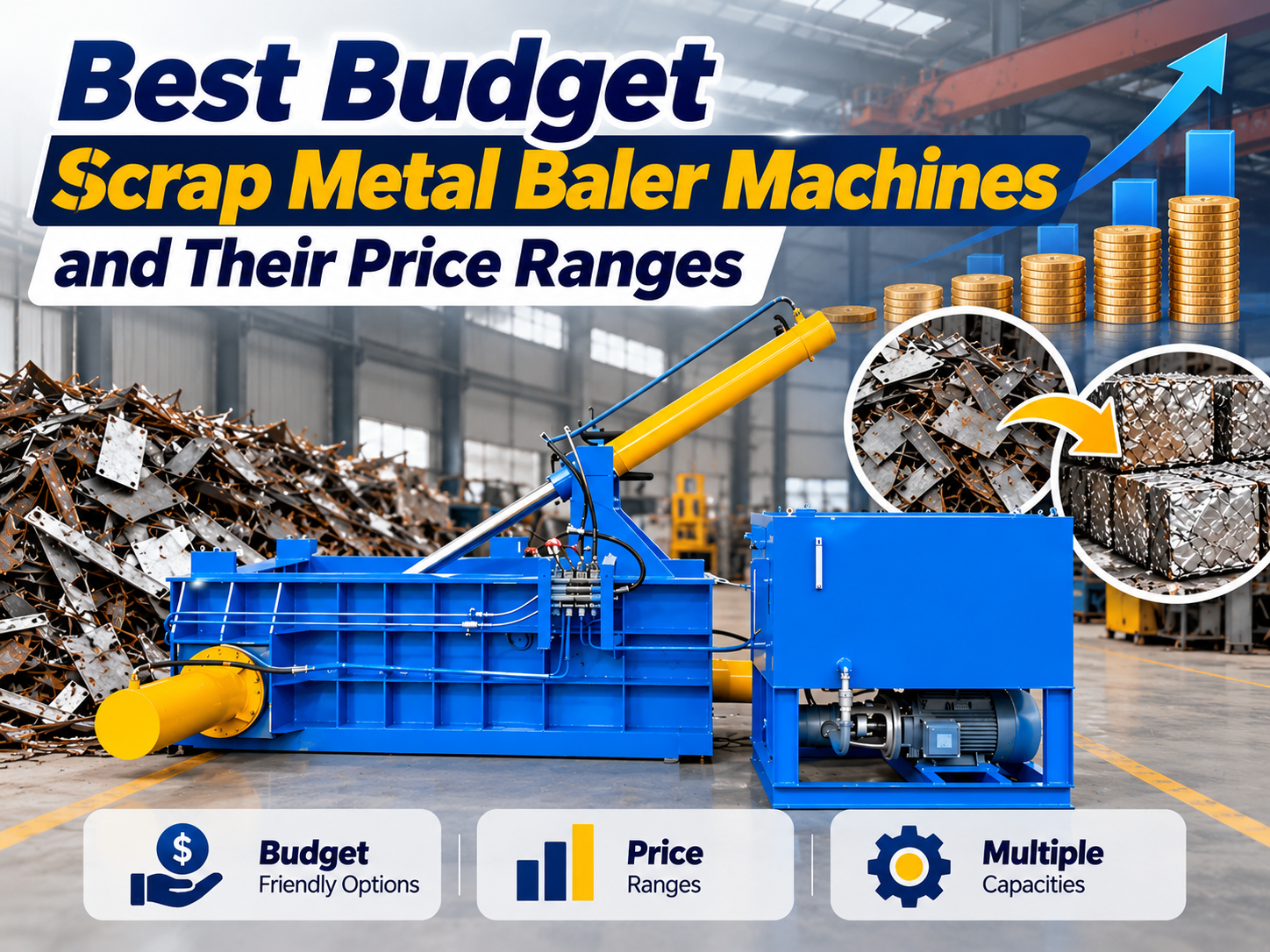
Investing in waste management technology is a critical step for any metal fabrication facility looking to improve operational efficiency. When searching for the best budget scrap metal baler machines and their price ranges, it is essential to understand that the market is segmented by capacity, automation level, and material density requirements. For small-to-medium workshops, entry-level vertical balers often start in the $3,000 to $7,000 range, providing a cost-effective solution for light-gauge aluminum or copper scrap.
As you move into mid-range semi-automatic horizontal balers, the investment typically shifts to the $15,000 to $40,000 bracket. These machines are designed for higher throughput and are ideal for facilities generating consistent daily waste volumes. These units offer a significant upgrade in bale density and labor reduction compared to manual vertical models.
For industrial-scale operations requiring high-density output, the price range for heavy-duty automatic balers can exceed $60,000 and reach well into the six-figure territory. While these represent a higher initial capital expenditure, they are the best budget scrap metal baler machines for high-volume recyclers when considering the long-term cost-per-ton processed.
Understanding these tiers is the first step in your procurement process. HARSLE recommends evaluating your monthly tonnage before selecting a machine, as over-specifying leads to unnecessary capital tie-up, while under-specifying results in bottlenecked production lines and increased maintenance costs due to overworking the hydraulic systems.
Main Cost Drivers
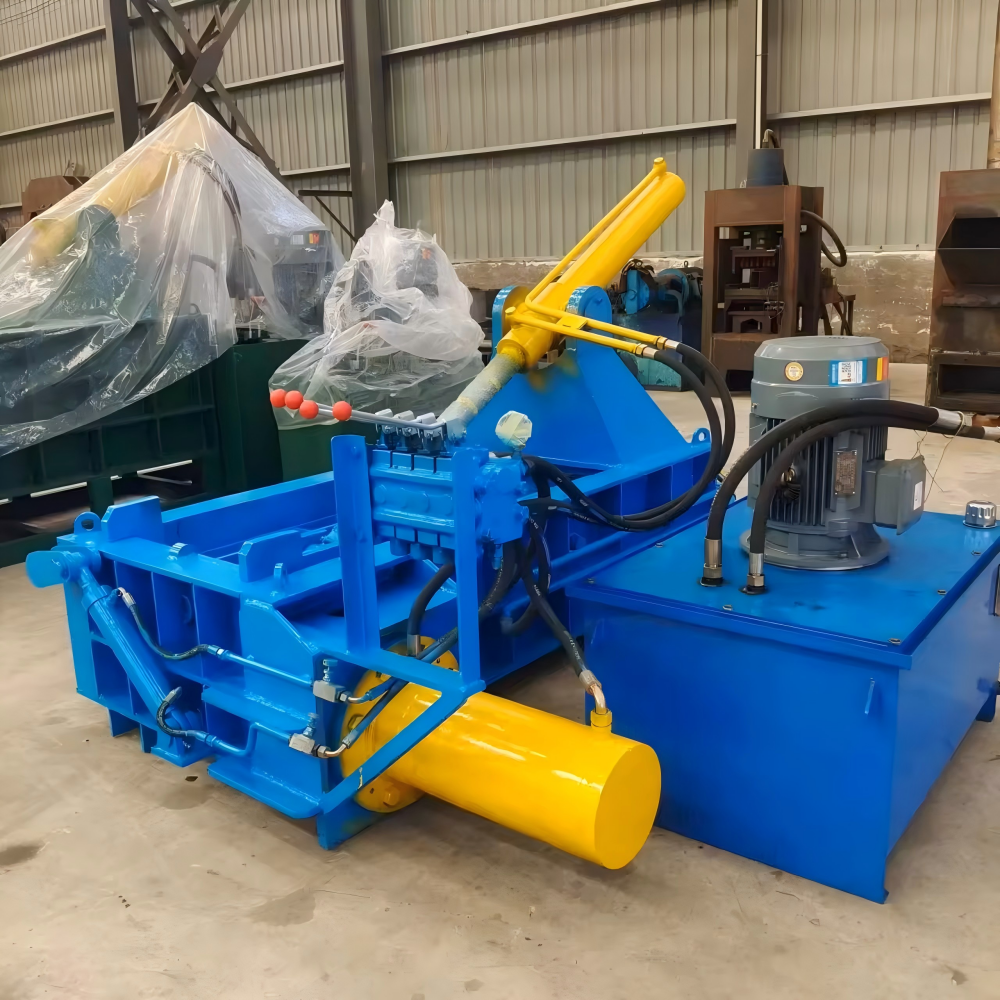
The price of a scrap metal baler is primarily dictated by its structural integrity and hydraulic power. A machine built with thicker steel plating and reinforced welding will naturally command a higher price, but it also ensures a longer service life. When analyzing the best budget scrap metal baler machines and their price ranges, look closely at the cylinder bore size and the system pressure rating, as these are the primary drivers of the machine’s ability to compress dense metals.
Another significant cost driver is the motor and pump assembly. High-efficiency motors that comply with international energy standards may cost more upfront but significantly reduce electricity consumption over the machine’s lifespan. Variable frequency drives (VFDs) are increasingly common in modern balers, allowing the machine to adjust power consumption based on the load, which is a key feature for budget-conscious buyers looking to lower operational overhead.
The control system complexity also influences the final price. Basic relay-based controls are cheaper and easier to repair in the field, whereas PLC-based (Programmable Logic Controller) systems offer advanced diagnostics, safety interlocks, and automated cycle optimization. While PLC systems increase the initial cost, they often pay for themselves by reducing downtime and improving operator safety.
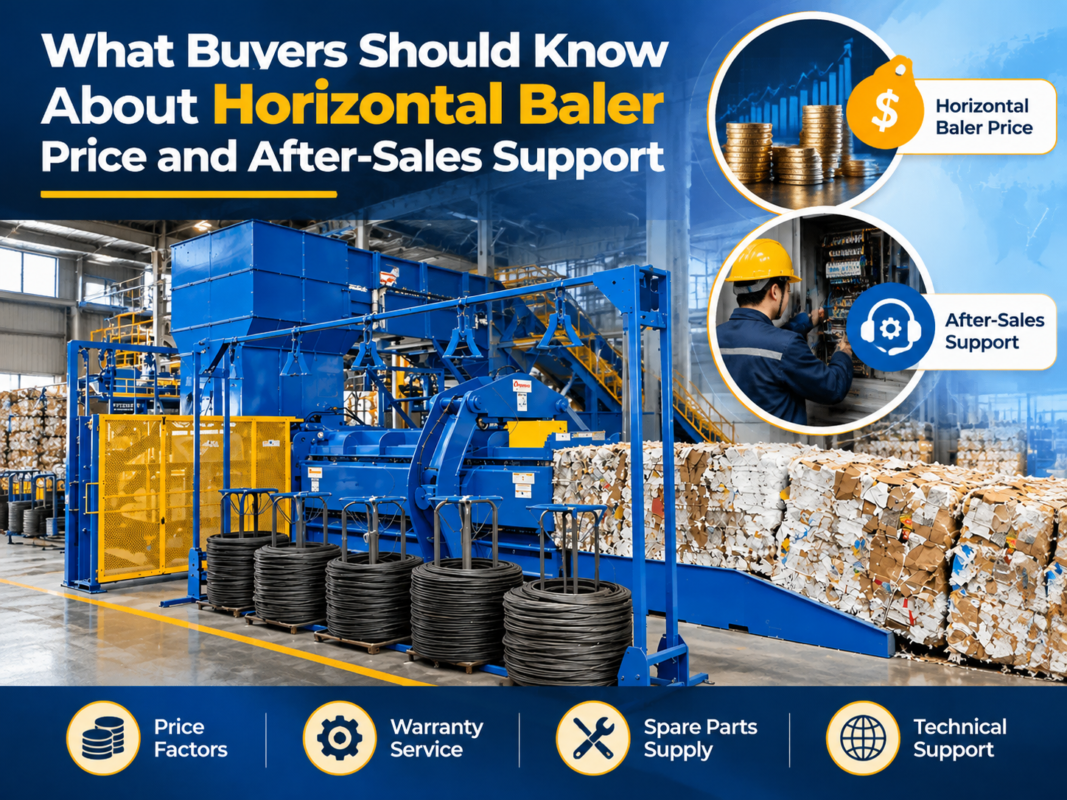
Finally, the brand reputation and support infrastructure play a role in the total cost of ownership. Purchasing from a reputable manufacturer like HARSLE ensures access to standardized spare parts, technical documentation, and professional support, which prevents the hidden costs associated with proprietary, hard-to-source components found in cheaper, unbranded alternatives.
Configuration Impact
The configuration of your baler—whether it is a vertical, horizontal, or two-ram system—drastically changes the price point and the operational workflow. Vertical balers are the most budget-friendly option for facilities with limited floor space. They are manually loaded and are best suited for non-ferrous metals like aluminum cans, copper wire, or thin-gauge sheet metal offcuts.
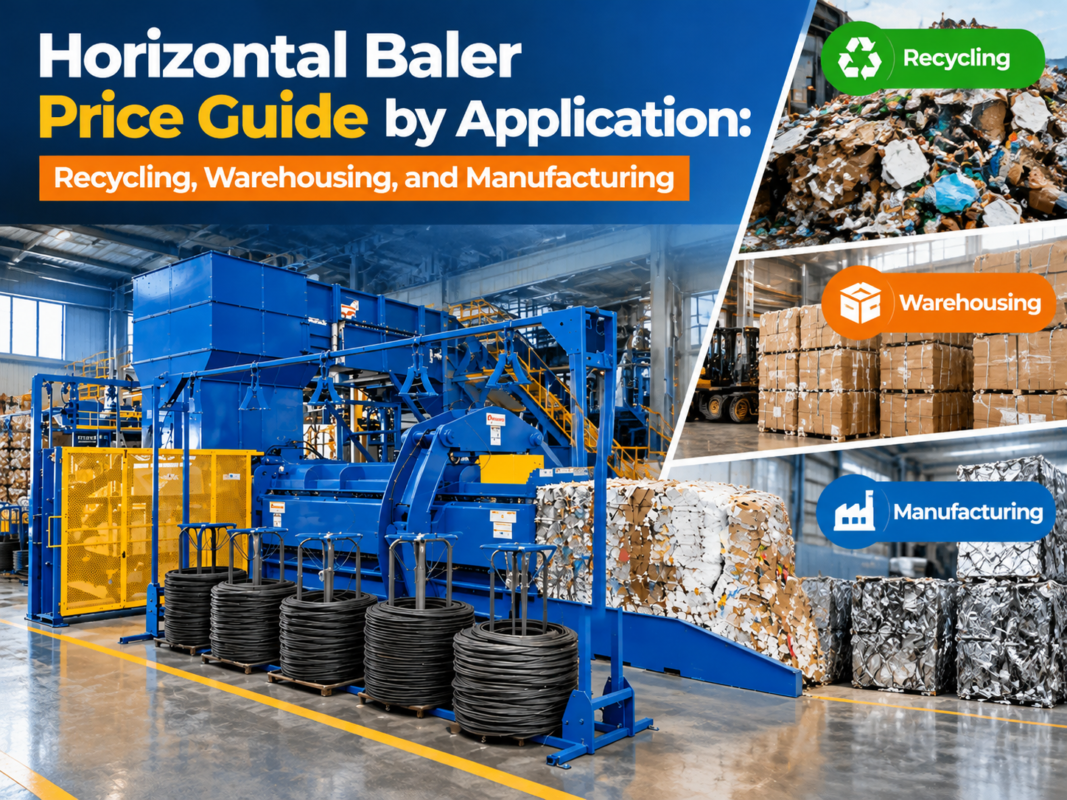
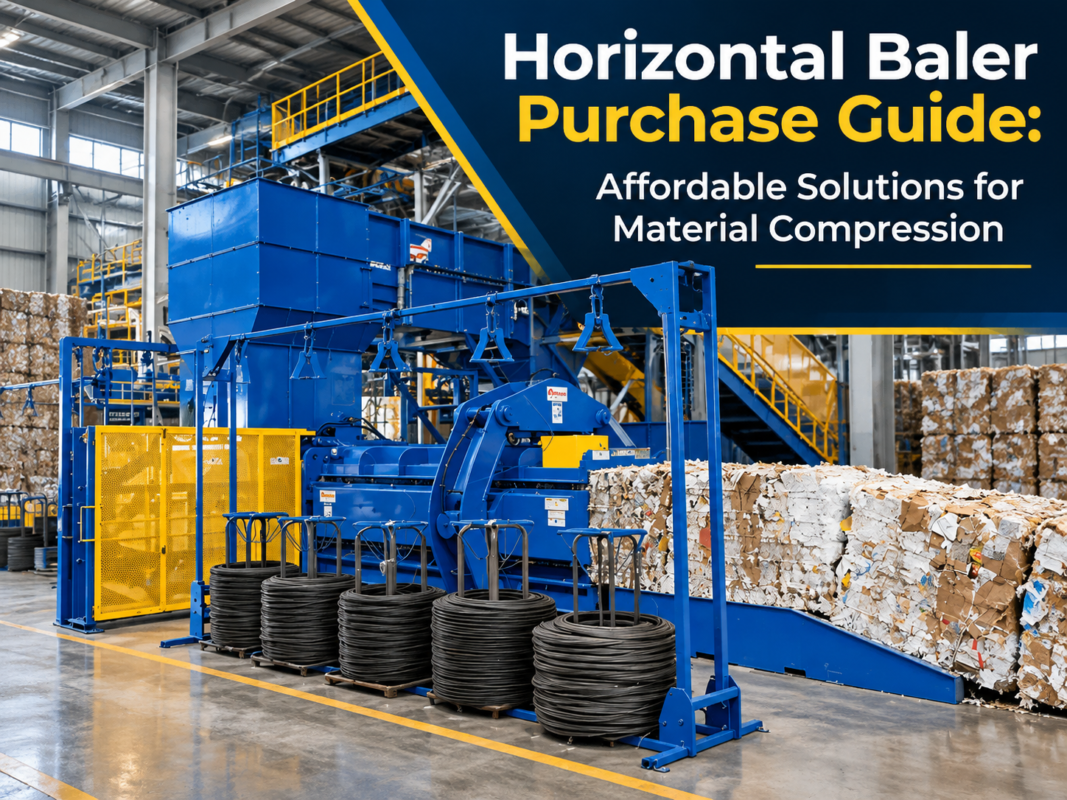
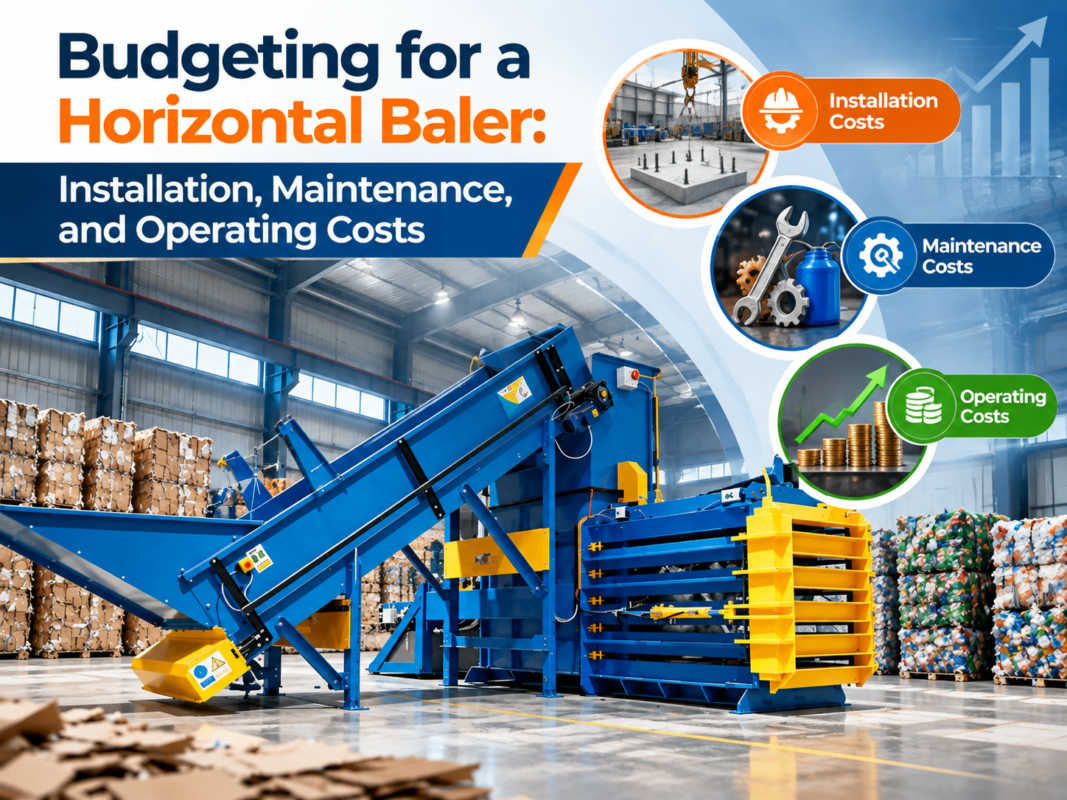
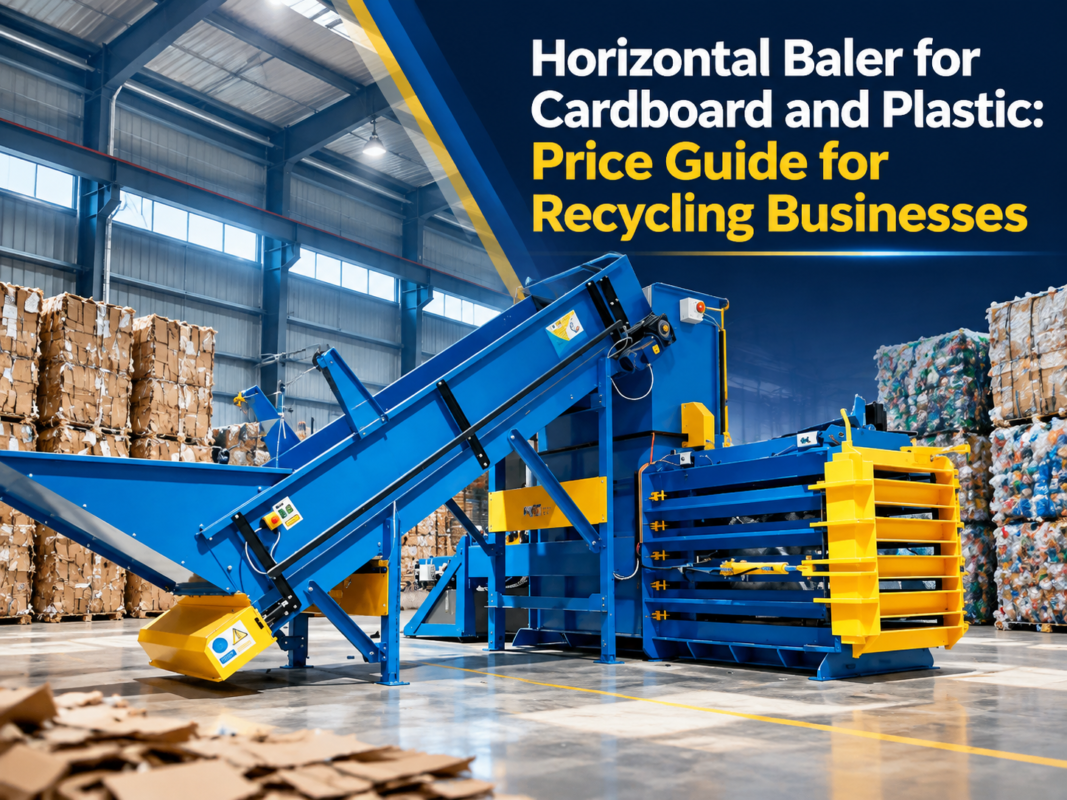
Horizontal balers offer a higher degree of automation. A semi-automatic horizontal baler allows for continuous feeding, which is a game-changer for high-volume workshops. The configuration impact here is significant; by adding a conveyor belt or a hopper feed system, you can reduce labor costs by 50% or more, making the higher initial investment highly justifiable for growing businesses.
Two-ram balers represent the pinnacle of configuration for mixed-metal recycling. These machines can handle a wider variety of materials, including heavy steel, without the risk of cross-contamination. While they are at the top end of the price spectrum, their ability to produce high-density, mill-ready bales means you can command higher prices from scrap metal buyers, directly impacting your bottom line.
Customization options such as bale ejection systems, wire-tying mechanisms, and sound-dampening enclosures also affect the final quote. When evaluating the best budget scrap metal baler machines and their price ranges, prioritize features that solve your specific bottlenecks rather than opting for “all-in-one” packages that include features you may never utilize.
Hidden Costs
When budgeting for a scrap metal baler, many buyers focus solely on the purchase price, often overlooking the “hidden” costs of installation and operation. Site preparation is a major factor; heavy-duty balers require reinforced concrete pads to handle the weight and the vibration generated during the compression cycle. If your facility floor is not rated for this load, you will face significant civil engineering costs.
Electrical infrastructure upgrades are another common hidden expense. High-pressure hydraulic systems often require three-phase power and dedicated circuit breakers. If your workshop is currently running on single-phase power, the cost of an electrical panel upgrade and professional installation can add thousands to your project budget.
Maintenance and consumables are ongoing costs that must be factored in. Hydraulic oil, filters, seals, and baling wire are recurring expenses. Furthermore, training your staff to operate the machine safely and efficiently is a cost that should not be ignored. Improper operation is the leading cause of premature hydraulic failure and structural fatigue in baling equipment.
Shipping and logistics, particularly for heavy industrial machinery, can be substantial. Always request a “landed cost” quote from your supplier to include freight, insurance, and unloading equipment like forklifts or cranes. Failing to account for these logistics can derail a carefully planned budget.
ROI Calculation
Calculating the Return on Investment (ROI) for a scrap metal baler involves more than just looking at the purchase price. You must consider the increased revenue from selling processed, high-density bales compared to loose scrap. Recyclers pay a premium for mill-ready bales because they are easier to transport and melt down, significantly increasing your profit margin per ton.
Labor savings are the second pillar of your ROI calculation. By automating the baling process, you free up skilled workers to focus on high-value fabrication tasks rather than manual waste management. Calculate the hourly wage of your employees and estimate the time saved per week; this “labor recapture” often accounts for the largest portion of the machine’s payback period.
Space optimization is another quantifiable benefit. Loose scrap takes up a massive footprint in a workshop. By compacting this waste, you reclaim valuable floor space that can be used for additional production machinery or inventory storage. Assign a dollar value to your square footage to see how much space reclamation contributes to your bottom line.
Finally, consider the environmental and compliance benefits. Many regions now have strict waste disposal regulations. A baler helps you manage your waste stream in compliance with local laws, potentially avoiding fines and lowering your waste disposal fees. When you combine increased scrap revenue, labor savings, and space reclamation, most HARSLE customers find that their baler pays for itself within 18 to 36 months.
Buying Advice
When shopping for the best budget scrap metal baler machines and their price ranges, start by conducting a waste audit. Measure the volume and type of scrap your facility produces over a typical month. This data is the foundation of your decision-making process. Do not be swayed by sales pitches for machines that exceed your actual capacity requirements.
Always request a demonstration or a site visit to see the machine in action. If a physical visit isn’t possible, ask for video testimonials and case studies from companies in your specific industry. A reputable manufacturer will be transparent about the machine’s limitations and will provide honest advice on whether their equipment is the right fit for your specific metal types.
Check the availability of spare parts. A cheap machine is only a bargain if it stays running. Ensure that the manufacturer has a local or regional service network and that critical components like hydraulic pumps and valves are standard, off-the-shelf parts rather than proprietary items that can only be sourced from the factory at a premium.
Lastly, negotiate the warranty and service contract. A comprehensive warranty that covers both parts and labor for the first year provides peace of mind. Ask about remote diagnostic capabilities; many modern balers can be connected to the internet, allowing the manufacturer’s technicians to troubleshoot issues without needing to send a service engineer to your site, saving you time and money.
FAQ
- What is the typical lifespan of a scrap metal baler? With proper maintenance, a well-built industrial baler can last 10 to 20 years.
- Can I bale different types of metal in the same machine? Yes, but you must be careful to avoid cross-contamination. Some machines are better suited for mixed metals than others.
- Do I need a special foundation for a baler? Most small vertical balers can sit on a standard concrete floor, but large horizontal balers require a reinforced, level foundation.
- How often should I change the hydraulic oil? Typically, hydraulic oil should be changed every 2,000 to 4,000 operating hours, depending on the manufacturer’s recommendations and the intensity of use.
- Is it better to buy a used or new baler? While used machines are cheaper, they often come with hidden mechanical issues. For a business, a new machine with a warranty is usually the safer, more cost-effective choice in the long run.
- What safety features should I look for? Look for emergency stop buttons, safety interlocks on doors, and light curtains to ensure operator safety during the compression cycle.