Scrap Metal Baler Machine Prices By Capacity Output: A Comprehensive Investment Guide

Price Range Overview: Understanding the Market Landscape
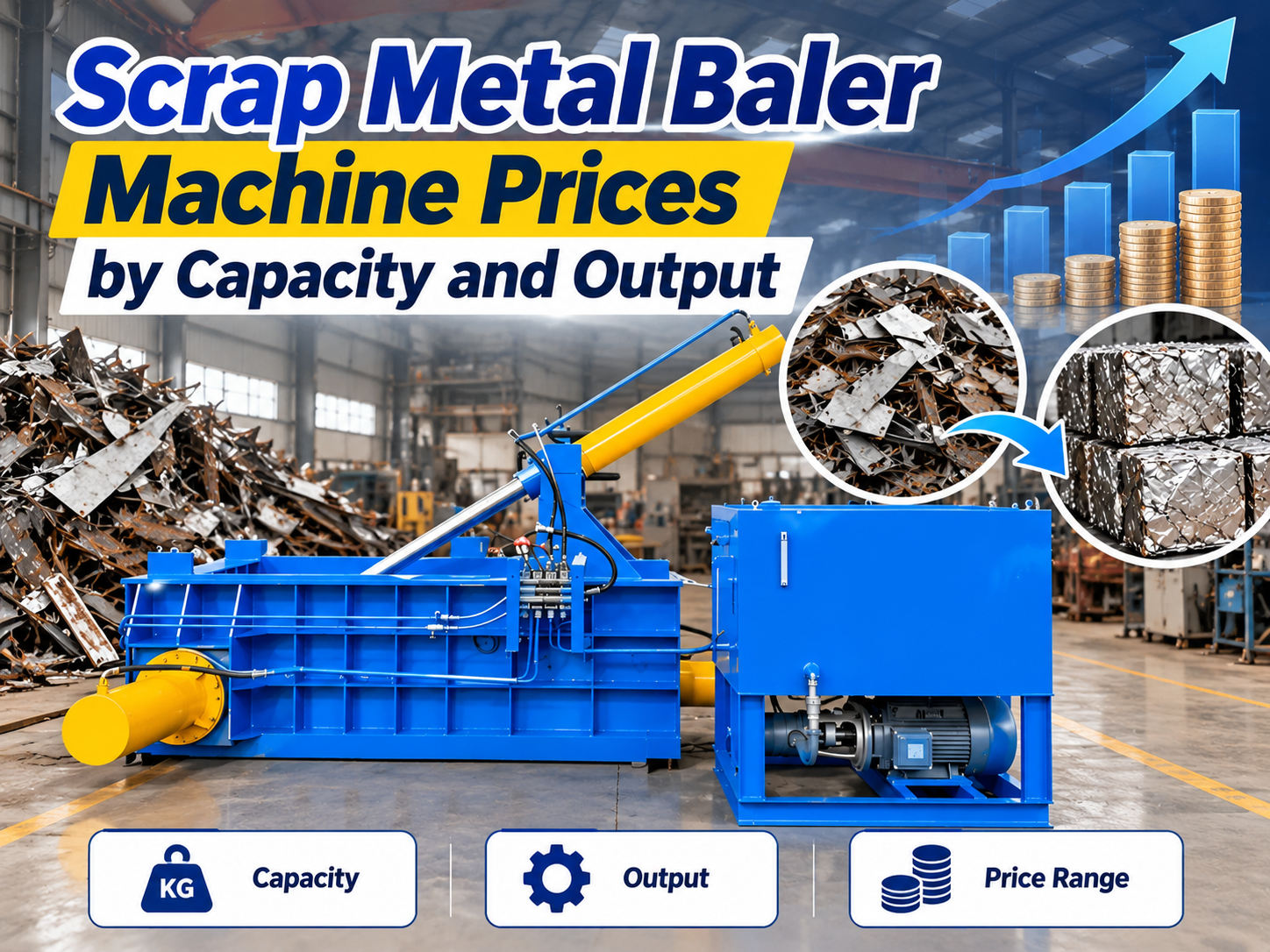
Investing in a scrap metal baler is a significant capital expenditure that directly impacts the operational efficiency and profitability of a recycling facility or metal fabrication plant. When researching scrap metal baler machine prices by capacity output, it is essential to recognize that the market is segmented by the volume of material processed and the density of the resulting bales. Entry-level machines, often used for small-scale workshops or light-gauge aluminum, typically start in the $15,000 to $30,000 range. These units are designed for intermittent use and lower throughput requirements.
Moving into the mid-range industrial sector, prices generally climb to between $45,000 and $90,000. These machines are the workhorses of medium-sized recycling centers, offering higher hydraulic pressure and automated tying systems. They are built to handle consistent daily loads of steel, copper, and mixed scrap. At this level, the focus shifts from simple compaction to maximizing the weight-to-volume ratio, which is critical for reducing transportation costs.
For high-capacity, heavy-duty industrial applications, prices can easily exceed $150,000 to $300,000. These systems are often custom-engineered, featuring multi-stage compression, integrated conveyor feed systems, and advanced PLC controls. When evaluating scrap metal baler machine prices by capacity output at this level, buyers must account for the sheer scale of the machinery, which often requires specialized foundation work and high-voltage electrical infrastructure.
It is important to note that pricing is not static. Global steel prices, the cost of high-grade hydraulic components, and the complexity of the control systems all play a role in the final quote. HARSLE provides transparent pricing models that reflect the engineering quality and the long-term durability of our equipment, ensuring that your investment is protected against premature wear and tear.
Main Cost Drivers: What Influences the Price Tag?
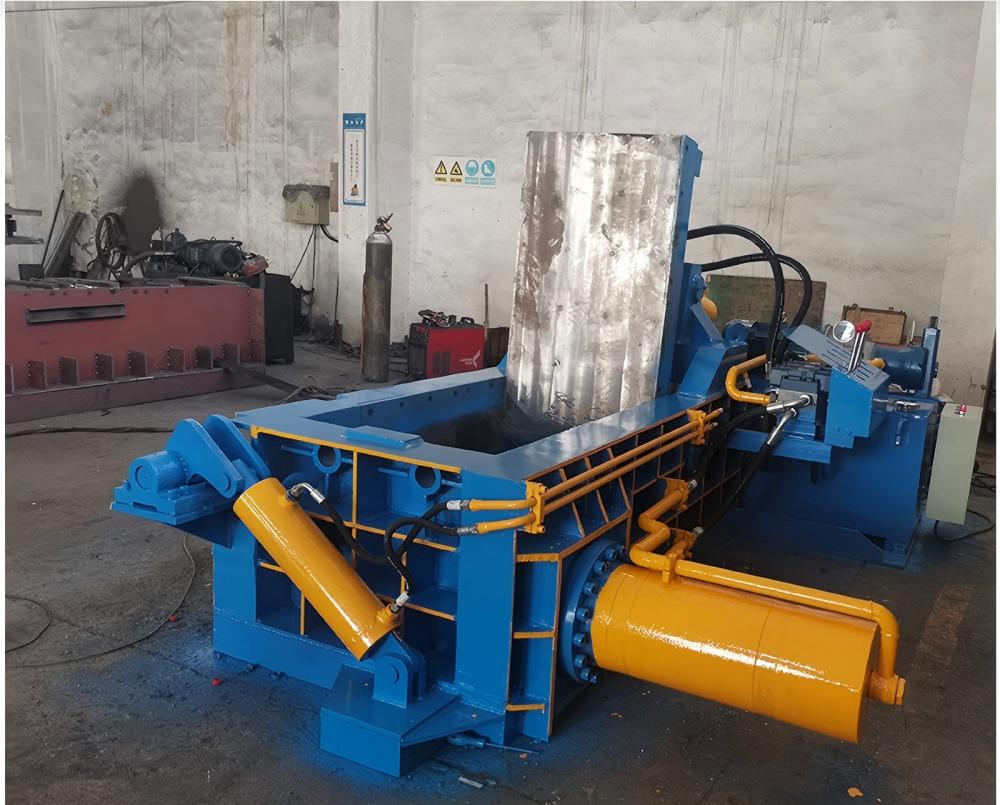
The primary driver behind scrap metal baler machine prices by capacity output is the hydraulic system’s power and the structural integrity of the compression chamber. A baler designed to process heavy steel plate or thick-walled pipes requires significantly more force than one designed for thin-gauge aluminum cans. Consequently, the thickness of the steel plating used in the chamber and the diameter of the hydraulic cylinders are the first factors that inflate the cost.
Automation levels represent another major cost variable. A manual-tie baler is significantly cheaper than an automatic-tie system. However, the labor costs associated with manual tying can quickly negate the initial savings. Automatic systems, which use high-tensile wire to secure bales without operator intervention, are essential for high-output facilities. The complexity of the wire-feeding mechanism and the precision of the knotting system are premium features that add to the total investment.
The throughput capacity, measured in tons per hour, dictates the size of the feed opening and the speed of the ram cycle. Faster cycle times require more robust hydraulic pumps and cooling systems to prevent overheating during continuous operation. When you pay for higher capacity, you are paying for the engineering required to dissipate heat and maintain consistent pressure over long shifts.
Finally, the control system and software integration influence the price. Modern HARSLE balers feature advanced PLC (Programmable Logic Controller) systems that monitor pressure, cycle counts, and maintenance alerts. These systems allow for remote diagnostics and integration with facility management software, providing a level of operational intelligence that justifies a higher upfront cost through improved uptime and predictive maintenance.
Configuration Impact on Performance and Price
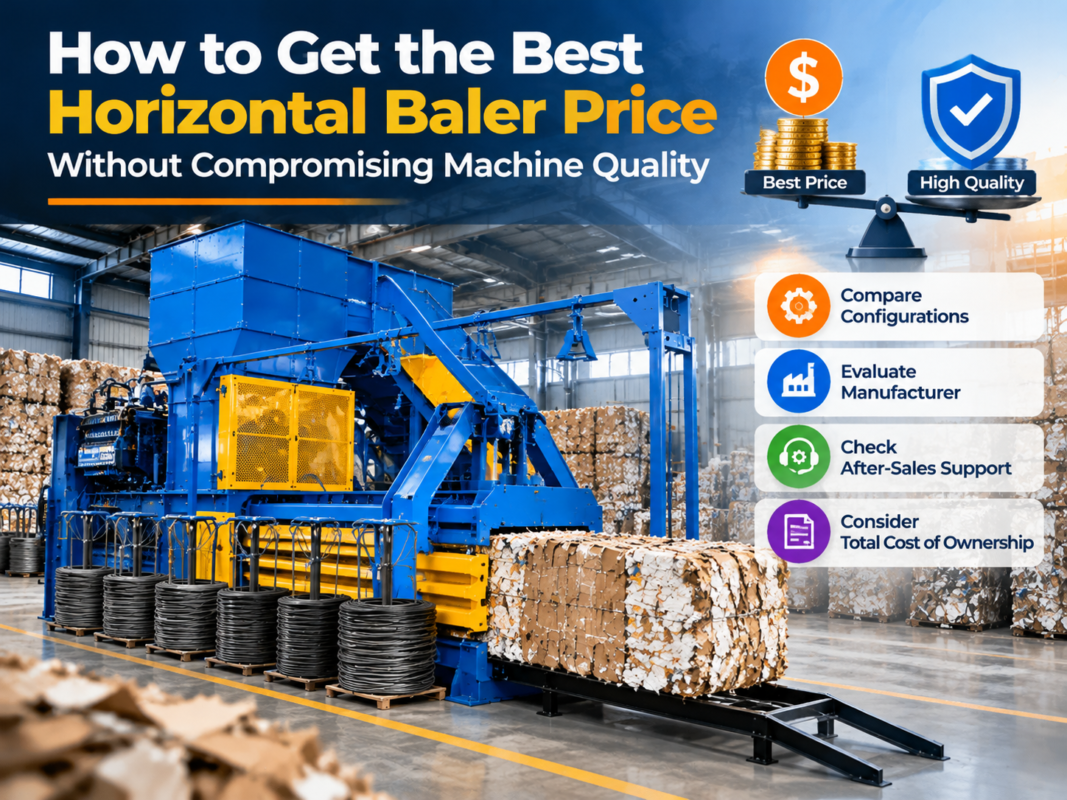
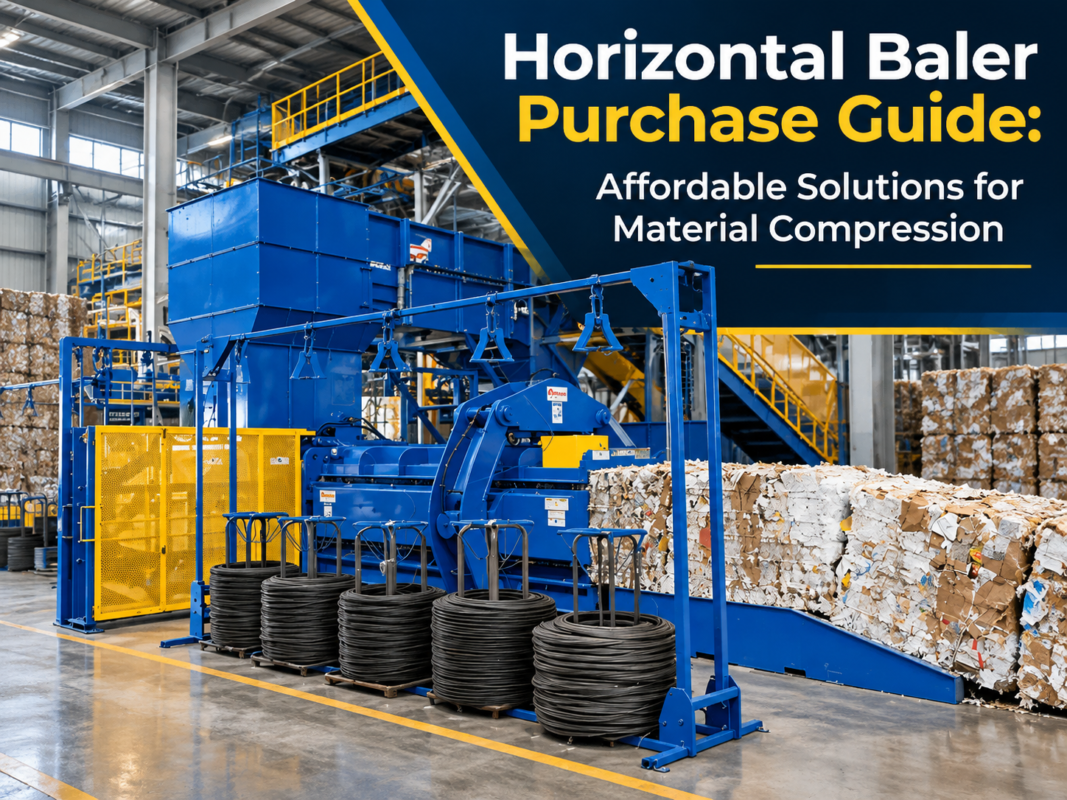
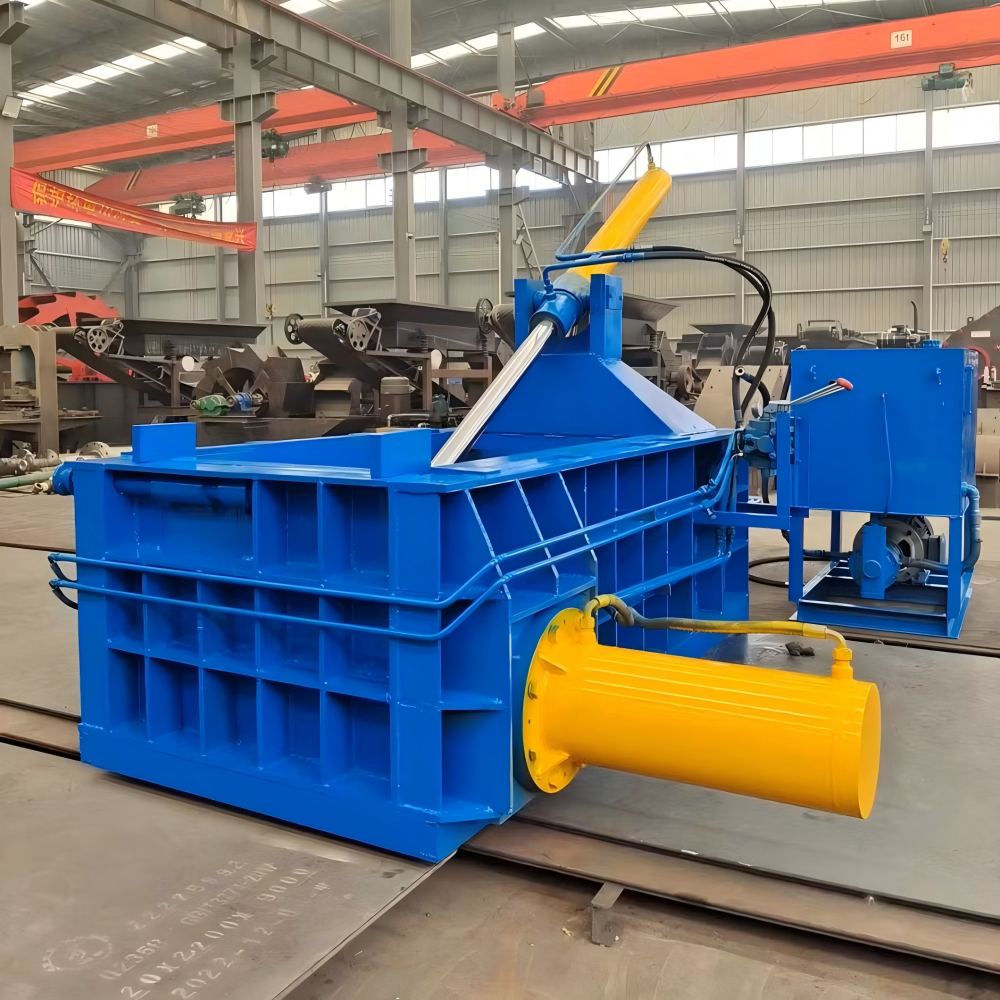
When analyzing scrap metal baler machine prices by capacity output, one must consider the configuration of the baler. Horizontal balers, which are the industry standard for high-volume scrap, come in various configurations including closed-end and open-end designs. Closed-end balers are generally more affordable and suitable for smaller volumes, while open-end, continuous-feed balers are designed for high-speed, high-volume operations.
The feed system is a critical configuration choice. A hopper-fed system allows for the use of a conveyor belt or a grapple crane, which significantly increases throughput. If your operation involves loose scrap, a wide-mouth hopper is necessary to prevent bridging. The cost of the conveyor system itself should be factored into the total project budget, as it is an essential component of the baling workflow.
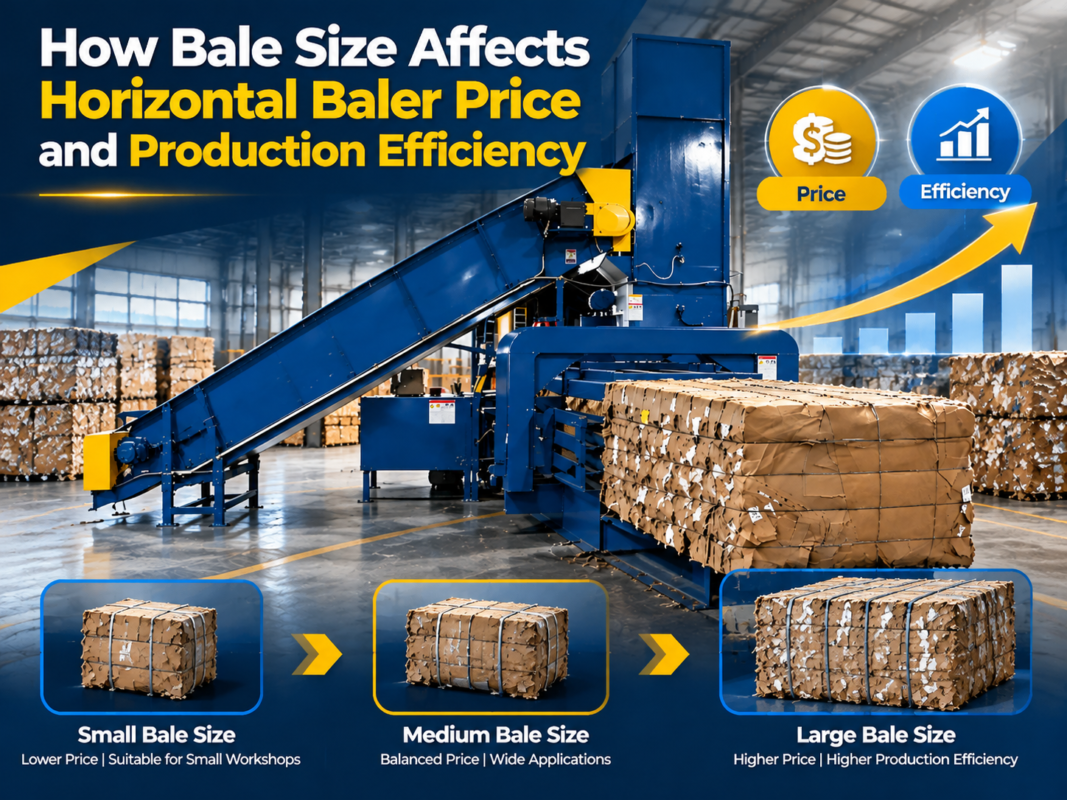
Bale size and density requirements also dictate the machine’s configuration. If you are selling your scrap to a foundry, they may have specific requirements for bale dimensions and density to fit their furnaces. Achieving these specific metrics often requires a multi-ram baler, which compresses the material from multiple directions. Multi-ram balers are more expensive due to the complexity of the hydraulic circuitry and the increased structural reinforcement required to withstand multi-directional forces.
Lastly, consider the environment in which the baler will operate. If the machine is destined for an outdoor yard, it will require weatherproofing, specialized hydraulic fluids for temperature fluctuations, and corrosion-resistant coatings. These environmental protections add to the base price but are essential for the longevity of the machine in harsh conditions.
Hidden Costs: Beyond the Purchase Price
Many buyers focus solely on the sticker price of the machine, but understanding the total cost of ownership is vital. Installation is a major hidden cost. Heavy-duty balers require a reinforced concrete pad to handle the weight and the vibration of the compression cycle. If the site is not prepared correctly, the machine may shift, leading to hydraulic leaks and structural fatigue.
Electrical infrastructure is another frequently overlooked expense. High-capacity balers often require three-phase power and significant amperage. Upgrading your facility’s electrical panel or running new lines to the baler location can add thousands of dollars to the installation budget. It is crucial to consult with an electrician early in the buying process to ensure your facility can support the machine’s power demands.
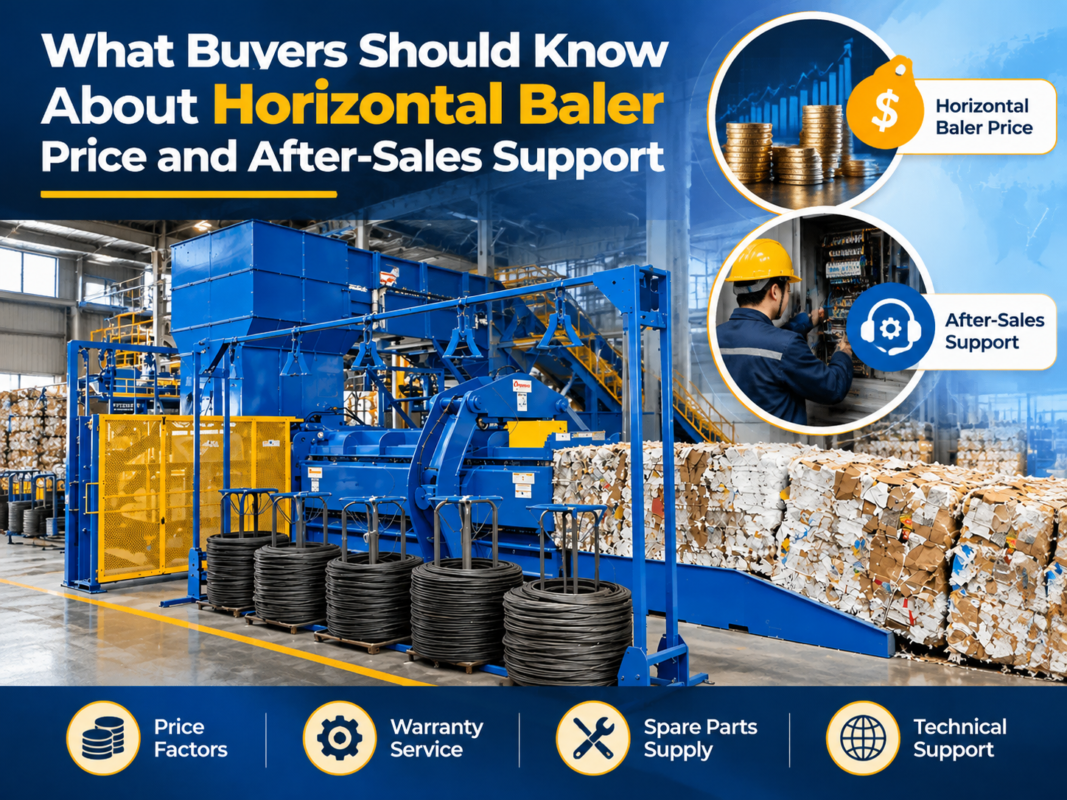
Maintenance and spare parts should be factored into your annual budget. Hydraulic hoses, seals, and wire-tying components are wear items that will need replacement over time. Choosing a manufacturer like HARSLE, which maintains a robust supply chain for spare parts, can save you significant downtime costs. Always ask for a recommended spare parts list and the estimated lead time for critical components before finalizing your purchase.
Training and safety compliance are also costs that must be accounted for. Operators need to be trained on the specific safety protocols of the baler, including emergency stop procedures and lockout/tagout (LOTO) requirements. Investing in professional training reduces the risk of accidents and ensures that the machine is operated within its design parameters, preventing unnecessary damage.
ROI Calculation: Justifying the Investment
Calculating the Return on Investment (ROI) for a scrap metal baler involves comparing the cost of the machine against the increased revenue from processed scrap and the reduction in operational expenses. Processed, baled scrap commands a higher price per ton than loose, unorganized scrap because it is easier to transport and melt. By increasing the density of your bales, you can maximize the payload of your shipping containers or trucks, significantly lowering your freight costs per ton.
To calculate your ROI, start by determining the current cost of transporting loose scrap. Compare this to the cost of transporting the same weight in baled form. The difference in shipping costs, combined with the premium price paid by recyclers for high-density bales, represents your primary revenue gain. Subtract the monthly operating costs—including electricity, wire, maintenance, and labor—to arrive at your net monthly benefit.
Another factor in the ROI equation is labor efficiency. A manual baling process is labor-intensive and slow. By automating the process, you can reallocate your workforce to higher-value tasks, such as sorting and grading metals, which further increases the profitability of your facility. The time saved by an automated system is a direct contribution to your bottom line.
Finally, consider the tax benefits and depreciation. In many jurisdictions, industrial machinery can be depreciated over several years, providing significant tax advantages. Consult with your financial advisor to understand how the purchase of a HARSLE scrap metal baler can be structured to maximize your tax position, effectively lowering the net cost of the investment over its operational lifespan.
Buying Advice: Selecting the Right HARSLE Baler
When navigating scrap metal baler machine prices by capacity output, the most important step is to conduct a thorough audit of your current and projected scrap volume. Do not buy a machine that is perfectly sized for your current needs if you expect to grow. A baler is a long-term asset, and it is often more cost-effective to purchase a machine with slightly higher capacity than you currently need, rather than having to replace it in three years.
Request a material analysis from the manufacturer. Send samples of your most common scrap types to HARSLE so we can test them in our facility. This ensures that the baler you choose is capable of achieving the desired bale density and size for your specific material mix. Different metals have different spring-back characteristics, and the machine must be tuned to handle these variations.
Always prioritize build quality over the lowest price. A cheap machine that suffers from frequent downtime is far more expensive in the long run than a high-quality machine that runs reliably for decades. Look for features like hardened wear plates, high-quality hydraulic pumps, and a responsive support team. HARSLE prides itself on providing comprehensive support, from initial consultation to installation and ongoing maintenance.
Finally, visit a facility that is currently using the model you are considering. Seeing the machine in action provides invaluable insights into its cycle time, noise levels, and ease of operation. Talk to the operators and the maintenance team to get their honest feedback. A reputable manufacturer will be happy to facilitate these site visits, as they are confident in the performance and reliability of their equipment.
FAQ: Common Questions About Scrap Metal Balers
- How often should I perform maintenance on my scrap metal baler? Daily inspections of hydraulic lines and wire-tying mechanisms are recommended. A full service, including oil changes and filter replacements, should be performed every 500 to 1,000 operating hours.
- Can one baler handle all types of metal? While many balers are versatile, some are optimized for specific materials. Ferrous metals require higher pressure, while non-ferrous metals like aluminum may require different cycle speeds. Always verify material compatibility with your HARSLE representative.
- What is the typical lifespan of a HARSLE scrap metal baler? With proper maintenance and regular service, our industrial balers are designed to provide 15 to 20 years of reliable service in demanding environments.
- Does the baler require a special foundation? Yes, most industrial balers require a reinforced concrete slab to manage the weight and the forces generated during the compression cycle. We provide detailed foundation drawings with every purchase.
- How do I choose between a vertical and horizontal baler? Vertical balers are ideal for smaller volumes and limited floor space. Horizontal balers are designed for high-volume, continuous-feed operations where throughput is the priority.
- What happens if the baler breaks down? HARSLE provides remote diagnostic support and a global network of technicians. We also maintain a comprehensive inventory of spare parts to ensure that downtime is kept to an absolute minimum.