How an Alligator Shear Improved Material Prep in a Metal Recovery Facility: A Comprehensive Case Study

Introduction
In the high-stakes world of metal recycling and recovery, the efficiency of material preparation is the primary driver of profitability. Metal recovery facilities (MRFs) are constantly tasked with processing diverse streams of scrap—ranging from structural steel beams and automotive components to complex industrial piping—into furnace-ready dimensions. For many years, traditional cutting methods like oxy-fuel torches or manual labor were the industry standard. However, these methods are slow, hazardous, and labor-intensive. This article explores how an alligator shear improved material prep in a metal recovery facility, transforming operational throughput and safety standards.
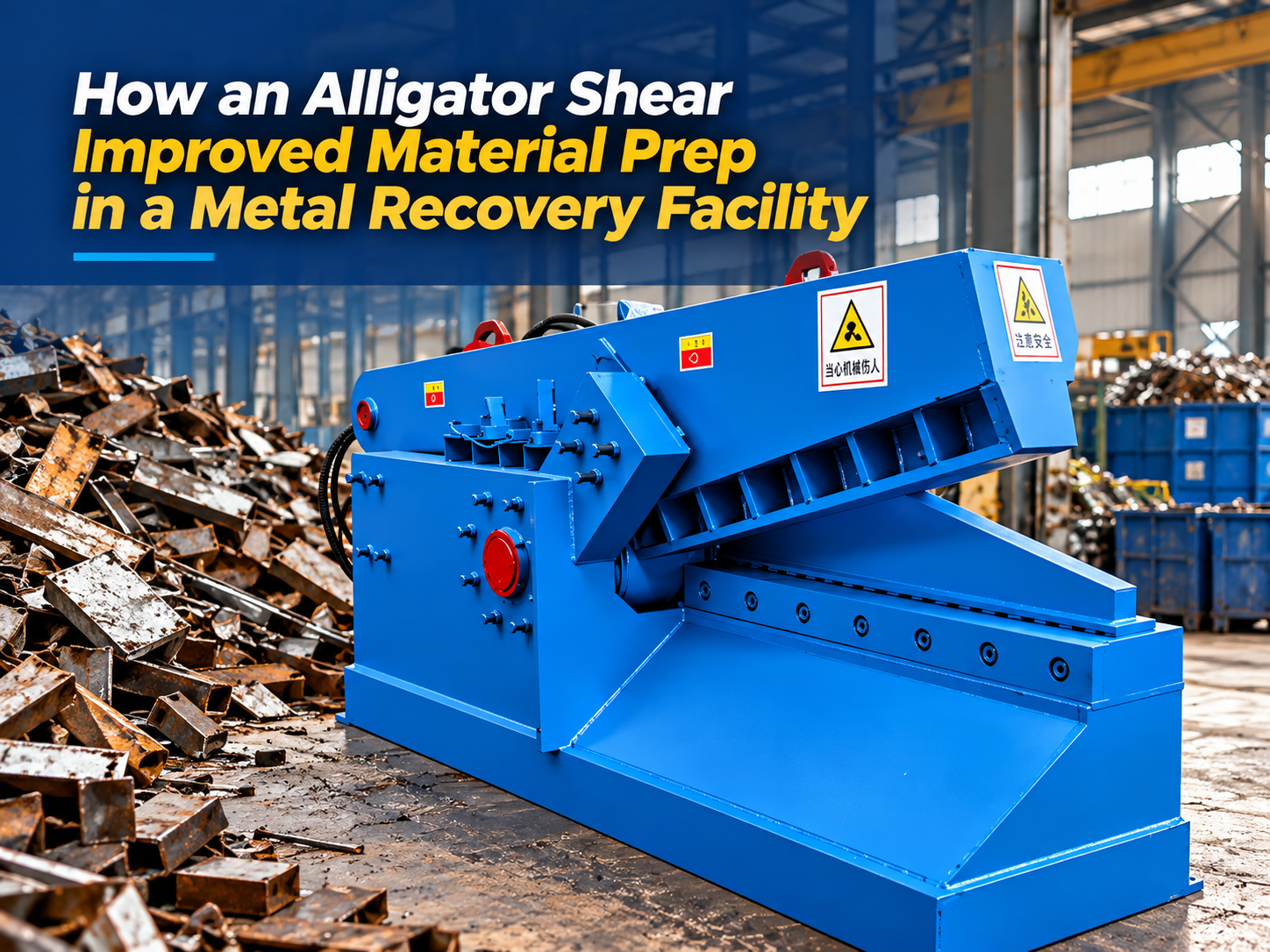
The integration of a HARSLE alligator shear represents a paradigm shift in how scrap yards manage their inventory. By replacing slow, thermal-based cutting processes with high-speed hydraulic shearing, facilities can achieve consistent, clean cuts that meet the strict requirements of steel mills and foundries. This case study delves into the technical advantages, operational improvements, and strategic benefits that modern shearing technology brings to the recycling sector.
As global demand for recycled steel increases, the pressure on recovery facilities to process material faster and more accurately has never been higher. An alligator shear acts as the backbone of this process, providing the necessary force to reduce bulky scrap into manageable, high-density pieces. By examining the transition from legacy methods to automated hydraulic shearing, we can better understand the ROI and operational scalability that these machines offer to modern industrial facilities.
Ultimately, the goal of any metal recovery operation is to maximize the value of the scrap being processed. Through the implementation of HARSLE’s advanced shearing technology, facilities have reported significant reductions in downtime, lower energy costs per ton, and a safer working environment for their personnel. This article serves as a comprehensive guide for facility managers and owners looking to optimize their material preparation workflows through the adoption of industrial-grade alligator shears.

Key Considerations for Material Preparation
When evaluating the efficiency of a metal recovery facility, the primary bottleneck is almost always the preparation stage. Material preparation involves sorting, cleaning, and sizing scrap metal to meet specific mill specifications. If the scrap is too large, it cannot be fed into furnaces; if it is contaminated, its value drops significantly. Therefore, the ability to rapidly resize material is critical to maintaining a steady cash flow and high inventory turnover.
One of the most significant challenges in material prep is the variability of the scrap stream. A facility might receive a load of mixed structural steel one day and thin-gauge piping the next. Manual cutting methods struggle to adapt to these changes, often resulting in inconsistent cut quality and wasted time. An alligator shear provides the versatility needed to handle various shapes and thicknesses, ensuring that every piece of scrap is processed to the exact dimensions required by the end-user.
Safety is another paramount consideration. Traditional oxy-fuel cutting involves open flames, high-pressure gas cylinders, and the risk of toxic fumes. In a busy recovery facility, these hazards can lead to workplace accidents and increased insurance premiums. By moving to a hydraulic alligator shear, the facility eliminates the fire risk associated with torches and reduces the physical strain on operators, who no longer need to manually handle heavy, jagged scrap near open flames.
Finally, the economic impact of material density cannot be overstated. Steel mills pay a premium for high-density scrap because it is easier to transport and melt. An alligator shear allows operators to cut scrap into uniform, compact pieces that stack efficiently in shipping containers or rail cars. This increased density reduces logistics costs and allows the facility to ship more tonnage per load, directly impacting the bottom line.
Technical Details of HARSLE Alligator Shears
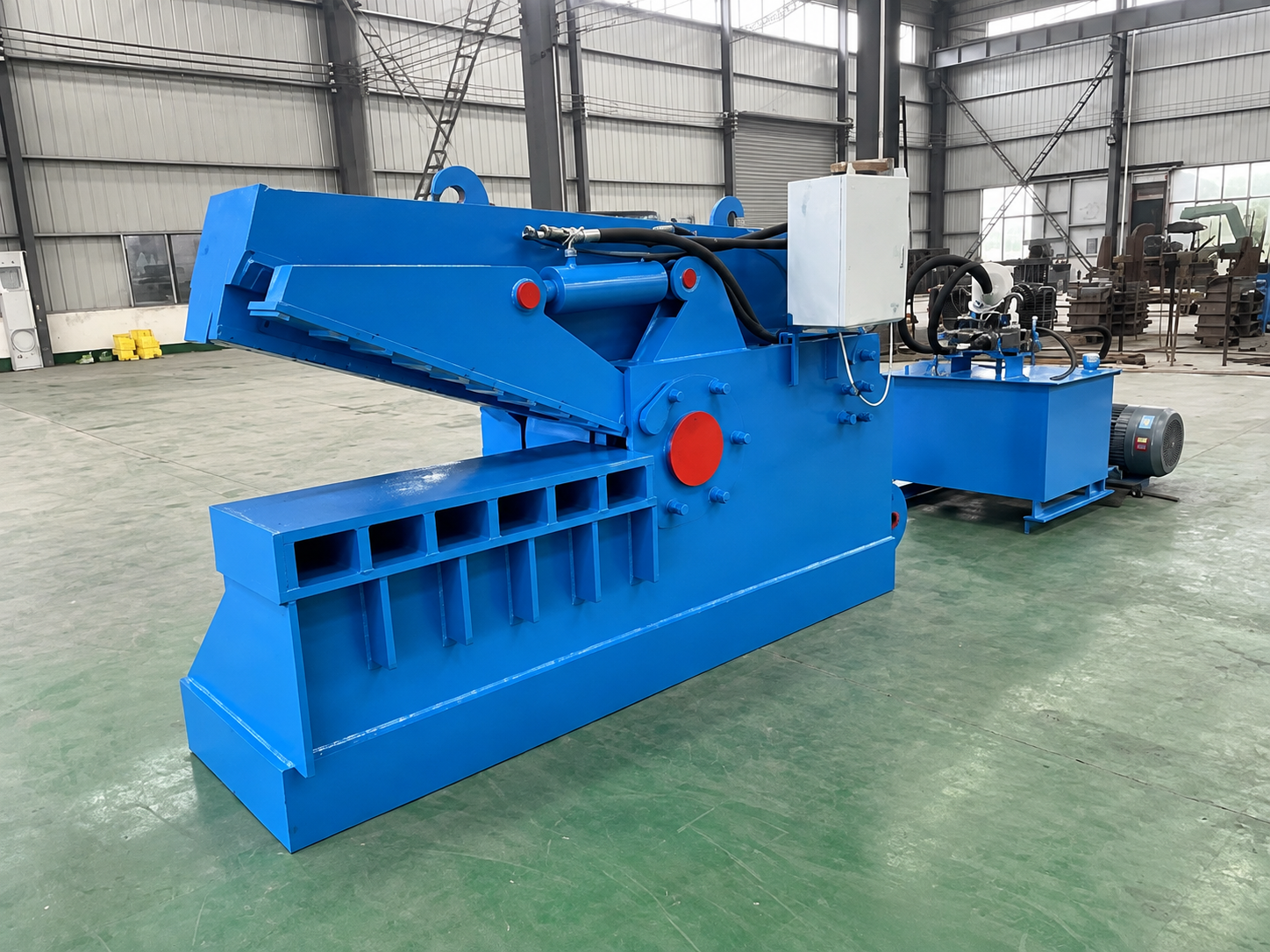
HARSLE alligator shears are engineered for durability and high-performance cutting in demanding industrial environments. At the core of these machines is a robust hydraulic system that delivers consistent shearing force, regardless of the material’s hardness. The frame is typically constructed from high-strength, stress-relieved steel, ensuring that the machine can withstand the repetitive shock loads associated with cutting heavy scrap metal without structural fatigue.
The cutting mechanism is designed with precision-ground, four-edged blades that can be rotated to extend their lifespan. This is a crucial feature for recovery facilities, as it minimizes maintenance downtime and reduces the cost of consumables. The shear’s jaw geometry is optimized to provide a clean, shearing action that minimizes material deformation, which is essential for maintaining the integrity of the scrap for the end-user.
Advanced control systems allow operators to adjust the stroke length and cutting speed, providing flexibility for different material types. For instance, when processing thinner materials, the operator can increase the cycle rate to maximize throughput. Conversely, when dealing with heavy-gauge structural steel, the machine can be set to a slower, high-force mode to ensure a clean cut without overloading the hydraulic pump or motor.
Safety features are integrated into every aspect of the HARSLE design. These include emergency stop buttons, blade guards, and foot-pedal controls that allow the operator to maintain a safe distance from the cutting zone. Furthermore, the hydraulic system is equipped with pressure relief valves to prevent damage in the event of an accidental overload, ensuring that the machine remains operational even under the most challenging conditions.
Selection Advice: Choosing the Right Shear
Selecting the right alligator shear for your metal recovery facility requires a thorough assessment of your current and projected scrap volume. It is not enough to simply buy the largest machine available; you must match the shear’s capacity to the typical thickness and type of material you process. A machine that is too small will suffer from premature wear, while one that is too large may be an unnecessary capital expenditure.
Consider the blade length as a primary factor. A longer blade allows for the processing of wider materials, which is essential if your facility handles large plates or wide structural sections. However, longer blades require more hydraulic power to achieve the same shearing force. You should consult with HARSLE technical experts to determine the optimal balance between blade length and cutting force based on your specific material stream.
Another critical factor is the power source and hydraulic efficiency. Modern shears are designed to be energy-efficient, using variable-frequency drives (VFDs) to adjust motor speed based on demand. This not only reduces electricity costs but also extends the life of the hydraulic components by reducing heat buildup. When comparing models, look for machines that offer high-cycle-per-minute ratings, as this will directly correlate to your daily tonnage output.
Finally, consider the support and serviceability of the equipment. A metal recovery facility is a harsh environment, and even the best machinery will eventually require maintenance. Choose a manufacturer like HARSLE that provides comprehensive technical support, readily available spare parts, and clear maintenance documentation. Investing in a brand with a strong reputation for reliability ensures that your investment will continue to pay dividends for years to come.
Operational Benefits and ROI
The transition to an alligator shear provides immediate, measurable benefits to a metal recovery facility. The most obvious is the increase in throughput. Where a torch-cutting team might take 20 minutes to process a large beam, an alligator shear can accomplish the same task in seconds. This speed allows the facility to process more material in a single shift, effectively increasing the capacity of the yard without needing to expand the physical footprint.
Labor costs are also significantly reduced. Because the shear is highly automated, it requires fewer personnel to operate compared to a team of torch cutters. Furthermore, the skill level required to operate an alligator shear is lower than that of a certified welder or torch operator, allowing the facility to reallocate skilled labor to more complex tasks, such as sorting high-value non-ferrous metals or managing inventory.
The consistency of the output is another major advantage. When scrap is cut by hand, the sizes are often irregular, which can lead to rejections from the mill or penalties for non-compliance with size specifications. An alligator shear produces uniform, high-quality cuts that meet or exceed industry standards. This reliability builds trust with your customers, potentially leading to better pricing and long-term contracts.
Finally, the ROI of an alligator shear is realized through reduced operational expenses. By eliminating the need for oxygen, acetylene, and propane, the facility saves thousands of dollars annually on consumables. Additionally, the reduction in fire hazards lowers insurance premiums and minimizes the risk of catastrophic loss. When these savings are combined with the increased revenue from higher-density, better-prepared scrap, the payback period for a HARSLE shear is often surprisingly short.
Maintenance Best Practices
To ensure that your alligator shear continues to perform at its peak, a rigorous maintenance schedule is essential. The most important aspect of maintenance is the care of the shear blades. Regularly inspect the blades for chipping or dulling. If the blades are not sharp, the machine must work harder to cut the material, which puts unnecessary stress on the hydraulic system and can lead to jagged, unacceptable cuts.
Hydraulic fluid management is equally critical. The hydraulic system is the heart of the machine, and contaminated or degraded oil can cause catastrophic failure of pumps and valves. Implement a strict schedule for oil changes and filter replacements. Use high-quality hydraulic oil recommended by the manufacturer and monitor the system for leaks, which can lead to pressure drops and reduced cutting force.
Keep the machine clean and free of debris. Metal dust and small scrap fragments can accumulate in the moving parts of the shear, leading to accelerated wear. Use compressed air or a vacuum system to clear the area around the jaw and pivot points daily. Lubrication is also vital; ensure that all grease points are serviced according to the manufacturer’s manual to prevent friction-related damage to the pivot pins and bushings.
Finally, train your operators to perform daily pre-shift inspections. A simple checklist—checking for loose bolts, verifying fluid levels, and listening for unusual noises—can help identify potential issues before they become major breakdowns. By fostering a culture of preventative maintenance, you ensure that your HARSLE alligator shear remains a reliable workhorse for your facility, maximizing uptime and protecting your capital investment.
FAQ
1. How does an alligator shear differ from a guillotine shear?
An alligator shear uses a hinged jaw mechanism, similar to an alligator’s mouth, which is ideal for cutting long, irregular pieces of scrap. A guillotine shear uses a vertical blade movement, which is better suited for flat sheets and plates. Alligator shears are generally more portable and versatile for general scrap yard use.
2. What types of materials can be processed with an alligator shear?
Alligator shears are designed to cut a wide range of ferrous and non-ferrous metals, including structural steel, rebar, pipes, angle iron, and automotive scrap. They are not intended for cutting hardened alloys or materials that exceed the machine’s rated shearing force.
3. Is special training required to operate a HARSLE alligator shear?
While the machines are user-friendly, proper training is essential for safety and efficiency. Operators should be trained on the specific controls, emergency stop procedures, and daily maintenance requirements to ensure safe and productive operation.
4. How often should the shear blades be sharpened or replaced?
The frequency depends on the volume and hardness of the material being cut. Generally, blades should be inspected weekly. HARSLE blades are designed with four edges, allowing you to rotate them to a fresh cutting surface, which significantly extends the time between sharpenings.
5. Can an alligator shear be used outdoors?
Yes, HARSLE alligator shears are built for industrial environments and can be used outdoors. However, it is recommended to provide a covered area or a basic shelter to protect the electrical and hydraulic components from extreme weather, which will extend the machine’s lifespan.
Conclusione
The impact of integrating an alligator shear into a metal recovery facility cannot be overstated. As demonstrated, the transition from manual, thermal-based cutting to high-performance hydraulic shearing provides a clear path to increased profitability, enhanced safety, and superior material quality. By choosing a robust, reliable solution like a HARSLE alligator shear, facility managers can effectively solve the bottlenecks that plague traditional scrap processing operations.
The combination of increased throughput, reduced labor costs, and lower consumable expenses creates a compelling financial case for upgrading your equipment. Furthermore, the ability to produce high-density, furnace-ready scrap ensures that your facility remains competitive in an increasingly demanding global market. When supported by a proactive maintenance program and proper operator training, an alligator shear becomes more than just a piece of equipment—it becomes a strategic asset that drives the long-term success of your metal recovery business.
If you are looking to modernize your material preparation workflow, now is the time to evaluate the benefits of hydraulic shearing. Whether you are a small-scale recycler or a large industrial recovery facility, HARSLE offers the expertise and the machinery to help you achieve your production goals. Invest in the right technology today to secure your facility’s efficiency and profitability for the future.