Risoluzione dei problemi di instabilità della produzione delle macchine per bricchettatura nel riciclaggio dei rifiuti metallici: una guida completa

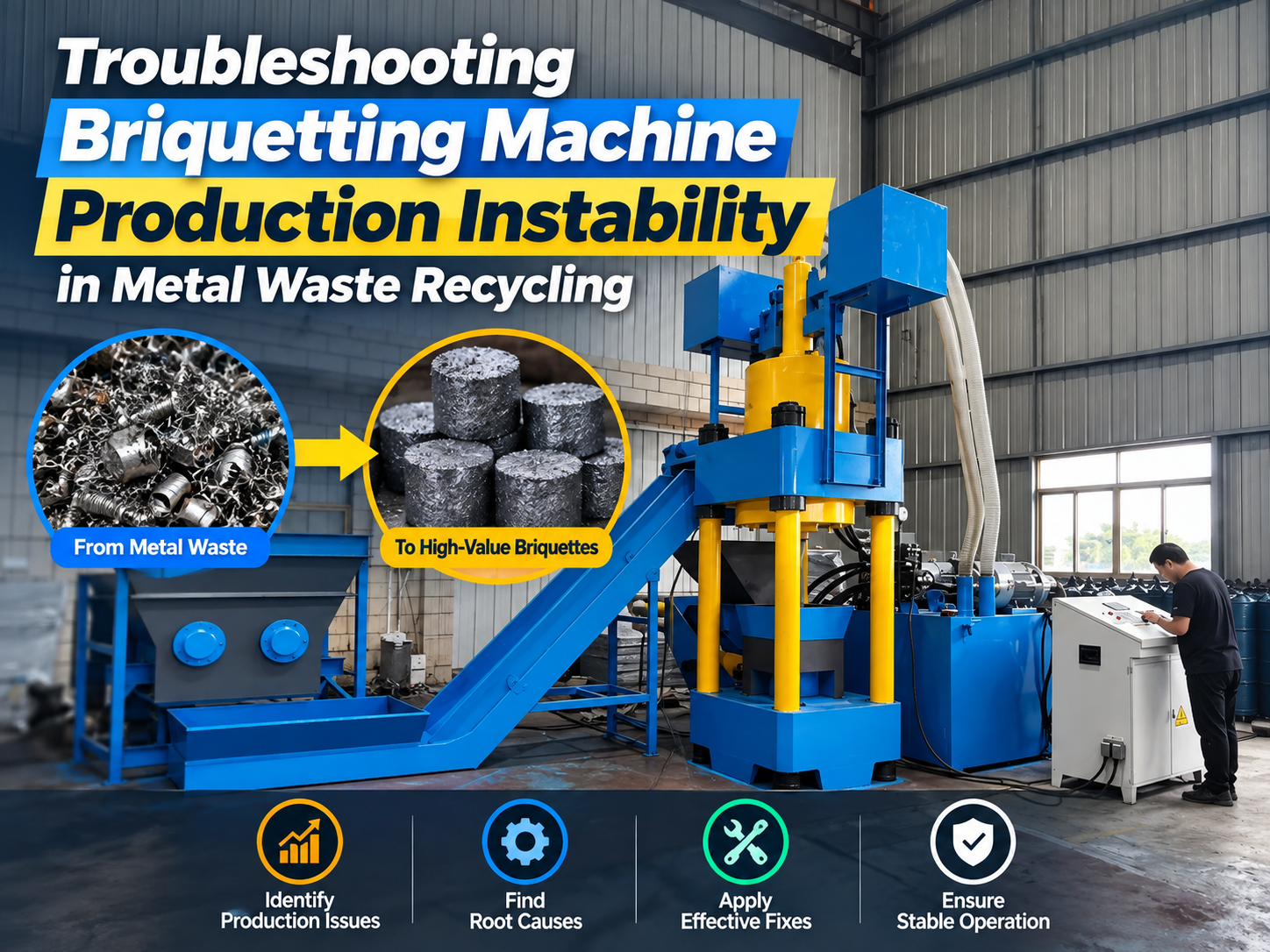
Introduction to Briquetting Machine Production Instability
In the modern metal fabrication industry, the efficient management of scrap metal is not merely a matter of waste disposal; it is a critical component of operational profitability. Briquetting machines transform loose metal chips, turnings, and swarf into dense, manageable pucks. However, operators often face challenges regarding output consistency. Troubleshooting Briquetting Machine Production Instability In Metal Waste Recycling is essential for maintaining a lean manufacturing environment and ensuring that the recycling process remains a value-add rather than a bottleneck.
Production instability manifests in various forms: inconsistent puck density, frequent machine stalls, hydraulic pressure fluctuations, or premature wear on the compression chamber. When these issues arise, they disrupt the workflow of the entire facility. Understanding the root causes of these instabilities requires a systematic approach, combining mechanical knowledge, material science, and rigorous maintenance protocols. HARSLE provides high-performance machinery, but even the most robust equipment requires precise calibration to handle the diverse nature of industrial metal waste.
This guide explores the technical nuances of briquetting systems, providing actionable insights for maintenance teams and plant managers. By addressing the mechanical, hydraulic, and material-related variables, facilities can stabilize their production lines, reduce downtime, and maximize the return on investment for their metal recycling operations. Whether you are dealing with aluminum, steel, or copper swarf, the principles of stability remain consistent.
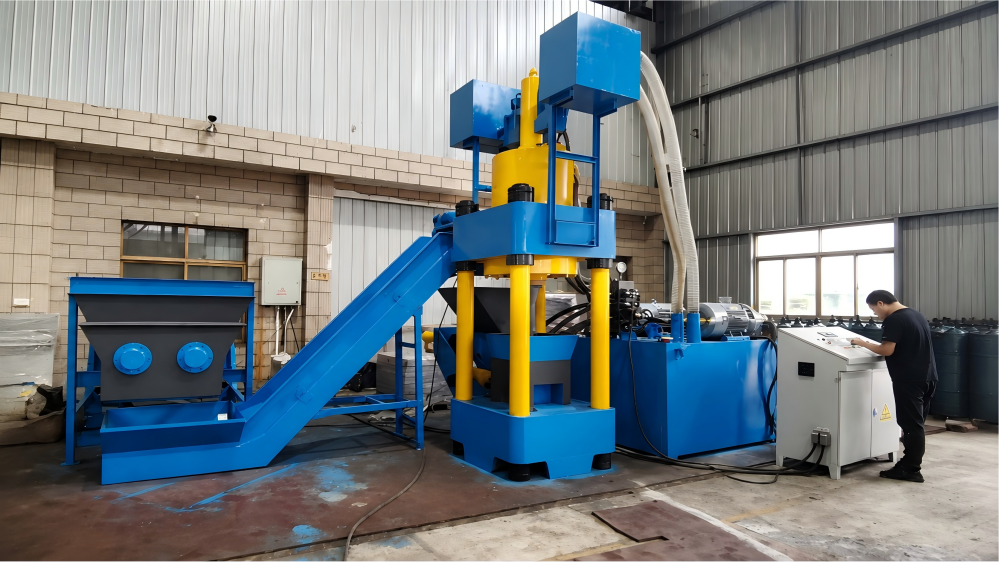
Key Considerations for Stable Briquetting Operations
The first step in troubleshooting is identifying the material characteristics. Metal waste is rarely uniform. Variations in chip size, oil content, and alloy composition significantly impact the compression process. If the feed material is too coarse, it can cause bridging in the hopper, leading to inconsistent filling of the compression chamber. Conversely, if the material is too fine or contains excessive coolant, the resulting briquette may lack the structural integrity required for transport or smelting.
Environmental factors also play a significant role. Temperature fluctuations in the factory floor can affect hydraulic oil viscosity. If the oil becomes too thin due to overheating, the system may lose the necessary pressure to form dense briquettes. Conversely, cold starts in winter can lead to sluggish valve response times. Implementing climate control or utilizing high-grade hydraulic oils with stable viscosity indices is a fundamental step in stabilizing production.
Operator training is another critical pillar. Often, production instability is traced back to improper machine settings or incorrect feeding techniques. Operators must be trained to recognize the signs of a struggling machine—such as unusual motor sounds or vibration patterns—before a total failure occurs. Establishing a standardized operating procedure (SOP) ensures that every shift manages the equipment with the same level of precision and care.
Finally, the integration of the briquetting machine into the broader production line must be considered. If the conveyor system feeding the machine is erratic, the briquetting cycle will be interrupted. A steady, metered flow of material is essential for maintaining the cycle time and pressure consistency required for high-quality output. Balancing the input rate with the machine’s processing capacity is a key optimization strategy.
Technical Details: Diagnosing Hydraulic and Mechanical Failures
Hydraulic systems are the heart of any briquetting machine. When production becomes unstable, the hydraulic circuit is the most common culprit. Pressure relief valves, if worn or improperly adjusted, can cause the system to bypass pressure prematurely, resulting in soft or crumbling briquettes. Regularly checking the hydraulic pressure gauges against the manufacturer’s specifications is a mandatory maintenance task. If the pressure is fluctuating, inspect the hydraulic pump for signs of cavitation or internal leakage.
The compression chamber and the punch assembly are subject to extreme mechanical stress. Over time, the internal walls of the die can become scored or worn, increasing friction and preventing the briquette from ejecting smoothly. This friction leads to higher energy consumption and potential machine stalls. Periodic inspection of the die liners and the punch face is necessary. If the clearance between the punch and the die exceeds the tolerance limits, the material will extrude around the punch, causing jamming and inconsistent puck formation.
Electrical and sensor issues can also lead to intermittent production stops. Modern HARSLE briquetting machines utilize PLC (Programmable Logic Controller) systems to manage the cycle. If a proximity sensor is misaligned or covered in metal dust, the machine may fail to initiate the next compression stroke, leading to a perceived instability in production. Cleaning sensors and verifying the integrity of electrical connections should be part of the weekly maintenance checklist.
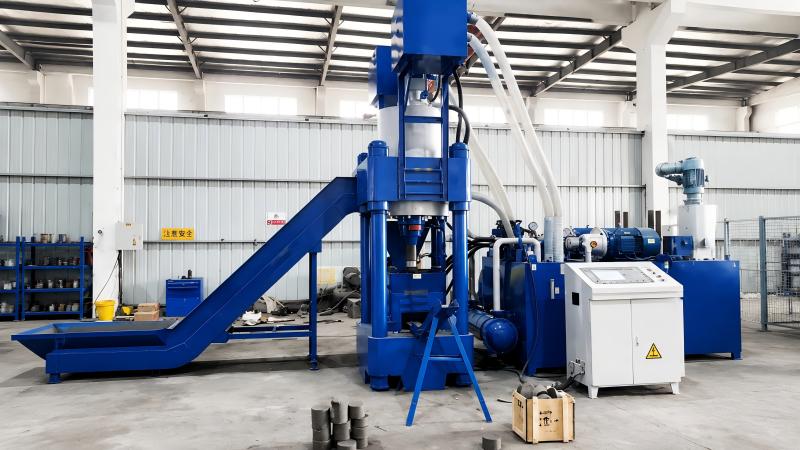
Lubrication systems are often overlooked until a failure occurs. The moving parts of the briquetting machine, particularly the main ram and the feeding mechanism, require consistent lubrication to function smoothly. If the automatic lubrication system is clogged or empty, the increased friction will cause the machine to work harder, leading to overheating and potential mechanical failure. Always ensure that the lubricant used is compatible with the machine’s specifications and that the delivery lines are free of debris.
Selection Advice: Choosing the Right Equipment for Your Waste Stream
When selecting a briquetting machine, the primary consideration should be the specific type of metal waste your facility generates. A machine optimized for aluminum turnings may not perform well with heavy steel chips. HARSLE offers a range of models designed for different material densities and throughput requirements. Choosing a machine that is underpowered for your specific waste stream will inevitably lead to production instability and premature equipment failure.
Consider the automation level required for your operation. For high-volume facilities, an integrated system with automatic feeding, oil filtration, and briquette discharge is essential. These systems reduce the need for manual intervention, which is a common source of process variability. If your facility handles a wide variety of metals, look for machines with adjustable pressure settings and interchangeable dies to accommodate different material properties.
Maintenance accessibility is another factor that is often ignored during the purchasing phase. A machine that is difficult to clean or service will likely be neglected by maintenance staff. Prioritize equipment that offers easy access to the compression chamber, hydraulic valves, and electrical panels. HARSLE designs its machinery with the end-user in mind, ensuring that routine maintenance tasks can be performed quickly and safely, thereby minimizing downtime.
Finally, evaluate the manufacturer’s support and spare parts availability. Production instability can be mitigated by having a reliable source for critical components like seals, dies, and sensors. A manufacturer that provides comprehensive technical documentation and responsive customer support is an invaluable partner in maintaining long-term production stability. Investing in quality equipment from a reputable supplier is the most effective way to prevent the headaches associated with unreliable machinery.
Domande frequenti (FAQ)
- Why are my briquettes crumbling after production?
Crumbling briquettes usually indicate insufficient compression pressure or incorrect material moisture content. Check your hydraulic pressure settings and ensure that the metal chips are not overly contaminated with coolant or oil. - How often should I perform maintenance on my briquetting machine?
Routine maintenance should be performed daily (cleaning and visual inspection), weekly (lubrication and sensor checks), and monthly (hydraulic fluid analysis and deep cleaning). Refer to your HARSLE manual for specific intervals. - Can I process different types of metals in the same machine?
Yes, but you must adjust the pressure settings and potentially change the die size. It is recommended to clean the machine thoroughly between different metal types to prevent cross-contamination. - What causes the machine to stall during the compression cycle?
Stalling is often caused by overfilling the chamber, using material that is too dense, or a failure in the hydraulic system. Ensure the feed rate is consistent and the hydraulic oil is at the correct operating temperature. - How do I know if my hydraulic oil needs replacing?
Monitor the oil for signs of degradation, such as a change in color, a burnt smell, or the presence of metallic particles. Regular oil analysis is the best way to determine the health of your hydraulic system.
Conclusione
Troubleshooting Briquetting Machine Production Instability In Metal Waste Recycling is a multifaceted task that requires attention to detail and a proactive approach to maintenance. By understanding the interplay between material characteristics, hydraulic performance, and mechanical integrity, operators can ensure that their HARSLE equipment operates at peak efficiency. The goal is to create a seamless, automated process that turns waste into a valuable commodity, thereby enhancing the sustainability and profitability of the metal fabrication business.
Remember that consistency is the key to success in any industrial process. By standardizing your feeding methods, adhering to strict maintenance schedules, and investing in the right equipment for your specific needs, you can eliminate the causes of production instability. HARSLE remains committed to providing the technology and support necessary to help your facility thrive in a competitive market. If you encounter persistent issues, do not hesitate to consult with professional technicians who can provide tailored solutions for your specific operational challenges.
Ultimately, the briquetting machine is a vital asset in the circular economy of metal manufacturing. When managed correctly, it provides a reliable, high-quality output that simplifies logistics and increases the value of scrap metal. Stay vigilant, keep your equipment clean, and prioritize the health of your hydraulic and mechanical systems to ensure years of stable, productive operation.