Scrap Metal Baler Jammed? Practical Troubleshooting Tips to Restore Smooth Production


Introduction: Understanding the Impact of a Jammed Scrap Metal Baler
In the high-stakes environment of metal fabrication and recycling, efficiency is the lifeblood of profitability. A scrap metal baler is a critical component of this workflow, designed to compress bulky waste into manageable, high-density bales. However, when you find your scrap metal baler jammed, the entire production line can grind to a halt. This downtime is not merely an inconvenience; it represents lost revenue, delayed shipments, and potential safety risks for your floor staff.
At HARSLE, we understand that industrial machinery is subject to immense mechanical stress. Whether you are processing aluminum offcuts, steel sheets, or copper wiring, the nature of the material often leads to unpredictable behavior within the compression chamber. Recognizing the early warning signs of a jam—such as unusual hydraulic pressure spikes, metallic grinding noises, or the ram failing to complete a full cycle—is the first step in proactive maintenance.
This comprehensive guide is designed to help facility managers and operators navigate the complexities of a jammed baler. By understanding the root causes of these blockages and implementing systematic troubleshooting protocols, you can restore smooth production quickly and safely. We will explore the technical nuances of hydraulic systems, the importance of material sorting, and the long-term benefits of preventative maintenance strategies.
Ultimately, the goal is to minimize the frequency of these interruptions. While some jams are inevitable due to the nature of scrap metal, many are preventable through proper machine calibration and operator training. Let us delve into the practical steps required to diagnose, clear, and prevent jams in your industrial scrap metal baler.
Key Considerations: Why Do Balers Jam?
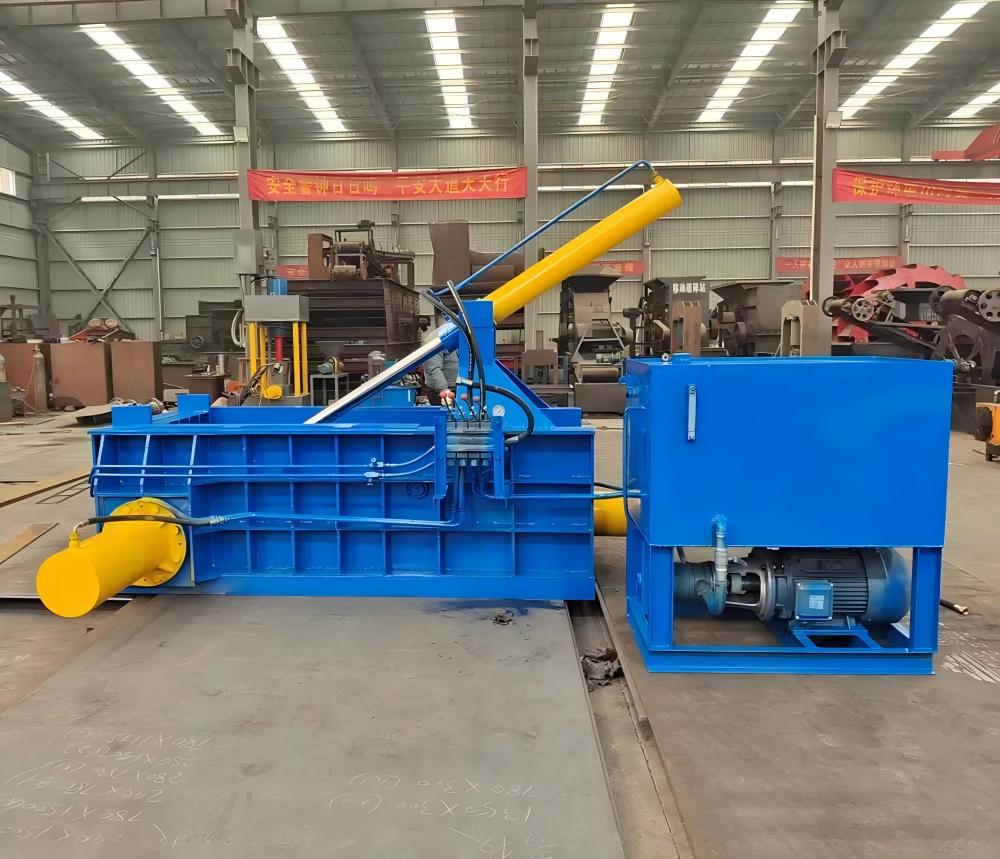
The primary reason a scrap metal baler becomes jammed is often related to the physical characteristics of the material being processed. Scrap metal is rarely uniform. It comes in varying thicknesses, shapes, and densities. When operators feed oversized, tangled, or non-compressible items into the chamber, the ram can become obstructed, leading to a mechanical lock-up. Understanding the material limitations of your specific baler model is the first line of defense.
Another significant factor is the accumulation of debris within the tracks and guides of the ram. Over time, fine metal dust, small shards, and hydraulic fluid residue can create a sticky, abrasive paste that increases friction. If the ram is not sliding smoothly, the increased resistance can trigger the machine’s safety sensors, causing it to stop mid-cycle. Regular cleaning of the internal chamber and guide rails is essential to prevent this buildup.
Hydraulic system health is equally critical. A jammed baler is often a symptom of a failing hydraulic pump or a blocked valve. If the hydraulic fluid is contaminated or if the pressure settings are incorrect, the machine may lack the force required to compress the material, causing the ram to stall. Operators should monitor pressure gauges closely; if the needle fluctuates wildly or stays pegged at the maximum limit, it is a clear indicator that the machine is struggling against an obstruction.
Finally, human error remains a leading cause of machine jams. This includes overfilling the chamber, failing to secure the bale properly, or attempting to process materials that exceed the machine’s rated capacity. Training programs that emphasize the ‘do’s and don’ts’ of baler operation can significantly reduce the incidence of jams. When operators understand the mechanical limits of the equipment, they are less likely to push the machine into a state of failure.
Technical Details: Troubleshooting and Clearing the Jam
When you are faced with a scrap metal baler jammed, the first priority must always be safety. Before attempting any physical intervention, ensure the machine is locked out and tagged out (LOTO). Never reach into the compression chamber while the machine is powered on or under hydraulic pressure. Once the machine is safely isolated, you can begin the diagnostic process.
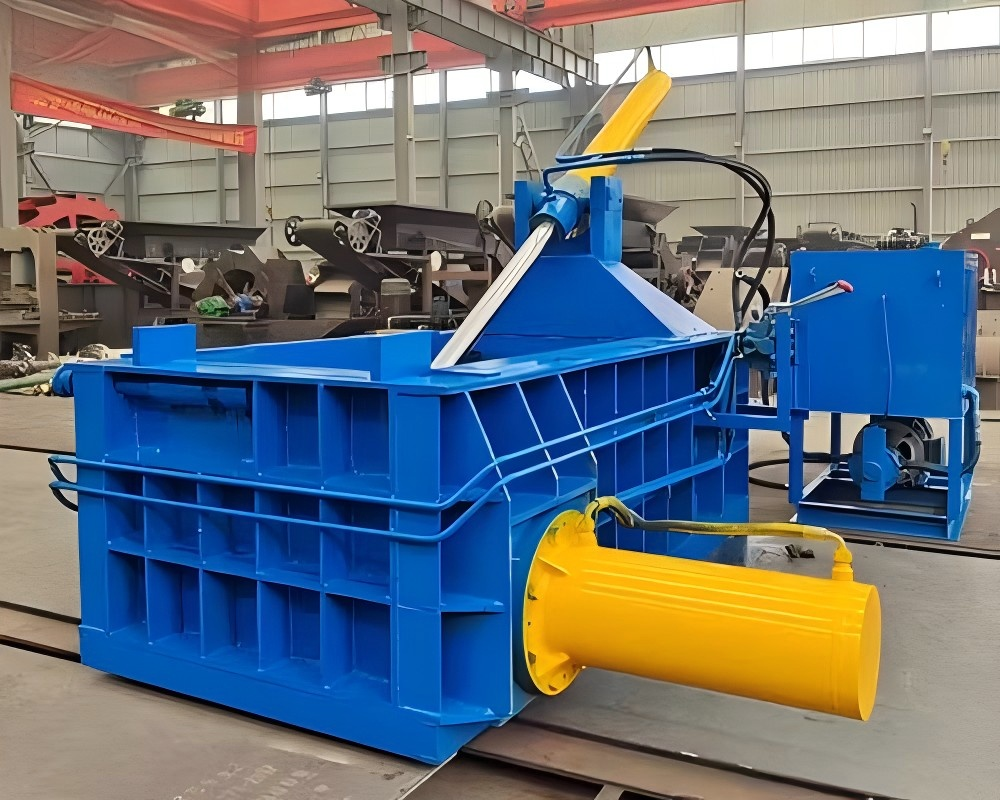
Start by inspecting the compression chamber for ‘bridging.’ This occurs when scrap metal forms an arch inside the chamber, preventing the material from falling into the compression zone. You can often clear a bridge by using a long, non-sparking pry bar to break up the material from the top. Avoid using steel tools that could create sparks, especially if there is any residue of flammable materials or oils present in the scrap.
If the ram is stuck in the forward position, the issue may be a hydraulic pressure lock. In some HARSLE baler models, there is a manual pressure relief valve that can be used to bleed off excess pressure, allowing the ram to be retracted manually or via the control panel. Consult your technical manual for the specific location of these valves. If the ram is physically wedged by a piece of metal, you may need to use a cutting torch to remove the obstruction, but this should only be performed by certified personnel following strict fire safety protocols.
Check the limit switches and sensors. Sometimes, a jam is not mechanical but electrical. If a sensor is covered in metal dust or has been knocked out of alignment, the PLC (Programmable Logic Controller) may believe the ram is in a position it is not, causing the system to halt. Clean all sensors with compressed air and verify that they are securely mounted. If the PLC displays an error code, cross-reference it with the HARSLE troubleshooting manual to identify the specific fault.
Finally, inspect the hydraulic hoses and cylinders for signs of leakage or damage. A slow leak can cause a loss of system pressure, which might manifest as a ‘soft’ jam where the machine simply lacks the power to finish the stroke. If you find a leak, replace the damaged hose immediately. Never attempt to tighten a fitting while the system is under pressure, as high-pressure hydraulic fluid can cause severe injection injuries.
Consigli per la scelta: Come scegliere la pressa per balle adatta alle proprie esigenze
Preventing jams starts long before the machine is installed on your shop floor. Choosing the right scrap metal baler for your specific application is the most effective way to ensure long-term reliability. If your facility processes high volumes of heavy-gauge steel, a light-duty baler will inevitably fail. You must match the machine’s compression force and chamber size to the density and volume of your typical scrap output.
Consider the automation level of the baler. Fully automatic balers are designed for high-throughput environments where consistency is key. These machines often feature advanced sensors that detect material density and adjust the compression cycle accordingly, which significantly reduces the risk of jams. If your scrap stream is highly variable, an automatic baler with a pre-crusher or a shredder attachment might be a better investment to ensure the material is uniform before it reaches the main chamber.
Look for build quality and ease of maintenance. HARSLE balers are engineered with heavy-duty steel plate construction and reinforced hydraulic cylinders to withstand the rigors of industrial use. When evaluating a machine, check for accessibility to critical components. Can the hydraulic pump be easily serviced? Are the guide rails replaceable? A machine that is easy to maintain is a machine that will be maintained, leading to fewer unexpected jams.
Think about the future growth of your business. If you anticipate an increase in production volume, it is often more cost-effective to invest in a slightly larger, more robust baler now than to replace an undersized machine later. An undersized baler will be pushed to its limits every day, leading to premature wear and tear, frequent jams, and higher overall maintenance costs. Consult with HARSLE’s technical sales team to conduct a site assessment and determine the optimal machine specifications for your facility.
FAQ: Common Questions About Baler Maintenance
Q: How often should I perform preventative maintenance on my scrap metal baler?
A: We recommend a daily visual inspection, a weekly cleaning of the chamber and tracks, and a monthly deep-dive inspection of hydraulic fluids, filters, and electrical connections. Regular maintenance is the best way to avoid a scrap metal baler jammed situation.
Q: What should I do if the baler makes a loud banging noise during operation?
A: A loud banging noise often indicates that the ram is hitting an obstruction or that there is air in the hydraulic system. Stop the machine immediately, perform a LOTO procedure, and inspect the chamber for oversized metal pieces. If the chamber is clear, check the hydraulic fluid levels and bleed the system if necessary.
Q: Can I use any hydraulic fluid in my HARSLE baler?
A: No. Always use the hydraulic fluid grade specified in your user manual. Using the wrong viscosity can lead to pump failure, overheating, and sluggish performance, all of which contribute to jamming.
Q: How do I know if my baler is overloaded?
A: Most modern balers have pressure gauges that indicate the load. If the gauge consistently hits the red zone during the compression stroke, you are overloading the machine. Reduce the amount of material fed into the chamber per cycle.
Q: Is it safe to clear a jam by myself?
A: Only if you have been trained in the specific lockout/tagout procedures for your machine. If you are unsure, always contact a qualified maintenance technician. Safety should never be compromised for the sake of production speed.
Conclusion: Maintaining Operational Excellence
A scrap metal baler is a workhorse of the metal fabrication industry, but like any powerful piece of machinery, it requires respect and proper care. When you find your scrap metal baler jammed, it is a signal that something in the process—whether it be the material, the machine settings, or the maintenance schedule—needs attention. By following the troubleshooting steps outlined in this guide, you can resolve these issues efficiently and minimize the impact on your bottom line.
Remember that the most effective way to deal with a jam is to prevent it from happening in the first place. This involves a combination of rigorous operator training, consistent preventative maintenance, and the selection of high-quality equipment that matches your specific operational demands. At HARSLE, we are committed to providing not just the machinery, but the knowledge and support necessary to keep your production line running smoothly.
As you continue to optimize your scrap processing operations, keep these tips in mind. Regularly review your maintenance logs, listen to the feedback your machine provides, and never hesitate to reach out to professional support when a technical issue exceeds your internal capabilities. With the right approach, your scrap metal baler will remain a reliable, high-performing asset for years to come, turning your waste into valuable, compact, and easily transportable resources.
Investing in your equipment is investing in your business. By prioritizing the health of your baler, you ensure that your facility remains a safe, productive, and profitable environment. Stay proactive, stay safe, and keep your production moving forward with confidence.