Why Does A Four-Shaft Shredder Stall Under Load? Practical Troubleshooting Tips


Introduction: Understanding the Four-Shaft Shredder
In the world of industrial waste management and metal fabrication, the four-shaft shredder stands as a powerhouse of efficiency. Designed to handle complex, high-volume materials, these machines utilize four interlocking shafts to tear, shear, and crush waste into manageable sizes. However, even the most robust industrial machinery can encounter operational hurdles. A common question among facility managers is: Does a four-shaft shredder stall under load? Practical troubleshooting tips are essential for maintaining uptime and ensuring the longevity of your equipment.
When a shredder stalls, it is rarely a sign of total machine failure. Instead, it is often a protective mechanism triggered by the control system to prevent catastrophic damage to the gearboxes, shafts, or motor. Understanding the root cause of these stalls is the first step toward optimizing your production line. Whether you are processing scrap metal, electronic waste, or bulky industrial plastics, identifying the specific conditions that lead to a stall will help you refine your feeding processes and maintenance schedules.
HARSLE provides high-performance industrial machinery, and we recognize that downtime is the enemy of profitability. By analyzing the mechanical and electrical factors that contribute to stalling, operators can move from reactive repairs to proactive management. This guide explores the technical nuances of four-shaft shredder operation, providing actionable insights to keep your facility running at peak capacity.

Key Considerations: Why Stalling Occurs
The primary reason a four-shaft shredder stalls under load is an imbalance between the material’s physical resistance and the machine’s available torque. When the material being fed into the cutting chamber exceeds the shear force capacity of the shafts, the motor current spikes. The PLC (Programmable Logic Controller) detects this surge and triggers an automatic stop or a reverse cycle to prevent motor burnout.
Material density and composition play a massive role in this process. If an operator attempts to feed a high-density material—such as thick steel plate or hardened alloy—without proper pre-sorting, the shredder may reach its torque limit instantly. The interlocking teeth of the four shafts are designed for specific material profiles; feeding items that fall outside these specifications will inevitably lead to stalling.
Another critical factor is the feed rate. Even if the material is within the machine’s capability, overloading the hopper creates a “bridge” or a dense mass that the shafts cannot penetrate. This creates a mechanical bottleneck. Proper feeding techniques, such as using a conveyor system with a variable speed drive, can mitigate this issue by ensuring a consistent, manageable flow of material into the cutting chamber.
Environmental and maintenance factors also contribute to stalling. If the shredder’s lubrication system is failing, internal friction increases, effectively reducing the available torque for the actual shredding process. Similarly, if the electrical components—specifically the motor starters and frequency converters—are not calibrated correctly, the machine may interpret a normal load as an overload, causing premature stalling.
Technical Details: Troubleshooting the Mechanical and Electrical Systems
When troubleshooting a stall, start with the cutting chamber. Inspect the teeth for signs of wear, chipping, or missing segments. A dull tooth requires significantly more force to penetrate the material, which increases the load on the motor. If the teeth are worn, the shredder will struggle with materials it previously processed with ease. Regular hard-facing or replacement of the cutting blades is a fundamental aspect of industrial machinery maintenance.
Next, examine the gearbox and drive train. Four-shaft shredders rely on complex gear arrangements to synchronize the shafts. If there is excessive backlash or if the gear oil has degraded, the power transmission efficiency drops. Listen for unusual grinding or clicking sounds during operation. These are often precursors to a stall, indicating that the mechanical linkage is under stress or that a bearing is beginning to fail.
The electrical system is the “brain” of the shredder. Check the motor current settings on the control panel. If the thermal overload relays are set too low, the machine will trip even under moderate loads. Conversely, if they are set too high, you risk damaging the motor windings. Ensure that your electrical technicians have verified the amperage draw against the manufacturer’s specifications provided by HARSLE.
Finally, consider the PLC programming. Modern four-shaft shredders are equipped with auto-reverse functions. If the machine stalls, it should automatically reverse the shafts for a few seconds to clear the jam and then resume forward rotation. If this cycle is not triggering correctly, or if the timing is off, the machine will remain in a stalled state. Reviewing the PLC logic can often resolve issues where the machine stops unnecessarily.
Selection Advice: Matching the Machine to the Material
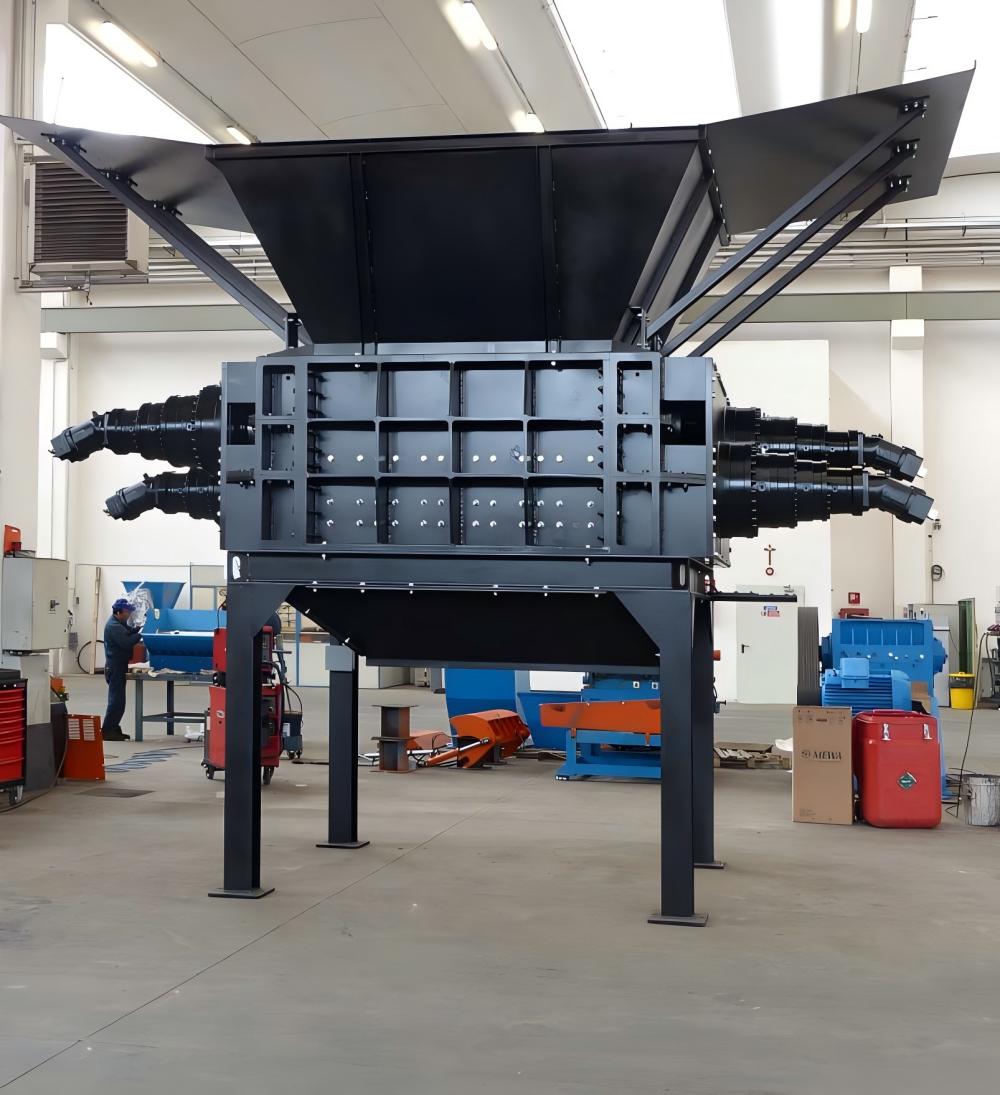
Choosing the right shredder is the most effective way to prevent stalling. Many facilities face stalling issues simply because they are using a machine that is under-specced for their specific waste stream. When selecting a four-shaft shredder, consider the “shredding intensity” required for your materials. A machine designed for light plastic recycling will not perform well when tasked with heavy metal fabrication scrap.
Look for machines with high-torque, low-speed motors. These are generally more resistant to stalling because they provide consistent force regardless of the material’s resistance. Additionally, consider the shaft configuration. Some four-shaft shredders offer interchangeable screen sizes, which allow you to control the output size. A smaller screen size requires more force to push material through, which can increase the likelihood of stalling if the feed rate is not adjusted accordingly.
Consult with your equipment supplier regarding the specific torque requirements of your application. HARSLE experts can assist in calculating the necessary motor power based on the volume and density of your daily throughput. Investing in a machine with a slightly higher torque rating than your current needs provides a safety buffer for future growth and unexpected material variations.
Furthermore, consider the integration of auxiliary equipment. A magnetic separator, for instance, can remove ferrous contaminants that might otherwise cause a stall in a non-metal shredder. By cleaning the material stream before it enters the shredder, you significantly reduce the risk of mechanical jams and electrical overloads.
Maintenance Checklist for Optimal Performance
To keep your four-shaft shredder running smoothly, implement a rigorous maintenance schedule. Daily checks should include inspecting the hopper for foreign objects, checking the oil levels in the gearboxes, and ensuring that the cooling fans for the motors are free of dust and debris. Overheating is a silent killer of industrial motors and a frequent cause of stalling.
Weekly maintenance should focus on the cutting chamber. Clean the shafts and inspect the teeth for wear. If you notice uneven wear patterns, it may indicate that the material is being fed inconsistently or that one side of the hopper is being favored. Adjust your feeding method to ensure even distribution across the entire length of the shafts.
Monthly tasks should include a full electrical audit. Check all terminal connections for tightness, as loose connections can cause voltage drops that lead to motor instability. Test the auto-reverse sensors to ensure they are responsive. If the sensors are dirty or misaligned, the machine may fail to detect a jam until it is too late, leading to a hard stall.
Finally, keep a detailed log of all stalls. Record the time, the material being processed, and the load conditions at the time of the stall. This data is invaluable for identifying patterns. If the shredder consistently stalls at the same time of day, it might be related to fluctuations in the facility’s power grid. If it stalls with a specific material, you know that you need to adjust your pre-processing or feeding speed for that item.
FAQ: Common Questions About Shredder Stalling
Why does my shredder reverse constantly?
Constant reversing is usually a sign that the material is too dense for the current settings or that the cutting teeth are dull. It indicates that the machine is hitting its torque limit repeatedly. Try reducing the feed rate or sharpening the blades.
Can a low voltage supply cause a shredder to stall?
Yes. If the input voltage is unstable or drops below the required threshold, the motor cannot produce its rated torque. This makes the machine much more susceptible to stalling under load. Ensure your facility has a stable power supply and check for voltage drops under load.
How often should I sharpen the shredder teeth?
The frequency depends on the abrasiveness of the material. For metal fabrication scrap, you may need to inspect the teeth weekly and perform hard-facing or replacement every few months. Regular maintenance prevents the machine from working harder than necessary.
Is it normal for a four-shaft shredder to stall occasionally?
Occasional stalls are normal, especially when processing heterogeneous waste. However, if the machine stalls multiple times per hour, it is a sign of an underlying issue—either with the material feed, the machine settings, or the wear condition of the components.
Conclusion: Maintaining Efficiency in Metal Fabrication
Addressing the question, “Does a four-shaft shredder stall under load? Practical troubleshooting tips,” requires a holistic approach that combines mechanical maintenance, electrical monitoring, and operational discipline. By understanding the relationship between material density, motor torque, and control system logic, you can transform your shredding process from a source of frustration into a reliable pillar of your production line.
HARSLE is committed to providing the industrial machinery and knowledge necessary for your success. Whether you are troubleshooting a current issue or planning for a new installation, remember that the key to avoiding stalls lies in the details—proper feeding, regular blade maintenance, and calibrated electrical systems. By investing time in these areas, you ensure that your four-shaft shredder remains a high-output asset for years to come.
If you continue to experience persistent stalling despite following these troubleshooting steps, it may be time to consult with a professional technician to evaluate the internal gearbox health or the motor’s integrity. Do not ignore the signs of a struggling machine; proactive intervention is always more cost-effective than a total system breakdown.