Double-Shaft Shredder Motor Trips Frequently? Troubleshooting Guide


Introduction to Double-Shaft Shredder Motor Reliability
In the demanding world of metal fabrication and waste recycling, the double-shaft shredder stands as a cornerstone of efficiency. However, operators often face the frustrating issue where the double-shaft shredder motor trips frequently. Troubleshooting this problem requires a systematic approach, as the motor is the heart of the machine, and its failure can lead to significant downtime and production bottlenecks. Understanding why your equipment is struggling is the first step toward restoring operational excellence.
At HARSLE, we emphasize that a motor trip is rarely just a motor problem. It is often a symptom of an underlying mechanical, electrical, or operational imbalance. Whether you are processing scrap metal, plastic, or complex industrial waste, the shredder is designed to handle high torque. When the motor protection system triggers, it is doing its job to prevent catastrophic damage. This guide will walk you through the diagnostic process to ensure your machinery remains productive and safe.
Frequent tripping can be caused by everything from simple voltage fluctuations to complex mechanical binding within the shredding chamber. By categorizing the potential causes into electrical, mechanical, and operational domains, we can isolate the fault more effectively. This article serves as a comprehensive resource for maintenance teams and plant managers looking to minimize downtime and extend the lifespan of their HARSLE shredding equipment.
Key Considerations for Motor Performance
The first consideration when addressing a motor trip is the load profile. Double-shaft shredders are designed for specific throughput capacities. If the material being fed into the shredder exceeds the machine’s rated capacity, the motor will naturally draw excessive current, leading to an overload trip. It is essential to monitor the feed rate and ensure that the material density aligns with the machine’s specifications.
Environmental factors also play a significant role in motor health. Industrial facilities often have high ambient temperatures, which can lead to motor overheating. If the ventilation around the motor is blocked by dust, debris, or poor enclosure design, the motor will reach its thermal limit much faster than expected. Regular cleaning of the motor cooling fins and ensuring adequate airflow are simple yet critical maintenance tasks that are often overlooked.
Electrical stability is another major factor. In many industrial settings, voltage drops or spikes can cause the motor controller to trigger a fault. If the power supply is inconsistent, the motor may struggle to maintain the necessary torque, leading to current spikes. Installing a voltage stabilizer or ensuring that the electrical infrastructure is robust enough to handle the starting current of the shredder is vital for long-term reliability.
Finally, consider the age and condition of the motor components. Over time, internal windings can degrade, and bearings can wear out, increasing the mechanical resistance the motor must overcome. If the motor is older, it may be worth performing a resistance test on the windings to ensure there are no internal shorts that could be causing the frequent tripping during high-load operations.
Technical Details: Troubleshooting the Electrical and Mechanical Systems
When investigating why a double-shaft shredder motor trips frequently, you must first examine the electrical protection settings. Modern shredders are equipped with thermal overload relays and circuit breakers. If these are set too low, they may trip during normal operation. Verify that the settings on your overload relay match the full-load amperage (FLA) listed on the motor’s nameplate. If the settings are correct, check for loose connections in the control cabinet, as high-resistance connections can generate heat and trigger false trips.
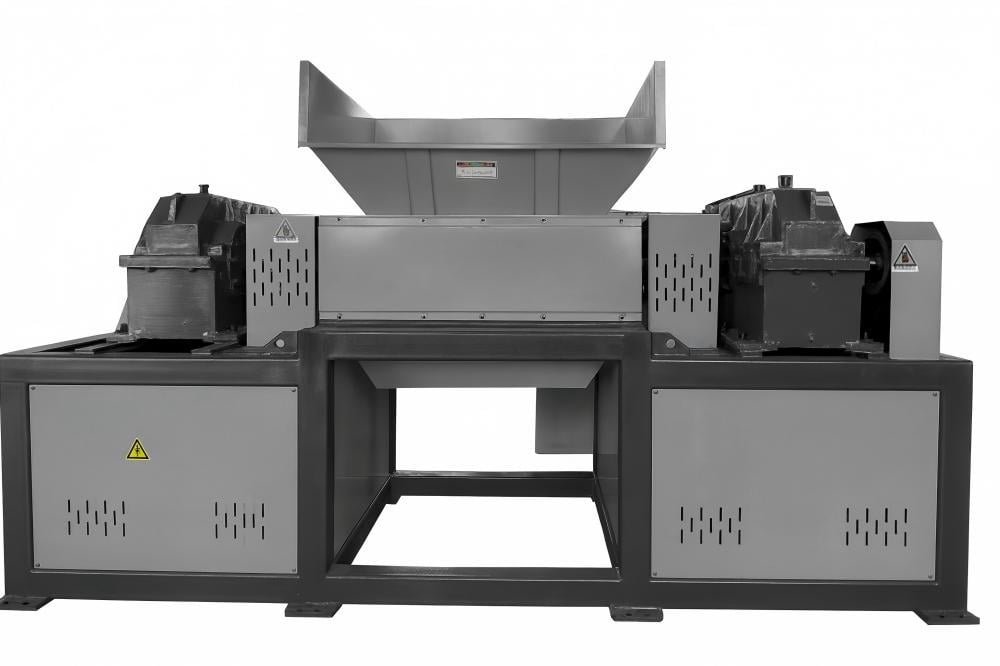
Mechanical binding is perhaps the most common cause of motor trips. The shredding chamber must be inspected for foreign objects that are not meant to be processed, such as hardened steel, concrete, or large metal chunks that exceed the machine’s shear capacity. Even if the material is within the shredder’s range, a buildup of material between the blades and the side walls can create excessive friction. Regularly inspect the blades for wear and ensure the gap between the shafts is maintained according to the manufacturer’s manual.
The transmission system, including the gearbox and couplings, should also be scrutinized. If the gearbox is low on oil or if the oil has degraded, the internal friction will increase significantly. A failing bearing in the gearbox can create a drag that the motor must fight against, leading to an overload. Check the gearbox temperature during operation; if it is excessively hot, it is a clear indicator of mechanical distress that will eventually cause the motor to trip.
Another technical aspect is the PLC (Programmable Logic Controller) logic. Many HARSLE shredders use an auto-reverse function when the motor senses an overload. If the sensors are miscalibrated, the machine might enter an infinite loop of reversing and stalling, eventually triggering the main motor trip. Ensure that the current sensors are calibrated correctly and that the PLC software is updated to handle the specific material characteristics you are processing.
Selection Advice: Matching the Motor to the Application
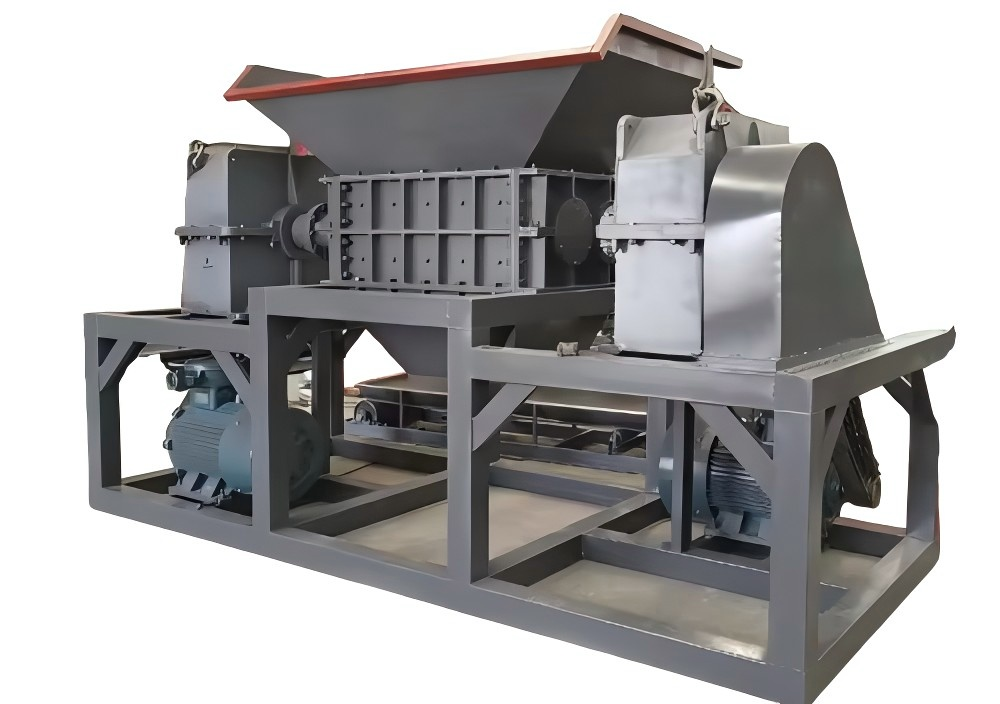
Choosing the right double-shaft shredder for your facility is the best way to prevent future motor trips. When selecting a machine, always consider the “worst-case scenario” material. If you are shredding scrap metal, you need a motor with high starting torque and a robust gearbox capable of handling sudden shock loads. Under-specifying the motor is a common mistake that leads to constant maintenance headaches.
Consider the duty cycle of your operation. If the shredder is intended for 24/7 operation, you need a motor with a higher service factor and superior cooling capabilities. A motor designed for intermittent use will fail prematurely if subjected to continuous, heavy-duty cycles. Always consult with HARSLE engineers to discuss your specific throughput requirements and material types so that we can recommend the appropriate motor-gearbox configuration.
Integration with your existing power grid is also a key selection criterion. If your facility has limited power capacity, you might consider a soft-starter or a Variable Frequency Drive (VFD). A VFD allows for a controlled ramp-up of the motor, reducing the massive current spike that occurs during startup. This not only prevents nuisance tripping but also reduces mechanical stress on the shafts and blades, significantly extending the life of the entire machine.
Finally, look for machines that offer modular maintenance features. A shredder that allows for easy access to the shafts and blades will encourage better maintenance habits. If the machine is difficult to clean or inspect, operators are less likely to perform the necessary checks, leading to the accumulation of debris that eventually causes motor trips. Invest in equipment that prioritizes serviceability as much as it prioritizes performance.
FAQ: Domande frequenti
- Q: Why does my shredder trip immediately upon startup?
A: This is often due to an incorrect overload relay setting, a short circuit in the motor windings, or a mechanical jam that prevents the shafts from rotating freely. Check the mechanical chamber for obstructions first. - Q: Can a dull blade cause the motor to trip?
A: Absolutely. Dull blades require significantly more torque to cut through material. This increases the load on the motor, leading to higher current draw and potential thermal trips. - Q: How often should I check the gearbox oil?
A: We recommend checking the gearbox oil levels monthly and performing a full oil change according to the maintenance schedule provided in your HARSLE manual, typically every 1,000 to 2,000 operating hours. - Q: Is it safe to increase the overload relay setting?
A: Never increase the relay setting beyond the motor’s nameplate FLA. Doing so risks burning out the motor windings, which is a much more expensive repair than fixing a simple mechanical jam. - Q: What role does the VFD play in preventing trips?
A: A VFD manages the motor’s acceleration and provides precise control over torque. It helps prevent current spikes and allows the shredder to adjust its speed based on the load, preventing the motor from stalling.
Conclusion: Maintaining Your Shredder for Long-Term Success
Troubleshooting a double-shaft shredder motor that trips frequently is a process of elimination. By systematically checking the electrical settings, mechanical integrity, and operational load, you can identify the root cause and implement a lasting solution. Remember that the motor is part of a larger system; its health is directly tied to the maintenance of the blades, the gearbox, and the power supply.
At HARSLE, we are committed to providing not just high-quality metal fabrication equipment, but also the knowledge required to keep it running at peak performance. Regular inspections, proper operator training, and adherence to maintenance schedules are the best defenses against unexpected downtime. If you have exhausted these troubleshooting steps and are still experiencing issues, do not hesitate to contact our technical support team for a professional assessment.
Investing time in understanding your machine’s behavior will pay dividends in productivity. A well-maintained double-shaft shredder is a reliable workhorse that will serve your facility for years to come. Keep your blades sharp, your gearbox lubricated, and your electrical connections tight to ensure that your shredding operations remain efficient, safe, and profitable.