Single-Shaft Shredder Blade Wear: Symptoms, Causes, and Solutions


Introduction to Single-Shaft Shredder Blade Wear: Symptoms, Causes, and Solutions
In the demanding world of industrial waste management and metal fabrication, the single-shaft shredder stands as a cornerstone of efficiency. These machines are engineered to reduce bulky materials into manageable, uniform sizes. However, the heart of any shredder—the cutting blade—is subject to extreme mechanical stress. Understanding Single-Shaft Shredder Blade Wear: Symptoms, Causes, and Solutions is not merely a maintenance task; it is a critical operational strategy that directly impacts your bottom line, machine longevity, and overall productivity.
When blades begin to degrade, the entire shredding process suffers. From increased energy consumption to inconsistent output quality, the signs of wear are often subtle at first but can escalate into catastrophic equipment failure if left unaddressed. At HARSLE, we emphasize that proactive maintenance is the hallmark of a successful facility. By recognizing the early warning signs and understanding the root causes of blade degradation, operators can transition from reactive repairs to a predictive maintenance model that saves thousands in downtime costs.
This comprehensive guide explores the technical intricacies of shredder blades, the environmental factors that accelerate wear, and the strategic solutions available to keep your HARSLE equipment operating at peak performance. Whether you are processing plastics, wood, or light metals, the principles of blade health remain universal. Let us delve into the mechanics of wear and how you can mitigate these challenges effectively.
Key Considerations: Identifying Blade Wear Symptoms
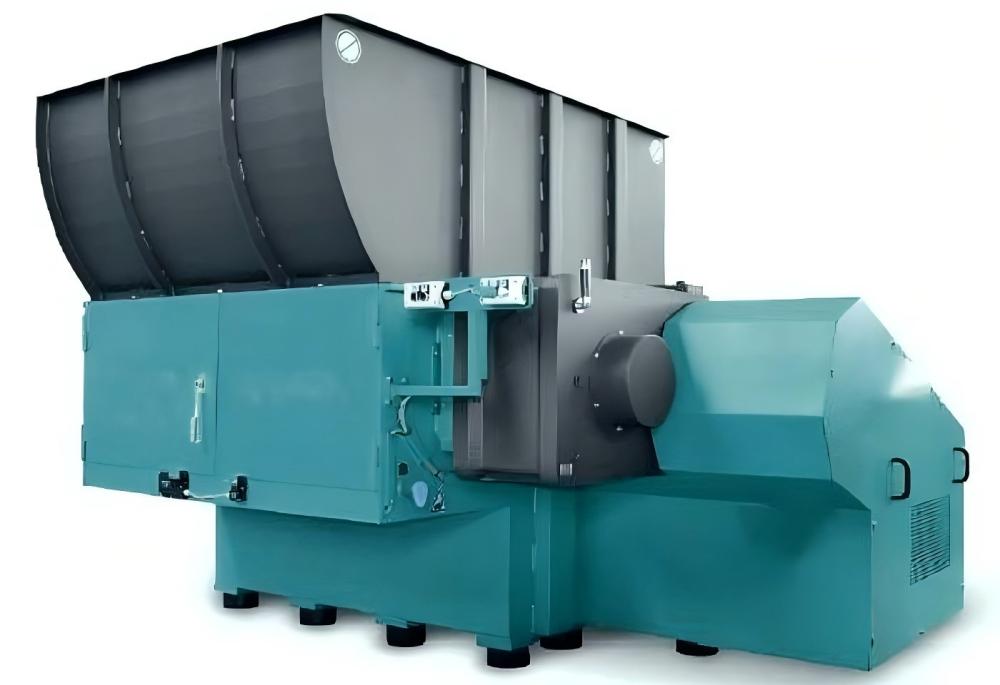
The first step in addressing Single-Shaft Shredder Blade Wear: Symptoms, Causes, and Solutions is accurate identification. Blade wear does not happen overnight; it is a cumulative process. Operators should be trained to perform daily visual and auditory inspections. One of the most common symptoms is a noticeable decline in throughput capacity. If your shredder is taking longer to process the same volume of material, it is a primary indicator that the cutting edges have lost their sharpness and are no longer effectively ‘biting’ into the feedstock.
Another critical symptom is the inconsistency of the output size. A well-maintained shredder produces a uniform particle size dictated by the screen mesh. When blades are worn, they tend to tear or crush material rather than shear it cleanly. This results in an output that contains oversized pieces, which can clog downstream equipment like conveyors or secondary granulators. If you notice an increase in ‘fines’ or irregular chunks, it is time to inspect the rotor assembly.
Auditory cues are equally important. A healthy shredder produces a consistent, rhythmic mechanical sound. When blades are dull or chipped, the machine often exhibits increased vibration and a ‘straining’ noise. This occurs because the motor must exert significantly more torque to force the dull blades through the material. If the machine begins to trip its thermal overload protection frequently, it is a clear sign that the blades are creating excessive resistance, forcing the motor to work beyond its rated capacity.
Finally, look for physical evidence during scheduled downtime. Inspect the rotor for rounded edges, missing teeth, or uneven wear patterns. In many cases, wear is not uniform across the entire rotor. You might find that blades in the center of the shaft are more worn than those at the ends, or vice versa, depending on how the material is fed into the hopper. Documenting these patterns is essential for determining if the issue is related to material distribution or general fatigue.
Technical Details: Root Causes of Blade Degradation
Understanding the ‘why’ behind blade wear is essential for long-term prevention. The primary cause of premature wear is the presence of contaminants in the feedstock. In many industrial applications, materials are not perfectly clean. The inclusion of abrasive substances like sand, glass, or tramp metal (hardened steel fragments) acts like sandpaper on the blade surface. Even small amounts of these contaminants can accelerate the dulling process significantly, turning a blade that should last for months into one that requires sharpening in weeks.
Operational errors also play a major role. Overloading the shredder is a common mistake that leads to rapid blade fatigue. When the hopper is packed too tightly, the blades are subjected to excessive pressure, which can lead to micro-fractures in the steel. Furthermore, running the machine at incorrect RPMs for the specific material type can cause heat buildup. Excessive heat softens the metal, making it more susceptible to deformation and wear. Proper calibration of the shredder’s speed and torque settings is vital for maintaining blade integrity.
Material hardness is another critical factor. Attempting to process high-tensile strength materials with blades designed for softer plastics or wood will lead to immediate edge failure. The metallurgy of the blade must match the application. HARSLE provides various blade steel grades, including D2, SKD11, and specialized alloys, each designed for specific hardness levels. Using the wrong material grade is a frequent cause of ‘chipping,’ where the blade edge breaks off rather than simply wearing down.
Lastly, improper gap settings between the rotor blade and the counter-blade (or bed knife) are a frequent culprit. If the gap is too wide, the material is not sheared effectively, leading to ‘pulling’ and ‘stretching’ of the material, which puts unnecessary stress on the blade edges. Conversely, if the gap is too tight, the blades may make contact, leading to catastrophic damage. Maintaining the precise clearance specified in your HARSLE manual is non-negotiable for extending the life of your cutting components.
Selection Advice: Choosing the Right Blades for Your Application
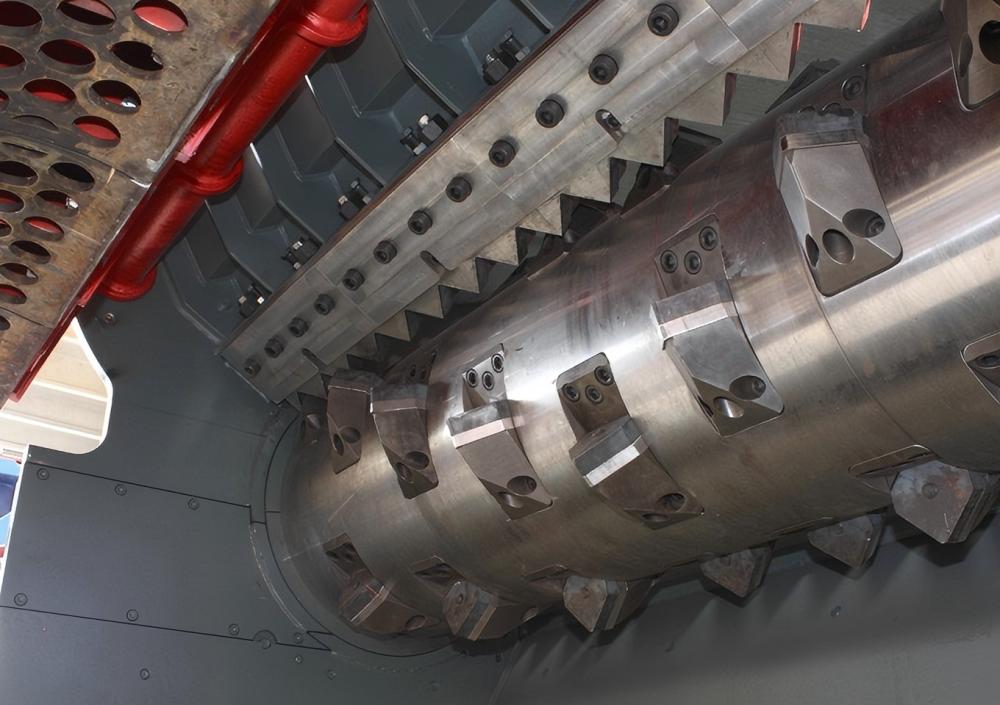
When it comes to Single-Shaft Shredder Blade Wear: Symptoms, Causes, and Solutions, the solution often begins with the initial selection of the blade. Not all blades are created equal. For facilities processing high-volume municipal waste, a blade with high impact toughness is required to handle the occasional ‘un-shreddables’ that inevitably make it into the hopper. These blades are designed to absorb shock without cracking, though they may require more frequent sharpening than harder, more brittle blades.
For applications involving clean, uniform plastics or wood, a harder blade material is preferred. These blades maintain their edge for longer periods, reducing the frequency of maintenance cycles. However, they are more sensitive to contaminants. When selecting your blades, consider the ‘worst-case scenario’ of your feedstock. If your material stream is inconsistent, it is often better to opt for a slightly tougher, more resilient blade material rather than the hardest possible option, as this prevents costly edge chipping.
Geometry also matters. The number of teeth, the hook angle, and the thickness of the blade all influence how the material is grabbed and pulled into the cutting zone. A more aggressive hook angle is excellent for grabbing bulky items, but it can increase the stress on the blade. Consult with HARSLE technical support to analyze your specific material profile. We can recommend blade configurations that optimize the balance between aggressive cutting and long-term durability.
Finally, consider the coating options. Modern surface treatments, such as nitriding or specialized hard-facing, can significantly extend the life of your blades. While these options come at a higher initial cost, the reduction in downtime and the extended interval between sharpening sessions often result in a lower total cost of ownership. Evaluate your production schedule: if your facility runs 24/7, the investment in premium, coated blades is almost always justified by the increased uptime.
Maintenance Best Practices and Solutions
Once you have identified the symptoms and understood the causes, implementing a robust maintenance strategy is the final piece of the puzzle. The most effective solution is a structured rotation and sharpening schedule. Do not wait for the blades to become completely dull. Sharpening a slightly worn blade is faster, removes less material, and is significantly cheaper than restoring a blade that has been run until it is completely rounded or chipped.
Implement a ‘blade log’ for your shredder. Record the hours of operation, the type of material processed, and the condition of the blades at each inspection. This data will allow you to predict exactly when your blades will reach the end of their effective life. By scheduling maintenance during planned downtime, you eliminate the risk of an emergency shutdown during peak production hours. This proactive approach is the hallmark of a professional metal fabrication facility.
When sharpening, ensure that you are using professional-grade equipment and that the original blade profile is maintained. Improper sharpening can change the geometry of the blade, leading to poor performance and increased stress on the rotor shaft. If you do not have in-house sharpening capabilities, partner with a reputable service provider who understands the specific requirements of industrial shredder blades. HARSLE offers comprehensive support and replacement parts to ensure your machine remains in factory-spec condition.
Lastly, consider the importance of the counter-blade. Many operators focus exclusively on the rotor blades and neglect the bed knife. A worn bed knife is just as detrimental as a worn rotor blade. Ensure that both components are inspected and adjusted simultaneously. Keeping the gap between the rotor and the bed knife within the manufacturer’s tolerance is the single most effective way to maintain high throughput and low energy consumption.
Domande frequenti (FAQ)
How often should I inspect my single-shaft shredder blades?
We recommend a visual inspection every 40 to 80 hours of operation, depending on the abrasiveness of the material. A full performance check should be conducted during every scheduled maintenance interval.
Can I sharpen my shredder blades myself?
While basic maintenance can be done in-house, professional sharpening is recommended to ensure the correct blade geometry and edge hardness are maintained. Improper grinding can lead to heat-affected zones that weaken the steel.
What is the most common cause of premature blade failure?
The presence of tramp metal or abrasive contaminants in the feedstock is the most frequent cause of premature wear and edge chipping. Always implement a pre-sorting process to remove non-shreddable items.
How do I know if my blades need replacement or just sharpening?
If the blade has lost its edge but the profile remains intact, sharpening is usually sufficient. If the blade shows significant chipping, deep cracks, or has been sharpened so many times that the diameter is significantly reduced, it is time for a replacement.
Does HARSLE provide custom blade solutions?
Yes, HARSLE offers a range of blade materials and geometries tailored to specific industrial applications. Contact our technical team to discuss your material profile and production requirements.
Conclusione
Mastering Single-Shaft Shredder Blade Wear: Symptoms, Causes, and Solutions is essential for any facility relying on high-performance shredding equipment. By staying vigilant for the symptoms of wear, understanding the environmental and operational causes, and implementing a rigorous maintenance and selection strategy, you can ensure that your HARSLE shredder remains a reliable workhorse for years to come. Remember, the goal is not just to shred material, but to do so with maximum efficiency, minimal energy consumption, and the lowest possible cost per ton. Invest in your blades, and your shredder will return the favor with consistent, high-quality performance.