Alligator Shear Cutting Angle Issues: Causes and Adjustments for Optimal Performance


Introduction to Alligator Shear Precision
In the demanding world of scrap metal processing and heavy-duty metal fabrication, the alligator shear stands as a cornerstone of efficiency. Known for its robust design and powerful cutting force, this machine is essential for downsizing structural steel, pipes, and various metal profiles. However, even the most reliable HARSLE alligator shear can encounter performance degradation if the cutting geometry is compromised. Understanding Alligator Shear Cutting Angle Issues: Causes and Adjustments is vital for operators who aim to maintain high throughput and clean, burr-free cuts.
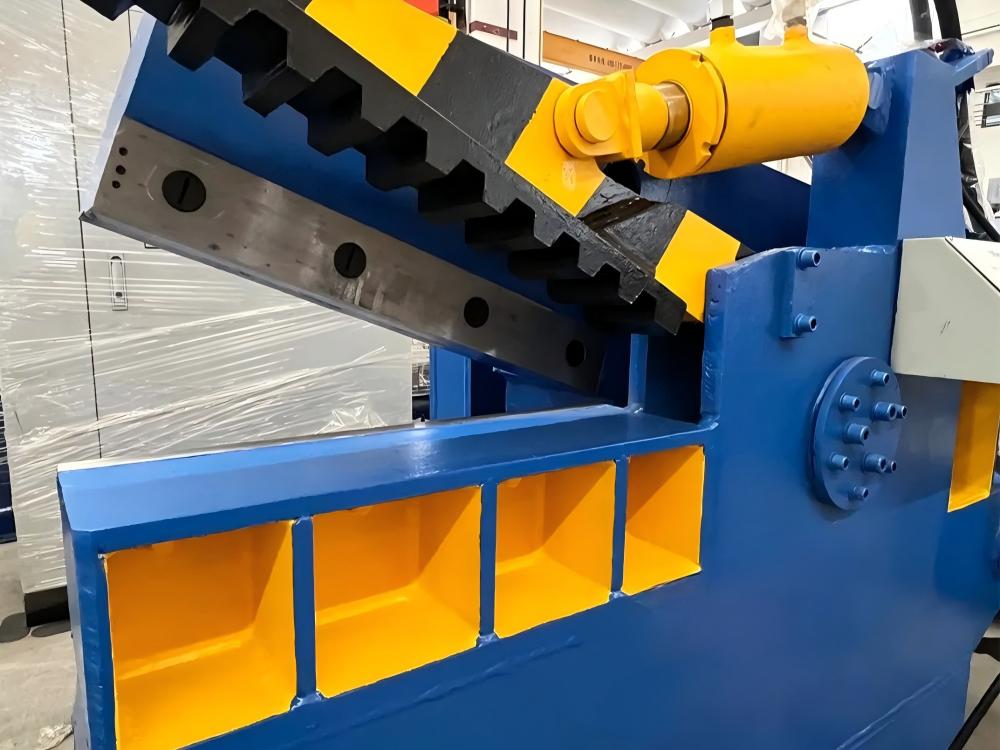
The cutting angle of an alligator shear refers to the relationship between the moving upper blade and the stationary lower blade. When this angle deviates from the manufacturer’s specifications, the machine experiences increased stress, leading to uneven cuts, blade chipping, and potential damage to the hydraulic system. This guide explores the technical intricacies of these issues, providing a roadmap for troubleshooting and adjustment to ensure your equipment remains in peak operating condition.
Maintaining the correct angle is not merely about aesthetics; it is a matter of safety and machine longevity. An improper angle forces the machine to work harder than necessary, consuming more energy and accelerating the wear of critical components like pivot pins and bushings. By mastering the adjustment process, maintenance teams can significantly reduce downtime and extend the service life of their blades, ultimately lowering the total cost of ownership for their metal fabrication equipment.
Throughout this article, we will delve into the mechanical causes of misalignment, the signs of improper cutting angles, and the step-by-step procedures required to restore factory-standard performance. Whether you are a plant manager or a machine operator, this comprehensive guide will serve as a reference for optimizing your alligator shear operations.
Key Considerations for Alligator Shear Performance
Before diving into adjustments, it is crucial to understand the factors that influence the cutting angle. The primary consideration is the material type and thickness being processed. Alligator shears are designed to handle a specific range of tensile strengths and cross-sectional areas. When operators attempt to cut material that exceeds the machine’s rated capacity, the resulting deflection can permanently alter the blade clearance and the effective cutting angle.
Another key consideration is the state of the pivot pin assembly. The pivot pin acts as the fulcrum for the upper jaw. Over time, the constant impact of shearing heavy steel causes the pin and its corresponding bushings to wear down. This wear introduces ‘slop’ or play into the jaw movement, which prevents the blades from meeting at the precise angle required for a clean shear. Regular lubrication and inspection of this assembly are non-negotiable for long-term accuracy.
Environmental factors also play a role in machine health. Dust, metal shavings, and debris from the scrap yard can infiltrate the moving parts of the shear. If these contaminants are not cleared, they can build up between the blade seat and the jaw, causing the blade to sit at an incorrect angle. Maintaining a clean work environment around the shear is a simple yet effective way to prevent many common alignment issues before they manifest as mechanical failures.
Finally, the operator’s technique is a significant variable. Feeding material at an angle or failing to keep the workpiece flush against the lower blade can induce lateral forces that the machine was not designed to withstand. Proper training ensures that the material is positioned correctly, minimizing the strain on the jaw and preserving the integrity of the cutting geometry. Consistent operational practices are just as important as mechanical maintenance in preventing cutting angle issues.
Technical Details: Causes of Cutting Angle Issues
The most common cause of Alligator Shear Cutting Angle Issues: Causes and Adjustments is blade clearance misalignment. The clearance between the upper and lower blades must be set according to the thickness of the material being cut. If the clearance is too wide, the material will bend between the blades rather than shearing cleanly, which creates a ‘tearing’ effect that puts excessive upward pressure on the upper jaw, effectively changing the cutting angle during the stroke.
Structural deflection is another technical culprit. In older or heavily used machines, the frame itself may experience minor fatigue or deformation. While HARSLE machines are built with high-tensile steel to resist this, extreme overloading can lead to microscopic shifts in the jaw alignment. When the frame deflects, the upper blade no longer travels in a perfectly parallel path relative to the lower blade, causing the cutting angle to become skewed.
Hydraulic system inconsistencies can also manifest as cutting angle problems. If the hydraulic cylinders are not providing uniform pressure, or if there is air trapped in the lines, the jaw may ‘chatter’ or hesitate during the cut. This vibration prevents the blades from maintaining a consistent angle throughout the entire shearing process, leading to jagged edges and increased wear on the blade edges. Checking hydraulic pressure and ensuring the system is bled properly is a critical diagnostic step.
Blade wear is the most frequent cause of perceived angle issues. As blades become dull, they lose their ability to penetrate the metal cleanly. This forces the operator to increase the force applied, which in turn causes the jaw to flex more than it would with sharp blades. This flex is often mistaken for a mechanical alignment issue, but it is actually a symptom of blade degradation. Regular sharpening or replacement is the only solution to this specific problem.
Adjustment Procedures: Restoring Precision
Restoring the correct cutting angle begins with a thorough inspection of the blade clearance. Using a feeler gauge, measure the gap between the upper and lower blades at both the heel and the tip of the blades. The clearance should be uniform and within the manufacturer’s recommended tolerances. If the gap is inconsistent, the adjustment bolts on the blade seat must be tightened or loosened to bring the blades back into parallel alignment.
If the pivot pin is the source of the misalignment, the adjustment process is more involved. First, the machine must be locked out and tagged out for safety. The pivot pin assembly should be inspected for signs of scoring or excessive play. If the bushings are worn, they must be replaced. Once the new bushings are installed, the pivot pin should be re-seated to ensure the jaw moves with zero lateral play. This is often the most effective way to restore the cutting angle in older machines.
Adjusting the hydraulic stroke limit is another method to ensure the cutting angle remains optimal. The shear should be adjusted so that the blades overlap just enough to complete the cut without the upper jaw traveling too far past the lower blade. Excessive travel can cause the jaw to ‘bottom out’ or strike the frame, which can knock the blades out of alignment. Fine-tuning the limit switches or mechanical stops ensures the jaw stops at the ideal position for every cycle.
Finally, consider the blade shims. Many alligator shears use shims behind the blades to fine-tune the clearance. If the blades have been sharpened multiple times, the original shims may no longer provide the correct spacing. Adding or removing shims is a precise task that requires patience and accuracy. By systematically adjusting these shims, you can compensate for blade wear and restore the cutting angle to factory specifications, ensuring the shear performs like new.
Selection Advice for Metal Fabrication Equipment
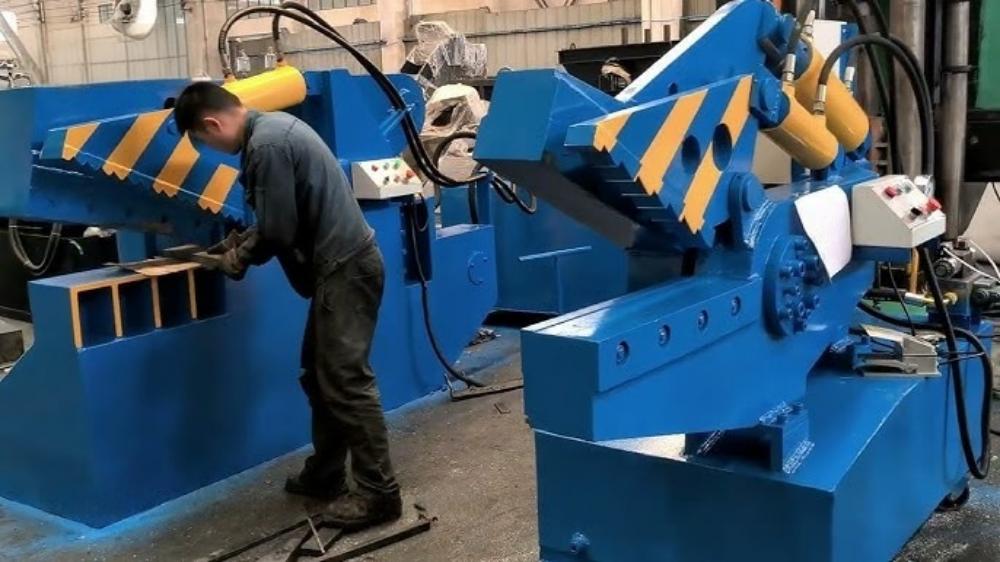
When investing in new metal fabrication equipment, particularly alligator shears, it is essential to look for machines that offer easy access for maintenance and adjustments. HARSLE shears are designed with the operator in mind, featuring accessible adjustment points that simplify the process of correcting cutting angle issues. When evaluating a machine, ask about the ease of blade replacement and the availability of adjustment shims.
Consider the build quality of the jaw and the pivot assembly. A machine with a reinforced, heavy-duty pivot pin will resist the wear that leads to cutting angle issues for much longer than a lighter-duty alternative. Look for machines that utilize high-grade, heat-treated steel for the blades, as this reduces the frequency of sharpening and the associated risk of misalignment during the re-installation process.
Integration of modern hydraulic systems is another factor to consider. Machines with advanced hydraulic control allow for more precise movement of the jaw, which helps maintain a consistent cutting angle even under heavy loads. Look for features like adjustable pressure settings and automated lubrication systems, which reduce the human error factor in machine maintenance and ensure that the shear remains in optimal condition for longer periods.
Finally, prioritize manufacturers that provide comprehensive technical support and documentation. Having access to detailed service manuals and expert advice is invaluable when dealing with complex issues like cutting angle alignment. A reliable partner like HARSLE ensures that you are not just buying a machine, but investing in a long-term solution for your metal fabrication needs, backed by the expertise required to keep your equipment running at peak efficiency.
Domande frequenti (FAQ)
How often should I check the cutting angle on my alligator shear?
For high-volume operations, we recommend a weekly inspection of blade clearance and jaw alignment. For lower-volume shops, a monthly check is sufficient. Always inspect the blades after cutting particularly hard or thick materials.
What are the signs that my alligator shear cutting angle is off?
Common signs include burrs on the cut material, the material ‘pinching’ or bending instead of shearing, increased noise during the cut, and visible chipping or uneven wear on the blade edges.
Can I adjust the cutting angle myself?
Yes, basic adjustments like blade clearance and shim placement can be performed by trained maintenance staff. However, if the issue involves frame deflection or major pivot pin replacement, it is recommended to consult with a professional technician.
Why does my shear make a loud ‘clunk’ at the end of the cut?
This is often a sign that the jaw is traveling too far or that the blades are not properly aligned, causing them to strike each other or the frame. Adjusting the stroke limit and checking blade clearance should resolve this.
Does the type of metal affect the cutting angle?
Yes, different metals have different shear strengths. While the machine’s mechanical angle remains the same, the force required to cut harder metals can cause more deflection, making it appear as though the angle is off. Always ensure you are within the machine’s rated capacity.
Conclusione
Addressing Alligator Shear Cutting Angle Issues: Causes and Adjustments is a fundamental aspect of maintaining a productive metal fabrication facility. By understanding the mechanical relationship between the blades, the pivot assembly, and the hydraulic system, operators can identify and resolve issues before they lead to costly downtime or permanent equipment damage. Regular maintenance, proper material handling, and a proactive approach to adjustments are the keys to ensuring your HARSLE alligator shear continues to deliver precise, efficient cuts for years to come.
Remember that precision in metal fabrication is not a one-time achievement but a continuous process of monitoring and fine-tuning. Whether you are adjusting blade shims, replacing worn bushings, or simply cleaning the jaw assembly, every action taken to maintain the correct cutting angle contributes to the overall success of your operation. Invest in quality equipment, prioritize operator training, and never underestimate the importance of routine maintenance in the pursuit of industrial excellence.