How to Fix Hydraulic Problems in an Alligator Shear: A Comprehensive Maintenance Guide


Introduction to Alligator Shear Hydraulic Systems
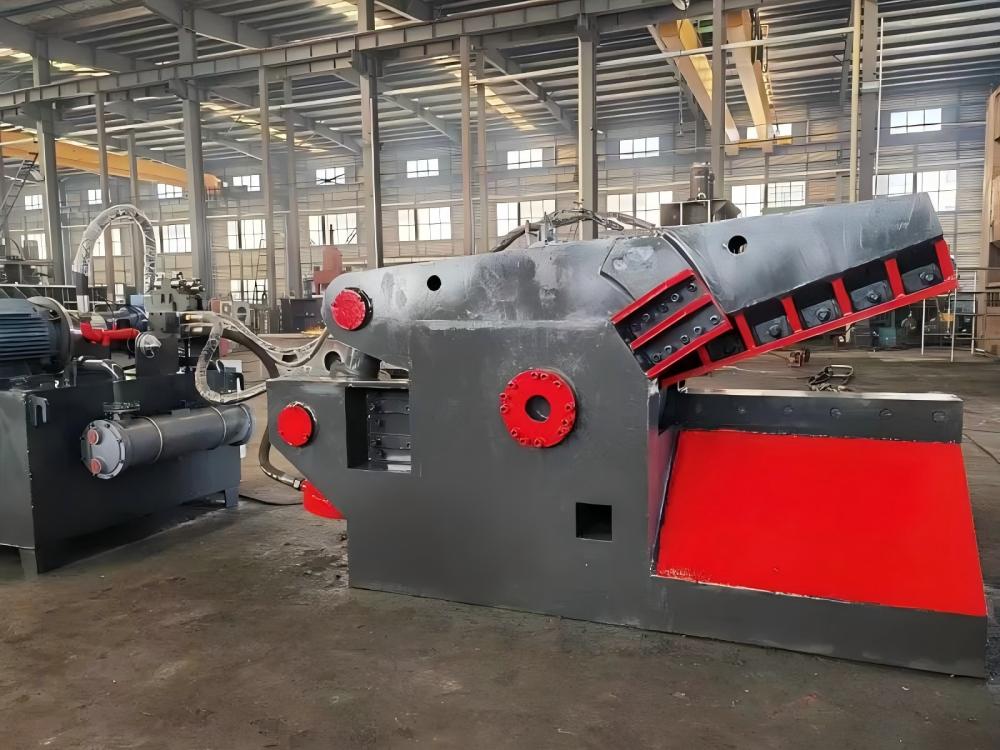
The alligator shear is a cornerstone of the scrap metal recycling and metal fabrication industry. Known for its robust design and powerful cutting force, this machine relies heavily on a complex hydraulic system to drive its shearing blade. When operators encounter performance issues, the culprit is almost always rooted in the hydraulic circuit. Understanding how to fix hydraulic problems in an alligator shear is essential for minimizing downtime and ensuring the longevity of your investment.
HARSLE designs its alligator shears with high-grade components, but even the most durable industrial machinery requires routine inspection and precise troubleshooting. Hydraulic systems operate under extreme pressure, meaning that even minor leaks or air entrapment can lead to significant efficiency losses. This guide provides a deep dive into the technical aspects of hydraulic maintenance, empowering your maintenance team to diagnose and resolve issues effectively.
Whether you are dealing with sluggish blade movement, inconsistent cutting force, or complete system failure, this article serves as your primary resource. By following these systematic troubleshooting steps, you can restore your equipment to peak performance and maintain a safe working environment. Remember, safety is paramount when working with high-pressure fluids; always depressurize the system before attempting any mechanical repairs.
Key Considerations for Hydraulic System Health
Before diving into specific repairs, it is vital to understand the environmental and operational factors that influence hydraulic health. The most common cause of hydraulic failure is fluid contamination. In a scrap yard or fabrication shop, dust, metal shavings, and moisture can easily infiltrate the reservoir if seals are compromised or if the breather cap is left open. Maintaining a clean hydraulic environment is the first step in preventing the need to fix hydraulic problems in an alligator shear.
Temperature management is another critical consideration. Hydraulic oil acts as both a lubricant and a heat transfer medium. If the oil temperature rises too high, it loses its viscosity, which can cause internal leakage within the pump and valves. Conversely, operating in extremely cold environments without proper warm-up cycles can cause the oil to become too thick, leading to cavitation in the pump. Always monitor your oil temperature gauges and ensure the cooling system is functioning correctly.
Regular fluid analysis is a proactive measure that should not be overlooked. By testing your hydraulic oil for particulate matter and water content, you can identify potential failures before they result in a total machine shutdown. Establishing a strict maintenance schedule—including oil changes and filter replacements—will significantly reduce the frequency of hydraulic malfunctions. Consistency is the key to industrial equipment longevity.
Finally, consider the structural integrity of your hydraulic hoses and fittings. Vibration is inherent in alligator shear operation, and over time, this vibration can loosen connections or cause hoses to rub against sharp metal edges. A visual inspection of all hydraulic lines should be part of your daily pre-start checklist. Identifying a weeping hose before it bursts can save thousands of dollars in lost production time and cleanup costs.
Technical Details: Troubleshooting Common Hydraulic Failures
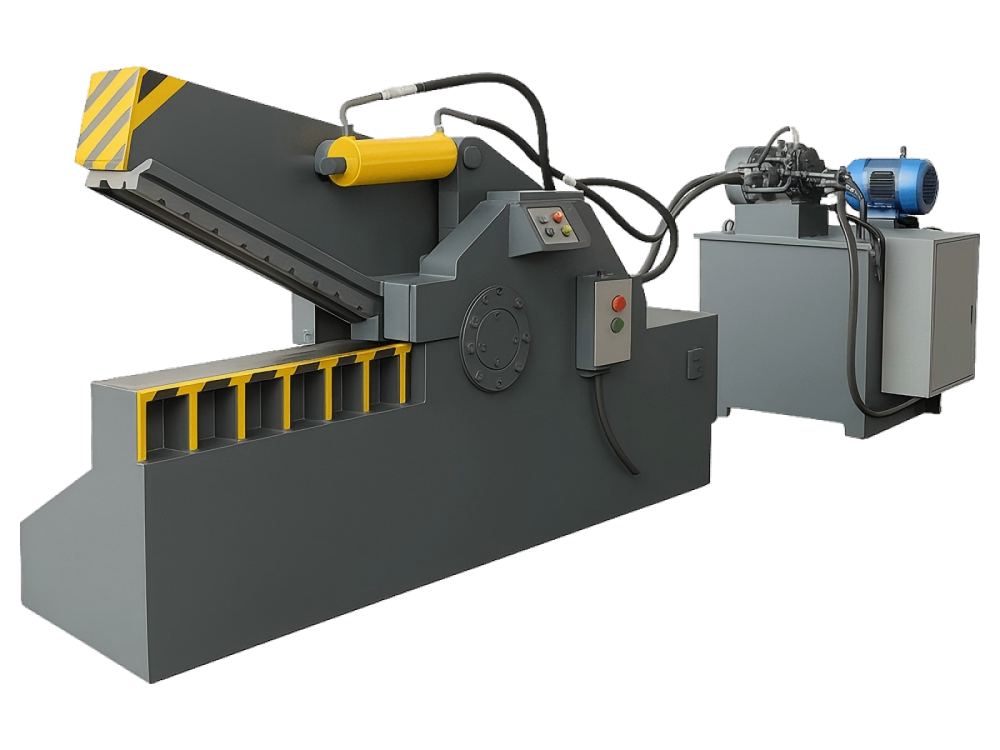
When you need to fix hydraulic problems in an alligator shear, the first step is to isolate the issue. Start by checking the hydraulic pump. If the machine is making a loud, grinding, or whining noise, this is often a sign of cavitation. Cavitation occurs when the pump cannot draw enough oil, usually due to a clogged intake filter or an air leak in the suction line. Replace the suction filter immediately and check all intake fittings for airtight seals.
If the blade moves slowly or lacks the force to cut through heavy scrap, the issue may lie with the pressure relief valve. This valve is designed to protect the system from over-pressurization, but if it is set too low or becomes stuck in the open position, the hydraulic fluid will bypass the cylinder and return directly to the tank. Use a calibrated pressure gauge to test the system pressure against the manufacturer’s specifications. If the pressure is low, adjust the relief valve carefully while monitoring the gauge.
Internal cylinder leakage is another common culprit. If the shear blade drifts downward or fails to hold pressure during a cut, the piston seals inside the hydraulic cylinder may be worn. To test this, extend the cylinder fully and disconnect the return line. If oil continues to flow out of the return port while the cylinder is under pressure, the internal seals are bypassing fluid and must be replaced. This is a technical task that requires disassembly of the cylinder, so ensure you have the proper seal kits on hand.
Directional control valves can also become problematic, especially if the spool becomes stuck due to debris or varnish buildup. If the shear blade refuses to move in one direction, check the solenoid coils on the valve. Use a multimeter to ensure the coils are receiving the correct voltage. If the electrical signal is present but the valve does not shift, the spool is likely jammed. Remove the valve, clean it thoroughly with a solvent, and inspect the spool for scoring or damage before reinstalling.
Selection Advice: Choosing the Right Hydraulic Components
When the time comes to replace components, quality should always take precedence over cost. Using generic or low-quality hydraulic parts can lead to premature failure and potentially dangerous situations. When selecting replacement pumps, valves, or hoses, ensure they meet or exceed the original equipment manufacturer (OEM) specifications provided by HARSLE. Using components with the correct flow rate and pressure rating is non-negotiable.
Consider the type of hydraulic fluid you are using. Not all oils are created equal. High-viscosity index oils are generally preferred for industrial shears because they maintain their properties across a wider temperature range. Consult your machine manual to determine the recommended ISO viscosity grade. Using the wrong oil can cause sluggish performance in winter or excessive wear in summer, making it much harder to fix hydraulic problems in an alligator shear later on.
When upgrading or replacing hoses, look for high-pressure ratings and abrasion-resistant outer covers. In a scrap yard environment, hoses are constantly exposed to sharp metal edges. Investing in protective sleeves or routing hoses through conduits can significantly extend their lifespan. Always ensure that the hose length is correct; a hose that is too short will be under constant tension, while one that is too long may snag on moving parts.
Finally, keep a stock of critical spare parts on-site. This includes seal kits for cylinders, replacement filters, and common solenoid coils. Having these items ready allows your maintenance team to fix hydraulic problems in an alligator shear immediately, rather than waiting days for shipping. A well-stocked spare parts inventory is the hallmark of a professional metal fabrication facility.
FAQ: Domande frequenti
Why is my alligator shear blade moving slowly?
Slow blade movement is typically caused by low hydraulic pressure, a failing pump, or a clogged filter. Check your hydraulic oil level, inspect the filters for debris, and use a pressure gauge to verify that the system is operating at the recommended PSI.
How often should I change the hydraulic oil?
Under normal operating conditions, hydraulic oil should be changed every 1,000 to 2,000 hours of operation. However, if you work in a high-dust environment, you may need to change it more frequently. Always perform an oil analysis to determine the actual condition of the fluid.
Can I repair a leaking hydraulic cylinder myself?
Yes, if you have the proper tools and a clean workspace. You will need to remove the cylinder, disassemble it, replace the internal seals, and reassemble it carefully. If you are not experienced with hydraulic systems, it is recommended to have a professional technician perform the repair to avoid damaging the cylinder walls.
What should I do if the hydraulic system is overheating?
First, check the oil level and the condition of the oil cooler. Ensure that the cooling fan is working and that the radiator fins are free of dust and debris. If the system continues to overheat, check for internal leaks that may be causing the oil to bypass the system and generate excessive heat.
Is it safe to adjust the pressure relief valve?
It is safe only if you have a calibrated pressure gauge and know the exact manufacturer specifications. Never exceed the maximum pressure rating of your machine, as this can cause catastrophic failure of hoses, seals, or the cylinder itself.
Conclusione
Learning how to fix hydraulic problems in an alligator shear is a vital skill for any operator or maintenance manager in the metal fabrication industry. By understanding the relationship between fluid cleanliness, pressure regulation, and component integrity, you can prevent the majority of common failures. Remember that a proactive approach—regular inspections, timely filter changes, and the use of high-quality replacement parts—will always be more cost-effective than reactive repairs.
HARSLE is committed to supporting your operations with reliable, high-performance machinery. If you encounter a problem that you cannot resolve using these troubleshooting steps, do not hesitate to contact our technical support team. We are here to ensure that your equipment remains a productive asset in your facility for years to come. Keep your hydraulic system clean, monitored, and well-maintained, and your alligator shear will continue to deliver the cutting power you need.