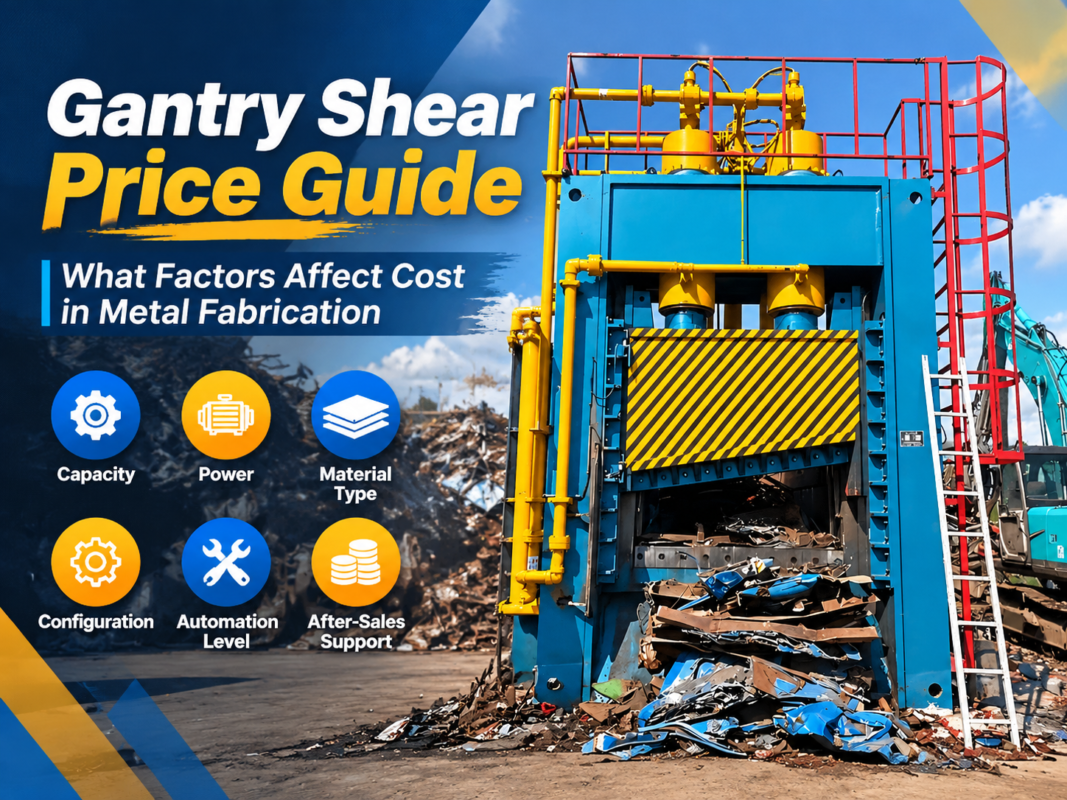
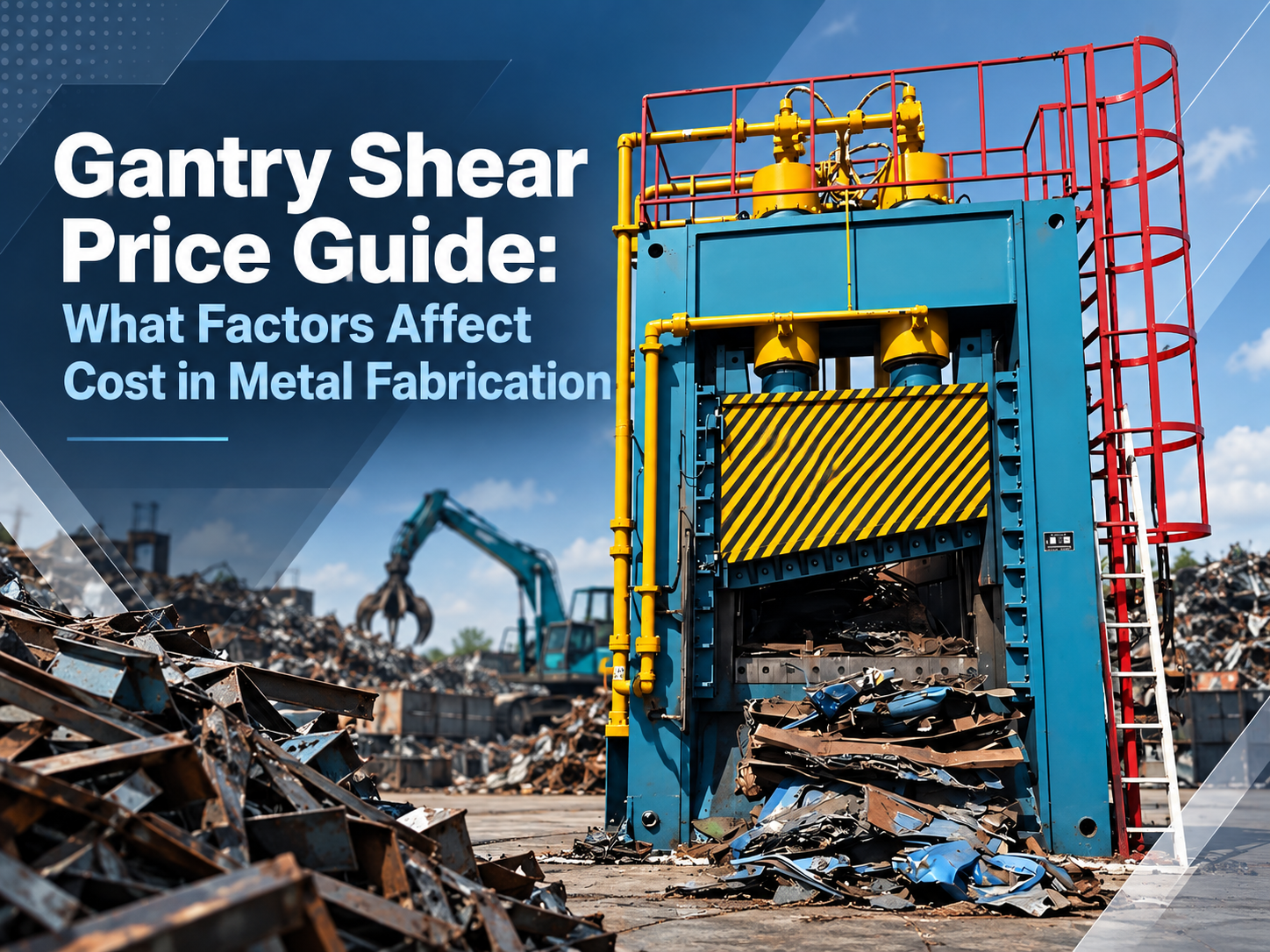
Gantry Shear Price Guide: What Factors Affect Cost in Metal Fabrication

Price Range Overview: Understanding the Investment
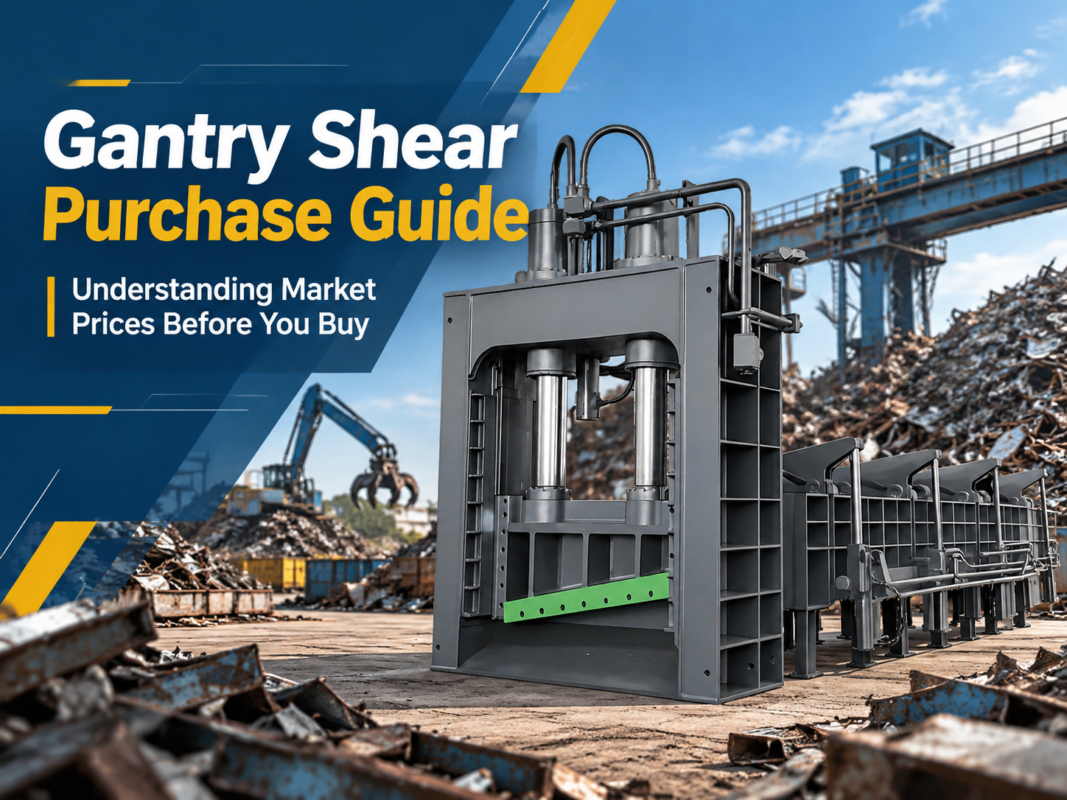
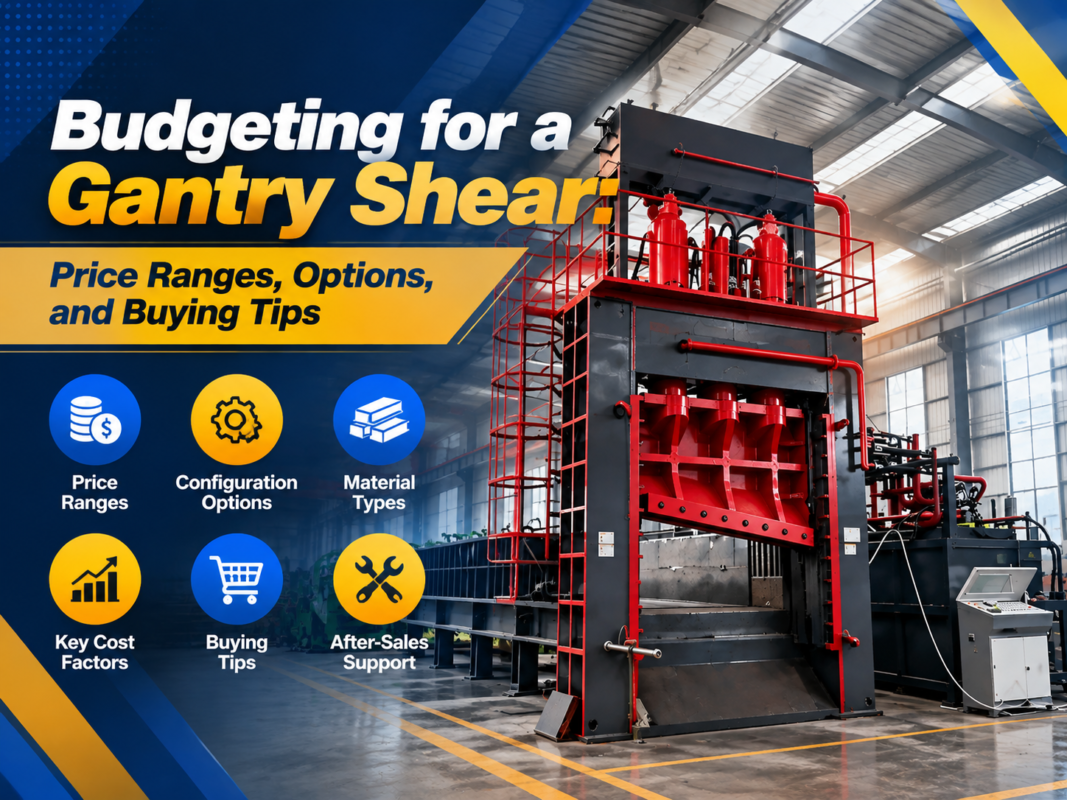
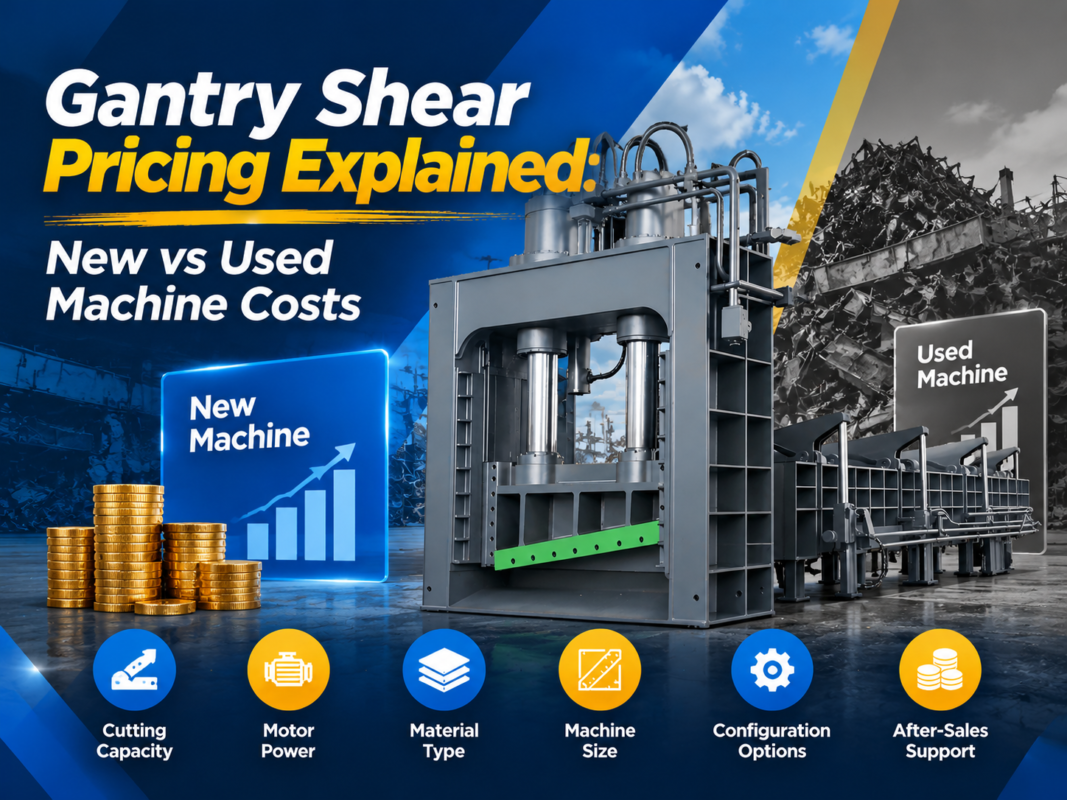
Investing in a gantry shear is a significant capital expenditure for any metal fabrication or scrap processing facility. When researching the Gantry Shear Price : Factors Affect Cost In Metal Fabrication, it is essential to recognize that there is no single ‘sticker price’ for these robust machines. Generally, entry-level hydraulic gantry shears designed for smaller workshops or light-duty scrap processing may start in the range of $40,000 to $70,000. These models typically offer basic shearing capabilities and manual control interfaces.
Moving into the mid-range segment, which is the most common choice for medium-sized recycling centers and fabrication plants, prices typically climb to between $80,000 and $150,000. In this bracket, buyers can expect higher cutting forces, more durable blade materials, and semi-automated feeding systems. These machines are engineered for consistent, daily operation and offer a balance between throughput and initial investment cost.
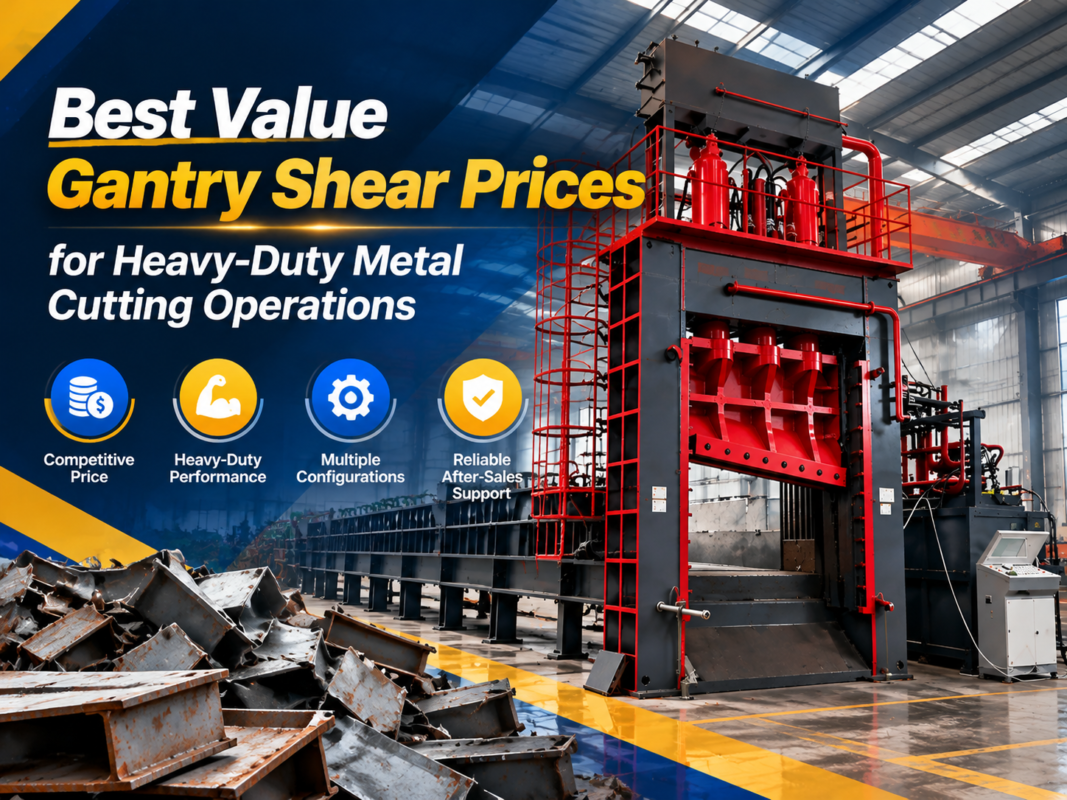
For high-capacity, heavy-duty industrial applications, the price for a gantry shear can easily exceed $200,000 to $500,000. These top-tier machines are often custom-built to handle massive steel plates, heavy rebar, or complex scrap profiles. They feature advanced PLC integration, high-speed hydraulic systems, and sophisticated safety protocols. Understanding this broad price spectrum is the first step in aligning your budget with your operational requirements.
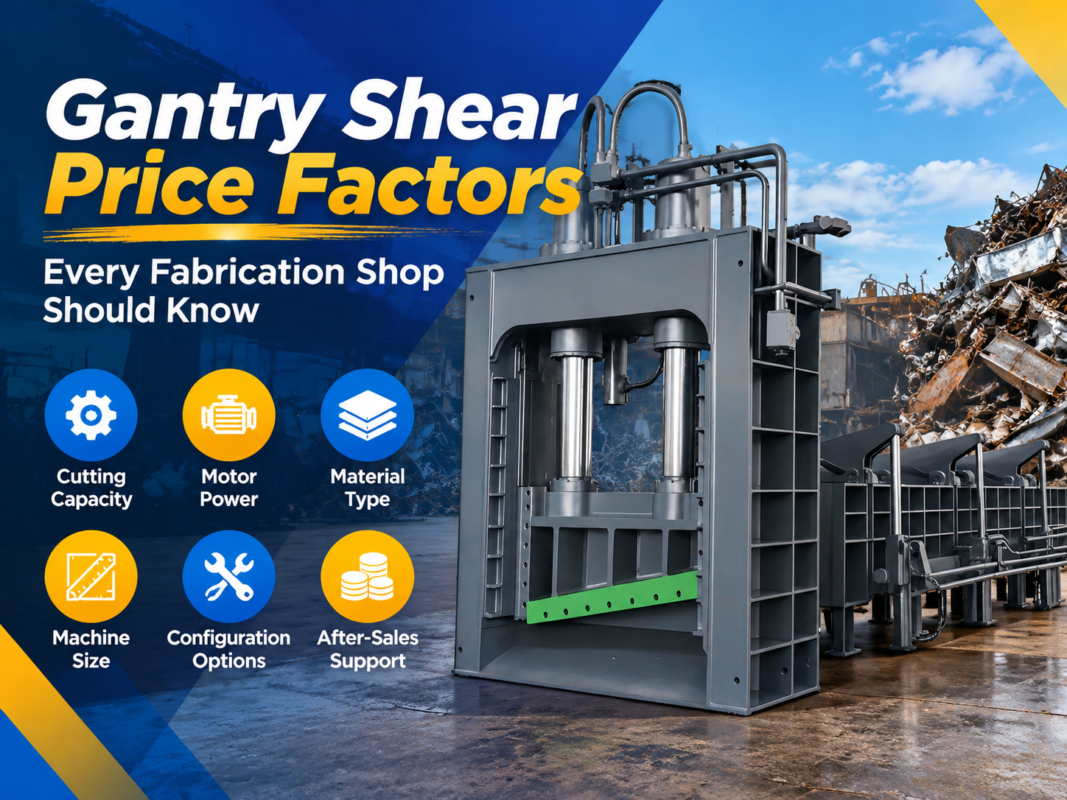
It is also important to note that the Gantry Shear Price Factors Affect Cost In Metal Fabrication include more than just the machine itself. Shipping, installation, foundation preparation, and specialized tooling can add 10% to 20% to the total project cost. HARSLE recommends that buyers account for these ancillary expenses early in the procurement process to avoid budget overruns during the commissioning phase.
Main Cost Drivers: What Defines the Price Tag
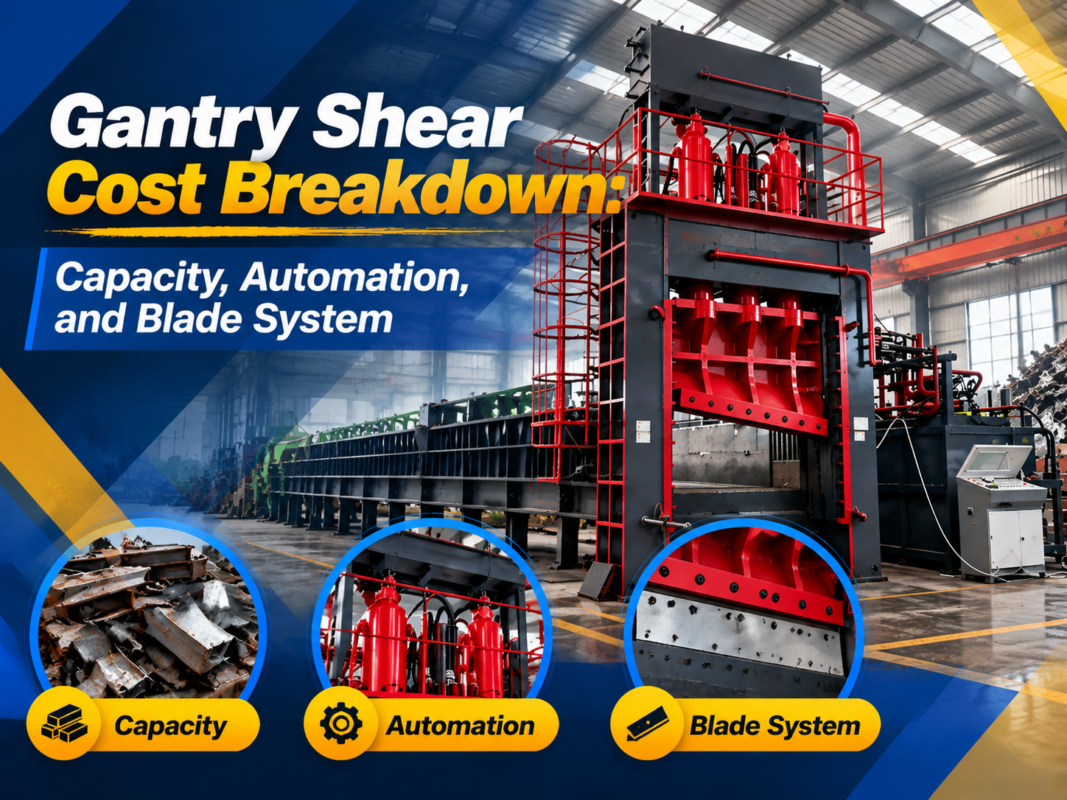
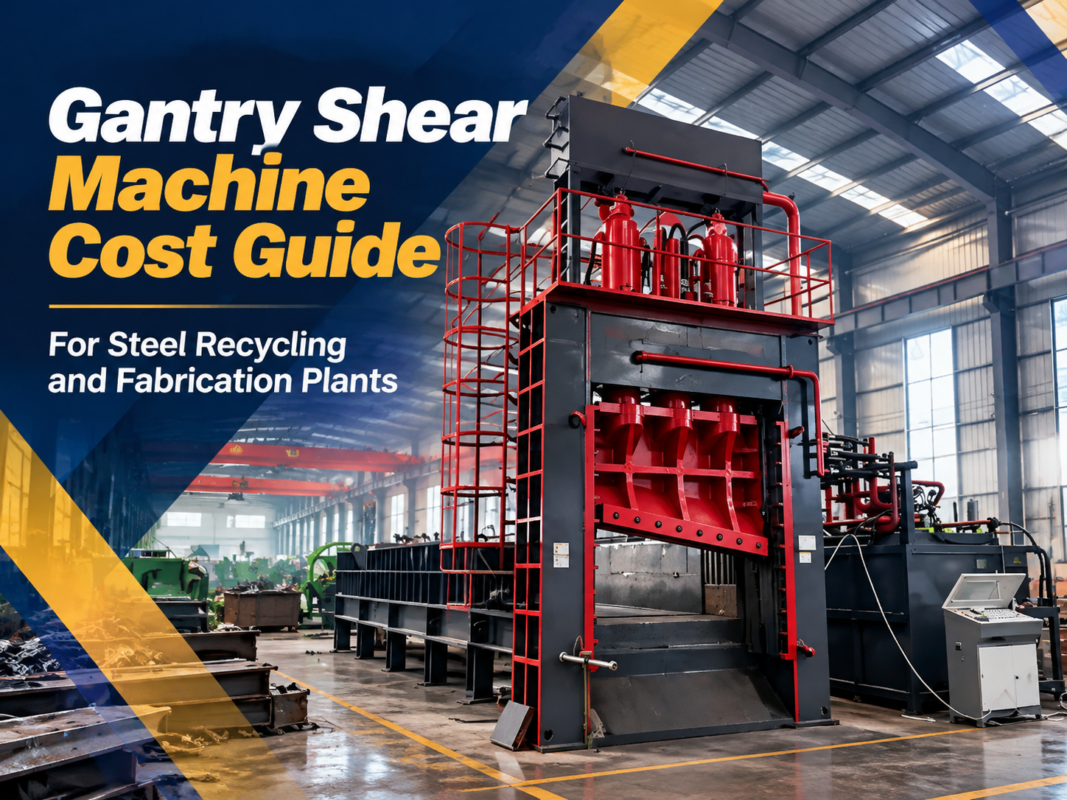
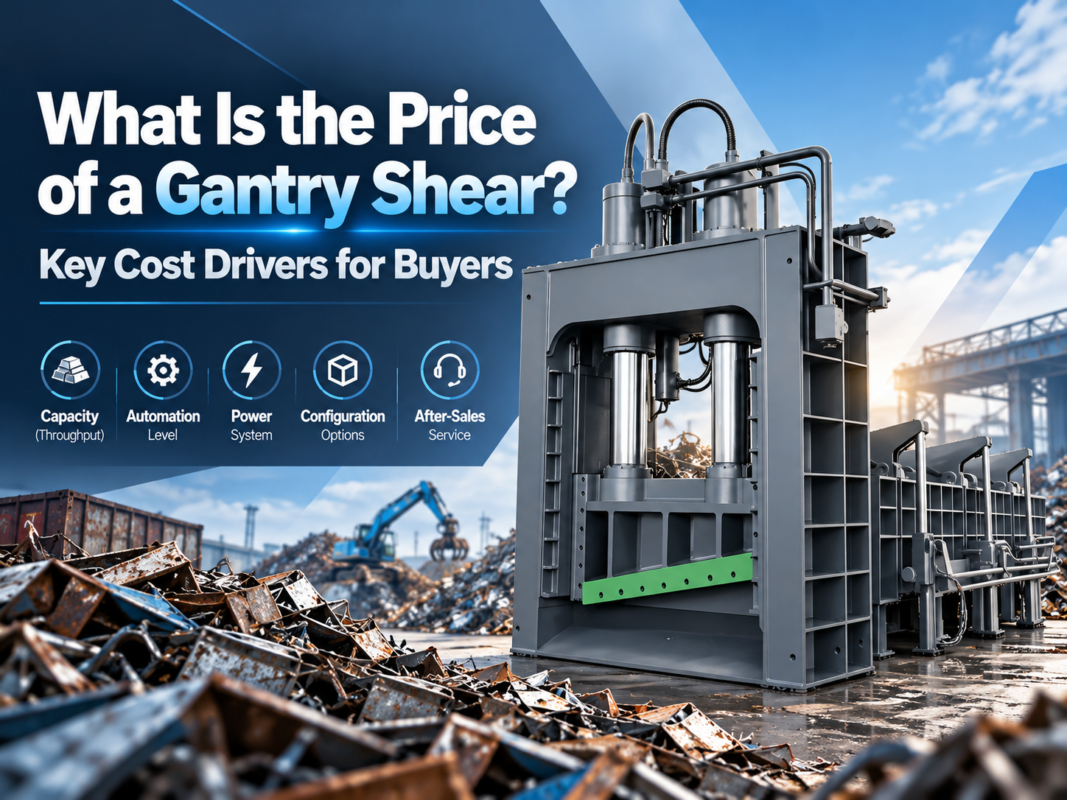
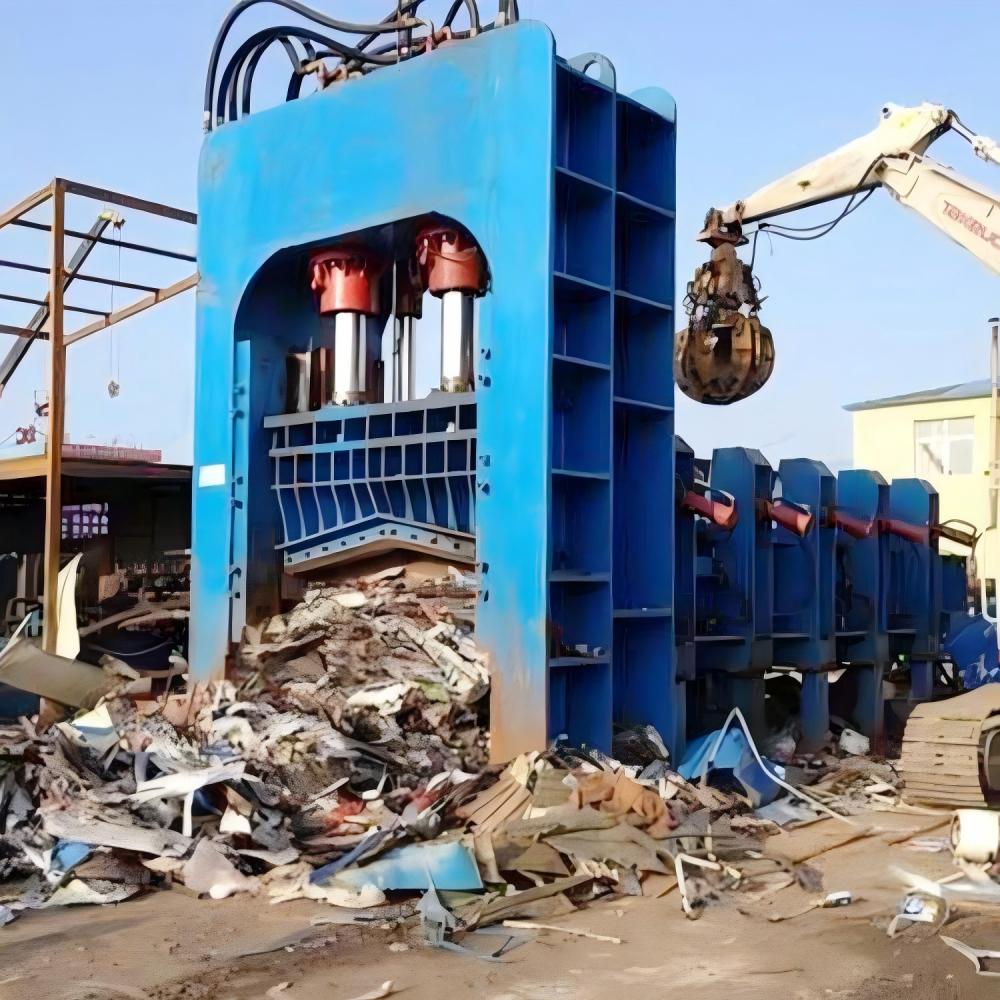
The primary driver of any gantry shear’s cost is its cutting force, measured in tons. A machine designed to shear 20mm thick steel plate requires a significantly more robust frame and a more powerful hydraulic pump than one designed for 10mm material. The structural integrity of the gantry frame—the ‘bridge’ that holds the blade—must be engineered to withstand immense stress without deflection. High-grade, stress-relieved steel construction increases manufacturing costs but is non-negotiable for longevity.
Hydraulic system quality is another major factor. The pump, valves, and cylinders are the heart of the machine. Premium hydraulic components from reputable global brands ensure consistent pressure, faster cycle times, and reduced maintenance intervals. While cheaper, generic hydraulic components might lower the initial Gantry Shear Price, they often lead to higher long-term costs due to frequent downtime, fluid leaks, and slower production speeds.
Blade quality and material composition also play a critical role. The shear blades are subject to extreme wear and impact. High-carbon, high-chromium tool steels are standard for professional-grade shears, but specialized coatings or heat-treatment processes can further extend blade life. Investing in superior blade material reduces the frequency of sharpening and replacement, which directly impacts the total cost of ownership over the machine’s lifespan.
Finally, the control system architecture dictates the price. Basic machines utilize simple push-button controls, whereas advanced systems incorporate CNC or PLC interfaces. These digital controls allow for precise stroke adjustment, automated blade gap settings, and diagnostic monitoring. While these features increase the upfront investment, they provide significant savings in labor and material waste, making them a vital consideration in the Gantry Shear Price Factors Affect Cost In Metal Fabrication.
Configuration Impact: Customization and Efficiency
Configuration options allow a gantry shear to be tailored to specific industrial needs, but each addition influences the final price. One of the most common configurations is the inclusion of an automated feeding system. Conveyors, pusher arms, or side-compression boxes significantly increase throughput by ensuring the material is positioned correctly for every cut. While these systems add to the initial cost, they drastically reduce the manual labor required, which is a major operational expense.
The cutting length and opening width of the shear are also primary configuration variables. A larger opening allows for the processing of bulkier, irregular scrap, which is essential for certain recycling applications. However, a wider opening requires a larger, more rigid frame to maintain cutting accuracy. This scaling effect means that as the physical dimensions of the shear increase, the cost does not grow linearly; it often grows exponentially due to the need for heavier materials and more powerful hydraulic systems.
Integration with other machinery, such as balers or sorting lines, is another configuration factor. A gantry shear that is designed to communicate with a downstream baler requires specialized software and sensor integration. This level of automation is highly sought after in modern, high-efficiency scrap yards. HARSLE emphasizes that while integrated systems command a higher price, they create a seamless workflow that maximizes the return on investment by reducing bottlenecks.
Safety features are non-negotiable but also impact the cost. Light curtains, emergency stop zones, and protective enclosures are essential for operator safety and regulatory compliance. High-end machines often include advanced sensor arrays that detect material thickness and automatically adjust the blade gap, preventing machine damage and ensuring clean cuts. These intelligent features are a hallmark of modern industrial machinery and are a key component of the Gantry Shear Price Guide.
Coûts cachés : au-delà du prix d'achat
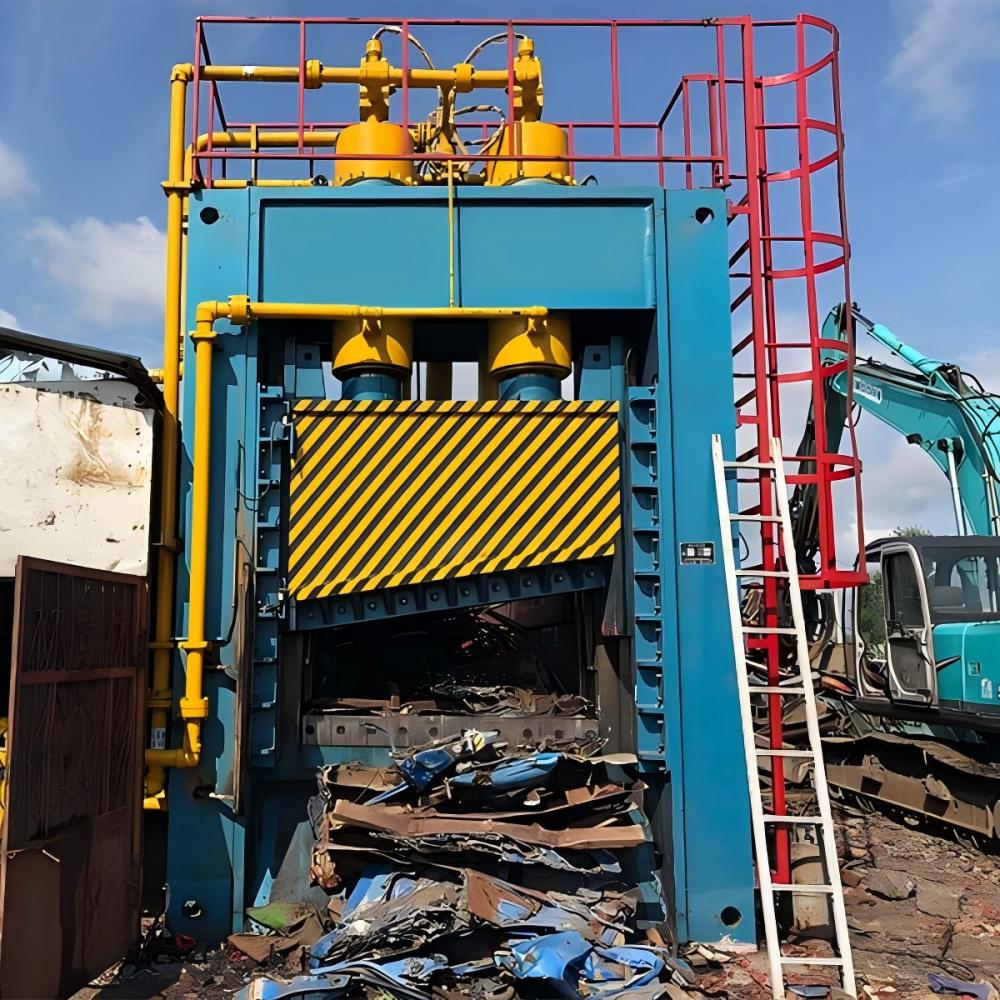
When evaluating the Gantry Shear Price Factors Affect Cost In Metal Fabrication, buyers must look beyond the invoice. One of the most overlooked costs is the foundation requirement. A high-tonnage gantry shear creates significant vibration and downward force. A reinforced concrete foundation, often with specific depth and rebar requirements, is necessary to ensure the machine remains level and stable. Failing to account for this can lead to structural damage to the facility floor and the machine itself.
Energy consumption is another ongoing cost. A machine that is poorly optimized for its workload will consume excessive electricity. Modern gantry shears often feature variable frequency drives (VFDs) or energy-efficient hydraulic pumps that adjust power consumption based on the actual cutting load. While these energy-saving features might increase the purchase price, they provide a lower total cost of ownership through reduced utility bills over the machine’s 10-to-20-year lifespan.
Maintenance and spare parts availability must be factored in. A machine that uses proprietary, hard-to-source parts will be more expensive to maintain in the long run. HARSLE recommends choosing equipment that utilizes standardized, globally available components. Furthermore, the cost of training staff to operate and maintain the machine is a hidden but necessary investment. Proper training prevents operator error, which is the leading cause of premature machine failure.
Shipping and logistics, particularly for heavy machinery, can be substantial. Depending on the location of the manufacturer and the destination, international freight, customs duties, and local transport can add thousands of dollars to the final cost. Always request a comprehensive quote that includes ‘landed’ costs to avoid surprises. Understanding these hidden costs is essential for a realistic assessment of the Gantry Shear Price Guide.
ROI Calculation: Justifying the Investment
Calculating the Return on Investment (ROI) for a gantry shear involves analyzing both direct and indirect savings. The most direct saving comes from increased processing speed. By replacing manual cutting or lower-capacity shears with a high-performance gantry shear, a facility can process more material in less time. If the machine allows for the processing of higher-value scrap grades, the revenue per ton increases immediately, shortening the payback period.
Labor cost reduction is another major ROI factor. Automated feeding and discharge systems mean that fewer operators are required to manage the same volume of material. When calculating ROI, consider the cost of labor per ton of processed metal. A more expensive, highly automated machine often pays for itself faster than a cheaper, labor-intensive model because it minimizes the need for manual intervention and reduces the risk of workplace injuries.
Material yield improvement is a subtle but powerful ROI driver. Precision shearing reduces waste and ensures that cut pieces meet the exact specifications required by steel mills or foundries. When scrap is cut to the correct size, it commands a higher market price. A gantry shear that consistently delivers clean, accurate cuts will improve the quality of the output, leading to better relationships with buyers and higher profit margins on every load.
Finally, consider the machine’s resale value. A well-maintained gantry shear from a reputable manufacturer like HARSLE retains its value significantly better than generic or poorly built alternatives. When the time comes to upgrade or expand, the ability to sell the existing machine for a substantial portion of its original cost is a critical component of the overall financial strategy. Use these metrics to build a compelling business case for your investment.
Buying Advice: Making the Right Choice
Before finalizing your purchase, conduct a thorough audit of your material throughput. What is the maximum thickness and width of the material you process daily? What is the average volume? Choosing a machine that is too small will lead to constant breakdowns and bottlenecks, while choosing one that is too large will result in wasted capital and higher energy costs. The goal is to find the ‘sweet spot’ that meets your current needs while allowing for moderate growth.
Always request a demonstration or visit a facility where the machine is currently in operation. Seeing the gantry shear in action allows you to assess its build quality, noise levels, and ease of use. Ask the operator about their experience with the machine—they are often the best source of information regarding reliability and maintenance requirements. A reputable manufacturer will be happy to facilitate these visits or provide references from existing clients.
Evaluate the manufacturer’s support network. Does the company offer remote diagnostic support? How quickly can they dispatch a technician if a major failure occurs? A machine is only as good as the support behind it. HARSLE prides itself on providing comprehensive technical support, ensuring that our clients can maximize their uptime and minimize the impact of any unforeseen issues. This level of service is a critical factor in the Gantry Shear Price Factors Affect Cost In Metal Fabrication.
Finally, do not be afraid to negotiate on the total package rather than just the machine price. Often, manufacturers can bundle spare parts kits, extended warranties, or on-site training into the initial contract. These additions provide significant value and peace of mind. By focusing on the total value proposition rather than just the lowest price, you ensure that your investment in a gantry shear will serve your business effectively for years to come.
FAQ : Foire aux questions
- What is the typical lifespan of a professional gantry shear? With proper maintenance and regular blade sharpening, a high-quality gantry shear can last 15 to 25 years in a standard industrial environment.
- How often should I sharpen the shear blades? This depends on the material hardness and volume. Generally, blades should be inspected weekly and sharpened or shimmed as soon as the cut quality begins to degrade.
- Can a gantry shear process non-ferrous metals? Yes, but the blade clearance and cutting speed may need to be adjusted. Always consult the manufacturer’s specifications for the specific material types your machine is rated to handle.
- What is the most important factor in the Gantry Shear Price Guide? The cutting force (tonnage) and the quality of the hydraulic system are the two most significant factors that influence the price and long-term performance.
- Does HARSLE offer custom gantry shear configurations? Yes, we work closely with our clients to customize the feeding systems, blade lengths, and control interfaces to meet specific production requirements.