Vertical Baler Price Guide for Beginners: Features That Affect Total Machine Cost

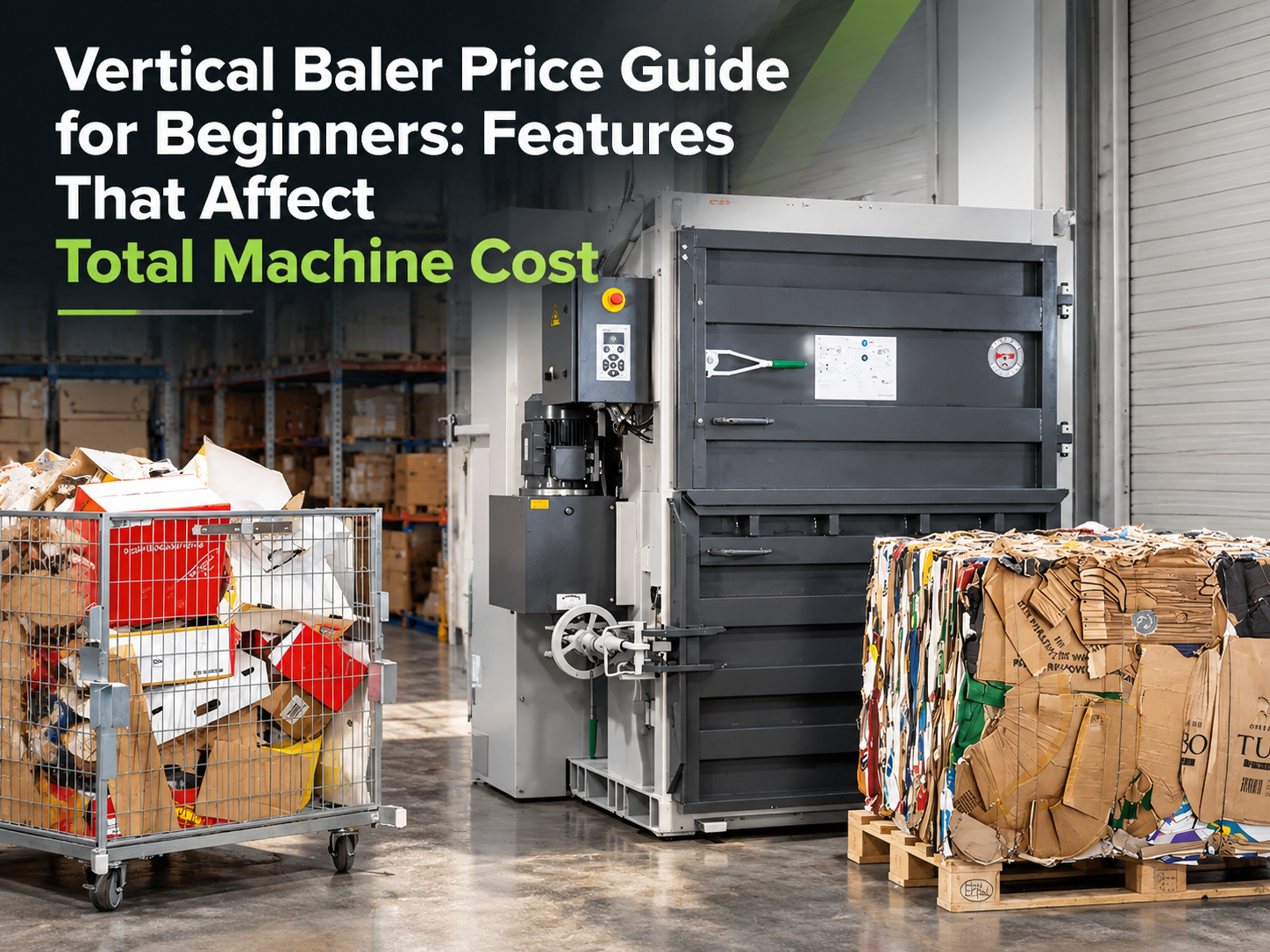
Price Range Overview: Understanding the Investment
For businesses entering the world of waste management and material recycling, understanding the Vertical Baler Price Beginners: Features That Affect Total Machine Cost is the first step toward a sound capital investment. Vertical balers are essential pieces of metal fabrication equipment designed to compress recyclable materials—such as cardboard, plastic, and thin-gauge metal—into dense, manageable bales. The price range for these machines is vast, typically starting from $5,000 for entry-level, manual-tie units and scaling up to $30,000 or more for high-capacity, automated industrial systems.
When evaluating the market, beginners often make the mistake of looking only at the sticker price. However, the initial purchase price is merely the entry point. A low-cost machine might save money upfront but could lead to higher operational costs due to inefficiency, frequent downtime, or higher labor requirements. Conversely, a premium machine might offer features that are overkill for a small operation. Understanding the balance between capacity, build quality, and automation is key to finding the right fit for your facility.
Market volatility in steel prices and hydraulic components also influences the cost of vertical balers. As a buyer, you should anticipate that prices fluctuate based on the manufacturer’s origin, the quality of the hydraulic pump, and the thickness of the steel used in the chamber construction. HARSLE, as a leader in industrial machinery, emphasizes that the true cost of a baler is measured over its entire lifecycle, not just the day of purchase.
To navigate this, beginners should categorize their needs into three tiers: light-duty (retail/small office), medium-duty (warehousing/distribution), and heavy-duty (industrial manufacturing/metal scrap). Each tier carries a different price bracket. By identifying your specific volume of waste, you can narrow down the price range that aligns with your operational budget and long-term goals.
Main Cost Drivers: What You Are Paying For
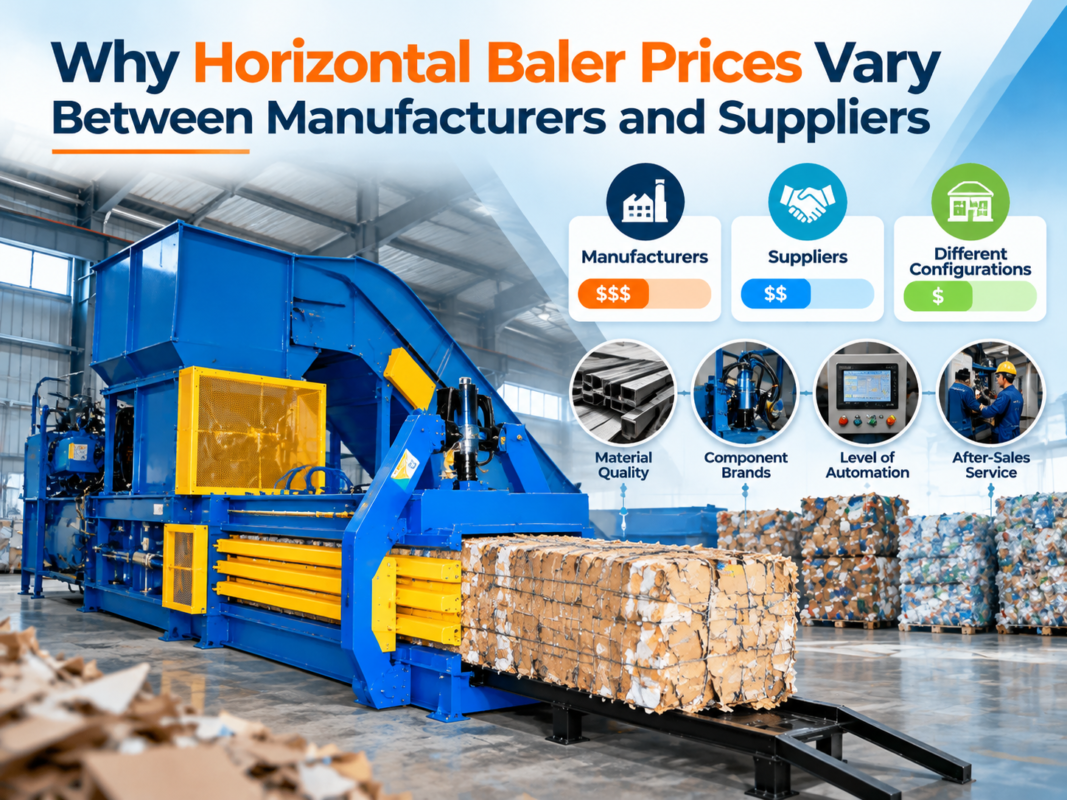
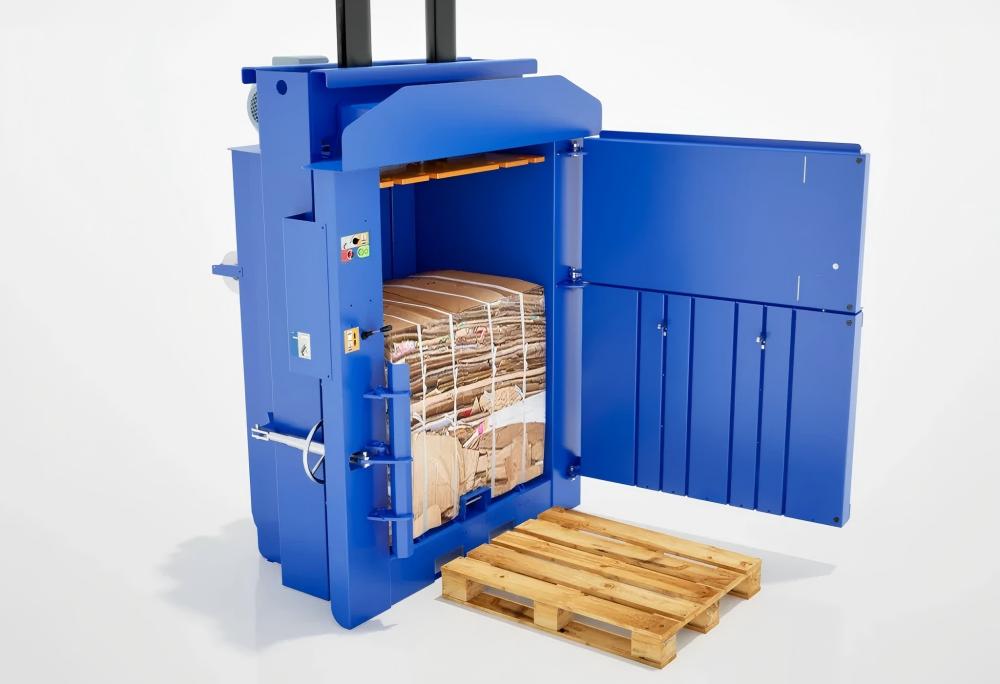
The primary factor influencing the Vertical Baler Price Beginners: Features That Affect Total Machine Cost is the force capacity, measured in tons. The force determines how tightly the material is compressed. A machine with a higher pressing force requires a more robust hydraulic system, thicker steel plating, and a more powerful motor, all of which drive up the price. If you are baling high-density materials like aluminum cans or thick plastic, you will need a higher tonnage, which naturally commands a premium price.
Another significant cost driver is the chamber size and feed opening. Larger chambers allow for bulkier materials, reducing the need for pre-processing or shredding. However, a larger chamber requires a larger footprint and more structural reinforcement to prevent bowing under pressure. Manufacturers must use high-grade structural steel to ensure the chamber maintains its integrity over thousands of cycles. This material cost is a direct reflection of the machine’s durability and longevity.
The hydraulic system itself is the heart of the baler. High-end machines utilize premium-brand hydraulic pumps and valves that offer faster cycle times and greater energy efficiency. While these components increase the initial investment, they significantly reduce the cost per bale by lowering electricity consumption and minimizing maintenance intervals. Beginners should look for machines that use standardized, easily replaceable hydraulic parts to ensure long-term serviceability.
Finally, the control system and safety features play a role in the total cost. Modern balers come equipped with PLC (Programmable Logic Controller) systems that allow for automated cycle management, bale weight monitoring, and advanced safety interlocks. While a simple push-button system is cheaper, an automated PLC system reduces the risk of operator error and increases throughput, making it a valuable investment for growing businesses.
Configuration Impact: Customization vs. Standard Models
When discussing the Vertical Baler Price Beginners: Features That Affect Total Machine Cost, one cannot ignore the impact of configuration. Standard models are mass-produced and generally offer the best value for money. However, many industrial applications require custom configurations to handle specific waste streams. For instance, if you are dealing with wet waste or corrosive materials, you may need a stainless steel lining or specialized drainage systems, which add to the manufacturing complexity and cost.
Another configuration factor is the door design. Standard vertical balers often feature a swing-out door, but high-volume facilities might require a sliding door or a vertical-lift door to save space and improve workflow efficiency. These mechanical enhancements require precision engineering and high-quality hinges or tracks, which are reflected in the final price. Choosing the right door configuration can significantly impact the ergonomics and safety of your facility, justifying the extra cost.
The bale ejection system is another area where configuration impacts price. Manual ejection is standard on smaller units, but as you move up in scale, hydraulic bale ejection becomes necessary to handle the weight of the finished bale. Some advanced models even include automatic bale tying systems, which drastically reduce labor time. While these systems represent a significant jump in price, they are often the most effective way to lower the total cost of ownership by reducing the labor hours required per bale.
Lastly, consider the power requirements. While most standard balers run on 220V or 440V, some custom configurations might require specific electrical setups to integrate with existing factory power grids. Ensuring your machine is configured correctly for your facility’s power supply prevents costly electrical modifications later. Always consult with a HARSLE representative to discuss your specific site requirements before finalizing your purchase.
Hidden Costs: Beyond the Sticker Price
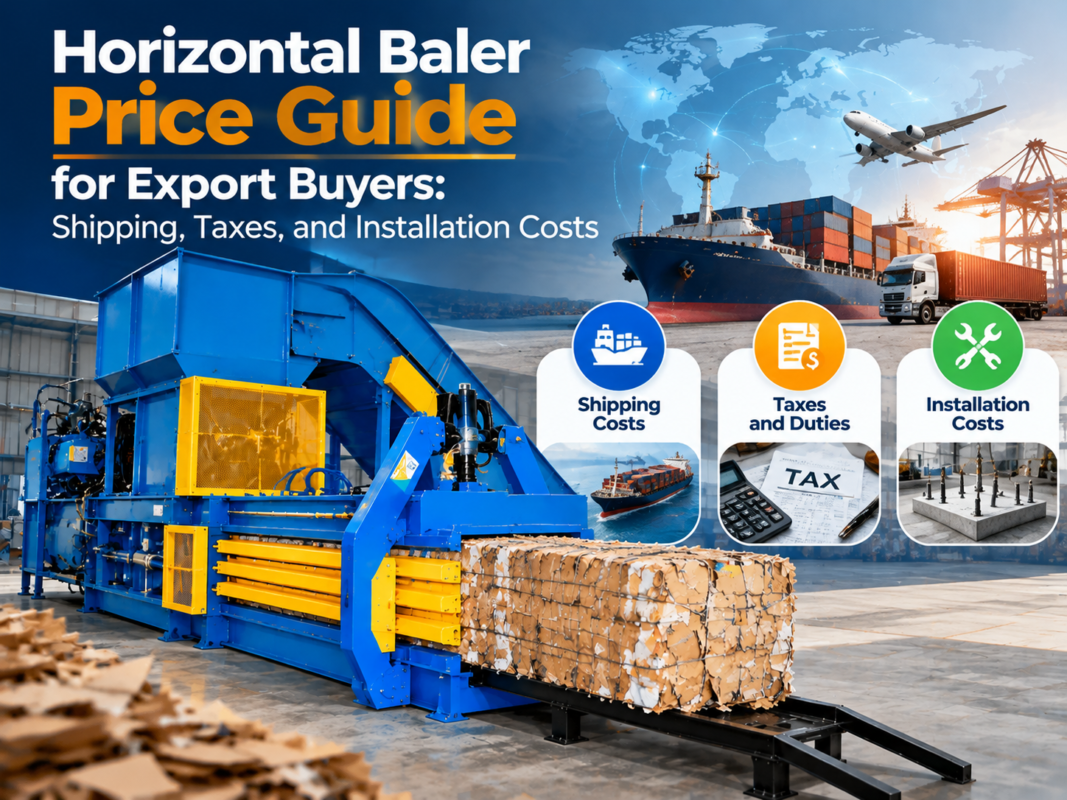
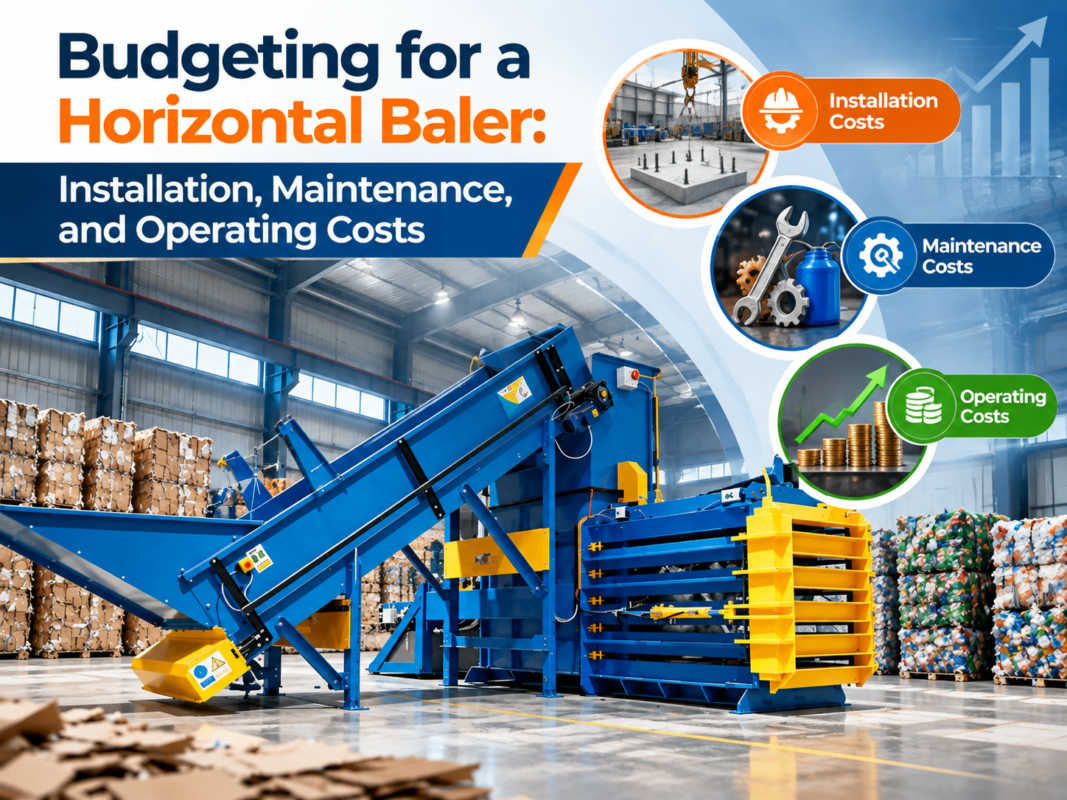
Beginners often overlook the “hidden” costs associated with installing and maintaining a vertical baler. Shipping and rigging are the first of these. Because these machines are heavy and bulky, transportation costs can be substantial, especially if the machine is being imported. Additionally, you may need to hire a professional rigging company to move the baler into your facility and position it correctly, which is a cost that should be factored into your initial budget.
Site preparation is another frequently underestimated expense. A vertical baler requires a level, reinforced concrete pad to handle the weight and the vibration of the hydraulic system. If your floor is not suitable, you will need to invest in concrete work or a steel base plate. Furthermore, you must ensure that your facility has the appropriate electrical capacity and that the installation complies with local safety codes and fire regulations.
Maintenance and consumables are ongoing costs that affect the total cost of ownership. You will need to budget for hydraulic oil, filter replacements, and baling wire or strapping. High-quality wire is essential for maintaining bale integrity; using cheap, low-grade wire can lead to bale failure, which creates a mess and requires re-baling. Additionally, scheduling regular preventative maintenance with a certified technician is crucial to avoiding expensive emergency repairs.
Finally, consider the cost of training. Operating a vertical baler involves specific safety protocols. Investing in professional training for your staff not only prevents accidents but also ensures the machine is operated correctly, which extends its lifespan. Neglecting training can lead to misuse, which is a leading cause of premature machine failure and voided warranties.
ROI Calculation: Justifying the Investment
To justify the Vertical Baler Price Beginners: Features That Affect Total Machine Cost, you must calculate the Return on Investment (ROI). The primary way a baler pays for itself is through waste reduction and material revenue. By compressing waste into dense bales, you significantly reduce the volume of trash, which lowers your waste hauling fees. In many cases, the reduction in dumpster pickups alone can pay for the machine in 12 to 24 months.
Beyond saving on hauling fees, you may be able to sell your baled materials. Cardboard, plastic, and aluminum have market values that fluctuate. When you provide a clean, high-density bale to a recycler, you can often command a higher price per ton than if you were simply disposing of loose waste. This turns a cost center (waste disposal) into a potential revenue stream.
Labor efficiency is another key component of ROI. A well-placed baler reduces the time employees spend breaking down boxes or managing loose waste. By streamlining the waste management process, you free up your team to focus on core production tasks. When calculating ROI, be sure to factor in the labor hours saved per week, as this is often the most significant, yet invisible, benefit of industrial machinery.
Finally, consider the environmental and regulatory benefits. Many regions are implementing stricter waste management regulations and sustainability goals. A vertical baler helps your business comply with these standards, potentially avoiding fines and improving your company’s brand image. Sustainability is increasingly important to customers and partners, and demonstrating a commitment to recycling can provide a competitive advantage in the market.
Buying Advice: Tips for Beginners
When you are ready to purchase, start by conducting a waste audit. Measure how much waste you generate daily and what type of material it is. This data is the foundation of your decision-making process. Do not guess; use actual numbers to determine the size and force capacity you need. A HARSLE consultant can help you interpret this data to select the most cost-effective model for your specific throughput.
Always request a detailed quote that includes shipping, installation, and training. Be wary of quotes that seem too good to be true, as they may exclude essential components or support services. Ask about the warranty terms and the availability of spare parts. A machine is only as good as the support behind it; ensure that the manufacturer or distributor has a reliable service network in your area.
Consider the long-term scalability of your business. If you expect your production to grow, it might be worth investing in a slightly larger machine now rather than having to replace it in two years. However, avoid buying a machine that is significantly larger than your needs, as it will be less energy-efficient and take up valuable floor space that could be used for production.
Finally, check for safety certifications. In the metal fabrication equipment industry, safety is non-negotiable. Ensure that the baler meets all relevant national and international safety standards, such as CE or UL certifications. A safe machine protects your employees and your business from liability, making it a critical factor in your final buying decision.
FAQ: Common Questions About Vertical Baler Costs
- How long does a vertical baler typically last? With proper maintenance, a high-quality vertical baler can last 10 to 15 years or more.
- Can I use a vertical baler for metal scrap? Yes, but you must ensure the baler is rated for metal. Standard cardboard balers will be damaged by metal scrap.
- What is the most common maintenance task? Regularly checking hydraulic fluid levels and replacing filters are the most common and important maintenance tasks.
- Does the baler need a special electrical connection? Most industrial balers require a dedicated circuit. Check the machine’s specifications for voltage and amperage requirements.
- Is it better to buy new or used? While used balers are cheaper, they come with risks regarding wear and tear and lack of warranty. For critical operations, new is usually the safer investment.
- How much space do I need? You need enough space for the machine itself, plus clearance for loading, bale ejection, and maintenance access.