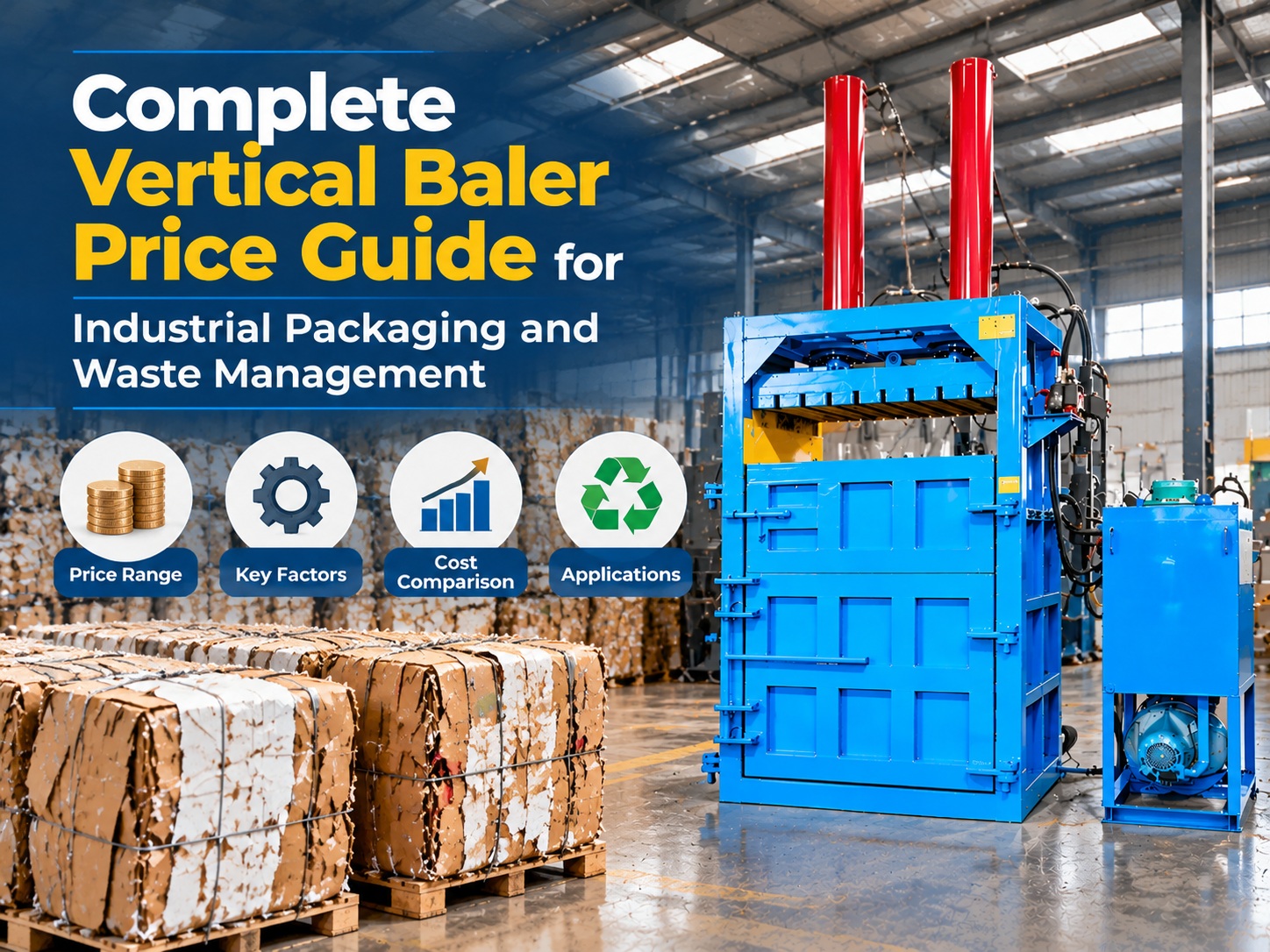
Complete Vertical Baler Price Guide for Industrial Packaging and Waste Management

Price Range Overview: Understanding the Investment
Investing in a vertical baler is a strategic decision for any facility looking to optimize waste management and reduce logistics costs. When researching the Complete Vertical Baler Price Industrial Packaging Waste Management, it is essential to understand that pricing is rarely a flat figure. Generally, entry-level vertical balers designed for small retail environments start at approximately $4,000 to $7,000. These machines are typically manual-tie units with lower force capacities, suitable for cardboard and light plastic.
Moving into the mid-range industrial sector, prices typically climb to the $8,000 to $15,000 range. These units often feature semi-automatic ejection systems, higher compaction forces, and more robust hydraulic components. They are designed for continuous operation in warehouses, distribution centers, and manufacturing plants where throughput is consistent and volume is moderate to high.
For heavy-duty, high-capacity industrial applications, the investment can range from $16,000 to over $30,000. These premium machines are engineered for 24/7 operation, handling dense materials like scrap metal, heavy-gauge plastics, and high-volume corrugated cardboard. At this level, you are paying for advanced safety features, automated bale tying, and heavy-duty structural steel frames that ensure longevity under extreme pressure.
It is important to note that these price ranges are estimates based on market standards for high-quality equipment like HARSLE machinery. Factors such as shipping, installation, and specific customization requirements can influence the final invoice. Always request a detailed quote that breaks down the machine cost versus the peripheral services required for a turnkey installation.
Main Cost Drivers in Vertical Baler Pricing
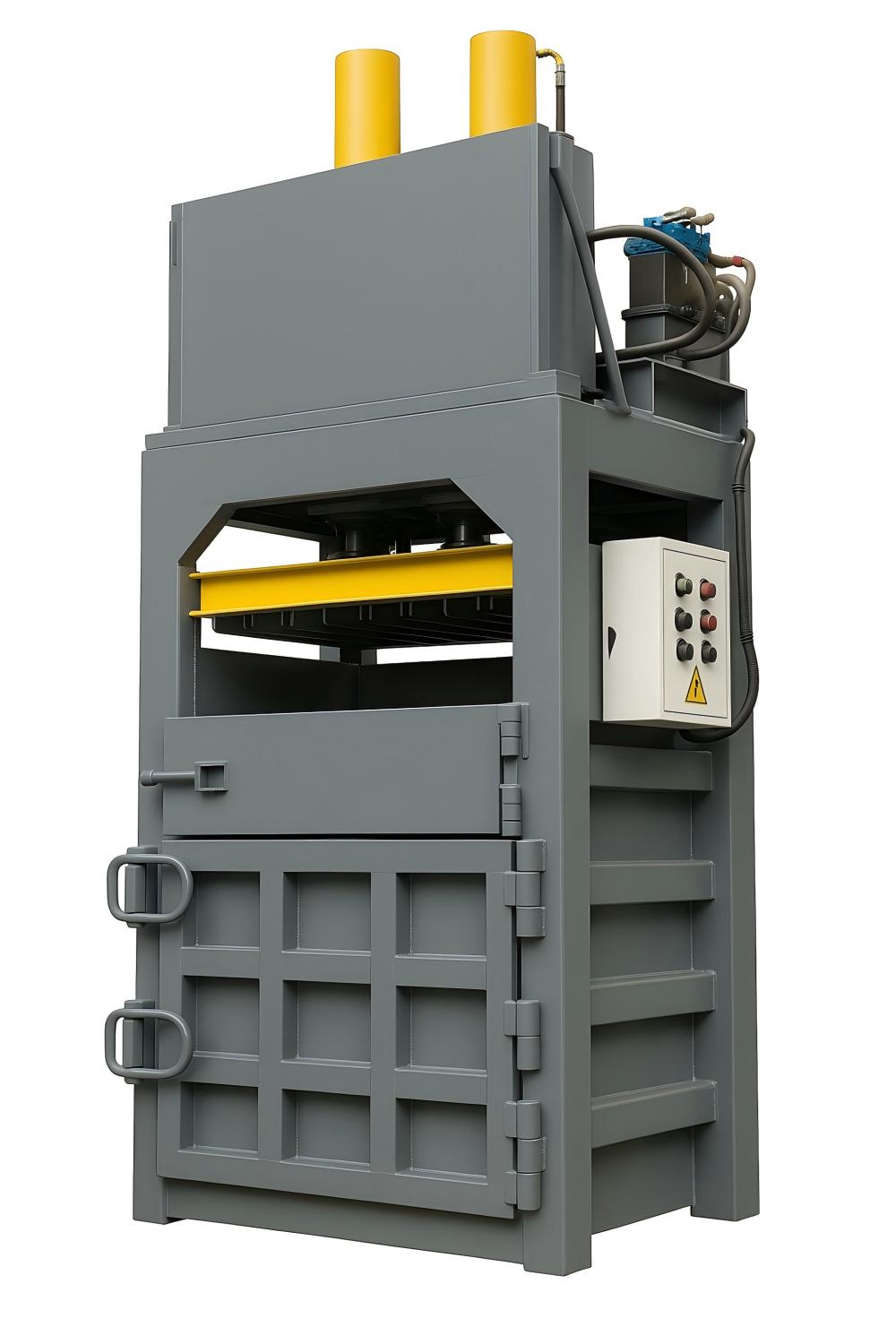
The primary driver of a vertical baler’s price is the compaction force, measured in tons. A machine with a 50-ton capacity will naturally cost significantly more than a 10-ton unit due to the size of the hydraulic cylinder, the thickness of the steel plating, and the power of the motor required to drive the system. Higher force allows for denser bales, which directly translates to lower transportation costs per ton of waste.
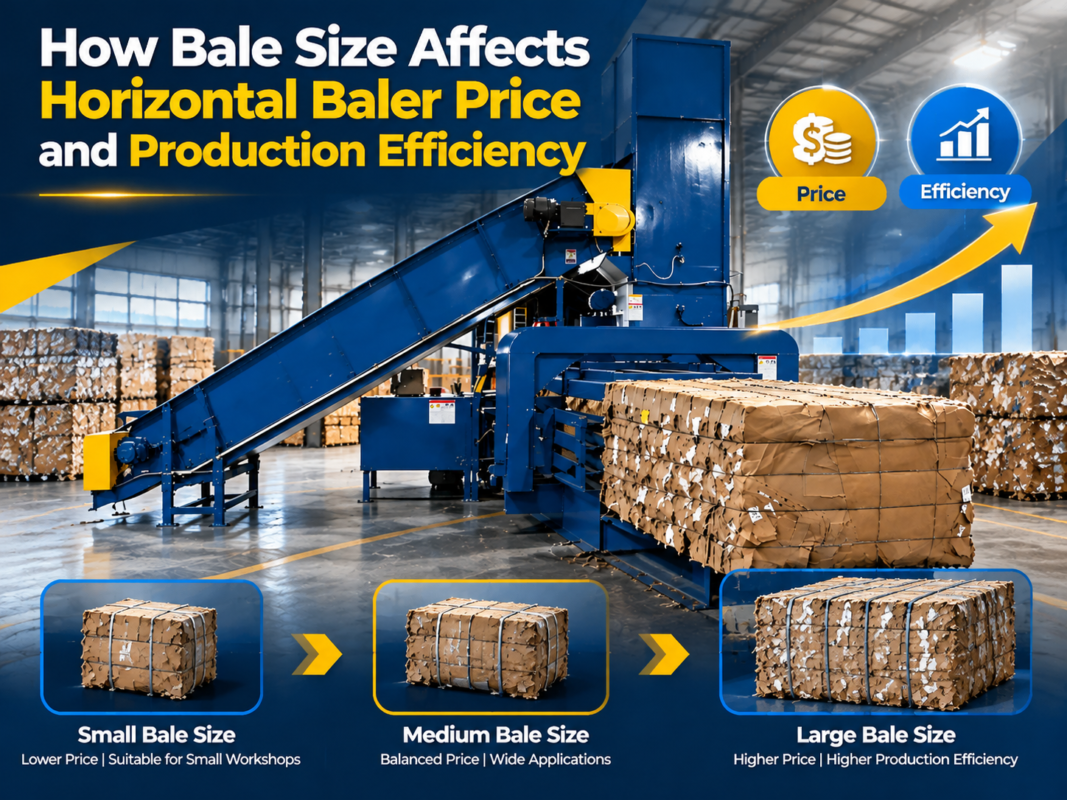
Another significant cost factor is the bale size and weight output. Machines that produce mill-sized bales (standardized for recycling centers) command a higher price because they require larger chambers and more sophisticated door-locking mechanisms to withstand the internal pressure. If your waste management strategy requires specific bale dimensions to fit into standard shipping containers, the engineering required to meet those specs will be reflected in the price.
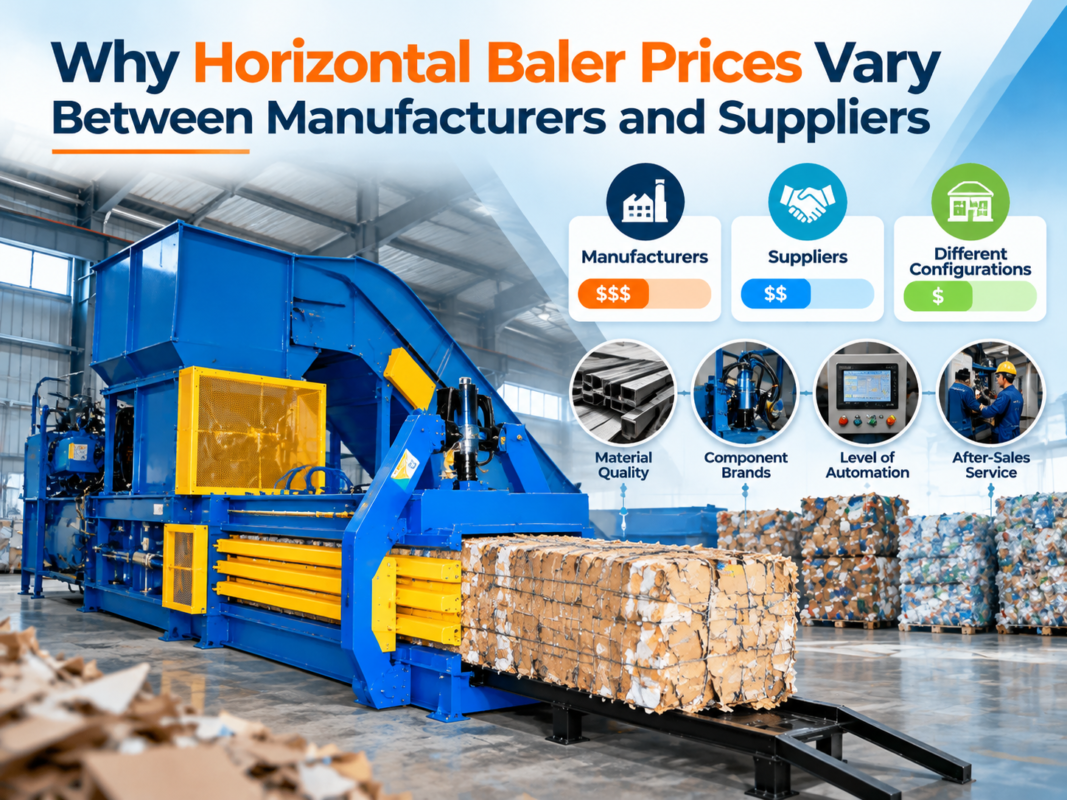
The quality of hydraulic components and electrical systems also dictates the price point. HARSLE utilizes premium-grade hydraulic pumps, valves, and PLC (Programmable Logic Controller) systems to ensure reliability. Cheaper alternatives may use lower-grade components that fail under the heat and stress of industrial environments, leading to higher long-term maintenance costs that negate any initial savings.
Finally, the level of automation plays a critical role. Manual-tie balers are the most affordable but require more labor. Semi-automatic and fully automatic tying systems reduce the time an operator spends at the machine, increasing throughput. While these features increase the upfront cost, they significantly reduce the labor cost per bale, which is often the most expensive component of waste management over the machine’s lifespan.
Configuration Impact on Total Cost
Configuration options allow you to tailor a vertical baler to your specific waste stream. For example, if you are baling PET bottles or aluminum cans, you will need a machine with a liquid drainage system and specialized chamber reinforcements. These additions are not standard on cardboard balers and will increase the total investment cost.
Safety configurations are another area where costs vary. Modern industrial standards require advanced safety interlocks, light curtains, and emergency stop systems. While some of these are mandatory, premium safety packages that include remote monitoring or diagnostic alerts can add to the price. Investing in these features is often a wise choice, as they prevent costly downtime and protect your workforce from injury.
The power supply configuration also impacts the price. While standard 220V single-phase power is common for smaller units, industrial-grade balers often require 3-phase power. If your facility does not have the necessary electrical infrastructure, the cost of upgrading your power supply or installing a transformer must be factored into your total project budget, even if it isn’t part of the machine’s purchase price.
Lastly, consider the footprint and loading configuration. Front-loading versus rear-loading or conveyor-fed systems change the complexity of the machine’s design. A conveyor-fed baler requires a more robust hopper and integrated control systems to synchronize the feed rate with the compaction cycle. These integrated systems are more expensive but are essential for high-volume facilities looking to automate their waste handling process.
Hidden Costs: Beyond the Sticker Price
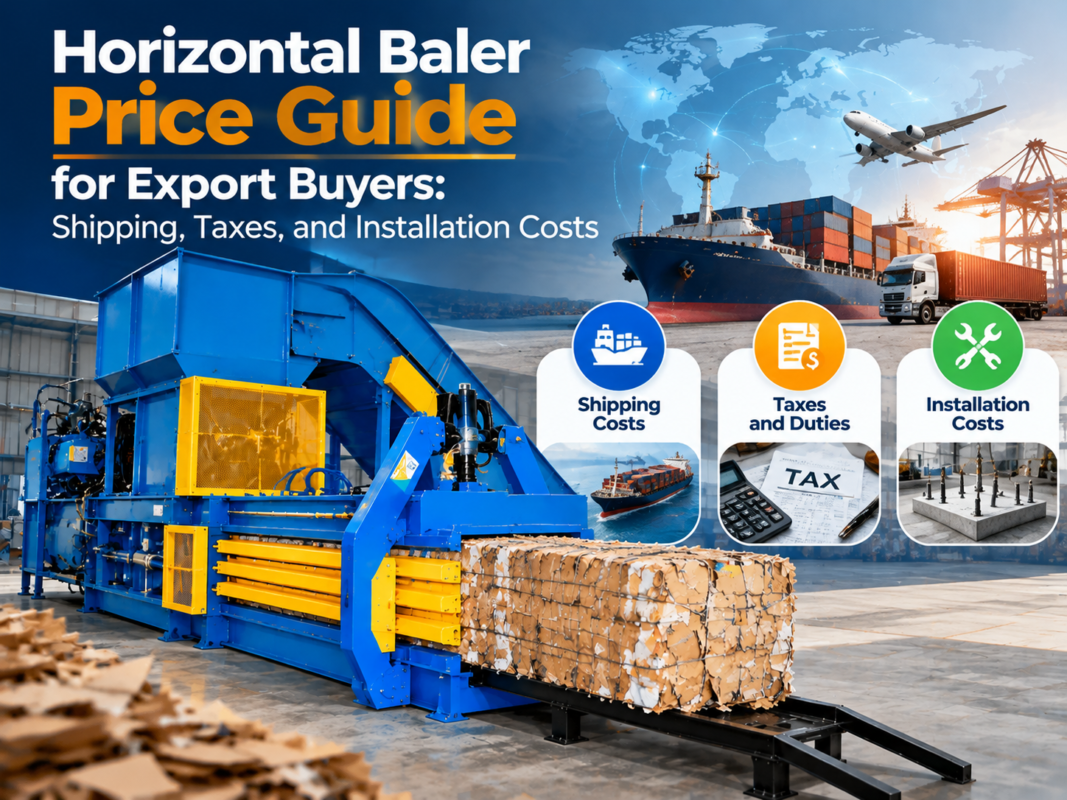
When evaluating the Complete Vertical Baler Price Industrial Packaging Waste Management, many buyers overlook the “hidden” costs of ownership. Shipping and freight are the most immediate, especially for heavy industrial machinery. Because these units are large and heavy, shipping can range from a few hundred to several thousand dollars depending on the distance from the manufacturer or distributor.
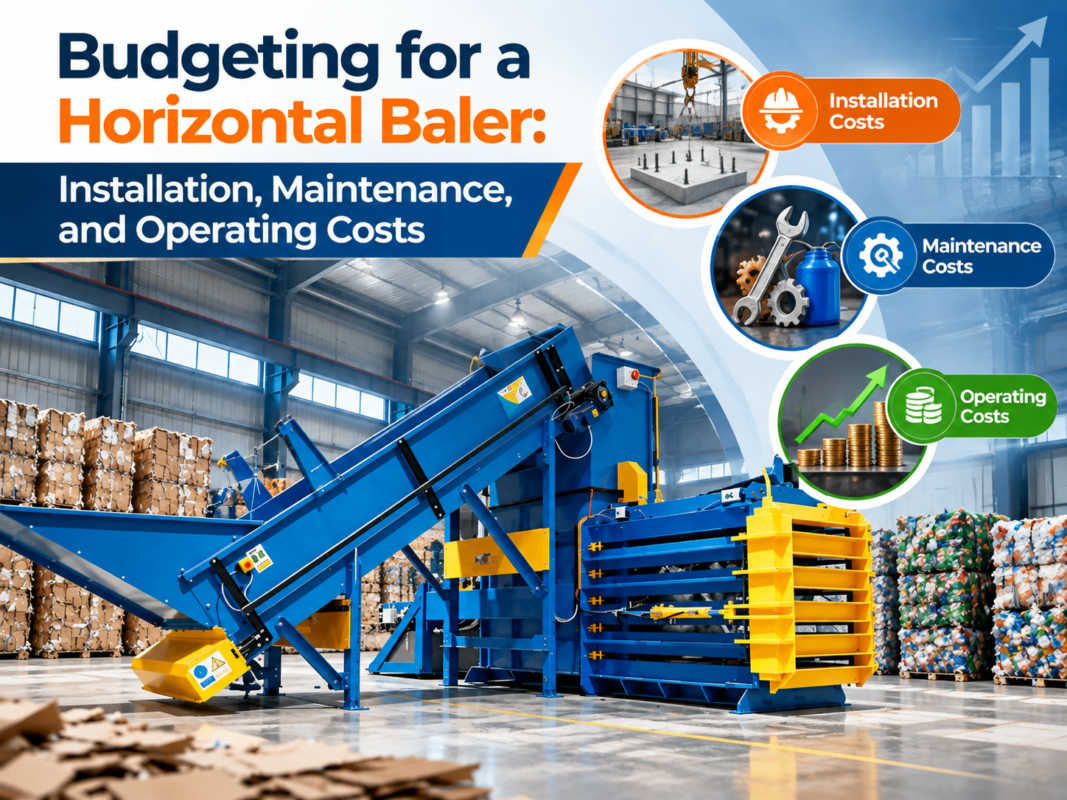
Installation and commissioning are also critical. While some smaller units are “plug and play,” industrial balers often require professional installation to ensure the machine is properly leveled, anchored, and calibrated. Improper installation can lead to structural damage or uneven wear on the hydraulic seals, which will void your warranty and lead to expensive repairs down the line.
Maintenance consumables are another ongoing cost. You will need to budget for hydraulic oil changes, replacement of wire ties or strapping, and periodic inspections of the door hinges and latching mechanisms. Establishing a preventative maintenance contract with a qualified service provider is highly recommended to ensure the machine operates at peak efficiency and to catch minor issues before they become catastrophic failures.
Finally, consider the cost of operator training. While a baler may seem simple, operating it safely and efficiently requires knowledge of the machine’s specific controls and safety protocols. Investing in professional training for your staff reduces the risk of accidents and ensures that the machine is used in a way that maximizes bale density and minimizes cycle times, ultimately protecting your investment.
ROI Calculation: Justifying the Investment
To calculate the Return on Investment (ROI) for a vertical baler, you must first determine your current waste disposal costs. This includes the cost of dumpster rentals, the frequency of waste pickups, and the tipping fees charged by landfills. By baling your waste, you can often switch from frequent, expensive pickups of loose, bulky waste to infrequent pickups of dense, high-value bales.
Next, evaluate the potential revenue from your baled materials. Many recycling centers pay for high-quality, clean bales of cardboard, plastic, or metal. By consolidating your waste into uniform bales, you transform a disposal cost into a potential revenue stream. The difference between the cost of disposal and the revenue from recycling is your primary monthly savings.
Factor in the labor savings. If your employees currently spend hours breaking down boxes or managing loose waste, a vertical baler can reclaim that time. Calculate the hourly rate of your staff and multiply it by the time saved per week. This labor efficiency gain is a significant contributor to the overall ROI of the machine.
Finally, consider the space savings. Loose waste takes up a massive amount of floor space in a warehouse. By compacting this waste, you free up valuable square footage that can be used for inventory, production, or other revenue-generating activities. When you add up the disposal savings, recycling revenue, labor efficiency, and space reclamation, most industrial vertical balers pay for themselves within 18 to 36 months.
Buying Advice: Selecting the Right HARSLE Baler
When selecting a vertical baler, start by conducting a waste audit. Measure the volume and type of waste your facility generates in a typical week. Do not just look at your current volume; consider your projected growth over the next five years. Buying a machine that is too small for your future needs will force you to upgrade prematurely, which is a costly mistake.
Consult with a HARSLE representative to discuss your specific application. Provide them with details about your material types, the space available for the machine, and your power supply. A professional consultant can help you choose the right model that balances performance with budget, ensuring you don’t overpay for features you don’t need while ensuring you don’t under-spec the machine for your workload.
Check the warranty and support structure. A machine is only as good as the support behind it. Ensure that the manufacturer offers a comprehensive warranty on structural components and hydraulic systems. Furthermore, verify the availability of spare parts. HARSLE is known for its robust supply chain, which ensures that if a part does fail, you can get a replacement quickly, minimizing downtime.
Finally, look for user-friendly features. A machine that is difficult to operate will be ignored or misused by staff. Look for intuitive control panels, easy-to-load chambers, and clear safety indicators. The easier the machine is to use, the more likely your team will be to maintain a consistent baling process, which is the key to achieving the best possible ROI.
FAQ : Foire aux questions
- What is the average lifespan of an industrial vertical baler? With proper maintenance, a high-quality vertical baler can last 10 to 15 years or more in an industrial environment.
- Can one baler handle multiple types of materials? Yes, most vertical balers can handle cardboard, plastic, and light metal, but you must ensure the machine is rated for the density of the materials you intend to process.
- How much space do I need for a vertical baler? You need enough space for the machine footprint plus clearance for the operator to load the material and for the door to swing open. Typically, a 10×10 foot area is sufficient for most standard units.
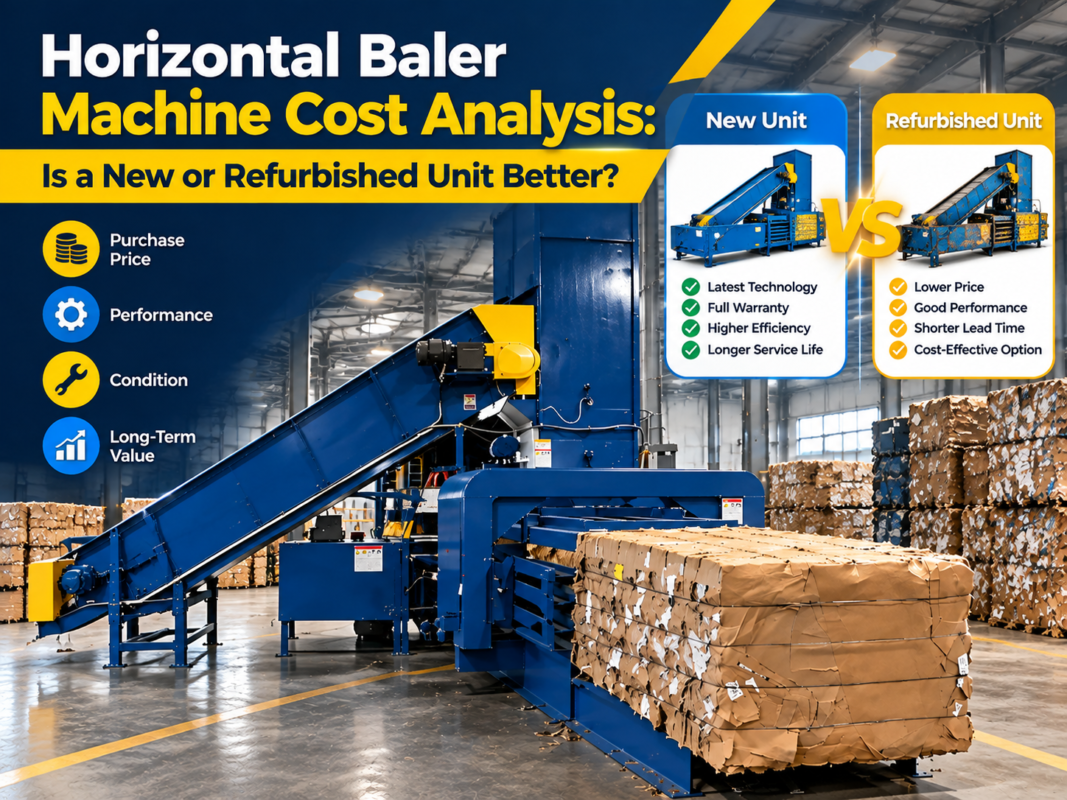
- Is it better to buy new or used? While used balers are cheaper, they come with unknown maintenance histories and lack modern safety features. For industrial applications, buying new from a reputable brand like HARSLE is recommended for reliability and warranty protection.
- How often should I perform maintenance? Basic checks should be done weekly, while a professional service inspection is recommended every 6 to 12 months, depending on the volume of use.