Vertical Baler Buying Guide: How to Choose a Machine Based on Budget

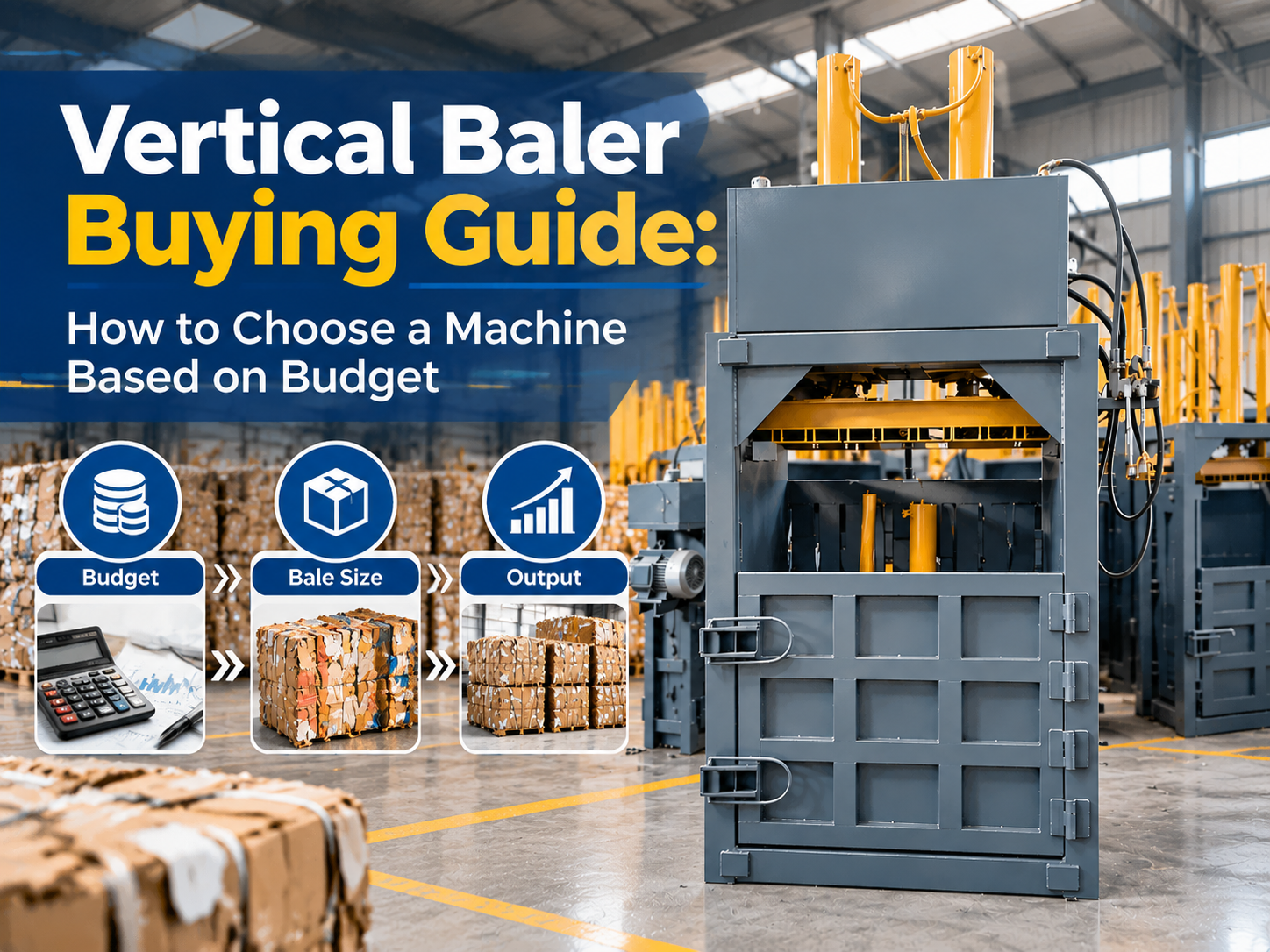
Price Range Overview: Understanding the Investment Landscape
When embarking on the journey of vertical baler buying, the first hurdle is understanding the vast spectrum of pricing. Vertical balers are not one-size-fits-all commodities; they are sophisticated pieces of industrial machinery designed to handle specific waste volumes and material types. Generally, entry-level manual vertical balers can start as low as $3,000 to $5,000, while heavy-duty, automated industrial units can exceed $30,000 or more depending on force capacity and integration features.
For small businesses or retail outlets with low-to-medium waste output, a budget-friendly, semi-automatic unit is often the starting point. These machines are designed for simplicity and space efficiency. As you move up the price ladder, you are paying for increased structural integrity, higher compaction ratios, and safety features that comply with stringent international standards. Understanding where your specific operational needs fall within this spectrum is the first step in effective budget allocation.
Mid-range balers, typically priced between $8,000 and $15,000, represent the sweet spot for many mid-sized manufacturing facilities. These machines offer a balance of durability and throughput, often featuring hydraulic systems that require less frequent maintenance than entry-level models. They are built to withstand the rigors of daily use, making them a reliable workhorse for companies that generate consistent streams of cardboard, plastic, or light metal scrap.
At the high end of the market, you find heavy-duty industrial balers. These machines are engineered for high-volume environments where downtime is not an option. When you invest in this category, you are paying for advanced automation, such as automatic bale ejection, programmable logic controllers (PLCs), and reinforced steel chambers. While the initial capital expenditure is higher, the long-term operational efficiency often justifies the cost for large-scale industrial operations.
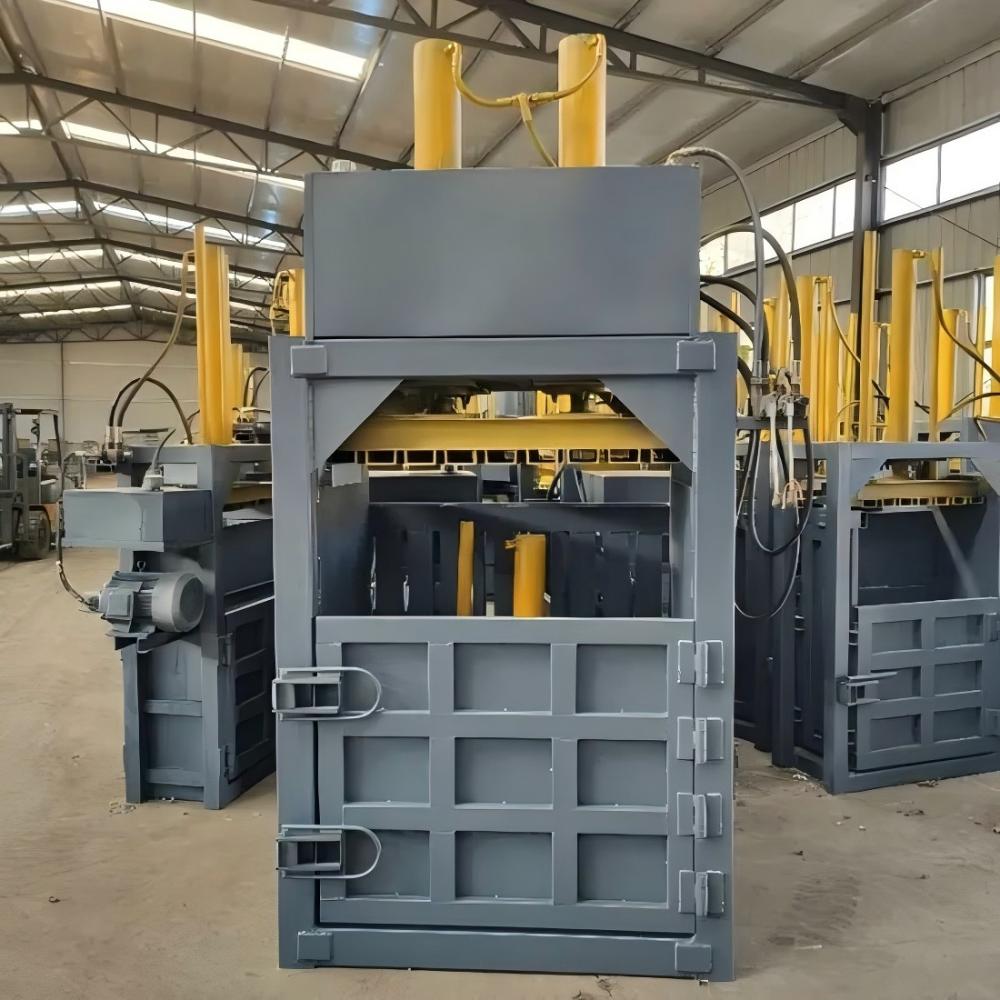
Main Cost Drivers: What Influences the Price Tag?
Several technical specifications act as primary cost drivers in the vertical baler market. The most significant factor is the compaction force, measured in tons. A machine capable of exerting 50 tons of force will naturally be more expensive than one exerting 10 tons, as it requires a more robust hydraulic pump, thicker steel plating, and a more powerful motor to handle the increased stress.
The size of the feed opening and the chamber dimensions also play a critical role in pricing. Larger chambers allow for the processing of bulky materials without the need for pre-cutting, which saves labor time. However, larger chambers require more steel and more complex structural reinforcement to prevent bowing or deformation under pressure. Consequently, as the physical footprint and capacity of the machine increase, so does the manufacturing cost.
Automation levels represent another major cost variable. A basic machine requires manual operation for every cycle, including door locking and bale tying. Conversely, premium models may feature automatic bale ejection systems, hydraulic door locks, and integrated sensors that detect when the chamber is full. These features reduce labor costs and improve safety, but they add significant complexity and cost to the initial purchase price.
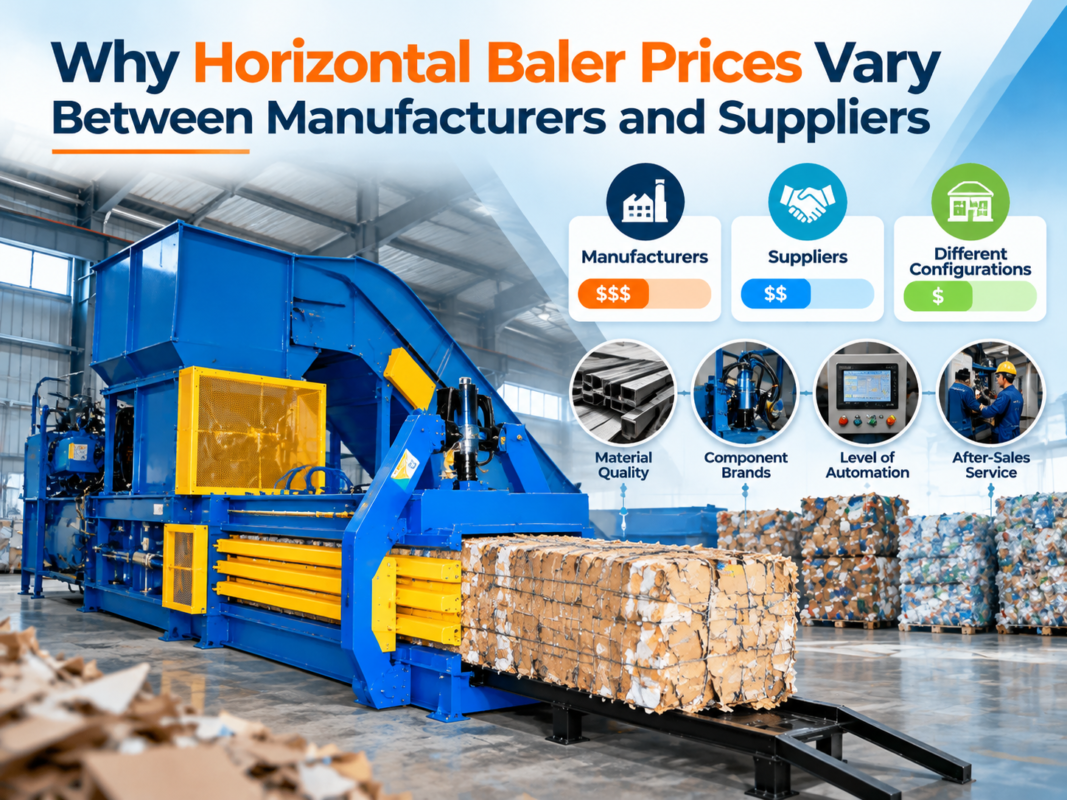
Finally, the quality of components—specifically the hydraulic cylinders, seals, and electrical control panels—dictates the price. HARSLE and other reputable manufacturers prioritize high-grade components that ensure longevity. Choosing a machine with cheaper, off-brand hydraulics might save money upfront, but it often leads to higher maintenance costs and frequent downtime, which can quickly erode any initial savings.
Configuration Impact: Tailoring the Machine to Your Needs
When you are looking at vertical baler buying and choosing a machine based on budget, you must consider how configuration impacts your long-term costs. A machine that is under-configured for your waste volume will fail prematurely, while an over-configured machine represents wasted capital. You need to match the machine’s duty cycle to your daily waste output to ensure optimal performance.
Consider the material type you are processing. If you are baling cardboard, a standard configuration is usually sufficient. However, if you are dealing with PET bottles, aluminum cans, or light metal scraps, you may need a baler with specialized cross-ram designs or higher compaction ratios. These specialized configurations often come with a premium price tag but are essential for achieving the density required for profitable recycling.
Safety configurations are non-negotiable but can vary in sophistication. Basic safety interlocks are standard, but advanced systems include light curtains, emergency stop zones, and remote monitoring capabilities. While these features increase the cost, they also protect your workforce and reduce liability, which is a critical consideration for any industrial facility manager.
Integration with existing workflows is another configuration factor. Does the baler need to be fed by a conveyor system? Does it need to be positioned in a specific area with limited power access? Customizing the machine to fit your facility’s layout can add to the cost, but it significantly improves operational efficiency. It is often better to invest in a slightly more expensive, well-integrated machine than to deal with the logistical headaches of a poorly placed unit.
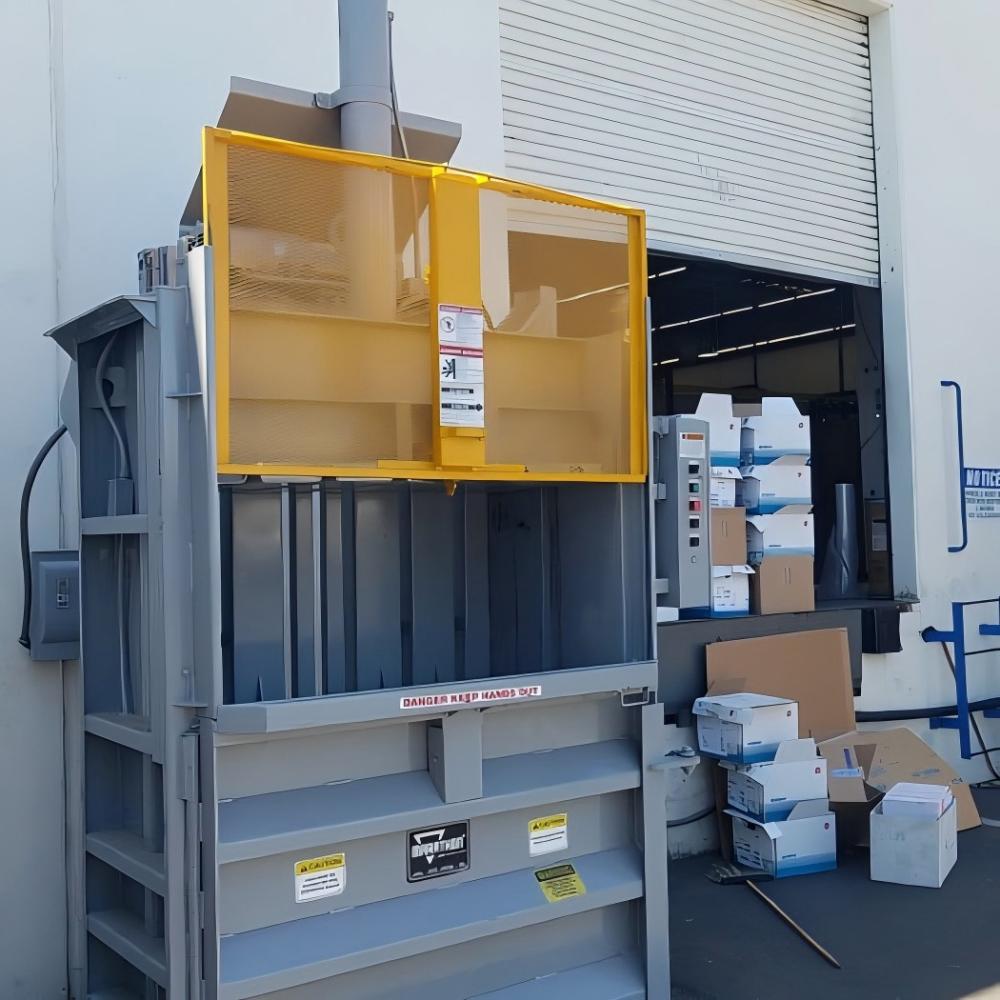
Hidden Costs: Beyond the Initial Purchase Price
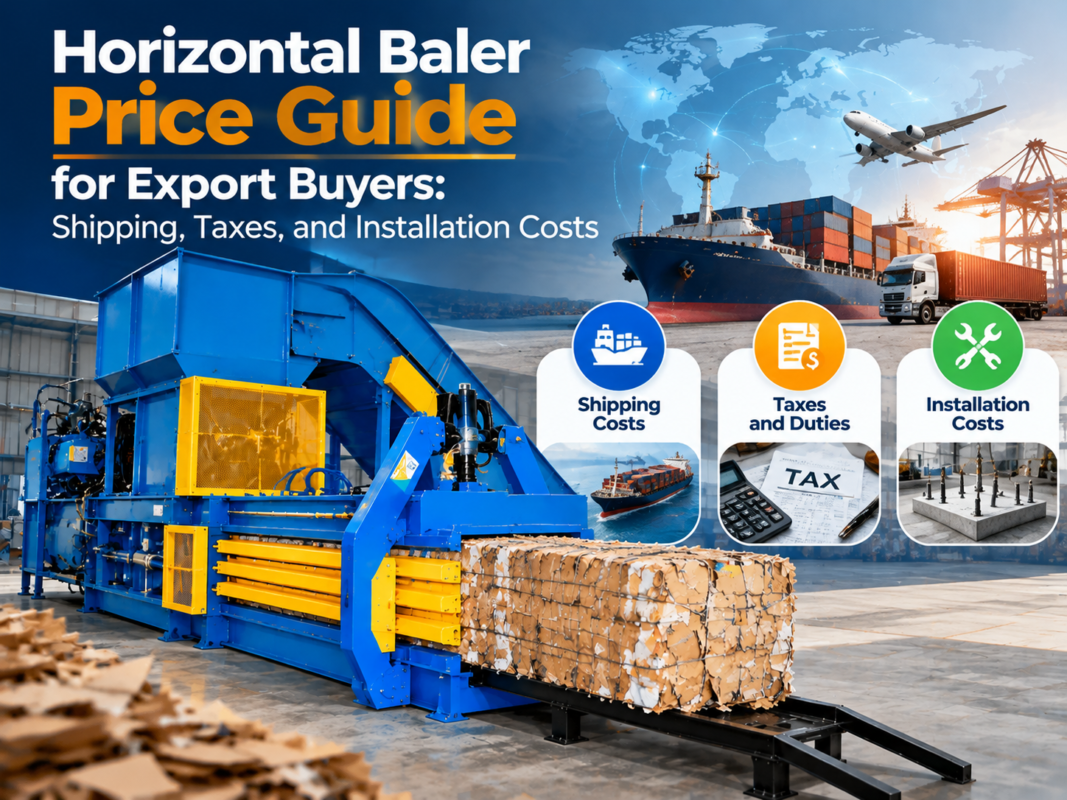
Many buyers make the mistake of focusing solely on the sticker price. When calculating your budget, you must account for hidden costs such as shipping, installation, and site preparation. Heavy industrial machinery often requires specialized freight and rigging services to move into position, which can add thousands of dollars to the final bill.
Installation is another area where costs can accumulate. Beyond the physical placement, you may need to upgrade your electrical infrastructure to support the motor’s power requirements. If the machine requires a 3-phase power supply and your facility only has single-phase, the cost of an electrical upgrade can be substantial. Always consult with an electrician before finalizing your purchase.
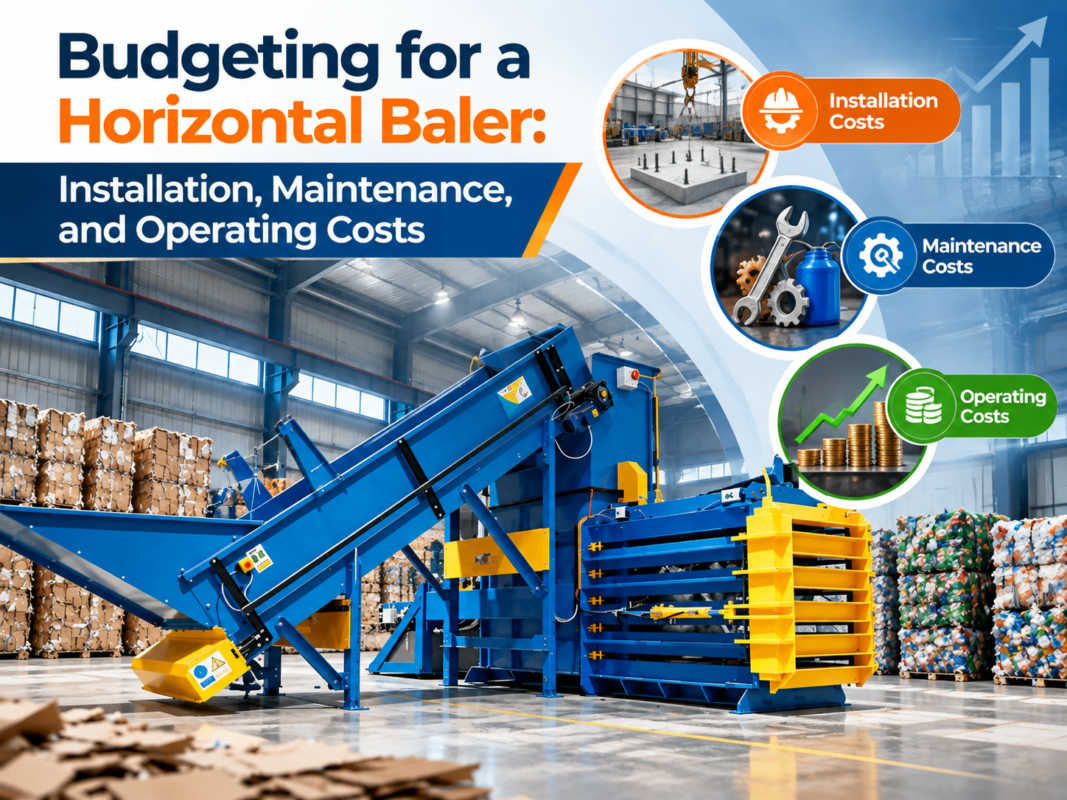
Maintenance and consumables are ongoing costs that must be factored into your budget. Hydraulic oil, replacement seals, and baling wire are recurring expenses. Furthermore, you should budget for an annual service contract to ensure the machine remains in peak condition. Neglecting maintenance is the fastest way to turn a cost-effective purchase into a financial burden.
Training costs should also be considered. Your staff needs to be properly trained to operate the machine safely and efficiently. While some manufacturers provide training as part of the package, others may charge for on-site instruction. Investing in proper training reduces the risk of accidents and machine damage, making it a vital part of your total cost of ownership calculation.
ROI Calculation: Justifying the Investment
To justify your vertical baler buying decision, you must calculate the Return on Investment (ROI). Start by analyzing your current waste disposal costs. If you are paying for frequent dumpster pickups for loose cardboard or plastic, you are essentially paying to haul air. A baler allows you to consolidate this waste into dense, marketable bales, which can often be sold to recycling centers.
Calculate the labor savings. How much time does your staff spend breaking down boxes or managing waste piles? A vertical baler streamlines this process, freeing up your team to focus on core production tasks. By reducing the time spent on waste management, you are directly increasing the productivity of your workforce, which is a significant financial gain.
Consider the potential revenue from baled materials. Depending on the market, compressed cardboard and plastic can have a commodity value. By selling these materials rather than paying to have them hauled away, you turn a cost center into a potential revenue stream. Even if the revenue is modest, it helps offset the cost of the machine over time.
Finally, factor in the reduction in space requirements. Loose waste takes up valuable floor space that could be used for production or storage. By compacting waste, you reclaim this space, which has an inherent value to your business. When you combine reduced disposal fees, labor savings, potential material revenue, and reclaimed floor space, the ROI of a well-chosen vertical baler often becomes clear within 12 to 24 months.
Buying Advice: Steps to a Successful Purchase
When you are ready to commit, follow a structured approach to ensure you get the best value for your budget. Start by conducting a thorough waste audit. Measure the volume and type of waste you generate daily. This data is the foundation of your requirements and will prevent you from buying a machine that is either too small or unnecessarily large.
Request quotes from multiple reputable manufacturers. Don’t just look at the price; compare the technical specifications, warranty terms, and after-sales support. A lower price from a manufacturer with poor support can end up being much more expensive in the long run. Look for companies like HARSLE that offer comprehensive documentation and responsive customer service.
Ask for references. Speak to other businesses in your industry that have purchased the same model. Ask them about their experience with the machine’s reliability, the ease of use, and the quality of the support they received. Real-world feedback is often more valuable than any marketing brochure.
Finally, review the warranty and service agreement carefully. Understand what is covered and what is not. A robust warranty is a sign of a manufacturer’s confidence in their product. Ensure that spare parts are readily available and that there is a clear process for requesting technical assistance if something goes wrong.
FAQ: Common Questions About Vertical Baler Buying
- Q: How do I know what size baler I need? A: Base your decision on the volume of waste generated per day and the physical size of the material. A waste audit is the best way to determine the required chamber size and compaction force.
- Q: Is it better to buy new or used? A: While used balers are cheaper, they come with risks regarding wear and tear and lack of warranty. For critical operations, new machines are recommended for reliability and safety compliance.
- Q: How often does a vertical baler need maintenance? A: Generally, a visual inspection should be done weekly, with a professional service check every 6 to 12 months, depending on usage intensity.
- Q: Can one baler handle multiple types of waste? A: Yes, many vertical balers are versatile, but you must ensure the compaction force is sufficient for the densest material you plan to process.
- Q: What safety features should I look for? A: Look for CE-certified machines with emergency stops, door interlocks, and two-hand operation controls to ensure maximum operator safety.