Scrap Metal Baler Cost Breakdown: Frame, Hydraulic, and Control System

Price Range Overview
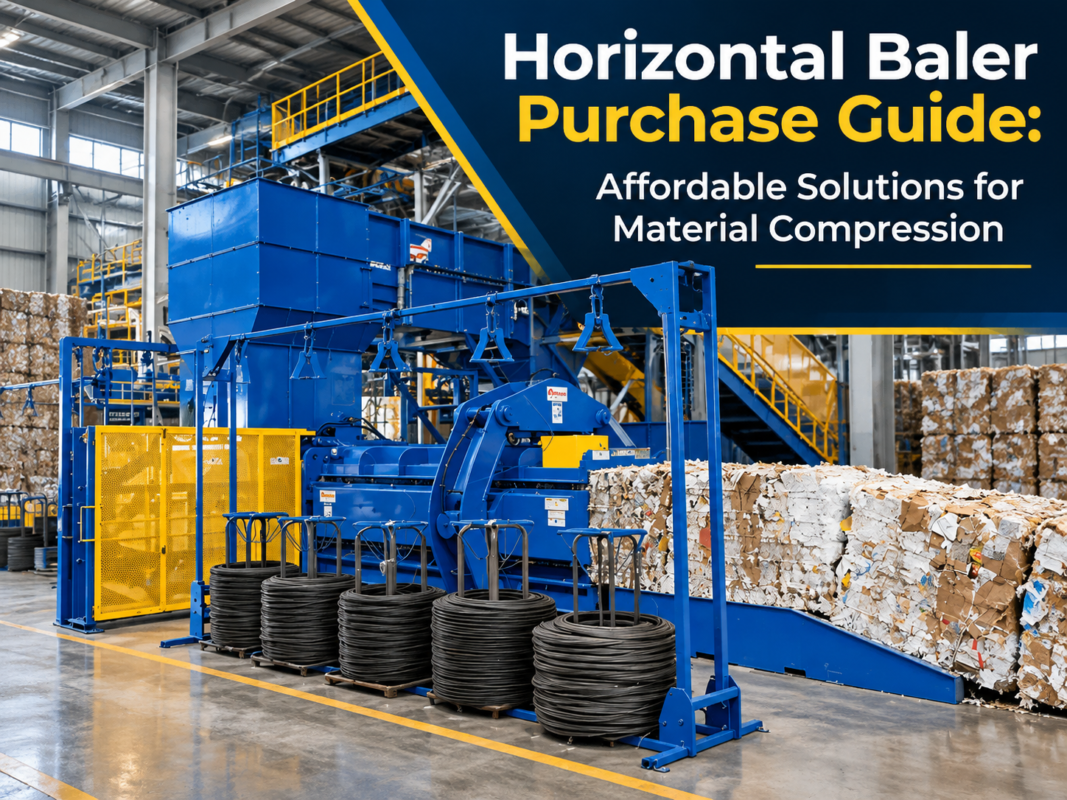
Investing in a scrap metal baler is a significant capital expenditure for any recycling facility, manufacturing plant, or demolition operation. Understanding the Scrap Metal Baler Cost Breakdown: Frame, Hydraulic, Control System is essential for making an informed purchasing decision. Generally, entry-level vertical balers may start in the range of $5,000 to $15,000, while high-capacity, fully automated horizontal balers can range from $50,000 to well over $250,000 depending on throughput requirements and material density.
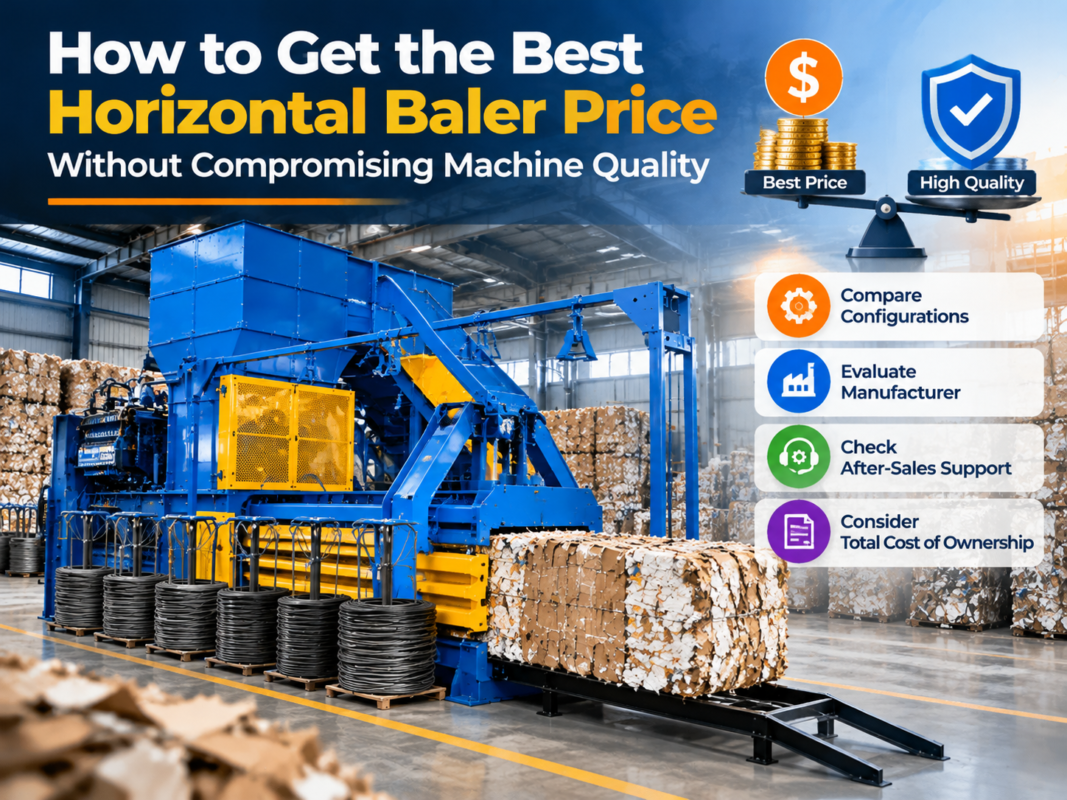
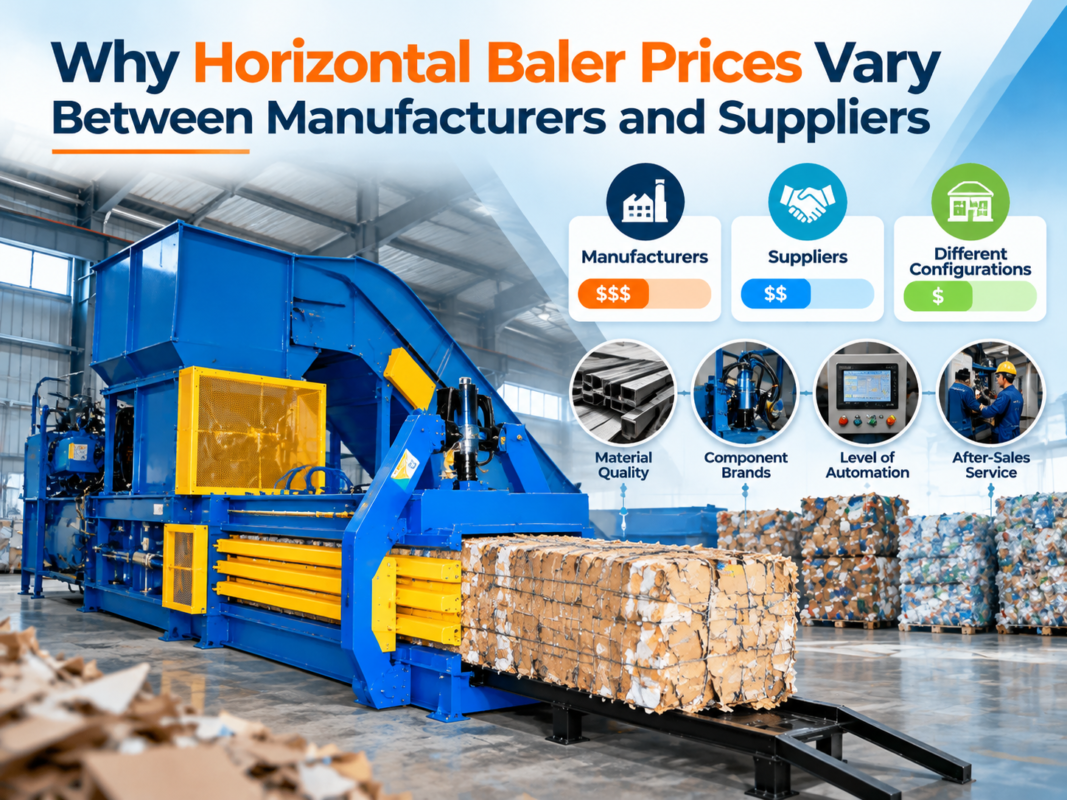
The price variance is not arbitrary; it is a direct reflection of the engineering quality and the raw materials used in construction. When evaluating HARSLE machinery, buyers must look beyond the sticker price to understand the total cost of ownership. A machine that appears cheaper upfront often carries higher maintenance costs due to inferior steel grades or less efficient hydraulic components that consume excessive electricity over time.
Market demand for recycled metals also influences pricing. As global demand for processed scrap increases, manufacturers like HARSLE invest more in R&D to improve cycle times and bale density. Consequently, the cost of these machines reflects the integration of advanced sensors, high-tensile steel alloys, and energy-efficient motors that were not standard in the industry a decade ago.
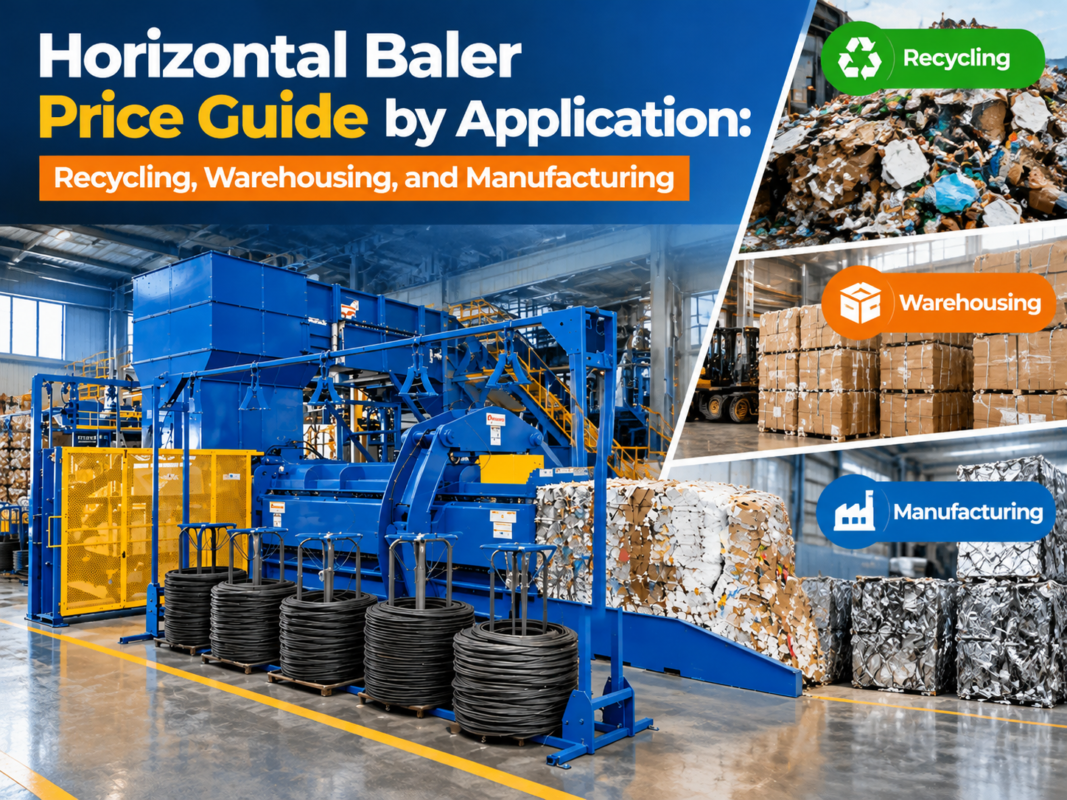
For small-to-medium enterprises, the focus is often on balancing initial capital outlay with operational longevity. It is crucial to categorize your needs: are you processing light aluminum cans, or are you compacting heavy steel offcuts? The cost breakdown changes significantly based on the structural requirements needed to handle these different material types without premature fatigue.

Main Cost Drivers
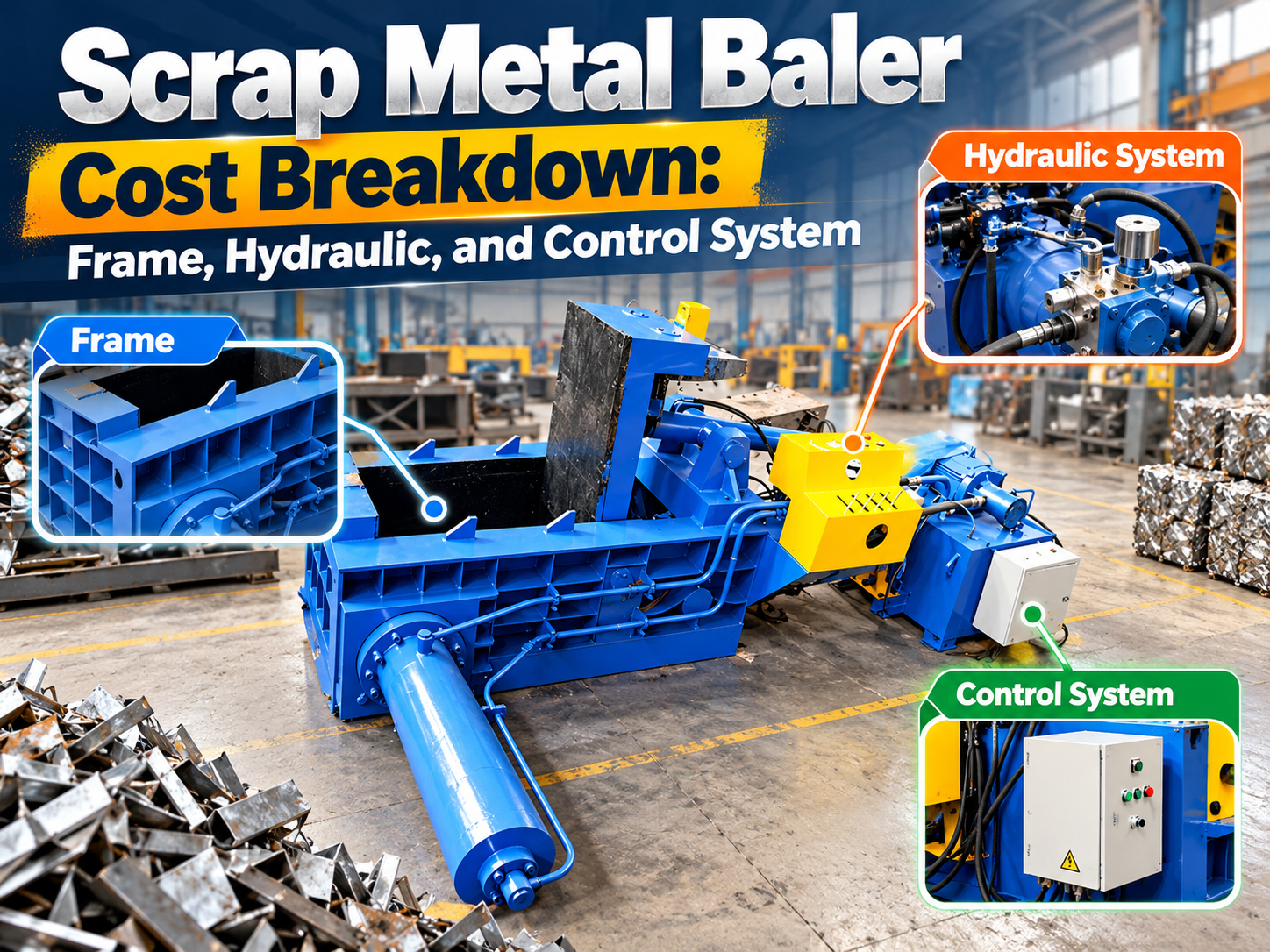
The primary cost driver in any scrap metal baler is the structural frame. The frame must withstand immense internal pressure during the compaction cycle. HARSLE utilizes high-grade structural steel, often reinforced with gussets and stress-relieved welding techniques to prevent cracking under load. The thickness of the steel plate, the quality of the welding, and the overall weight of the machine are the most reliable indicators of its durability and, consequently, its cost.
Hydraulic systems represent the second major cost component. This includes the hydraulic pump, cylinders, valves, and hoses. High-performance balers use variable displacement pumps that adjust flow based on demand, reducing energy consumption. Cheaper systems use fixed-displacement pumps that run at full capacity constantly, leading to heat buildup, oil degradation, and higher electricity bills. Investing in premium hydraulic components ensures faster cycle times and longer intervals between service appointments.
The control system acts as the brain of the baler. Modern HARSLE balers incorporate Programmable Logic Controllers (PLCs) that monitor system pressure, bale size, and safety interlocks. A sophisticated control system allows for remote diagnostics, automated cycle initiation, and integration with conveyor systems. While these electronics add to the initial cost, they significantly reduce labor costs and prevent catastrophic machine failures by stopping the cycle if an anomaly is detected.
Finally, the labor and engineering hours required for assembly and testing contribute to the final price. A machine that has been rigorously tested under load at the factory will cost more than a unit that is shipped directly from the assembly line. HARSLE prioritizes quality control, ensuring that every hydraulic seal and electrical connection is verified, which protects the buyer from “infant mortality” failures common in lower-cost, mass-produced alternatives.
Configuration Impact
Configuration choices significantly alter the Scrap Metal Baler Cost Breakdown: Frame, Hydraulic, Control System. For instance, choosing a semi-automatic baler versus a fully automatic one changes the hydraulic complexity. Fully automatic machines require additional cylinders for bale ejection, wire tying, and door locking mechanisms. Each of these additions requires its own hydraulic circuit and control logic, driving up the price but drastically increasing throughput.
Material-specific configurations also impact costs. A baler designed for copper or brass requires different cylinder bore sizes and pressure settings compared to one designed for light-gauge steel. If you require a machine that can handle mixed scrap, you may need a higher-pressure hydraulic system and a reinforced frame to prevent deformation. These custom engineering requirements are reflected in the final quote provided by HARSLE.
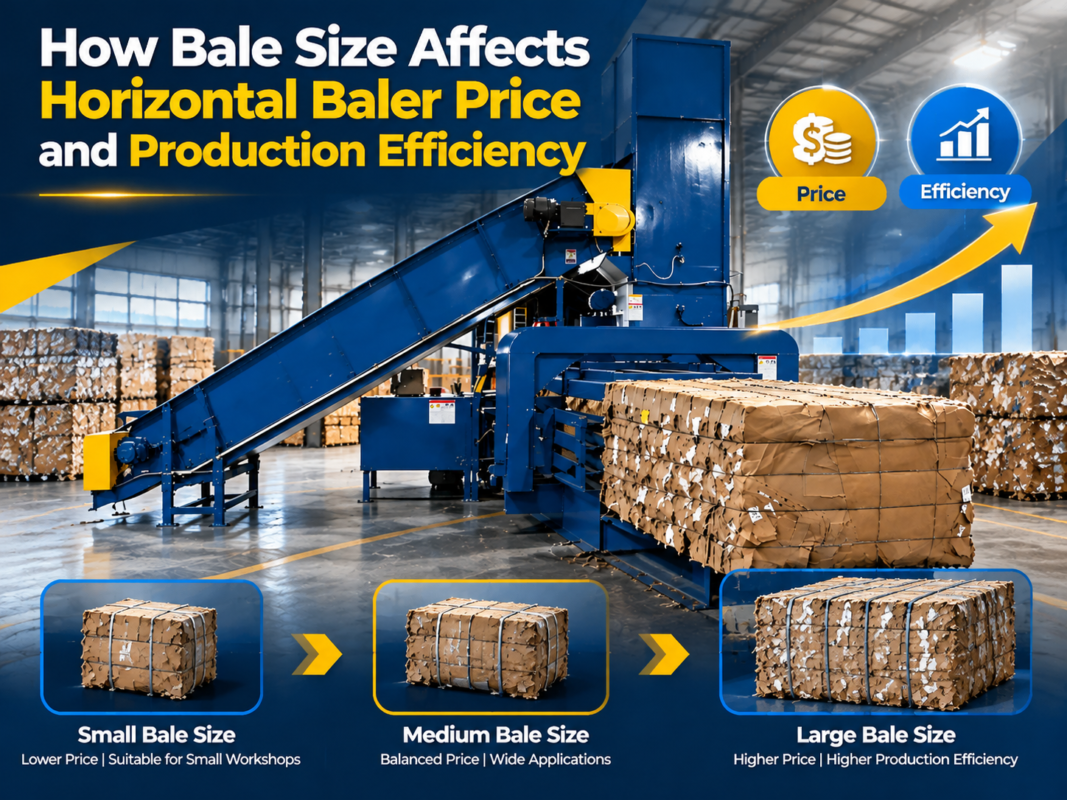
The size of the feed opening and the chamber volume are also critical. Larger chambers require more steel for the frame and more powerful hydraulic cylinders to move the ram across a wider area. While a larger machine might seem like an unnecessary expense, it often reduces the need for pre-processing (like cutting or shredding), which can save money in the long run by streamlining your workflow.
Integration options, such as hopper extensions, conveyor belts, and bale discharge chutes, are often treated as add-ons. However, they are essential for industrial efficiency. When configuring your HARSLE baler, consider the total system cost rather than just the baler unit. A well-integrated system reduces manual handling, which is a major hidden cost in scrap processing operations.
Hidden Costs
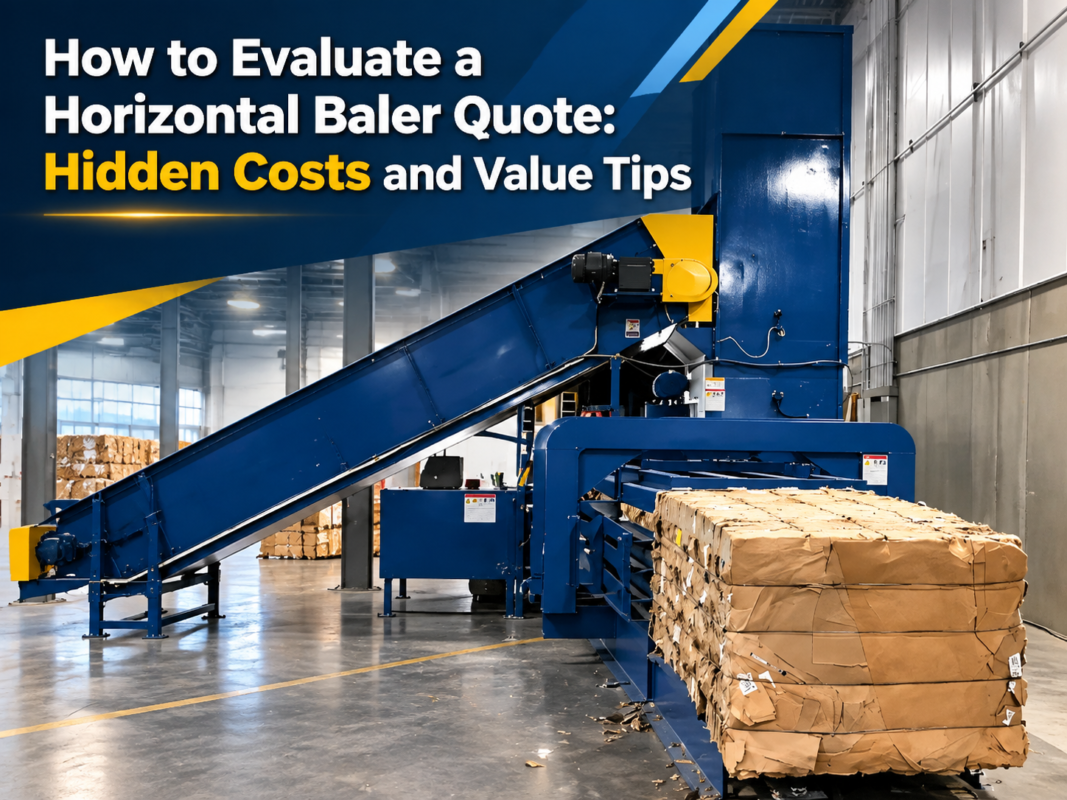
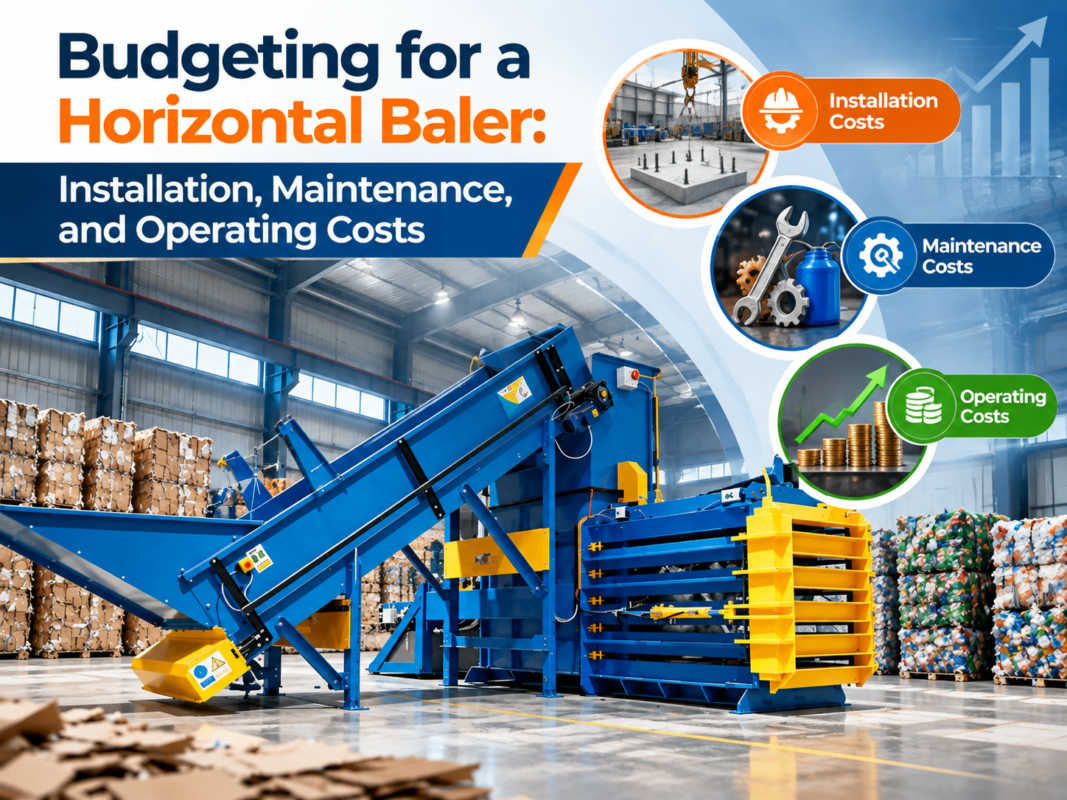
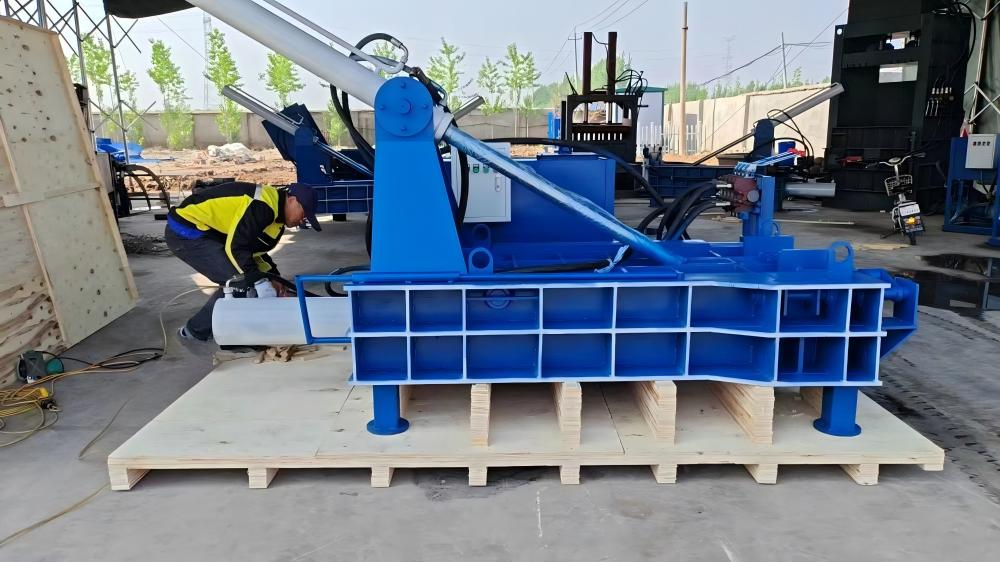
When analyzing the Scrap Metal Baler Cost Breakdown: Frame, Hydraulic, Control System, many buyers overlook the “hidden” costs of installation and site preparation. Industrial balers are heavy and often require a reinforced concrete pad to prevent shifting during operation. Furthermore, electrical upgrades—such as installing a dedicated high-voltage circuit or a transformer—can add thousands to the project budget.
Maintenance is another significant hidden cost. Hydraulic oil, filters, and wear plates for the ram need to be replaced periodically. If you choose a machine with proprietary parts that are difficult to source, you will be locked into expensive OEM service contracts. HARSLE designs its machines with industry-standard components where possible, making it easier for local technicians to perform routine maintenance and reducing downtime.
Energy consumption is a long-term hidden cost that is often ignored during the purchase phase. A baler that runs inefficiently can cost thousands of dollars extra in electricity over its lifespan. By choosing a system with energy-efficient hydraulic pumps and smart start-stop technology, you can offset the higher initial purchase price within a few years of operation.
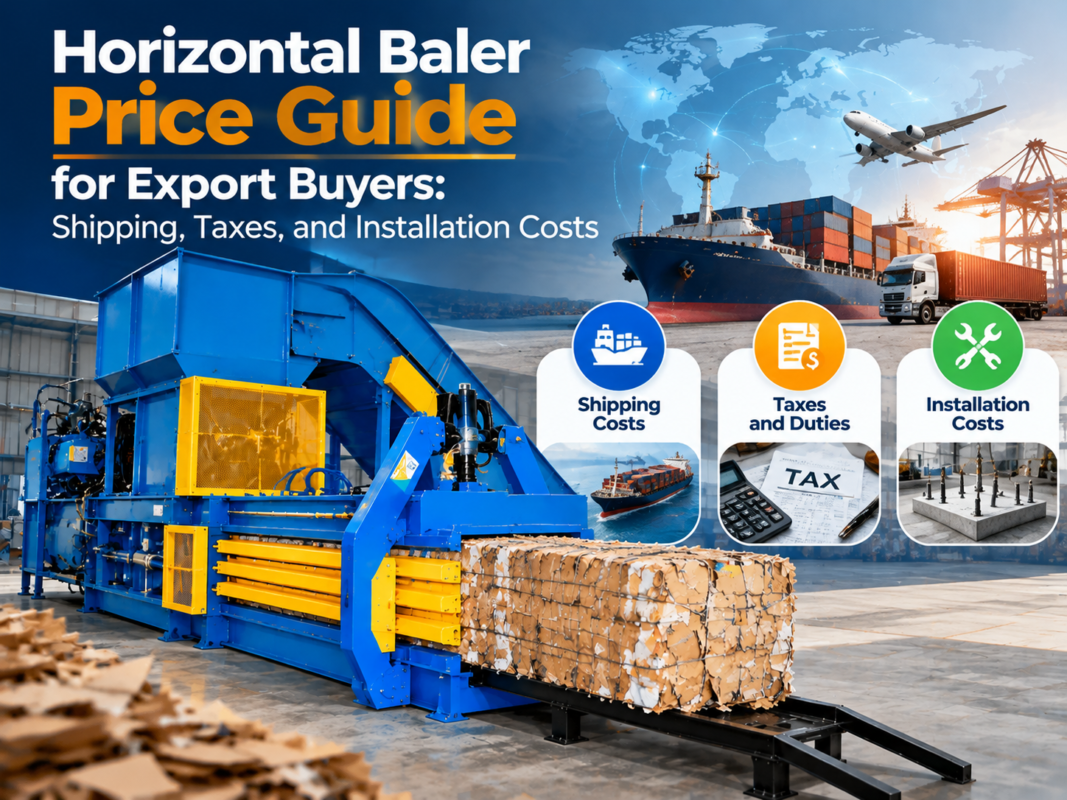
Shipping and logistics should also be factored in. Because these machines are massive, freight costs can be substantial, especially for international shipments. It is important to clarify whether the quote includes “DDP” (Delivered Duty Paid) or “FOB” (Free on Board) terms. Understanding these logistics prevents unexpected costs at the port of entry or during the final mile of delivery to your facility.
ROI Calculation
To calculate the Return on Investment (ROI) for a scrap metal baler, you must look at the increase in the value of your scrap. Baled metal is significantly more valuable than loose scrap because it is easier to transport, store, and melt down. By compacting your waste, you can often negotiate better pricing with scrap dealers and reduce your logistics costs by maximizing the weight per truckload.
Labor savings are another key component of ROI. A manual baling process is slow and labor-intensive. An automated HARSLE baler can reduce the number of man-hours required to process a ton of scrap by 50% or more. When you multiply these savings by your hourly labor rate, the machine often pays for itself in under 24 months, depending on the volume of material processed.
Space optimization is a less obvious but equally important ROI factor. Loose scrap takes up a massive amount of floor space. By baling your scrap, you reclaim valuable square footage that can be used for production or storage. In high-rent industrial areas, the value of this reclaimed space can be quantified and added to the financial benefits of the baler.
Finally, consider the environmental and compliance benefits. Many regions have strict regulations regarding the storage and disposal of industrial waste. A baler helps you maintain a clean, organized facility, reducing the risk of fines and improving workplace safety. Fewer accidents and a cleaner environment lead to lower insurance premiums and higher employee morale, which are intangible but real contributors to your bottom line.
Buying Advice
When you are ready to purchase, start by defining your throughput requirements. Do not over-buy, but do not under-buy either. A machine that is constantly running at 100% capacity will experience accelerated wear on its frame and hydraulic seals. Aim for a machine that can handle your peak volume at 70-80% of its rated capacity to ensure longevity.
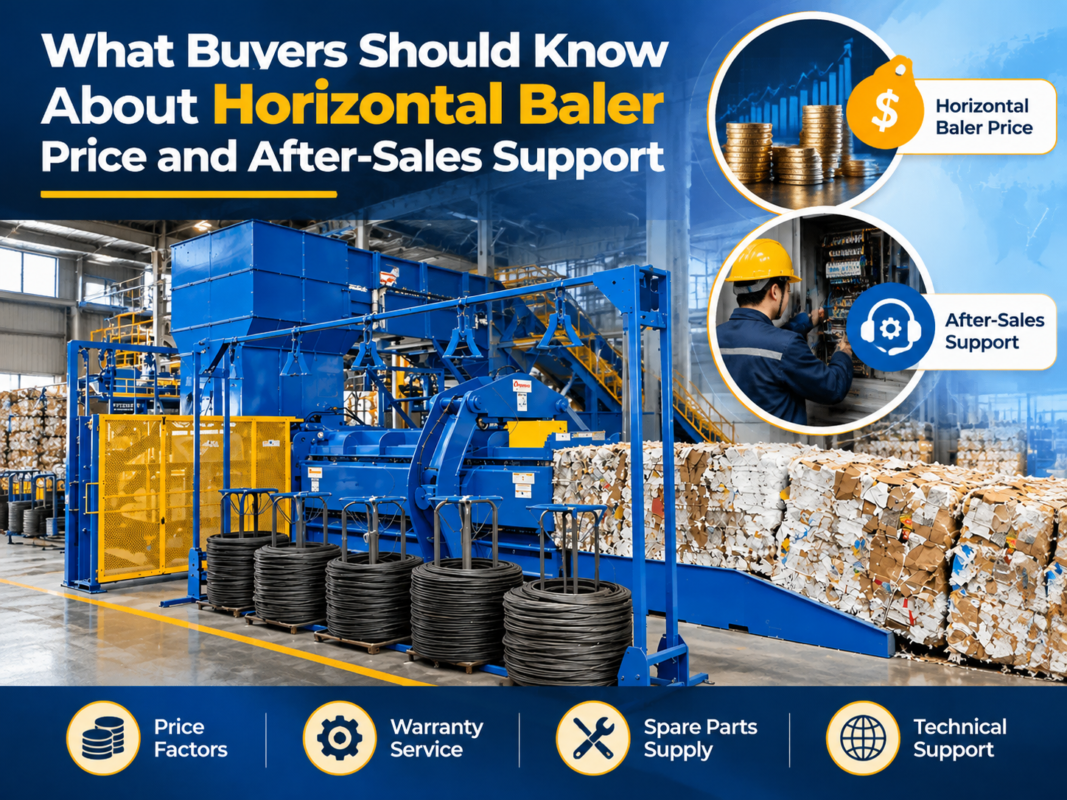
Always request a detailed breakdown of the hydraulic and control components. Ask the manufacturer: “What brand of PLC is used?” and “What is the maximum operating pressure of the hydraulic system?” Reputable manufacturers like HARSLE will be transparent about these specifications. If a seller is vague about the internal components, it is a red flag that they may be using low-quality parts to keep the price artificially low.
Consider the availability of spare parts. A machine is only as good as its support network. Before signing a contract, ask about the lead time for critical components like hydraulic cylinders or control boards. A machine that is down for three weeks waiting for a part from overseas is a liability, not an asset. HARSLE maintains a robust supply chain to ensure that parts are available when you need them.
Lastly, visit a facility that is currently using the model you are considering. Seeing the machine in action allows you to assess the noise level, the ease of operation, and the quality of the bales produced. Talk to the operators; they will tell you more about the machine’s reliability than any brochure ever could. A professional manufacturer will be happy to facilitate a site visit or provide references.
FAQ
- What is the typical lifespan of a HARSLE scrap metal baler? With proper maintenance, these machines are designed to last 10 to 20 years, depending on the intensity of use and the type of material processed.
- À quelle fréquence dois-je changer l'huile hydraulique ? Generally, hydraulic oil should be checked every 500 hours and changed annually, or more frequently if the machine operates in a dusty or high-heat environment.
- Can I use a standard power outlet for a scrap metal baler? No, most industrial balers require a 3-phase power supply. You will need to consult with an electrician to ensure your facility meets the power requirements before installation.
- What is the difference between a vertical and horizontal baler? Vertical balers are space-saving and ideal for lower volumes, while horizontal balers are designed for high-volume, continuous processing and are often integrated into automated production lines.
- Does HARSLE provide training for operators? Yes, HARSLE provides comprehensive manuals and, upon request, can offer remote or on-site training to ensure your team operates the equipment safely and efficiently.
- How do I know which baler size I need? Calculate your daily scrap volume in tons or cubic meters. Our sales team can help you select the right chamber size and ram force based on your specific material density and throughput goals.