How to Estimate Your Scrap Metal Baler Investment Before Buying: A Comprehensive Guide

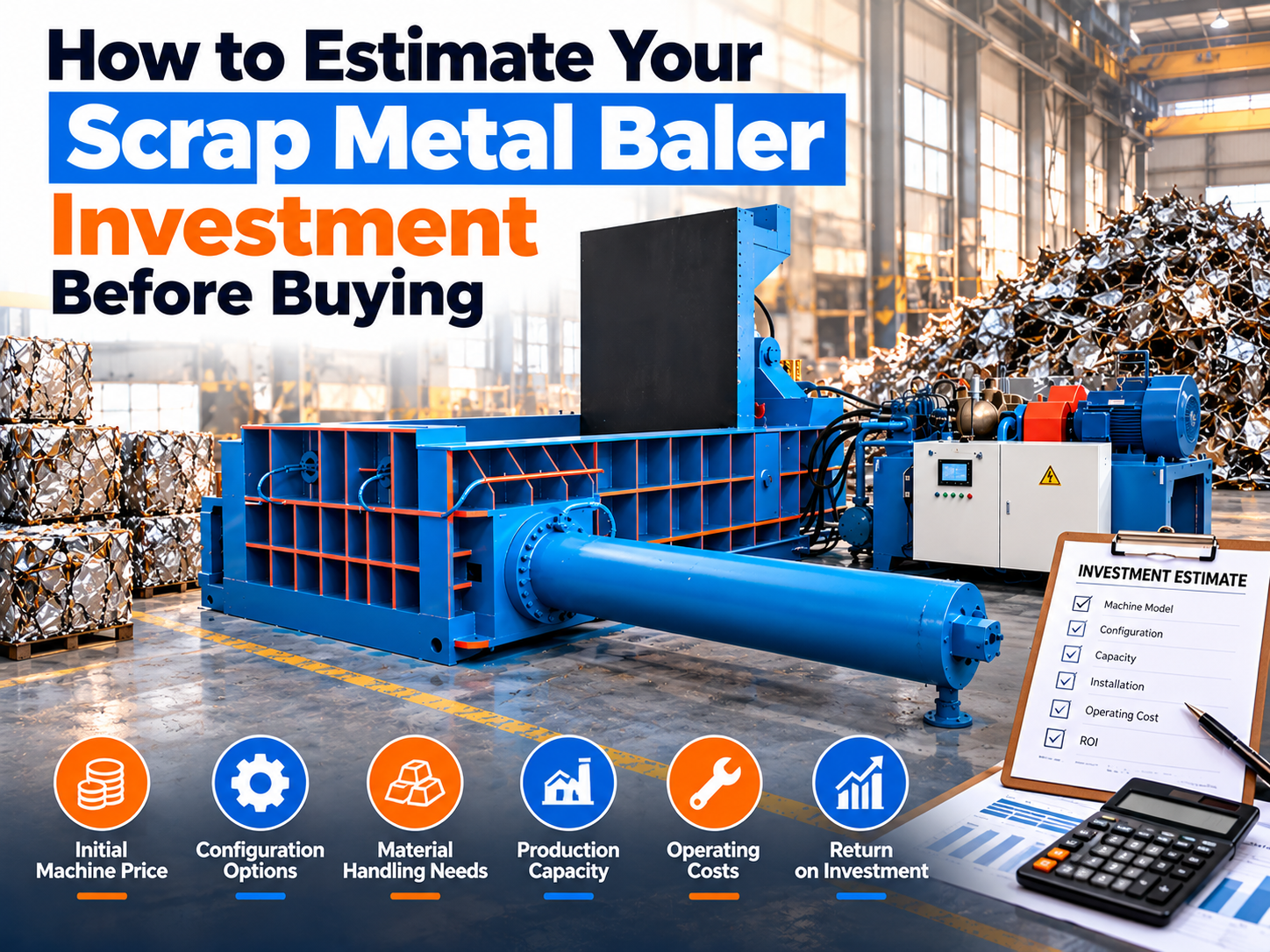
Price Range Overview
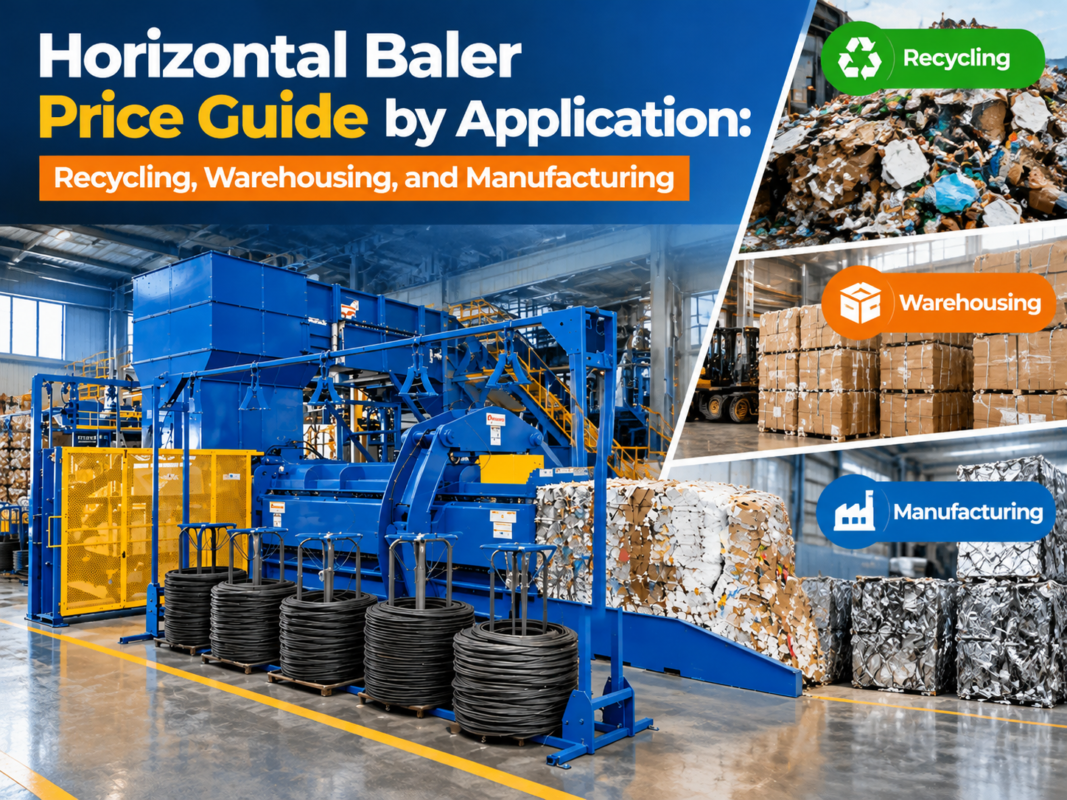
When you begin the process to estimate your scrap metal baler investment before buying, it is essential to understand that the market is segmented by capacity, automation level, and material density requirements. For small-scale operations or workshops, manual or semi-automatic vertical balers can range from $5,000 to $15,000. These machines are designed for low-volume throughput and are ideal for businesses that generate manageable amounts of light-gauge scrap.
Moving into the mid-range industrial sector, semi-automatic horizontal balers typically fall between $20,000 and $60,000. These units offer higher compression forces and are designed for continuous operation. They are the workhorses for medium-sized recycling centers and manufacturing plants that need to process significant volumes of aluminum, copper, or steel offcuts daily.
For high-volume industrial recycling facilities, fully automatic two-ram balers represent a significant capital expenditure, often ranging from $100,000 to over $300,000. These systems are engineered for 24/7 operation, featuring advanced PLC controls, high-speed hydraulic systems, and automated bale ejection. Understanding these tiers is the first step in aligning your budget with your operational reality.
It is important to note that these price ranges are estimates based on standard configurations. Customizations, such as specialized feed conveyors, bale wire tying systems, or reinforced wear plates, will push these figures toward the higher end of the spectrum. When you estimate your scrap metal baler investment before buying, always account for a 15-20% contingency fund for shipping, installation, and site preparation.
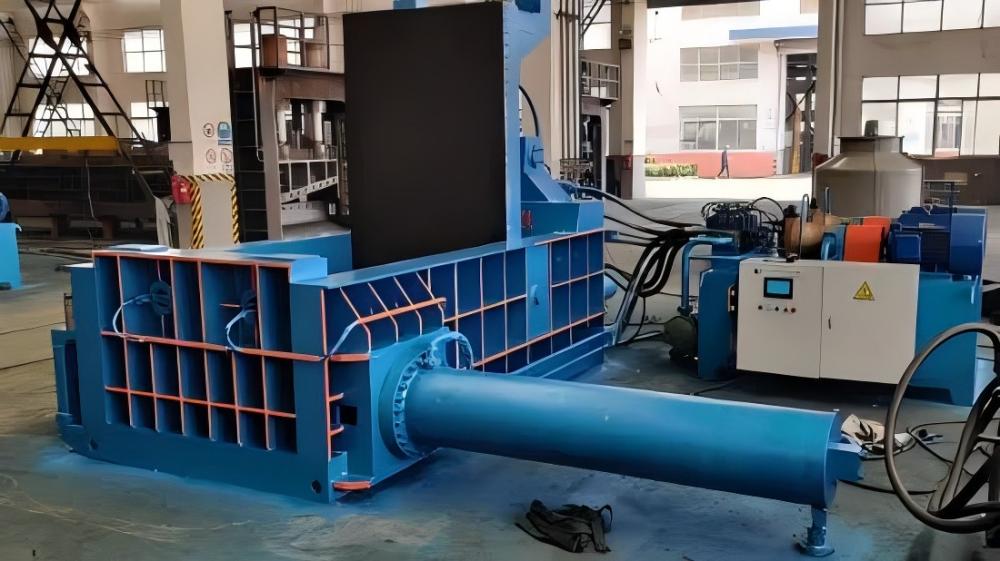
Main Cost Drivers
The primary driver of cost in any scrap metal baler is the hydraulic system’s power and the structural integrity of the compression chamber. A machine built to process heavy-gauge steel requires thicker steel plating and more robust hydraulic cylinders compared to one designed for aluminum cans or thin-gauge sheet metal. The higher the force (measured in tons), the more expensive the hydraulic pump and motor assembly will be.
Automation level is the second major cost factor. A manual baler requires significant labor hours for loading, tying, and ejecting. As you move toward semi-automatic and fully automatic systems, the cost of the machine increases due to the integration of sensors, PLC controllers, and automated tying mechanisms. However, this investment often pays for itself by drastically reducing labor costs over the machine’s lifecycle.
Material throughput requirements dictate the size of the feed opening and the cycle time of the ram. A baler that needs to process five tons of scrap per hour requires a larger hopper and a faster hydraulic cycle than a unit processing one ton per hour. Larger components, such as heavy-duty motors and high-capacity oil reservoirs, contribute to a higher initial purchase price but are necessary for maintaining productivity in high-demand environments.
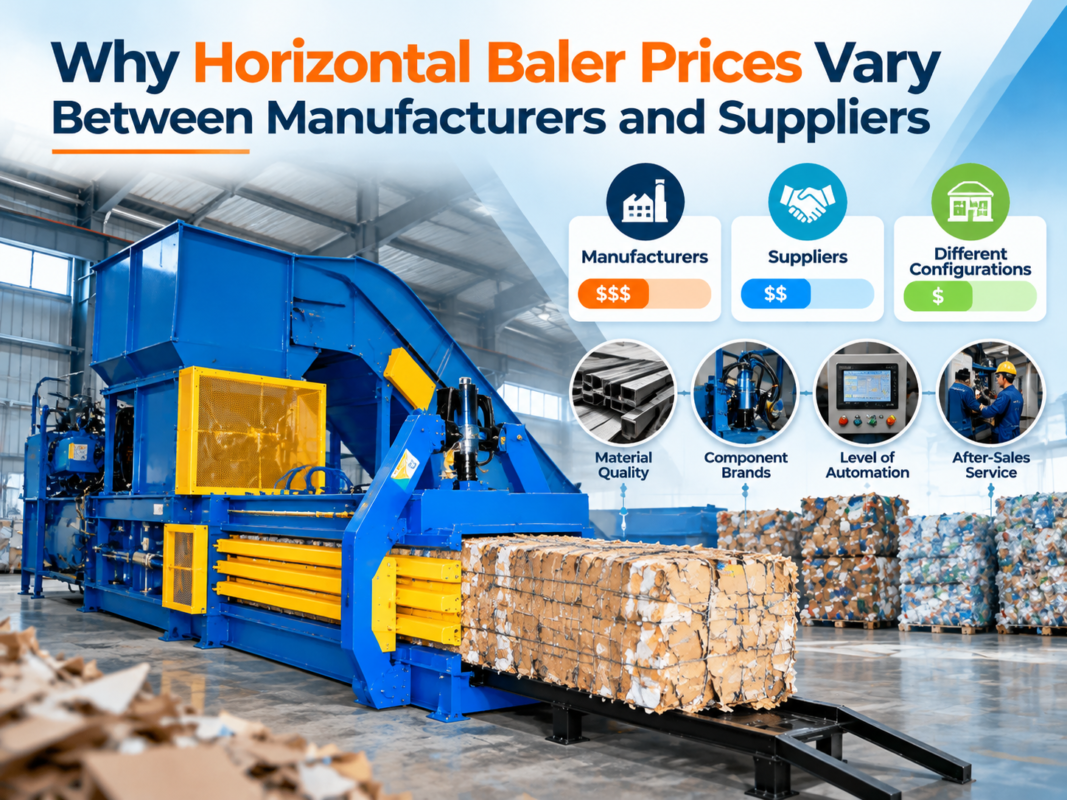
Finally, the brand reputation and the quality of components—such as valves, seals, and electrical switchgear—play a critical role in the total cost of ownership. While it may be tempting to opt for a lower-priced machine with generic components, the long-term cost of downtime and frequent repairs often outweighs the initial savings. Investing in reputable brands like HARSLE ensures access to standardized parts and reliable technical support.
Configuration Impact
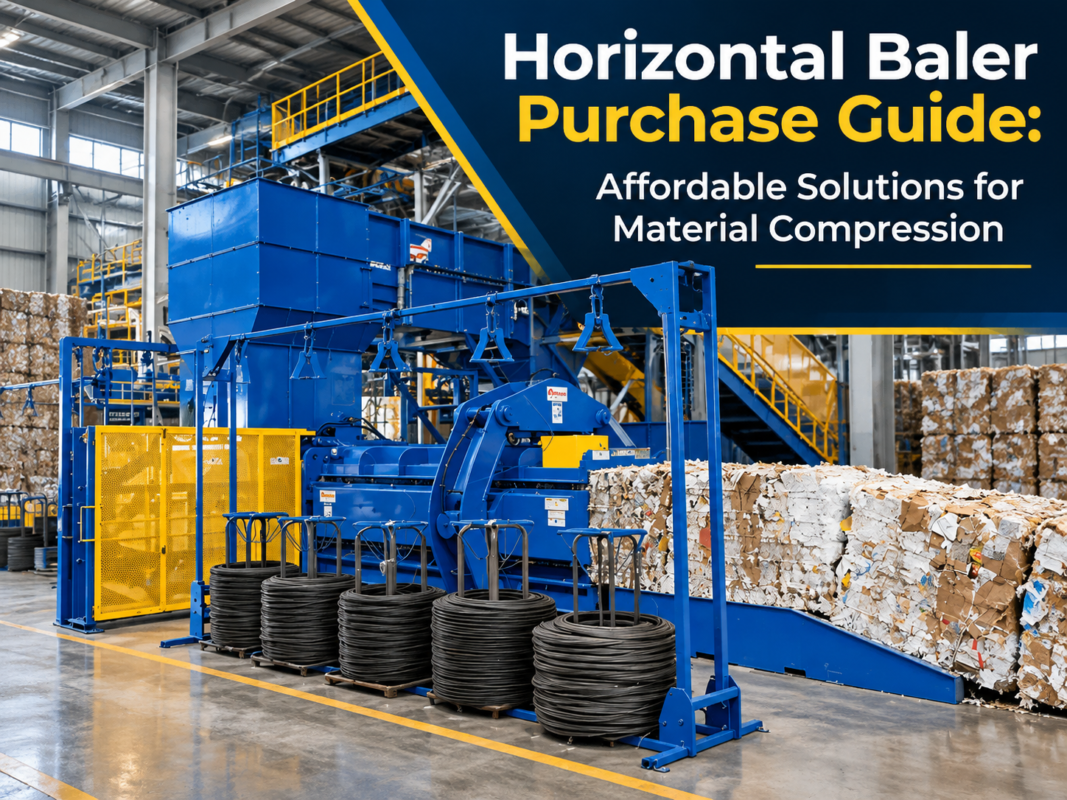
The configuration of your scrap metal baler significantly influences the final investment. For instance, choosing a vertical baler versus a horizontal baler changes not only the price but also the floor space requirements and the workflow integration. Vertical balers are space-efficient but require more manual labor, whereas horizontal balers are designed for high-volume, continuous feed systems that integrate directly into a production line.
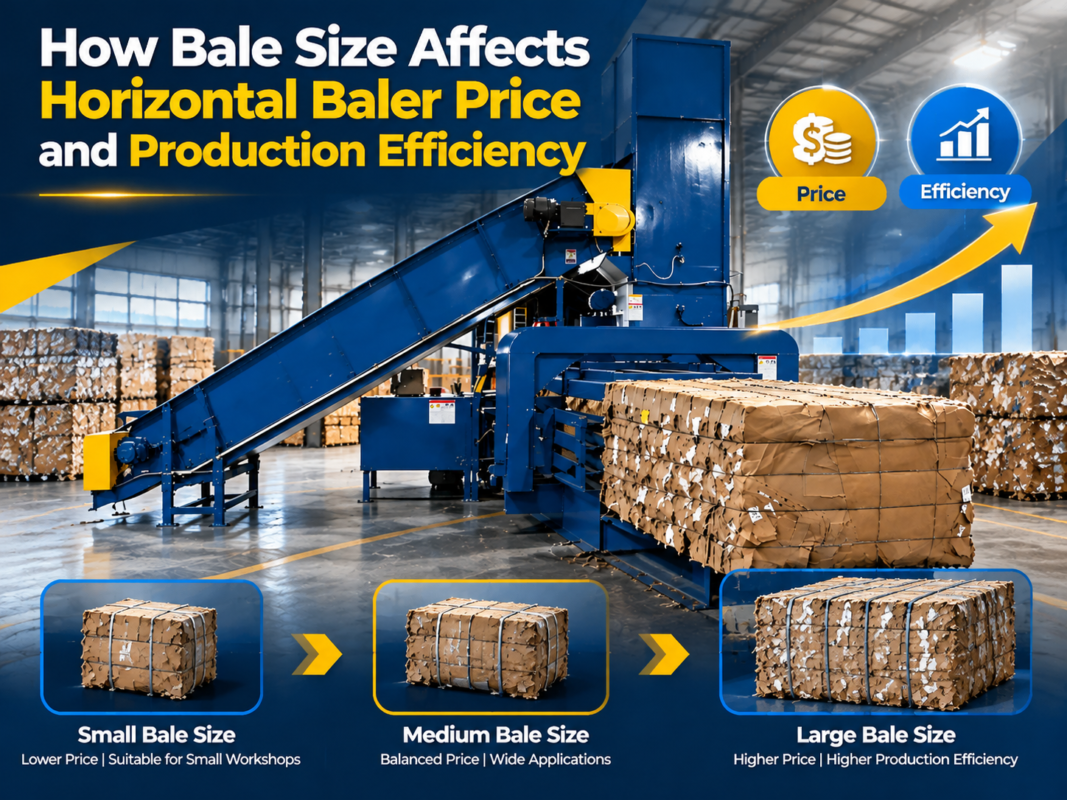
Consider the bale size and density requirements. If your downstream buyer or smelter requires specific bale dimensions to fit into their furnaces or shipping containers, you may need a custom-built chamber. Customization adds engineering time and manufacturing complexity, which increases the price. However, failing to meet these specifications can result in lower scrap prices or rejection of your bales, directly impacting your bottom line.
The integration of auxiliary equipment is another configuration factor. Do you need a magnetic conveyor to feed the baler? Do you require a dust extraction system or a specialized bale wire dispenser? Each of these additions adds to the total cost. When you estimate your scrap metal baler investment before buying, you must map out the entire material flow from the point of scrap generation to the final bale storage area.
Lastly, consider the power supply and environmental conditions. If your facility is located in an area with extreme temperatures, you may need an oil cooling or heating system for the hydraulic unit. Furthermore, if you are operating in a noise-sensitive environment, you might need sound-dampening enclosures. These specialized configurations are essential for operational longevity but must be factored into your initial budget calculation.
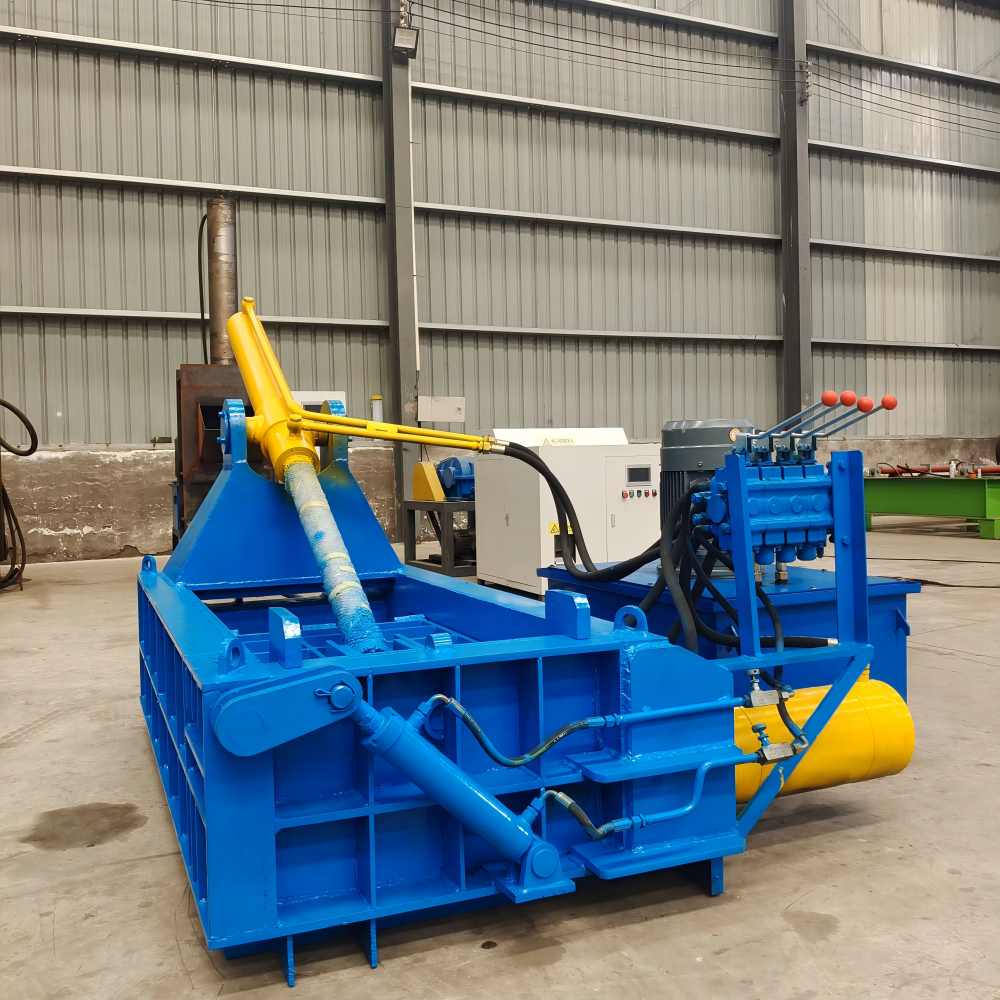
Hidden Costs
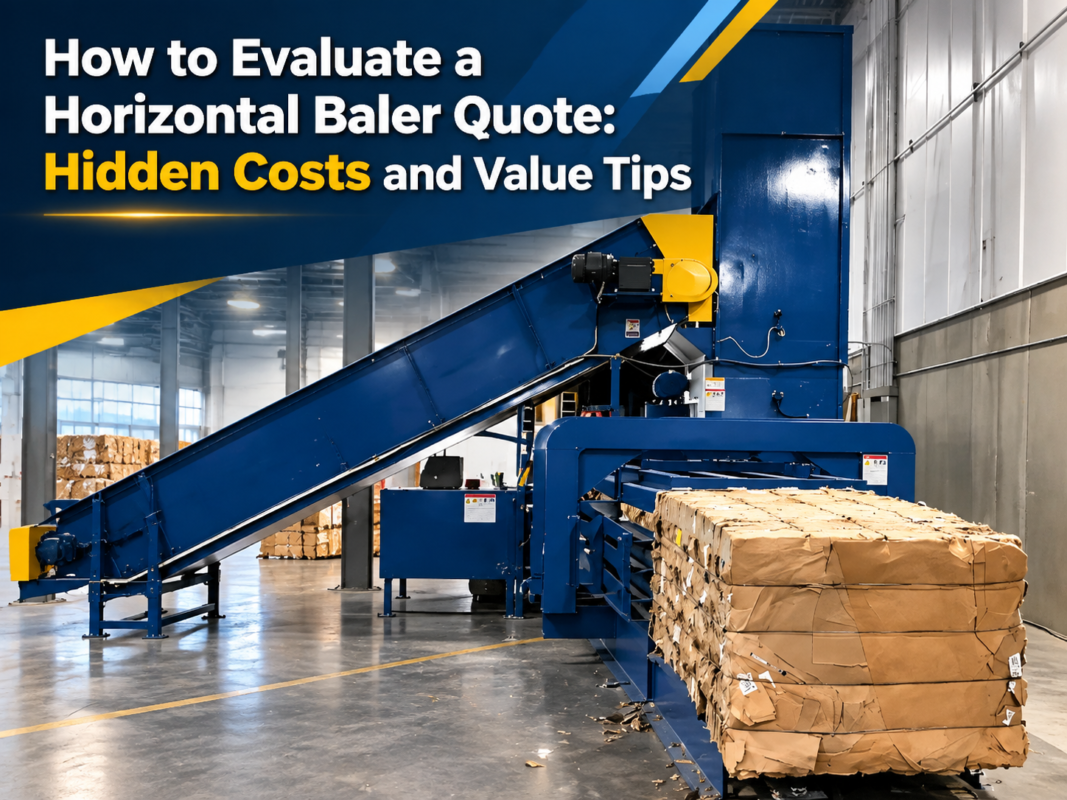
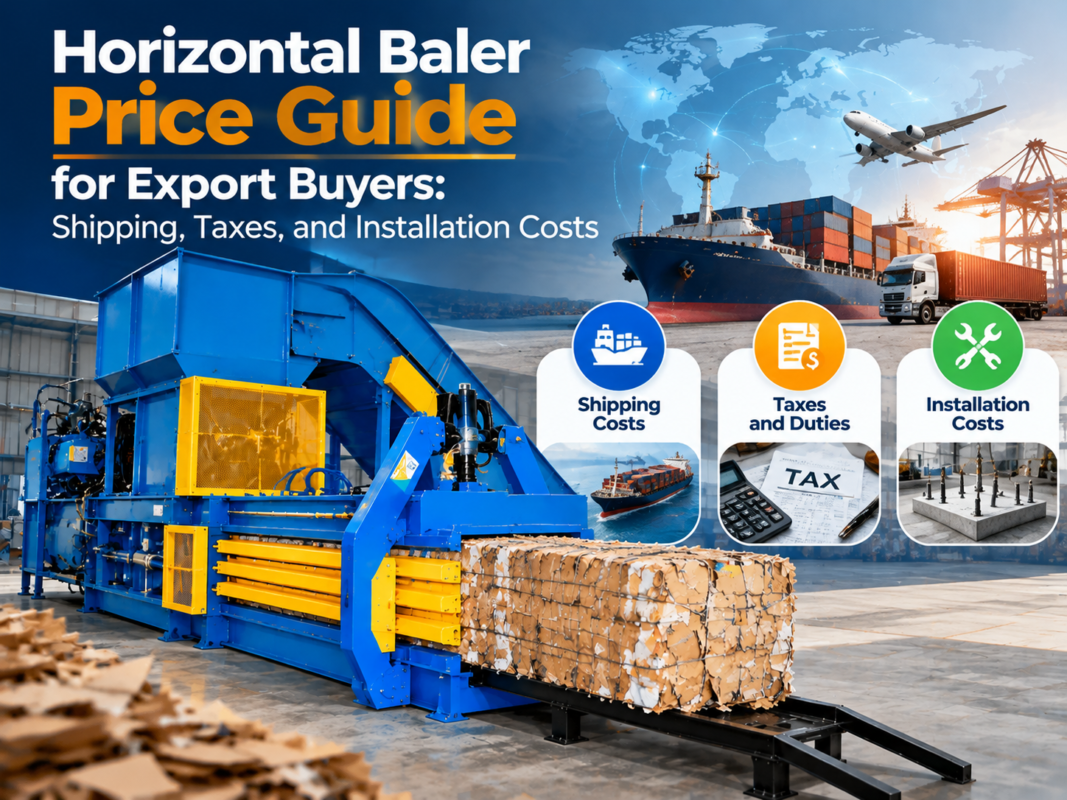
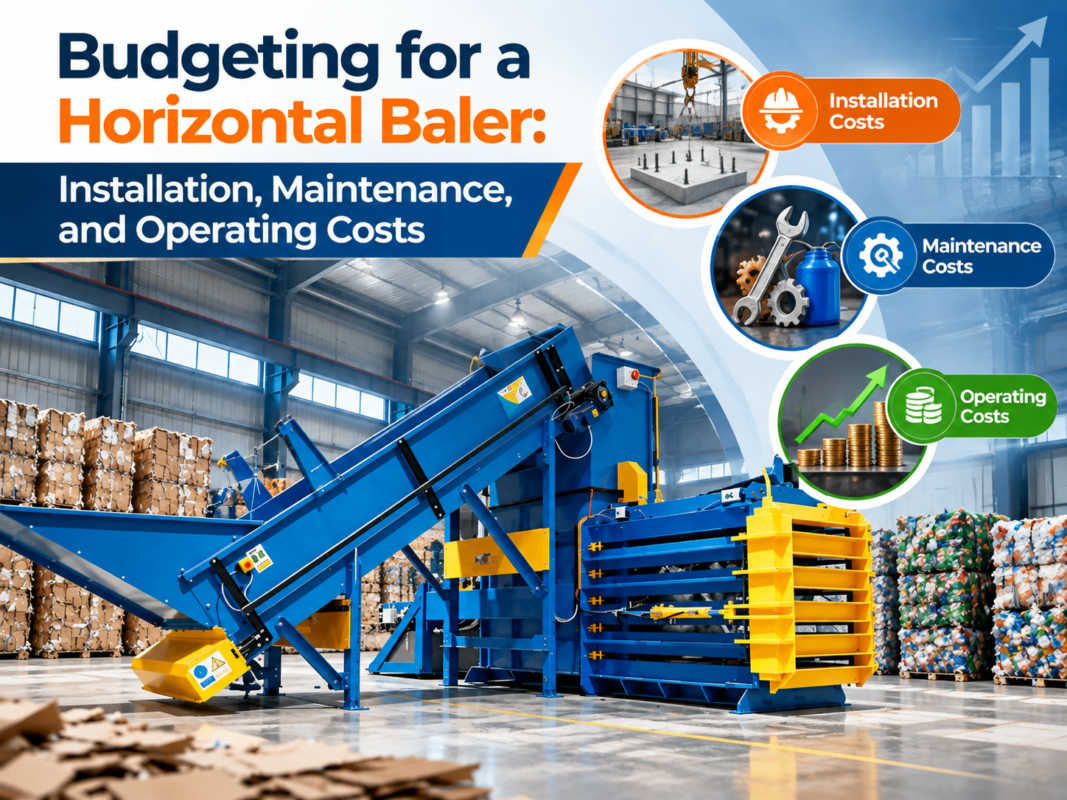
When you estimate your scrap metal baler investment before buying, it is easy to focus solely on the machine’s sticker price. However, hidden costs can quickly inflate your budget. Installation is often the most overlooked expense. This includes professional rigging, electrical wiring, hydraulic fluid filling, and commissioning by a certified technician. Depending on the machine size, installation costs can range from $2,000 to $10,000.
Site preparation is another significant factor. Many industrial balers require a reinforced concrete pad to handle the weight and vibration of the machine. If your existing floor is not rated for the load, you will need to invest in structural modifications. Additionally, you must consider the cost of permits, fire safety compliance, and environmental regulations regarding hydraulic fluid containment.
Ongoing maintenance and consumable costs should be part of your financial planning. This includes the cost of bale wire or strapping, hydraulic oil changes, filter replacements, and wear-plate maintenance. Over the course of five years, these consumables can represent a substantial portion of your operating expenses. It is advisable to request a maintenance schedule and a list of recommended spare parts from the manufacturer before finalizing your purchase.
Finally, consider the cost of training your staff. Operating a high-pressure hydraulic baler requires specific safety training to prevent accidents and ensure the machine is used correctly. Investing in professional training sessions will reduce the risk of operator error, which is a leading cause of premature machine failure and downtime. Factor in the cost of training materials and the time lost during the learning curve.
ROI Calculation
To calculate the Return on Investment (ROI) for your scrap metal baler, you must first determine the value of the scrap in its loose form versus its baled form. Baled scrap is significantly easier to transport and store, and it often commands a higher price per ton from recyclers because it is ready for the furnace. Calculate the price difference per ton and multiply it by your expected monthly volume to find your gross monthly savings.
Next, subtract your monthly operating costs, including electricity, labor, maintenance, and consumables. The resulting figure is your net monthly benefit. Divide the total cost of the machine (including installation and site prep) by this net monthly benefit to determine the payback period. A healthy payback period for industrial machinery is typically between 18 and 36 months.
Consider the indirect savings as well. Baling scrap reduces the frequency of waste collection pickups, saving on logistics and transportation fees. It also clears up valuable floor space in your facility, which can be repurposed for production, potentially increasing your overall manufacturing output. These efficiency gains are often harder to quantify but are just as important as the direct revenue from scrap sales.
Finally, factor in the residual value of the machine. High-quality industrial balers have a long service life and a strong secondary market. When you estimate your scrap metal baler investment before buying, consider the potential resale value after 5-10 years of use. This can significantly improve your long-term ROI and justify the purchase of a more robust, higher-quality machine at the outset.
Buying Advice
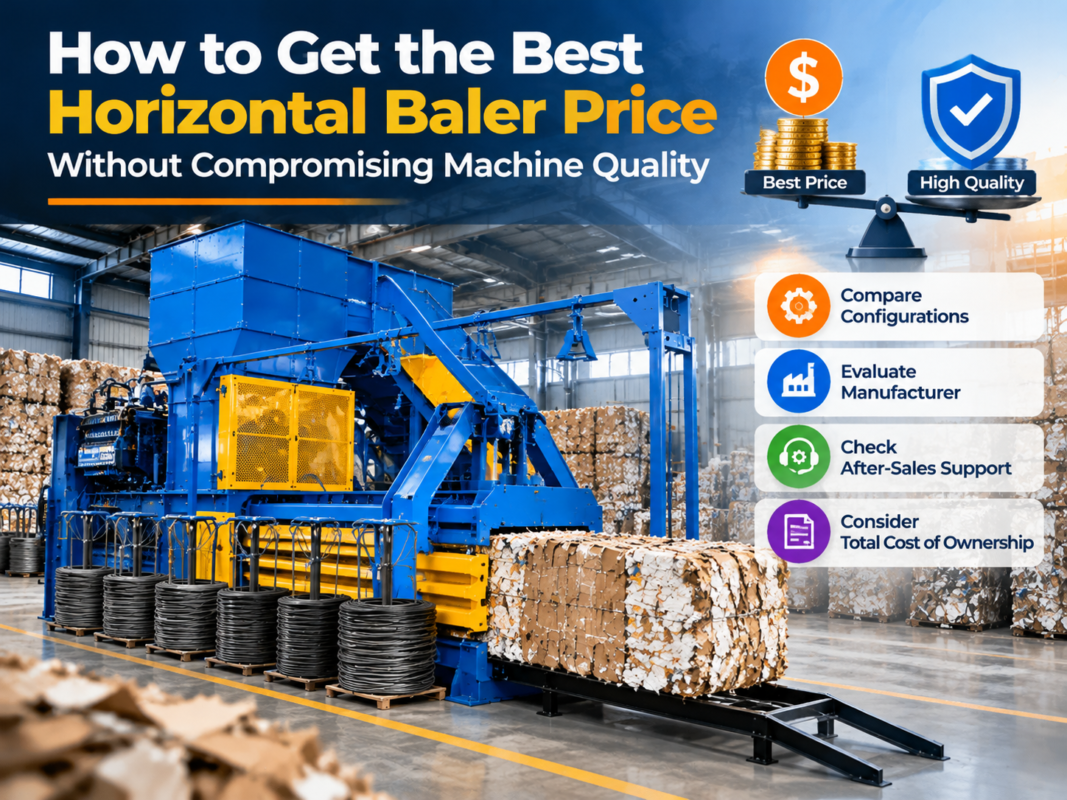
When you are ready to purchase, start by conducting a thorough audit of your scrap generation. Measure the volume, type, and frequency of your scrap metal. This data will be invaluable when discussing your needs with manufacturers. A reputable supplier like HARSLE will ask for these details to ensure they recommend a machine that is neither underpowered nor unnecessarily oversized for your needs.
Always request a demonstration or a site visit to see a similar machine in operation. Seeing the baler in a real-world environment allows you to assess its build quality, noise levels, and ease of operation. Ask the operator about their experience with the machine and inquire about the manufacturer’s responsiveness to service requests. This firsthand information is often more reliable than any brochure.
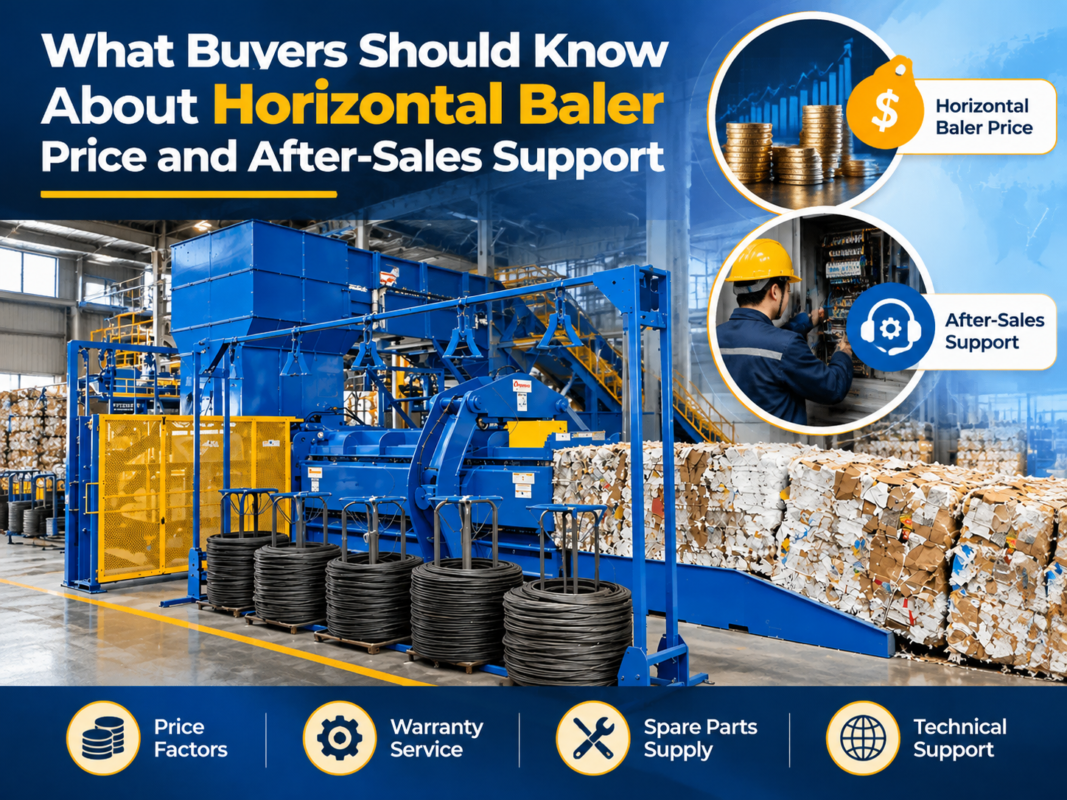
Check the warranty and support terms carefully. A comprehensive warranty that covers both parts and labor is a sign of manufacturer confidence. Ensure that the supplier has a local service network or a reliable remote support system. In the event of a breakdown, the speed at which you can get your machine back online is critical to your business continuity.
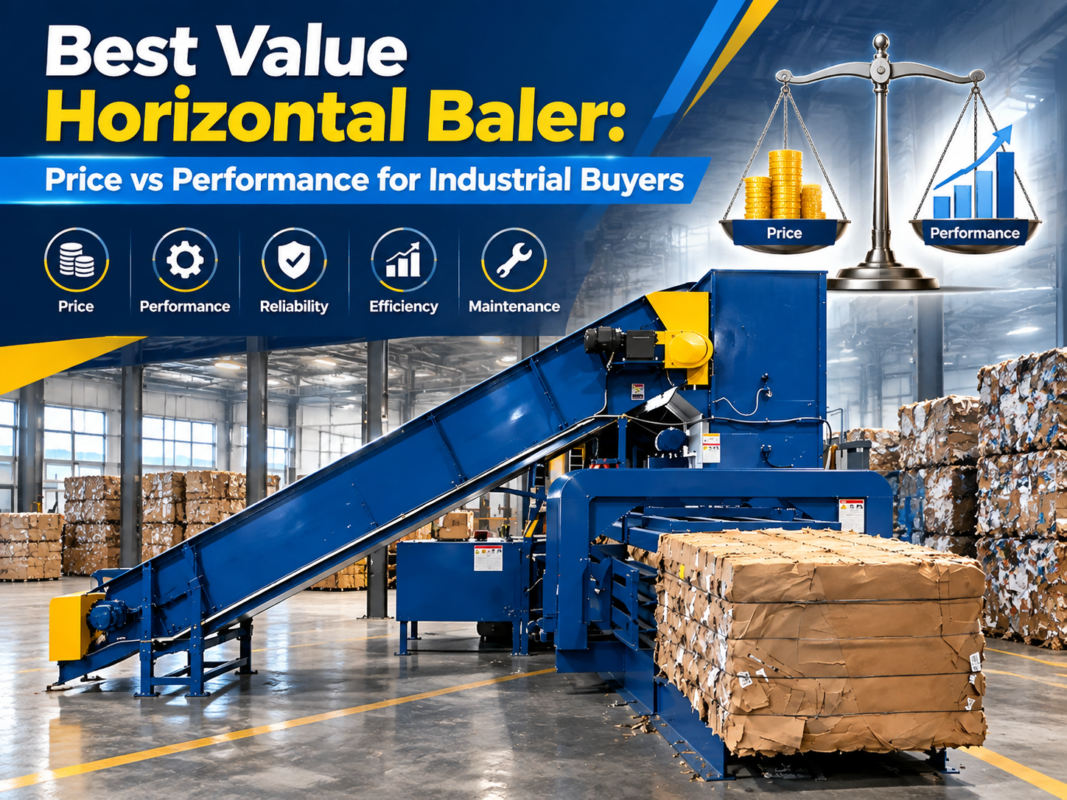
Finally, do not rush the decision. Take the time to compare quotes from multiple suppliers, but look beyond the price. Compare the technical specifications, the quality of materials used, and the long-term support offered. When you estimate your scrap metal baler investment before buying, remember that you are not just buying a machine; you are investing in a long-term partnership that will impact your operational efficiency for years to come.
FAQ
- How long does a typical scrap metal baler last? With proper maintenance, a high-quality industrial baler can last 15 to 20 years or more.
- What is the most important factor when choosing a baler? The material type and volume are the most critical factors, as they dictate the required compression force and cycle speed.
- Can I use the same baler for different types of metal? Yes, but you must ensure the baler is rated for the hardest material you intend to process. For example, a baler designed for aluminum may not be suitable for heavy steel.
- How often should I perform maintenance? Routine maintenance should be performed according to the manufacturer’s schedule, typically every 500 to 1,000 operating hours.
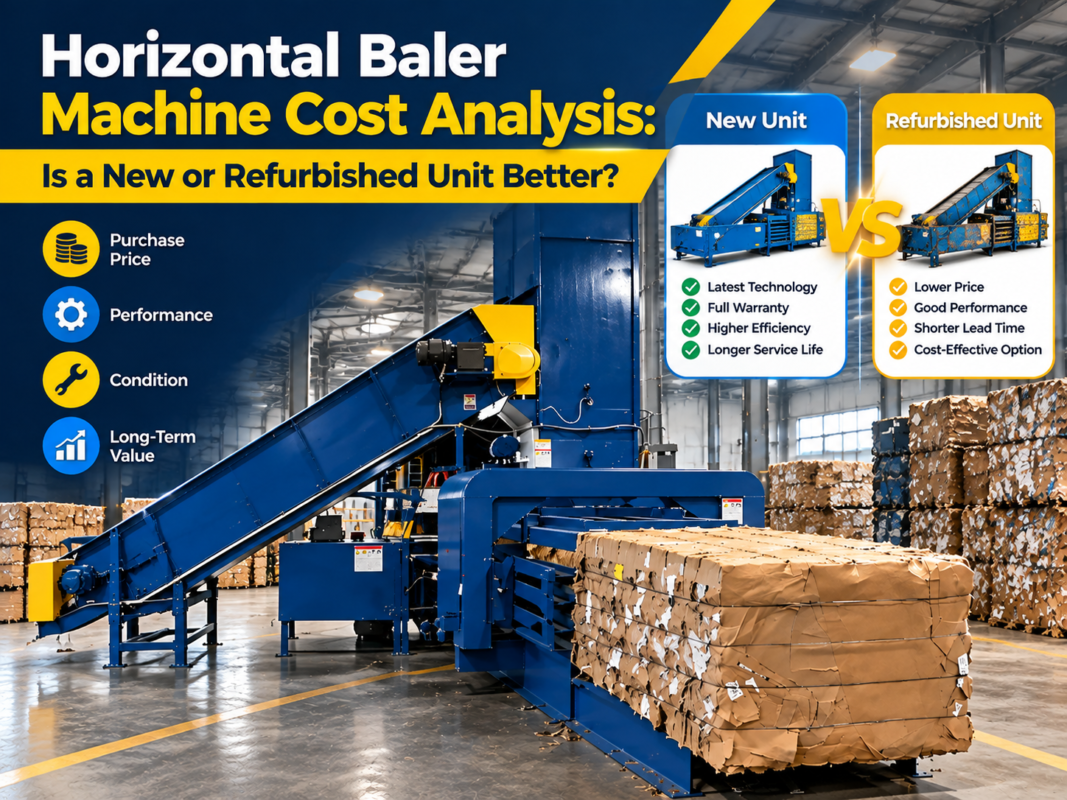
- Is it better to buy new or used? While used machines are cheaper, they often come with hidden maintenance issues. For critical industrial operations, a new machine with a warranty is generally the safer investment.