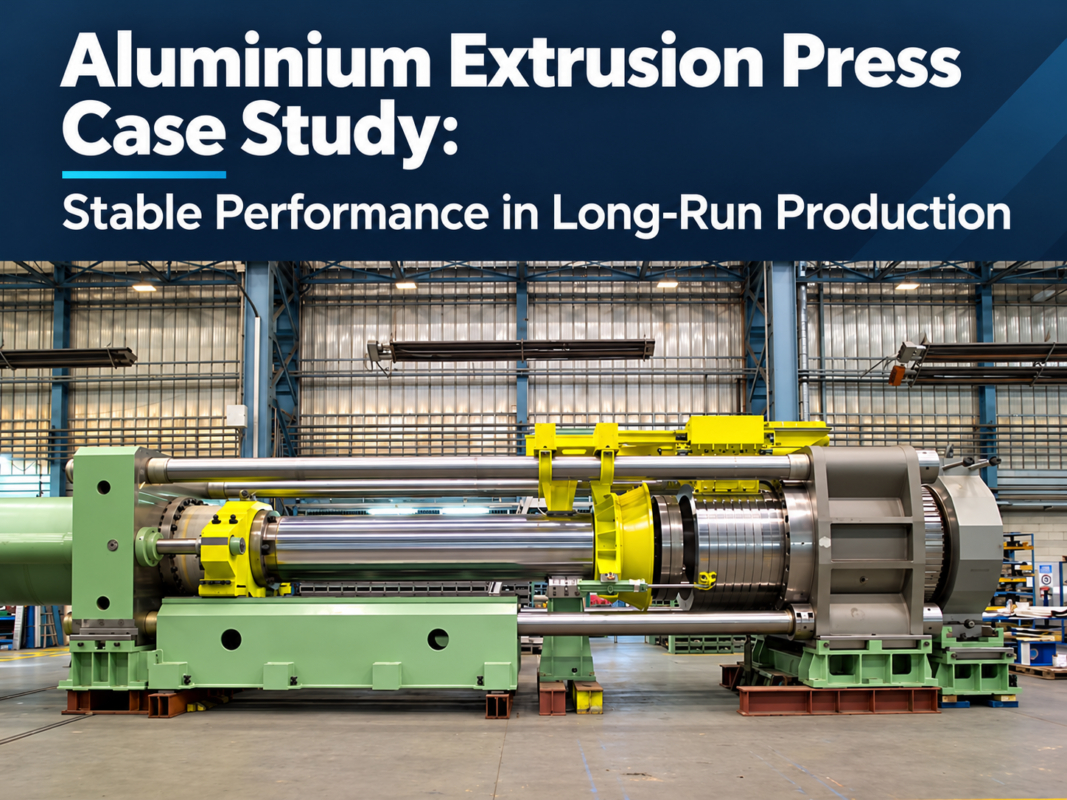
How an Aluminium Extrusion Press Delivered ROI in a Competitive Aluminium Profile Plant

Introduction
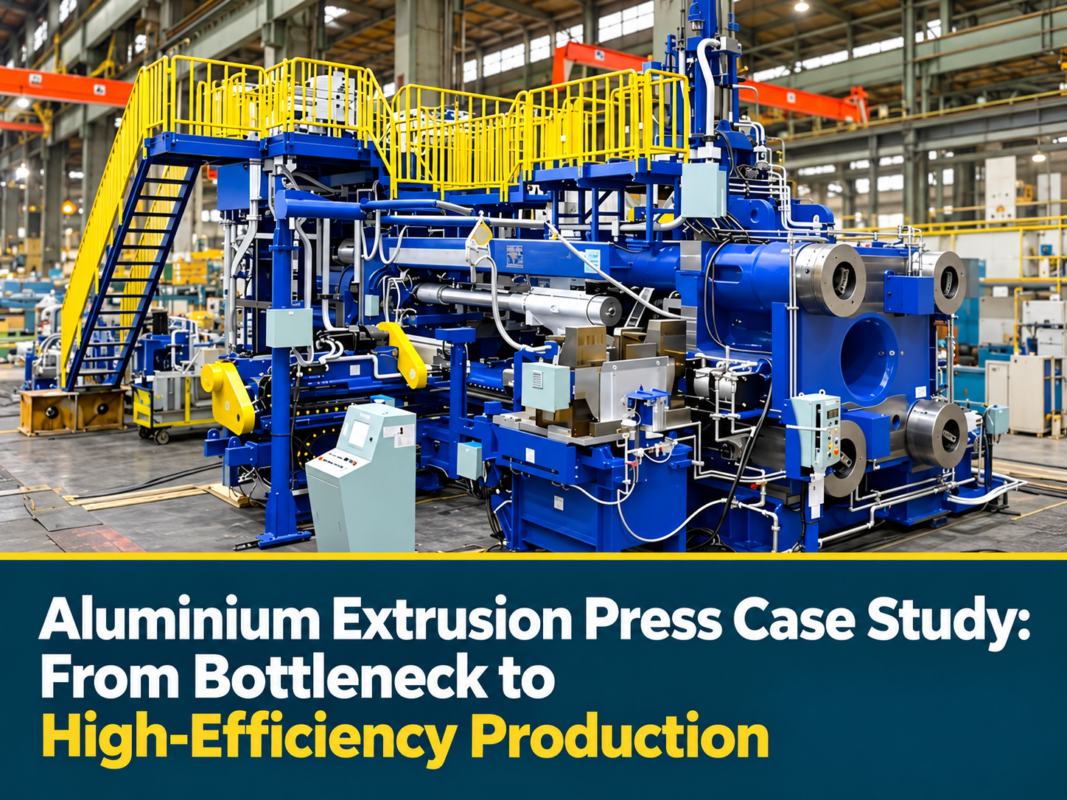
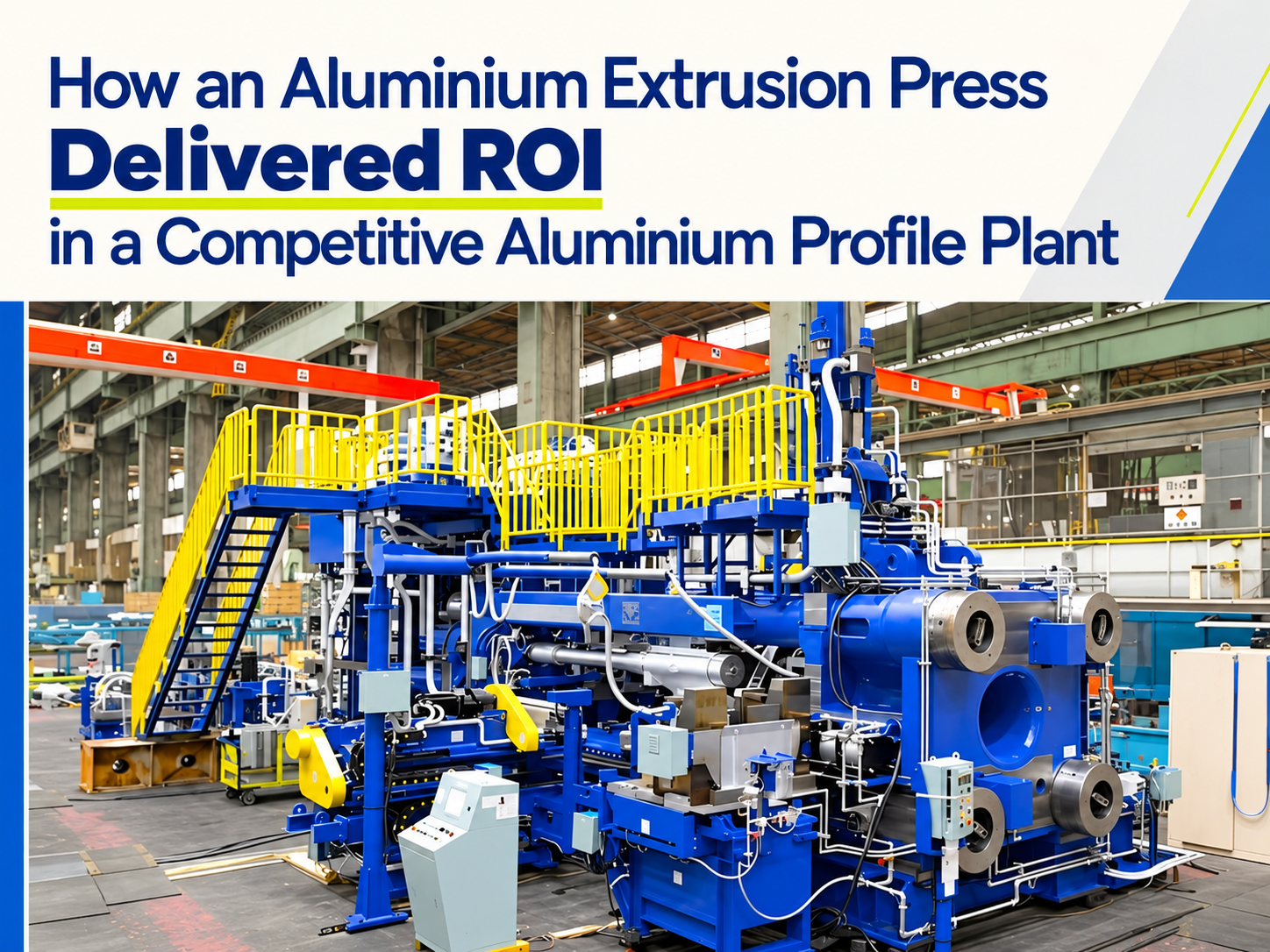
In the modern metal fabrication landscape, the ability to maintain profitability while navigating volatile raw material costs and tightening quality standards is the ultimate test for any aluminium profile plant. For many manufacturers, the bottleneck often lies in outdated extrusion technology that consumes excessive energy, produces high scrap rates, and limits throughput. This article explores how an aluminium extrusion press delivered ROI in a competitive aluminium profile plant, serving as a blueprint for facilities looking to modernize their operations.
The transition from legacy machinery to advanced, automated extrusion systems is not merely an equipment upgrade; it is a strategic pivot. By integrating HARSLE’s high-precision extrusion technology, plant managers can achieve a level of consistency that was previously unattainable. This shift directly impacts the bottom line by reducing downtime, minimizing material waste, and allowing for the production of complex, high-margin profiles that demand premium pricing in the global market.
As we delve into the technical and operational nuances of this transition, we will examine the specific metrics that define success in the extrusion industry. From cycle time optimization to energy efficiency ratios, the data-driven approach to machinery investment is what separates market leaders from those struggling to keep pace. Understanding how an aluminium extrusion press delivered ROI in a competitive aluminium profile plant requires looking at the holistic lifecycle of the machine, rather than just the initial capital expenditure.
HARSLE remains committed to providing the industrial sector with robust, reliable, and technologically advanced solutions. By focusing on the integration of smart controls and durable hydraulic systems, we empower manufacturers to reclaim their competitive edge. This guide serves as both a case study and a roadmap for plant owners ready to invest in their future through superior extrusion capabilities.
Key Considerations for Extrusion Plant Upgrades
When evaluating the need for a new extrusion press, the primary consideration must be the total cost of ownership (TCO). Many plant managers fall into the trap of focusing solely on the purchase price, ignoring the long-term implications of energy consumption, maintenance frequency, and labor requirements. A high-quality press is designed to operate under extreme pressure for thousands of hours, and the cost of unplanned downtime can quickly eclipse the savings gained from a cheaper, less reliable machine.
Production flexibility is another critical factor. The modern aluminium market is characterized by shorter production runs and a wider variety of profile shapes. A press that requires lengthy setup times or complex tool changes will inevitably lead to inefficiencies. Modern HARSLE presses are engineered with quick-change die systems and intuitive HMI interfaces, allowing operators to switch between production cycles with minimal disruption, thereby maximizing the utilization rate of the equipment.
Energy efficiency has moved from a secondary concern to a primary driver of ROI. With rising electricity costs, the hydraulic systems within an extrusion press must be optimized for power consumption. Variable frequency drives (VFDs) and intelligent pump control systems allow the press to adjust its energy intake based on the specific force required for each extrusion stroke. This not only reduces the carbon footprint of the plant but also significantly lowers monthly operational expenses.
Finally, the integration of Industry 4.0 capabilities cannot be overlooked. The ability to monitor press performance in real-time—tracking pressure, temperature, and ram speed—allows for predictive maintenance. By identifying potential issues before they cause a machine failure, plants can avoid the catastrophic costs associated with emergency repairs. This level of oversight is essential for any facility aiming to remain competitive in a high-volume, high-precision environment.
Technical Details of High-Performance Extrusion
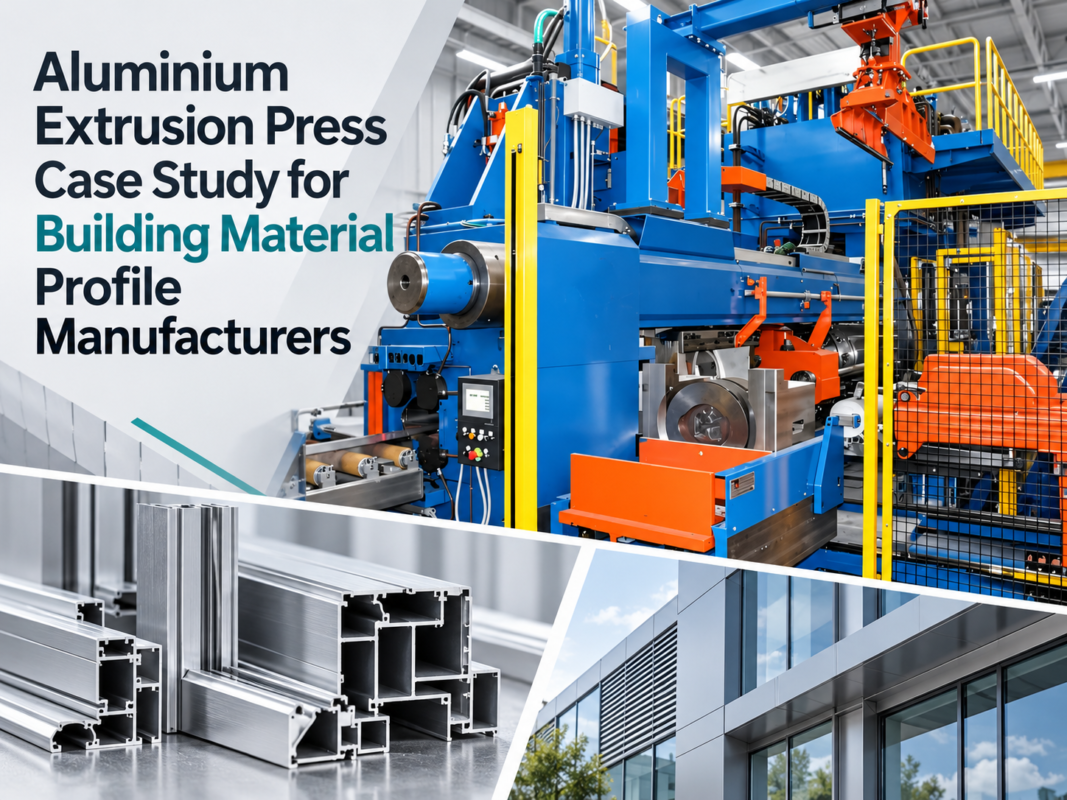
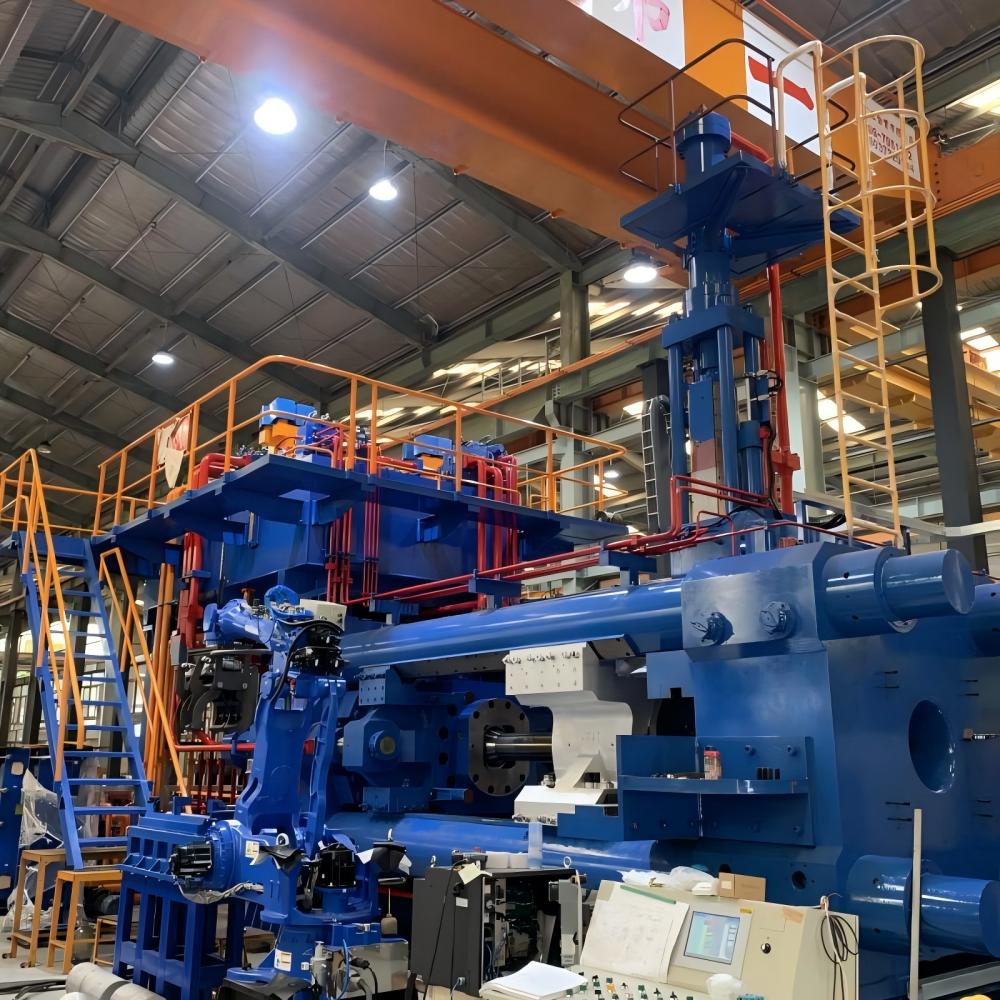
The technical superiority of a modern aluminium extrusion press lies in its hydraulic architecture and structural rigidity. HARSLE presses utilize high-tensile steel frames designed to withstand the immense forces required to push aluminium billets through complex dies. This structural integrity ensures that the press maintains alignment over years of operation, which is critical for achieving the tight tolerances required for architectural and automotive profiles.
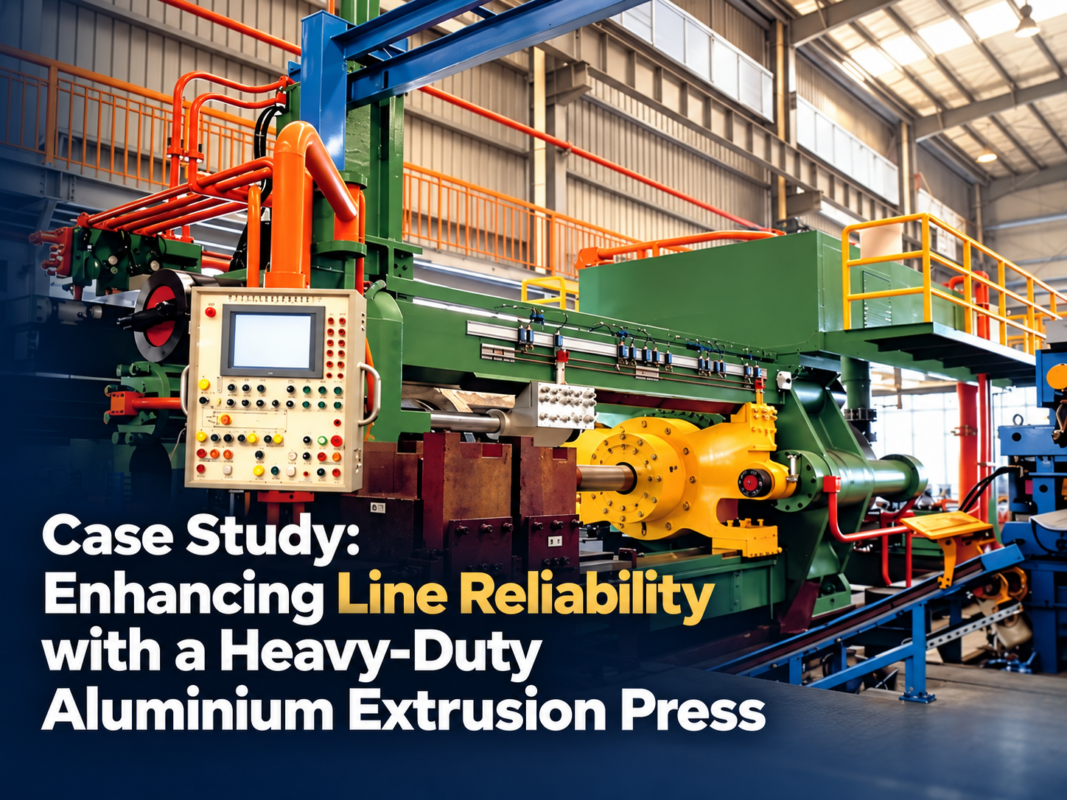
The hydraulic system is the heart of the press. By utilizing high-response proportional valves, the system provides precise control over the extrusion speed. This is vital because the speed at which the aluminium exits the die directly affects the surface finish and the metallurgical properties of the profile. A consistent, controlled speed prevents surface defects such as tearing or streaking, ensuring that the final product meets the stringent quality standards of modern industry.
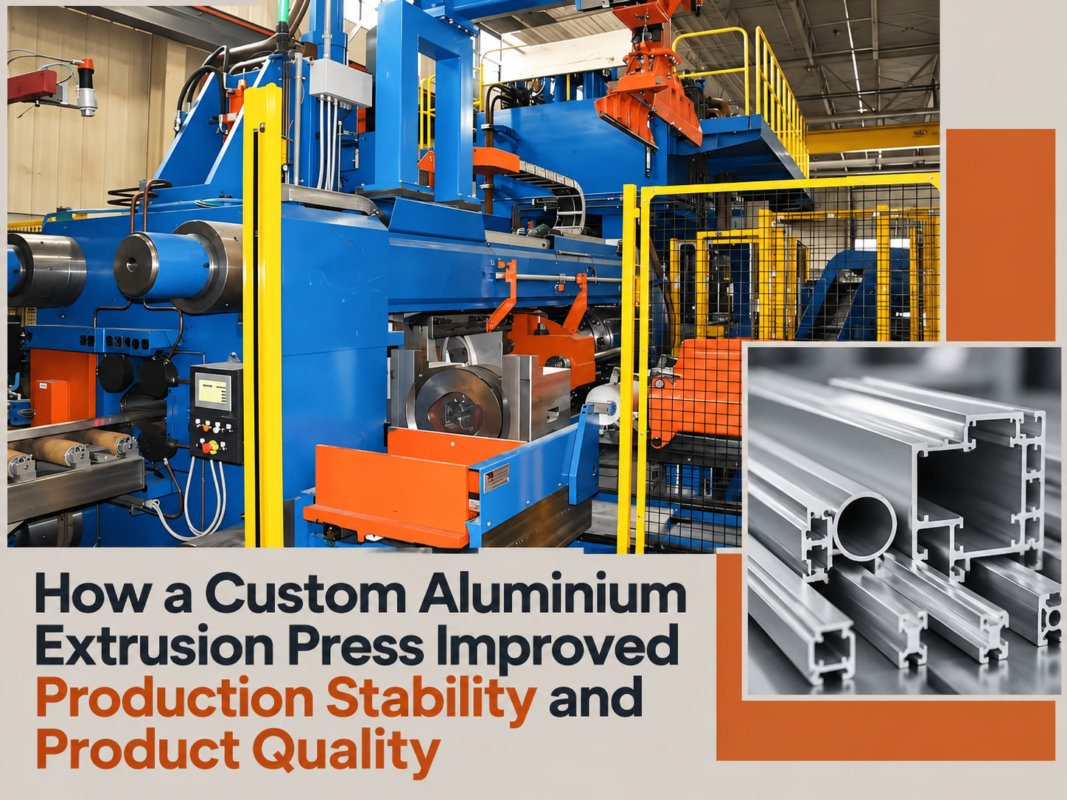
Thermal management is another technical pillar. Aluminium extrusion is a heat-intensive process, and maintaining the correct temperature of the billet and the die is essential for material flow. Advanced presses feature integrated heating zones and cooling systems that provide uniform temperature distribution. This prevents localized overheating, which can lead to structural weaknesses in the profile, and ensures that the material flows evenly through the die, reducing the risk of die breakage.
Automation in the handling of the extruded profile is equally important. From the puller system to the cooling table and the stretcher, every component must be synchronized with the press speed. A fully integrated system ensures that the profile is handled gently to prevent deformation or surface scratches. By automating these downstream processes, plants can significantly reduce the labor intensity of the production line, further contributing to the overall ROI of the investment.
Selection Advice: Choosing the Right Press
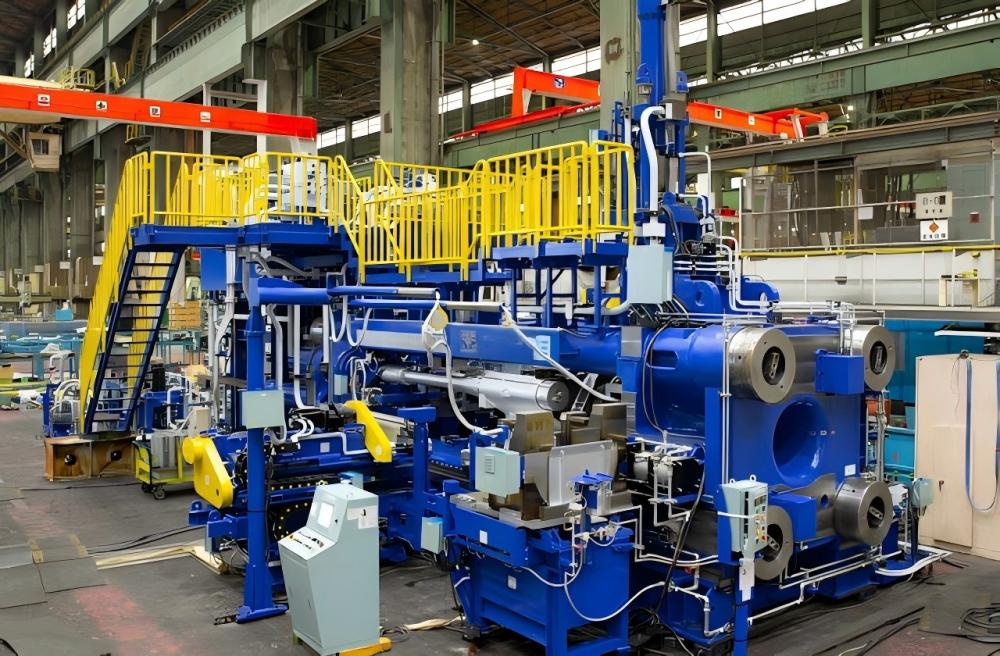
Selecting the right aluminium extrusion press requires a thorough analysis of your current and projected production needs. Start by defining the maximum force (tonnage) required for your most challenging profiles. While it is tempting to purchase a larger press than necessary for future-proofing, an oversized press will be less energy-efficient for smaller, standard profiles. HARSLE consultants work with clients to find the ‘sweet spot’ that balances current requirements with future growth potential.
Consider the level of automation that your team can effectively manage. While high-end robotics and fully automated billet loading systems offer incredible efficiency, they require a skilled workforce to maintain and operate. If your plant is in a transition phase, it may be better to invest in a modular system that allows for the addition of automation features over time. This phased approach allows for a more manageable capital expenditure while still providing a clear path to increased productivity.
The reputation of the manufacturer and the availability of local support are paramount. An extrusion press is a long-term asset, and you need a partner who provides comprehensive training, readily available spare parts, and responsive technical support. HARSLE prides itself on its global service network, ensuring that our clients are never left waiting for critical components or expert advice when they need it most.
Finally, request a detailed ROI analysis based on your specific production data. A reputable manufacturer should be able to provide projections on energy savings, scrap reduction, and throughput increases based on the specifications of the proposed machine. By comparing these projections against your current operational costs, you can make an informed decision that aligns with your financial goals and production targets.
Maintenance and Longevity
To ensure that your aluminium extrusion press continues to deliver ROI, a rigorous maintenance schedule is non-negotiable. Regular inspection of hydraulic seals, fluid levels, and filter systems prevents the gradual degradation of performance. Many of the most common issues in extrusion plants—such as pressure drops or inconsistent ram movement—are the result of neglected maintenance rather than mechanical failure.
Training your operators is the most effective form of preventative maintenance. When the team understands the nuances of the machine, they can identify subtle changes in sound, vibration, or cycle time that indicate a potential problem. HARSLE provides extensive training programs that cover not only the operation of the press but also basic troubleshooting and routine maintenance tasks, empowering your staff to keep the machine running at peak performance.
Lubrication management is another critical aspect. The high-pressure environment of an extrusion press places significant stress on moving parts. Using high-quality lubricants and adhering to a strict lubrication schedule will extend the life of your components by years. Furthermore, keeping the work area clean and free of aluminium dust and debris prevents contamination of the hydraulic system, which is a leading cause of valve failure.
Finally, document everything. Keeping a detailed log of all maintenance activities, repairs, and performance data allows you to track the health of your machine over time. This data is invaluable for identifying trends and planning for future upgrades or overhauls. By treating your extrusion press as a precision instrument rather than just a piece of heavy equipment, you ensure that it remains a profitable asset for your plant for decades to come.
FAQ: Common Questions About Extrusion ROI
- How long does it typically take to see ROI on a new extrusion press? Depending on the production volume and the efficiency gains, most plants see a return on investment within 18 to 36 months.
- Can an extrusion press be retrofitted for automation? Yes, many HARSLE presses are designed with modularity in mind, allowing for the integration of automated billet loaders and pullers at a later date.
- What is the most common cause of scrap in extrusion? Inconsistent temperature control and improper die maintenance are the two leading causes of scrap. Both can be mitigated with modern, high-precision equipment.
- How does energy consumption impact ROI? Energy costs can account for a significant portion of operating expenses. Modern presses with VFDs can reduce energy consumption by up to 30% compared to older models.
- Is it better to buy a larger press than I currently need? It is better to buy a press that matches your current peak requirements with a 10-15% margin for growth, rather than significantly over-specifying, which leads to higher energy costs.
Conclusion
The journey of how an aluminium extrusion press delivered ROI in a competitive aluminium profile plant is a testament to the power of modern engineering. By prioritizing efficiency, precision, and long-term reliability, manufacturers can transform their production lines into high-performance assets. HARSLE is dedicated to supporting this transformation through innovative machinery that meets the demands of a rapidly evolving global market.
Investing in the right equipment is the first step toward sustained profitability. Whether you are looking to reduce your scrap rates, lower your energy bills, or increase your production capacity, the right extrusion press is the foundation of your success. We invite you to explore our range of solutions and discover how HARSLE can help you achieve your production goals and secure your place as a leader in the aluminium profile industry.
Remember that the true value of an extrusion press is found in its ability to perform consistently under pressure. By choosing a partner who understands the technical and financial complexities of your business, you are not just buying a machine—you are investing in the future of your plant. Let us help you build that future today.