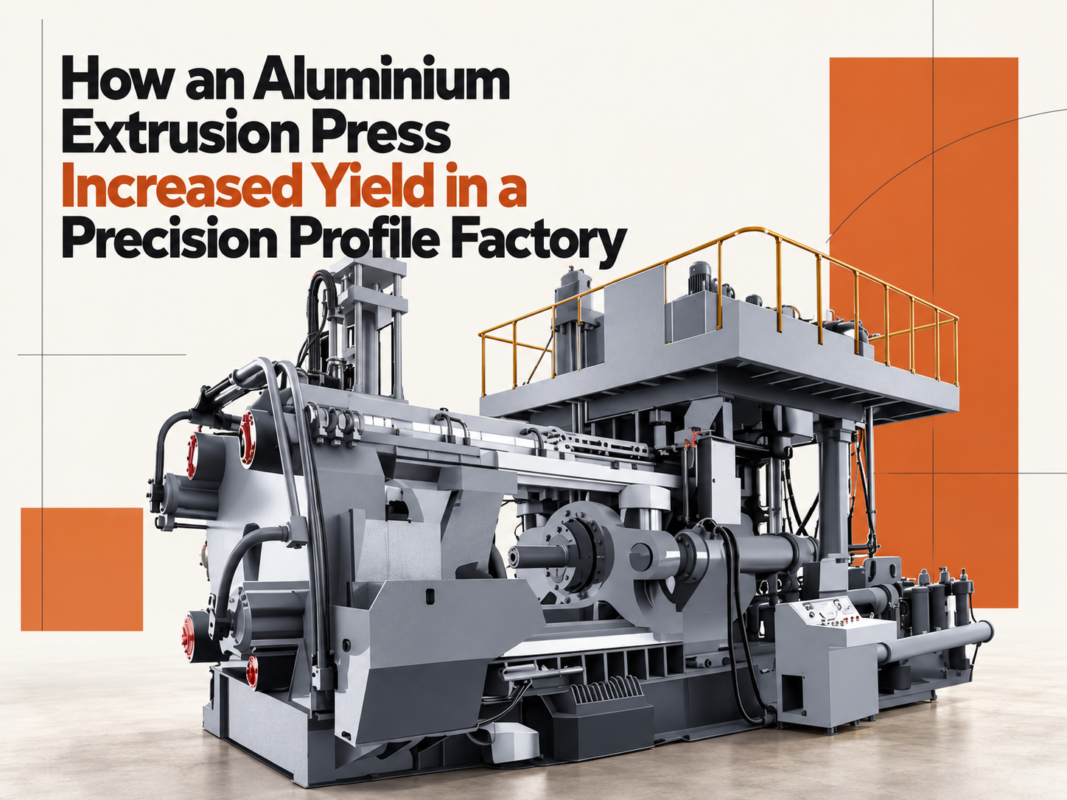
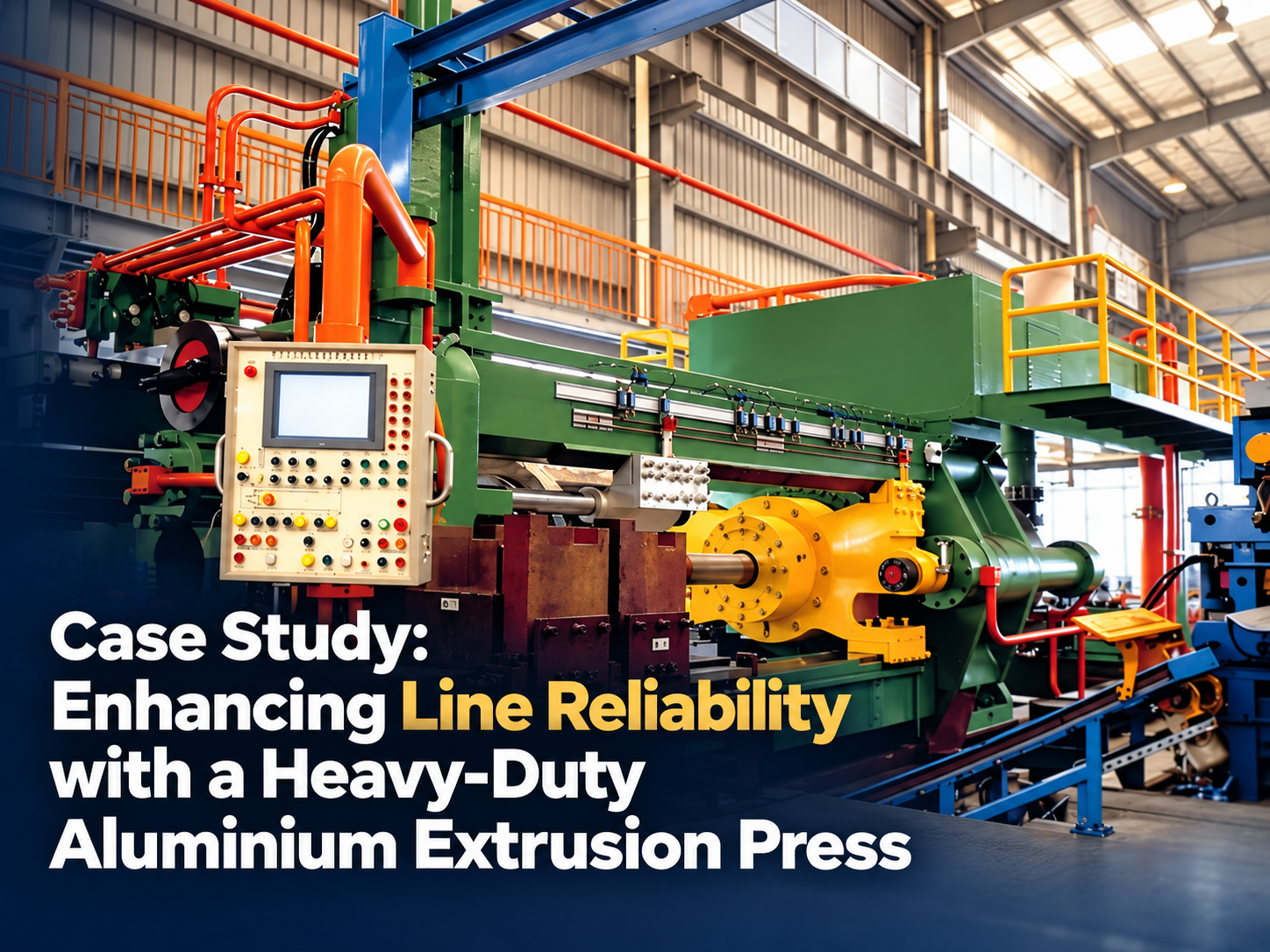
Case Study: Enhancing Line Reliability with a Heavy-Duty Aluminium Extrusion Press

Introduction
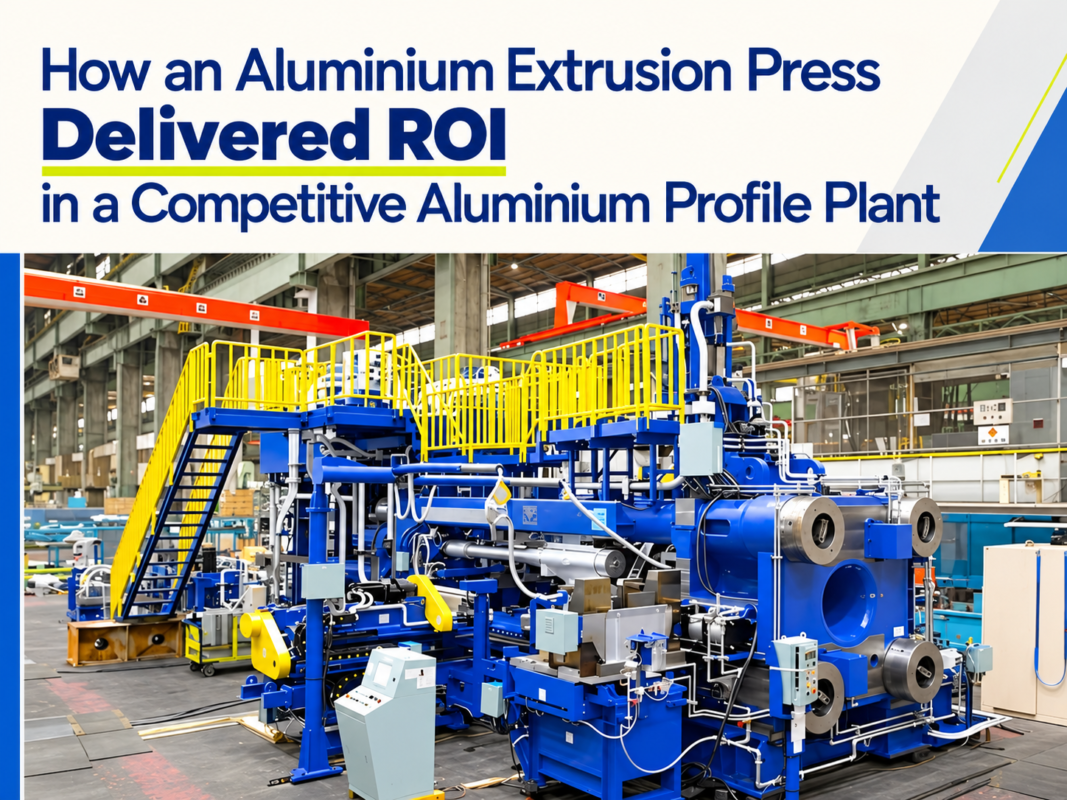
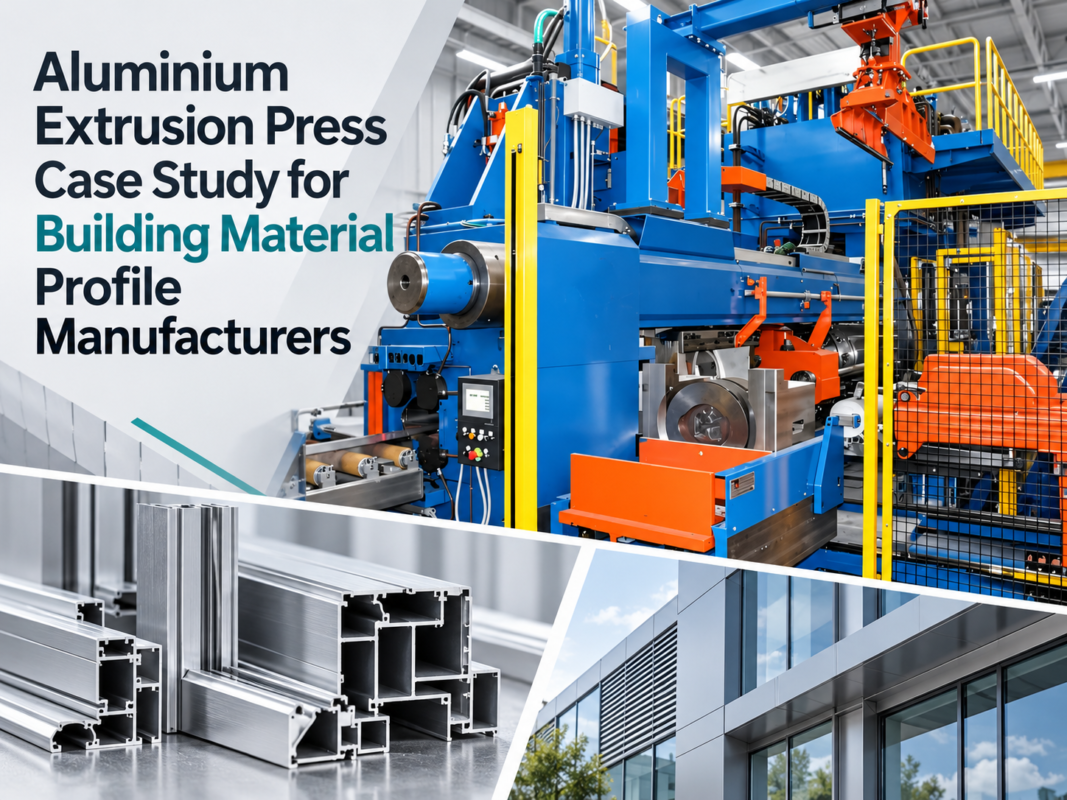
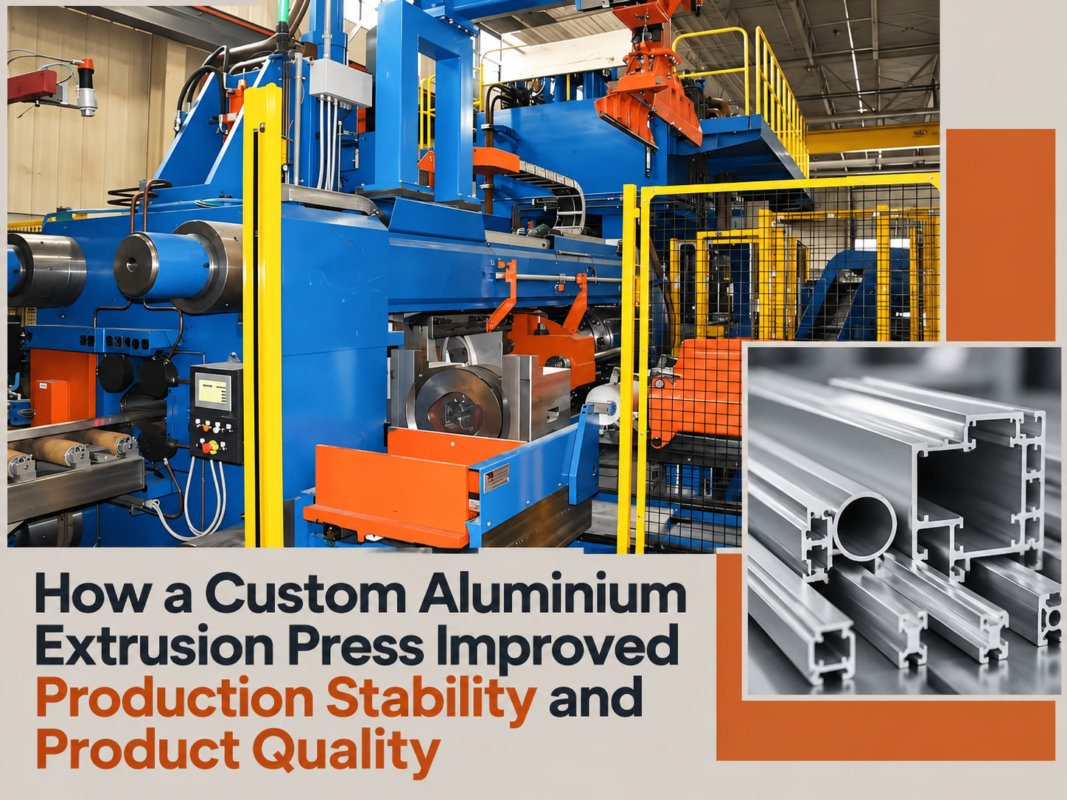
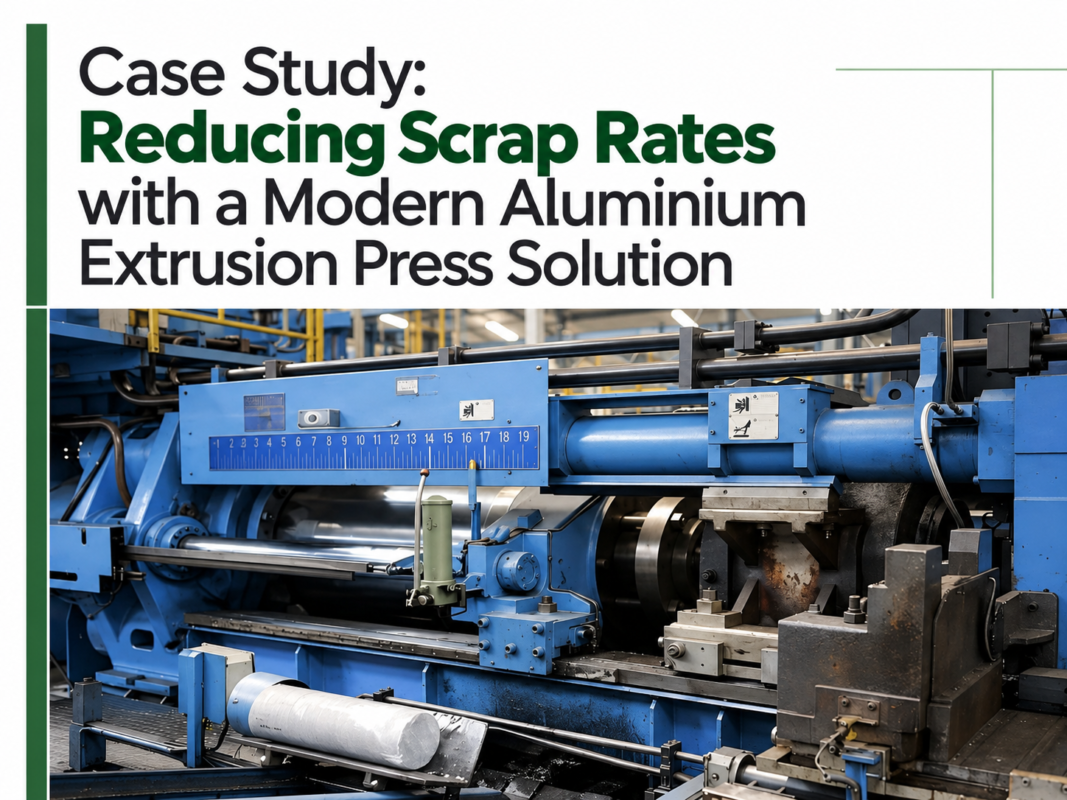
In the competitive landscape of modern metal fabrication, the reliability of production lines is the cornerstone of profitability. For manufacturers specializing in aluminium profiles, the extrusion process is the heart of the operation. When that heart falters, the entire supply chain suffers. This article explores a comprehensive Case Study: Enhancing Line Reliability A Heavy-Duty Aluminium Extrusion Press, detailing how a strategic equipment upgrade can resolve systemic bottlenecks and elevate output quality.
HARSLE has observed that many facilities struggle with aging machinery that suffers from frequent downtime, inconsistent pressure application, and high energy consumption. By transitioning to a modern, heavy-duty aluminium extrusion press, manufacturers can achieve a level of precision and uptime that was previously unattainable. This case study examines the transition process, the technical hurdles overcome, and the long-term operational benefits realized by a mid-sized fabrication plant.
Reliability is not merely about preventing breakdowns; it is about creating a predictable production environment. When a press operates with high repeatability, downstream processes such as cutting, anodizing, and packaging become significantly more efficient. This article serves as a guide for plant managers and engineers looking to understand the transformative power of investing in robust, high-performance extrusion technology.
Throughout this analysis, we will look at the specific challenges faced by the client, the selection criteria for their new HARSLE-integrated solution, and the measurable improvements in their daily throughput. By the end of this guide, you will have a clear understanding of why heavy-duty equipment is the most effective hedge against market volatility and production instability.
Key Considerations for Line Reliability
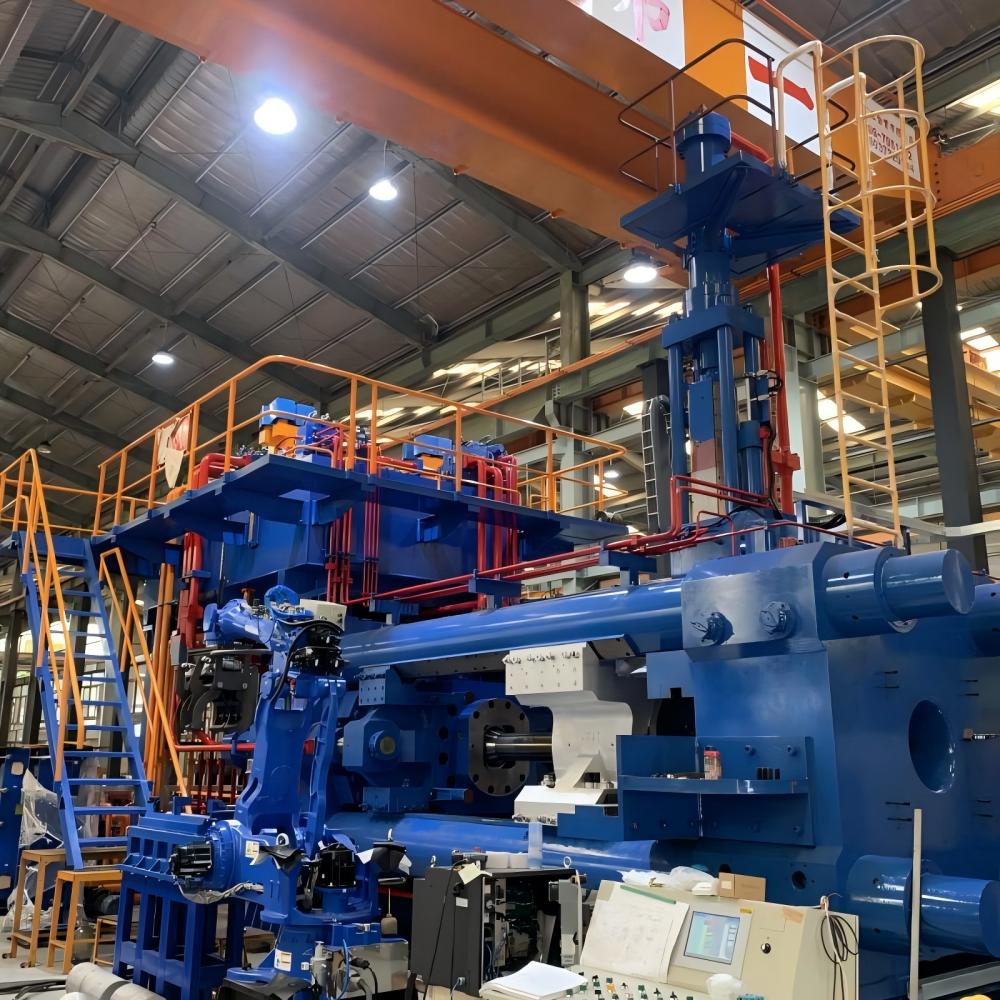
The primary challenge for any extrusion facility is the balance between speed and quality. When a press is pushed beyond its design limits, or when it is simply too old to maintain tight tolerances, the result is an increase in scrap rates and emergency maintenance calls. Enhancing line reliability starts with a thorough audit of the current production environment, identifying where the most significant time losses occur.
One of the most critical factors is the integration of the press with the rest of the line. A heavy-duty aluminium extrusion press must communicate effectively with billet heaters, pullers, and cooling tables. If the press is the bottleneck, the entire line sits idle while waiting for the next cycle. Reliability is therefore a systemic requirement, not just a property of the press itself.
Energy efficiency is another key consideration. Older hydraulic systems often waste significant energy through heat dissipation and inefficient pump cycles. A modern, heavy-duty press utilizes variable frequency drives (VFDs) and advanced hydraulic circuitry to ensure that power is only consumed when necessary. This not only reduces operational costs but also lowers the thermal stress on the machine, directly contributing to longer component life.
Maintenance accessibility is a frequently overlooked aspect of reliability. If a machine is difficult to service, technicians will inevitably delay preventative maintenance, leading to catastrophic failures. Modern presses are designed with modular components and diagnostic interfaces that allow for predictive maintenance. By monitoring vibration, oil temperature, and pressure fluctuations, operators can address issues before they result in a line stoppage.
Technical Details of the Upgrade
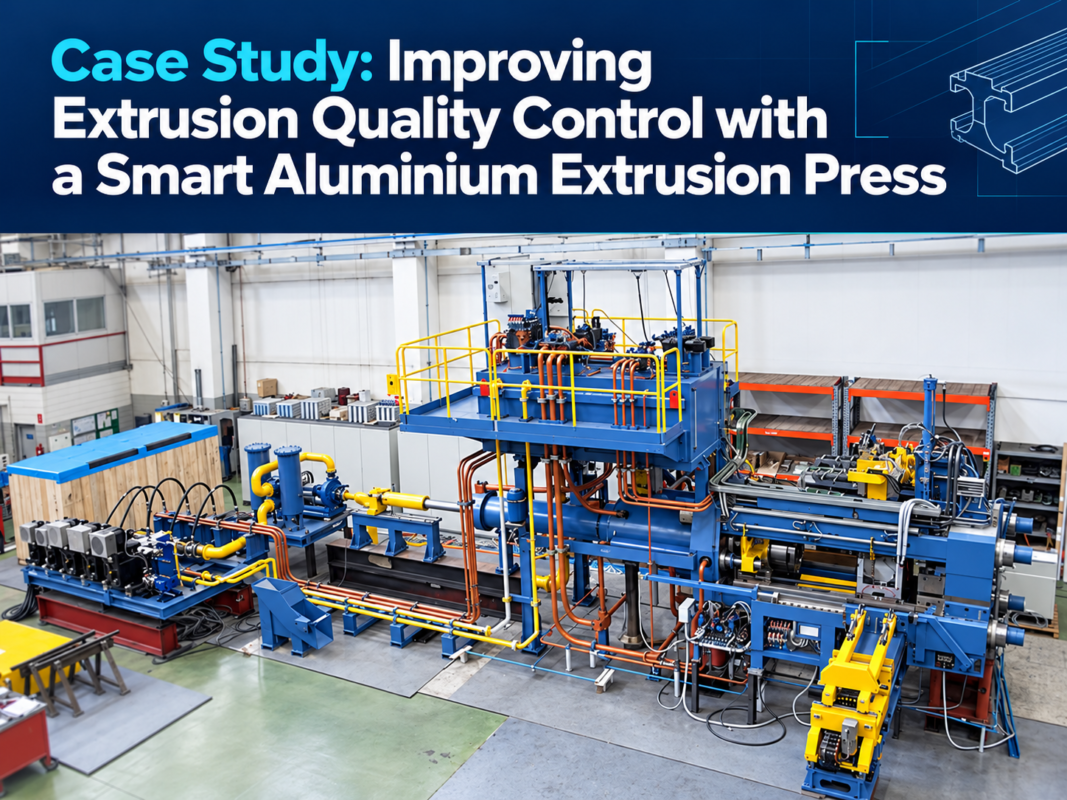
The transition to a high-performance extrusion press involves several technical upgrades that fundamentally change the production dynamic. In our case study, the client replaced a legacy 1200-ton press with a state-of-the-art HARSLE heavy-duty unit. The new machine featured a fully automated PLC control system that allowed for precise control over the extrusion speed and pressure profile, which is vital for complex aluminium alloys.
The hydraulic system was upgraded to a closed-loop design, which significantly reduced the response time of the main ram. This allows for a smoother transition between the billet loading phase and the extrusion phase, minimizing the “dead cycle” time. Furthermore, the inclusion of a high-speed shear and a more efficient die-heating system ensured that the transition between different profile shapes was faster and more accurate.
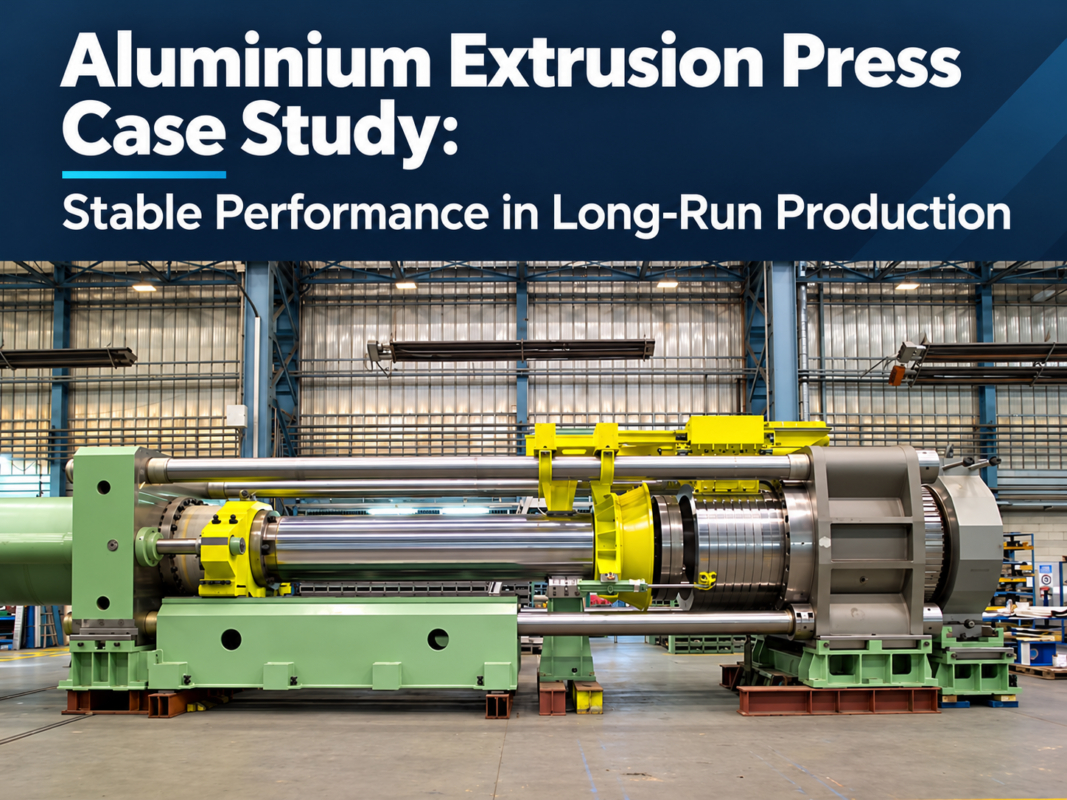
Structural rigidity is the hallmark of a heavy-duty press. The new unit featured a reinforced platen design that minimized deflection under load. This is critical for maintaining wall thickness consistency across the entire length of the extruded profile. By reducing deflection, the client was able to achieve tighter tolerances, which in turn reduced the amount of post-extrusion machining required.
Data logging capabilities were also a major technical improvement. The new press records every cycle, including pressure, temperature, and cycle time. This data is invaluable for quality control and for identifying trends that might indicate an impending mechanical issue. By leveraging this data, the maintenance team shifted from a reactive stance to a proactive, condition-based maintenance strategy.
Conseils de sélection pour les fabricants
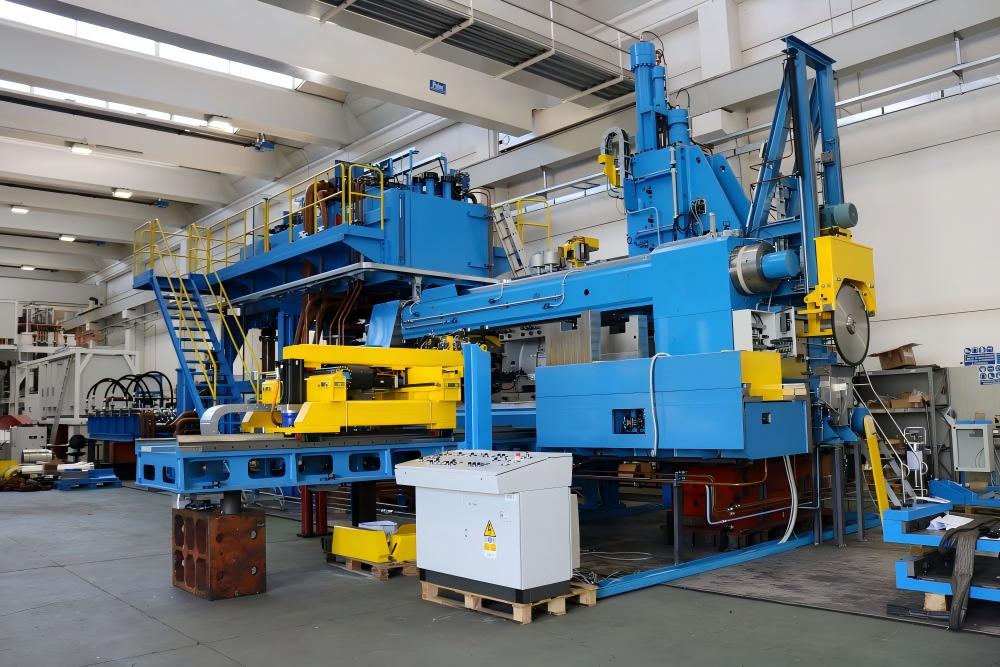
Selecting the right aluminium extrusion press is a significant capital investment that requires careful planning. The first step is to define your production requirements clearly. Are you focusing on high-volume, simple profiles, or do you need the flexibility to produce complex, thin-walled sections? The tonnage and the extrusion speed must be matched to your specific product mix.
Consider the support and service infrastructure of the manufacturer. A press is only as good as the support behind it. HARSLE provides comprehensive training for operators and maintenance staff, ensuring that the transition to new equipment is as smooth as possible. When evaluating suppliers, look for those who offer remote diagnostic support, as this can save days of downtime in the event of a software or sensor issue.
Don’t ignore the importance of the auxiliary equipment. The press is the centerpiece, but the billet heater, the handling system, and the cooling table must all be capable of keeping up with the press’s output. A common mistake is upgrading the press while leaving the downstream equipment as a bottleneck. Ensure that your entire line is balanced for the increased throughput you expect from your new investment.
Finally, consider the long-term total cost of ownership. While a cheaper machine might have a lower initial price tag, the cost of frequent repairs, higher energy consumption, and lower output quality will quickly erode those savings. A heavy-duty press is built to last for decades, and the reliability it provides is an asset that pays dividends in the form of consistent, high-quality production and satisfied customers.
Buyer’s Checklist for Extrusion Presses
- Tonnage Requirements: Calculate the maximum force needed for your largest profiles.
- Niveau d'automatisation : Determine if you need manual, semi-automatic, or fully automated billet handling.
- Control System: Ensure the PLC is user-friendly and supports data logging for quality assurance.
- Energy Efficiency: Look for servo-driven or VFD-controlled hydraulic systems.
- Serviceability: Check for ease of access to hydraulic valves, pumps, and electrical cabinets.
- Manufacturer Support: Verify the availability of spare parts and technical support in your region.
FAQ
What are the main benefits of a heavy-duty aluminium extrusion press?
A heavy-duty press offers superior structural rigidity, which leads to better profile consistency and tighter tolerances. They are also designed for higher duty cycles, reducing the frequency of maintenance and increasing overall line reliability.
How does a new press improve production speed?
Modern presses feature faster cycle times, improved billet loading systems, and advanced control software that optimizes the extrusion speed based on the alloy and profile shape, significantly reducing idle time.
Is it necessary to upgrade the entire line when buying a new press?
While not always necessary, it is highly recommended to evaluate the entire line. If your downstream equipment (pullers, saws, cooling tables) cannot handle the increased output of the new press, you will create a new bottleneck.
How long does it take to install and commission a new press?
Installation time varies based on the size of the press and the complexity of the integration. Generally, a professional installation team can have a machine operational within 4 to 8 weeks, including testing and operator training.
What maintenance is required for an aluminium extrusion press?
Regular maintenance includes checking hydraulic fluid levels and quality, inspecting seals and gaskets, monitoring electrical connections, and ensuring that all sensors and safety interlocks are functioning correctly. Predictive maintenance using data logs is highly recommended.
Conclusion
The journey toward enhanced line reliability is a strategic move that separates industry leaders from the rest of the pack. As demonstrated in this Case Study: Enhancing Line Reliability A Heavy-Duty Aluminium Extrusion Press, the investment in high-quality, robust machinery is not just an expense—it is a foundation for growth. By addressing the technical limitations of legacy equipment and embracing modern automation, manufacturers can stabilize their production, reduce waste, and improve their bottom line.
HARSLE remains committed to providing the metal fabrication industry with the tools necessary to succeed in an increasingly demanding market. Whether you are looking to replace an aging press or expand your production capacity, the focus should always be on reliability, precision, and long-term value. We encourage all fabricators to conduct a thorough audit of their current lines and consider how a heavy-duty extrusion solution can transform their operational efficiency.
Investing in the right equipment is the first step, but maintaining that equipment through proper training and proactive care is what ensures long-term success. With the right partner and the right technology, your extrusion line can become the most reliable and profitable part of your business. Contact HARSLE today to learn more about our range of heavy-duty aluminium extrusion presses and how we can help you achieve your production goals.