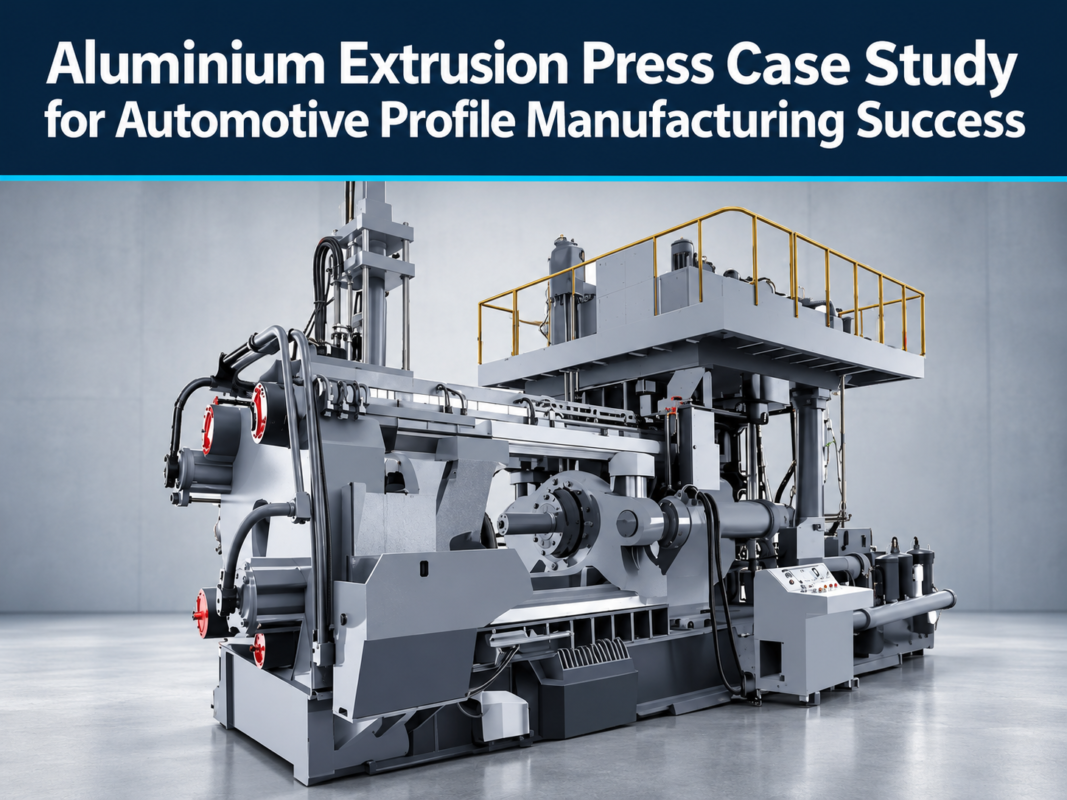
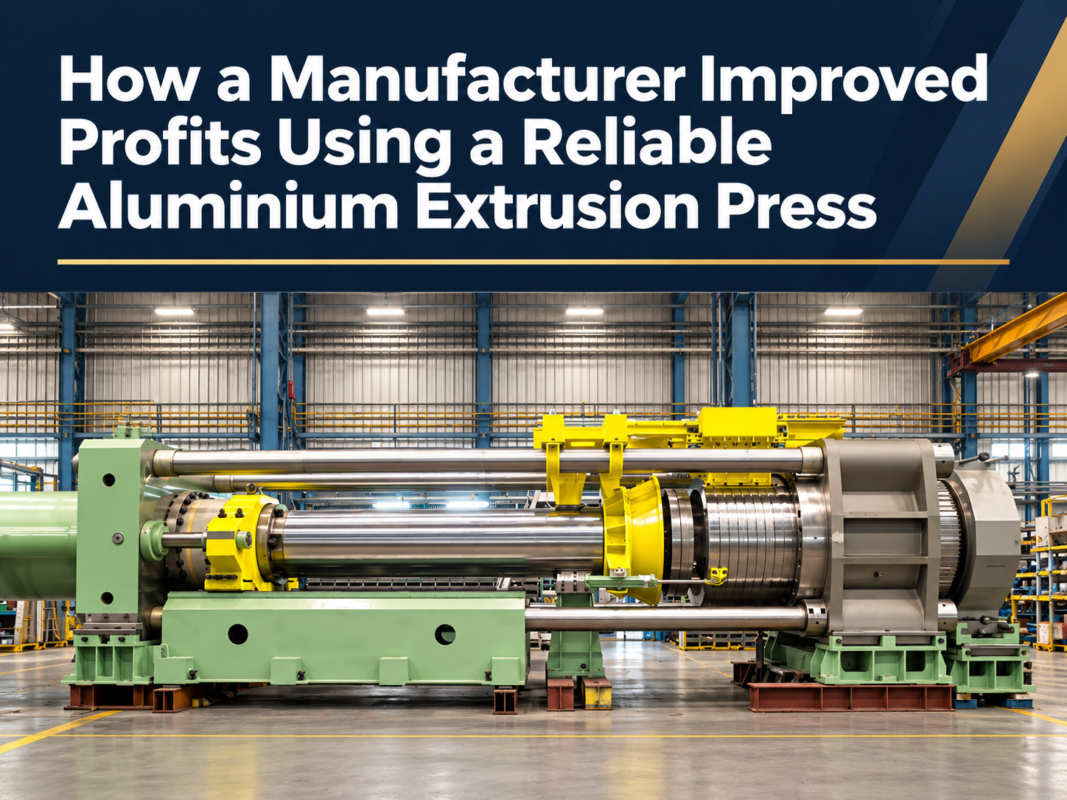
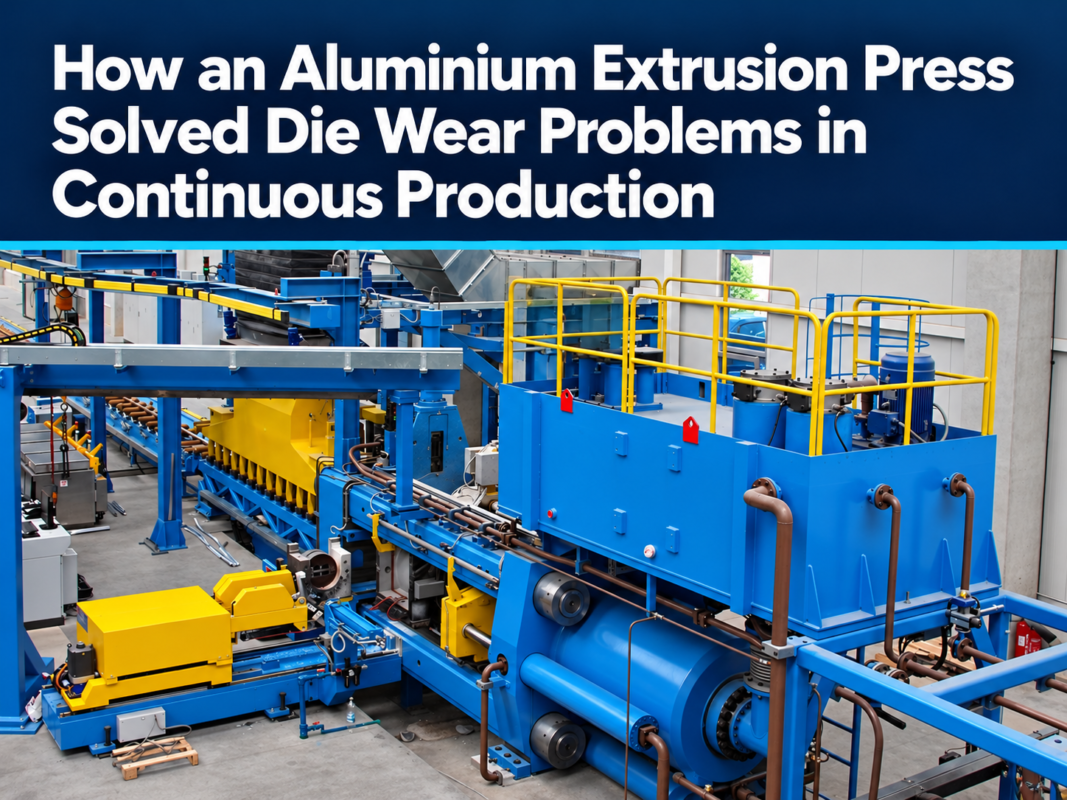
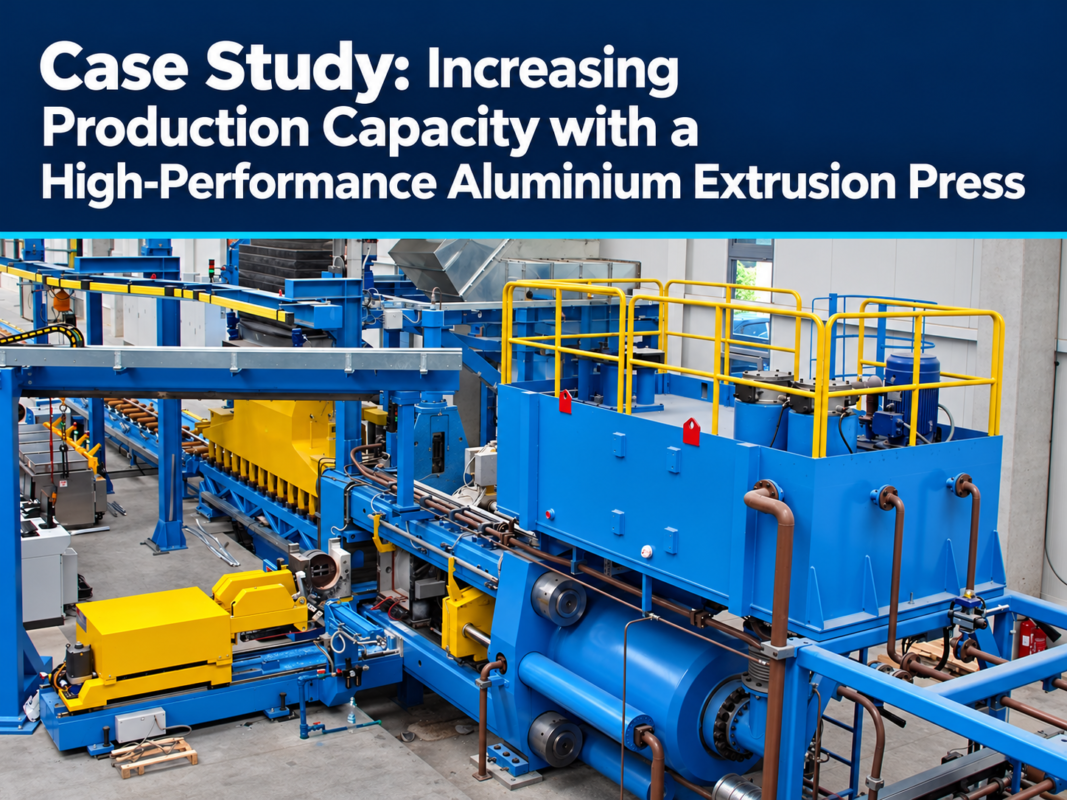
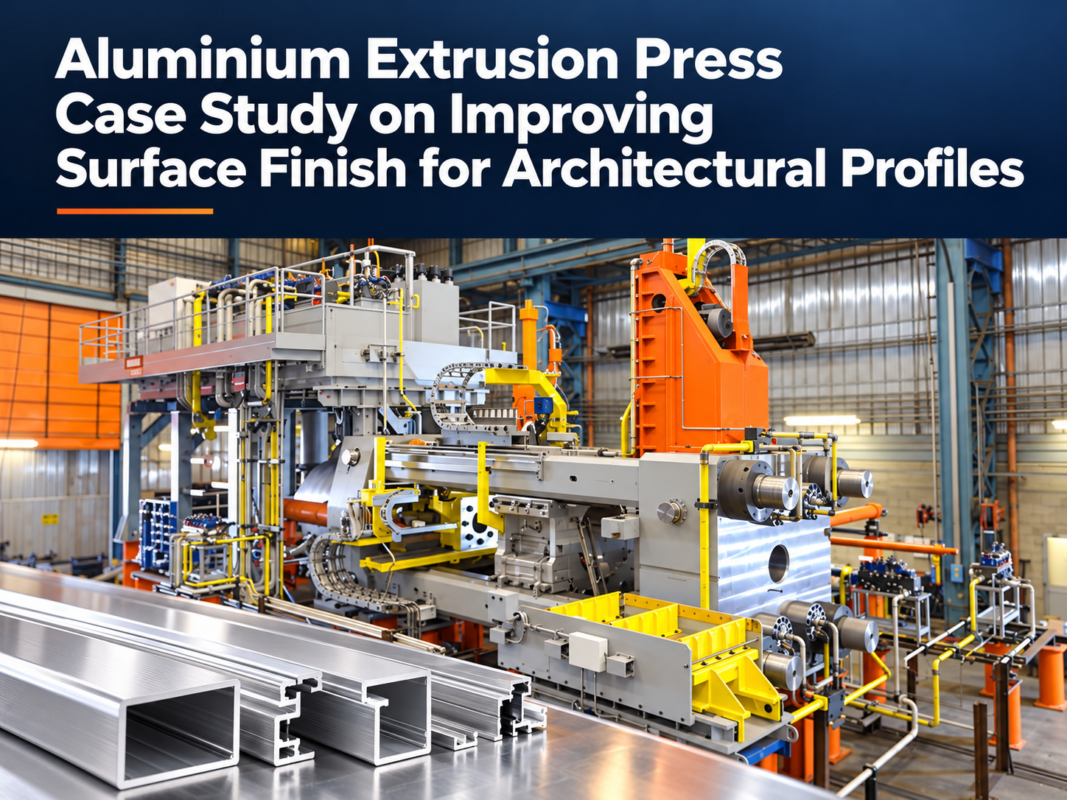
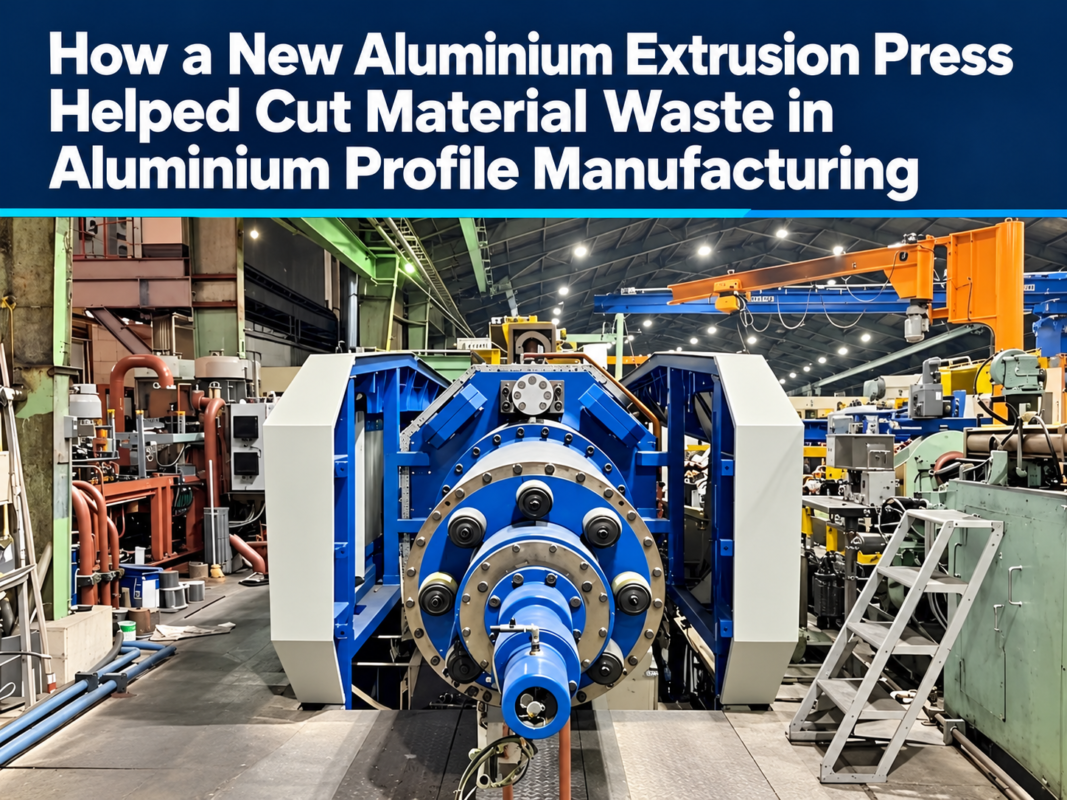
How a High-Force Aluminium Extrusion Press Supported Large-Section Profile Production

Introduction
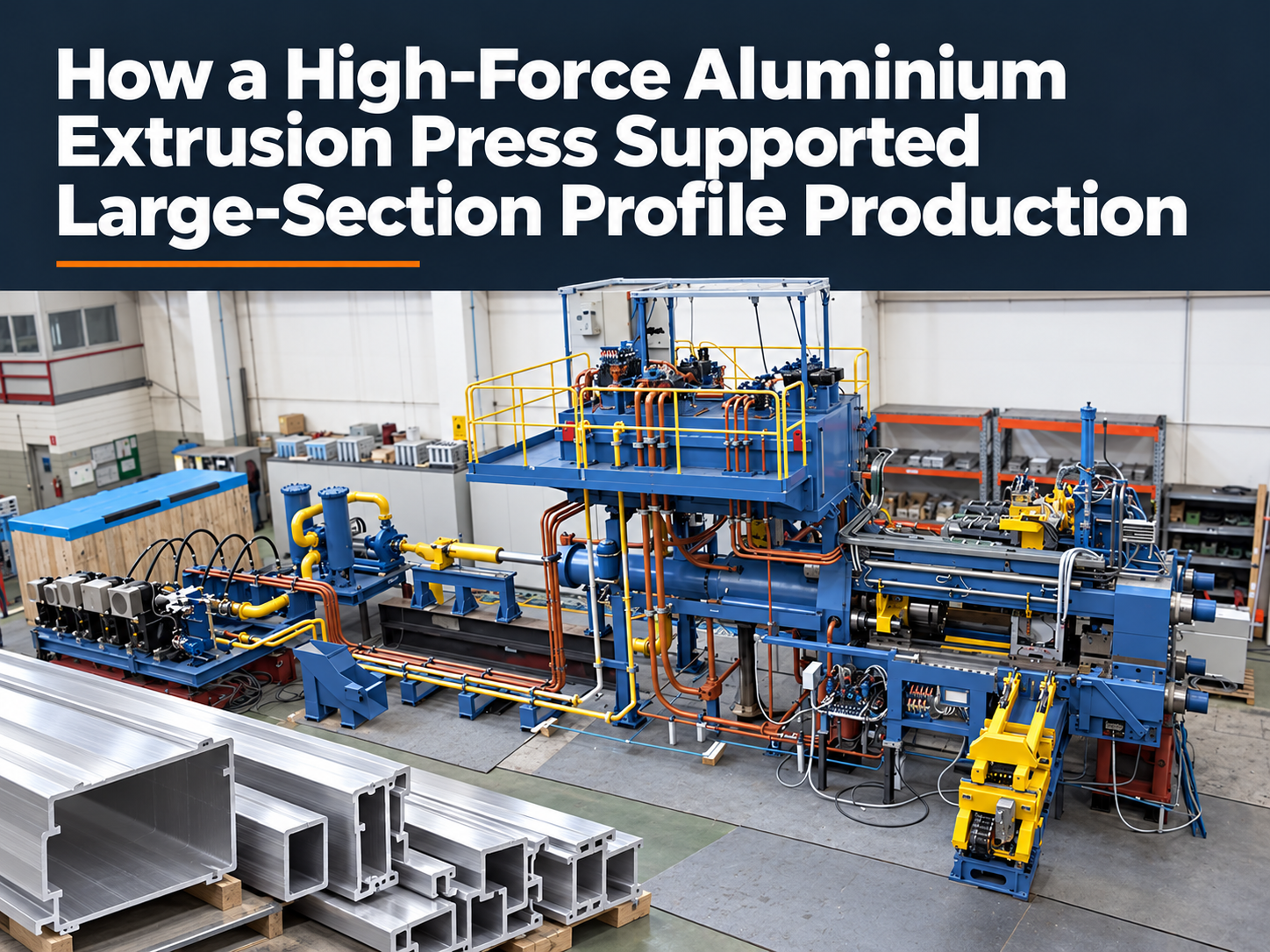
In the modern landscape of metal fabrication, the demand for complex, large-section aluminium profiles has surged across the aerospace, automotive, and architectural sectors. Achieving the structural integrity and dimensional accuracy required for these massive components necessitates more than standard machinery; it requires the precision and raw power of a high-force aluminium extrusion press. HARSLE has been at the forefront of this technological evolution, providing robust solutions that redefine manufacturing capabilities.
The process of extruding large-section profiles involves forcing a heated aluminium billet through a die with immense pressure. When dealing with large cross-sections, the resistance encountered during the flow of metal is significantly higher than that of smaller, simpler shapes. This is where the concept of ‘A High-Force Aluminium Extrusion Press Supported Large-Section Profile Production’ becomes a critical operational reality for manufacturers looking to scale their output.
This article explores the technical nuances, operational advantages, and strategic considerations involved in utilizing high-force extrusion technology. By understanding how these machines handle the physical demands of large-scale metal deformation, fabricators can better align their production goals with the right industrial equipment. From billet heating to cooling bed management, every stage of the process is optimized by the sheer force capacity of modern HARSLE machinery.
As we delve into the mechanics of these presses, we will examine why force capacity is not just a number, but a fundamental determinant of product quality. Whether you are producing structural beams for high-speed trains or massive curtain wall mullions for skyscrapers, the ability to maintain consistent pressure throughout the extrusion cycle is the difference between a high-yield production line and one plagued by defects.
Key Considerations for Large-Section Production
When transitioning to the production of large-section profiles, the primary challenge is the management of metal flow. Large profiles require a greater volume of aluminium to be displaced simultaneously, which increases the friction against the die walls and the container. A high-force aluminium extrusion press must be capable of overcoming this friction while maintaining a constant ram speed to ensure uniform grain structure throughout the profile.
Thermal management is another critical factor. As the metal is forced through the die, internal friction generates significant heat. If the press lacks the force to move the metal efficiently, the dwell time increases, leading to overheating and potential surface defects. High-force presses allow for faster cycle times, which keeps the aluminium within the optimal temperature window, preventing the ‘tearing’ or ‘cracking’ often associated with slow, high-resistance extrusions.
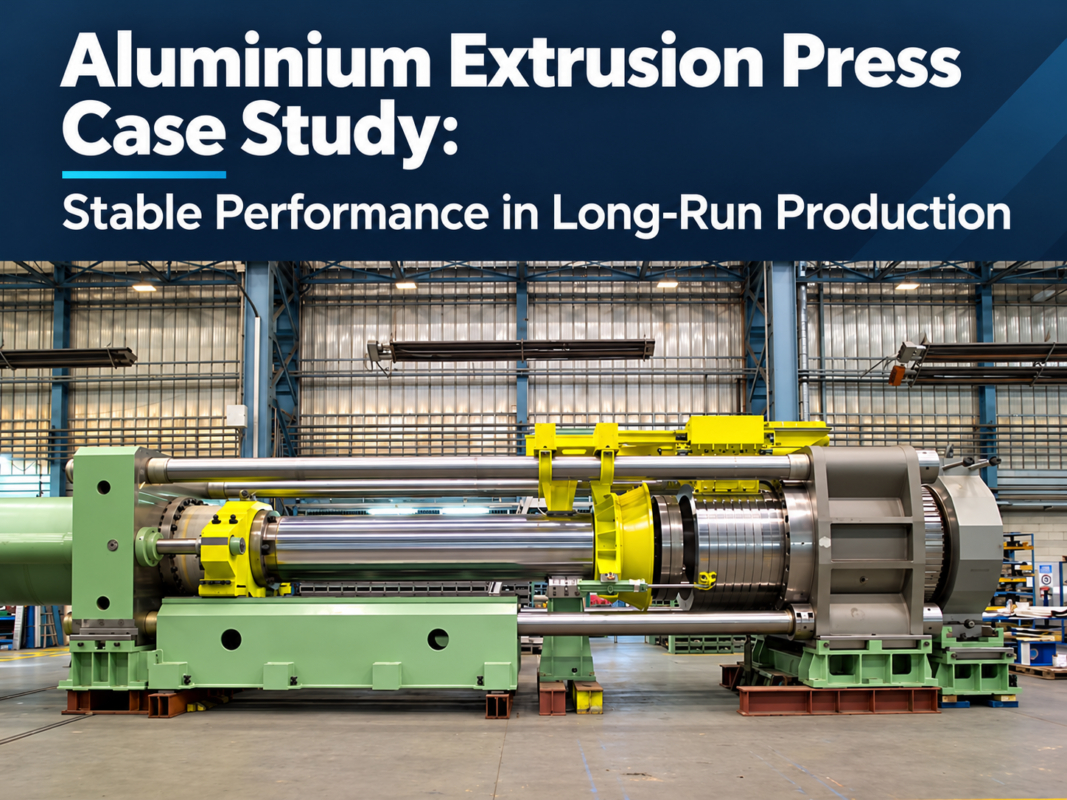
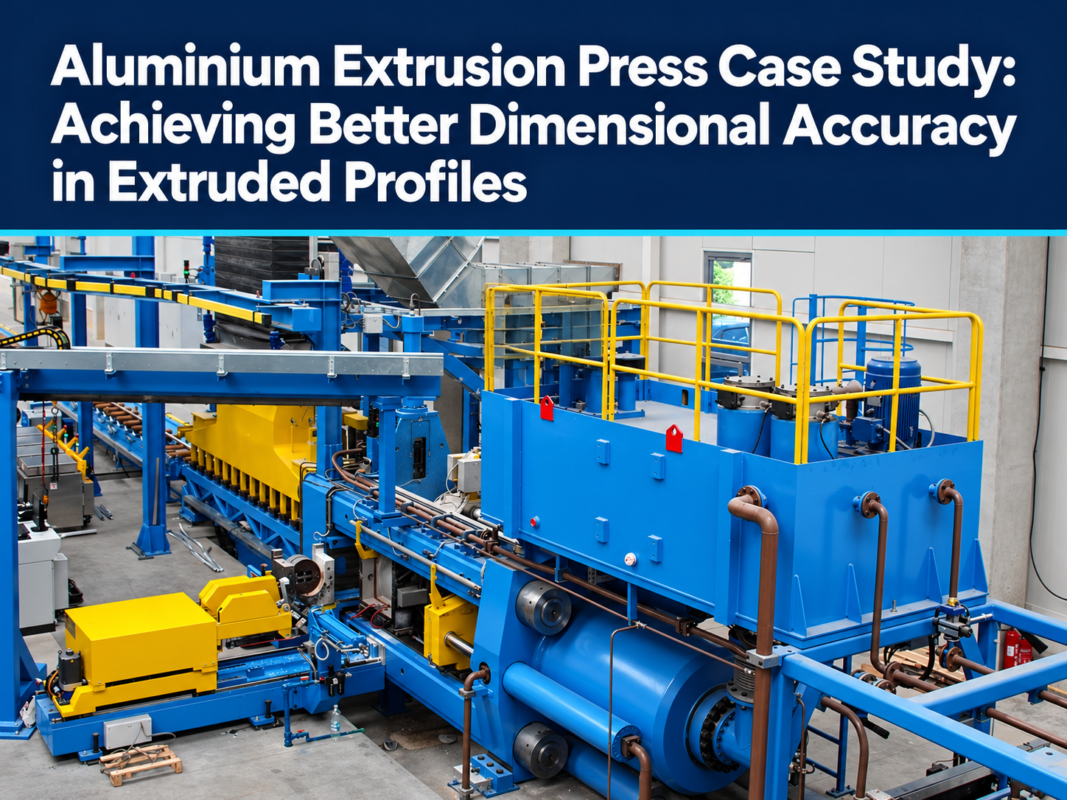
Structural rigidity of the press frame is paramount. When a press exerts thousands of tons of force, any deflection in the frame can lead to misalignment of the die and the billet. HARSLE engineers prioritize heavy-duty, stress-relieved steel frames that minimize deflection, ensuring that the extrusion axis remains perfectly aligned even under maximum load. This stability is the foundation of high-tolerance profile production.
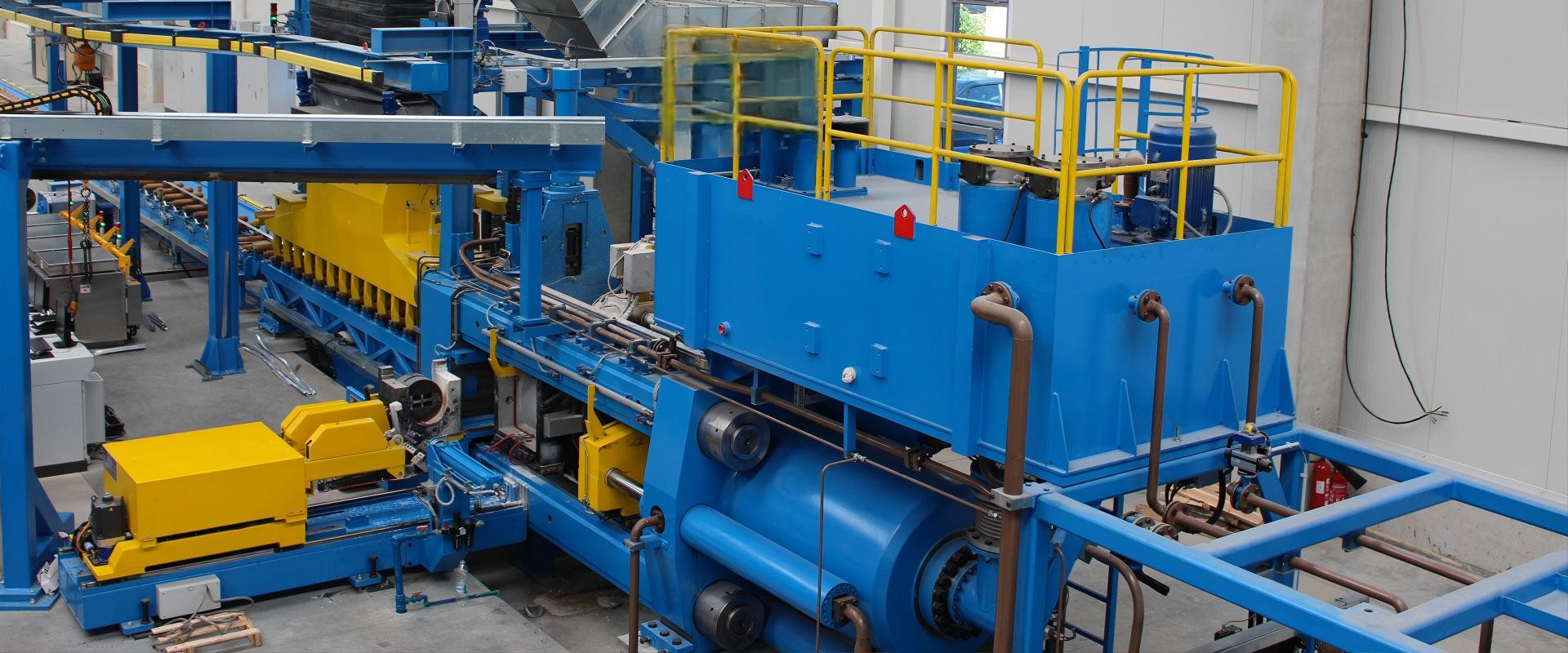
Furthermore, the integration of automation in the handling system is essential. Large profiles are heavy and prone to deformation upon exiting the press. A high-force setup must be paired with sophisticated puller systems and cooling tables that can handle the weight and length of the extruded sections without causing bowing or twisting. The synergy between the press force and the downstream handling equipment is what truly defines a successful production line.
Technical Details of High-Force Extrusion
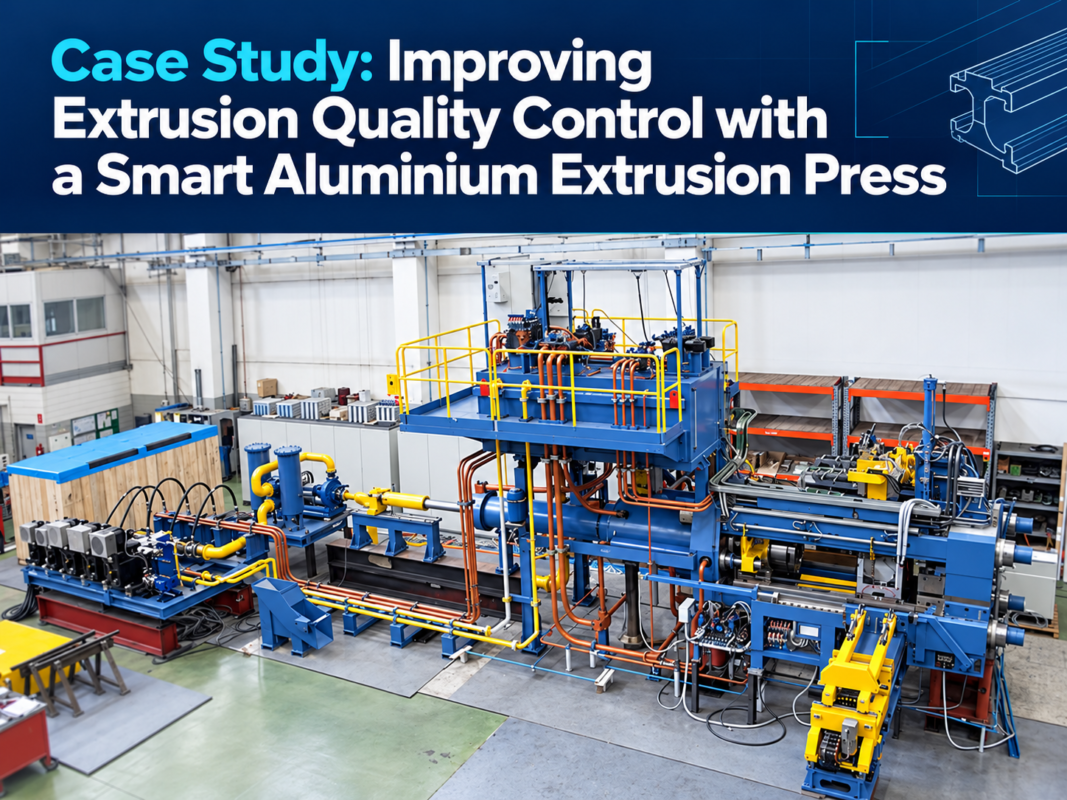
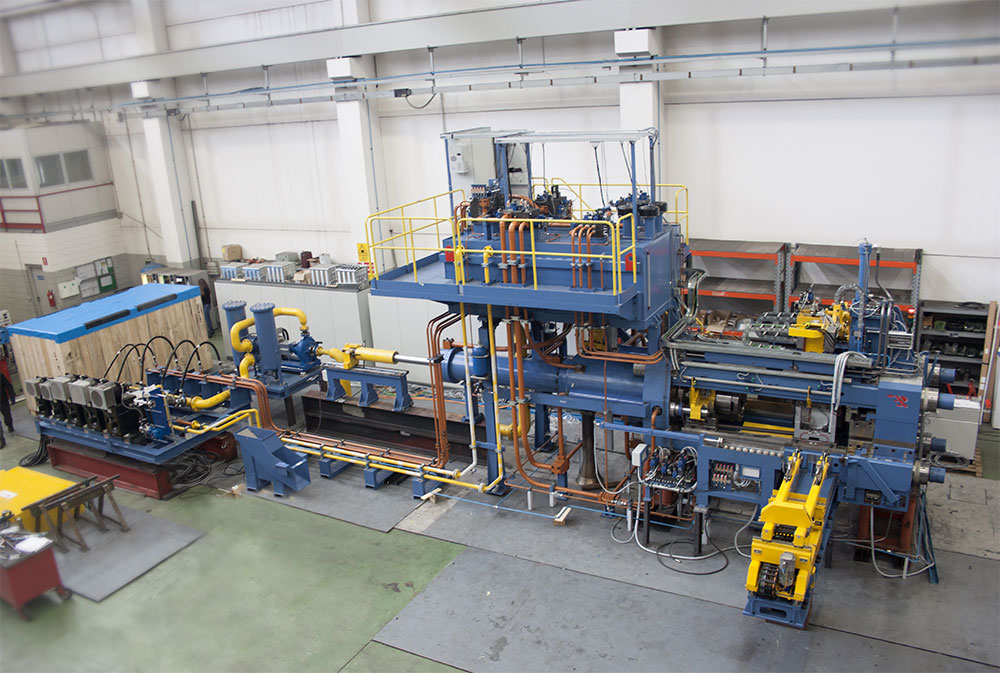
The technical architecture of a high-force extrusion press is centered around the hydraulic system and the billet container assembly. In a typical HARSLE high-force configuration, the hydraulic pumps are designed to provide variable flow rates, allowing the operator to adjust the extrusion speed dynamically. This is crucial when the profile geometry changes, as different sections of the profile may require varying flow velocities to maintain structural integrity.
The container heating system is another vital component. To facilitate the flow of large-section profiles, the container must be kept at a precise temperature to minimize the temperature gradient between the billet and the die. High-force presses often utilize multi-zone induction heating systems, which allow for granular control over the temperature profile of the billet, ensuring that the metal reaches the die in a state of optimal plasticity.
Die design and support systems also play a major role. For large sections, the die must be supported by a robust bolster and die-slide mechanism that can withstand the immense pressure without collapsing. HARSLE utilizes advanced finite element analysis (FEA) to design die supports that distribute the load evenly, preventing premature die failure and ensuring that the profile dimensions remain within strict tolerances over long production runs.
Finally, the control system acts as the brain of the operation. Modern high-force presses are equipped with PLC-based control systems that monitor ram pressure, billet temperature, and extrusion speed in real-time. This data-driven approach allows for the implementation of ‘constant speed’ extrusion, where the press automatically adjusts its hydraulic output to compensate for the decreasing billet length, ensuring a uniform surface finish from the beginning to the end of the extrusion.
Conseils de sélection pour les fabricants
Selecting the right press is a significant capital investment that requires a thorough analysis of your current and future production needs. The first step is to calculate the ‘extrusion ratio’ for your largest intended profile. This ratio, which compares the cross-sectional area of the billet to the cross-sectional area of the profile, will dictate the minimum force required. Always opt for a press with a 15-20% force buffer to handle variations in alloy hardness and die complexity.
Consider the alloy types you intend to process. Harder alloys, such as the 7000 series, require significantly more force than the 6000 series. If your business model involves a diverse range of alloys, ensure the press has a wide range of pressure settings and a robust hydraulic system that can handle the high-pressure demands of high-strength aluminium without overheating or excessive wear.
Evaluate the maintenance support and spare parts availability. A high-force press is a complex machine; downtime can be incredibly costly. Partnering with a manufacturer like HARSLE, which provides comprehensive technical support, remote diagnostics, and a reliable supply chain for critical components like seals, valves, and pumps, is essential for long-term operational success.
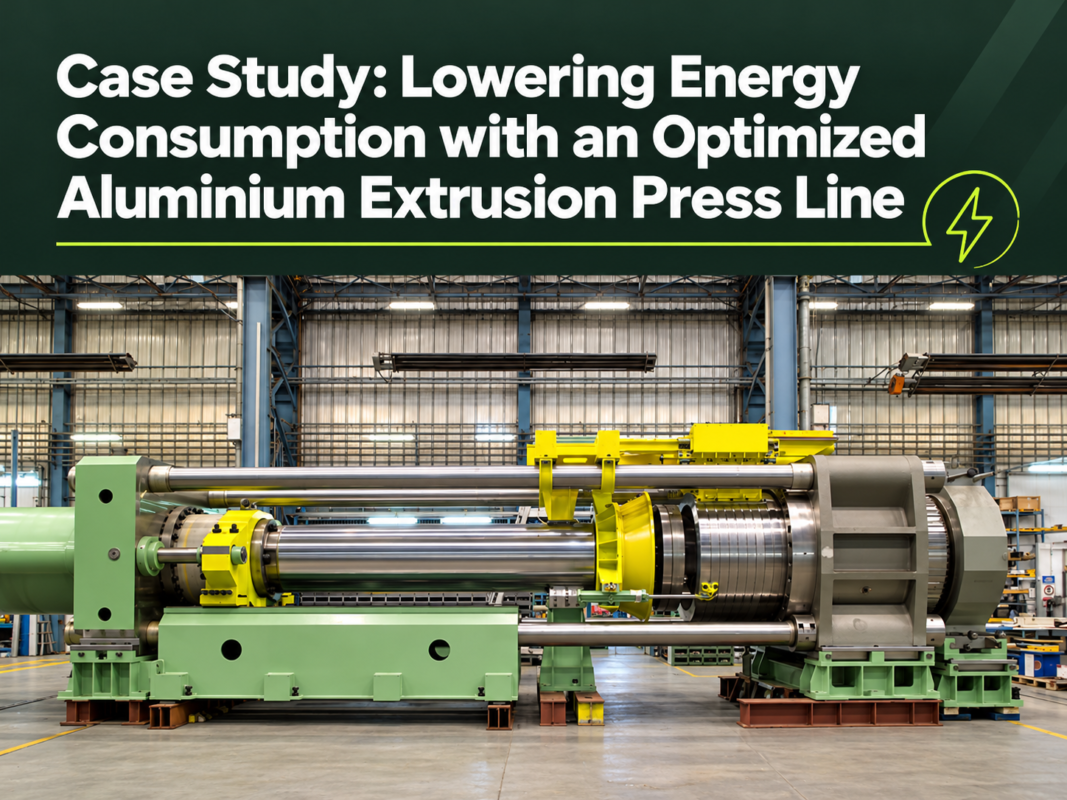
Lastly, look for energy efficiency features. High-force presses consume significant amounts of electricity. Modern systems with variable frequency drives (VFDs) and energy-recovery hydraulic circuits can drastically reduce operational costs over the lifespan of the machine. Investing in energy-efficient technology not only lowers your carbon footprint but also improves your bottom line by reducing the cost per kilogram of extruded aluminium.
FAQ
- What is the primary benefit of a high-force extrusion press? The primary benefit is the ability to extrude large, complex profiles with consistent structural integrity and surface finish, while minimizing the risk of defects caused by insufficient pressure.
- How does HARSLE ensure the durability of their presses? HARSLE uses high-grade, stress-relieved steel for the main frame and high-quality hydraulic components from reputable global suppliers to ensure longevity and minimal deflection under load.
- Can these presses handle different aluminium alloys? Yes, high-force presses are designed with adjustable pressure and speed controls, making them versatile enough to handle a wide range of aluminium alloys, from soft 1000 series to high-strength 7000 series.
- What maintenance is required for a high-force extrusion press? Regular maintenance includes hydraulic fluid analysis, seal inspection, die-slide lubrication, and periodic calibration of the PLC control system to ensure accuracy.
- How do I determine the force capacity I need? You should calculate the extrusion ratio based on your largest profile cross-section and the specific alloy’s flow stress. It is recommended to consult with HARSLE engineers to perform a load analysis based on your specific product portfolio.
Conclusion
The role of a high-force aluminium extrusion press in modern manufacturing cannot be overstated. As industries push the boundaries of what is possible with aluminium, the demand for machinery that can deliver power, precision, and reliability will only continue to grow. By choosing a high-force solution, fabricators can unlock new opportunities in large-section profile production, ensuring they remain competitive in an increasingly demanding global market.
HARSLE remains committed to providing the industrial equipment necessary to meet these challenges. Through a combination of advanced hydraulic engineering, robust structural design, and intelligent control systems, our presses empower manufacturers to achieve excellence in every extrusion. Whether you are upgrading your existing line or establishing a new facility, understanding the mechanics of high-force extrusion is the first step toward achieving superior production results.
Investing in the right technology is about more than just buying a machine; it is about building a partnership that supports your growth and innovation. With the right high-force aluminium extrusion press, your facility can handle the most complex profiles with ease, setting a new standard for quality and efficiency in the metal fabrication industry.