
How One Factory Reduced Scrap Size and Handling Costs with a Hammer Shredder

Introduction: The Hidden Cost of Metal Scrap
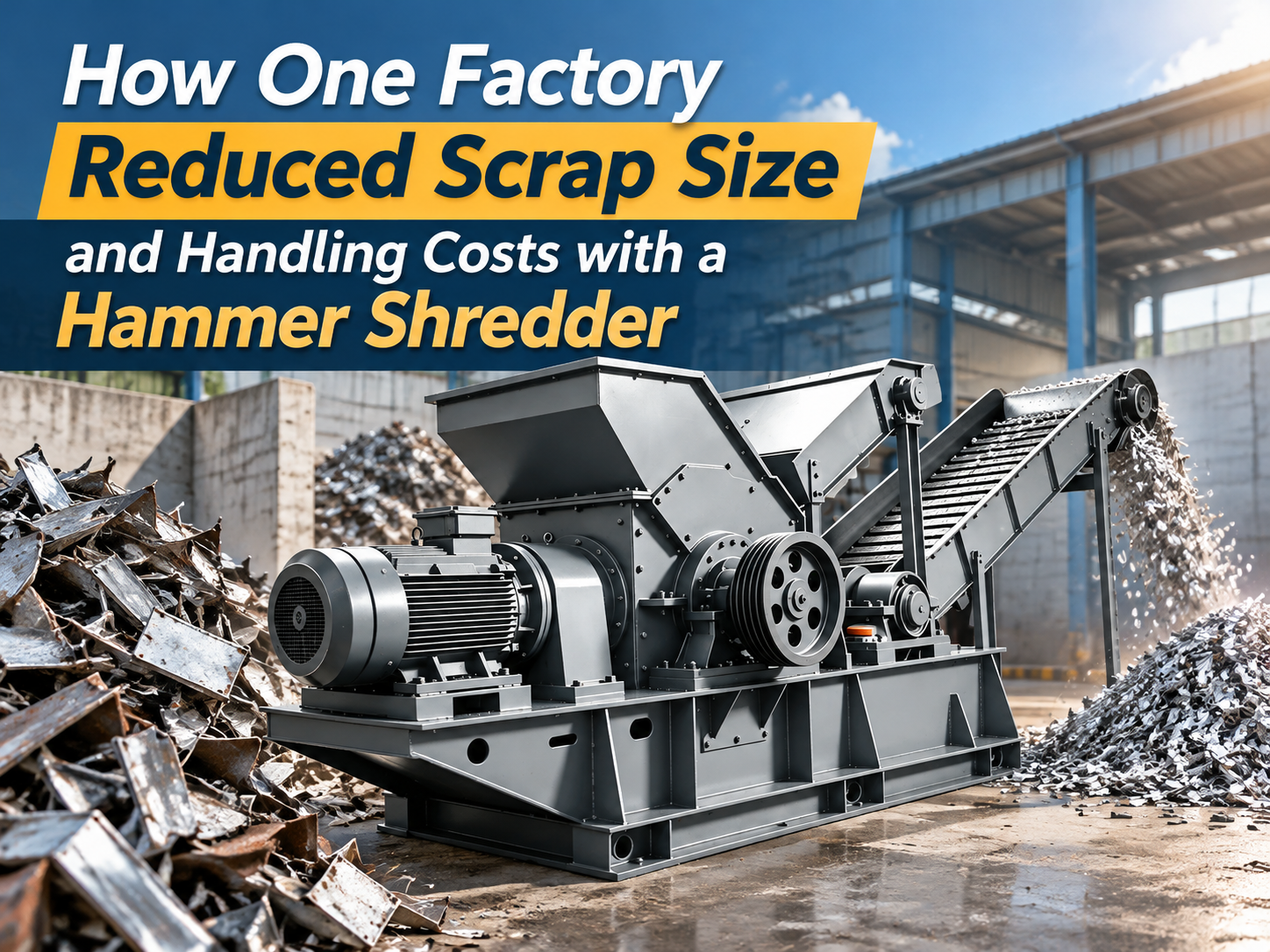
In the competitive landscape of modern metal fabrication, the efficiency of waste management is often the deciding factor between a profitable operation and one struggling with overhead. Many facilities overlook the logistical burden of handling bulky, irregular scrap metal. When scrap is left in its raw, voluminous state, it occupies valuable floor space, complicates transport, and significantly inflates logistics costs. This article explores the transformative journey of how one factory reduced scrap size and handling costs with a hammer shredder, providing a blueprint for other manufacturers to follow.
The factory in question, a mid-sized automotive parts supplier, faced a common dilemma: their production line generated tons of high-grade steel offcuts daily. These offcuts were jagged, tangled, and took up massive amounts of space in storage bins. The cost of hauling this “air-filled” scrap to recycling centers was exorbitant, as transport companies charged by volume rather than weight. By integrating a high-performance hammer shredder into their workflow, they fundamentally changed their scrap economics.
Understanding the mechanics of scrap reduction is essential for any plant manager looking to optimize their facility. A hammer shredder does not merely break metal; it transforms it into a uniform, dense commodity. This process allows for better material handling, higher resale value, and a cleaner, safer factory floor. Throughout this guide, we will analyze the technical advantages and strategic benefits of implementing this technology.
As we delve into the specifics, it is important to recognize that the transition from manual scrap handling to automated shredding is a significant capital investment. However, as the case study demonstrates, the return on investment (ROI) is often realized within the first eighteen months through reduced labor hours and optimized logistics. Let’s examine the key considerations that drove this factory’s decision-making process.
Considérations clés pour la gestion des rebuts
Before investing in a hammer shredder, the factory management had to evaluate their current waste stream. They analyzed the volume of scrap, the thickness of the metal, and the frequency of disposal. One of the primary considerations was the “bulk density” of their waste. Because their scrap was mostly light-gauge sheet metal, it was incredibly voluminous. They realized that by shredding this material, they could increase the density of their scrap bins by nearly 300%, effectively reducing the number of truck trips required for disposal.
Another critical factor was the safety of the workforce. Previously, employees had to manually sort and bundle sharp, tangled metal scraps, leading to frequent lacerations and ergonomic strain. By automating the shredding process, the factory moved toward a “hands-off” approach. The shredder was integrated into the end-of-line conveyor system, meaning scrap was processed immediately upon creation, eliminating the need for manual handling and temporary storage piles.
The environmental impact also played a role in the decision. By shredding scrap into smaller, uniform pieces, the factory was able to achieve a higher purity level in their metal recycling. Recyclers prefer shredded material because it is easier to sort using magnetic separators and eddy current separators. This allowed the factory to negotiate better contracts with scrap buyers, turning a waste expense into a reliable revenue stream.
Finally, the factory had to consider the integration of the shredder into their existing layout. Space is at a premium in any fabrication shop. They opted for a compact, high-torque hammer shredder that could be positioned directly under the discharge point of their punching machines. This minimized the footprint of the waste management system and ensured that the production flow remained uninterrupted.
Technical Details of Hammer Shredder Operations
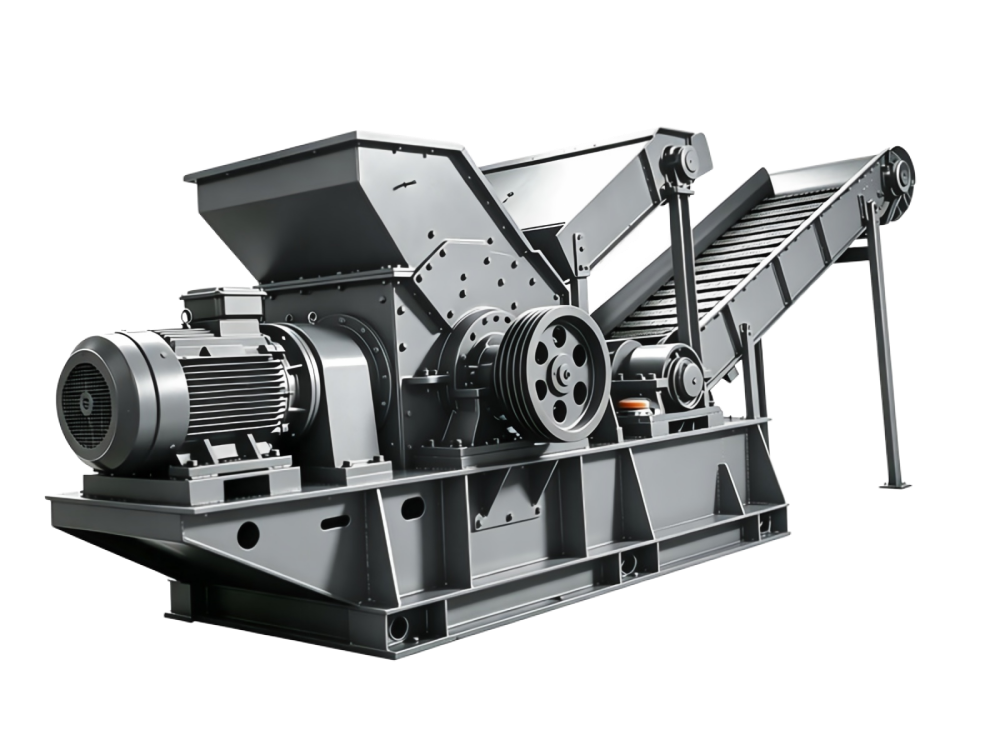
The core of the hammer shredder’s effectiveness lies in its design. Unlike shear shredders that use slow-moving blades to cut material, a hammer shredder utilizes high-speed rotating hammers that strike the metal with immense kinetic energy. This impact force shatters brittle materials and deforms ductile metals into small, manageable chips. The HARSLE-style hammer shredder is engineered with hardened alloy steel hammers that are designed to withstand the abrasive nature of metal fabrication waste.
Inside the shredding chamber, the material is subjected to repeated impacts until it is small enough to pass through a discharge grate. The size of the holes in this grate determines the final output size of the scrap. For this factory, they chose a grate size that produced pieces roughly 2-3 inches in diameter. This size is ideal for maximizing bulk density while ensuring the shredder does not become overloaded or jammed by overly large pieces.
Power consumption is a technical detail that often concerns plant managers. However, modern hammer shredders are equipped with variable frequency drives (VFDs) that adjust the motor speed based on the load. When the shredder is idling, the power draw is minimal. When a heavy load of scrap enters the chamber, the VFD ramps up the torque to ensure the material is processed without stalling. This intelligent power management is a key reason why the factory saw a decrease in their overall energy costs per ton of scrap processed.
Maintenance is another technical aspect that cannot be ignored. The hammers, while durable, are wear parts. The factory implemented a preventive maintenance schedule where the hammers are inspected every 500 hours of operation. Because the hammers are reversible, they can be flipped to expose a fresh striking edge, effectively doubling their lifespan before needing a full replacement. This simple design feature significantly lowered the long-term cost of ownership for the machine.
Conseils de sélection : Choisir le bon équipement
When selecting a hammer shredder, one must first define the material profile. Are you processing thin aluminum sheets, heavy steel plate, or a mix of both? A shredder designed for light-gauge aluminum will likely fail if fed heavy steel. Always consult with the manufacturer regarding the maximum thickness and hardness of the material you intend to process. HARSLE recommends conducting a material analysis to ensure the motor horsepower and hammer mass are correctly matched to your specific scrap output.
Consider the throughput capacity requirements. It is a common mistake to purchase a machine that barely meets your current needs. As your factory grows, your scrap output will likely increase. It is advisable to select a shredder with a capacity 20-30% higher than your current peak output. This provides a buffer for high-production periods and prevents the machine from running at its limit, which can lead to premature wear and tear.
Integration capabilities are equally important. Does the shredder come with an integrated infeed conveyor? Is it compatible with your existing dust collection or filtration systems? Metal shredding creates dust and small particles that must be managed to maintain air quality standards. A well-integrated system will include a dust extraction port directly on the shredder housing to capture these particles at the source.
Finally, look for a manufacturer that provides comprehensive support and spare parts availability. A hammer shredder is a mission-critical piece of equipment. If it goes down, your scrap piles up, and your production line may eventually have to stop. Ensure the supplier has a local presence or a robust logistics network to provide replacement hammers, grates, and technical support within 24-48 hours.
FAQ: Common Questions About Hammer Shredders
1. How much does a hammer shredder reduce scrap volume?
On average, a hammer shredder can reduce the volume of loose metal scrap by 70% to 90%. By breaking down jagged pieces into small, uniform chips, the material packs much tighter, allowing you to fit significantly more weight into the same container.
2. Can a hammer shredder process all types of metal?
While hammer shredders are versatile, they are generally intended for ferrous and non-ferrous metals. They are not suitable for hardened tool steels or extremely thick, solid blocks of metal that exceed the machine’s torque rating. Always check the manufacturer’s specifications for material hardness limits.
3. Is the noise level a concern for factory environments?
Hammer shredders are inherently noisy due to the impact process. However, modern units come with sound-dampening enclosures that significantly reduce decibel levels. It is recommended to install the machine in a dedicated area or use acoustic barriers if it is located near workstations.
4. How often do the hammers need to be replaced?
The lifespan of the hammers depends on the material being shredded and the daily volume. In a typical fabrication environment, hammers may last anywhere from 6 months to 2 years. Regular inspection and flipping the hammers to use both sides will extend their service life significantly.
5. Does the shredded metal have a higher resale value?
Yes. Shredded metal is considered a “clean” scrap product by recyclers. Because it is uniform and free of contaminants (if sorted correctly), it is easier to melt down in furnaces, which often commands a premium price compared to raw, mixed scrap.
Conclusion : Investir dans l'efficacité
The story of how one factory reduced scrap size and handling costs with a hammer shredder serves as a compelling case for modernizing waste management. By shifting from a reactive, manual approach to a proactive, automated system, the factory not only saved money on logistics but also improved safety and operational efficiency. The hammer shredder proved to be more than just a piece of equipment; it was a strategic asset that optimized the entire production lifecycle.
For any metal fabrication business, the goal should always be to minimize waste and maximize value. Whether you are a small shop or a large-scale manufacturer, the principles remain the same: reduce the volume of your waste, improve the quality of your scrap, and automate the handling process. As you evaluate your own facility, consider the long-term benefits of integrating a hammer shredder into your workflow.
HARSLE remains committed to providing the industrial machinery necessary to drive these improvements. By focusing on robust design, energy efficiency, and ease of maintenance, our shredding solutions are built to help you overcome the challenges of scrap management. If you are ready to take the next step in optimizing your factory, reach out to our technical team to discuss how a hammer shredder can be tailored to your specific production requirements.
In conclusion, the transition to automated scrap shredding is an investment in the future of your business. It is a clear path to reducing overhead, increasing safety, and contributing to a more sustainable manufacturing process. Don’t let bulky scrap dictate your costs—take control of your waste management today.












