
Four-Shaft Shredder Case Study: Better Efficiency for Metal Scrap Size Reduction

Introduction to Industrial Metal Shredding
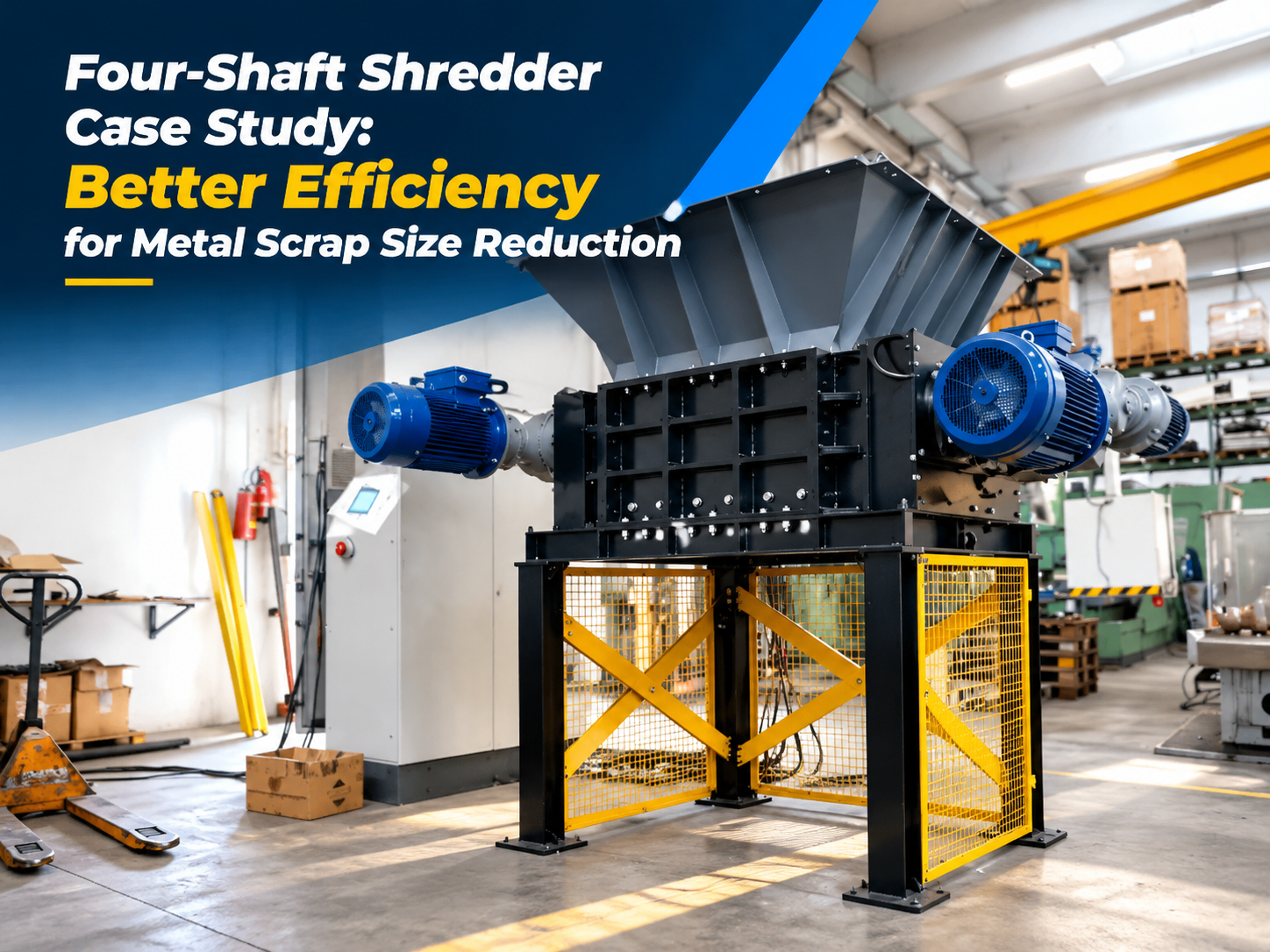
In the modern landscape of metal fabrication and recycling, the management of scrap material is a critical operational factor. As industrial facilities strive for higher sustainability and profitability, the need for advanced size reduction technology has never been greater. This article presents a comprehensive Four-Shaft Shredder Case Study: Better Efficiency Metal Scrap Size Reduction, highlighting how HARSLE’s engineering solutions transform bulky, unmanageable metal waste into high-density, furnace-ready feedstock.
The shift toward circular economy practices requires metal fabricators to process scrap efficiently. Traditional methods often involve manual labor or inefficient single-shaft shredders that struggle with high-tensile metal alloys. By contrast, the four-shaft shredder represents the pinnacle of mechanical size reduction, offering superior torque and controlled output sizing. This guide explores the technical advantages and operational improvements observed in real-world industrial applications.
HARSLE has long been at the forefront of providing robust machinery for the metalworking industry. Our commitment to innovation is reflected in the design of our shredding systems, which prioritize durability, throughput, and safety. Through this case study, we aim to provide facility managers and procurement officers with the insights necessary to optimize their scrap handling processes and maximize the value of their metal waste streams.
Understanding the mechanics of four-shaft shredding is essential for any facility looking to upgrade its recycling infrastructure. Unlike dual-shaft systems, the four-shaft configuration utilizes two primary cutting shafts and two secondary screen shafts, ensuring that material is shredded to a precise, uniform size before exiting the chamber. This process is vital for downstream processing, such as smelting or briquetting, where consistency is key to quality control.
Key Considerations for Metal Scrap Management
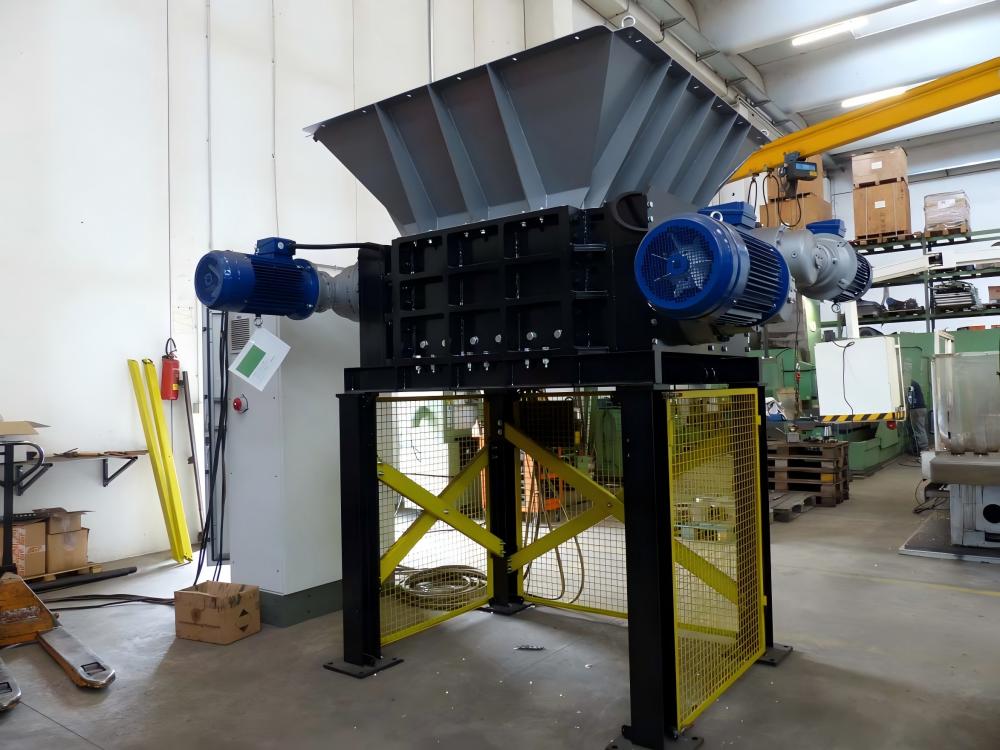
Before investing in a shredding solution, facility managers must evaluate the specific characteristics of their scrap stream. Metal scrap is not a monolithic category; it varies significantly in thickness, alloy composition, and physical geometry. A Four-Shaft Shredder Case Study: Better Efficiency Metal Scrap Size Reduction reveals that the most successful implementations are those where the machine is matched precisely to the material profile.
Material density and hardness are the primary variables that dictate the required torque and cutting force. For instance, high-strength steel alloys require specialized blade materials and heat treatment processes to prevent premature wear. HARSLE engineers conduct thorough material analysis to ensure that the shredder’s cutting geometry is optimized for the specific scrap types encountered in the client’s facility, whether it be automotive components, aluminum extrusions, or industrial sheet metal offcuts.
Throughput requirements also play a decisive role in system selection. A facility processing five tons of scrap per hour has vastly different needs than one processing fifty tons. Our case study highlights the importance of balancing shredder capacity with the logistics of the entire production line. An undersized machine creates a bottleneck, while an oversized machine leads to unnecessary capital expenditure and higher energy consumption.
Environmental and safety regulations are increasingly stringent regarding industrial waste. Modern shredders must be equipped with advanced dust suppression systems, noise reduction enclosures, and emergency stop protocols. Integrating these features into the shredding process not only ensures compliance with local labor laws but also improves the overall working environment for plant personnel, leading to higher morale and reduced downtime.
Technical Details of HARSLE Four-Shaft Shredders
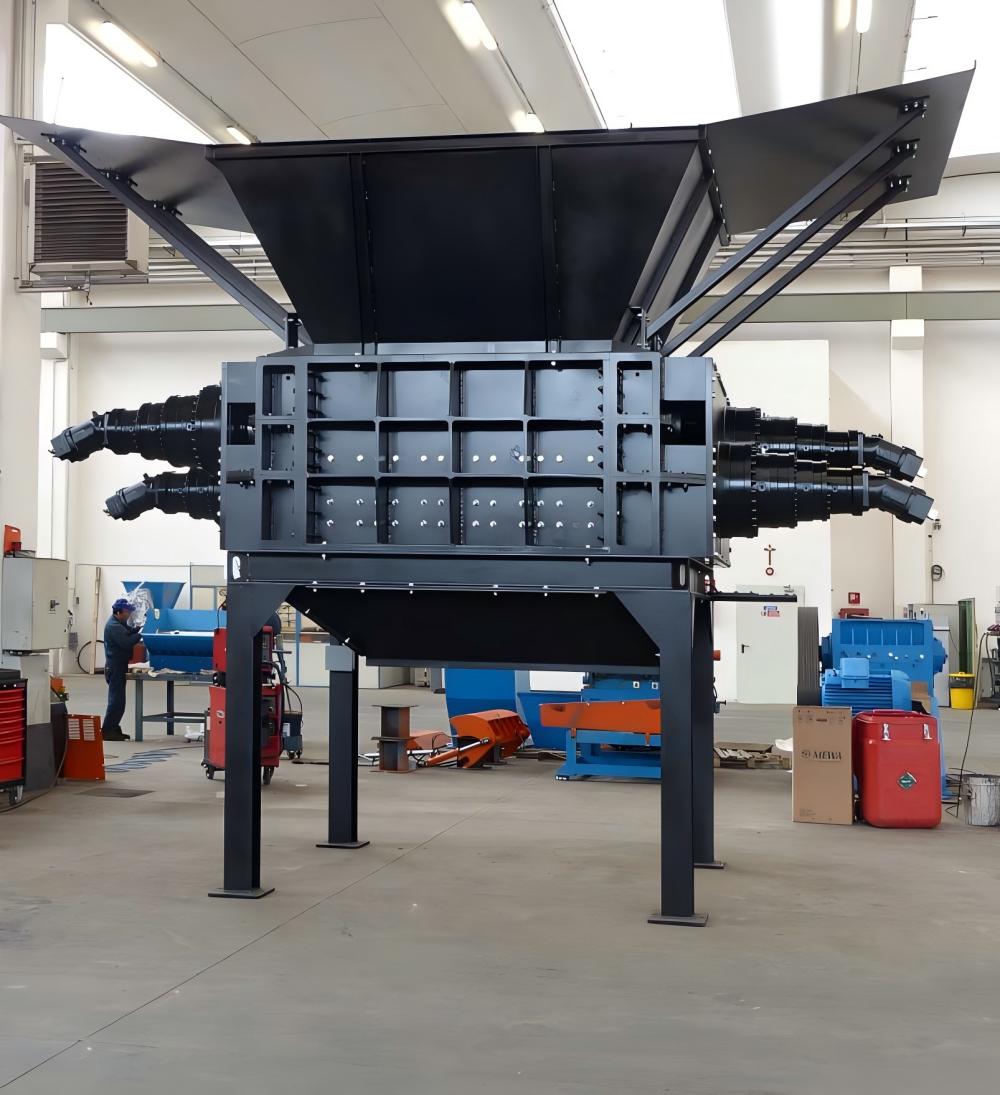
The technical superiority of the four-shaft shredder lies in its unique mechanical architecture. At the heart of the HARSLE system are four independent shafts driven by high-torque gearboxes. The primary shafts are equipped with interlocking blades that grab and tear the metal, while the secondary shafts act as a sizing mechanism, ensuring that no material leaves the chamber until it meets the required dimensions.
One of the most critical technical components is the blade material. HARSLE utilizes high-alloy tool steels that are vacuum-hardened to withstand the extreme stresses of metal shredding. The blade profile is designed to minimize the “wrapping” effect, where long, stringy metal scrap can tangle around the shafts. By utilizing a specific tooth geometry, the shredder maintains a consistent cutting action, even when dealing with difficult, high-tensile materials.
The control system is another area where HARSLE excels. Our shredders feature PLC-based automation that monitors motor load in real-time. If the system detects an overload—such as a piece of hardened tool steel or a non-metallic contaminant—the shafts automatically reverse to clear the obstruction before resuming operation. This intelligent feedback loop prevents mechanical failure and significantly reduces the need for manual intervention.
Maintenance accessibility is a hallmark of HARSLE design. The modular construction of the cutting chamber allows for quick blade replacement and shaft inspection. By reducing the time required for routine maintenance, facilities can maintain higher uptime and ensure that their scrap processing operations remain profitable. Our case study demonstrates that facilities with a proactive maintenance schedule experience 30% fewer unplanned outages compared to those using legacy equipment.
Selection Advice for Industrial Shredding Equipment
Choosing the right shredder is a strategic decision that impacts the bottom line for years. When reviewing a Four-Shaft Shredder Case Study: Better Efficiency Metal Scrap Size Reduction, it becomes clear that the “one-size-fits-all” approach is ineffective. Buyers should start by conducting a comprehensive audit of their scrap volume, material types, and the desired final particle size. This data forms the foundation of the procurement process.
Consider the integration capabilities of the shredder. Will it be fed by a conveyor system, a forklift, or a robotic arm? The feed mechanism must be synchronized with the shredder’s throughput capacity to prevent surges that could trip the motor. HARSLE provides customized feeding solutions, including vibratory feeders and heavy-duty belt conveyors, to ensure a smooth, continuous flow of material into the shredding chamber.
Energy efficiency is another critical selection criterion. With rising electricity costs, the power consumption per ton of shredded material is a key performance indicator. HARSLE shredders are designed with high-efficiency motors and optimized gear ratios to maximize torque while minimizing energy draw. During the selection process, ask for energy consumption data based on your specific material profile to accurately forecast operational costs.
Finally, consider the manufacturer’s support network. Industrial machinery requires expert service, spare parts availability, and technical training. HARSLE offers comprehensive after-sales support, including remote diagnostics and on-site technician training. Investing in a machine from a reputable manufacturer ensures that your equipment remains a productive asset rather than a maintenance liability.
Foire aux questions (FAQ)
What makes a four-shaft shredder better than a two-shaft shredder?
A four-shaft shredder provides a more uniform output size because the secondary shafts act as a screen. This is crucial for applications requiring consistent feedstock for smelting or briquetting, whereas two-shaft shredders often produce irregular, larger pieces.
How often do the blades need to be replaced?
Blade lifespan depends on the hardness of the material being shredded and the volume of throughput. HARSLE uses high-grade alloy steel to maximize longevity, and our modular design allows for individual blade replacement rather than replacing the entire shaft.
Can these shredders handle non-metallic contaminants?
While designed for metal, HARSLE shredders feature advanced PLC controls that detect overload conditions. If a non-shreddable object enters the chamber, the system will automatically reverse the shafts to prevent damage.
What is the typical ROI for a four-shaft shredder?
ROI is achieved through reduced waste disposal costs, higher scrap resale value due to density, and improved efficiency in downstream processing. Many clients see a full return on investment within 18 to 24 months depending on their scrap volume.
Does HARSLE provide installation and training?
Yes, HARSLE provides full installation support, commissioning, and operator training to ensure your team is proficient in the safe and efficient operation of the machinery.
Conclusion
The Four-Shaft Shredder Case Study: Better Efficiency Metal Scrap Size Reduction underscores the transformative impact of modern shredding technology on metal fabrication operations. By transitioning from manual or inefficient processing methods to a high-performance HARSLE four-shaft system, facilities can achieve significant gains in throughput, material density, and overall profitability. The combination of robust engineering, intelligent control systems, and dedicated support makes HARSLE the ideal partner for your scrap management needs.
As the industry continues to evolve, the ability to process scrap efficiently will remain a competitive advantage. Whether you are looking to reduce your carbon footprint, lower disposal costs, or increase the value of your metal waste, investing in the right shredding technology is a foundational step. We invite you to contact HARSLE today to discuss your specific requirements and learn how our four-shaft shredders can be tailored to your unique operational environment.
In summary, the path to better efficiency in metal scrap size reduction is paved with precision engineering and strategic equipment selection. By focusing on the technical details—such as blade material, motor torque, and automated control systems—you can ensure that your facility remains at the cutting edge of the metalworking industry. Trust HARSLE to provide the equipment and expertise necessary to turn your scrap challenges into operational successes.












