
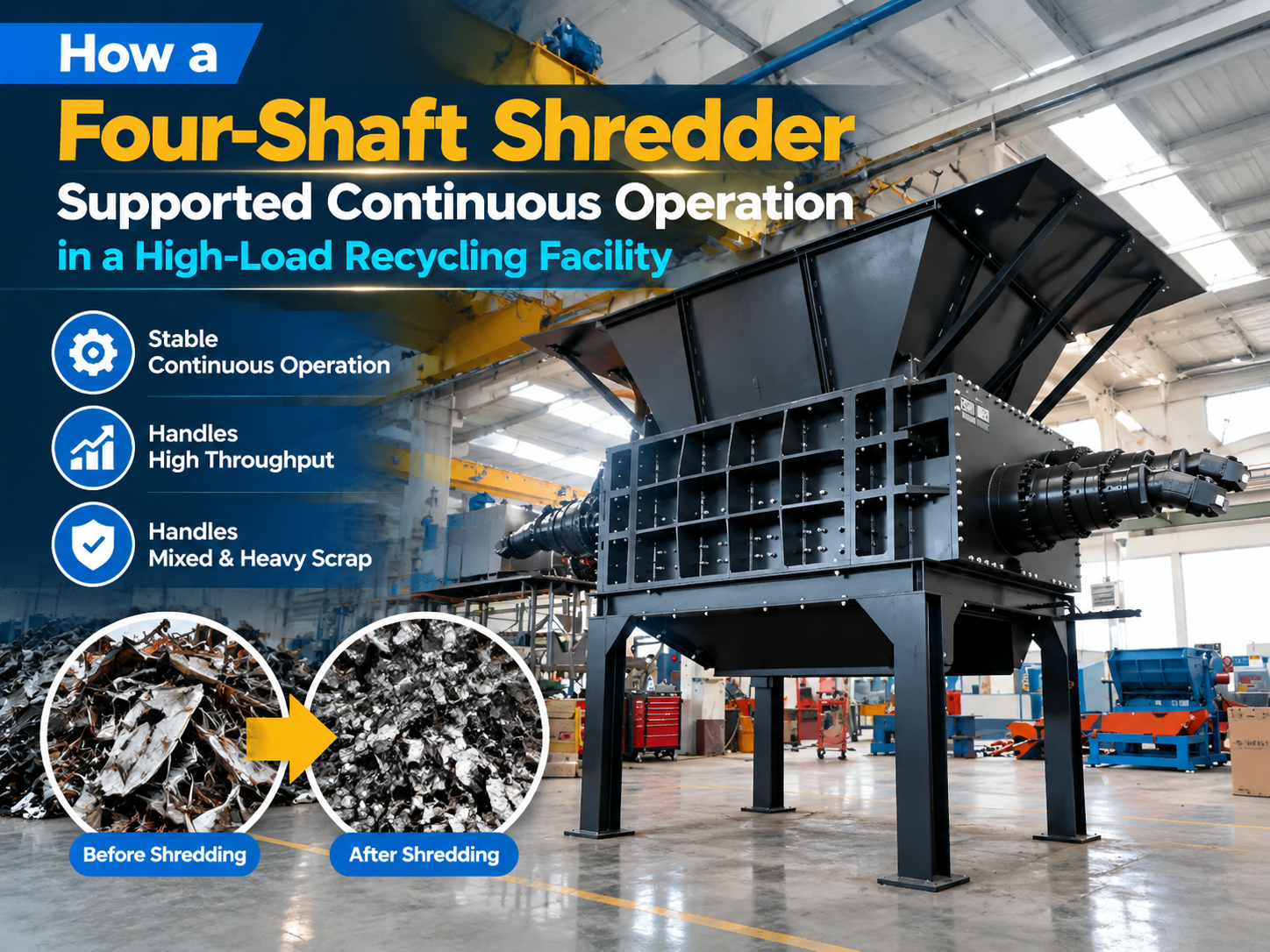
How a Four-Shaft Shredder Supported Continuous Operation in a High-Load Recycling Facility

Introduction: The Challenge of High-Volume Recycling
In the modern landscape of industrial waste management, the ability to process materials at scale without interruption is the primary differentiator between a profitable facility and one plagued by bottlenecks. For high-load recycling centers, the sheer volume of incoming scrap—ranging from bulky electronic waste and hazardous containers to dense metal components—demands machinery that is not only powerful but inherently reliable. This is where the implementation of a four-shaft shredder becomes a transformative asset.
When we examine how a four-shaft shredder supported continuous operation in a high-load recycling facility, we are looking at a shift from reactive maintenance to proactive, high-throughput processing. Unlike dual-shaft or single-shaft alternatives, the four-shaft configuration offers a unique mechanical advantage: it utilizes two primary cutting shafts and two secondary sizing shafts. This dual-stage process ensures that material is not just torn, but precisely sized before it exits the cutting chamber.
For facility managers, the primary pain point is often the ‘choke point’—the moment when the shredder jams due to oversized material or excessive torque requirements. By integrating a robust four-shaft system, facilities can achieve a level of operational continuity that was previously unattainable. This article explores the technical nuances, operational benefits, and strategic selection criteria that make this machinery the backbone of modern recycling infrastructure.
HARSLE has observed that as recycling mandates become stricter and material complexity increases, the reliance on specialized shredding technology has moved from a luxury to a necessity. Understanding the mechanics behind this continuous operation is essential for any plant manager looking to optimize their workflow and maximize the return on their capital investment in metal fabrication equipment.

Key Considerations for High-Load Recycling Environments
Operating a high-load recycling facility requires a deep understanding of material flow dynamics. The first consideration is the ‘feed rate consistency.’ In a facility processing tons of material per hour, the shredder must be able to handle surges in volume without stalling. A four-shaft shredder excels here because the secondary shafts act as a screen, preventing oversized material from recirculating and causing internal jams.
Secondly, durability under stress is paramount. High-load facilities often deal with ‘unshreddables’—materials that accidentally enter the stream, such as hardened steel or thick concrete chunks. A superior four-shaft shredder is equipped with intelligent PLC (Programmable Logic Controller) systems that detect torque spikes. When a jam is imminent, the system automatically reverses the shafts to clear the obstruction, allowing the machine to resume operation without manual intervention.
Energy efficiency is another critical factor. Continuous operation consumes significant power, and inefficient motors can lead to exorbitant utility costs. Modern four-shaft shredders utilize high-torque, low-speed motors that provide maximum cutting force while minimizing energy waste. By maintaining a steady, controlled speed, these machines reduce the mechanical wear and tear that typically occurs during high-speed, high-impact shredding processes.
Finally, safety and maintenance accessibility must be prioritized. In a continuous operation, downtime for maintenance is the enemy of productivity. A well-designed shredder features modular cutting decks that allow for quick replacement of worn blades. By minimizing the time required for routine service, the facility ensures that the ‘continuous’ aspect of their operation remains a reality rather than a goal.
Technical Details: Why Four Shafts Outperform Two
The technical superiority of a four-shaft shredder lies in its multi-stage reduction process. In a standard two-shaft shredder, material is shredded and then falls directly out of the cutting chamber. If the material is not shredded to the desired size on the first pass, it must be manually re-fed or sent through a secondary screening system. This creates a loop of inefficiency that slows down the entire facility.
In contrast, the four-shaft design incorporates two primary shafts that perform the initial heavy-duty shredding. Below these, two secondary shafts act as a sizing mechanism. These shafts are typically fitted with smaller, more precise cutters that ensure every piece of material meets the required output dimensions before it is discharged. This ‘closed-loop’ internal process is exactly how a four-shaft shredder supported continuous operation in a high-load recycling facility, as it eliminates the need for external conveyors and secondary screening equipment.
The torque distribution in these machines is also highly specialized. Because the load is spread across four shafts rather than two, the stress on each individual shaft and bearing is significantly reduced. This leads to a longer service life for the internal components. Furthermore, the synchronization of these shafts is managed by advanced gearboxes that ensure the cutters intermesh perfectly, providing a clean, shearing action rather than a blunt impact.
Material throughput is further enhanced by the design of the cutting blades. HARSLE-recommended shredders often utilize high-alloy steel blades with specialized heat treatment. These blades maintain their edge even when processing abrasive materials like aluminum, copper, or mixed plastics. The ability to maintain a sharp cutting edge over long periods is the secret to maintaining a consistent throughput rate in a 24/7 recycling environment.
Selection Advice: Choosing the Right Shredder for Your Facility
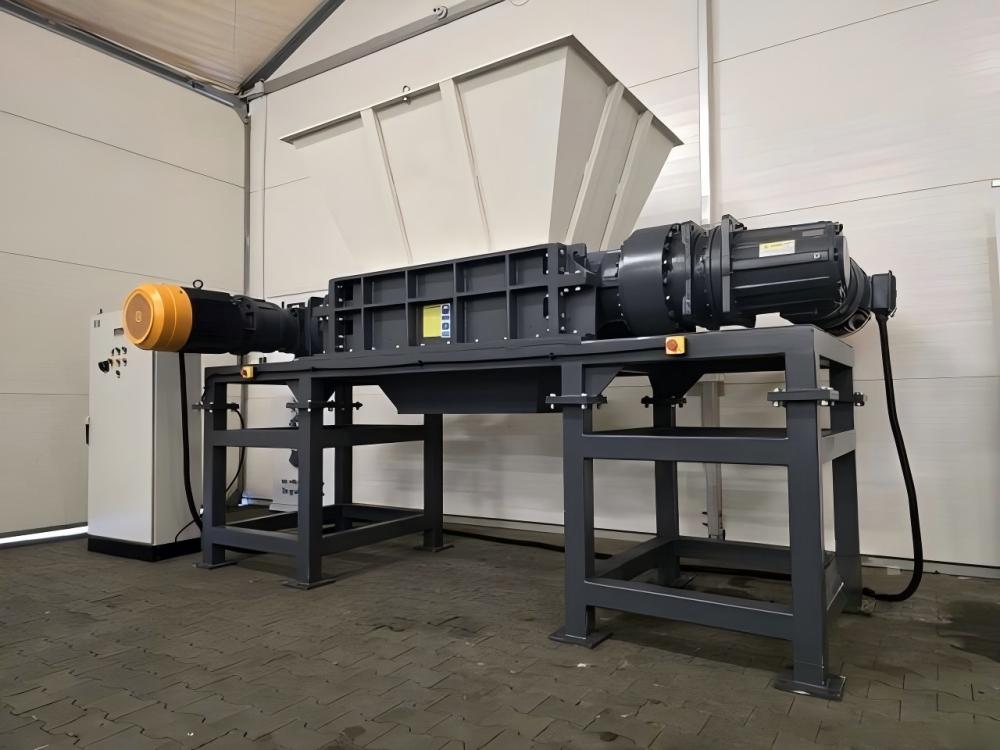
When selecting a four-shaft shredder, the first step is to conduct a thorough material audit. You must categorize the types of waste you process: are they primarily light metals, bulky electronic waste, or dense industrial scrap? The hardness and volume of these materials will dictate the required motor power, shaft speed, and blade configuration. A machine that is underpowered will fail to provide the continuous operation you require, while an overpowered machine may result in unnecessary capital expenditure.
Consider the integration capabilities of the shredder. A modern shredder should not exist in a vacuum; it should be part of an integrated system that includes automated feeding conveyors, magnetic separators for ferrous metal recovery, and output conveyors for sorted material. HARSLE emphasizes that the best shredding solutions are those that communicate with the rest of the production line, adjusting feed rates based on the load detected in the shredding chamber.
Maintenance support is another non-negotiable factor. Look for manufacturers that provide comprehensive training for your maintenance team and maintain a readily available stock of spare parts. In a high-load facility, waiting weeks for a replacement blade or a specialized sensor is not an option. Ensure that the shredder you choose has a modular design that allows for ‘hot-swapping’ of components, which significantly reduces the time required for routine maintenance tasks.
Finally, evaluate the total cost of ownership (TCO) rather than just the initial purchase price. This includes energy consumption, the frequency of blade sharpening, the cost of replacement parts, and the potential revenue lost during downtime. A slightly higher initial investment in a high-quality, robust four-shaft shredder often pays for itself within the first year through increased throughput and reduced maintenance costs.
Maintenance Best Practices for Continuous Performance
To ensure that your four-shaft shredder continues to support your high-load operations, a rigorous maintenance schedule is essential. Daily inspections should focus on the cutting chamber, checking for any signs of foreign objects that may have bypassed the initial sorting stage. Even small, hardened steel objects can cause significant damage to the blades if left to circulate.
Lubrication is the lifeblood of the shredder’s gearbox and bearings. High-load facilities generate significant heat, which can break down standard lubricants. Use high-performance, heat-resistant greases recommended by the manufacturer to ensure that the shafts rotate smoothly under heavy loads. Regularly check the oil levels in the gearboxes and perform oil analysis to detect any metal shavings that might indicate internal wear.
Blade maintenance is the most critical aspect of long-term performance. Establish a schedule for blade inspection and sharpening. Depending on the material being processed, blades may need to be rotated or sharpened every few hundred hours of operation. Keeping a spare set of pre-sharpened blades on hand allows you to perform a quick swap, minimizing downtime and ensuring that the shredder always operates at peak efficiency.
Finally, invest in training for your operators. A well-trained operator can identify the early warning signs of a potential jam or mechanical issue, such as unusual vibrations or changes in motor sound. By empowering your team to perform basic troubleshooting and routine checks, you create a culture of proactive maintenance that is the hallmark of a successful, high-load recycling facility.
FAQ: Common Questions About Four-Shaft Shredders
- Q: How does a four-shaft shredder differ from a two-shaft shredder?
A: A four-shaft shredder includes two additional sizing shafts that ensure material is reduced to a specific, uniform size before exiting, whereas a two-shaft shredder only performs the initial tearing. - Q: Can a four-shaft shredder handle hazardous waste?
A: Yes, when properly configured with sealed chambers and appropriate safety protocols, four-shaft shredders are excellent for processing electronic waste and other hazardous materials safely. - Q: How often do the blades need to be replaced?
A: This depends on the material hardness and volume. With regular sharpening, blades can last for thousands of hours, but they should be inspected weekly for wear. - Q: Is the energy consumption higher for a four-shaft shredder?
A: While they have more motors, the efficiency of the four-shaft design often results in lower energy consumption per ton of material processed compared to less efficient, high-speed shredding systems. - Q: What is the most common cause of downtime in these machines?
A: The most common cause is the ingestion of ‘unshreddable’ items. Modern PLC systems and proper pre-sorting are the best ways to mitigate this risk.
Conclusion: Investing in Reliability
The story of how a four-shaft shredder supported continuous operation in a high-load recycling facility is ultimately a story about choosing the right tool for the job. By moving away from standard shredding solutions and embracing the precision, durability, and efficiency of four-shaft technology, facilities can transform their waste management processes into streamlined, profitable operations.
HARSLE remains committed to providing the industrial machinery necessary to meet these challenges. Whether you are upgrading an existing facility or designing a new one from the ground up, the four-shaft shredder stands as a testament to the power of engineering in the face of high-volume demand. By focusing on material audit, system integration, and proactive maintenance, you can ensure that your facility remains at the forefront of the recycling industry, delivering consistent results day after day.
As the industry continues to evolve, the demand for reliable, high-capacity equipment will only grow. Investing in a four-shaft shredder is not just an investment in a machine; it is an investment in the long-term viability and operational excellence of your recycling business. With the right equipment and a commitment to best practices, continuous operation is not just a goal—it is your new standard.












