
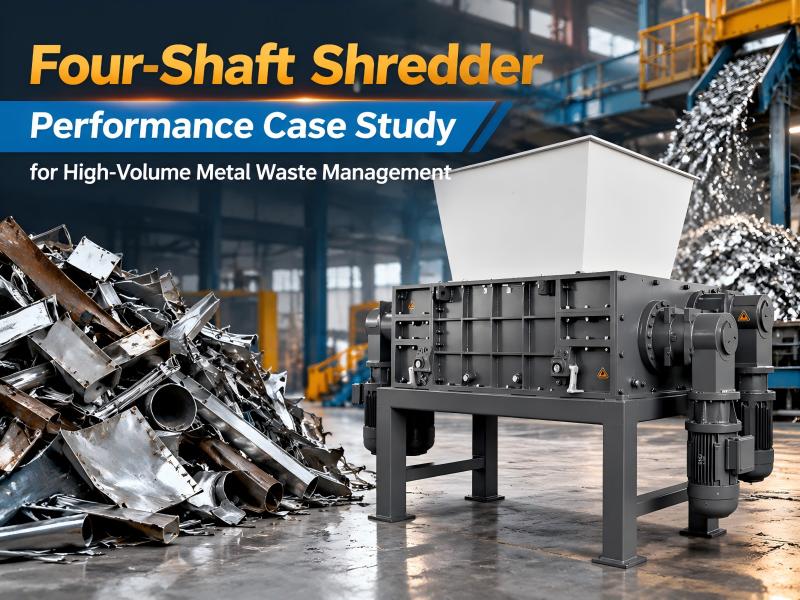
Four-Shaft Shredder Performance Case Study for High-Volume Metal Waste Management

Introduction to High-Volume Metal Waste Management
In the modern landscape of metal fabrication and industrial manufacturing, the efficient handling of scrap metal is no longer just a logistical necessity—it is a critical component of operational profitability. As production volumes increase, the accumulation of metal offcuts, turnings, and bulky scrap poses significant challenges regarding storage, transportation, and recycling. This is where the Four-Shaft Shredder Performance Case Study for High-Volume Metal Waste Management becomes essential for facility managers looking to optimize their workflows.
HARSLE has long been at the forefront of engineering robust solutions for metal processing. The transition from manual scrap handling to automated, high-capacity shredding systems represents a paradigm shift in how factories manage their waste streams. By reducing bulky metal waste into uniform, manageable particles, companies can significantly decrease their logistics costs and increase the value of their scrap when sold to recycling facilities.
This article explores a comprehensive case study involving a large-scale automotive component manufacturer that integrated HARSLE four-shaft shredding technology into their production line. We will examine the technical requirements, the operational improvements, and the long-term economic benefits of deploying such advanced machinery in a high-volume environment.
Understanding the mechanics of four-shaft shredding is the first step toward mastering waste management. Unlike dual-shaft systems, the four-shaft configuration provides superior torque and a secondary screening process that ensures consistent output size. This level of precision is vital for high-volume facilities where throughput speed and material density are the primary metrics of success.
Key Considerations for High-Volume Metal Shredding
When evaluating the implementation of a four-shaft shredder, facility managers must consider several critical factors. The first is the nature of the metal waste itself. Is the facility dealing with thin-gauge sheet metal, heavy-duty steel turnings, or mixed aluminum alloys? Each material type requires specific blade geometries and torque settings to ensure the shredder operates at peak efficiency without premature wear.
Throughput capacity is another vital consideration. In a high-volume environment, the shredder must be integrated directly into the production flow, often connected to conveyor systems that feed the machine continuously. If the shredder cannot keep pace with the production line, it becomes a bottleneck. HARSLE systems are designed with modular throughput capabilities to match the specific output of various fabrication lines.
Space constraints and facility layout also play a significant role. A four-shaft shredder is a substantial piece of equipment that requires adequate space for feeding mechanisms, output collection, and maintenance access. Planning the installation involves not just the footprint of the machine, but the logistics of how scrap enters the shredder and how the shredded material is removed from the facility.
Finally, safety and environmental compliance are paramount. High-volume shredding generates noise, dust, and potential fire hazards if not managed correctly. Modern HARSLE shredders incorporate advanced safety sensors, dust suppression systems, and noise-dampening enclosures to ensure that the facility remains compliant with local environmental regulations while protecting the workforce.
Technical Details of the HARSLE Four-Shaft Shredder
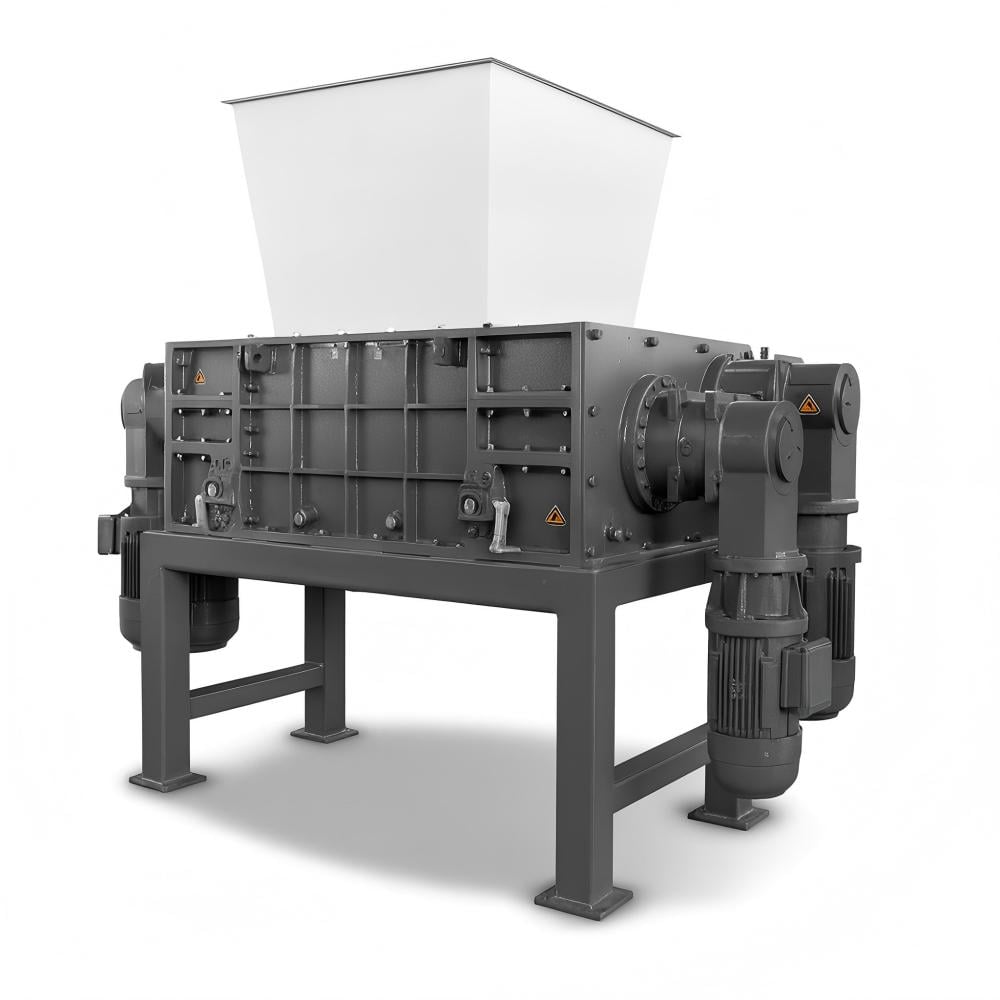
The core of the Four-Shaft Shredder Performance Case Study for High-Volume Metal Waste Management lies in the technical superiority of the four-shaft design. By utilizing two primary cutting shafts and two secondary sizing shafts, the machine achieves a level of material reduction that is impossible with simpler designs. The primary shafts grab and tear the material, while the secondary shafts ensure that only material meeting the desired size specification passes through the screen.
The cutting blades are manufactured from high-alloy, wear-resistant steel, specifically heat-treated to withstand the extreme stresses of shredding hardened steel and aluminum. These blades are designed to be easily replaceable, minimizing downtime during maintenance cycles. The modularity of the blade arrangement allows operators to customize the shred size, which is critical when the end-user of the scrap metal requires specific density or particle dimensions.
The drive system is another technical highlight. HARSLE utilizes high-torque, low-speed gear motors that provide the necessary force to shred thick metal components without stalling. This high-torque approach is more energy-efficient than high-speed shredding, as it relies on mechanical advantage rather than raw velocity. This results in lower electricity consumption and less heat generation, extending the lifespan of the machine components.
Advanced control systems monitor the load on the motors in real-time. If the shredder encounters an un-shreddable object, such as a hardened tool steel die or a large solid block, the system automatically reverses the shafts to clear the obstruction. This intelligent feedback loop prevents damage to the drivetrain and ensures continuous, autonomous operation, which is essential for high-volume manufacturing environments.

Selection Advice for Industrial Shredding Equipment
Selecting the right shredder requires a thorough audit of your current waste stream. Before purchasing, conduct a waste characterization study to determine the volume, density, and composition of your scrap. This data will dictate the required motor power, shaft speed, and blade configuration. A common mistake is undersizing the equipment, which leads to frequent jams and increased maintenance costs.
Consider the integration capabilities of the shredder. Will it be fed by a robotic arm, a belt conveyor, or a manual tipping system? The feeding mechanism must be compatible with the shredder’s intake hopper to prevent bridging, where material gets stuck and fails to enter the cutting chamber. HARSLE offers custom hopper designs tailored to the specific material handling needs of the client.
Maintenance accessibility is a crucial selection criterion. In a high-volume facility, the shredder is a mission-critical asset. Look for machines that offer easy access to the cutting chamber for blade inspection and replacement. The ability to perform routine maintenance without dismantling the entire machine is a significant advantage that reduces the total cost of ownership over the life of the equipment.
Finally, look for a partner, not just a supplier. The Four-Shaft Shredder Performance Case Study for High-Volume Metal Waste Management highlights that the success of the installation depends heavily on the manufacturer’s support. HARSLE provides comprehensive training for operators, detailed maintenance schedules, and readily available spare parts, ensuring that your investment remains productive for years to come.
Foire aux questions (FAQ)
What makes a four-shaft shredder better than a dual-shaft shredder?
A four-shaft shredder includes two additional shafts that act as a sizing screen. This ensures that the output material is uniform in size, which is often required for high-value recycling or smelting processes. It provides greater control over the final product compared to a dual-shaft machine.
How often do the blades need to be sharpened or replaced?
The frequency of blade maintenance depends on the hardness and volume of the material being shredded. In a high-volume metal fabrication environment, we recommend a monthly inspection. With proper usage, HARSLE blades are designed for long service intervals, but abrasive materials like stainless steel may require more frequent attention.
Can the shredder handle mixed metal waste?
Yes, HARSLE four-shaft shredders are designed to handle a variety of metals, including aluminum, copper, and various grades of steel. However, it is important to avoid feeding the machine with materials that exceed its structural capacity, such as solid blocks of hardened tool steel, unless the machine is specifically rated for that application.
What are the power requirements for these machines?
Power requirements vary based on the model and the throughput capacity. HARSLE provides detailed electrical specifications for each unit. Most high-volume shredders require a three-phase industrial power supply and may need a soft-start system to manage the high torque requirements during startup.
How does the shredder impact the value of my scrap metal?
Shredding your metal waste increases its bulk density. Recycling facilities often pay a premium for shredded, uniform scrap because it is easier to transport and process in their own furnaces. By shredding on-site, you can significantly improve your scrap revenue.
Conclusion
The Four-Shaft Shredder Performance Case Study for High-Volume Metal Waste Management demonstrates that investing in the right technology is a strategic move for any modern metal fabrication facility. By reducing waste volume, improving material handling efficiency, and increasing the market value of scrap, HARSLE shredders provide a clear return on investment. The combination of high-torque performance, intelligent control systems, and robust design makes these machines an indispensable asset for high-volume operations.
As the industry moves toward more sustainable and efficient manufacturing practices, the ability to manage waste effectively will become a key differentiator. Facilities that adopt advanced shredding technology today will be better positioned to handle the challenges of tomorrow, including rising logistics costs and stricter environmental regulations. When choosing your equipment, prioritize durability, integration, and manufacturer support to ensure your long-term success.
HARSLE remains committed to providing the metal fabrication industry with the tools necessary to thrive in a competitive global market. Whether you are looking to upgrade your existing waste management system or planning a new facility, our team of experts is ready to help you select the perfect shredding solution to meet your specific needs. Contact us today to learn more about how our four-shaft shredders can transform your scrap management process.












