Scrap Metal Baler Not Compacting Properly? Common Causes and Easy Fixes


Introduction
In the high-stakes world of metal recycling and fabrication, efficiency is the lifeblood of your operation. A scrap metal baler is a critical piece of infrastructure designed to turn bulky, unmanageable waste into dense, transportable, and profitable bales. However, when you find your scrap metal baler not compacting properly, it creates a bottleneck that ripples through your entire production line. Downtime is not just an inconvenience; it is a direct hit to your bottom line.
At HARSLE, we understand that industrial machinery is subject to extreme wear and tear. Whether you are processing aluminum, copper, or steel, the forces involved are immense. When the compaction force drops or the bale density fails to meet industry standards, it is usually a sign of a specific mechanical or hydraulic failure. This guide is designed to help facility managers and maintenance technicians diagnose these issues quickly and implement effective solutions.
Understanding the root cause of compaction failure requires a systematic approach. From hydraulic pressure fluctuations to structural wear on the ram, the variables are numerous. By following this comprehensive guide, you can identify whether the issue is a simple maintenance oversight or a more complex technical failure that requires professional intervention. Let’s dive into the common causes and easy fixes for your scrap metal baler.
Key Considerations for Baler Performance
Before jumping into technical repairs, it is essential to consider the operational environment of your scrap metal baler. Often, the issue is not a broken part, but rather a mismatch between the material being fed and the machine’s capacity. Overloading the chamber or introducing materials that exceed the machine’s shear force capabilities can lead to incomplete compaction cycles.
Another key consideration is the consistency of the material. If your baler is designed for light-gauge aluminum but is being fed heavy-duty steel scraps, the hydraulic system will struggle to reach the required pressure. Always ensure that the material being processed aligns with the specifications provided by HARSLE for your specific model. Using the wrong material can lead to premature wear on the ram face and internal chamber walls.
Environmental factors also play a significant role. Extreme temperatures can affect hydraulic fluid viscosity, leading to sluggish performance. If your facility is not climate-controlled, you may need to adjust your hydraulic oil grade to match the seasonal temperature shifts. Furthermore, debris accumulation around the sensors and moving parts can trigger safety interlocks that prevent the machine from reaching full compression.
Finally, operator training is a major factor in machine longevity. Operators should be trained to recognize the signs of a struggling baler, such as unusual noises, prolonged cycle times, or bales that expand after ejection. By fostering a culture of proactive observation, your team can catch minor issues before they escalate into major mechanical failures that require expensive parts replacement.
Technical Details: Why Your Scrap Metal Baler Is Not Compacting Properly
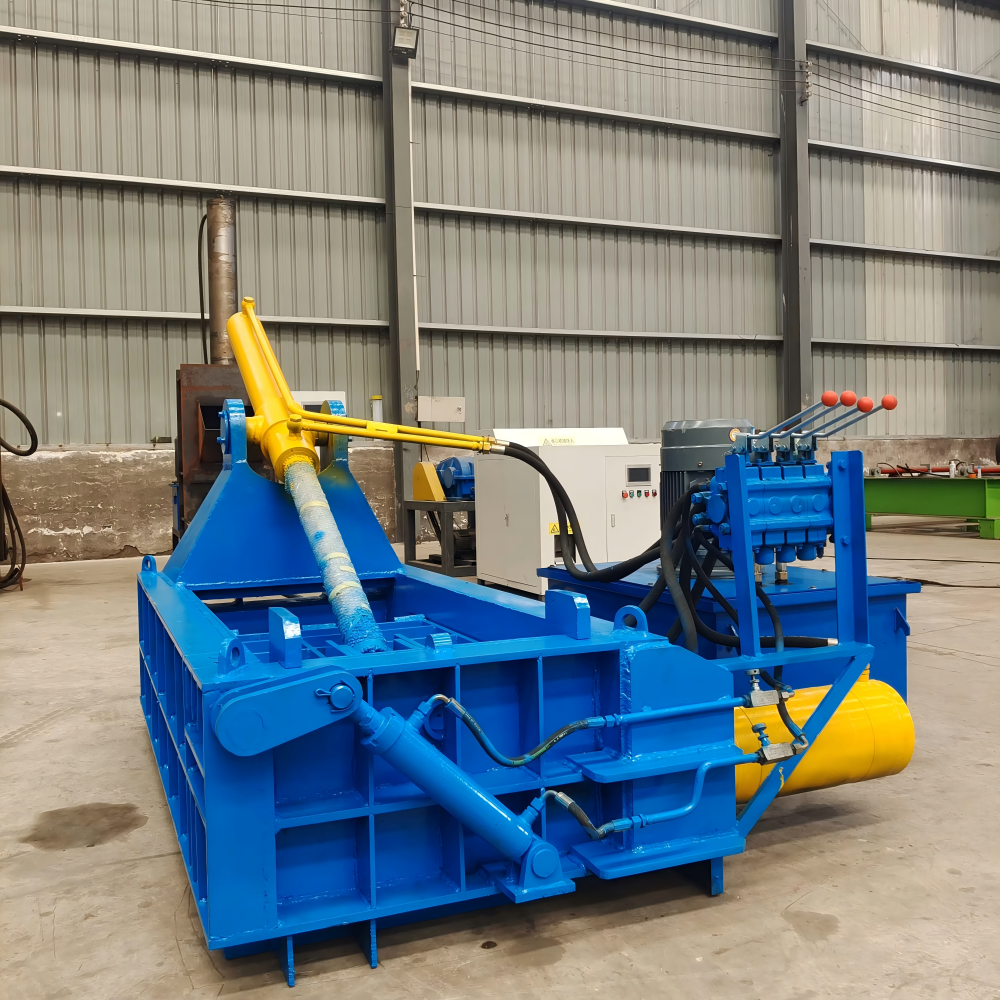
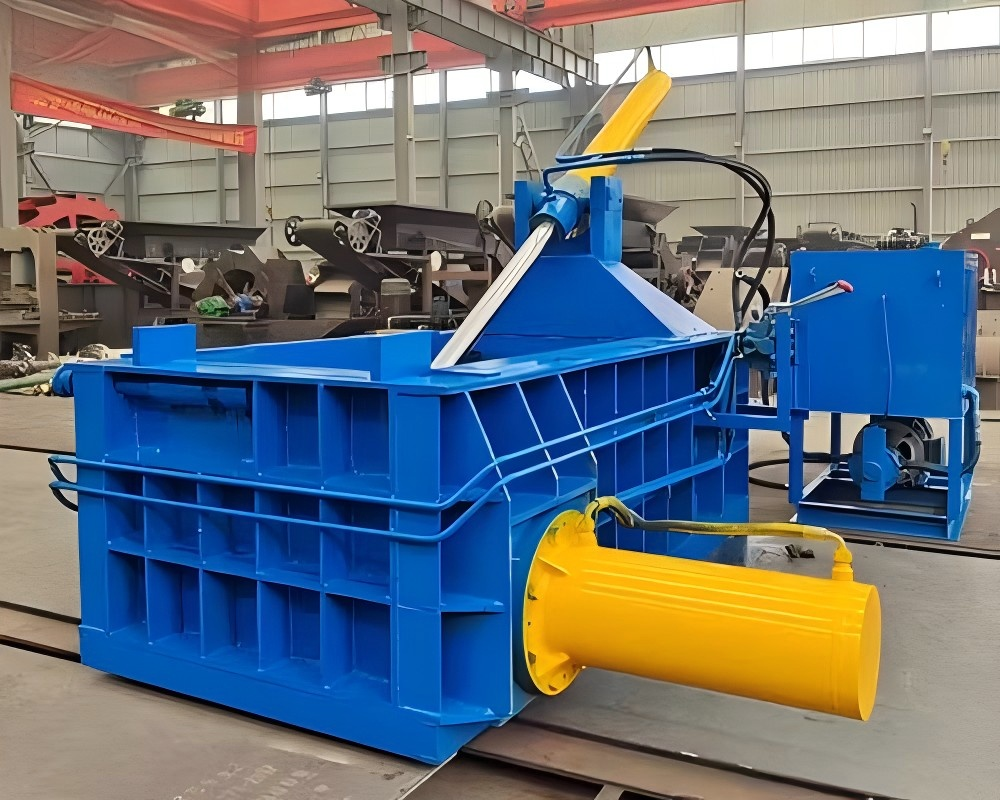
When a scrap metal baler is not compacting properly, the most common culprit is the hydraulic system. The hydraulic pump is the heart of your machine; if it is failing to build or maintain pressure, the ram will not exert the necessary force to compress the metal. Check the pressure gauge during a cycle to see if it reaches the manufacturer’s recommended PSI. If it falls short, you may have a pump issue or a relief valve that is stuck open.
Hydraulic fluid quality is another technical detail that is frequently overlooked. Contaminated or degraded oil can cause internal bypass in the hydraulic cylinders. If the seals inside the cylinder are worn, the oil will leak past the piston, preventing the ram from achieving full stroke or force. This is often accompanied by a noticeable drop in speed or a “spongy” feel during the compression stroke.
The ram and chamber alignment are also critical. Over time, the guide rails for the ram can wear down, causing the ram to tilt slightly. Even a small misalignment can lead to uneven pressure distribution, resulting in bales that are loose on one side or misshapen. Inspect the ram face for signs of uneven wear or gouging, which could indicate that the ram is striking the chamber walls during operation.
Electrical and sensor issues can also mimic mechanical failures. Modern HARSLE balers use a series of limit switches and pressure transducers to manage the cycle. If a sensor is faulty or covered in metal dust, the PLC (Programmable Logic Controller) may prematurely end the compression cycle, thinking the bale is finished when it is not. Regularly cleaning these sensors and verifying their signal output is a simple but effective troubleshooting step.
Easy Fixes and Maintenance Strategies
For many common issues, the fix is straightforward. Start by checking the hydraulic fluid level and quality. If the oil is milky or dark, it is time for a flush and filter replacement. Clean oil is essential for the longevity of the pump and valves. Additionally, ensure that all hydraulic hoses are free of kinks and that there are no external leaks that could be causing pressure loss.
If the ram is sticking or moving slowly, lubricate the guide rails and moving parts. Metal dust can act as an abrasive, so keeping the tracks clean and well-greased is vital. Use a high-quality industrial lubricant recommended by HARSLE to ensure smooth operation. If you notice the ram is not fully retracting, check for debris trapped in the chamber that might be obstructing the path.
For sensor-related issues, use compressed air to blow out any metal shavings or dust from the sensor housings. If the machine is still not completing the cycle, check the PLC display for error codes. These codes are invaluable for pinpointing exactly which part of the cycle is failing. Refer to your HARSLE operation manual to decode these messages, as they often provide a direct path to the solution.
Finally, tighten all structural bolts and fasteners. The constant vibration of a baler can loosen connections over time, which can lead to structural instability and misalignment. A quick weekly inspection to tighten bolts and check for structural cracks can prevent catastrophic failure and keep your baler running at peak performance for years to come.
Selection Advice: Choosing the Right Baler for Your Needs
If you find that your current baler is constantly struggling, it may be time to consider whether your equipment is properly sized for your volume. A scrap metal baler not compacting properly is often a sign that the machine is being pushed beyond its design limits. When selecting a new unit, consider the density of the material you process and the daily throughput requirements.
Look for machines that offer variable pressure settings. This allows you to adjust the force based on the specific type of metal you are baling, which saves energy and reduces wear on the machine. HARSLE offers a range of balers designed for different industrial applications, from light-duty recycling centers to heavy-duty manufacturing facilities. Choosing the right size ensures that the machine operates within its “sweet spot” for efficiency.
Consider the automation level of the baler. Fully automatic balers are ideal for high-volume operations where consistency is key. They reduce the risk of human error and ensure that every bale is tied and ejected at the exact same pressure. If your current manual baler is causing issues, upgrading to a semi-automatic or automatic system might be the most cost-effective way to improve your output quality.
Lastly, prioritize build quality and support. Investing in a reputable brand like HARSLE ensures that you have access to spare parts, technical support, and a network of service professionals. A cheaper, unbranded machine might save money upfront, but the cost of downtime and the difficulty of finding replacement parts will quickly negate those savings. Always prioritize long-term reliability over short-term price tags.
FAQ: Troubleshooting Your Scrap Metal Baler
- Q: Why is my baler producing loose, uneven bales?
A: This is usually caused by uneven material distribution or a misaligned ram. Ensure the material is spread evenly in the chamber and check the ram guide rails for wear. - Q: How often should I change the hydraulic fluid?
A: Depending on usage, hydraulic fluid should typically be changed every 1,000 to 2,000 operating hours. Always check the oil clarity and viscosity regularly. - Q: What should I do if the baler makes a loud grinding noise?
A: Stop the machine immediately. Grinding noises often indicate metal-on-metal contact, usually due to worn guide rails or debris in the tracks. Inspect the chamber and ram for damage. - Q: Can I use any hydraulic oil in my HARSLE baler?
A: No, you should always use the specific grade of hydraulic oil recommended in your user manual to ensure optimal performance and prevent damage to the seals and pump. - Q: Why does the baler stop mid-cycle?
A: This is often triggered by a safety interlock or a faulty sensor. Check for obstructions, ensure the door is fully closed, and verify that all sensors are clean and functioning.
Conclusion
Maintaining a scrap metal baler is a fundamental aspect of running a successful metal fabrication or recycling business. When you encounter a situation where your scrap metal baler is not compacting properly, do not panic. By systematically checking the hydraulic system, inspecting the ram alignment, and ensuring your sensors are clean, you can resolve most issues quickly. Remember that proactive maintenance is always cheaper than reactive repairs.
At HARSLE, we are committed to providing robust, high-performance machinery that stands the test of time. However, even the best equipment requires care and attention. By following the tips outlined in this guide, you can ensure that your baler remains a reliable asset in your facility, producing high-density bales that maximize your recycling revenue. If you ever find yourself facing a problem that you cannot solve, our technical support team is always ready to assist you in getting your operations back on track.
Investing time in understanding your equipment is an investment in your business’s future. Keep your baler clean, monitor your hydraulic health, and train your operators to spot the early warning signs of trouble. With these practices in place, you will minimize downtime and keep your production line moving smoothly, ensuring that your scrap metal processing remains as profitable and efficient as possible.