Troubleshooting Uneven Metal Flow In Aluminium Extrusion Press Operation: A Comprehensive Guide


Introduction to Aluminium Extrusion Precision
In the high-stakes world of metal fabrication, the aluminium extrusion process stands as a cornerstone of modern manufacturing. Whether producing complex profiles for aerospace, automotive, or architectural applications, the consistency of the metal flow is paramount. When an operator encounters issues with material distribution, it can lead to costly scrap, structural weaknesses, and significant downtime. Troubleshooting uneven metal flow in aluminium extrusion press operation is not merely a maintenance task; it is a critical skill set that ensures the longevity and efficiency of your HARSLE machinery.
Uneven metal flow manifests as variations in wall thickness, surface defects, or twisting in the extruded profile. Understanding the physics behind these phenomena requires a deep dive into the interaction between the billet, the container, the die, and the hydraulic force applied by the press. By systematically addressing these variables, operators can restore production quality and maintain the high standards expected in industrial metal fabrication.
This guide serves as a technical roadmap for identifying the root causes of flow irregularities. From thermal management to die design geometry, we will explore the multifaceted nature of extrusion dynamics. HARSLE remains committed to providing the knowledge necessary to optimize your production line, ensuring that every cycle is as precise as the first.
Key Considerations for Consistent Metal Flow
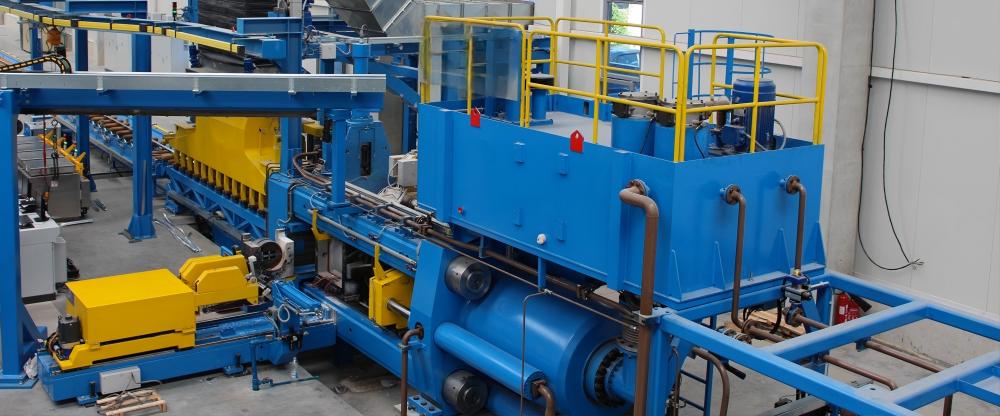
The primary factor influencing metal flow is the thermal profile of the billet. Aluminium is highly sensitive to temperature gradients; if the billet is too cold at the core or too hot at the surface, the flow velocity will vary significantly across the cross-section of the die. Operators must ensure that the induction heating process is calibrated to provide a uniform temperature throughout the billet length and diameter.
Another critical consideration is the friction between the billet and the container wall. As the ram pushes the billet, the outer layer of the aluminium tends to stick to the container wall, while the center flows faster. This phenomenon, known as ‘pipe’ or ‘funneling,’ can introduce impurities into the extrusion. Proper lubrication protocols and container maintenance are essential to minimize this friction and promote a more laminar flow pattern.
The speed of the extrusion ram also plays a vital role. Pushing the material too quickly through the die can cause localized overheating due to friction, leading to surface tearing or ‘pick-up’ defects. Conversely, moving too slowly may result in premature cooling of the aluminium, increasing the required pressure and potentially stalling the press. Finding the ‘sweet spot’ for ram speed is a balancing act that depends on the alloy type and the complexity of the profile.
Finally, the condition of the dummy block cannot be overlooked. A worn or improperly sized dummy block will fail to seal the container effectively, allowing aluminium to flow backward between the block and the container wall. This not only wastes material but also disrupts the pressure distribution, leading to uneven flow. Regular inspection of the dummy block and the container liner is a non-negotiable aspect of preventative maintenance in any extrusion facility.
Technical Details: Analyzing Die Geometry and Flow Dynamics
The die is the heart of the extrusion process. When troubleshooting uneven metal flow in aluminium extrusion press operation, the die design is often the first place to look. If the bearing lengths are not correctly calculated, the metal will flow faster through the sections with shorter bearings and slower through those with longer bearings. This imbalance results in a profile that bows or twists as it exits the die.
Die correction is a specialized art. Experienced die makers use ‘chokes’ and ‘reliefs’ to manipulate the flow velocity. A choke is a slight angle added to the bearing surface to slow down the metal, while a relief speeds it up. By adjusting these features, the die can be tuned to ensure that all parts of the profile exit the die at the exact same speed, resulting in a straight and dimensionally accurate product.
Furthermore, the pocket design of the die plate influences how the metal enters the die openings. If the pocket is too shallow or incorrectly shaped, the metal may not distribute evenly, leading to ‘starving’ of certain die ports. This is particularly problematic in multi-hole dies, where one hole might produce a perfect profile while the adjacent hole produces a defective one. Analyzing the flow patterns through simulation software can help identify these bottlenecks before the die is even manufactured.
The alloy composition itself also dictates flow behavior. High-strength alloys, such as the 7000 series, have different flow characteristics compared to the more ductile 6000 series. Operators must adjust their process parameters—specifically temperature and pressure—to accommodate the specific flow resistance of the alloy being processed. Failure to account for these material properties will inevitably lead to uneven flow, regardless of how well the press is maintained.
Conseils de sélection : Choisir le bon équipement pour vos besoins
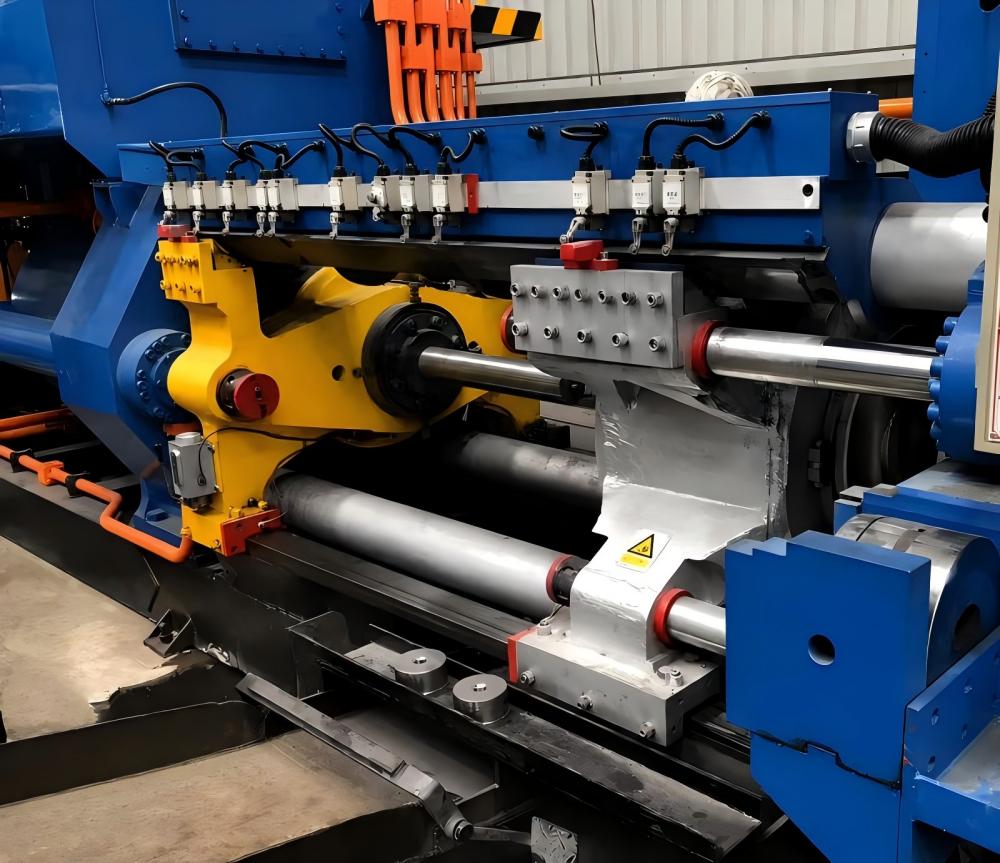
When selecting an aluminium extrusion press, it is crucial to consider the flexibility of the machine’s control systems. Modern HARSLE presses feature advanced PLC integration that allows for real-time monitoring of ram speed, pressure, and temperature. These systems provide the data necessary to troubleshoot flow issues as they happen, rather than discovering them after the product has cooled and been inspected.
Consider the capacity of the press in relation to the profiles you intend to produce. A press that is consistently pushed to its maximum pressure limit will struggle to maintain consistent flow, especially when dealing with complex, thin-walled profiles. Investing in a machine with a slightly higher tonnage capacity than your current requirements provides a buffer that ensures smoother operation and better control over metal flow dynamics.
The quality of the hydraulic system is another differentiator. Uneven flow can often be traced back to pressure fluctuations in the hydraulic circuit. HARSLE utilizes high-precision proportional valves and robust pump systems to ensure that the ram movement is smooth and jitter-free. When comparing equipment, look for manufacturers that prioritize hydraulic stability and offer comprehensive diagnostic tools.
Finally, consider the support and training provided by the manufacturer. Troubleshooting uneven metal flow is a complex task that requires both machine knowledge and metallurgical expertise. Choosing a partner like HARSLE means gaining access to a wealth of technical documentation, remote support services, and operator training programs that empower your team to solve problems efficiently and keep your production line moving.
Foire aux questions (FAQ)
- Q: How does billet temperature affect metal flow?
A: Billet temperature directly impacts the viscosity of the aluminium. A non-uniform temperature leads to varying flow rates, causing the material to move faster in hotter areas and slower in cooler areas, resulting in profile distortion. - Q: What is the role of the dummy block in preventing flow issues?
A: The dummy block acts as a seal between the ram and the container. A properly functioning dummy block prevents back-flow and ensures that the pressure is applied uniformly across the entire billet cross-section. - Q: Why does my profile twist after exiting the die?
A: Twisting is usually caused by uneven exit speeds across the profile. This indicates that the die bearing lengths need adjustment—specifically, the faster-flowing areas need to be choked, and the slower-flowing areas need to be relieved. - Q: How often should I inspect my container liner?
A: Container liners should be inspected regularly for wear, scoring, or ovality. A worn liner allows for increased friction and potential material bypass, which significantly disrupts metal flow. - Q: Can ram speed be adjusted to fix flow defects?
A: Yes, adjusting ram speed can help manage heat generation and flow resistance. However, it is a secondary measure; the primary solution should always be addressing die design and billet temperature consistency.
Conclusion
Troubleshooting uneven metal flow in aluminium extrusion press operation is a fundamental aspect of maintaining a competitive edge in the metal fabrication industry. By focusing on the thermal consistency of the billet, the precision of the die geometry, and the mechanical integrity of the press components, operators can effectively mitigate flow-related defects. HARSLE is dedicated to supporting your operations with high-performance machinery and the technical expertise required to master these complex processes.
Remember that every extrusion challenge is an opportunity to refine your process. Whether you are adjusting ram speeds, recalibrating induction heaters, or working with die makers to optimize bearing lengths, the goal remains the same: consistent, high-quality production. With the right equipment and a systematic approach to troubleshooting, you can ensure that your HARSLE extrusion press remains a reliable workhorse for years to come.
For further technical assistance or to explore our latest range of aluminium extrusion presses, contact the HARSLE support team. We are here to help you achieve excellence in every profile you produce, ensuring that your metal fabrication equipment operates at its peak potential every single day.